Top 19 Waterfalls in Guadalajara
Waterfalls in Guadalajara offer diverse natural landscapes within the region. This area, known for its natural parks like the Río Dulce Ravine and Alto Tajo, features various water formations. The terrain includes ravines, rivers, and mountainous areas, providing different environments for waterfalls. Visitors can explore these natural attractions, which are often fed by seasonal rains or permanent river flows.
Best waterfalls in Guadalajara
- The most popular waterfalls is Aljibe Waterfall, a waterfall that is a popular place for hiking lovers. The path leading to it offers spectacular views.
- Another must-see spot is Gollorio Waterfall, a waterfall located in the bed of the Gollorio ravine, a tributary of the Dulce River. It is about 50 meters high and appears from autumn to spring.
- Visitors also love Salto de Poveda Waterfall, an impressive waterfall that forms a natural pool. This spot is ideal for a refreshing swim in summer.
- Guadalajara is known for waterfalls that appear seasonally, those with natural pools, and those within ravines. The region offers a variety of waterfalls to see and explore, from those with challenging access to family-friendly options.
- The waterfalls in Guadalajara are appreciated by the komoot community. There are 18 highlights with 20 photos and 27 upvotes, showcasing the appeal of these natural sites.
Last updated: August 23, 2026
Gollorio Waterfall
Highlight • Waterfall
Translated by Google •
Tip by

Salto de Poveda Waterfall
Highlight • Waterfall
Translated by Google •
Tip by

Sign up now to discover places like this
Get recommendations on the best single tracks, peaks, & plenty of other exciting outdoor places.
Sign up for free
Despeñalagua Waterfall
Highlight • Waterfall
The waterfall has a height of about 120 meters and flows throughout the year, especially during the thaw season. In winter, frost is often found, which adds a magical touch to the landscape. The route to visit the Chorreras de Despeñalagua is simple and suitable for the whole family. The path, approximately 4.5 km, offers spectacular views and allows you to explore the streets and buildings of Valverde de los Arroyos. Also, on the way to the town, you will pass through other charming black towns such as Palancares, Almiruete and Tamajón. Definitely a destination worth exploring! 😊
Translated by Google •
Tip by
Aljibe Waterfall
Highlight • Waterfall
Translated by Google •
Tip by
Trillo
Highlight • Settlement
The streets of the town are on a staggered slope and the Cifuentes River crosses the center of the town, creating several beautiful waterfalls, an extraordinary wonder of nature in the peasant environment of the Alcarreño mountains and valleys.
In the center of the town it is inevitable to stop at the terrace of the Gastrobar Pura and enjoy the spectacle of the water while eating a plate of local specialties.
Trillo is also the headquarters of Zona Zentro, a space focused on discovering the values of the territory through the bicycle. The route leaves the refreshing company of the waterfalls of the Cifuentes River by the monumental Gothic bridge of the Tagus and undertakes a seductive journey through the meanders of the Tagus at the end of the Entrepeñas reservoir.
Translated by Google •
Tip by

San Pedro Bridge
Highlight • Bridge
Translated by Google •
Tip by

Cifuentes River Waterfall
Highlight • Waterfall
Translated by Google •
Tip by

Molino Waterfall
Highlight • Waterfall
Translated by Google •
Tip by

Algar de Mesa Waterfall
Highlight • Waterfall
Translated by Google •
Tip by
Recreational area opposite the Vereda mill
Highlight • Rest Area
Translated by Google •
Tip by

Sign up for free to discover even more waterfalls in Guadalajara.
Sign up for free
Already have an account?
Start today with a free account
Your next adventure awaits.
Login or Signup
Popular around Guadalajara
Sendero Español GR 10 — De este a oeste
Women's Montañas Vacías 2022 — bikepack in rural Spain
MontañasVacías official — bikepacking across the Spanish Lapland
Montañas Vacías — bikepacking the wild and remote 'Empty Mountains'
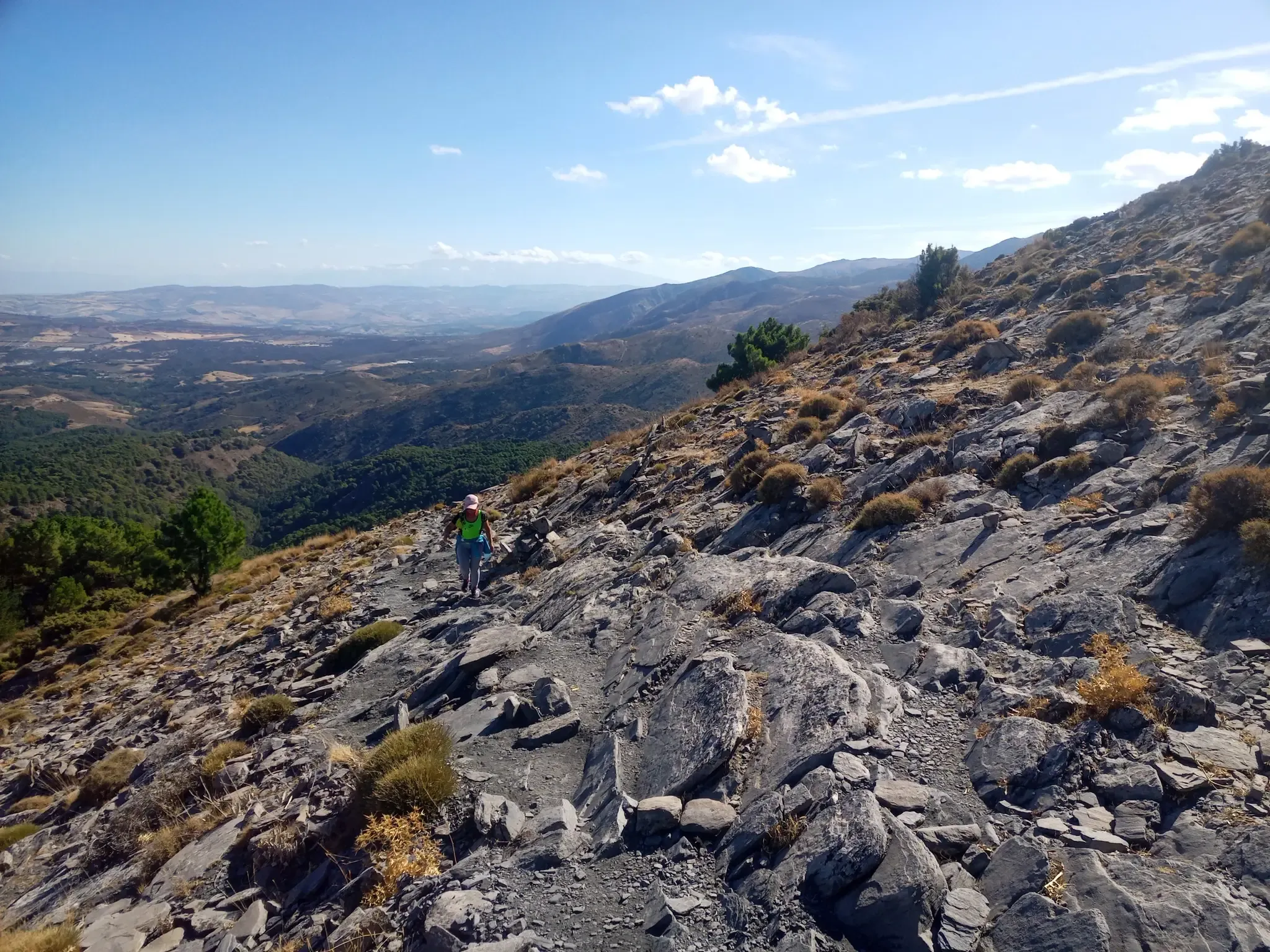
12 hiking gems throughout Spain
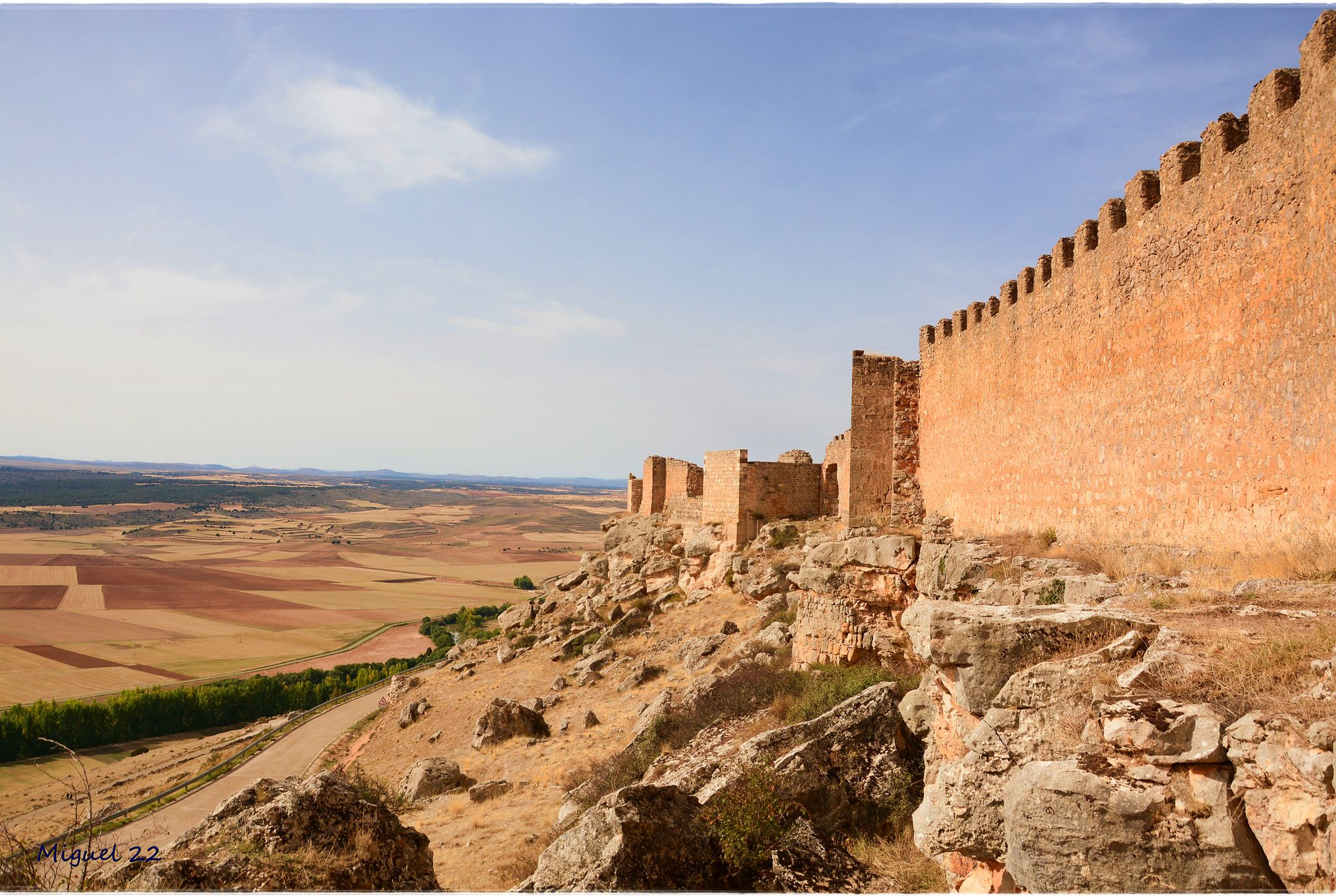
A journey through mediaeval Spain – El Camino del Cid (GR 160)
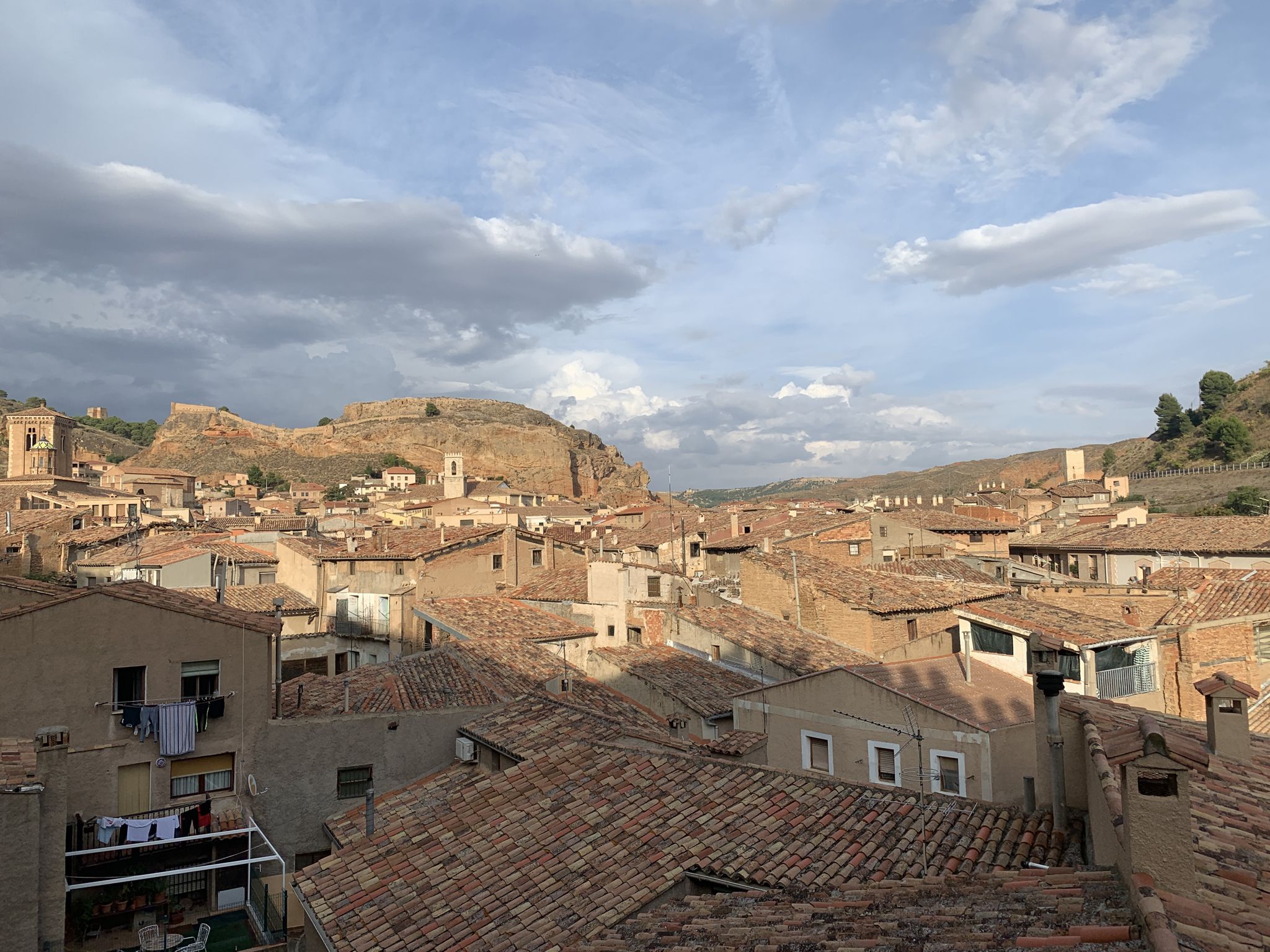
18th-century gravel – Camino Real de Aragón from Madrid
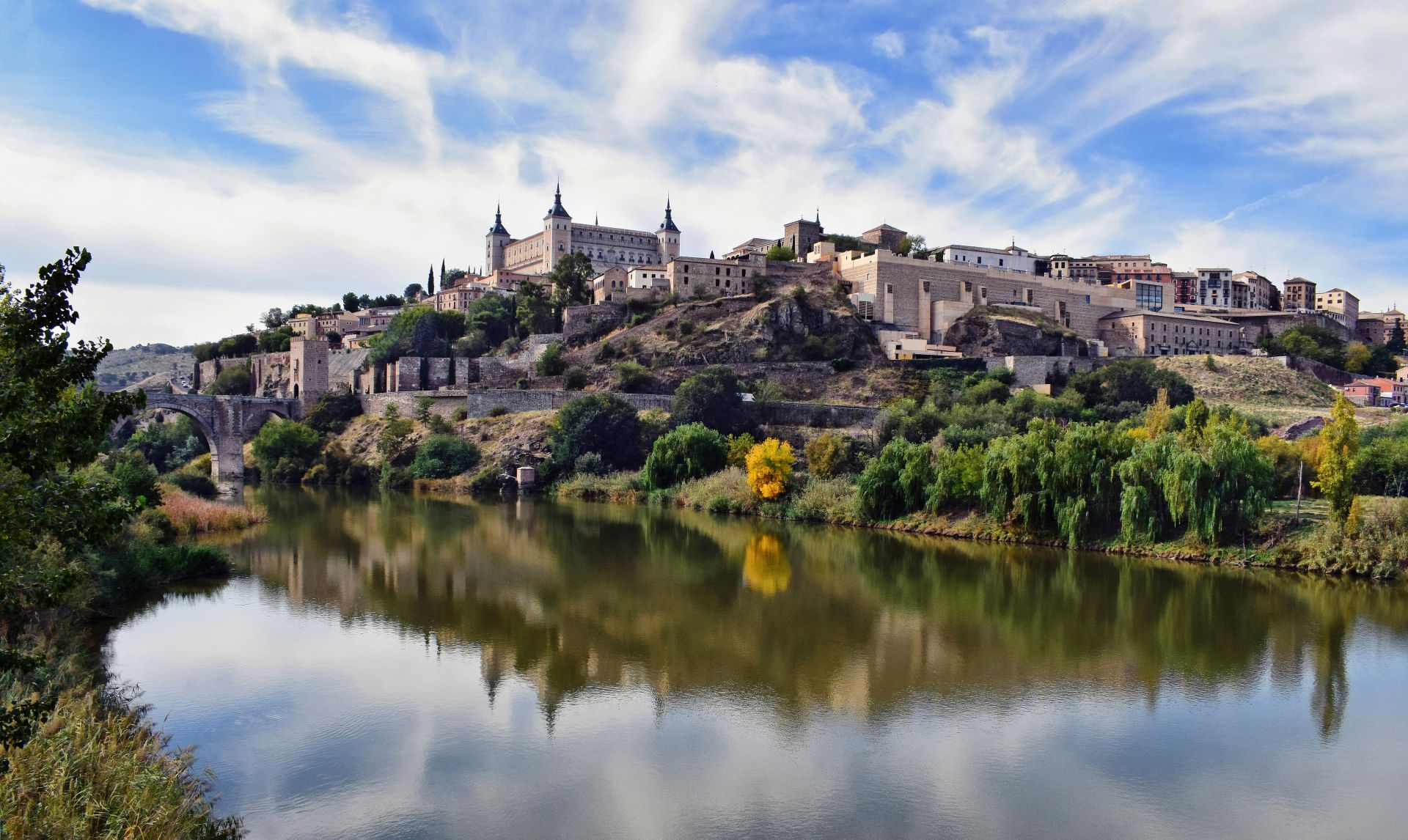
Albarracín to Toledo – Eastern Tagus Nature Trail
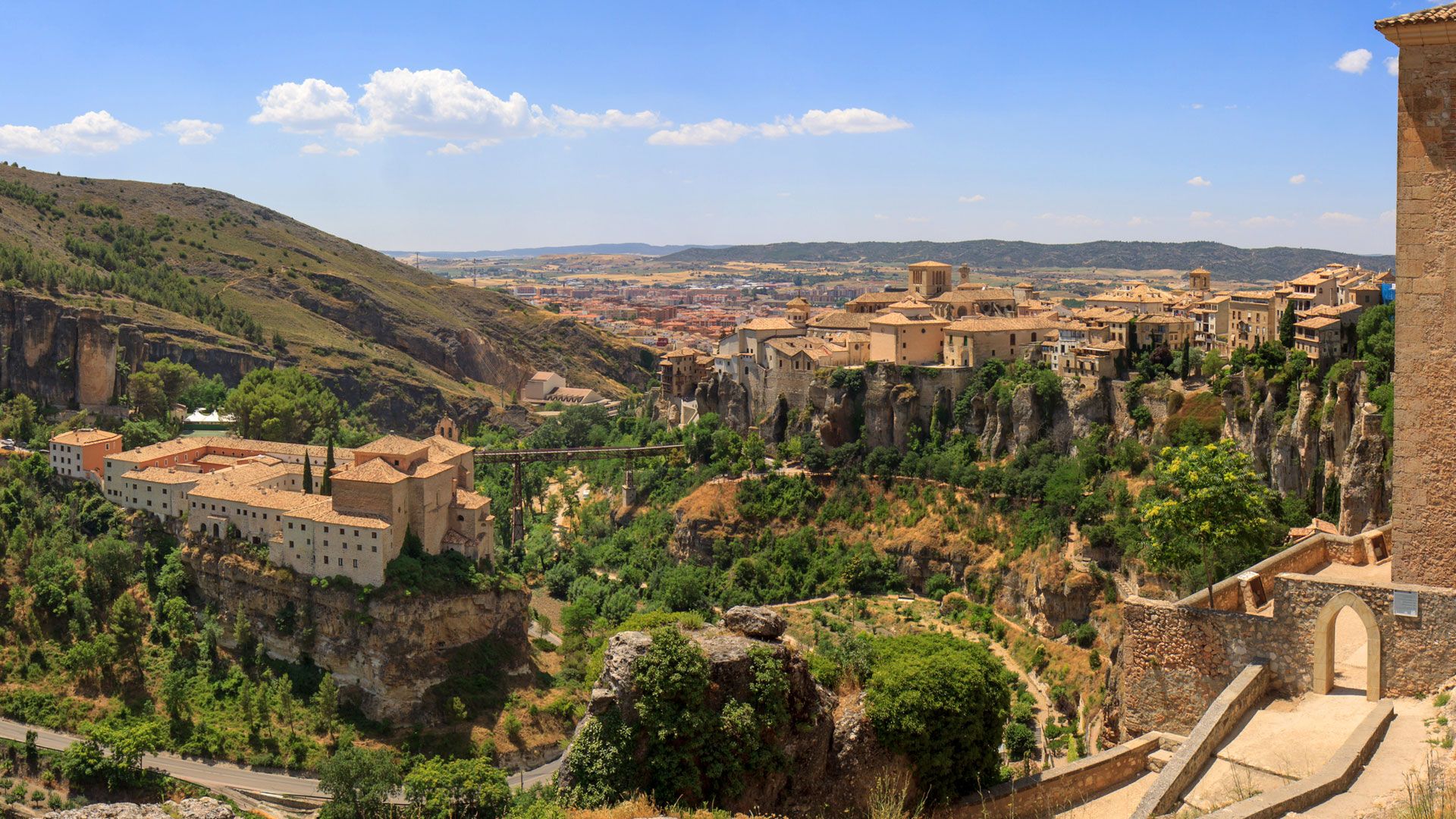
Levante to Castile – Ruta de la Lana Gravel Route
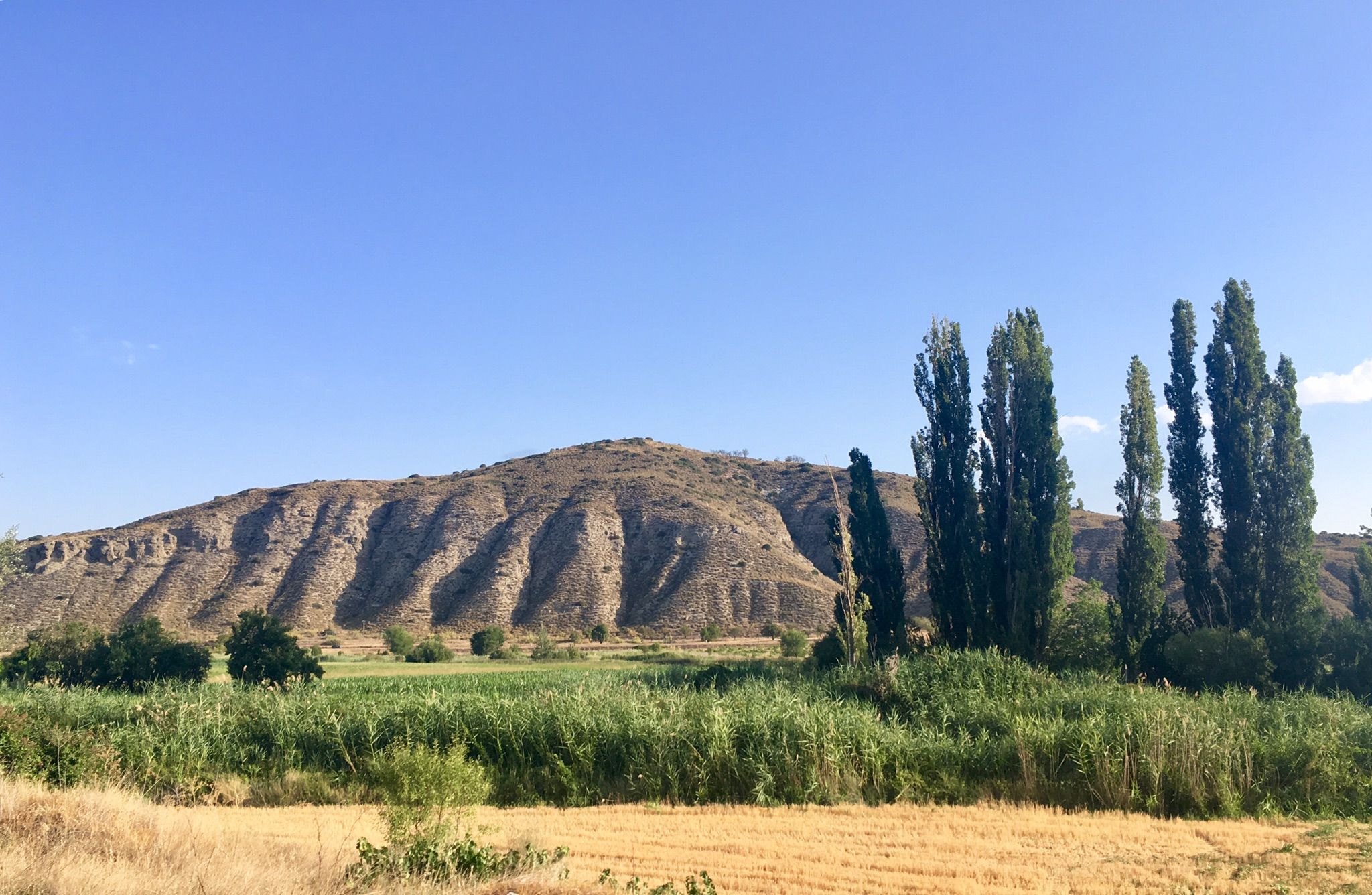
Canyons and countryside – Spain’s Tajuña River gravel
Other adventures in Guadalajara


Tips from the Community

Despite its steep and difficult access, Gollorio Waterfall is a popular spot for hikers. The trail leading to it offers spectacular views and is part of the Gollorio Waterfall Route. In long sections, the trail runs close to the ravine without any lateral protection, so caution is advised.
2
0

It is a beautiful waterfall on the Mesa River near the pretty town of Algar de Mesa.
0
1

Quiet place to walk and take a bath.
0
0
The Salto de Poveda, an impressive waterfall that forms a natural pool, ideal for a refreshing swim in summer.
6
0
An impressive waterfall that forms a natural pool, ideal for a refreshing swim in summer.
6
0

Remember to reserve your parking... QRcode at the entrance
1
0
The Chorreras de Despeñalagua are an impressive set of waterfalls located in the Chorrera stream, a tributary of the Sorbe river, on the northern slope of the Ocejón peak near Valverde de los Arroyos. The waterfall has a height of about 120 meters and flows throughout the year, especially during the thaw season. In winter, frost is often found, which adds a magical touch to the landscape. The route to visit the Chorreras de Despeñalagua is simple and suitable for the whole family. The path, approximately 4.5 km, offers spectacular views and allows you to explore the streets and buildings of Valverde de los Arroyos. Also, on the way to the town, you will pass through other charming black towns such as Palancares, Almiruete and Tamajón. Definitely a destination worth exploring! 😊
8
0
At Salto de Poveda, go down to the bottom, sit down and enjoy the peace and tranquility of the sound of the water falling into its waterfall.
1
0
Frequently Asked Questions
What are some family-friendly waterfalls in the Guadalajara region?
For a family-friendly outing, consider the Despeñalagua Waterfall near Valverde de los Arroyos. It's an impressive set of waterfalls, about 120 meters high, with a route that is simple and suitable for the whole family. The town of Trillo also features several beautiful waterfalls created by the Cifuentes River, offering a pleasant environment for all ages.
When is the best time to visit waterfalls in Guadalajara?
Many waterfalls in the Guadalajara region are seasonal. For instance, the Gollorio Waterfall is best seen from autumn to spring when rains ensure a strong flow. Similarly, the Aljibe Waterfall is most impressive in spring or after significant rainfall. The Despeñalagua Waterfall flows throughout the year, especially during the thaw season, and can offer a magical frosted landscape in winter. The rainy season, typically July, brings many waterfalls like Salto del Nogal and El Salto del Gavilán to their full splendor.
Are there waterfalls in Guadalajara where I can swim?
Yes, several waterfalls in the region offer opportunities for swimming. The Salto de Poveda Waterfall forms a natural pool that is ideal for a refreshing swim in summer. The Cascadas de Comala also feature natural pools of varying sizes and depths with turquoise waters, perfect for swimming and even natural waterslides. Additionally, the Huaxtla Waterfalls are known for their crystalline pools suitable for swimming and diving.
What are some challenging waterfall hikes in the Guadalajara area?
For those seeking a challenge, the Aljibe Waterfall offers a steep and difficult access route, popular among hiking enthusiasts, with spectacular views along the ravine. The Salto del Nogal near Tapalpa also involves a challenging 1.5-kilometer descent to the falls, taking about 35 minutes down and 45 minutes to ascend.
What outdoor activities can I do near the waterfalls in Guadalajara?
Beyond enjoying the waterfalls themselves, the region offers various outdoor activities. You can find numerous hiking routes, such as the 'Poveda Waterfall and Taravilla Lagoon' trail or the 'Hoz de Pelegrina and Gollorio Waterfall Trail'. For cycling enthusiasts, there are road cycling routes like the 'Black Villages of Guadalajara Route'. Some areas, like Salto del Nogal, are popular for rappelling, alpinism, kayaking, mountain biking, and even paragliding. You can explore more options on the Hiking in Guadalajara or Road Cycling Routes in Guadalajara guide pages.
Which waterfalls in Guadalajara are known for their impressive height?
The Guadalajara region is home to several remarkably tall waterfalls. Salto del Nogal near Tapalpa is considered the tallest in Jalisco, with a main drop of 105 meters and a smaller one of 45 meters. El Salto del Gavilán claims to be the highest in Jalisco, with an impressive 200-meter drop. The Despeñalagua Waterfall is also significant, reaching about 120 meters high. Cascada Cola de Caballo, located near San Esteban, is approximately 175 meters high, and Los Azules Waterfall in the Tequila canyon stands at 70 meters.
Are there any waterfalls near Guadalajara that are easily accessible?
Yes, some waterfalls are relatively easy to reach. The Cascada Cola de Caballo is just 30 minutes from Guadalajara on Highway 54, making it an easily accessible natural attraction. The Huaxtla Waterfalls are also conveniently located, about 30 minutes from Zapopan and an hour from Guadalajara, with some trails suitable for all levels. El Salto in Mazamitla is only two kilometers from the town, offering a peaceful escape with easy access.
Can I find natural thermal springs near any waterfalls in Guadalajara?
Yes, the Huaxtla Waterfalls near Zapopan are notable for not only their three waterfalls and turquoise waters but also for the presence of natural thermal springs in the area. This offers a unique combination of cool waterfall pools and warm thermal waters.
What unique geological features can be observed at Guadalajara's waterfalls?
The waterfalls in the Guadalajara region showcase diverse geological features. Salto del Nogal is nestled among basalt rocks. The Huaxtla Waterfalls feature interesting rock formations. The terrain around many waterfalls includes ravines and gorges, such as the Río Dulce Ravine where Gollorio Waterfall is located, and the Tequila canyon which hosts Los Azules Waterfall. These formations contribute to the dramatic landscapes and unique water flows.
What do visitors appreciate most about the waterfalls in Guadalajara?
Visitors frequently highlight the spectacular views and the serene natural atmosphere. Many enjoy the opportunity for refreshing swims in natural pools, especially during summer. The challenging yet rewarding hikes to some waterfalls, like Salto del Nogal and Aljibe Waterfall, are also highly valued. The diverse experiences, from adventure sports to peaceful escapes, make these natural sites appealing to the komoot community.
Are there any waterfalls near Guadalajara that are part of a larger natural park?
Yes, several waterfalls are situated within or near significant natural parks. The Gollorio Waterfall is located within the natural park of the Río Dulce Ravine. The Salto de Poveda Waterfall is an emblematic route of the Alto Tajo Natural Park. These parks offer broader opportunities for exploring diverse natural landscapes alongside the waterfalls.
Can I combine a waterfall visit with exploring local towns or cultural sites?
Absolutely. Visiting El Salto in Mazamitla can be combined with exploring the 'Magic Town' of Mazamitla, known for its history and charm. Los Azules Waterfall in the Tequila canyon offers an excellent opportunity to visit the town of Tequila and its famous distilleries. The route to Despeñalagua Waterfall also allows you to explore the streets and buildings of Valverde de los Arroyos and other charming black towns like Palancares, Almiruete, and Tamajón.
Most popular routes in Guadalajara
Most popular attractions in Guadalajara

Get inspired with the komoot mobile app


Didn’t find what you were looking for?
Looking for more great places nearby? See even more amazing waterfalls in Guadalajara with these guides per region:
Explore more
Happy to travel a little further afield? Then browse these guides for the best waterfalls in Guadalajara:
