Attractions and Places To See in Salamanca - Top 20
Best attractions and places to see in Salamanca, a UNESCO World Heritage City, are characterized by its golden sandstone architecture and rich history. Situated alongside the Tormes River, the city offers a blend of ancient landmarks and cultural sites. The surrounding province extends into natural parks like Arribes del Duero and Las Batuecas-Sierra de Francia, providing diverse outdoor experiences. This region presents a variety of historical, architectural, and natural attractions for exploration.
Best attractions and places to see in Salamanca
…Last updated: July 6, 2026
Plaza Mayor of Salamanca
Highlight • Monument
Translated by Google •
Tip by

House of Shells
Highlight • Historical Site
Its construction began in the late 15th century by order of …
Translated by Google •
Tip by
Sign up now to discover places like this
Get recommendations on the best single tracks, peaks, & plenty of other exciting outdoor places.
Sign up for free
Old Cathedral of Salamanca
Highlight • Religious Site
Translated by Google •
Tip by
Roman Bridge of Salamanca
Highlight • Bridge
Translated by Google •
Tip by
Jeronimus Tower/Cathedral
Highlight • Religious Site
Translated by Google •
Tip by
New Cathedral, Salamanca
Highlight • Religious Site
The need to build this building arose when the one now known as the Old Cathedral …
Translated by Google •
Tip by
Salamanca — UNESCO World Heritage Site
Highlight • Historical Site
Enjoy your visit to this city full of culture and beauty! 🌟
Translated by Google •
Tip by
Mogarraz
Highlight • Settlement
Declared a Historic-Artistic Site in 1998 and a member of the network of …
Translated by Google •
Tip by
Convent of San Esteban
Highlight • Religious Site
Translated by Google •
Tip by
Mogarraz Main Square
Highlight • Settlement
Translated by Google •
Tip by

Sign up for free to discover even more attractions in Salamanca.
Sign up for free
Already have an account?
Start today with a free account
Your next adventure awaits.
Login or Signup
Popular around Salamanca
12 hiking gems throughout Spain
10 gravel routes to discover hidden gems in Spain
Downriver between Zamora and Salamanca – Western Duero Trail (GR 14)
The Great Castilian River – Duero MTB Trail
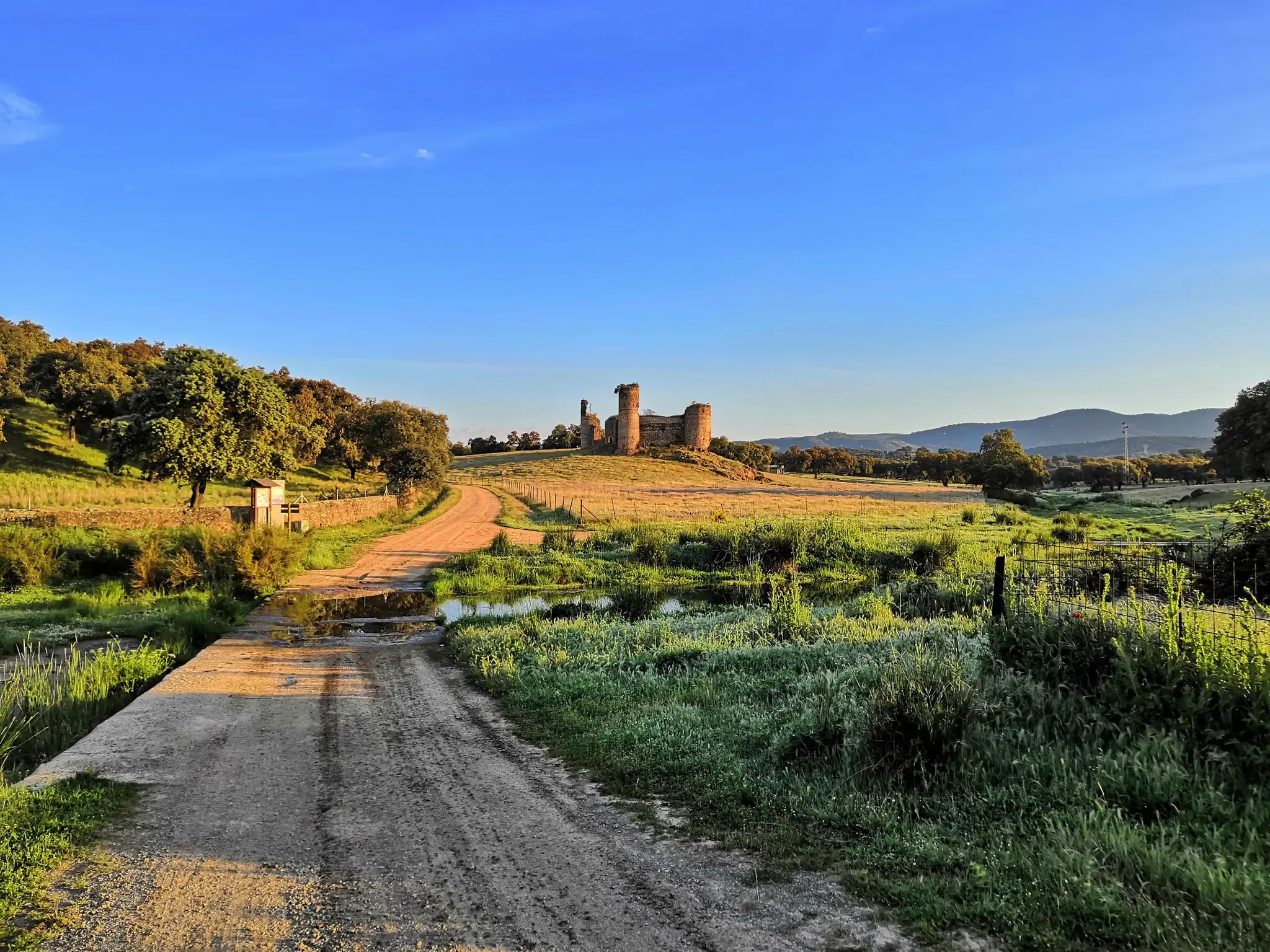
A romantic journey in the footsteps of the Romans – Via de la Plata
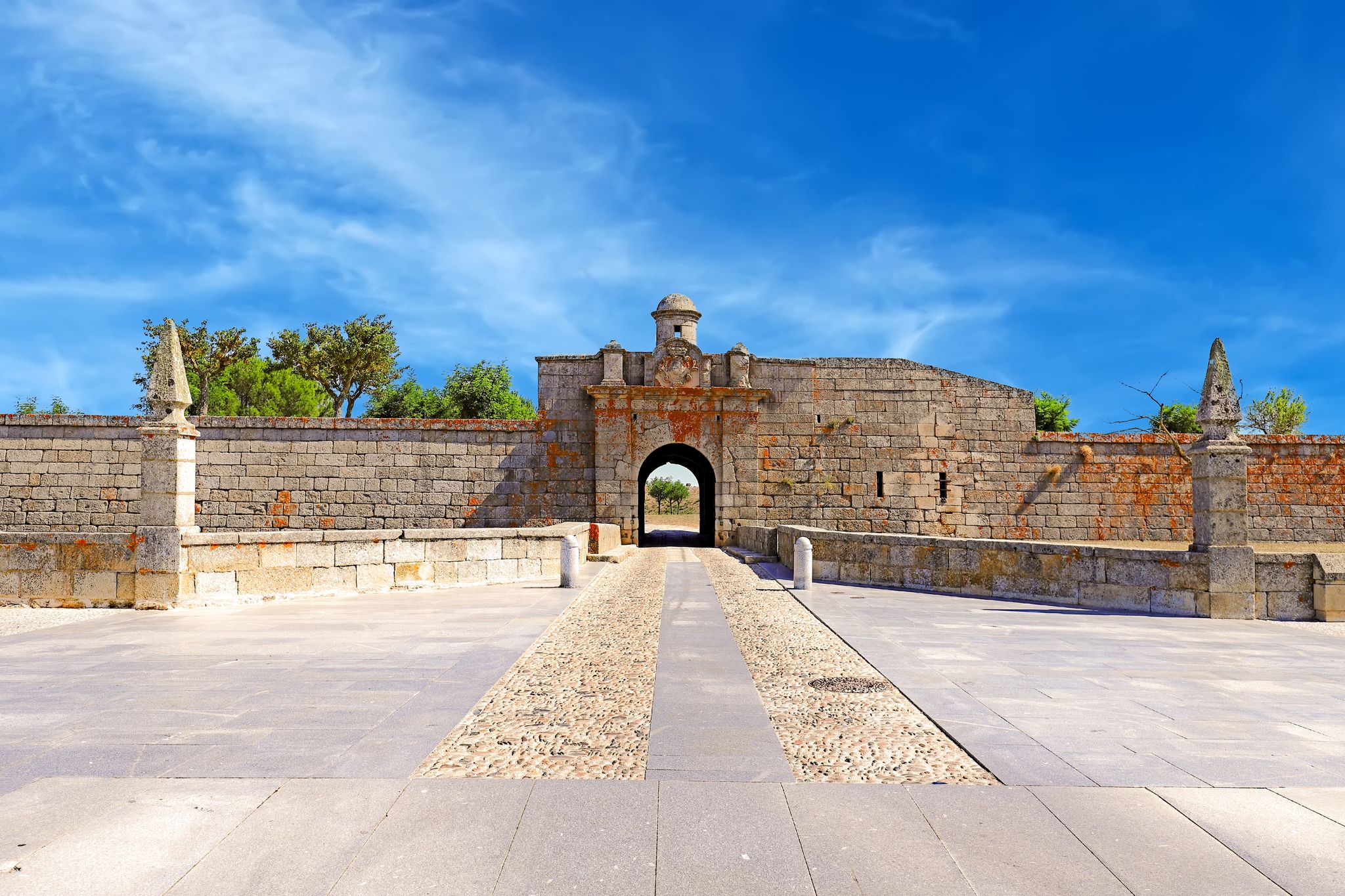
Landscapes and fortresses by bike – Walled Cities Route
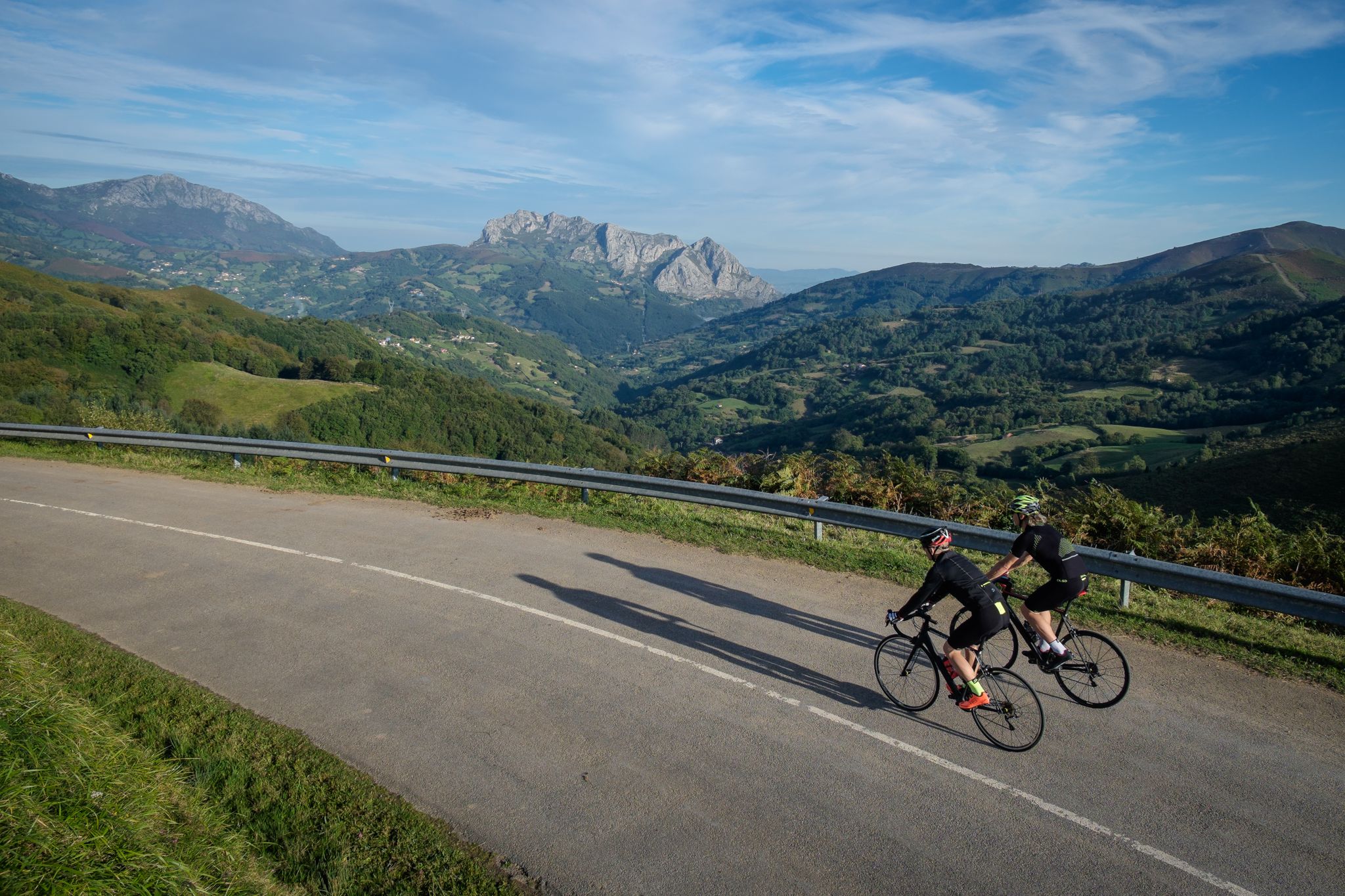
Explore Spain’s monuments and landscapes – cycle the Via de la Plata
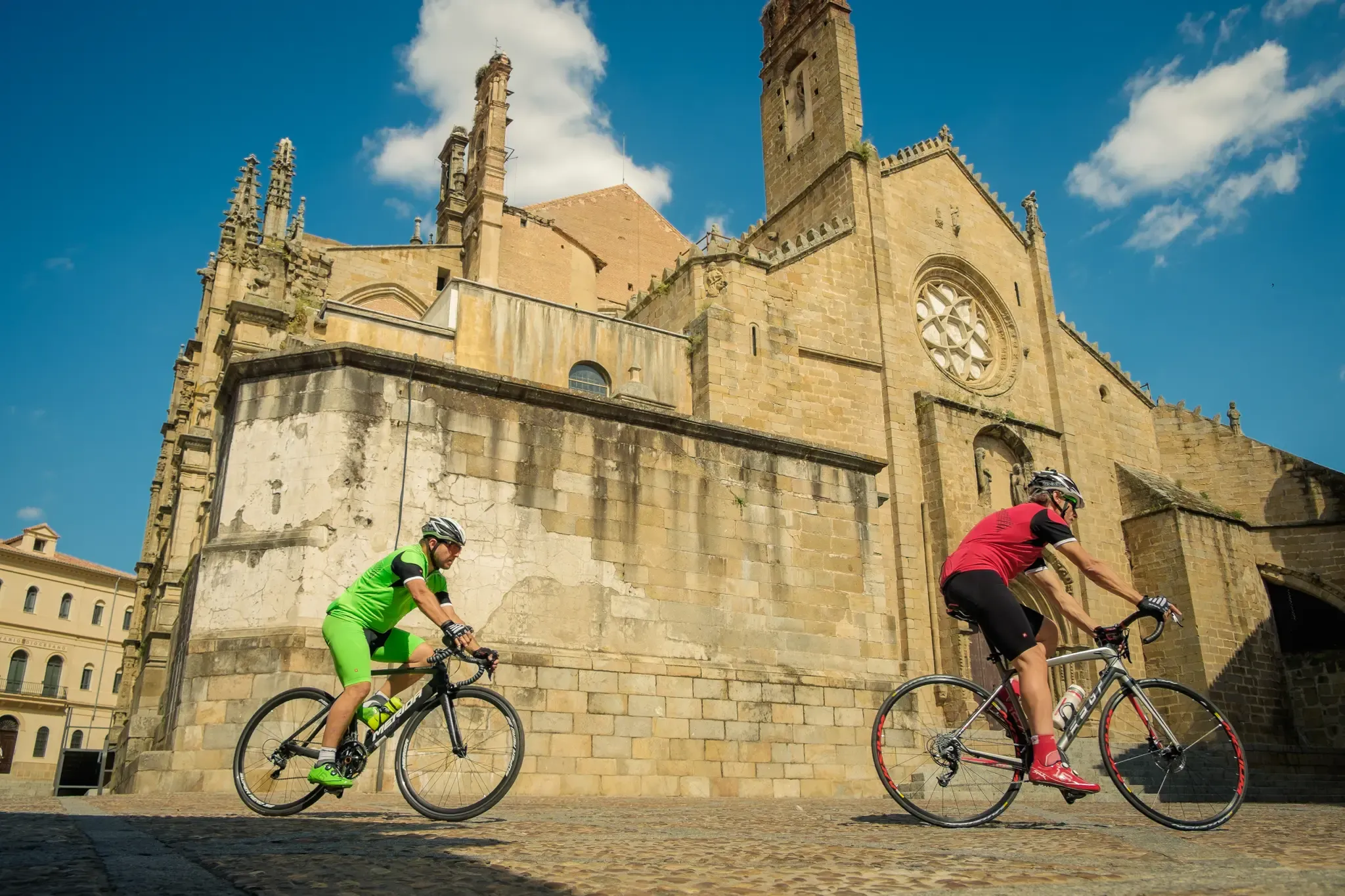
Vía de la Plata – from Seville to Gijón by bike
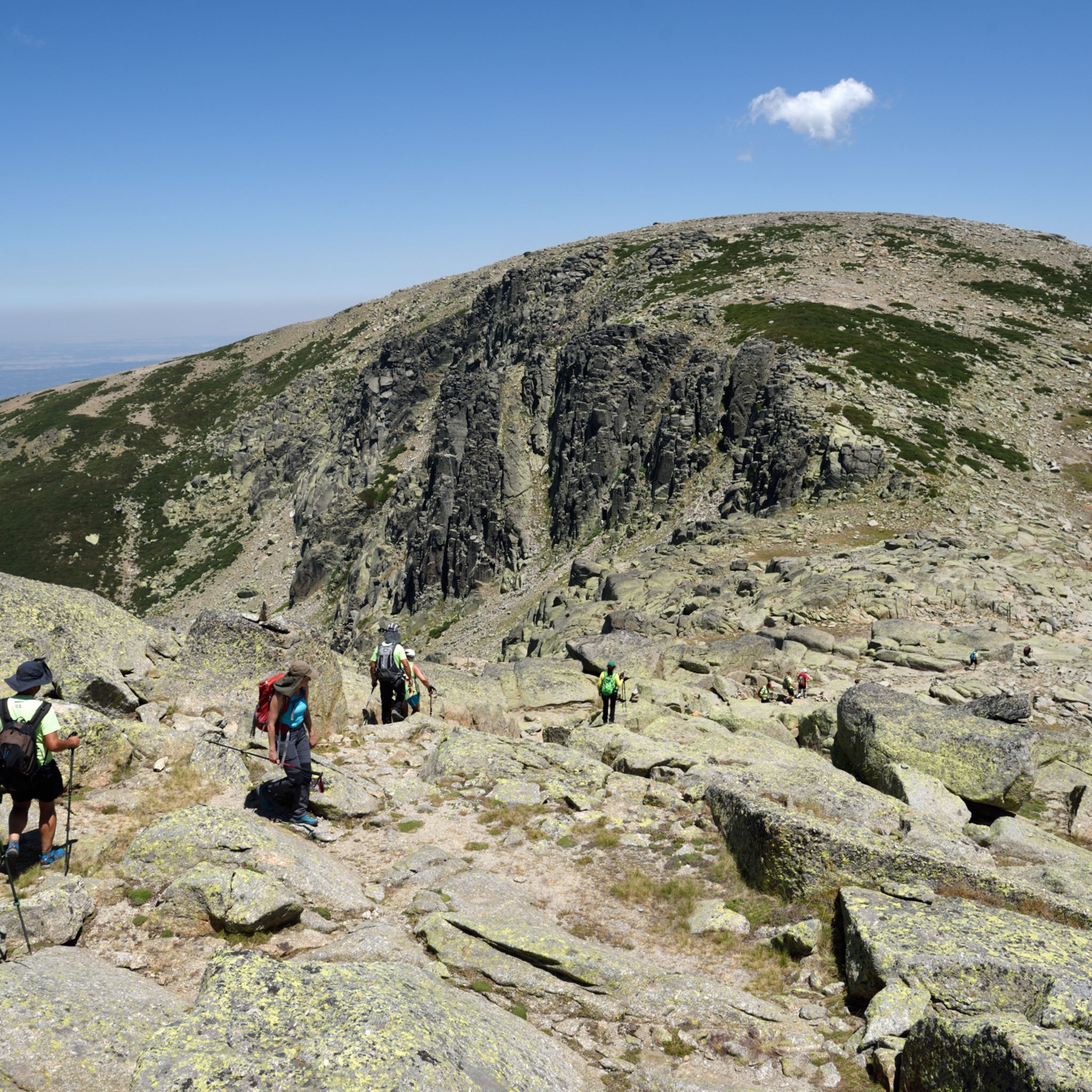
Hiking in Salamanca
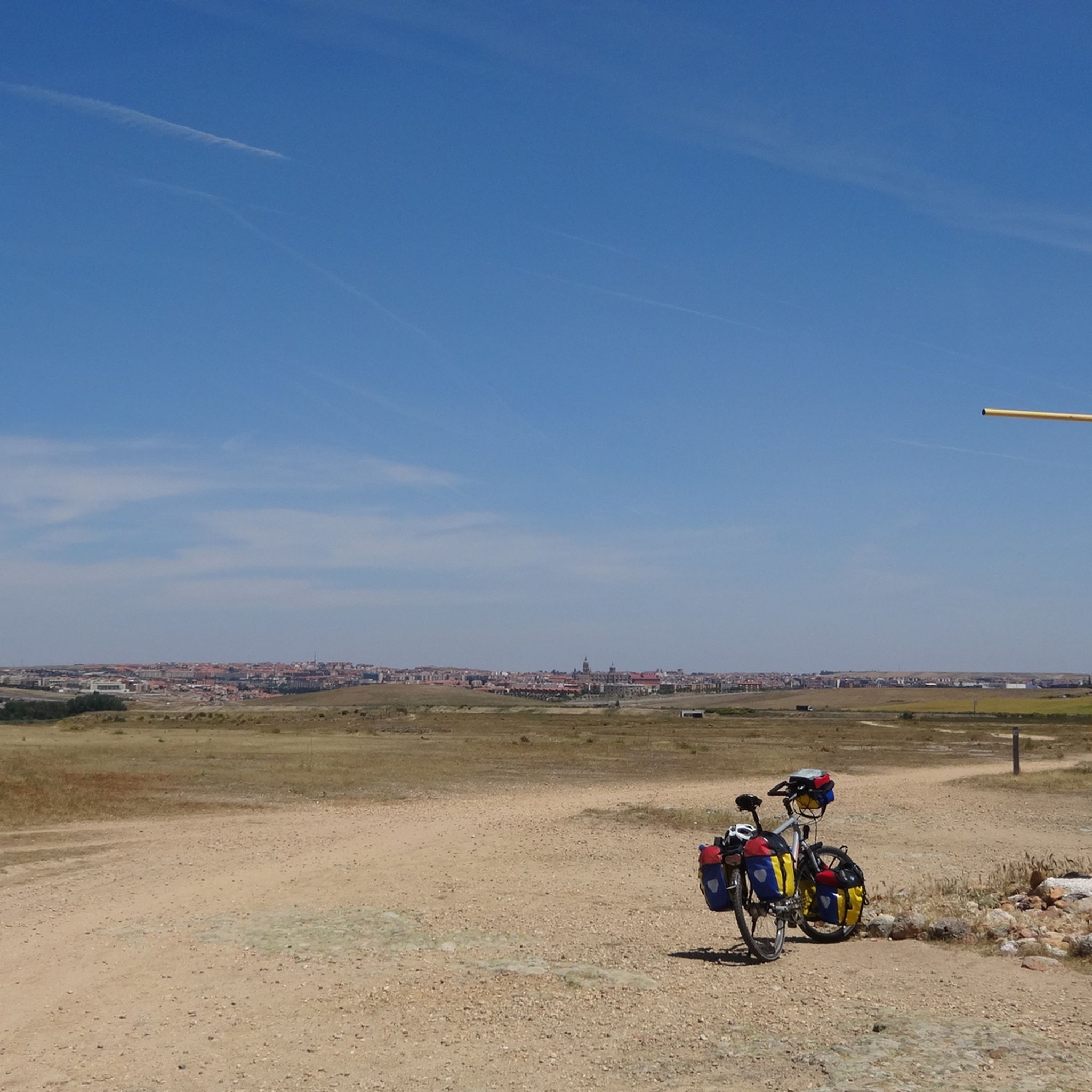
Cycling in Salamanca
Other adventures in Salamanca


Tips from the Community

Enormous square that comes alive in the evening when it is illuminated.
7
0
It is one of the highest cathedrals in Spain and is known for its detailed plateresque facade, rich interior, and the famous, intriguing "astronaut" on the north facade. The astronaut or alien shows timelessness or that not everything you see is true.
9
1
One of the many historic buildings with 365 shells as a symbol of love for his wife.
5
1
The cathedral is a beautiful example of Spain's medieval history, offering a quiet, historical atmosphere in contrast to the larger, adjacent 16th-century New Cathedral.
9
1

The Plaza Mayor of Mogarraz is the heart of the village and one of its most picturesque spots. Oval shape: Unlike other Castilian squares, Mogarraz's has an irregular, enclosed shape, surrounded by traditional mountain houses with timber framing and stone walls. Traditional architecture: Flower-filled balconies, arcades, and facades adorned with the famous portraits from the "Faces of Mogarraz" art project. Social and historical center: Formerly used for markets and popular celebrations, today it serves as a meeting point for visitors and locals alike. Highlights: Central fountain. Views of the church and cobbled streets leading from the square. Restaurants and bars with terraces where you can sample the local mountain cuisine.
1
0
What to see in Mogarraz The Faces of Mogarraz More than 800 portraits painted on the facades, the work of artist Florencio Maíllo, who transformed the village into an open-air museum. This initiative originated from photos taken in the 1960s for residents' national identity cards. Main Square The central oval-shaped square, surrounded by traditional mountain houses with timber framing and stone walls. Church of Our Lady of the Snows A Renaissance-style church, built between the 16th and 17th centuries. Bell Tower An old defensive tower, separate from the church, used as a watchtower in the Middle Ages. Ethnographic Museum – House of Crafts Exhibits traditional crafts such as embroidery, shoemaking, and goldsmithing.
2
0
Founded during the 12th-century repopulation of León by Alfonso IX, within the district of Miranda del Castañar. Declared a Historic-Artistic Site in 1998 and a member of the network of the Most Beautiful Villages of Spain. Its mountain architecture combines stone, wood, and adobe, with flower-adorned balconies and heraldic details.
2
0
The Old Cathedral of Salamanca is much more than a religious building: it is a living testament to the history, architecture, and cultural identity of the city. Here is a complete overview from a historical and artistic perspective. Construction began in the 12th century, following the restoration of the diocese by Alfonso VI and the repopulation of Salamanca. The first to promote it was Bishop Jerónimo de Périgord. It represents the transition between Romanesque and Gothic styles, evident in its pillars and vaults: the former designed for barrel vaults, and the latter featuring Gothic rib vaulting. The Old Cathedral of Salamanca is open to the public and forms part of the monumental complex along with the New Cathedral.
2
0
Frequently Asked Questions
What historical sites should I visit in Salamanca?
Salamanca is rich in history. Beyond the iconic Plaza Mayor of Salamanca, you should explore the unique Salamanca Cathedral, which comprises both the Old and New Cathedrals. Don't miss the Convent of San Esteban, a stunning Dominican monastery, and the ancient Roman Bridge of Salamanca, offering views of the city's Roman origins.
Are there family-friendly attractions in Salamanca?
Yes, many of Salamanca's main attractions are suitable for families. The Plaza Mayor of Salamanca is a great place to stroll and enjoy the atmosphere. Children might enjoy spotting the astronaut carving on the New Cathedral's facade, part of the Salamanca Cathedral complex. The House of Shells with its unique facade is also a fascinating stop.
What are the best viewpoints in Salamanca city centre?
For panoramic views of Salamanca, climb the bell tower of the Salamanca Cathedral. Another excellent option is the Scala Coeli towers of the Clerecía, which offer some of the best vistas of the city's rooftops and the Tormes River.
What natural features can I explore near Salamanca?
Beyond the city, you can explore the dramatic landscapes of the Arribes del Duero Natural Park, located about 84 km away. This park features deep canyons formed by the Duero River, ideal for hiking and boat tours. To the south, Las Batuecas-Sierra de Francia Natural Park offers diverse forests and mountain peaks like Peña de Francia, with numerous hiking trails.
Are there hiking opportunities near Salamanca's attractions?
Yes, there are several hiking opportunities. Within the city, you can enjoy easy walks like the Salamanca Historic Center Trail or routes along the Tormes River. For more extensive options, consider trails in the nearby Arribes del Duero Natural Park or Las Batuecas-Sierra de Francia Natural Park. You can find more details on hiking routes in Salamanca.
What outdoor activities are available near Salamanca?
Besides hiking, the region around Salamanca offers various outdoor activities. The Arribes del Duero Natural Park is excellent for cycling, including sections of the GR-14 trail, and boat tours. The Sierra de Béjar Mountain Range provides opportunities for challenging hikes. You can explore gravel biking routes in Salamanca for different adventures.
What is the best time of year to visit Salamanca for sightseeing?
The spring (April to June) and autumn (September to October) months are generally considered the best times to visit Salamanca. The weather is pleasant for exploring the city's attractions and enjoying outdoor activities, avoiding the intense heat of summer and the cooler temperatures of winter.
Are there any unique or 'hidden gem' attractions in Salamanca?
While not exactly hidden, the House of Shells (Casa de las Conchas) with its distinctive facade adorned with over 300 scallop shells is a unique architectural marvel. Another intriguing spot is the Huerto de Calixto y Melibea, a romantic garden offering peaceful surroundings and views of the cathedral.
How long should I plan to visit the main attractions in Salamanca?
To comfortably explore the main attractions like the Plaza Mayor, Salamanca Cathedral, University, and Convent of San Esteban, plan for at least two to three full days. This allows time to appreciate the architecture, climb towers for views, and soak in the city's atmosphere without rushing.
What do visitors enjoy most about Salamanca's attractions?
Visitors frequently praise Salamanca's golden sandstone architecture and vibrant atmosphere. The Plaza Mayor is often highlighted as a beautiful place to stroll and enjoy. The intricate details of the Salamanca Cathedral and the panoramic views from its bell tower are also highly appreciated experiences.
Is public transport available to reach attractions in Salamanca?
Salamanca's historic city center, where most major attractions are located, is very walkable. Many visitors prefer to explore on foot. For destinations slightly further afield or for those with mobility concerns, the city has a local bus network that connects various parts of the city to the central areas.
Are there any wheelchair accessible attractions in Salamanca?
The Plaza Mayor of Salamanca is largely flat and accessible, making it easy to navigate. While some historic buildings may have limitations due to their age, many public spaces and ground-floor areas of museums and churches are increasingly accessible. It's advisable to check specific accessibility details for individual sites before visiting.
Most popular routes in Salamanca
Most popular attractions in Salamanca

Get inspired with the komoot mobile app


Didn’t find what you were looking for?
Are you keen on exploring more awesome places nearby? Browse our guides:
Explore more
Still not found the Highlight you’re looking for? See guides of the top attractions in other regions:
