The 15 Most Amazing Peaks in Salamanca
Best mountain peaks in Salamanca are found within a region characterized by diverse elevations and natural landscapes. The province of Salamanca, located in Castilla y León, Spain, features mountain ranges such as the Sierra de Francia and Sierra de Béjar. These areas offer various summits and viewpoints, providing opportunities to explore the natural relief of Salamanca. The highest points contribute to the region's distinct geographical profile.
Best mountain peaks in Salamanca
- The most popular mountain peaks is Sanctuary of Our Lady of the Peña de Francia, a religious building and summit that offers panoramic views from its 1,727-meter peak. A Dominican Order sanctuary is located at the top, providing a cultural point of interest.
- Another must-see spot is Peña Negra Summit, a summit offering 360-degree views of the Sierra de Candelario Natural Area. This peak, at 1,634 meters, provides extensive panoramic vistas.
- Visitors also love Cervero Peak, a summit located in the Sierra de Francia-Quilamas region. This natural monument offers 360-degree views of the surrounding area.
- Salamanca is known for its summits, natural monuments, and viewpoints. The region offers a variety of mountain peaks to see and explore, from challenging ascents to intermediate routes.
- The mountain peaks in Salamanca are appreciated by the komoot community, with more than 20 upvotes and 25 photos shared across the highlights.
Last updated: August 23, 2026
Sanctuary of Our Lady of the Peña de Francia
Highlight • Religious Site
You can get here using the means that you like best, either by car, bike or walking, the last modality will give you several alternatives of very picturesque trails from the town of La Alberca or from Camping Sierra de Francia.
Translated by Google •
Tip by

Cervero Peak
Highlight • Summit
A protected natural area within the Natura 2000 network, with oak and chestnut forests and wildlife such as the golden eagle and griffon vulture.
Translated by Google •
Tip by

Sign up now to discover places like this
Get recommendations on the best single tracks, peaks, & plenty of other exciting outdoor places.
Sign up for free
Torreón (Calvitero Summit)
Highlight • Summit
Translated by Google •
Tip by
Canchal de la Ceja
Highlight • Summit
Translated by Google •
Tip by
Peña Negra Summit
Highlight • Summit
Translated by Google •
Tip by
Calvitero Peak (2,397 m), Sierra de Béjar
Highlight • Summit
Translated by Google •
Tip by
Santiago Cross on Pico de Las Dueñas
Highlight • Summit
Translated by Google •
Tip by

Pico Jálama Summit
Highlight • Summit
The route to climb Pico Jálama is popular with hikers and offers spectacular views of the region. The route begins in the town of Acebo and passes by the Mirador de La Ventosa and Puerto de Perales.
Translated by Google •
Tip by
Peña de Francia
Highlight • Summit
Showing Translation
Tip by

Hoya Moros
Highlight • Natural Monument
Translated by Google •
Tip by
Sign up for free to discover even more peaks in Salamanca.
Sign up for free
Already have an account?
Start today with a free account
Your next adventure awaits.
Login or Signup
Popular around Salamanca
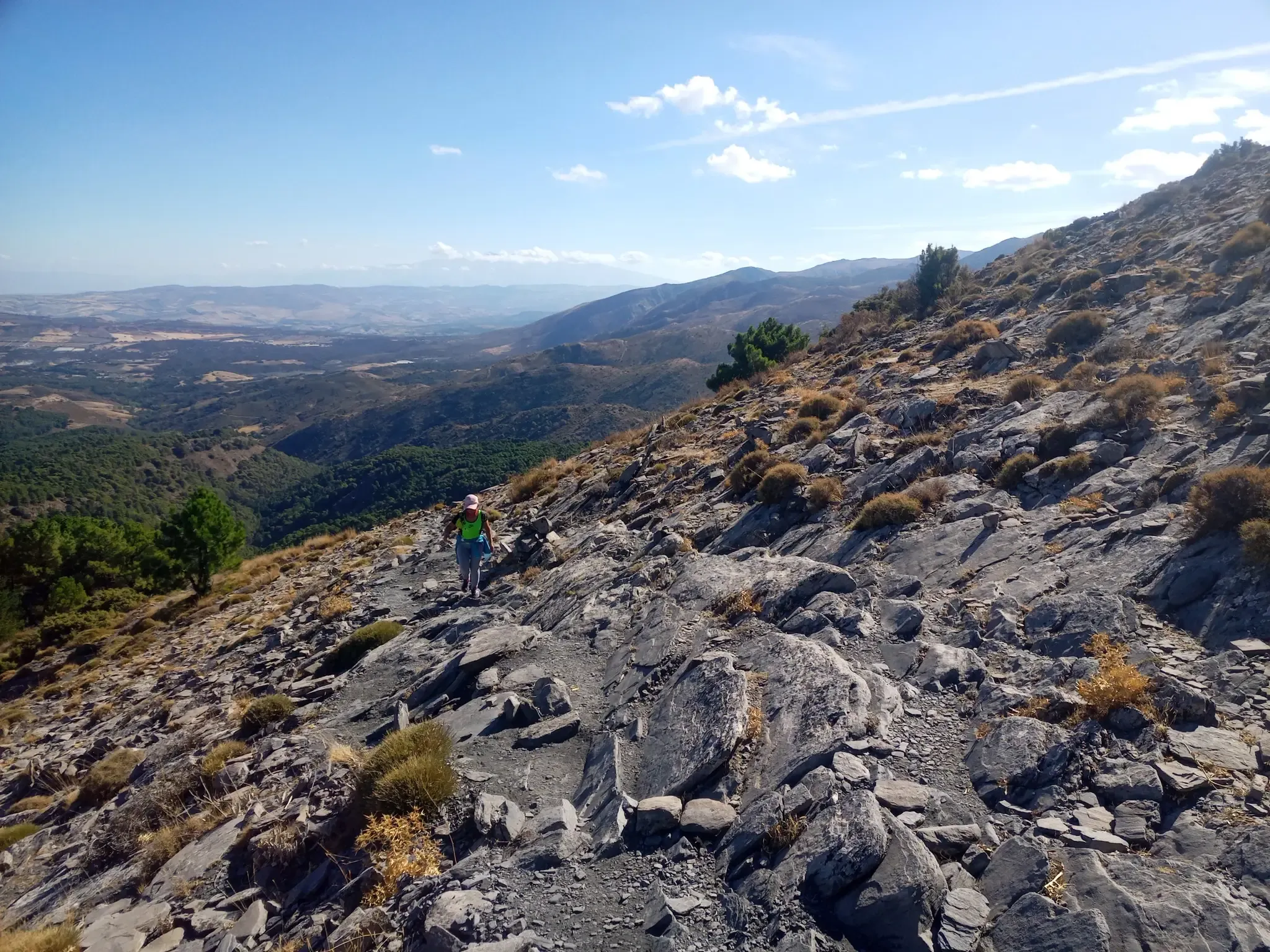
12 hiking gems throughout Spain
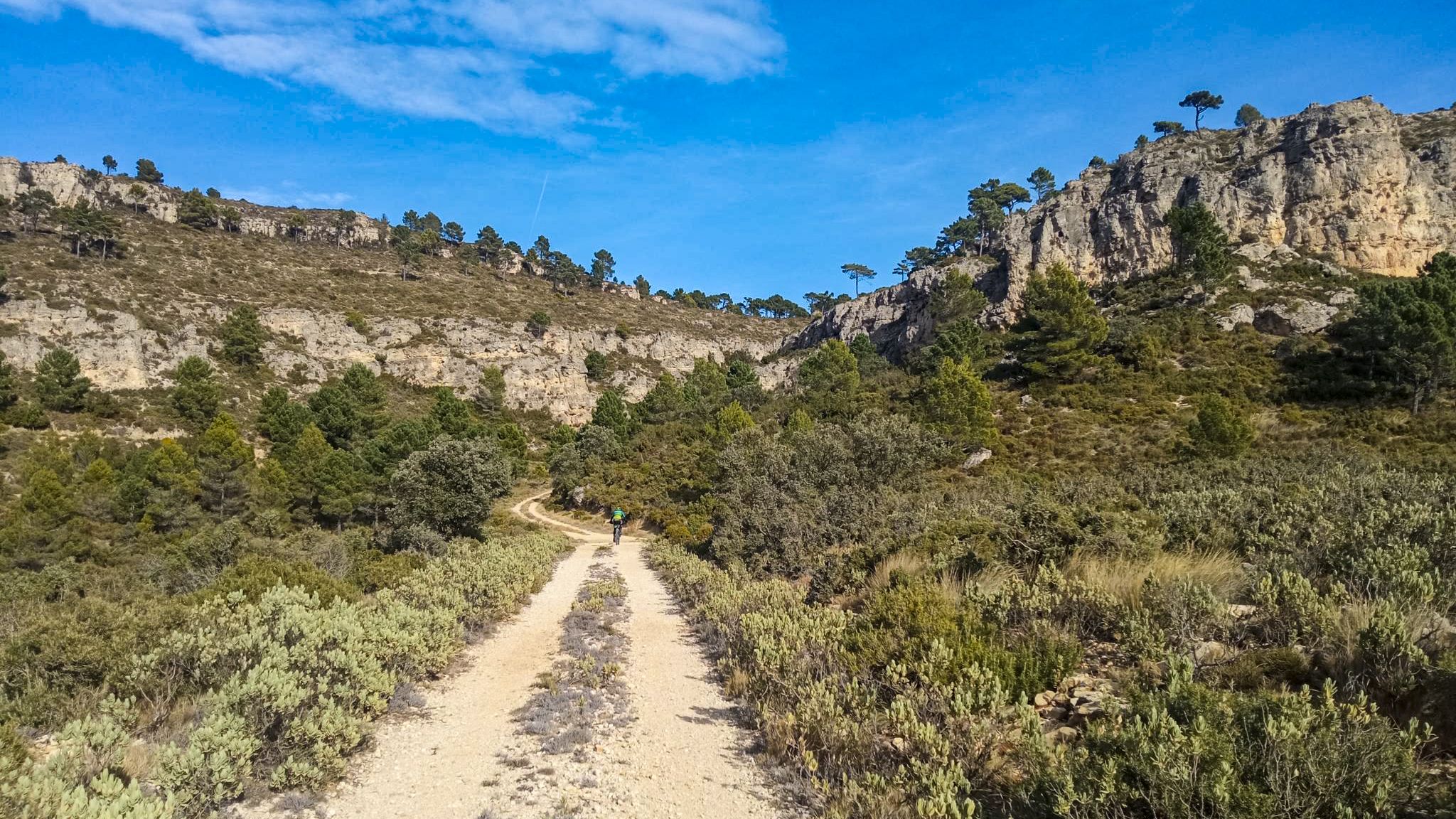
10 gravel routes to discover hidden gems in Spain
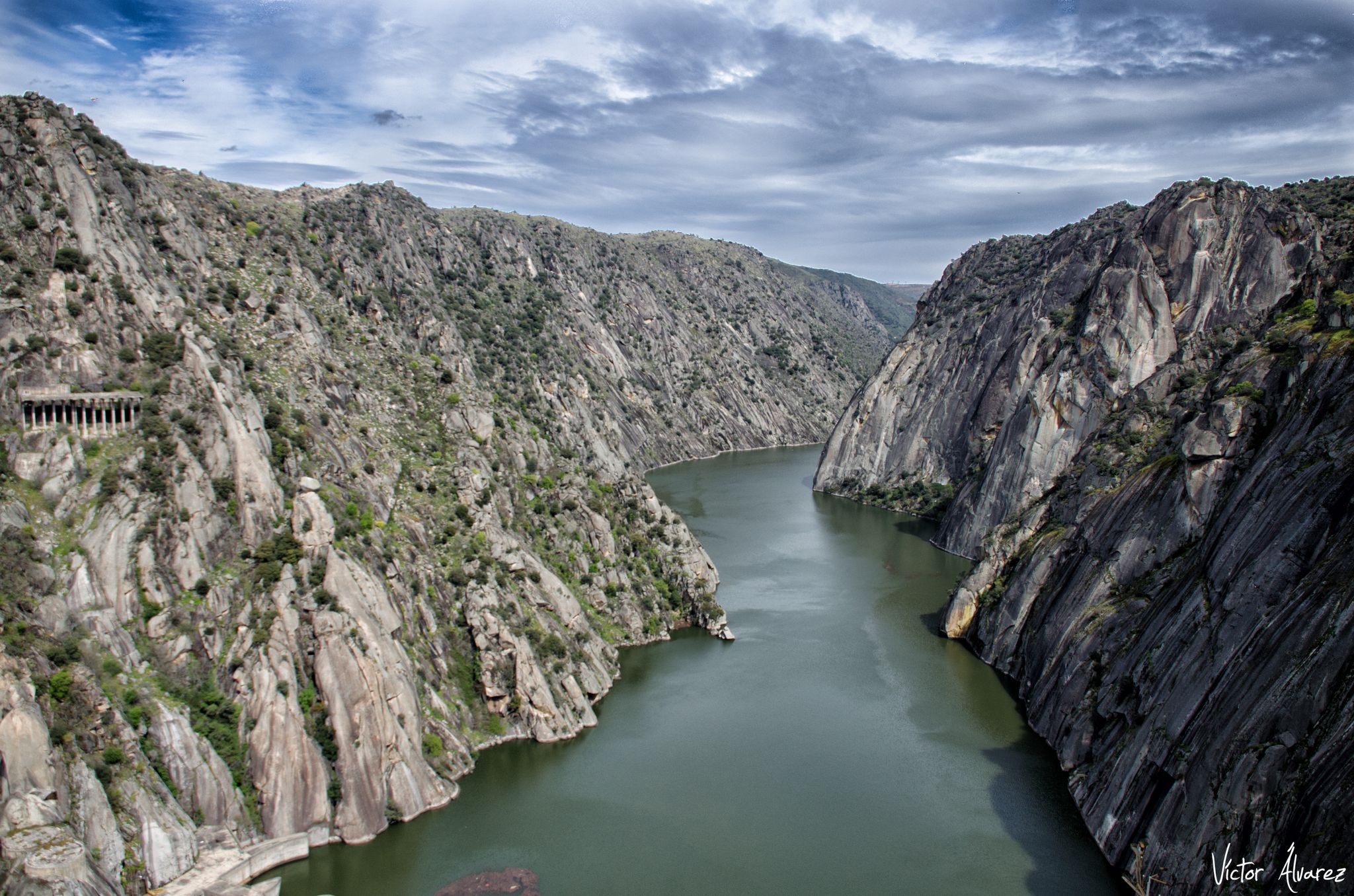
Downriver between Zamora and Salamanca – Western Duero Trail (GR 14)
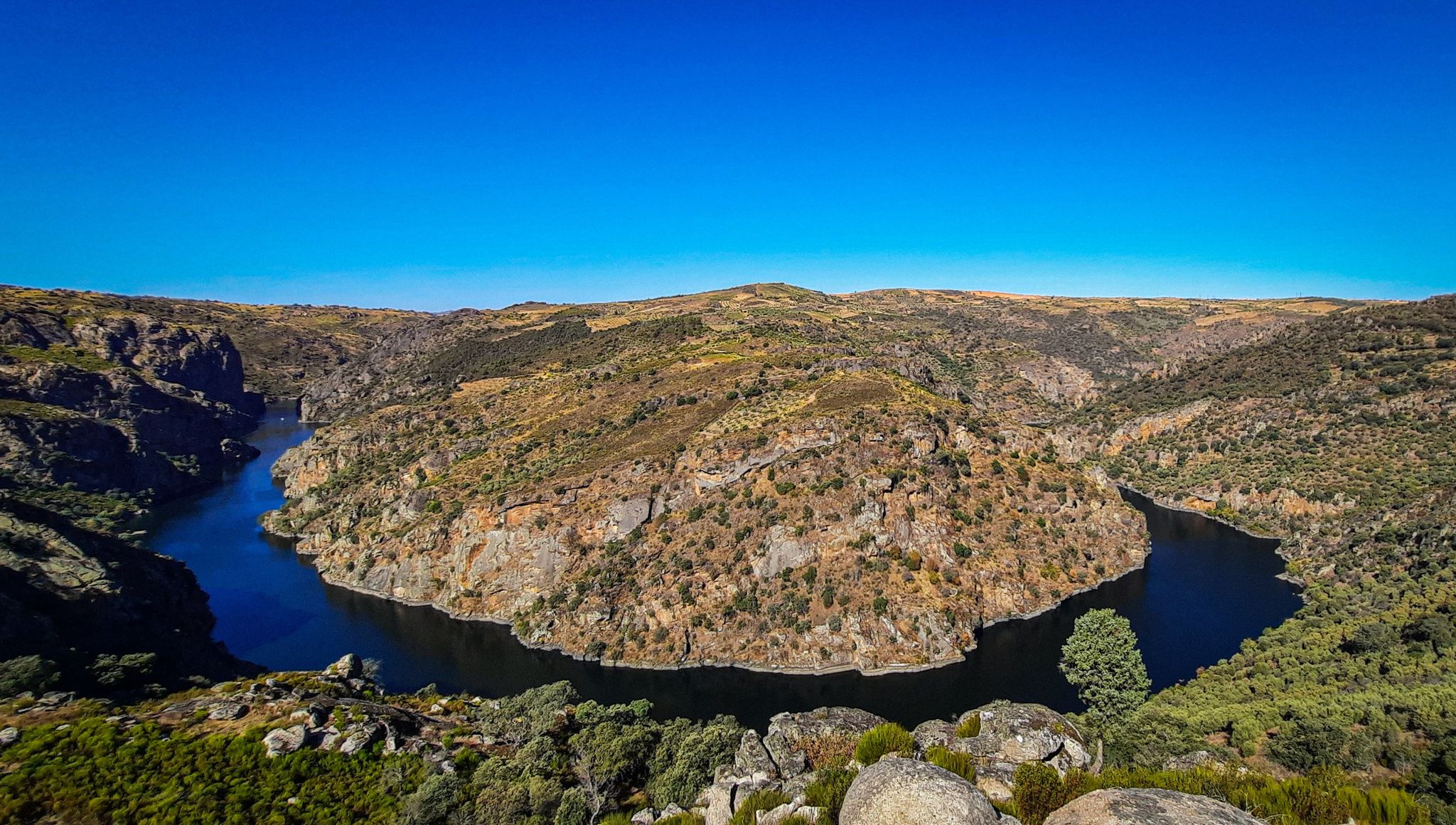
The Great Castilian River – Duero MTB Trail
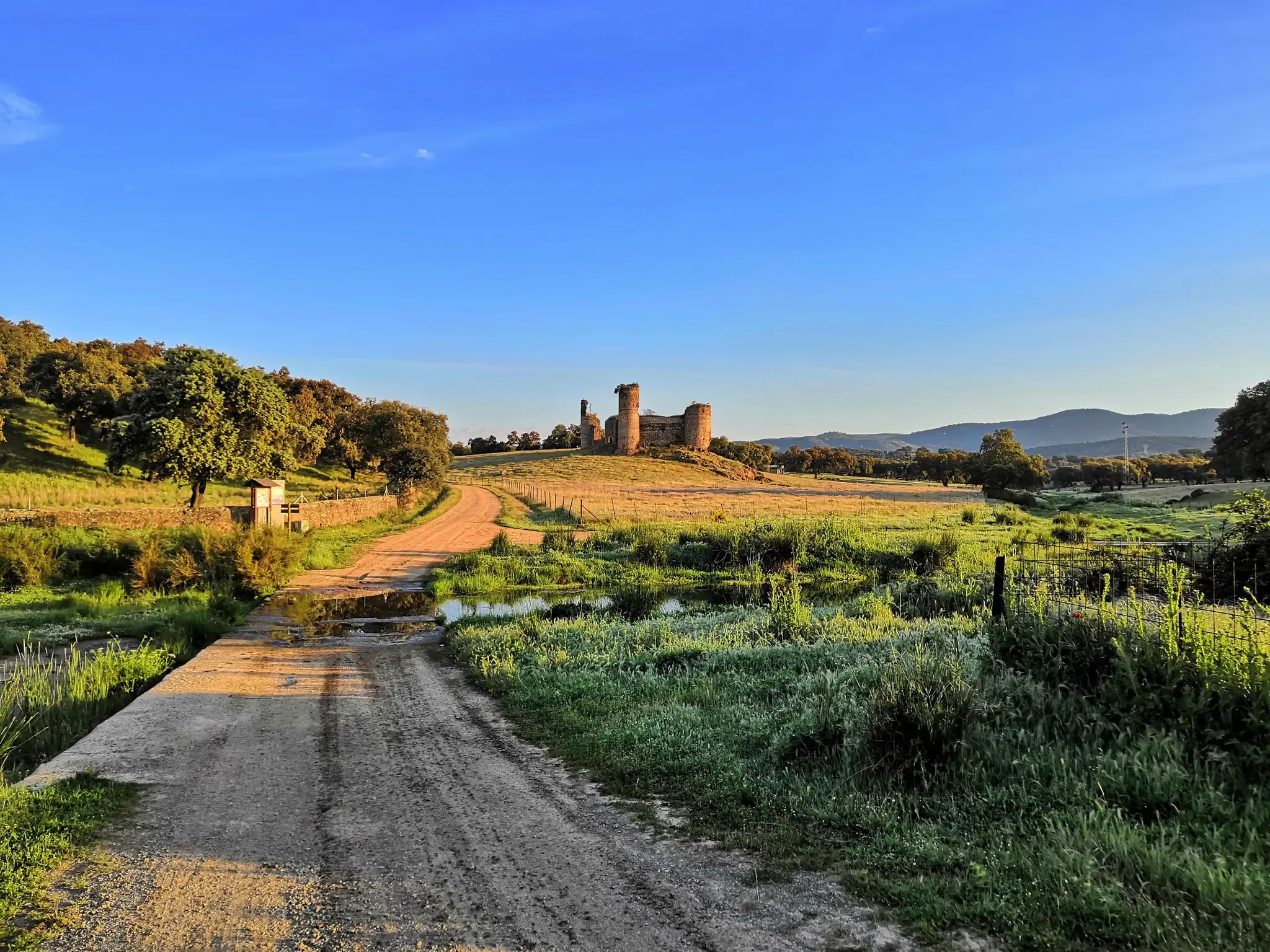
A romantic journey in the footsteps of the Romans – Via de la Plata
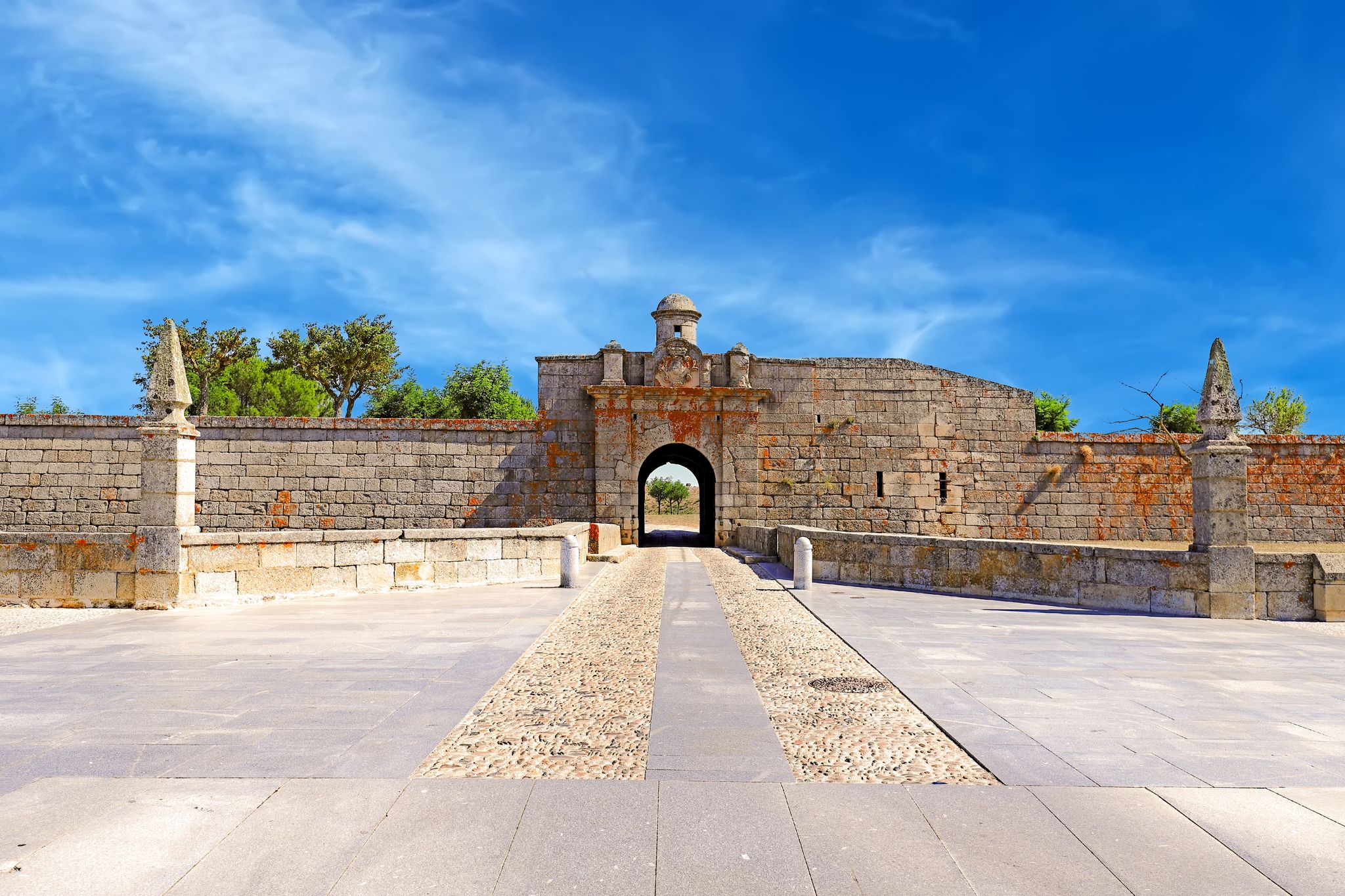
Landscapes and fortresses by bike – Walled Cities Route
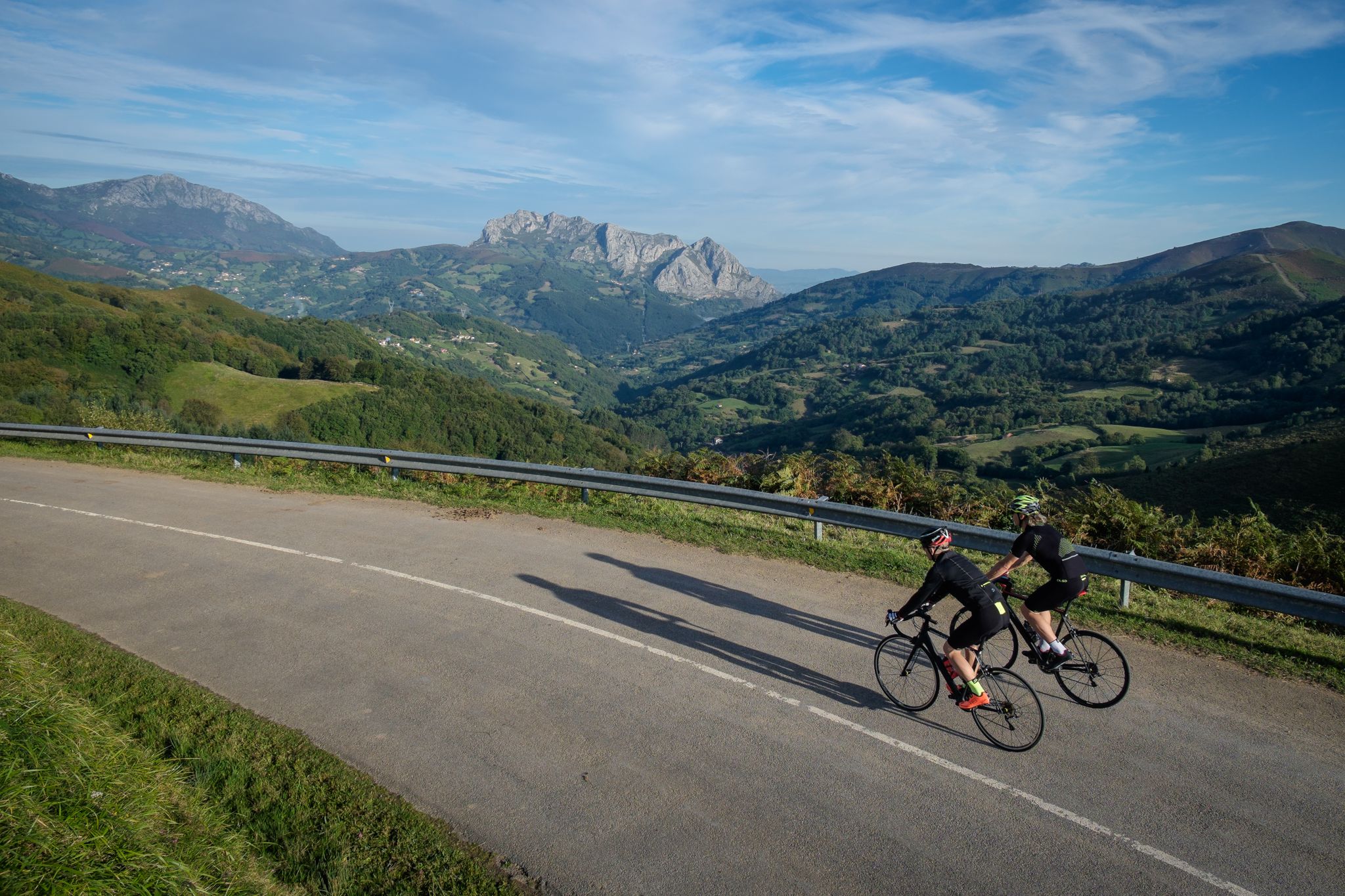
Explore Spain’s monuments and landscapes – cycle the Via de la Plata
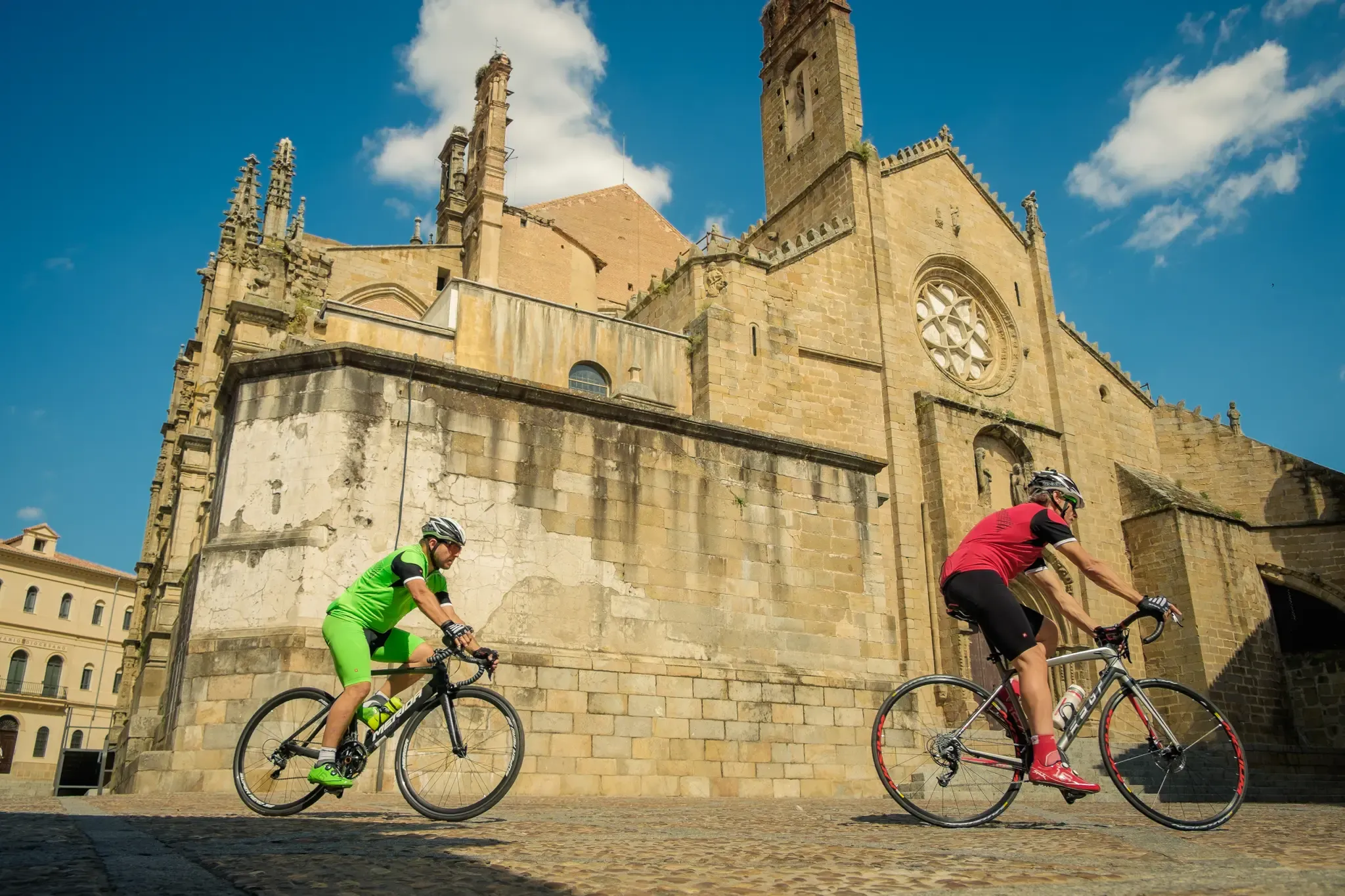
Vía de la Plata – from Seville to Gijón by bike
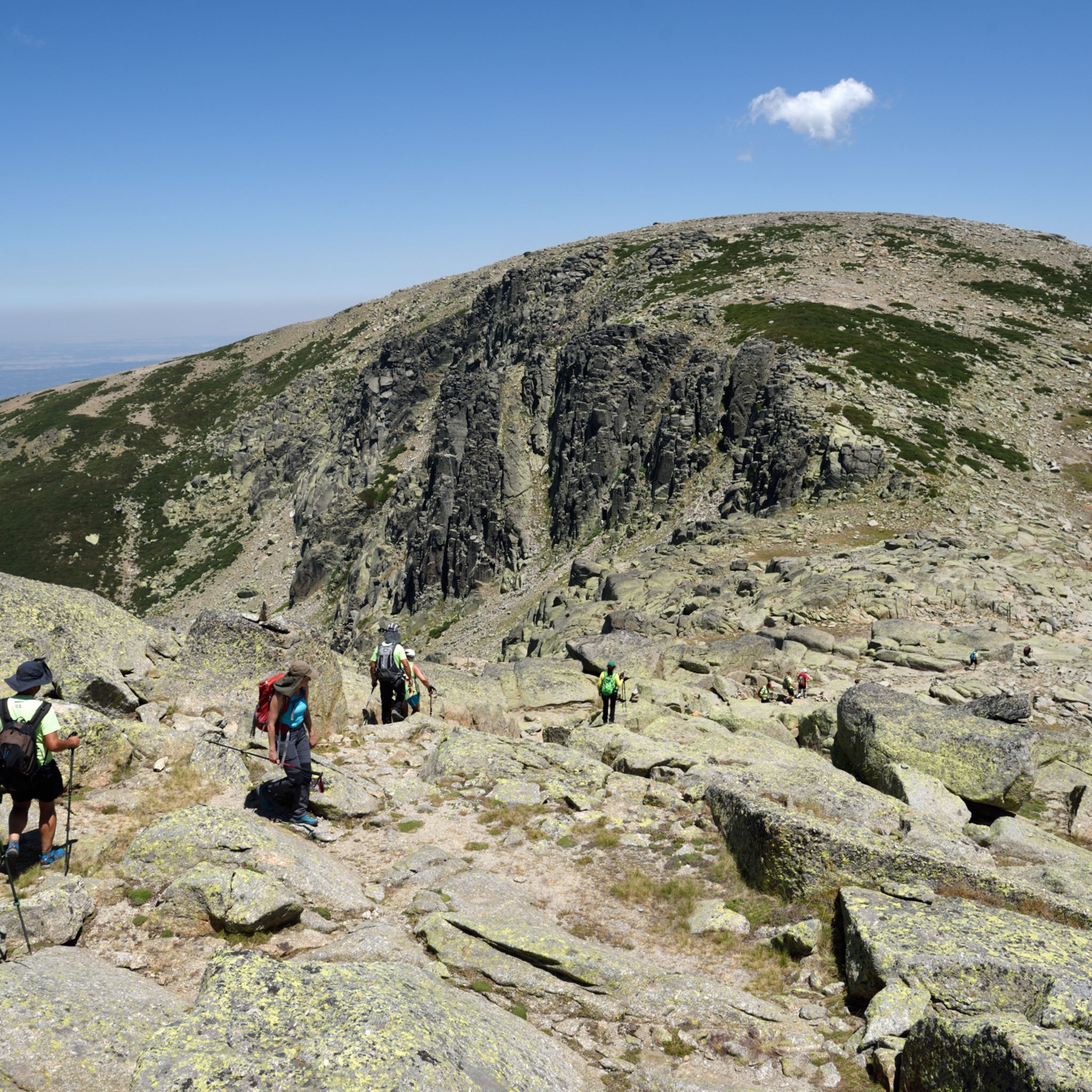
Hiking in Salamanca
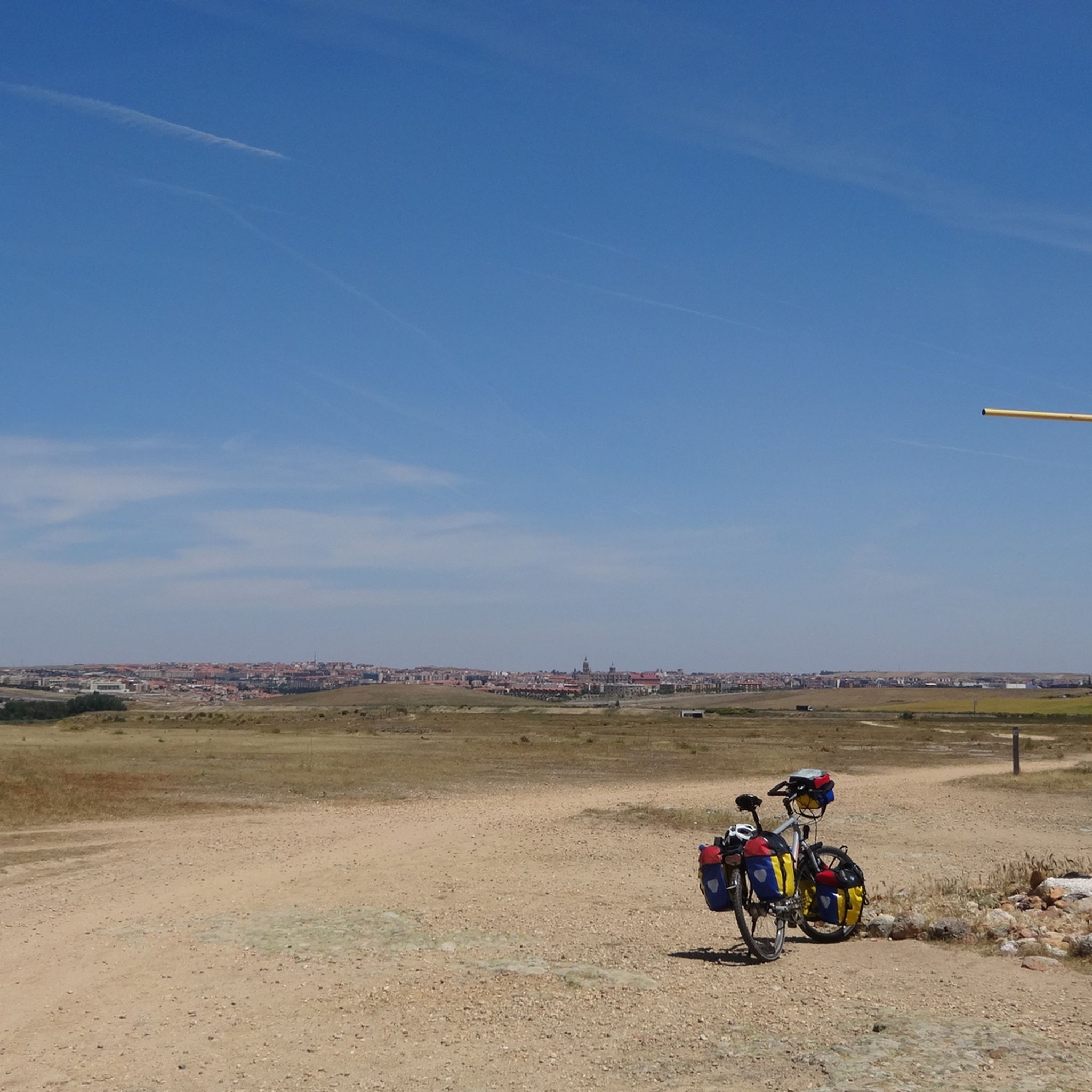
Cycling in Salamanca
Other adventures in Salamanca


Tips from the Community

Beautiful top with views and a restaurant run by modern monks.
0
0
Really such a top that stands out with over 1700 meters, offering a beautiful view all around.
12
0

Located between the municipalities of Navarredonda de la Rinconada and Escurial de la Sierra, in the Sierra de Francia-Quilamas region. A protected natural area within the Natura 2000 network, with oak and chestnut forests and wildlife such as the golden eagle and griffon vulture.
5
0
It offers spectacular views over the Sierra de Francia, the Sierra de Béjar, the Campo Charro region, northern Cáceres, and even the Serra da Estrela in Portugal. You can drive up via the SA-203 road (from La Alberca or El Cabaco), although it is often closed due to snow in winter. There are also hiking trails, such as the GR-10, starting from La Alberca.
5
0
La Peña de Francia is one of the most emblematic places in the province of Salamanca, located in the Las Batuecas-Sierra de Francia Natural Park, within the municipality of El Cabaco, about 81 km from Salamanca and near La Alberca.
4
0
At 1,487 metres above sea level, it is one of the highest peaks in the Sierra de Gata. The route to climb Pico Jálama is popular with hikers and offers spectacular views of the region. The route begins in the town of Acebo and passes by the Mirador de La Ventosa and Puerto de Perales.
7
0

Peña de Francia is a peak known by many cyclists and is undoubtedly worth crowning. It gives its name to the wonderful Natural Park and with its 1,727 m high it offers you the best panoramic views in all directions. Take the time to take photos from the two viewpoints located next to the Sanctuary of Our Lady of Peña de Francia.
4
1
At a distance of just 2 km from the Collado de Los Buitres mountain pass, a good area to enjoy nature and breathe fresh air.
7
0
Frequently Asked Questions
What are some of the most popular mountain peaks to visit in Salamanca?
Salamanca offers several highly-regarded peaks. Among the most popular is the Sanctuary of Our Lady of the Peña de Francia, which combines a religious site with panoramic views from 1,727 meters. Another favorite is Peña Negra Summit, known for its extensive 360-degree vistas of the Sierra de Candelario Natural Area. Visitors also frequently enjoy Cervero Peak in the Sierra de Francia-Quilamas region, offering stunning views and rich natural surroundings.
What is the highest mountain peak in Salamanca?
The highest point in the region is Torreón (Calvitero Summit), often referred to as "the roof of Extremadura," reaching an elevation of 2400 meters above sea level. It offers truly amazing views after a demanding ascent.
Are there any family-friendly mountain hikes in Salamanca?
While many peaks in Salamanca involve intermediate to challenging ascents, some areas offer more accessible options. For instance, the trails leading up to the Sanctuary of Our Lady of the Peña de Francia can be approached from towns like La Alberca or Camping Sierra de Francia, providing picturesque routes that can be adapted for various fitness levels. It's always recommended to check specific route details for suitability with children.
What natural features can I expect to see when hiking Salamanca's peaks?
The mountain peaks in Salamanca are rich in natural beauty. At Cervero Peak, for example, you'll find a protected natural area within the Natura 2000 network, featuring oak and chestnut forests and wildlife such as the golden eagle and griffon vulture. Many peaks also offer expansive viewpoints, allowing you to appreciate the diverse landscapes of the Sierra de Francia and Sierra de Béjar.
What is the best time of year to hike in the Salamanca mountains?
The best time to hike in the Salamanca mountains generally depends on the specific peak and your preferences. Spring (April-May) and autumn (September-October) offer pleasant temperatures and vibrant scenery, ideal for most hikes. Summer can be warm, especially at lower altitudes, but higher peaks provide cooler air. Winter can bring snow to the higher elevations, making some routes more challenging and requiring appropriate gear.
Are there any historical or cultural sites located on or near the mountain peaks?
Yes, the Sanctuary of Our Lady of the Peña de Francia is a significant religious building and historical site located directly on a 1,727-meter peak. It houses a Dominican Order sanctuary, chapels, and hermitages, offering a unique blend of natural beauty and cultural heritage. Additionally, the Santiago Cross on Pico de Las Dueñas marks another historical point with magnificent views.
What outdoor activities can I do near the mountain peaks in Salamanca?
Beyond hiking, the areas around Salamanca's peaks are excellent for various outdoor activities. You can explore numerous road cycling routes, such as the challenging Peña de Francia CIMA Loop from El Maíllo. Gravel biking is also popular, with routes like the Gravel route of the walled cities. For hikers, there are also dedicated waterfall hikes, including the Valle de las Batuecas to Chorro de las Batuecas Trail.
Are there any challenging peaks for experienced hikers in Salamanca?
Absolutely. Peaks like Torreón (Calvitero Summit) and Canchal de la Ceja are known for their demanding ascents and are categorized as challenging. Pico Jálama Summit also offers a challenging experience with rewarding views. These routes often require good physical condition and appropriate gear.
What do visitors enjoy most about the mountain peaks in Salamanca?
Visitors consistently praise the incredible panoramic views offered from the summits, with many highlights providing 360-degree vistas. The combination of challenging yet rewarding ascents, the presence of unique natural monuments, and the opportunity to explore diverse ecosystems like oak and chestnut forests are frequently mentioned. The cultural aspect, such as the sanctuary on Peña de Francia, also adds a unique dimension to the experience.
Can I find any hidden gem mountain peaks in Salamanca?
While the guide highlights popular peaks, the Sierra de Francia and Sierra de Béjar regions are vast and offer many less-trafficked spots. Exploring areas around highlights like Peña Huevo or the natural monument of Hoya Moros can lead to discovering quieter trails and unique viewpoints away from the main crowds. Local exploration and detailed map study can reveal many such hidden gems.
Are there options for parking near hiking trails for Salamanca's peaks?
For many popular peaks, parking is available at trailheads or nearby towns. For instance, when visiting the Sanctuary of Our Lady of the Peña de Francia, you can reach it by car, and trails often start from towns like La Alberca or near Camping Sierra de Francia, where parking facilities are typically present. It's advisable to check specific starting points for parking information before your trip.
Most popular routes in Salamanca
Most popular attractions in Salamanca

Get inspired with the komoot mobile app


Didn’t find what you were looking for?
Discover Salamanca’s best peaks and summits by region:
Explore more
See even more amazing summits in Salamanca with these guides:
