Top 11 Caves in Zaragoza
Best caves in Zaragoza and the surrounding Aragon region offer diverse experiences, from unique geological formations to historical refuges. The area is characterized by varied natural landscapes, including karst reliefs, river-carved ravines, and mountainous terrain. These natural features contribute to a range of cave types, providing insights into both geological processes and human history.
Best caves in Zaragoza
- The most popular caves is Aguallueve de Anento, a waterfall and natural monument where water continuously falls in drops. This creates…
Last updated: July 1, 2026
Aguallueve de Anento
Highlight • Waterfall
The Aguallueve is a spring that continuously falls in the …
Translated by Google •
Tip by

San Caprasio Caves
Highlight • Cave
Translated by Google •
Tip by

Sign up now to discover places like this
Get recommendations on the best single tracks, peaks, & plenty of other exciting outdoor places.
Sign up for free
Cueva de los Pilares
Highlight • Cave
Translated by Google •
Tip by

View of Cueva/Castillo de los Fayos
Highlight • Castle
Translated by Google •
Tip by
Ibdes
Highlight • Settlement
Translated by Google •
Tip by

Peñas del Cabo Caves
Highlight • Cave
Translated by Google •
Tip by
Foz de Zafrane
Highlight (Segment) • Gorge
Translated by Google •
Tip by

Ivy Cave
Highlight • Cave
Translated by Google •
Tip by
Start today with a free account
Your next adventure awaits.
Login or Signup
Popular around Zaragoza

Road to Lisbon – bikepacking the Alps, Pyrenees and Picos de Europa
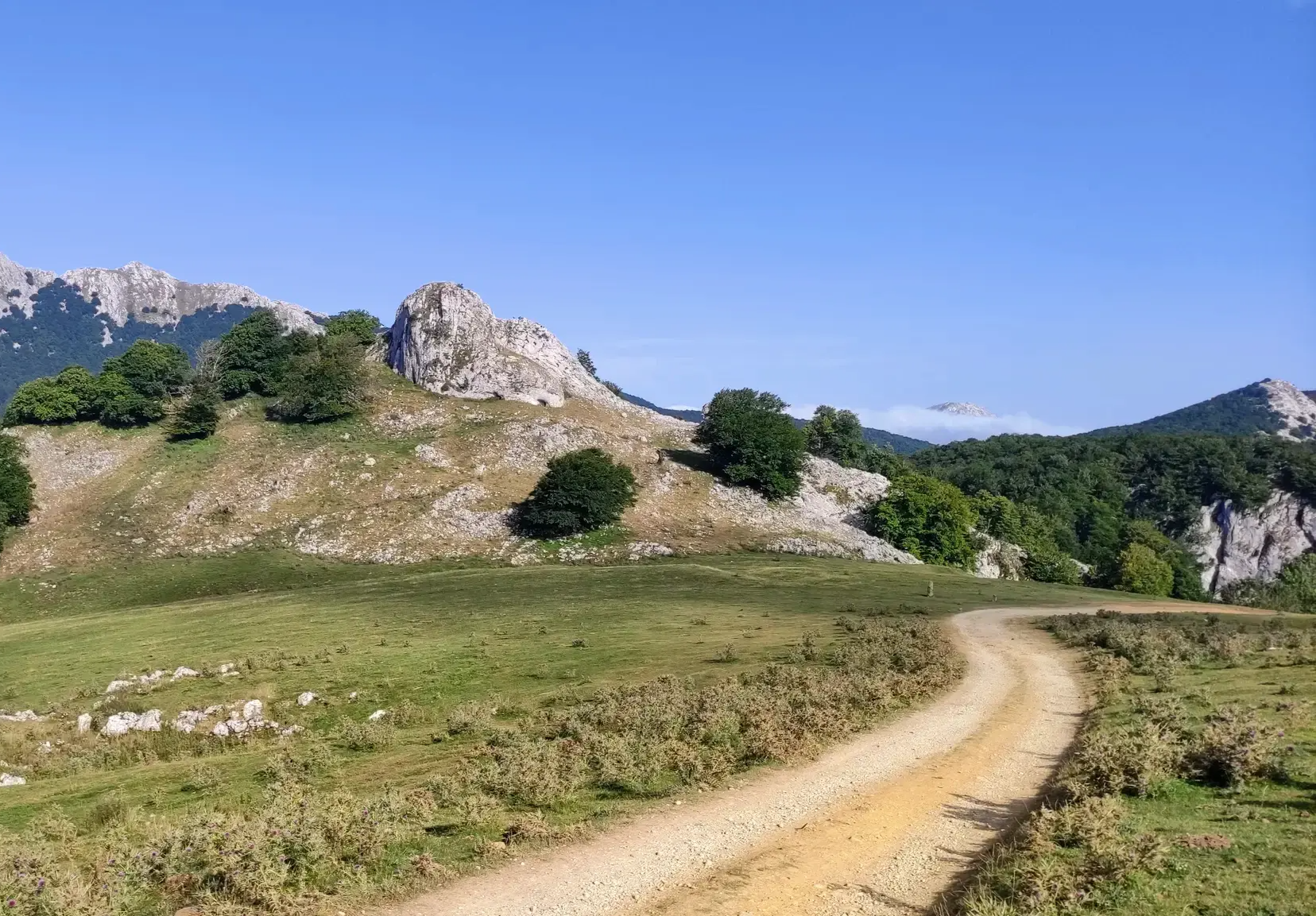
The Ignatian Way - In the footsteps of Ignatius of Loyola
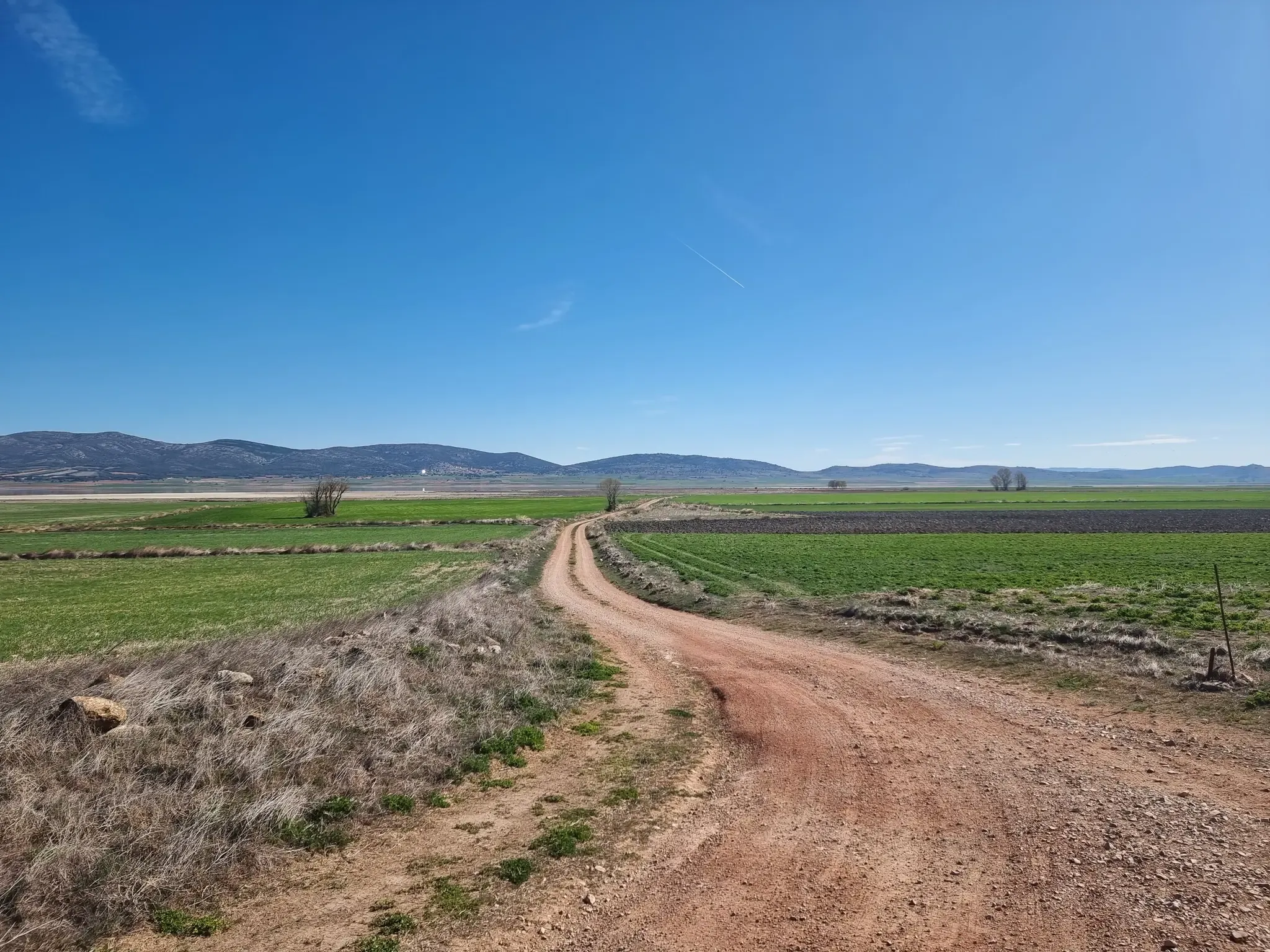
The paradise of the cranes - Gallocanta Ring
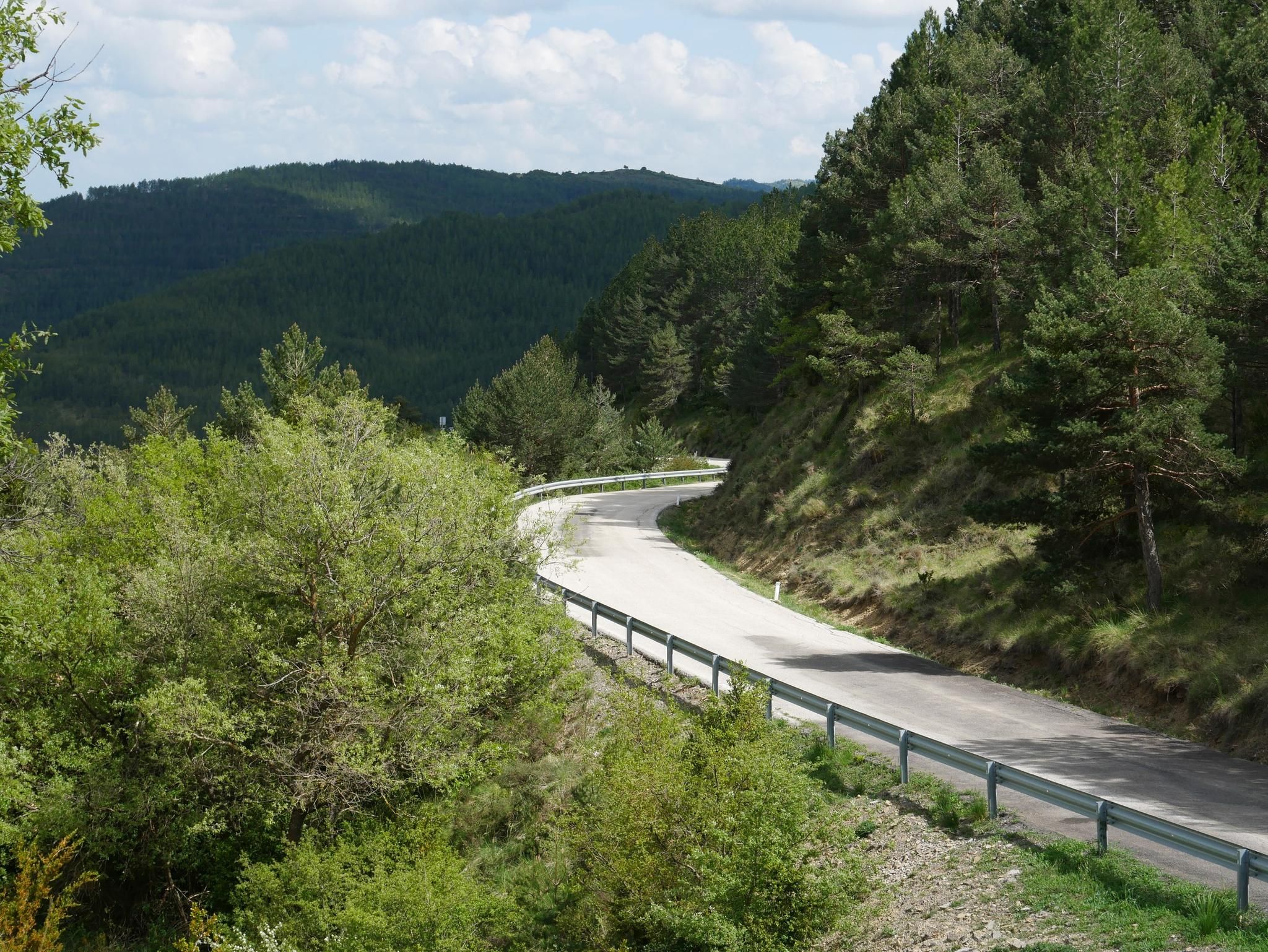
Challenge and beauty on a Road Bike — Pre-Pyrenees Gran Tour
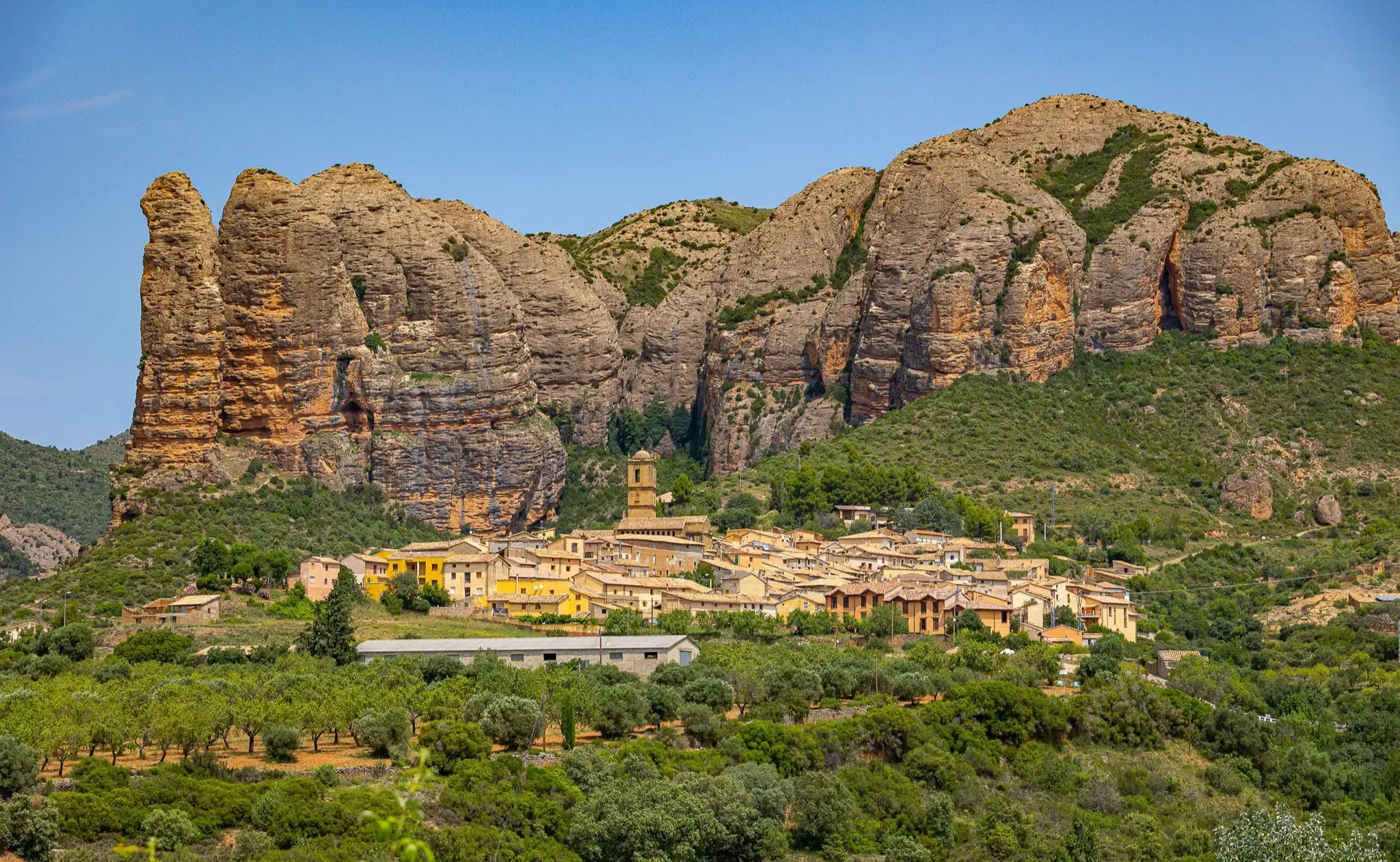
Hiking between geology and history – GR1 in Aragón
Path of the Templars — Path of the True Cross (GR 250)
Rock formations, deserts and lagoons - Gravel round in Aragon
A journey through mediaeval Spain – El Camino del Cid (GR 160)
Landscapes of water and rock – Spain’s Jalón and Jiloca Trail (GR 24)
Moncayo to Daroca – Iberian Zaragoza Path (GR 90)
Other adventures in Zaragoza


Tips from the Community

A magical place! Magnificent views and peaks of the Ruta de los Miradores
0
0

The cave area in Mozota refers to the Ivy Cave, a well-known natural site in the surrounding area. It's an ideal place for hiking and enjoying nature.
1
0

A group of natural caves located on the slopes of Mount San Caprasio, associated with ancient pastoral, hermitage, and possibly even pre-Christian uses. Some were used as shelters for shepherds or anchorites, and local tradition links them to the primitive cult that gave rise to the hermitage. Relatively easy to access from the track or the hermitage, they are a curious place to explore on foot, with views of the Ésera Valley and an utterly silent environment. They add a mystical and ancestral touch to any route in the area.
0
0
The Peñas del Cabo Caves are located on the western cliffs of the Peñas del Cabo, near Calcena, in the province of Zaragoza, Aragon. These caves are known for their impressive geological structure and speleothems, such as stalactites, stalagmites and flowstones. One of the most popular caves is the Cueva Honda, which has been used as a shelter for livestock and has housed archaeological remains from the Neolithic period. In addition, the cave is an important refuge for bat colonies during the summer. The caves offer a unique experience for caving and nature lovers.😊
4
0
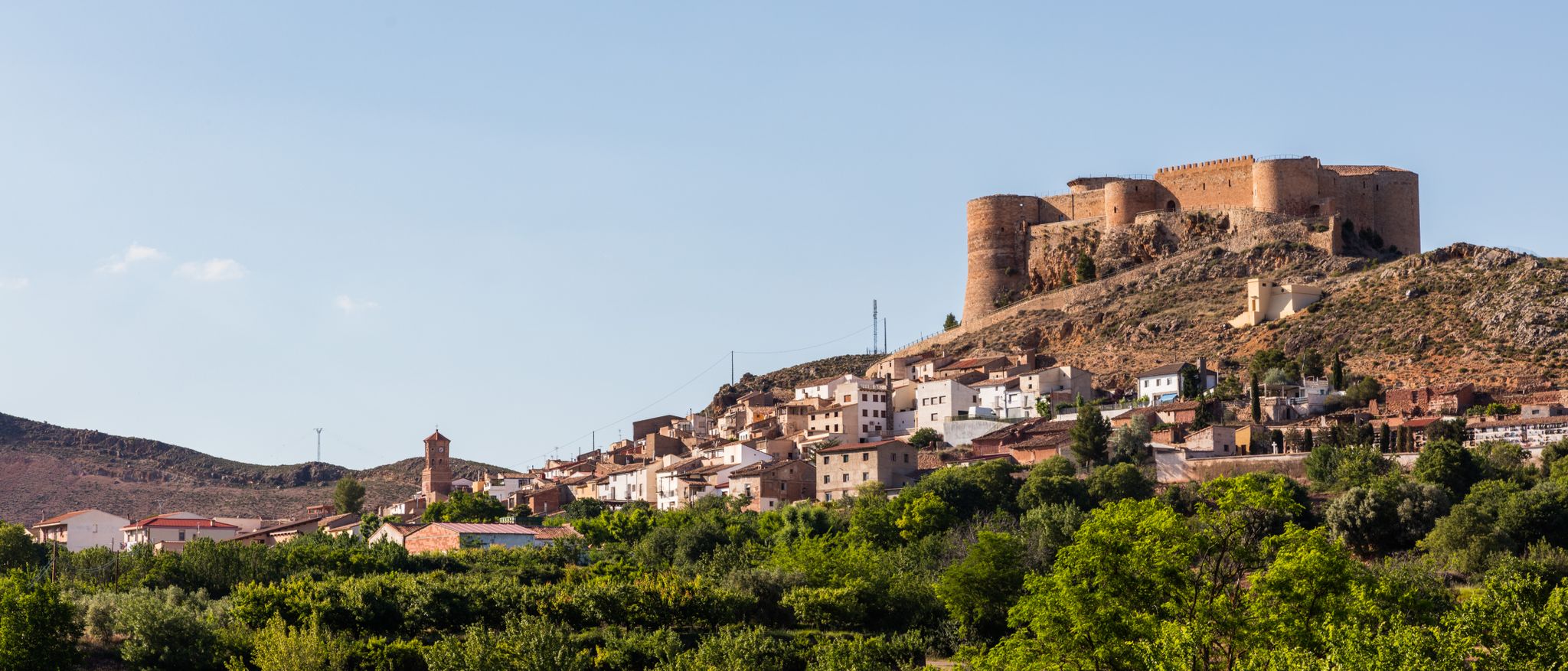
The Cueva del Castillo in Los Fayos is a fascinating place with a rich history. Located in the municipality of Los Fayos, in the province of Zaragoza, Aragon, this natural cave has been inhabited since the Bronze Age. In the 12th century, a defensive castle was built taking advantage of the natural cavity in the rock. The castle of Los Fayos played a strategic role on the borders between the kingdoms of Aragon, Navarre and Castile. Although today only a few vestiges remain, such as the cistern and the water collection system, the cave remains a place of historical and archaeological interest. The entrance to the cave is located in a vertical cut in the rock, and a ladder is needed to access it. Inside the cave, several rooms can be seen, including the hearth and the cistern.
4
0
The Aguallueve de Anento is a beautiful spring located in the picturesque town of Anento, in the province of Zaragoza. The Aguallueve is a spring that continuously falls in the form of drops of water, creating a spectacular relief with walls of stone and moss, and small caves hidden inside. It is a limestone formation where several springs have created an impressive karst relief.
5
0
The Aguallueve de Anento is a beautiful spring located in the picturesque town of Anento, in the province of Zaragoza. The Aguallueve is a spring that continuously falls in the form of drops of water, creating a spectacular relief with walls of stone and moss, and small caves hidden inside. It is a limestone formation where several springs have created an impressive karst relief.
7
0

The geography of the town of Ibdes is marked by the Mesa River, which in its wake has created the various ravines and fertile lands that surround the town. Within the municipal area is the spectacular La Paradera waterfall, as well as the so-called Grotto of Wonders, a large cave full of ancient stalactites and stalagmites.
1
0
Frequently Asked Questions
What unique natural features can I expect to see in the caves around Zaragoza?
The Zaragoza region offers diverse natural cave features. At Aguallueve de Anento, you'll find a unique natural spring where water continuously falls in drops, creating striking karst reliefs with stone and moss formations. The Peñas del Cabo Caves are known for impressive geological structures like stalactites, stalagmites, and flowstones. The Gruta de las Maravillas in Ibdes is a unique dry cave formed by river sediments, while the Crystal Caves of Molinos (in nearby Teruel) are famed for their colorful and crystallized formations.
Are there any caves with historical or archaeological significance in the Zaragoza region?
Yes, several caves in the region hold historical and archaeological importance. The San Caprasio Caves, carved into rock, have a rich history as refuges for shepherds, bandits, and for spiritual retreats. Peñas del Cabo Caves contain Neolithic archaeological remains and serve as a summer refuge for bat colonies. Further afield, the Crystal Caves of Molinos are significant for the discovery of the 25,000-year-old 'Man from Molinos', the most ancient hominid burial in Aragon.
Which caves are suitable for families with children?
For family-friendly experiences, Aguallueve de Anento offers a picturesque and accessible natural spectacle. Monasterio de Piedra Natural Park, while primarily known for its waterfalls, also features accessible caves like the Iris Grotto, making it a great option for all ages. The town of Ibdes, home to the Gruta de las Maravillas, is also considered family-friendly due to its peaceful setting near the Paradera waterfall.
What are the accessibility options for caves in Zaragoza?
Accessibility varies by location. Monasterio de Piedra Natural Park offers accessible caves and pathways within its well-maintained grounds. Aguallueve de Anento is generally accessible for viewing the unique spring. However, many natural caves, such as San Caprasio Caves or Cueva de los Pilares, involve more rugged terrain and may not be suitable for those with limited mobility.
Can I visit caves with my dog in the Zaragoza region?
Policies regarding dogs vary. Aguallueve de Anento is generally dog-friendly for exploring the outdoor natural spring area. For Monasterio de Piedra Natural Park, it's advisable to check their official website for current dog policies, as access to certain areas or buildings might be restricted. For other natural cave sites, outdoor access is often permitted, but always ensure your dog is on a leash and you clean up after them.
What outdoor activities can I do near the caves in Zaragoza?
The region around Zaragoza's caves offers various outdoor activities. Near San Caprasio Caves, you can find running trails, including the 'San Caprasio Circular Trail from Farlete'. The Moncayo Natural Park, home to Cueva de los Pilares, is excellent for hiking. Monasterio de Piedra Natural Park has easy hiking trails, such as the 'Monasterio de Piedra Waterfalls Trail'. You can find more options for running, gravel biking, and easy hikes in the area by exploring the Running Trails in Zaragoza, Gravel biking in Zaragoza, and Easy hikes in Zaragoza guides.
Are there any guided tours or specific visiting information for the caves?
For some sites, guided tours or specific visiting information are available. The Crystal Caves of Molinos (Teruel) offer tours and even host a Music and Word Festival. For Monasterio de Piedra Natural Park, it's important to check their official website for current prices, schedules, and tour availability. For natural, less developed caves like Cueva de los Pilares or Ivy Cave, exploration is often self-guided, and it's recommended to be prepared with appropriate gear and knowledge of the terrain.
What is the best time of year to visit the caves in Zaragoza?
The best time to visit the caves in Zaragoza largely depends on the specific cave and your preferred outdoor conditions. Spring and autumn generally offer pleasant temperatures for exploring outdoor cave sites and natural parks like Monasterio de Piedra or Aguallueve de Anento. Summer can be good for cooler underground caves, but outdoor areas might be hot. Winter visits are possible, especially for accessible sites, but some trails might be affected by weather.
Are there any cafes, restaurants, or accommodation options near the caves?
Yes, you can find amenities near several cave locations. The town of Anento, home to Aguallueve de Anento, is picturesque and likely has local establishments. Monasterio de Piedra Natural Park has its own facilities, including restaurants and accommodation, given its status as a major tourist attraction. For caves in more remote areas like Cueva de los Pilares in Moncayo Natural Park, you would typically find options in nearby towns such as Purujosa or Tarazona. The Crystal Caves of Molinos also have amenities in the town of Molinos.
What is the Foz de Zafrane and what makes it unique?
The Foz de Zafrane is a spectacular two-kilometer-long ravine near La Puebla de Albortón. It's notable for a large 'mother cave' situated beneath an active marble quarry. The dramatic landscape is further enhanced by the imposing pillar of the old Zaragoza-Utrillas railway, which still stands despite demolition attempts, adding a unique historical and industrial element to the natural setting.
What are the 'molars' and where can I see them?
The 'molars' refer to abrupt and impressive rocky formations found in the Moncayo Natural Park. These dramatic structures are particularly prominent on the hidden side of Moncayo, where you can find the spectacular Cueva de los Pilares. This area offers a significant change in landscape from other parts of the park, characterized by deep ravines and these distinctive rock formations.
Are there any caves that are considered natural monuments?
Yes, several caves and related natural sites in the region are recognized as natural monuments. Aguallueve de Anento is a natural monument due to its unique karst formations. Monasterio de Piedra Natural Park, which includes accessible caves, is also a natural monument. The Crystal Caves of Molinos in Teruel are a declared Natural Monument, highlighting their geological and archaeological importance.
Most popular routes in Zaragoza
Most popular attractions in Zaragoza

Get inspired with the komoot mobile app


Explore more
Extend your search for the best caves by checking out these guides of the top ones in Zaragoza:
