Top 20 Castles in Zaragoza
Castles in Zaragoza and its surrounding province offer a journey through Aragonese history, showcasing diverse architectural styles from different eras. The region, situated along the Ebro River, features a landscape that has historically been strategically important, leading to the construction of numerous fortified structures. These sites provide insights into the area's rich cultural heritage and past conflicts.
Best castles in Zaragoza
- The most popular castles is Aljafería Palace, a castle that is the only surviving grand building from the Taifa era in Spain. It showcases intricate Islamic arches and elaborate stucco decoration, blending Islamic, Mudéjar, Gothic, and Renaissance architectural styles.
- Another must-see spot is Daroca, a settlement featuring mighty walls and an old castle. Visitors can explore its medieval streets and enjoy panoramic views from the castle.
- Visitors also love Ruesta Castle, a medieval castle dating from the 11th century. It offers views of the Yesa reservoir and was an important defensive enclave during the Reconquest period.
- Zaragoza is known for its Hispano-Muslim, Gothic, and Romanesque castles. These structures include fortified palaces, defensive strongholds, and castles with unique Mudéjar elements.
- The castles in Zaragoza are appreciated by the komoot community, with more than 40 upvotes and over 160 photos shared by visitors.
Last updated: August 16, 2026
Aljafería Palace
Highlight • Castle
Translated by Google •
Tip by

Daroca
Highlight • Settlement
Translated by Google •
Tip by

Sign up now to discover places like this
Get recommendations on the best single tracks, peaks, & plenty of other exciting outdoor places.
Sign up for free
Roman Walls and Torreón de la Zuda, Zaragoza
Highlight • Historical Site
Translated by Google •
Tip by

Ruesta Castle
Highlight • Castle
Translated by Google •
Tip by
Sibirana Castle
Highlight • Castle
Translated by Google •
Tip by
Walls and Main Castle of Daroca
Highlight • Castle
Translated by Google •
Tip by
Borja
Highlight • Settlement
Translated by Google •
Tip by

Sástago
Highlight • Settlement
Translated by Google •
Tip by

View of Castillo de Miranda
Highlight • Viewpoint
Translated by Google •
Tip by
Santa Fe Monastery
Highlight • Religious Site
Translated by Google •
Tip by
Sign up for free to discover even more castles in Zaragoza.
Sign up for free
Already have an account?
Start today with a free account
Your next adventure awaits.
Login or Signup
Popular around Zaragoza
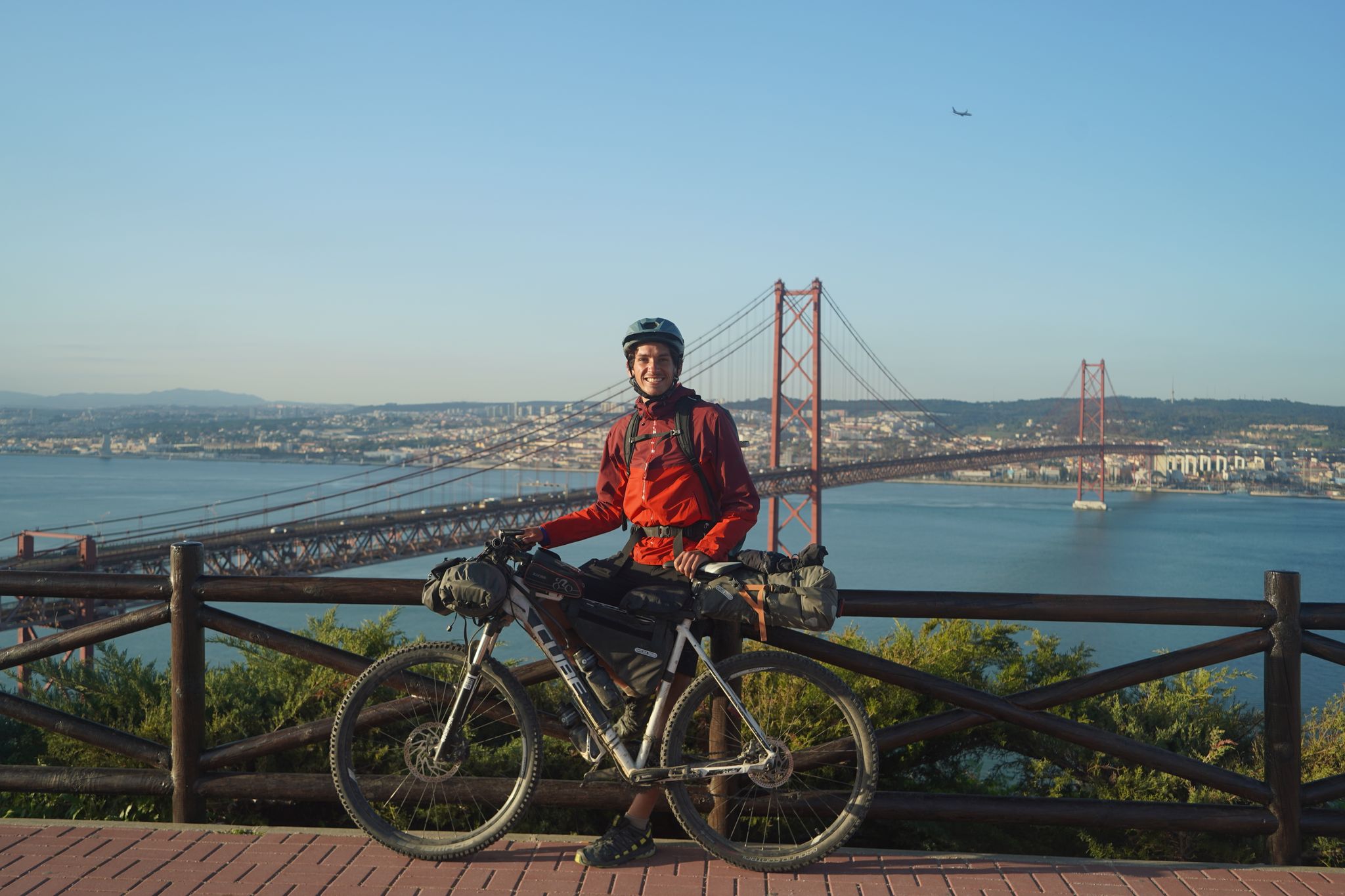
Road to Lisbon – bikepacking the Alps, Pyrenees and Picos de Europa
The Ignatian Way - In the footsteps of Ignatius of Loyola
The paradise of the cranes - Gallocanta Ring
Challenge and beauty on a Road Bike — Pre-Pyrenees Gran Tour
Hiking between geology and history – GR1 in Aragón
Path of the Templars — Path of the True Cross (GR 250)
Rock formations, deserts and lagoons - Gravel round in Aragon
A journey through mediaeval Spain – El Camino del Cid (GR 160)
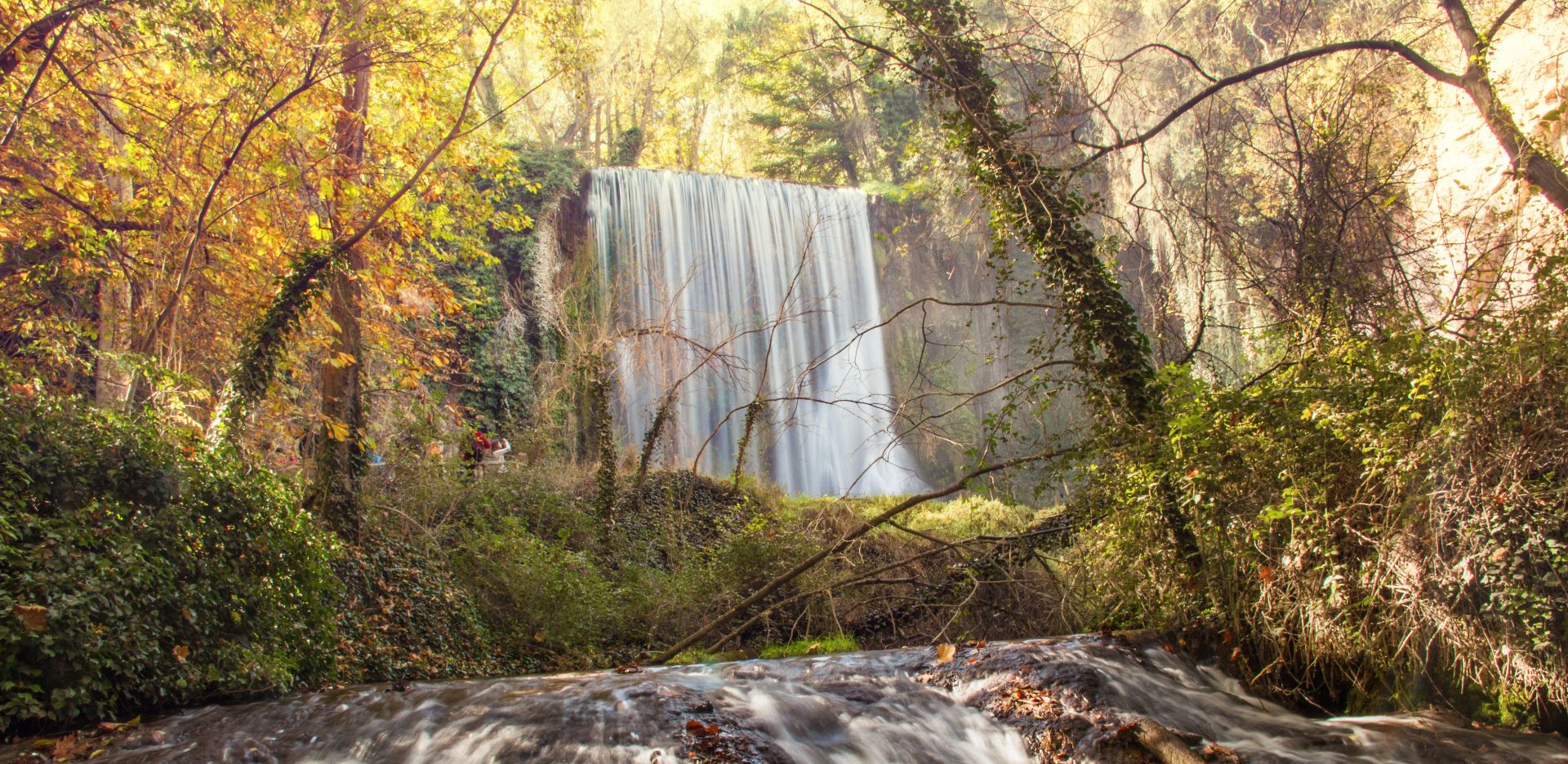
Landscapes of water and rock – Spain’s Jalón and Jiloca Trail (GR 24)
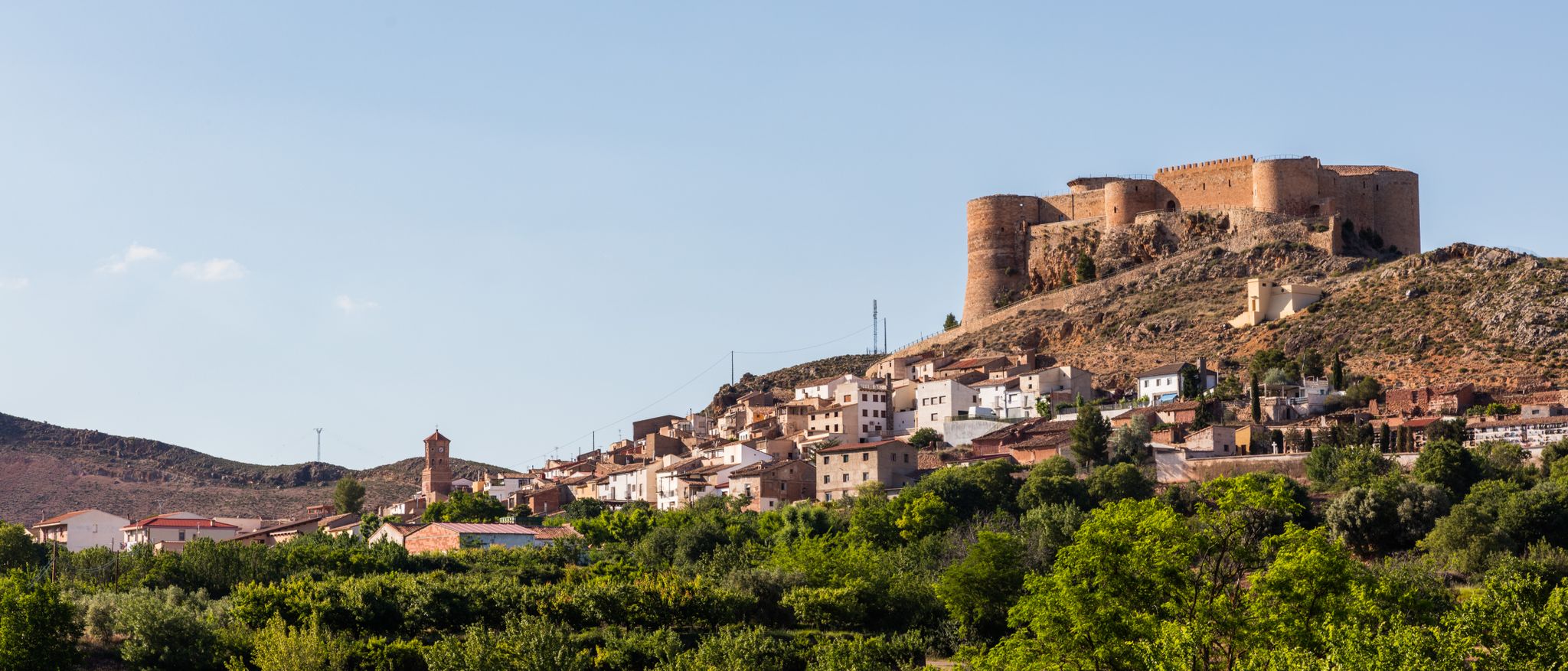
Moncayo to Daroca – Iberian Zaragoza Path (GR 90)
Other adventures in Zaragoza


Tips from the Community

The Aljafería Palace in Zaragoza is an 11th-century fortified Islamic palace built during the Taifa period. Known originally as the "Palace of Joy", this UNESCO World Heritage Site features exquisite archways, intricate plasterwork, and the historic Troubadour’s Tower. Today, it serves as the official seat of the regional parliament, the Cortes of Aragon.
0
0

Watched over by the remains of its ancient castle, Daroca emerges, one of the most beautiful cities in Aragon. Without a doubt, one of the charms of the town is to walk along its walls, with their imposing towers, until you reach the castle, from which you can enjoy a beautiful panoramic view.
0
0

From Viveros Rhey there is a direct road, recently paved
0
0

This Castle corresponds to the Major Castle of Daroca, of Muslim origin and built in the 11th Century.
0
0

There are few preserved walls, they seem low but they were so deep, they are free to visit. However, it is advisable to book the Roman visit to Zaragoza, it is cheap at 5.5 euros and for 3 euros more a visit to the Roman museums is included, very interesting.
5
0

Borja has been on the map since the 5th century BC, there are about 5000 inhabitants and the town offers several sights. Church of San Miquel, church Sante Maria, baroque monastery Santa Klara etc.
1
0
Borja has a pronounced continental climate with limited precipitation of 350 to 450 mm per year. Hail and frost are common in spring and a cold, dry northerly wind (the cierzo) is typical of the area.
4
0

In the afternoon it opens at 4.30pm
1
0
Frequently Asked Questions
What historical periods do the castles in Zaragoza represent?
The castles in Zaragoza and its surrounding province span various significant historical periods. You can find structures from the Hispano-Muslim Taifa era, such as the magnificent Aljafería Palace, dating back to the 11th century. There are also impressive Romanesque fortresses like Loarre Castle (though in neighboring Huesca, it's a prime regional example) from the 11th century, and Gothic castle-palaces like Mesones de Isuela from the 14th century. Other castles, such as Sádaba Castle and Sos del Rey Católico, showcase 12th and 13th-century medieval architecture, reflecting their roles during the Reconquista.
Which castles showcase unique architectural styles like Mudéjar or Romanesque?
For unique architectural styles, the Aljafería Palace is a must-see, featuring exquisite Hispano-Muslim art and later Christian additions with Gothic and Mudéjar elements. The Castle of Mesones de Isuela boasts a stunning Mudéjar wooden ceiling in its chapel, considered unparalleled in Europe. Loarre Castle, a short distance from Zaragoza, is an exceptional example of 11th-century Romanesque military architecture, including its well-preserved Church of San Pedro.
Are there family-friendly castles to visit in Zaragoza?
Yes, several castles and historical sites in Zaragoza are considered family-friendly. The Aljafería Palace is a great option, offering a captivating journey through history with its diverse architectural styles. The settlement of Daroca, with its mighty walls and old castle, provides an engaging experience for all ages, allowing visitors to explore medieval streets and enjoy panoramic views. Many of these sites offer ample space for exploration and imagination.
What outdoor activities can I do near the castles in Zaragoza?
The region around Zaragoza's castles offers various outdoor activities. For cycling enthusiasts, there are numerous routes, including road cycling options like the 'Virgen de la Dorleta Memorial Loop' or general cycling paths such as the 'Galacho de Juslibol along the Ebro'. You can find more details on these and other routes in the Road Cycling Routes in Zaragoza and Cycling in Zaragoza guides. For hikers, there are easy trails like the 'Monasterio de Piedra Waterfalls Trail' or the 'Historic center of Zaragoza' walk, detailed in the Easy hikes in Zaragoza guide.
Are there hiking routes near the castles?
Yes, you can find hiking opportunities near some of the castles. While not directly adjacent to every castle, the wider Zaragoza region offers trails that can be combined with castle visits. For instance, you can explore the 'Historic center of Zaragoza' on foot, which includes sites like the Roman Walls and Torreón de la Zuda. For more extensive hiking, consider routes like the 'Monasterio de Piedra Waterfalls Trail' or the 'Gardens of la Alfranca and Carrasco Pond', which are accessible from Zaragoza and can complement a castle-focused trip. You can find more details in the Easy hikes in Zaragoza guide.
What is the best time to visit the castles in Zaragoza?
The best time to visit the castles in Zaragoza generally depends on your preference for weather and crowds. Spring (April-May) and Autumn (September-October) offer pleasant temperatures, ideal for exploring both indoor and outdoor castle grounds. Summers can be very hot, especially in July and August, so early mornings or late afternoons are recommended if visiting during these months. Winters are milder but can be chilly, with shorter daylight hours. Always check specific opening hours, as they may vary seasonally.
How can I get to the castles using public transport?
For castles located within Zaragoza city, such as the Aljafería Palace, public transport is readily available. The palace is well-connected by local bus routes. For castles further afield in the province, public transport options may be more limited, often requiring a combination of regional buses or trains, followed by a taxi or a longer walk. It's advisable to check local transport schedules for specific destinations like Daroca or Alfajarín before your visit.
Are there viewpoints near the castles in Zaragoza?
Many castles in the Zaragoza region offer excellent viewpoints due to their strategic locations. From the old castle in Daroca, you can enjoy impressive panoramic views of the city. Ruesta Castle, perched on a stony hill, provides good views of the Yesa reservoir. Even the ruins of Castillo de Miranda, though not fully accessible, are known for their scenic outlooks over the surrounding landscape.
Are there any hidden gem castles near Zaragoza worth exploring?
Beyond the most famous sites, Zaragoza province holds several lesser-known but historically rich castles. Alfajarín Castle, built by Muslims in the 11th century, offers an irregular pentagonal structure and defensive moats. Sádaba Castle, a 13th-century crenellated fortress, is notable for its rectangular layout and good preservation. Uncastillo Castle, situated on the peak of the Ayllon crag, also provides a fascinating glimpse into medieval defense architecture.
What do visitors enjoy most about the castles in Zaragoza?
Visitors frequently praise the rich history and diverse architecture of Zaragoza's castles. The Aljafería Palace is particularly appreciated for its intricate Islamic arches, elaborate stucco, and the blend of Islamic, Mudéjar, Gothic, and Renaissance styles. Many also enjoy the sense of stepping back in time when exploring places like Daroca, with its medieval streets and impressive walls. The scenic views from strategically located castles like Ruesta Castle are also a highlight for many.
How long should I plan for a visit to a castle in Zaragoza?
The duration of your visit will depend on the size and complexity of the castle. For a major site like the Aljafería Palace, you should allocate at least 2-3 hours to fully appreciate its architecture, history, and current use as the regional parliament. Smaller castles or ruins might only require 1-1.5 hours. If you plan to explore a settlement like Daroca, including its castle and medieval streets, a half-day or even a full day would allow for a more immersive experience.
Most popular routes in Zaragoza
Most popular attractions in Zaragoza

Get inspired with the komoot mobile app


Didn’t find what you were looking for?
Explore Zaragoza’s best castles region by region:
Explore more
Looking for the best castles somewhere else? Discover other guides in Zaragoza:
