The 17 Most Amazing Peaks in Palencia
Best mountain peaks in Palencia are found within the Montaña Palentina, a mountainous region of the Cantabrian Mountain Range in Castile and León, Spain. This area features a diverse landscape of needles, cliffs, ravines, and deep valleys. The region is largely protected under the Montaña Palentina Natural Park. It offers a range of elevations and terrain for outdoor activities.
Best mountain peaks in Palencia
- The most popular mountain peaks is Piedrasluengas Viewpoint, a viewpoint that is a perfect place…
Last updated: July 1, 2026
Piedrasluengas Viewpoint
Highlight • Viewpoint
Translated by Google •
Tip by

Peña Labra
Highlight • Summit
Translated by Google •
Tip by

Sign up now to discover places like this
Get recommendations on the best single tracks, peaks, & plenty of other exciting outdoor places.
Sign up for free
Curavacas (2524m)
Highlight • Summit
Translated by Google •
Tip by

Espigüete Summit (2,454 m)
Highlight • Summit
Translated by Google •
Tip by
Cross of Mount Bernorio
Highlight • Summit
Translated by Google •
Tip by

Pico Valdecebollas (2,139 m)
Highlight • Summit
The views from here are spectacular!
Translated by Google •
Tip by

Peña Corbera
Highlight • Viewpoint
It climbs very comfortably from the moor, where there is no established path but it is not lost.
There are remains of parapets and trenches from the Civil War.
Translated by Google •
Tip by

Peña Redonda Summit
Highlight • Summit
Translated by Google •
Tip by
Three Provinces Boundary Marker
Highlight • Summit
Translated by Google •
Tip by
Pico del Fraile (2,001 m)
Highlight • Summit
Translated by Google •
Tip by
Sign up for free to discover even more peaks in Palencia.
Sign up for free
Already have an account?
Start today with a free account
Your next adventure awaits.
Login or Signup
Popular around Palencia
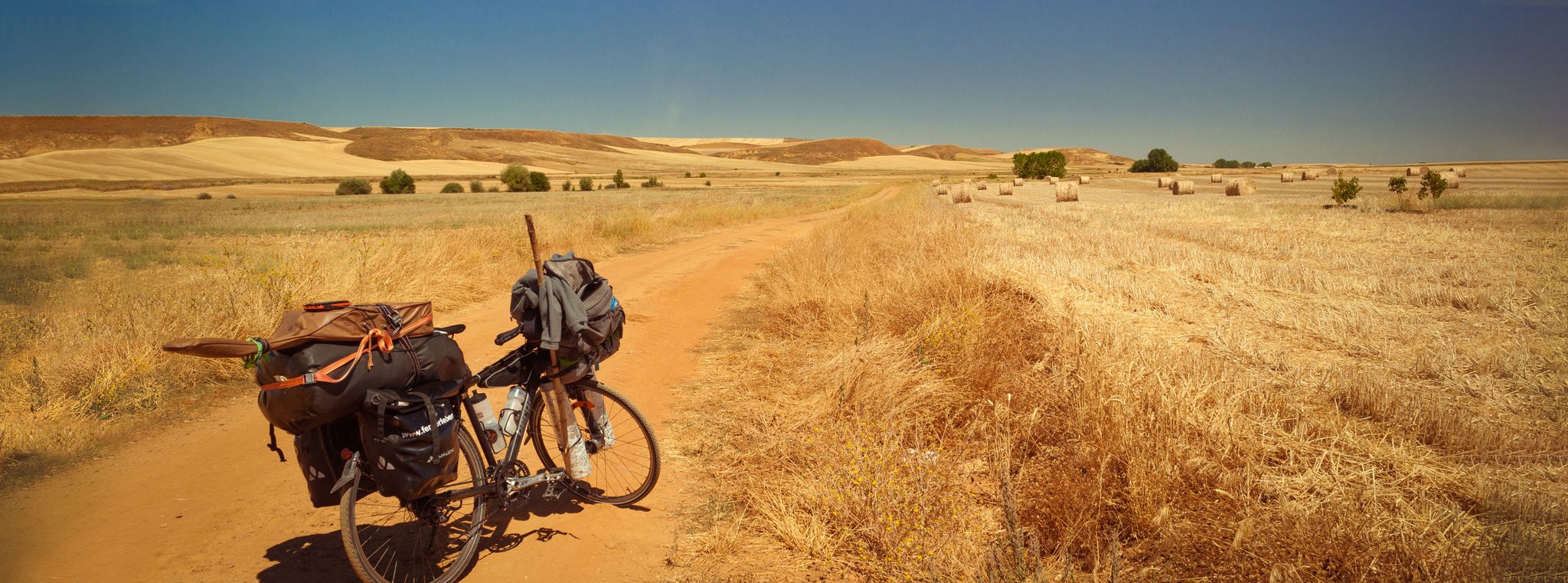
Camino Francés and Camino Finisterre – Cycling pilgrimages in Spain
Santiago de Compostela – A journey through northern Spain (10 days)
9 mountain biking routes in undiscovered Spain
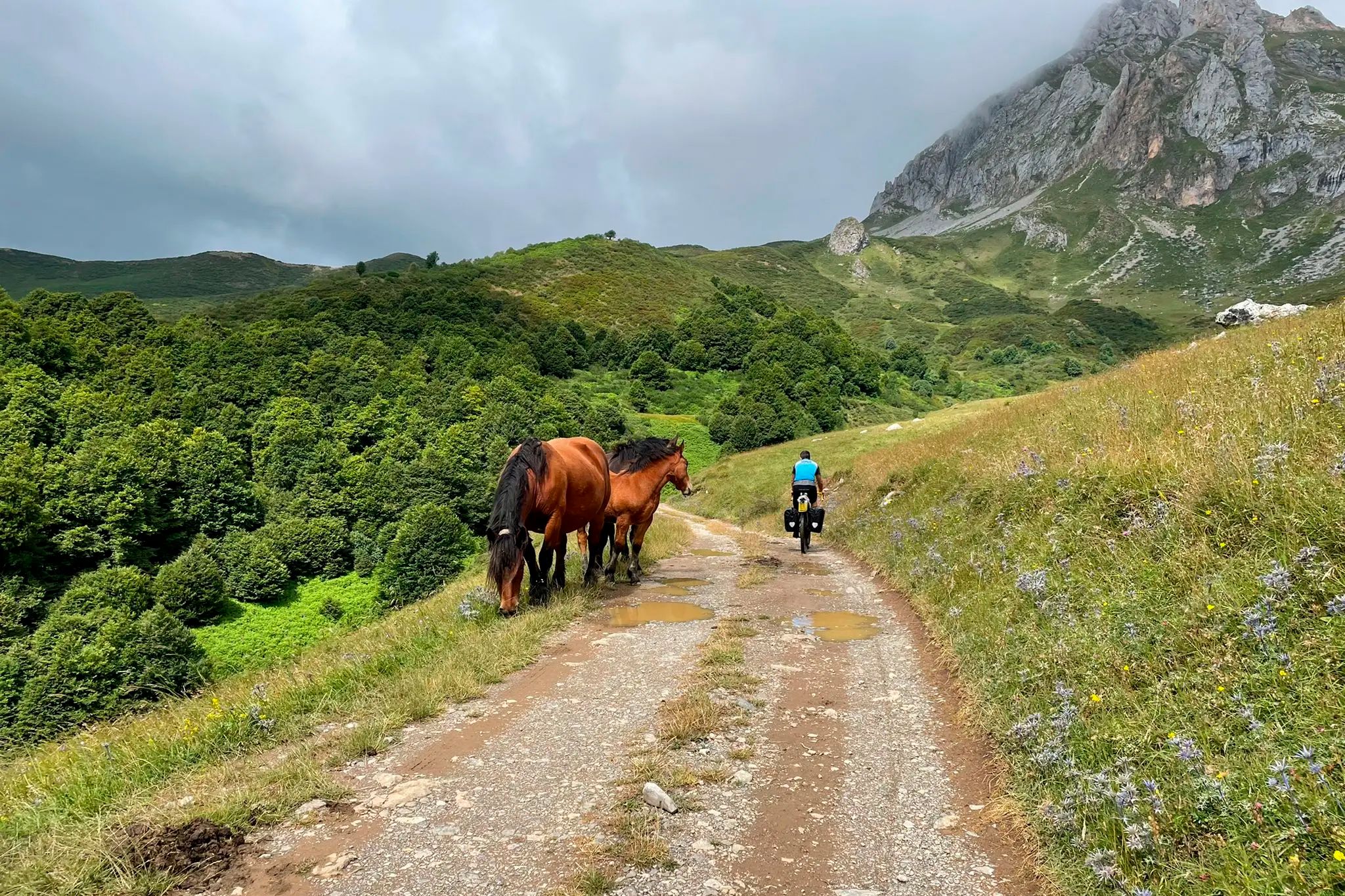
TransCantabrica – Extreme mountain biking in northern Spain
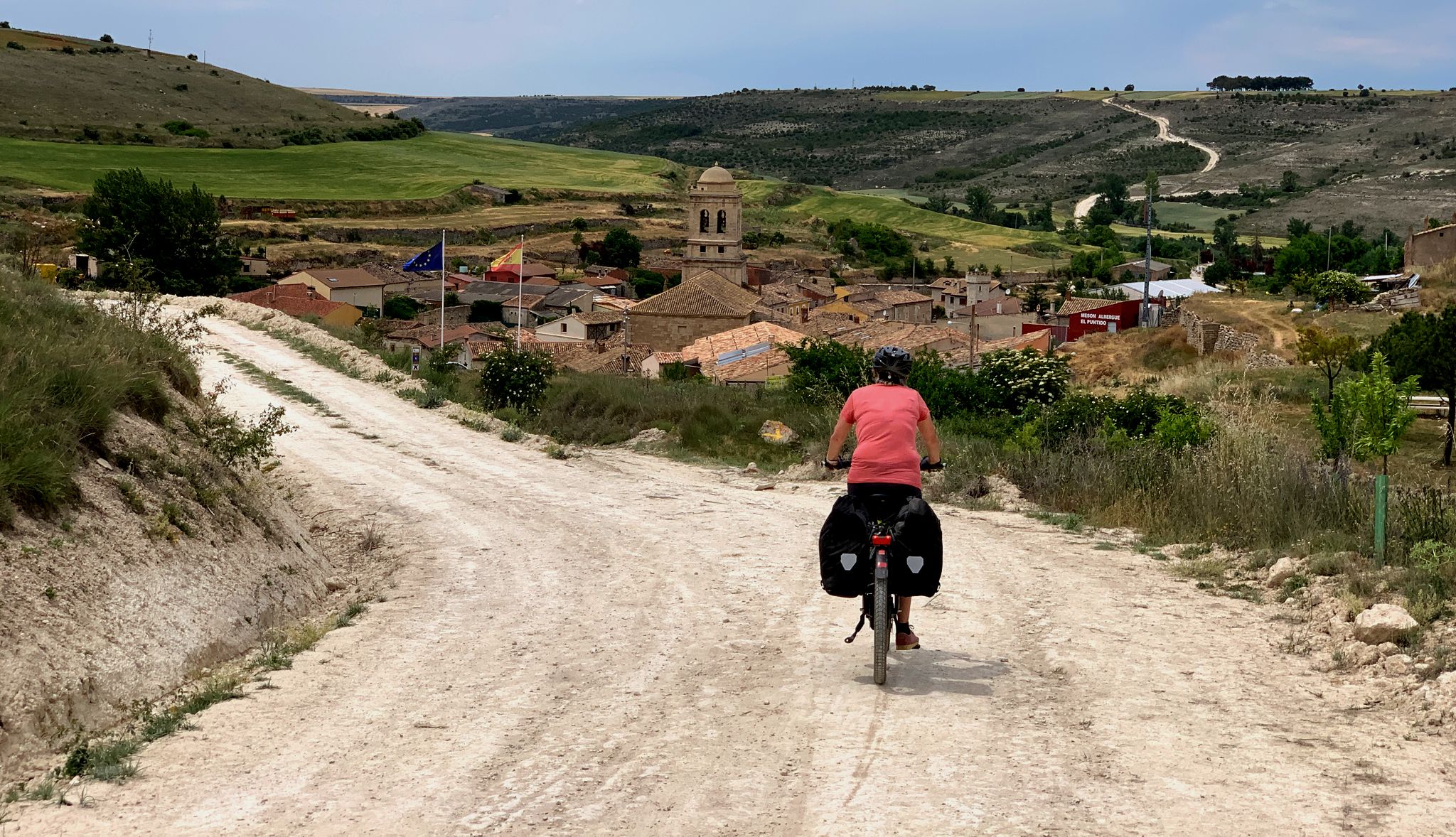
The Pilgrim Route — EuroVelo 3 through Spain
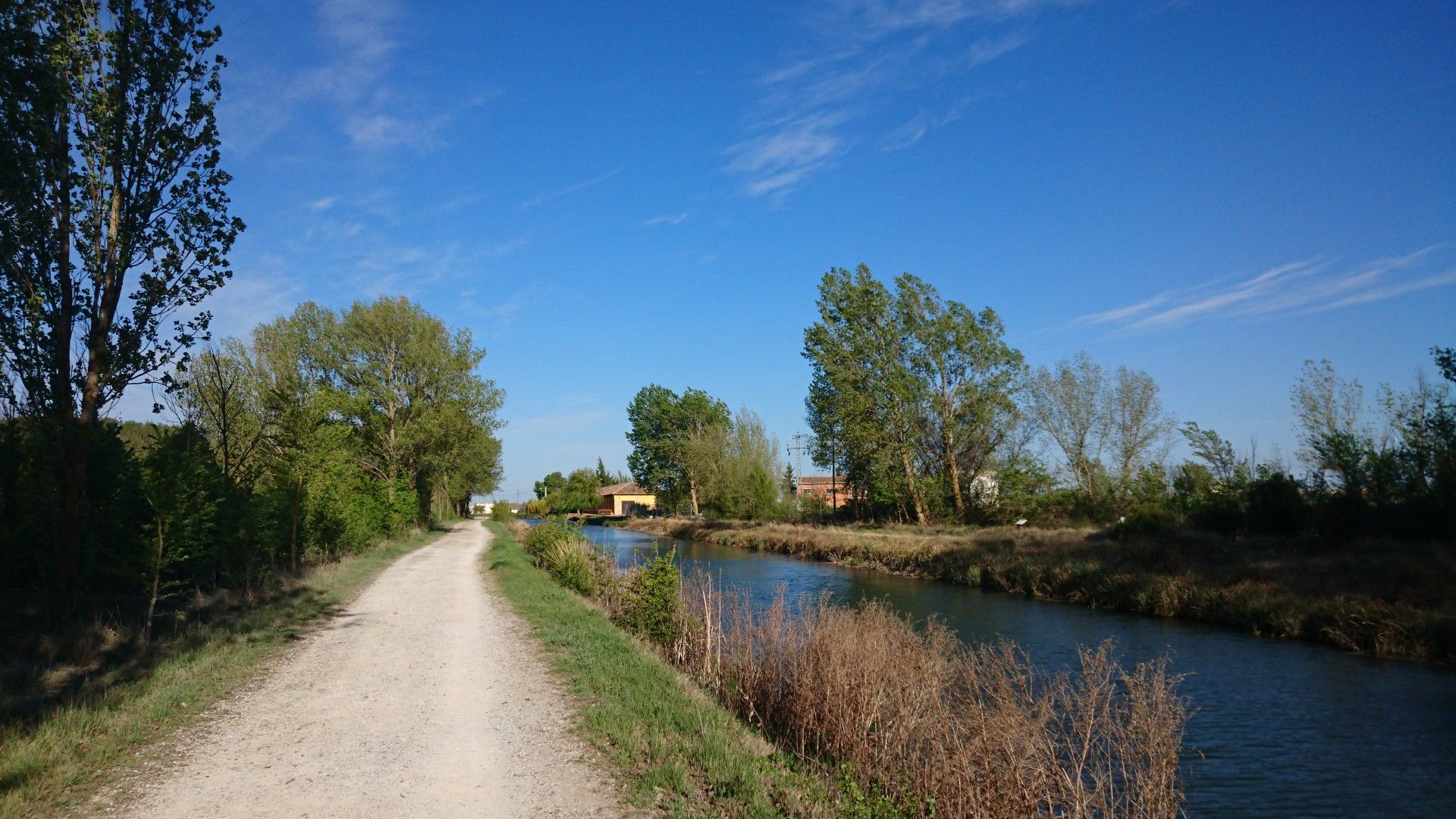
The history of civil engineering — the Castille Canal by bike
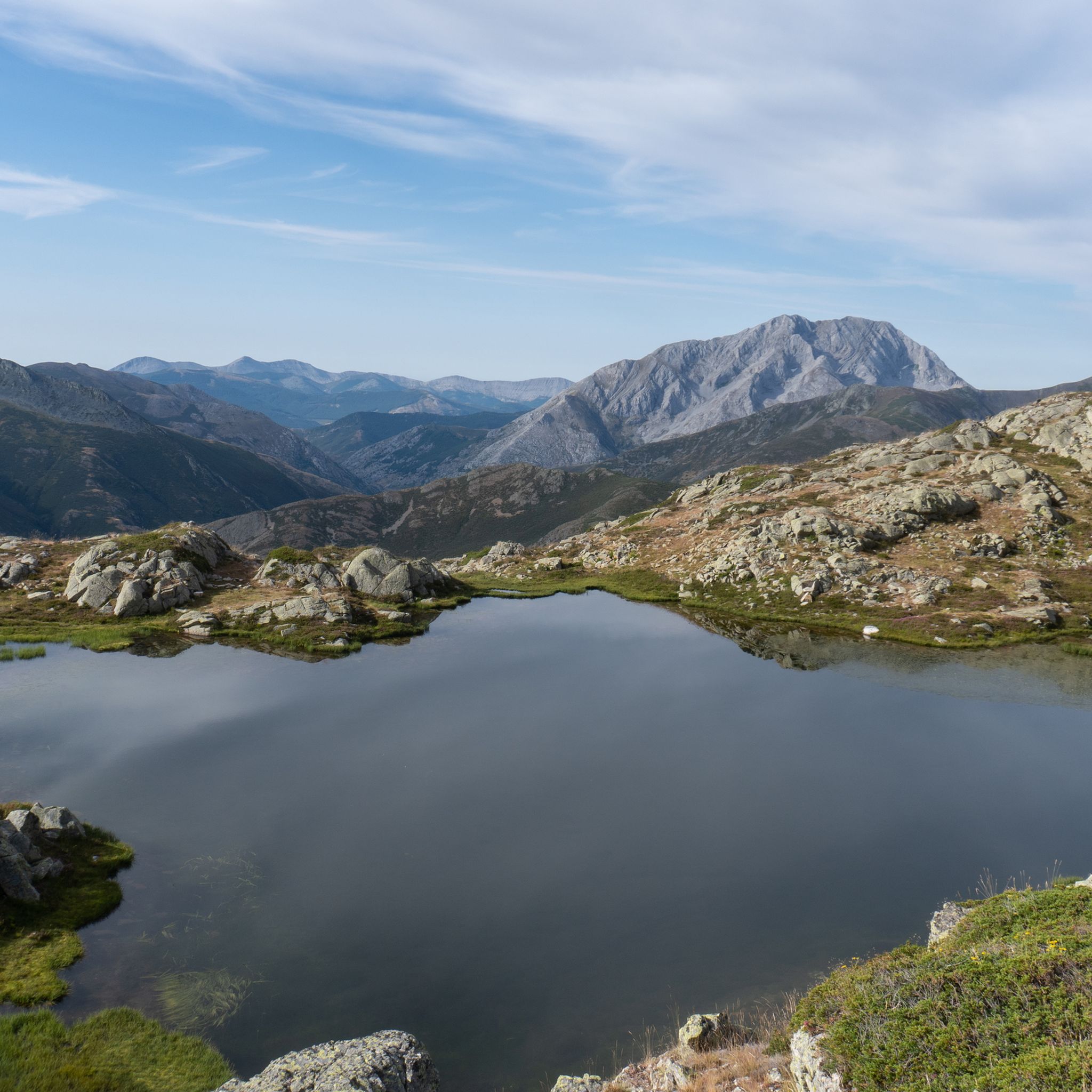
Hiking in Palencia
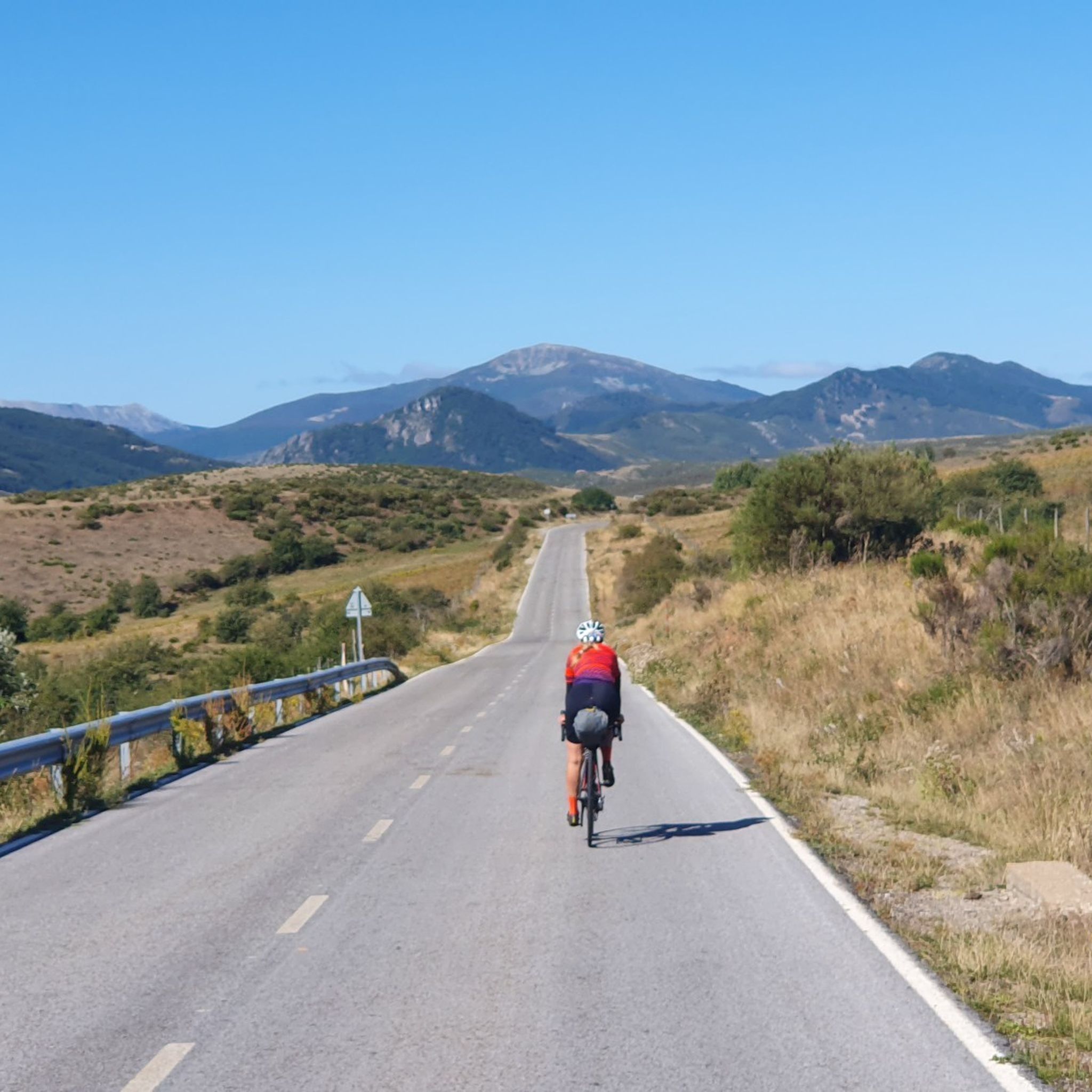
Road Cycling Routes in Palencia
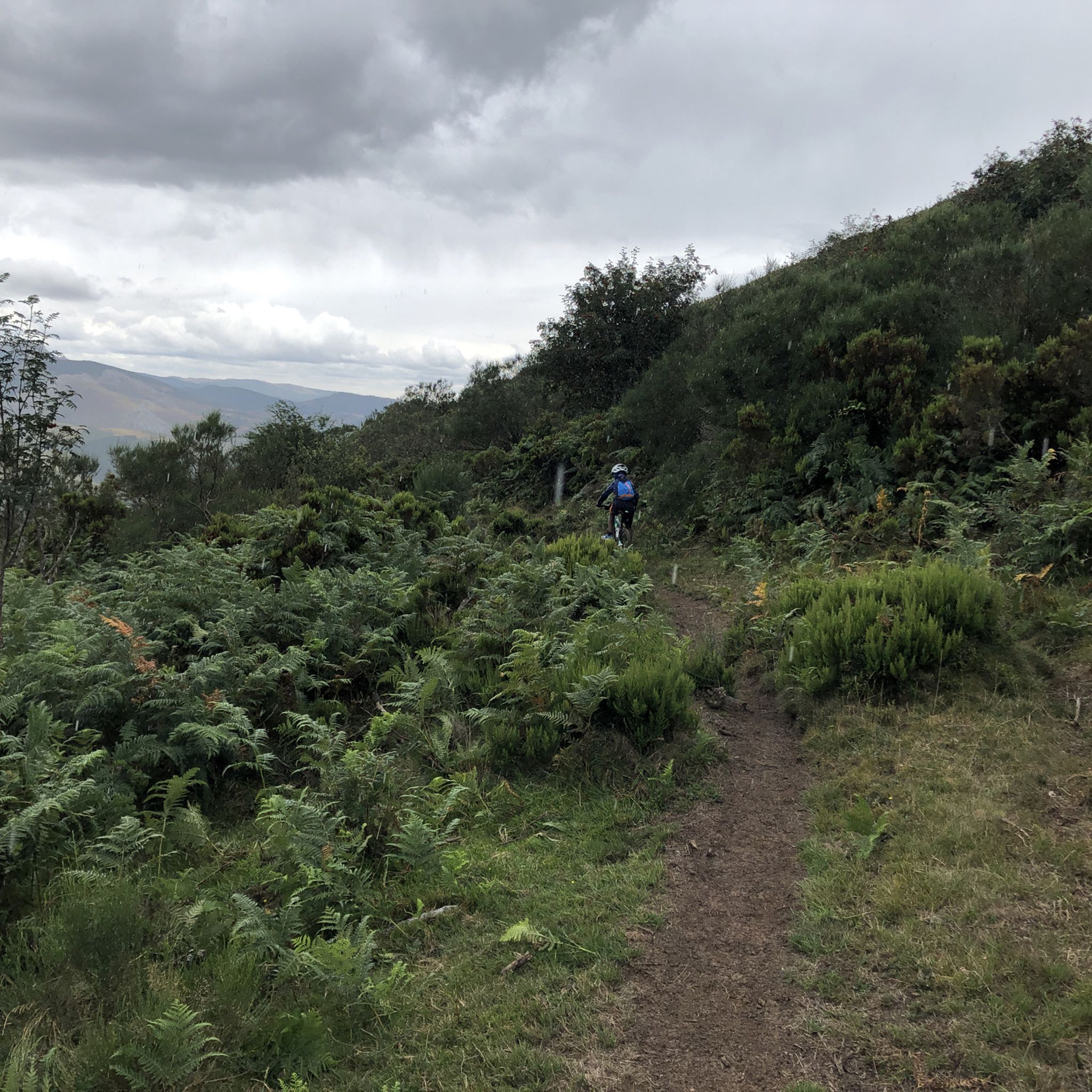
MTB Trails in Palencia
Running Trails in Palencia
Other adventures in Palencia


Tips from the Community

Climbing Curavacas is an exciting experience for mountain lovers. There are several routes available, such as Callejo Grande and Senda del Notario, which offer different levels of difficulty. In addition, in the area you can find glacial lagoons, such as Pozo Curavacas and Pozos del Ves, which add a special touch to the landscape.
5
0

Spectacular views of the eastern massif of Picos de Europa
0
0

Beautiful road from Puetenansa up to there for road bikes, less traffic
1
0

Mount in the town of Villarén de Valdivia, in Palencia, 1170m. It has a flat shape at its top, where some of the most important pre-Roman archaeological sites on the peninsula have been found, known as Castro de Monte Bernorio.
0
0
Second highest summit of the Cantabrian mountain range and the highest in the province of Palencia. It offers impressive views of the famous Curavacas Well, the Curruquilla peak and many other emblems of the province.
1
1
Palencia summit located in the town of Cardaño de Abajo which can be ascended by several routes, although several of them present a fairly high technical difficulty.
1
1
Summit of the Natural Park of the Palencia Mountain. At the top we find the Torreón, a small stone tower with a vertex and a cross at its highest point. The views from here are spectacular!
2
0
Highest summit of the Sierra del Brezo with spectacular panoramic views of the Palencia Mountain.
1
1
Frequently Asked Questions
What are some of the most emblematic mountain peaks in Palencia?
The Montaña Palentina region boasts several iconic peaks. Among the most notable are Pico Curavacas (2,524 m), often considered the highest peak entirely within the province, and Pico Espigüete (2,450 m), known for its distinctive pyramidal shape. Another significant summit is Peña Labra, which marks the border between Cantabria and Castilla y León.
Are there challenging mountain climbs in Palencia?
Yes, Palencia offers challenging ascents for experienced mountaineers. Pico Curavacas, with its extensive scree slopes and demanding winter conditions, is a prime example. Pico Espigüete also provides rewarding and challenging routes, particularly its east ridge.
Which mountain peaks offer the best panoramic views in Palencia?
Many peaks in Palencia provide spectacular views. From the summit of Pico Curavacas, you can see other Palencian peaks, the Picos de Europa, and the vast Pineda Valley. Pico Valdecebollas offers extensive vistas of the Sierra de Peña Labra, major elevations of Fuentes Carrionas, the Aguilar de Campoo reservoir, and even the Picos de Europa on clear days. The Piedrasluengas Viewpoint is also a popular spot for breathtaking panoramas.
Are there any family-friendly mountain spots in Palencia?
Yes, the region offers accessible options for families. The Piedrasluengas Viewpoint is categorized as family-friendly and is easily reachable, offering stunning views without a strenuous climb. While many peaks require more effort, there are also numerous moderate hiking trails in the Montaña Palentina Natural Park suitable for families.
What unique natural features can be found on Palencia's mountain peaks?
The mountains of Palencia are rich in unique natural features. Pico Curavacas features glacial lagoons like Pozo Curavacas and Pozos del Ves. Pico Espigüete contains numerous hollows, including large canyons with underground rivers, lakes, and caves, making it a treasure for speleologists. The area also boasts unique native plant species not found elsewhere in the park.
What is the best time of year to visit the mountain peaks in Palencia?
The best time to visit depends on your activity. For challenging ascents like Pico Curavacas or Pico Espigüete, late spring to early autumn (May to October) generally offers more favorable weather conditions. Winter ascents are significantly more demanding due to heavy snowfall, ice, and sudden weather changes. For more accessible viewpoints and trails, the warmer months are ideal.
What kind of wildlife can be spotted in the Montaña Palentina?
The Montaña Palentina Natural Park is known for its rich biodiversity. Visitors have the chance to spot various wildlife, including brown bears, wild boars, wolves, and chamois. The diverse landscape of forests, valleys, and high peaks provides habitats for a wide range of species, making it an excellent area for nature observation.
Are there historical or cultural sites near the mountain peaks?
Yes, the region combines natural beauty with cultural heritage. The Cross of Mount Bernorio marks a significant pre-Roman archaeological site. The area is also known for its Romanesque art and traditional mountain villages, such as Vidrieros at the foot of Curavacas, which offer a glimpse into local history and gastronomy.
What outdoor activities can I do near the mountain peaks in Palencia?
Beyond peak bagging, the Montaña Palentina offers a variety of outdoor activities. You can explore numerous hiking trails, such as the Senda de la Tejeda de Tosande or the Cascada de Mazobre. There are also extensive routes for mountain biking and road cycling, including challenging rides like the Puerto de Piedrasluengas. For more details on routes, check out the Hiking in Palencia, MTB Trails in Palencia, and Cycling in Palencia guides.
Are there any easy hiking trails around the mountain peaks for beginners?
While many peaks are challenging, there are easier hiking options available. For instance, the route to Pico Valdecebollas can be made relatively accessible by driving to El Golobar to shorten the ascent. Additionally, the Montaña Palentina Natural Park features numerous moderate trails, such as the Senda de la Tejeda de Tosande, which are suitable for beginners looking for a less strenuous experience.
What is the significance of the 'Torreón' on Pico Valdecebollas?
The 'Torreón' on Pico Valdecebollas refers to the stone towers built by mountaineers on its flat summit platform, which also features a geodesic vertex. These towers serve as a meeting point for an annual mass, adding a unique cultural and historical dimension to the peak.
What makes Pico Espigüete unique among Palencia's peaks?
Pico Espigüete stands out due to its distinctive pyramidal limestone mass and its relative isolation from other peaks, making it visible from a distance. Its south face has smoother reliefs, while the north face features dramatic vertical walls. It's also home to a unique variety of Sempervivum, discovered in 1935, exclusive to this peak.
Most popular routes in Palencia
Most popular attractions in Palencia

Get inspired with the komoot mobile app


Didn’t find what you were looking for?
Discover Palencia’s best peaks and summits by region:
Explore more
See even more amazing summits in Palencia with these guides:
