Attractions and Places To See in Biscay - Top 20
Best attractions and places to see in Biscay include a diverse array of sites, from modern architectural landmarks to ancient natural landscapes and significant cultural locations. This province in Spain's Basque Country is characterized by its coastline, green interior, and strong Basque identity. The region offers a variety of experiences, including historical sites, natural parks, and vibrant urban centers. It is a destination for those interested in exploring both cultural heritage and outdoor environments.
Best attractions and places to see in Biscay
- The most popular attractions is Saint John of Gaztelugatxe, a historical site featuring a hermitage on an islet. This site is accessible via a 241-step path and offers panoramic views of the Cantabrian coast.
- Another must-see spot is Guggenheim Museum, a man-made monument known for its modern architecture. Designed by Frank Gehry, this museum houses contemporary art collections and is considered a landmark of Bilbao.
- Visitors also love La Arena Beach, a beach known for its large sandbank. It is a popular location for swimming, sunbathing, and surfing, and marks the last beach in the Basque Country on the western side.
- Biscay is known for its architectural marvels, significant historical sites, and extensive natural parks. The region offers a variety of attractions to see and explore, from coastal towns to mountain trails.
- The attractions in Biscay are appreciated by the komoot community, with more than 700 highlights and over 900 photos shared by visitors.
Last updated: August 30, 2026
Guggenheim Museum
Highlight • Monument
Translated by Google •
Tip by

Zubizuri Bridge
Highlight • Bridge
Translated by Google •
Tip by

Sign up now to discover places like this
Get recommendations on the best single tracks, peaks, & plenty of other exciting outdoor places.
Sign up for free
Puppy — Floral Sculpture by Jeff Koons at the Guggenheim Museum Bilbao
Highlight • Monument
Translated by Google •
Tip by

Saint John of Gaztelugatxe
Highlight (Segment) • Historical Site
Translated by Google •
Tip by

Vizcaya Bridge
Highlight • Bridge
Translated by Google •
Tip by

La Arena Beach
Highlight • Beach
Translated by Google •
Tip by
Plaza Nueva (Bilbao)
Highlight • Historical Site
Translated by Google •
Tip by

Santiago Cathedral, Bilbao
Highlight • Religious Site
Translated by Google •
Tip by

Ribera Market
Highlight • Structure
Translated by Google •
Tip by
Old Town, Bilbao
Highlight • Settlement
Translated by Google •
Tip by

Sign up for free to discover even more attractions in Biscay.
Sign up for free
Already have an account?
Start today with a free account
Your next adventure awaits.
Login or Signup
Popular around Biscay
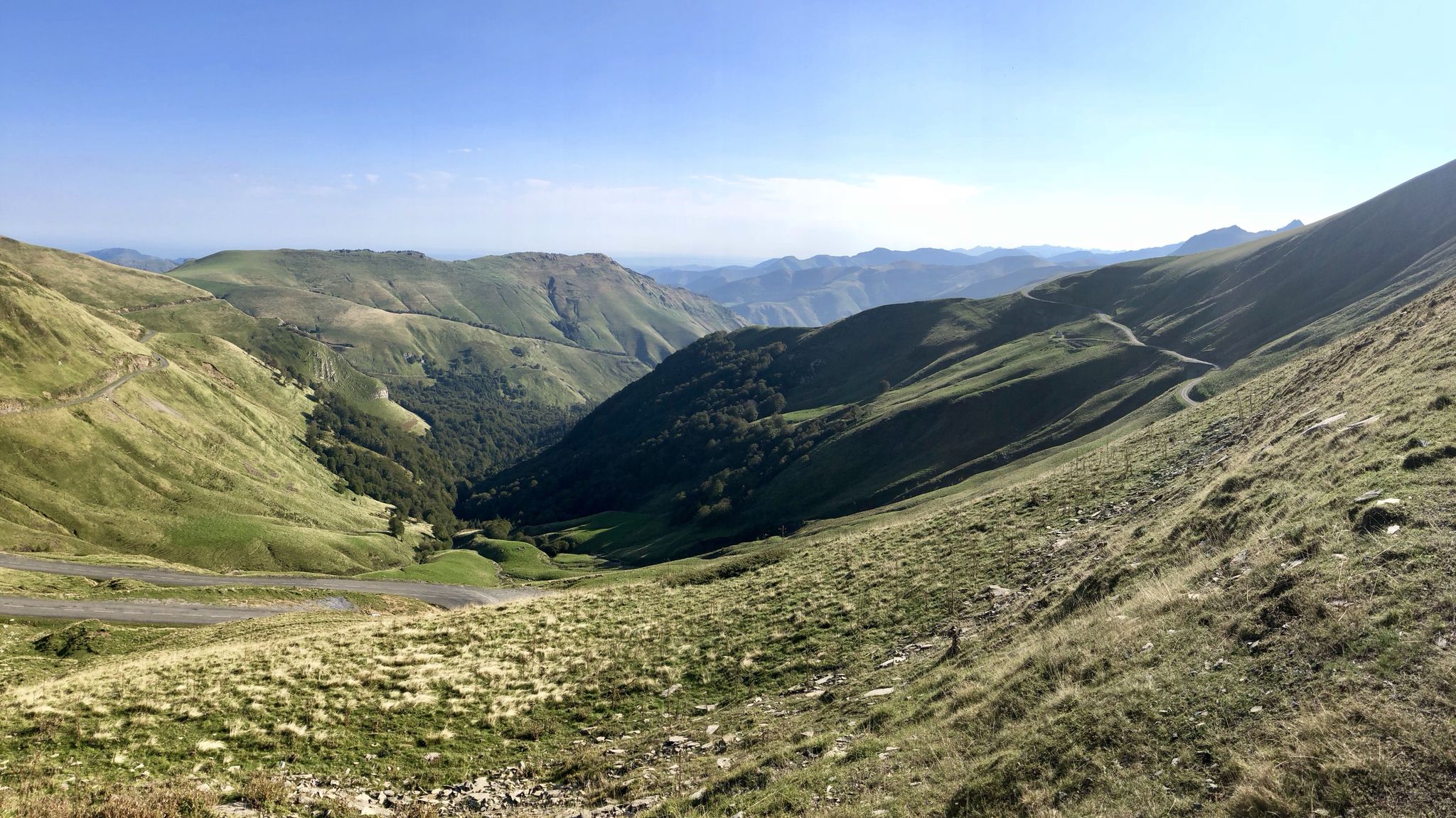
Euskal Herria footpath (GR 12) – The infinite mountain range
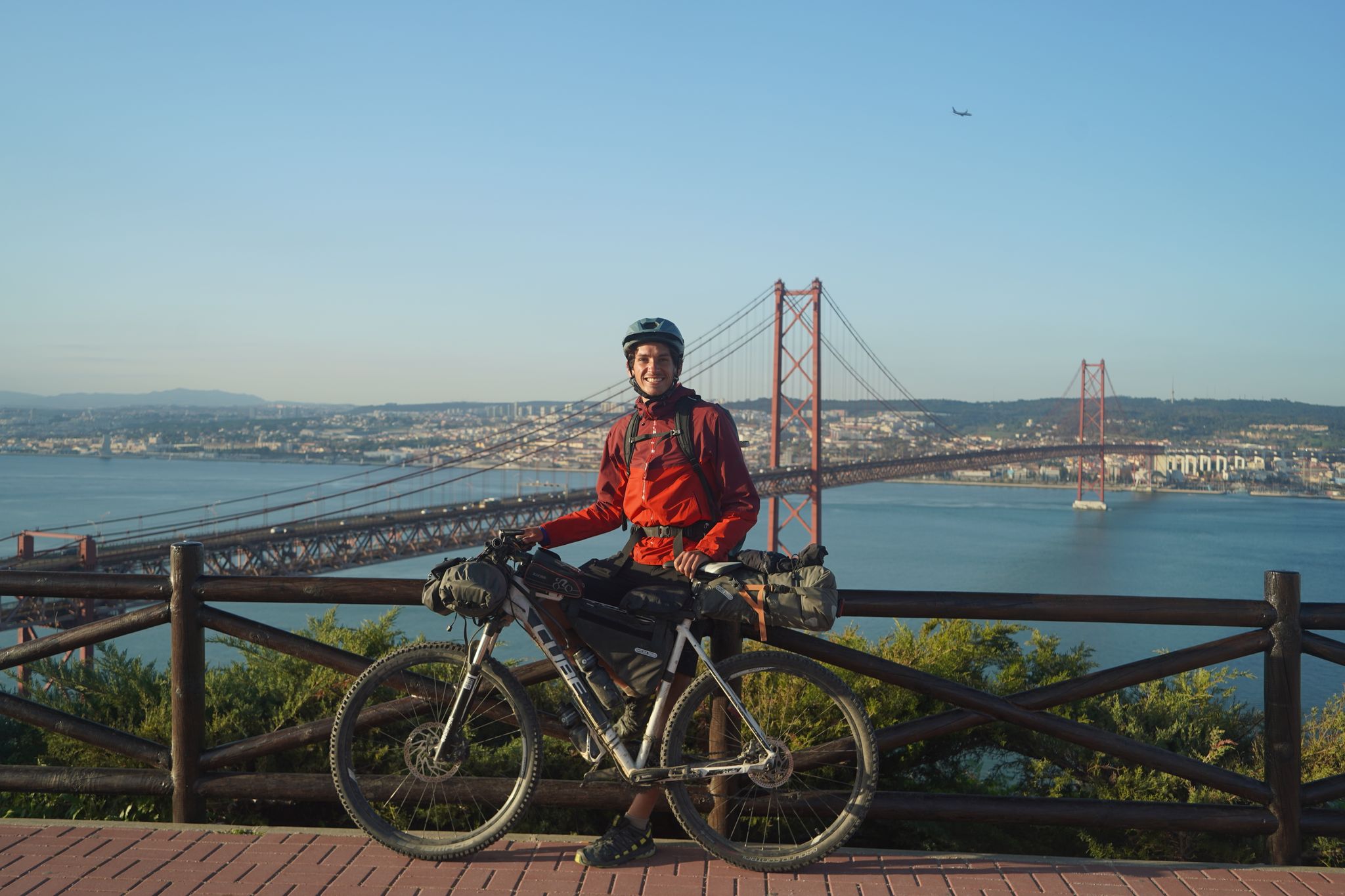
Road to Lisbon – bikepacking the Alps, Pyrenees and Picos de Europa
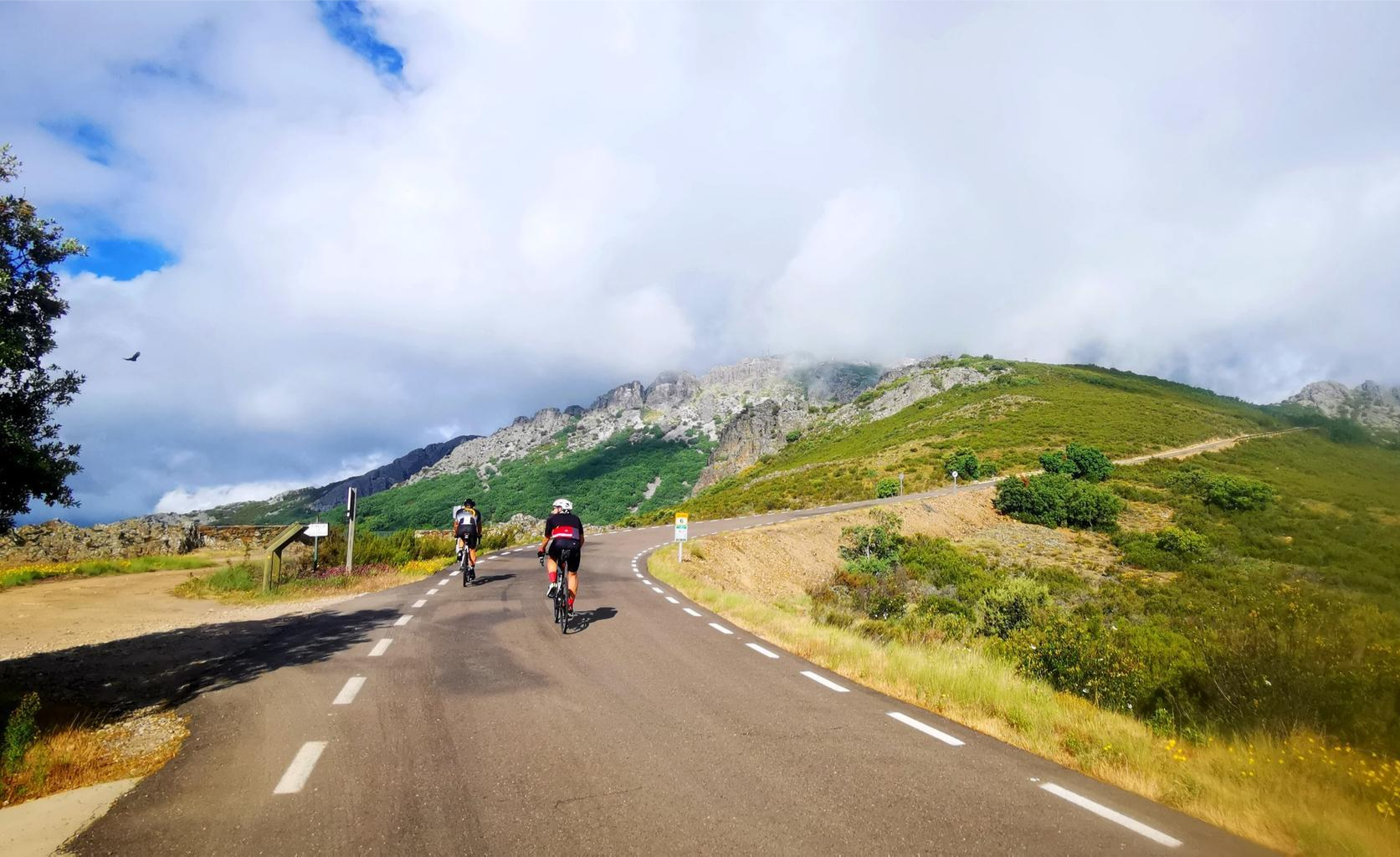
Legendary climbs - Ports of La Vuelta a España
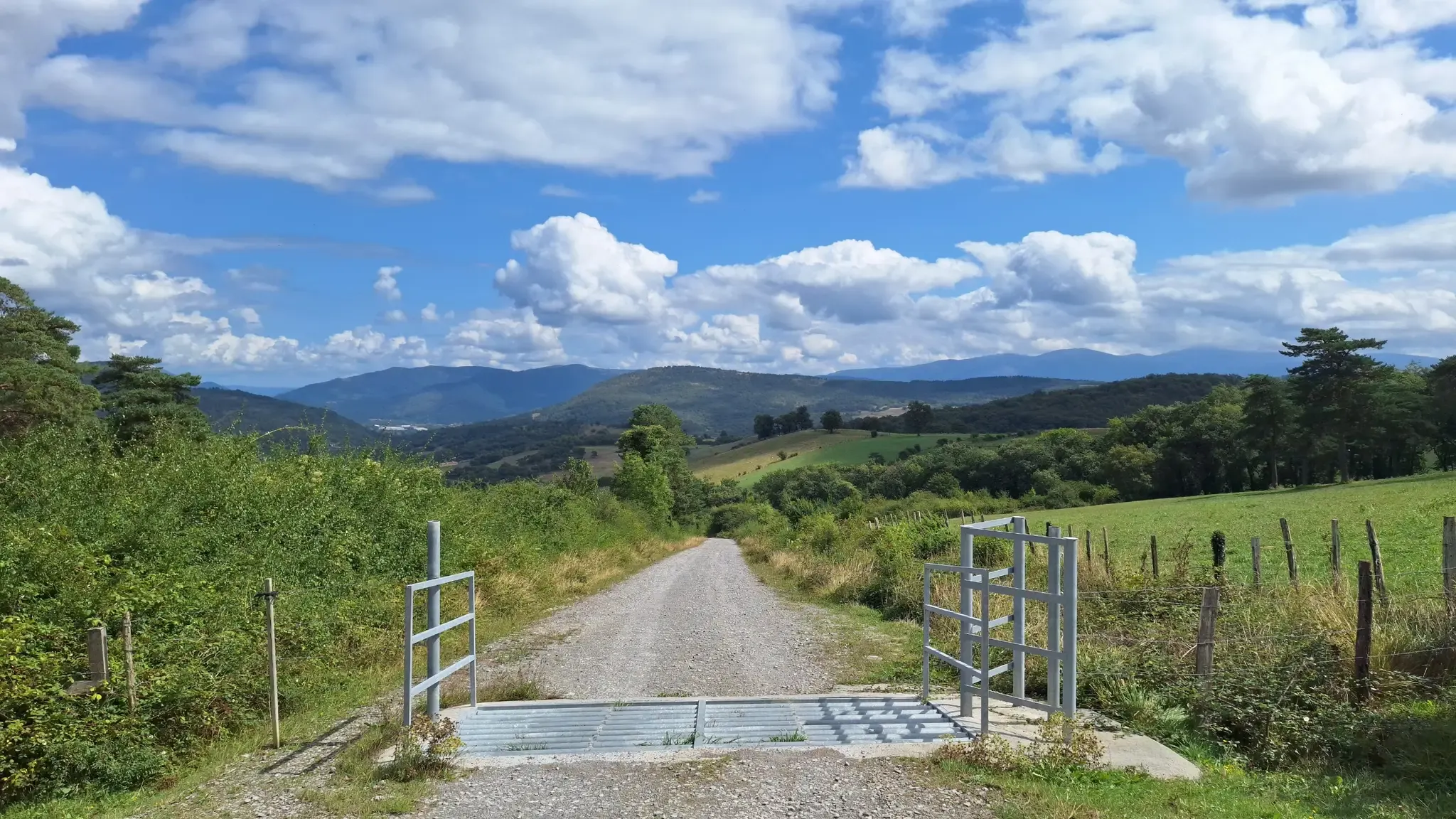
Royal Road of La Sopeña - GR 284
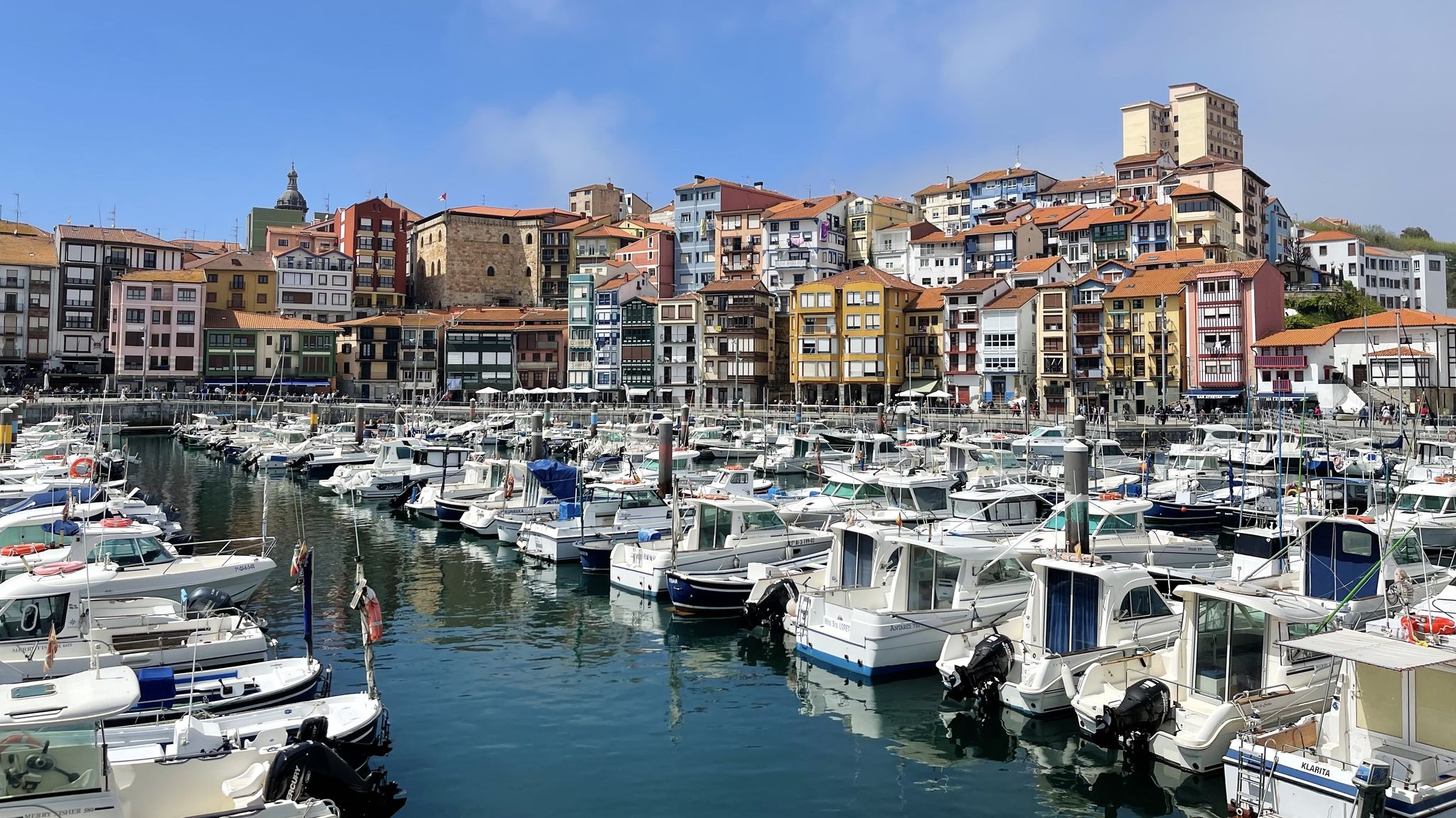
Nature and Culture — The Tour of Urdaibai (GR 98)
Zazpiak Bat Packing – a cycling adventure in the Basque Country
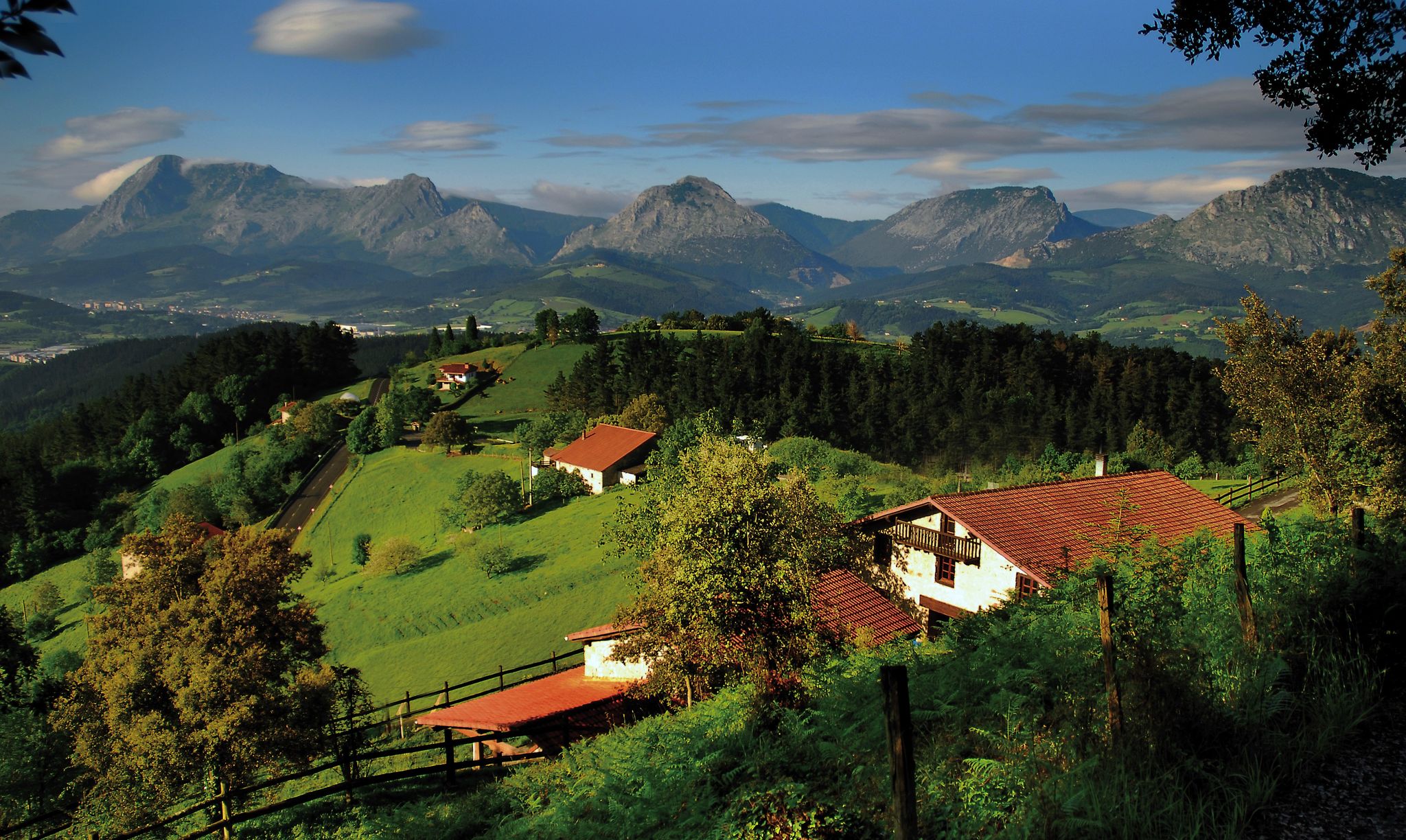
Across the Basque Mountains - Vuelta al Duranguesado (GR 229)
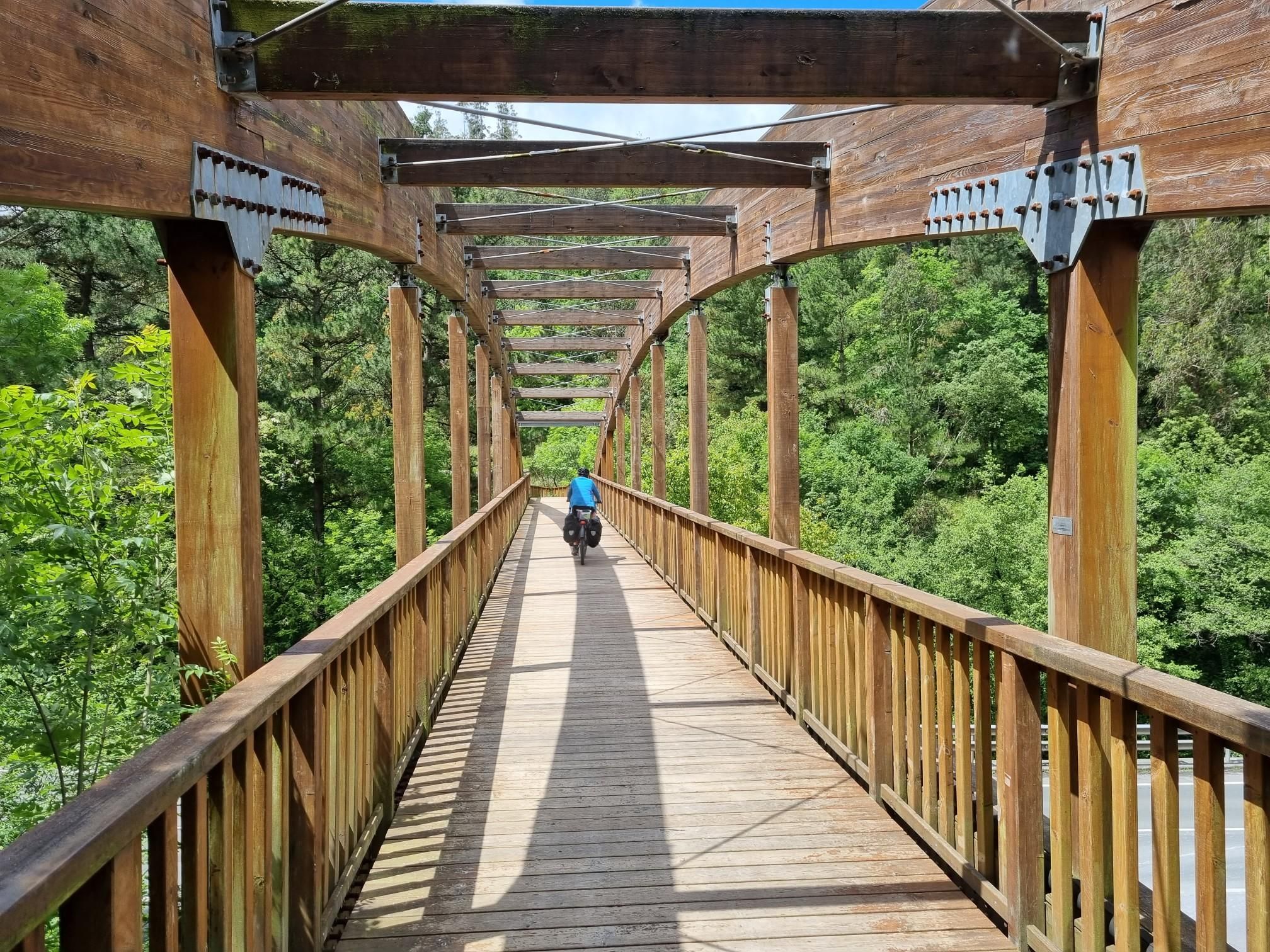
A Basque Country bike Tour – Montes de Hierro Greenway
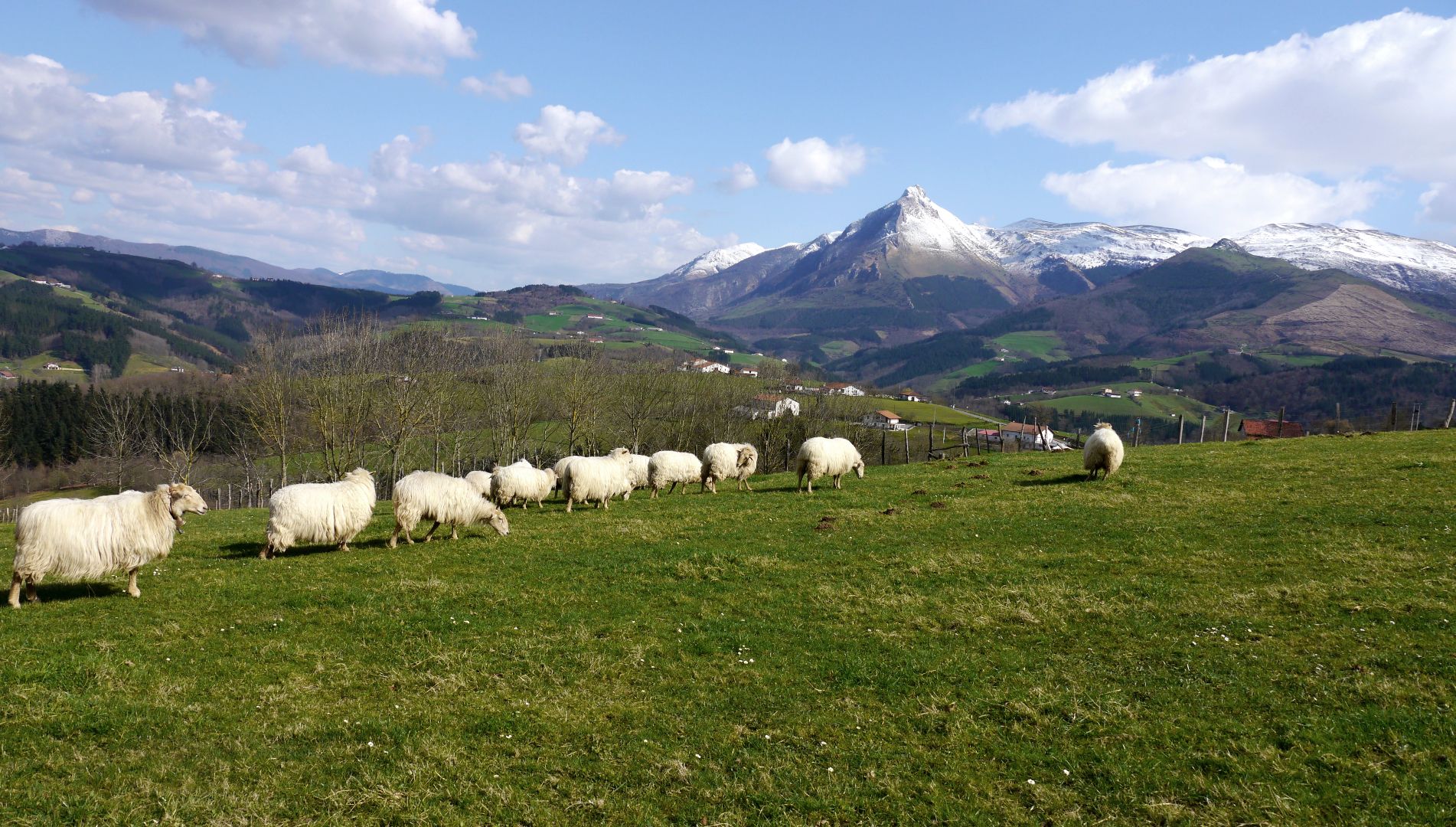
Mountains with tradition in Spain’s Basque Country – Shepherd's Path (GR 282)
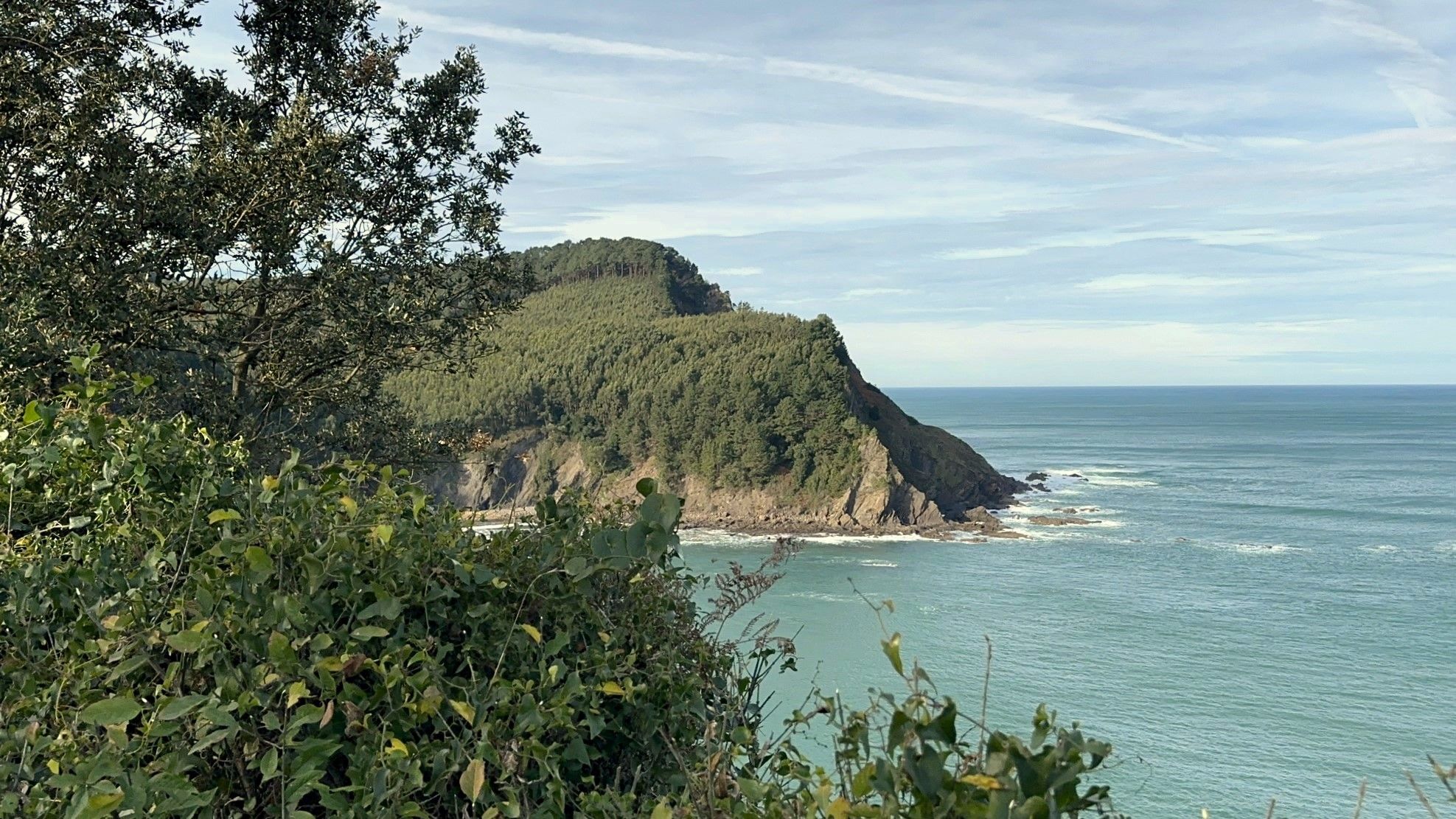
A paradise of contrasts – Uribe-Kosta Trail (GR 280)
Other adventures in Biscay


Tips from the Community

Neoclassical square in the heart of Bilbao's Old Town (Casco Viejo). • The square was laid out in 1821 and completed in 1851. • It is surrounded by arcades and columns, beneath which are numerous pintxos bars and restaurants. • Plaza Nueva is a popular meeting place and considered the heart of the old town. • A flea market takes place in the square on Sundays.
0
0


A beautiful sight in the old town of Bilbao on the Nivounriver.
2
0

Just stroll through the alleys.
1
0

Via the Zubizuri in Bilbao, also called Puente del Campo Volantin, you literally walk from the old to the new city. Together with the Guggenheim Museum, the bridge is the figurehead of the more modern, renovated Bilbao. The Zubizuri was built between 1994 and 1997. In Basque, its name means ‘White Bridge’. The Spanish architect Calatrava developed the modern metal construction with a glass floor, which later turned out to be not very practical. As a result, the city of Bilbao had to spend more than a quarter of a million to cover the bridge with carpet.
11
0
The Plaza Nueva is a beautiful neoclassical square that was built in 1821. This square is the lively heart of the Casco Viejo, the old district of Bilbao. Plaza Nueva is surrounded by buildings, where the lower floor consists of arches. Under these arches you will find numerous pintxos bars and restaurants. The square is therefore ideally suited to grab a terrace at the end of the afternoon and watch the Basque life while enjoying pintxos, the Basque form of tapas.
8
0

Plaza Nueva is now a landmark in the old town of Bilbao and has become one of the most important hubs of the city's social life. The colonnades of this neoclassical building complex alternate between bars, restaurants and cafés, which visitors should definitely visit to enjoy the lively atmosphere of the square. Every Sunday there is a street market for collectors with used books and records, minerals and fossils, coins and stamps, handicrafts and much more. And on December 21st, St. Thomas' Day, the square provides the backdrop for a remarkable agricultural market with countless typical products from all over the Basque Country. The square was inaugurated in 1851 after a long construction period of 65 years.
3
0
The Mercado de la Ribera, which entered the Guinness Book of Records in 1990 as the largest urban market in the world, is located in the now defunct Plaza Vieja in Bilbao. Located on the right bank of the Nervión, its central location makes it a vantage point for centuries of history. The famous Seven Streets of the Casco Viejo, which border the market, retain their lively medieval spirit. The nearby Estación de Atxuri train station and the bourgeois urban palaces on the opposite bank, on the other hand, are a reminder of the industrial growth that the city experienced in the 19th century. The writer Emiliano de Arriaga mentioned this square in one of his Costumbrist stories: "a well-stocked market that could please even the most demanding restaurateur". However, these words, referring to the old market, which was replaced by the current one in 1929, have not lost any of their value and reflect reality as never before. Traditional stalls offering a wide range of fish, meat, fruit and vegetables, mostly brought from nearby farms, compete with the ten gastrobars in a place where, thanks to a new initiative, people shop and eat to the rhythm of jazz every day.
1
0
Frequently Asked Questions
What are some must-see architectural marvels in Biscay?
Biscay boasts several impressive architectural sites. The iconic Guggenheim Museum Bilbao, designed by Frank Gehry, is a masterpiece of modern architecture. Another significant site is the Vizcaya Bridge (Puente Colgante), a UNESCO World Heritage site and the world's first transporter bridge. In Bilbao, you can also admire the elegant Zubizuri Bridge by Santiago Calatrava.
Where can I experience Biscay's natural beauty and landscapes?
Biscay offers diverse natural landscapes. The Urdaibai Biosphere Reserve is a UNESCO site known for its estuary, sandbanks, and migratory birds. For alpine hiking and stunning viewpoints, visit Urkiola Natural Park or Gorbeia Natural Park. Along the coast, you can explore unique geological formations like the Flysch formations near Sopela and Getxo, or relax at La Arena Beach.
What historical and cultural sites should I visit in Biscay?
For a blend of history and culture, visit San Juan de Gaztelugatxe, a hermitage on an islet accessible by a winding path, steeped in legend. Gernika-Lumo is culturally significant, home to the Casa de Juntas and the Tree of Gernika, symbols of Basque identity. In Bilbao, explore the Santiago Cathedral and the lively Plaza Nueva in the old district.
Is it necessary to book tickets for popular attractions like San Juan de Gaztelugatxe?
Yes, due to its popularity, especially after being featured in 'Game of Thrones', it is highly recommended to get free tickets online in advance to access San Juan de Gaztelugatxe. This helps manage visitor numbers and avoid long queues.
Are there family-friendly attractions in Biscay?
Many attractions in Biscay are suitable for families. La Arena Beach is a popular spot for swimming and sunbathing. The Guggenheim Museum and its outdoor sculpture Puppy can be engaging for older children. Natural parks like Urkiola and Gorbeia offer trails of varying difficulty, and the Santimamiñe Caves provide an educational experience with ancient cave paintings.
What are the best options for public transport to attractions in Biscay?
Bilbao, as the capital, has an extensive public transport network including metro, tram, and buses, making it easy to reach city attractions like the Guggenheim Museum or Plaza Nueva. For attractions outside the city, such as San Juan de Gaztelugatxe or the Vizcaya Bridge, regional buses are often available. Checking local transport websites like Bizkaibus for specific routes is advisable.
Are there any wheelchair-accessible attractions in Biscay?
Yes, several attractions in Biscay are wheelchair-accessible. The Guggenheim Museum and its surrounding area, including the Puppy sculpture, are designed for accessibility. The Vizcaya Bridge and Plaza Nueva in Bilbao are also generally accessible. Always check specific venue information for the most up-to-date accessibility details.
When is the best time of year to visit attractions in Biscay?
The best time to visit Biscay generally depends on your interests. Spring (April-June) and early autumn (September-October) offer pleasant temperatures, fewer crowds, and lush green landscapes, ideal for outdoor activities and sightseeing. Summer (July-August) is popular for beaches and coastal towns, but can be busier. Winter is milder than many other European regions, making it suitable for city breaks and cultural visits, though some natural attractions might be less accessible.
What kind of outdoor activities can I do in Biscay?
Biscay is excellent for outdoor enthusiasts. You can find numerous opportunities for hiking in natural parks like Urkiola and Gorbeia, offering trails for various difficulty levels. Cycling is also popular, with many road cycling and gravel biking routes available. For specific routes and more details, you can explore Road Cycling Routes in Biscay, Gravel biking in Biscay, and Running Trails in Biscay.
Are there good hiking opportunities in Biscay?
Absolutely. Biscay offers a wide range of hiking trails, from coastal paths to mountain ascents. Urkiola Natural Park and Gorbeia Natural Park are renowned for their alpine trails and stunning viewpoints. The path to San Juan de Gaztelugatxe, though challenging with its 241 steps, is a highly rewarding hike. For detailed routes, check out the Running Trails in Biscay guide, which includes many walking and hiking options.
Where can I find unique natural phenomena like the Flysch formations?
The unique Flysch formations, which reveal layers of Earth's history, can be admired along the Biscay coastline, particularly near Sopela and Getxo. These geological formations are a fascinating sight, showcasing the powerful forces of nature over millennia.
What is the Bosque de Oma (Painted Forest of Oma)?
The Bosque de Oma, or Painted Forest of Oma, is a unique outdoor art installation located within the Urdaibai Biosphere Reserve. Artist Agustín Ibarrola painted tree trunks with colorful geometric patterns, creating an immersive experience that reflects humanity's relationship with nature. It's a truly distinctive cultural and natural attraction.
Most popular routes in Biscay
Most popular attractions in Biscay

Get inspired with the komoot mobile app


Didn’t find what you were looking for?
Are you keen on exploring more awesome places nearby? Browse our guides:
Explore more
Still not found the Highlight you’re looking for? See guides of the top attractions in other regions:
