Attractions and Places To See in Santander - Top 20
Best attractions and places to see in Santander, the capital of Cantabria, offer a rich blend of historical landmarks, natural beauty, and cultural sites. The city is known for its picturesque bay and sandy beaches, historically a favored summer retreat. Visitors can explore a diverse landscape that combines coastal charm with significant historical depth, reflecting its past as a Roman colony and a major port city. The region provides a variety of experiences, from exploring ancient towns to enjoying panoramic mountain views.
Best attractions and places to see in Santander
- The most popular attractions is Santillana del Mar Historic Town Centre, a historical site known for its well-preserved village center and historical legacy. Its centuries-old town features the Colegiata de Santillana del Mar and numerous trading houses and palaces.
- Another must-see spot is El Cable Viewpoint, a viewpoint offering spectacular panoramic views of the peaks closest to the central massif of the Picos de Europa, the Liébana Valley, and the Cantabrian Mountains. It is the top station of the Fuente Dé cable car, located at an altitude of 1,847 meters.
- Visitors also love Fuente Dé Cable Car, a facility that ascends visitors to an altitude of around 1,823 meters. The cable car ride is spectacular and offers panoramic views of a lush and diverse environment with abundant species of birds and other animals.
- Santander is known for its historical sites, natural viewpoints, and unique facilities. The region offers a variety of attractions to see and explore, from ancient towns to stunning mountain vistas.
- The attractions in Santander are appreciated by the komoot community, with more than 800 highlights and over 340 upvotes, showcasing a wide range of popular spots.
Last updated: August 30, 2026
El Cable Viewpoint
Highlight • Viewpoint
Translated by Google •
Tip by

Fuente Dé Cable Car
Highlight • Rest Area
Translated by Google •
Tip by

Sign up now to discover places like this
Get recommendations on the best single tracks, peaks, & plenty of other exciting outdoor places.
Sign up for free
Santillana del Mar Historic Town Centre
Highlight • Historical Site
Translated by Google •
Tip by

Historic center of Potes
Highlight • Settlement
Translated by Google •
Tip by

Historic center of Comillas
Highlight • Historical Site
Translated by Google •
Tip by

Mogrovejo Village
Highlight • Settlement
It is located on a plain at an altitude of 640 meters. The views towards the Ándara massif behind it are amazing.
Translated by Google •
Tip by

Descent to Faro del Caballo (700 Steps)
Highlight (Segment) • Trail
Please, it is very difficult to go up and down, so you have to do it with a bit of thought and go with minimal physical preparation (it is not only going down, but then you have to go up and it takes effort), water (there is nowhere to refill anything and if tighten the heat will be very necessary) and suitable footwear. And if you go with small children (I wouldn't recommend it) who know how to walk and then take charge of helping them up, it's very sad to hear the children cry halfway up because they can't take it anymore.
Translated by Google •
Tip by

Collegiate Church of Santa Juliana (Colegiata de Santa Juliana)
Highlight • Religious Site
Translated by Google •
Tip by
San Vicente de la Barquera
Highlight • Settlement
In Roman times, San Vicente was already an important port. In the Middle Ages, notable buildings such as the church of Santa María de los Ángeles were built and today the remains of the wall and the castle remain. However, the most appreciated monument is the stone bridge of La Maza, with its 28 eyes, built by order of the Catholic kings in the 16th century. From this bridge you can appreciate one of the most characteristic views of San Vicente, the contrast of the snow-capped peaks of Europe and the mouth of the estuary to the Cantabrian Sea.
Translated by Google •
Tip by

Church of Saint Christopher
Highlight • Religious Site
Translated by Google •
Tip by

Sign up for free to discover even more attractions in Santander.
Sign up for free
Already have an account?
Start today with a free account
Your next adventure awaits.
Login or Signup
Popular around Santander
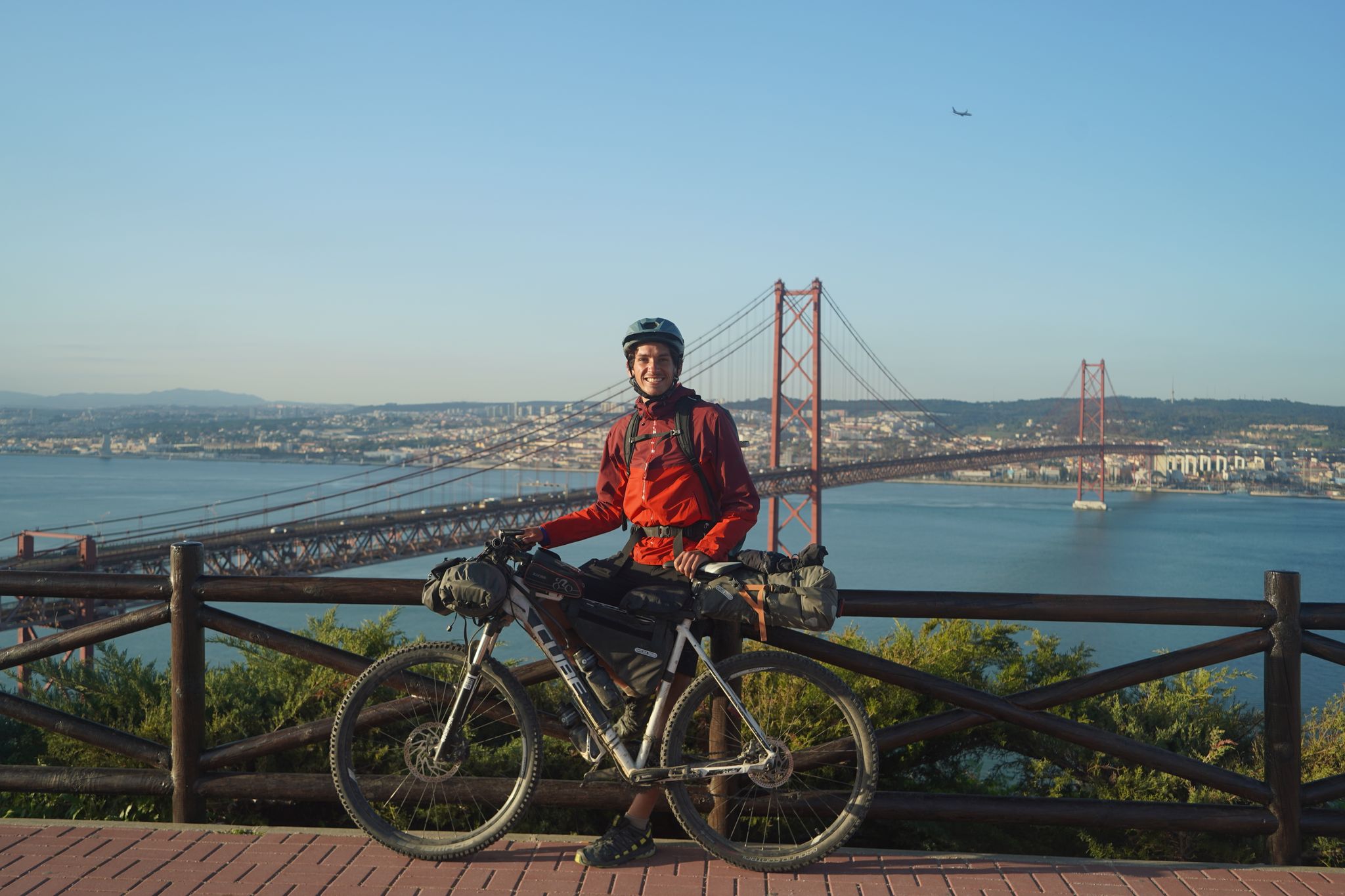
Road to Lisbon – bikepacking the Alps, Pyrenees and Picos de Europa
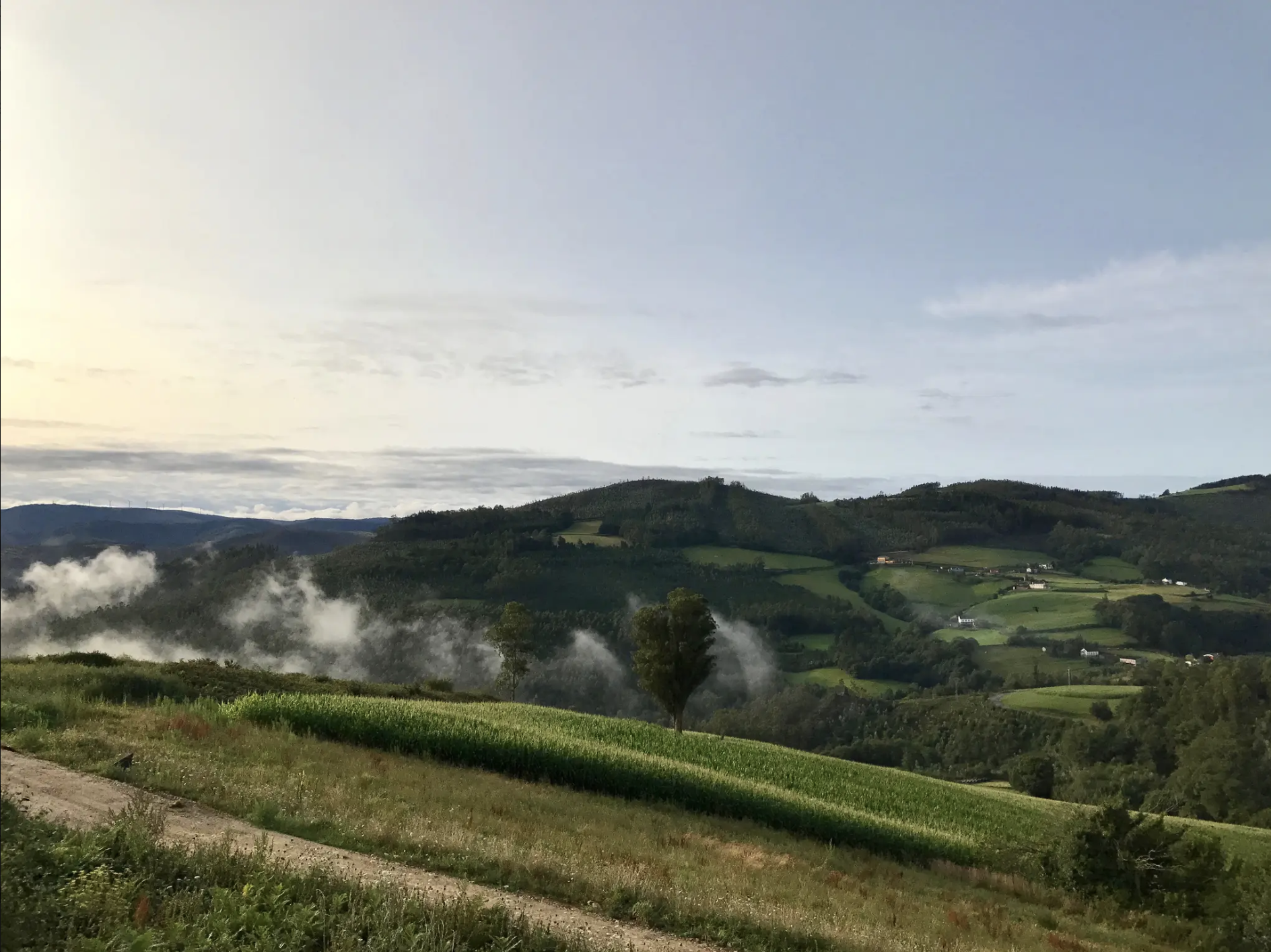
Camino del Norte (in reverse) – Discovering northern Spain's stunning coastline
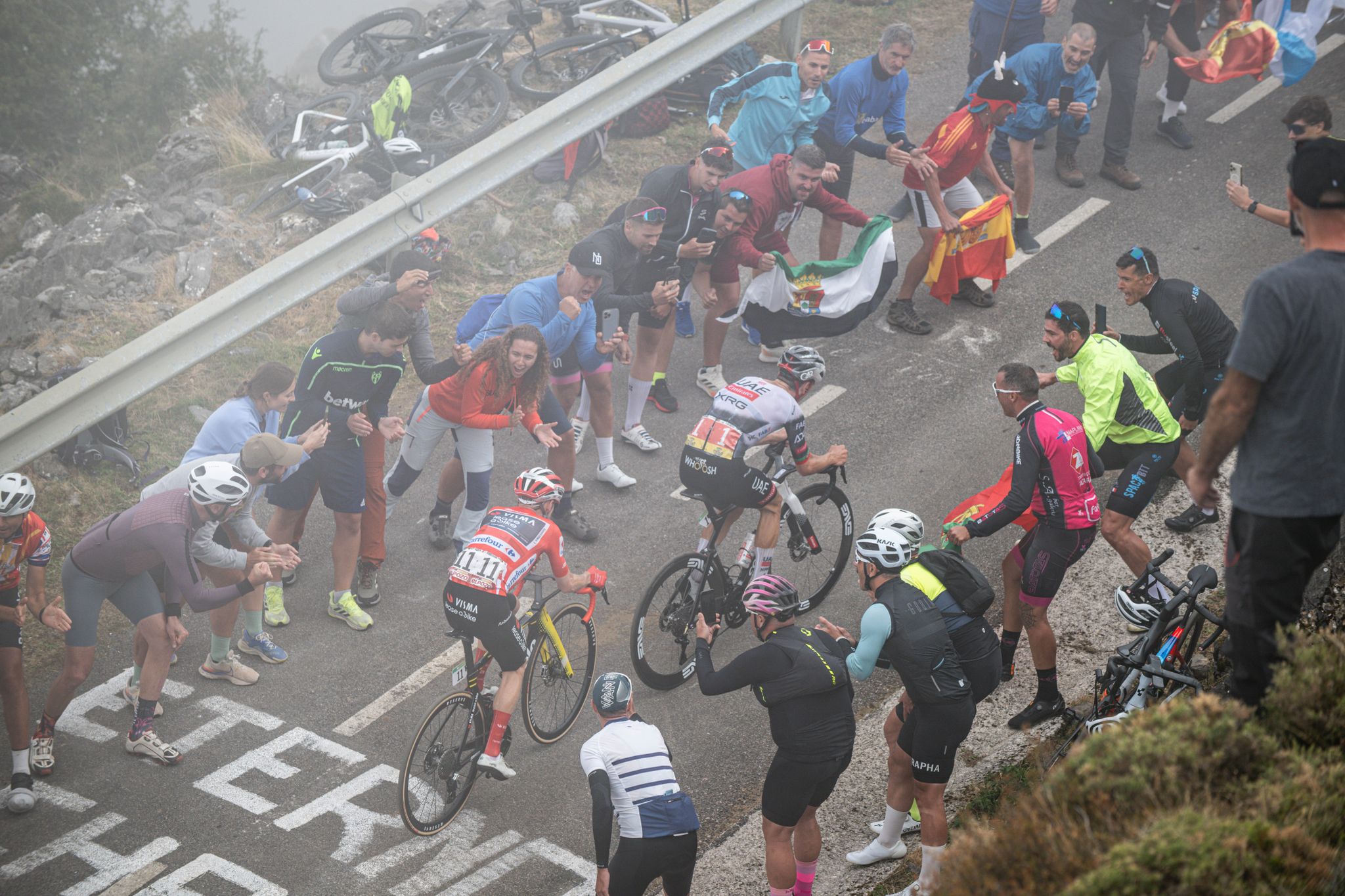
Mythical Passes and Sections of La Vuelta
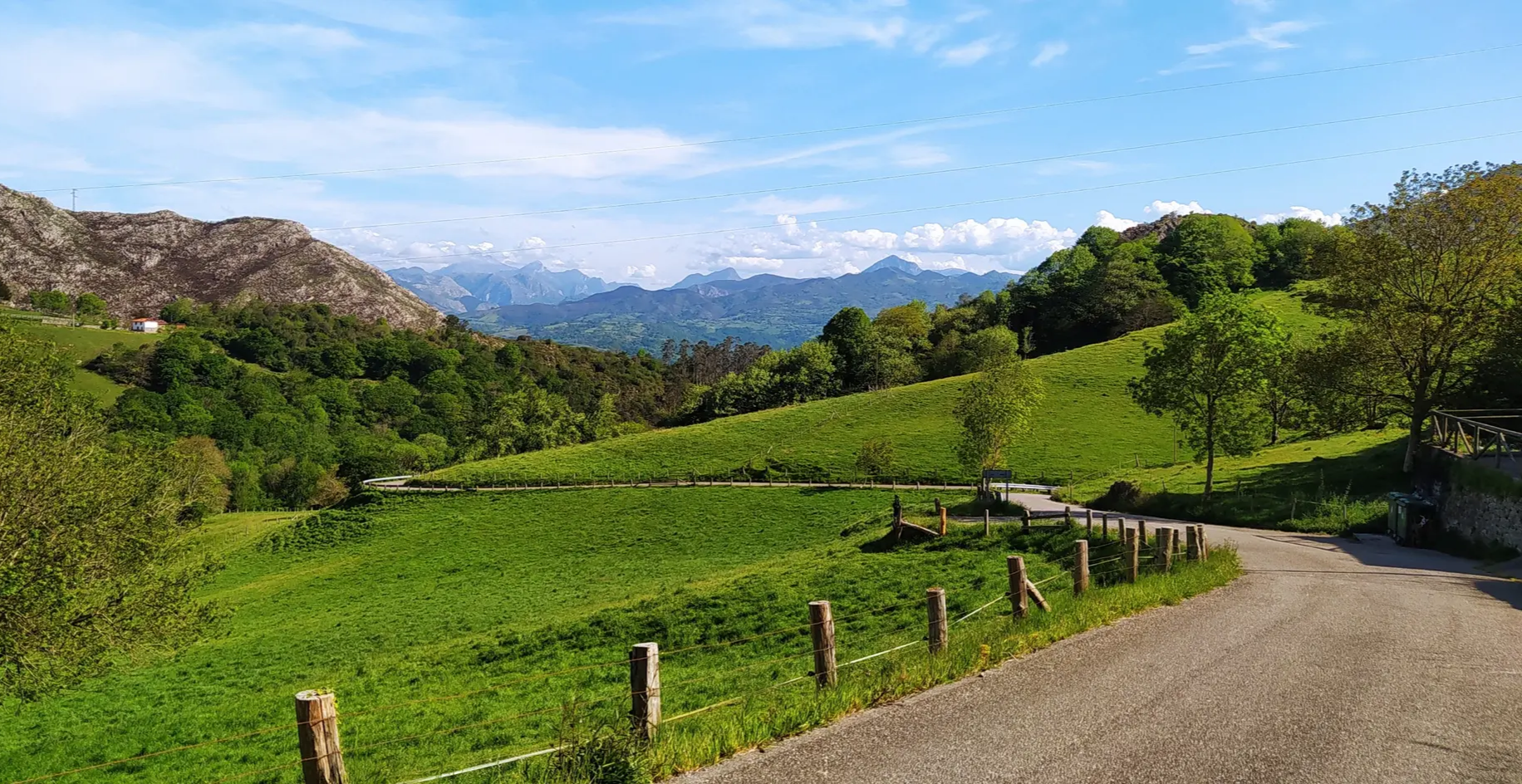
Great mountain passes of Picos de Europa on road bikes
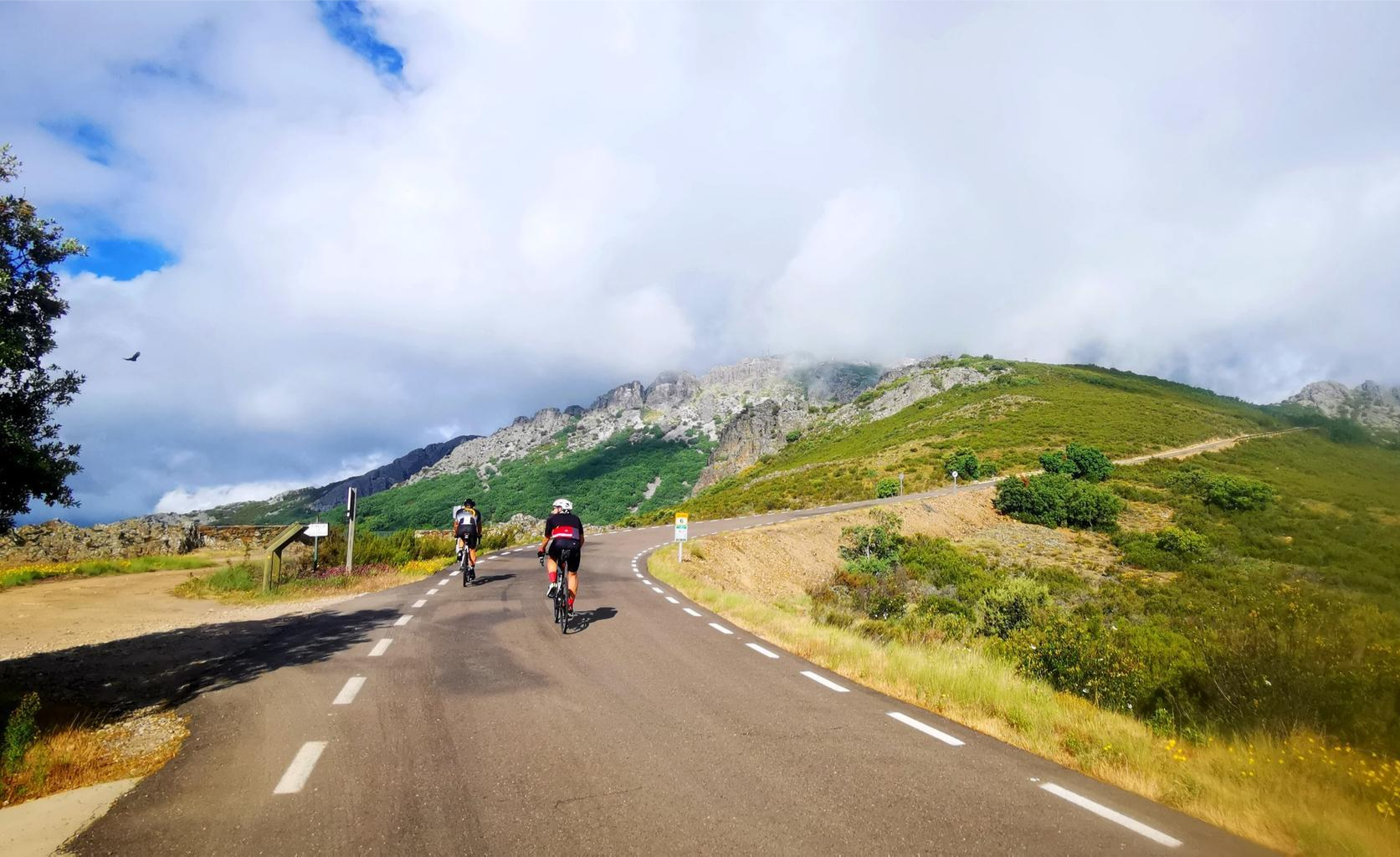
Legendary climbs - Ports of La Vuelta a España
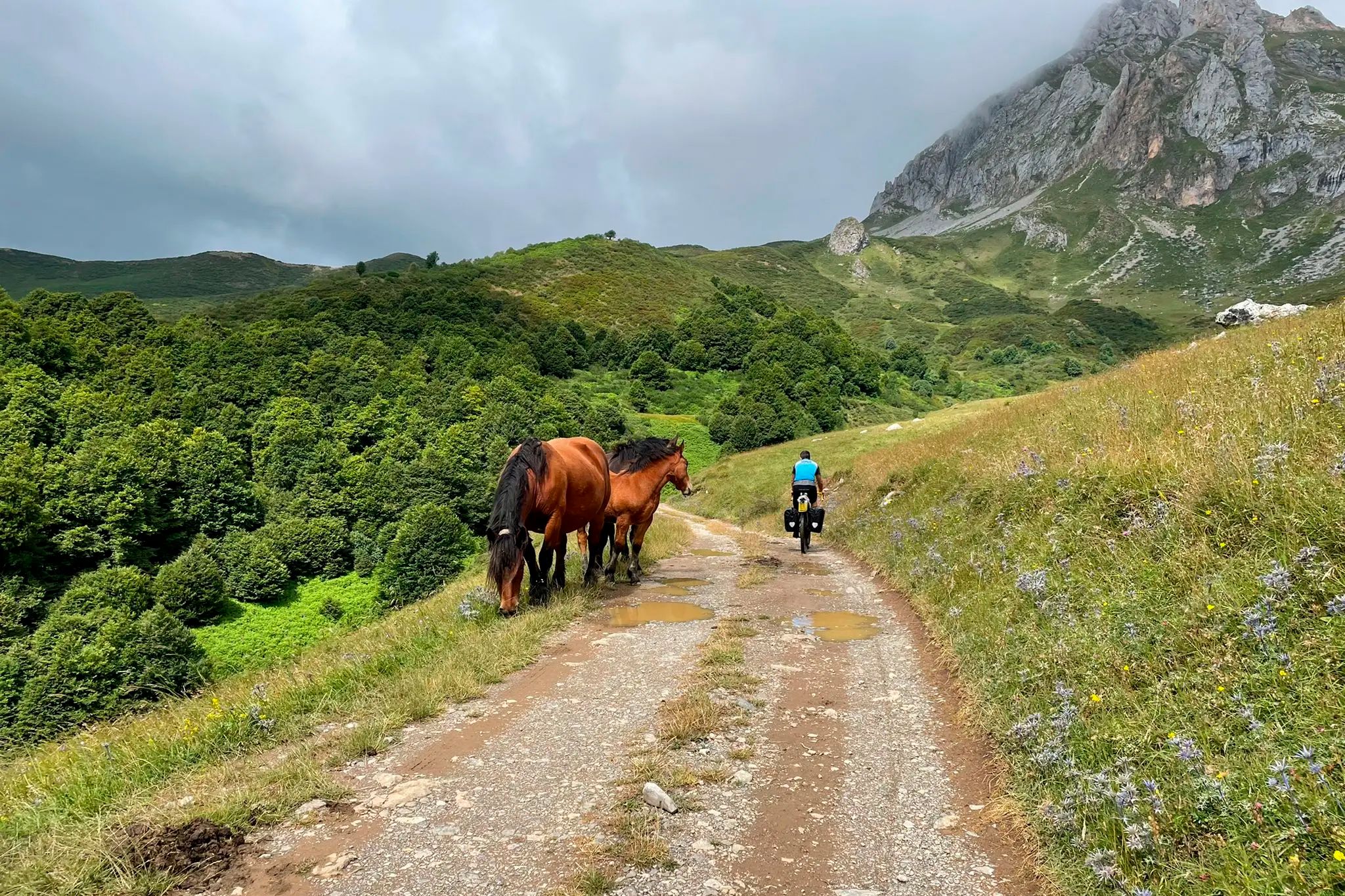
TransCantabrica – Extreme mountain biking in northern Spain
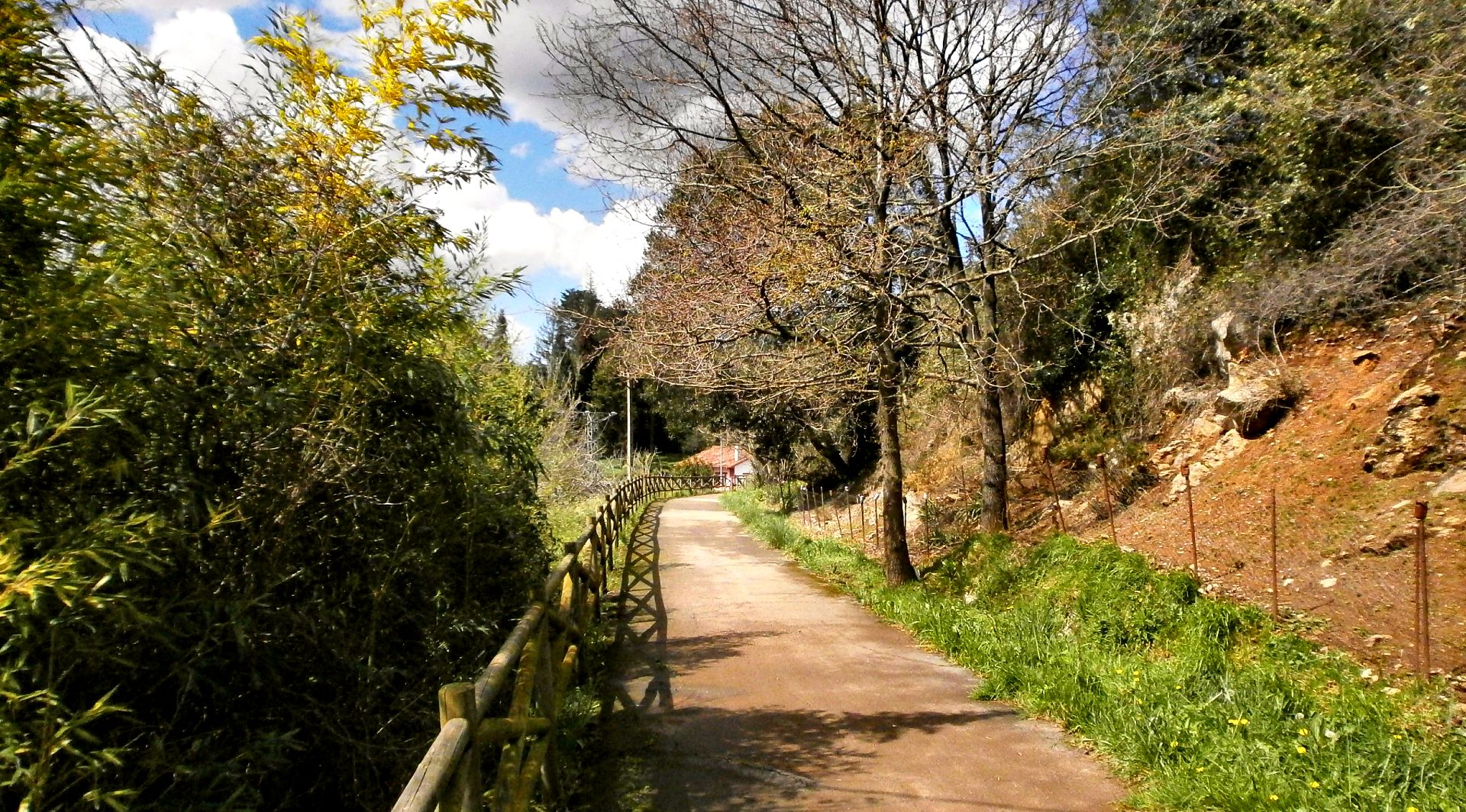
Vía Verde del Pas - Along the Riverbank through Cantabria
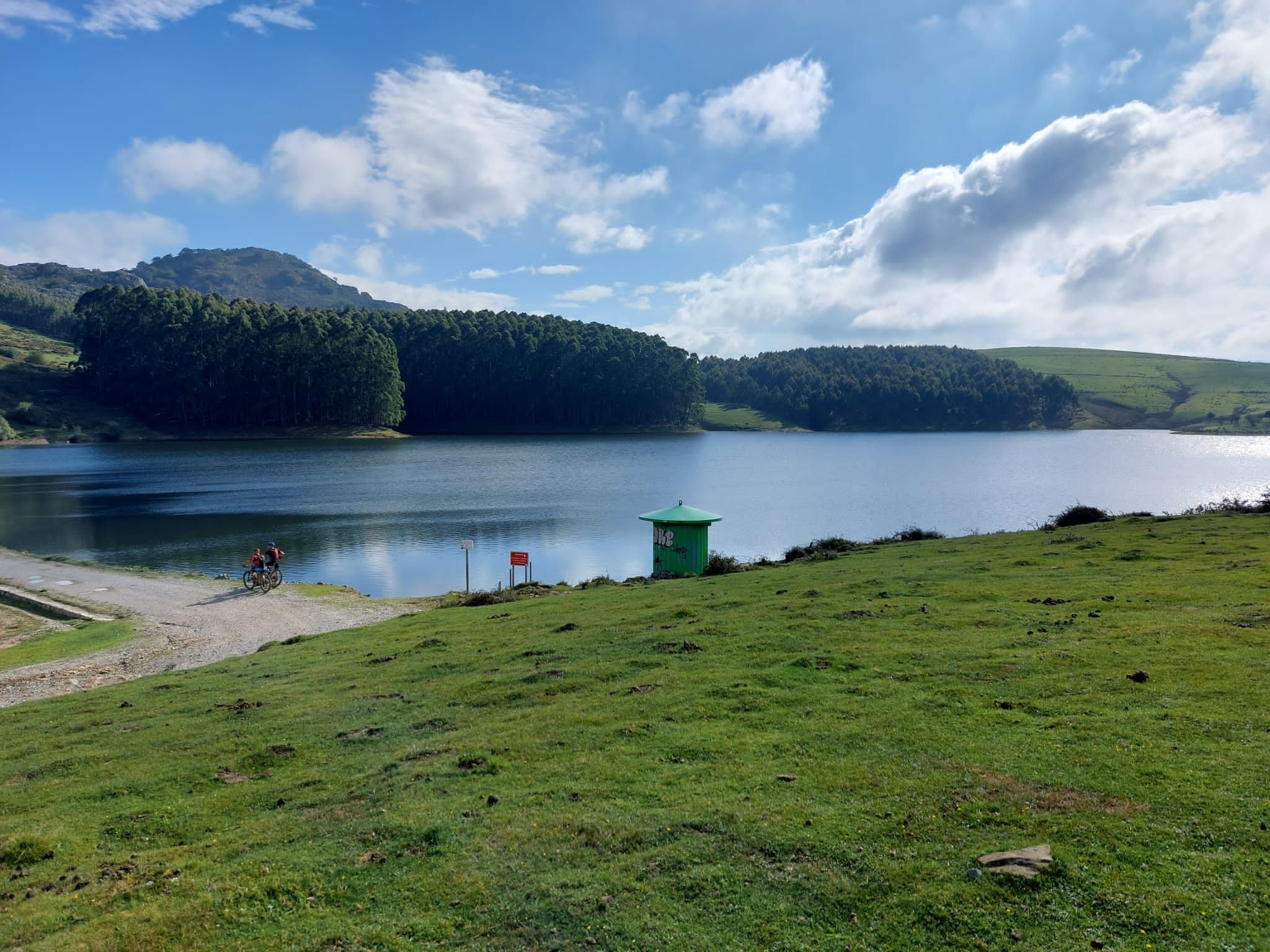
Cycle between land and sea in northern Spain – Pedales de Cantabria
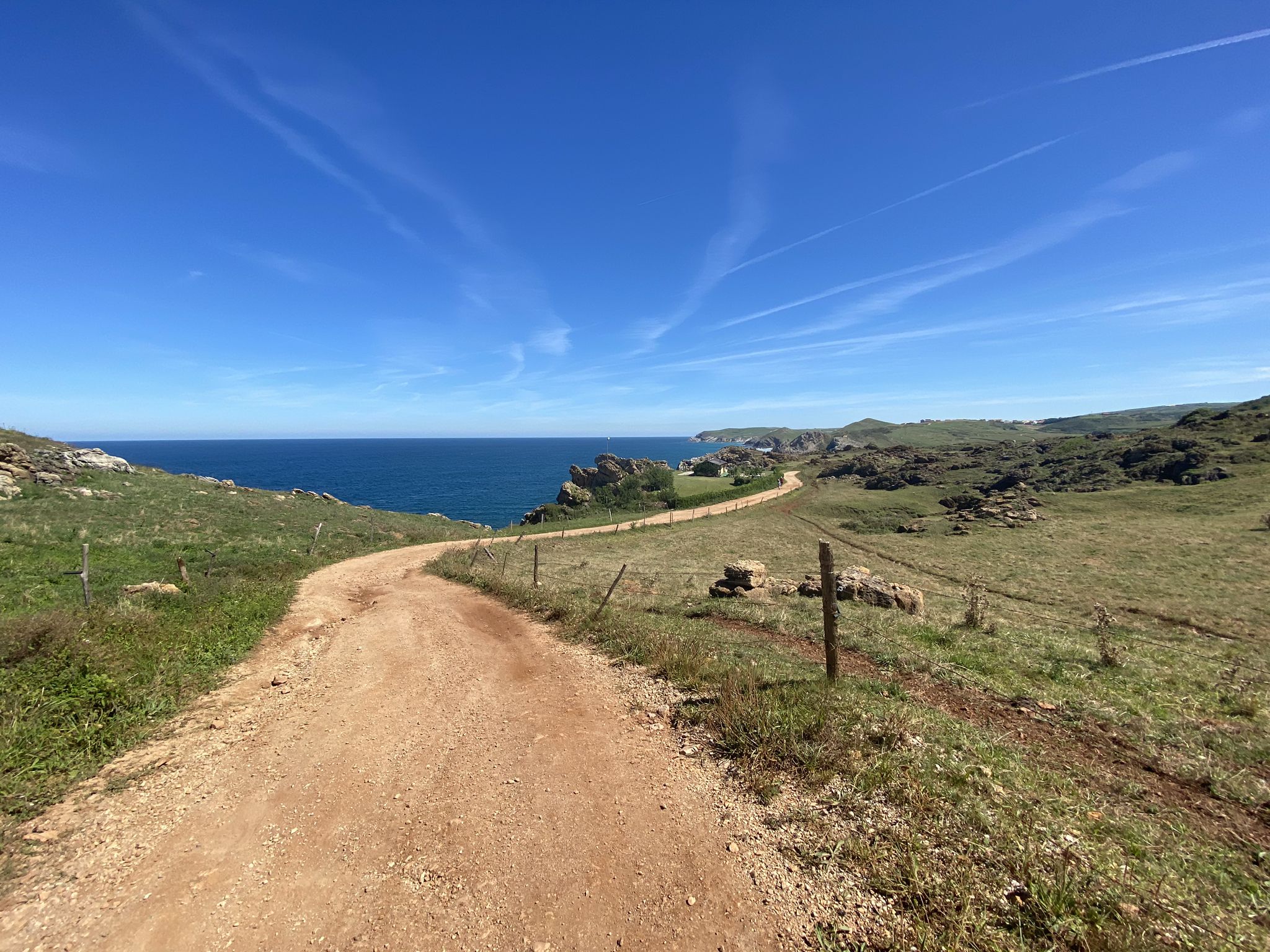
Paths and waves – surf trip by bike in Cantabria
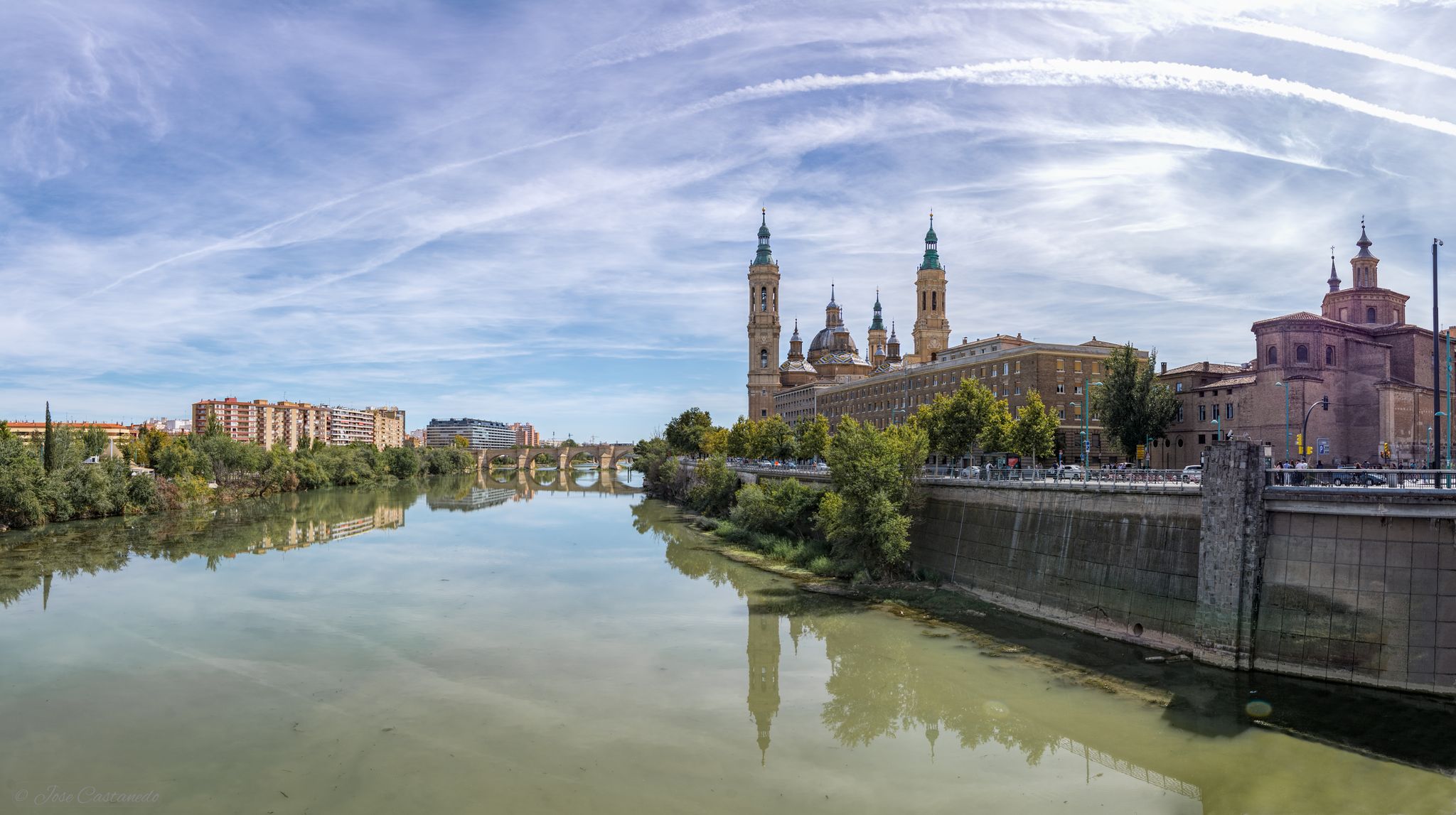
A river getaway – Ebro Natural Trail (GR 99)
Other adventures in Santander


Tips from the Community

In the square there are many cafes that invite you to linger.
0
0

Unfortunately, the Romanesque Collegiate Church is closed on April 26th - Monday - there are also no opening hours.🤔
0
0

A town with a lively and very pleasant atmosphere, where you can feel both peace and adventure.
0
0

Spectacular landscapes. The cable car ride also offers beautiful views. I visited/walked around there and loved it, I recommend it.👍🥾
0
0

Mogrovejo is a small village located in the municipality of Camaleño, on a very dominant hill. It preserves an important group of popular houses from Liébana and some unique buildings, among which the medieval tower stands out. The medieval tower is from the end of the 13th century, has a square plan, and is topped by square battlements.
0
0

Beautiful little town. Try Restaurante La Barrica, unbelievable food.
0
1

One of the most beautiful medieval villages in Spain and loved by many tourists. The entire town is one museum.
7
0
The drinking trough is central and has a roof above it 😀
7
0
Frequently Asked Questions
What are some must-see historical sites in Santander and its surroundings?
Santander and the wider Cantabria region are rich in history. A prominent historical site is the Santillana del Mar Historic Town Centre, known for its well-preserved village and the Colegiata de Santillana del Mar. Another significant historical settlement is the Historic center of Comillas, famed for its late historicism and early modernism architecture, including works by Gaudí. Within Santander itself, the Santander Cathedral, dating back to the 12th century, and the Magdalena Palace, a former royal summer residence, offer deep dives into the city's past.
Where can I find the best panoramic views in the Santander area?
For breathtaking panoramic views, head to the El Cable Viewpoint. Located at the top station of the Fuente Dé Cable Car, it offers spectacular vistas of the Picos de Europa, the Liébana Valley, and the Cantabrian Mountains. Closer to the city, the Faro de Cabo Mayor (Cabo Mayor Lighthouse) provides excellent coastal views, and the Magdalena Peninsula offers scenic overlooks of the bay and El Sardinero beach.
Are there family-friendly attractions in Santander?
Yes, Santander offers several family-friendly attractions. The Fuente Dé Cable Car ride itself is a thrilling experience for all ages, leading to the stunning El Cable Viewpoint. The Magdalena Peninsula is also ideal for families, featuring parkland, beaches like Playa de Bikinis, and a charming mini-zoo with seals, penguins, and sea lions. For a day trip, the Parque de la Naturaleza de Cabárceno, a unique 'natural zoo' housing exotic animals, is highly recommended.
What natural features and beaches can I explore in Santander?
Santander is renowned for its natural beauty. The city boasts beautiful beaches like El Sardinero, perfect for swimming and sunbathing, and Playa del Camello, known for its distinctive camel-shaped rock. The Magdalena Peninsula offers extensive parkland and beaches. Further afield, the Picos de Europa mountains, accessible via the Fuente Dé Cable Car, present a lush and diverse environment with abundant wildlife. The Faro de Cabo Mayor provides stunning cliffside walks and sea views.
What kind of outdoor activities and routes are available near Santander's attractions?
The region around Santander is excellent for outdoor enthusiasts. You can find various Mountain Hikes in Santander, including challenging routes like the 'Viewpoint – Horcados Rojos loop from Fuente Dé'. For cyclists, there are numerous Road Cycling Routes and MTB Trails, such as the 'Potes to Fuente Dé Cycle Route' or the 'Ándara Massif Loop'. Many of these routes offer spectacular views of the Cantabrian landscape.
What cultural sites and museums should I visit in Santander?
Santander offers a vibrant cultural scene. The Centro Botín, a modern cultural center designed by Renzo Piano, hosts contemporary art exhibitions. For maritime history, the Cantabrian Maritime Museum provides insights into the region's nautical past and features an aquarium. The Museum of Prehistory and Archaeology of Cantabria (MUPAC) showcases artifacts from prehistoric times, including replicas from Altamira. The Palacio de Festivales hosts various cultural events and performances.
What is the best time of year to visit Santander for sightseeing?
Santander is a popular summer retreat, suggesting that the warmer months are ideal for enjoying its beaches and outdoor attractions. However, the city's historical and cultural sites, such as the Magdalena Palace, Santander Cathedral, and museums, can be enjoyed year-round. For mountain activities like those around Fuente Dé, summer and early autumn generally offer the best weather conditions, though winter can provide unique snowy landscapes for cable car rides.
Are there any unique or lesser-known attractions in the Santander area?
Beyond the main highlights, consider exploring the Historic center of Potes, known for its bridges, towers, and traditional gastronomy, nestled in a spectacular landscape. The Descent to Faro del Caballo (700 Steps) offers a challenging but rewarding experience to a unique lighthouse. The Jardines de Piquío provide a peaceful green oasis with sea views, and the Mercado de la Esperanza offers a lively glimpse into local Cantabrian flavors.
What do visitors particularly enjoy about the attractions in Santander?
Visitors frequently praise the well-preserved historical charm of places like Santillana del Mar Historic Town Centre and the stunning natural beauty, especially the panoramic views from spots like El Cable Viewpoint. The spectacular ride and views from the Fuente Dé Cable Car are also highly appreciated. The blend of coastal charm, historical depth, and opportunities for outdoor activities makes Santander a diverse and enjoyable destination.
How can I get to El Sardinero beach using public transport?
El Sardinero beach is one of Santander's most famous attractions and is well-connected by public transport. Local bus services in Santander regularly run to El Sardinero, making it easily accessible from the city center and other areas. Look for bus routes that serve the El Sardinero area for convenient access to its golden sands and lively promenade.
Are there any religious buildings or historical churches worth visiting?
Yes, Santander and its surroundings feature several significant religious buildings. The Santander Cathedral, a Gothic structure with a unique two-level design, is a central historical landmark. In Santillana del Mar, the Collegiate Church of Santa Juliana is a key historical and religious site. Other notable churches include the San Pedro Church of Oreña and the Church of Saint Christopher, offering glimpses into the region's architectural and spiritual heritage.
What are some good options for easy walking trails or short hikes with ocean views near Santander?
For easy walks with ocean views, the Paseo de Pereda offers a leisurely stroll along the waterfront, leading to various points of interest. The Magdalena Peninsula also provides pleasant walking paths with views of the bay and beaches. While not explicitly listed as 'easy' in the guide data, the area around Faro de Cabo Mayor offers scenic coastal walks, and the Parque de Mataleñas provides landscaped grounds with cliff views, perfect for a relaxed outdoor experience.
Most popular routes in Santander
Most popular attractions in Santander

Get inspired with the komoot mobile app


Didn’t find what you were looking for?
Are you keen on exploring more awesome places nearby? Browse our guides:
Explore more
Still not found the Highlight you’re looking for? See guides of the top attractions in other regions:
