Attractions and Places To See in Vila Real - Top 20
Best attractions and places to see in Vila Real include a mix of historical landmarks, natural features, and cultural sites. The city is situated on a plateau overlooking the Corgo and Cabril rivers, serving as a gateway to the Douro Valley. Its terrain offers diverse landscapes, from mountainous regions like Alvão Natural Park to river gorges and cultivated areas. Vila Real provides opportunities to explore Portuguese Baroque architecture, ancient Roman sites, and significant natural monuments.
Best attractions and places to see in Vila Real
- The most popular attractions is Chaves Old Town, a settlement known for its historical architecture and thermal baths. It features Roman-era structures like the Trajan Bridge and a medieval castle keep.
- Another must-see spot is Tahiti Waterfall, a natural monument with multiple pools and cascades. It is an impressive natural feature that can be accessed with some climbing.
- Visitors also love Monastery of Saint Mary of Pitões das Júnias, a religious building with roots dating back to the 9th century. Notable remains of its original design, such as the side portico and cloister arcades, are still visible.
- Vila Real is known for its historical sites, natural waterfalls, and cultural heritage. Visitors can explore ancient monasteries, picturesque river valleys, and traditional villages.
- The attractions in Vila Real are appreciated by the komoot community, with over 110 highlights, more than 160 photos, and over 150 upvotes.
Last updated: August 30, 2026
Pinhão Railway Station
Highlight • Monument
Translated by Google •
Tip by

Fecha de Barjas Waterfall (Tahiti)
Highlight • Waterfall
The descent on the bridge side coming from Ermida only goes to the top of the waterfall, where there are also bathing pools.
On the way down on the other side of the bridge you walk a little longer, but all the way down where you can really swim.
Have fun!
Translated by Google •
Tip by

Sign up now to discover places like this
Get recommendations on the best single tracks, peaks, & plenty of other exciting outdoor places.
Sign up for free
Tahiti Waterfall
Highlight • Waterfall
Translated by Google •
Tip by

Chaves Old Town
Highlight • Settlement
Tip by

Monastery of Saint Mary of Pitões das Júnias
Highlight • Religious Site
Notable remains of its original design still remain, such as the simple side portico of the church and the discreet arcades of the cloister, now in ruins.
Translated by Google •
Tip by

Ponte da Misarela and Waterfall
Highlight • Bridge
Translated by Google •
Tip by

Trajan Bridge (Chaves Roman Bridge)
Highlight • Bridge
Approximately one hundred and fifty metres long and with a dozen visible arches, the works carried out in the 1930s covered some of the arches and others were still buried in the construction of the houses built there and overlooking the river.[citation needed]
In 2008 it became a pedestrian bridge.
Translated by Google •
Tip by
Cela Cavalos Waterfall
Highlight • Waterfall
Translated by Google •
Tip by
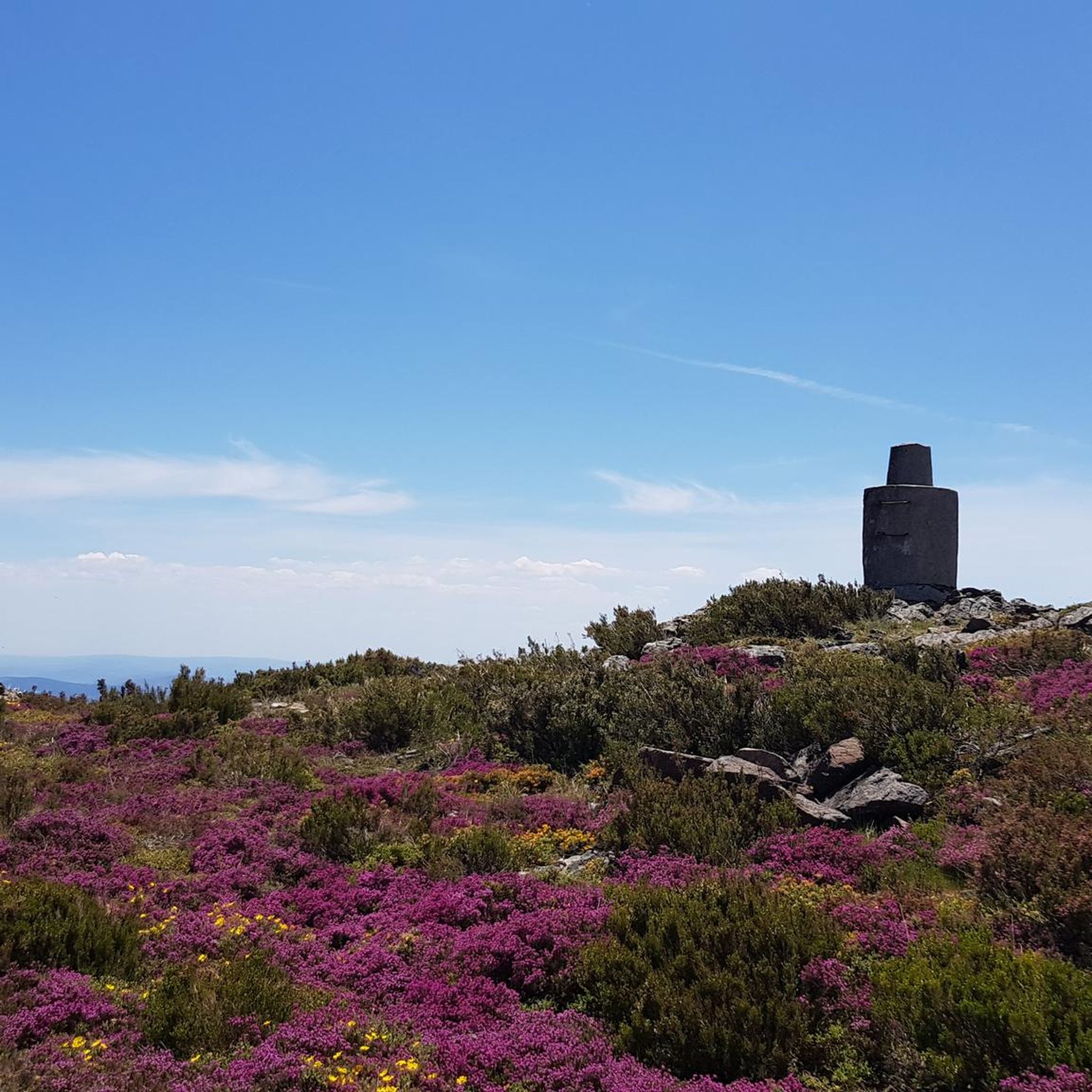
Marco Pombalino
Highlight • Monument
That “demarcation” had some twists, torns and stones... Well... cornerstones, named “Marcos Pombalinos”... The duck will scrutinize it 😉
1675 - “Vinho do Porto” comes for the first time with exportation to the Netherlands;
1703 – preferentional rights for Portuguese wines to England. The English were getting out of Bordeux, because the French king was taxing to much the wines...
1756 – English were “crazy” with “Port”. Climate of euphoria degenerates into adulteration and commercial chaos. With this, very important and knowledgeable people, propose to the future Marquês de Pombal, (thats the reason for the names given to the cornerstones, “Marcos Pombalinos”) the birth of one institution that could control the quality, prices and phisically establish the DOC (with the cornerstones);
1757 – placement of 201 “marcos”, cornerstones, for the first demarcation of the land;
1761 – upgrade of the DOC, adding 134 cornerstones;
1792 – opennig of “Cachão da Valeira”. Before that, the boats could only travel “so far”. With that openning/enlargement of Douro river, the “Superior” Douro was now accessible by boat. But the expantion of the vineyards at Douro Superior only began in the 19th century;
1850 to 1893 – the Valley was whipped by many diseases (maromba, oídio, filoxera, míldio...);
1907 – the last demarcation of DOC, now including “Douro Superior”, upstream from “Cachão da Valeira”, till the border with Spain
Tip by

Douro River cruise dock, Peso da Régua
Highlight • Rest Area
Translated by Google •
Tip by

Sign up for free to discover even more attractions in Vila Real.
Sign up for free
Already have an account?
Start today with a free account
Your next adventure awaits.
Login or Signup
Tips from the Community

The Bridge of Trajan (often simply called the Roman Bridge) is, without a doubt, the most important monument in Chaves. It is worth visiting because it is not just an "old stone bridge"; it is a masterpiece of engineering that defines the city's identity. Here are the 4 main reasons why: 1. Walking on 2,000 Years of History This is one of the best-preserved Roman bridges in the entire Iberian Peninsula. It was built between the late 1st and early 2nd century AD, during the reign of Emperor Trajan. The Feeling: Crossing it on foot (cars are forbidden) means you are literally walking on the same stones as Roman legions, medieval merchants, and Napoleonic troops. It is an instant trip back in time. 2. Engineering that Defies Time It is worth looking closely at the structure to understand why it is still standing. The Tâmega River is known for its violent floods, yet the bridge has withstood them for two millennia. The Secret: If you go down to the riverbank, notice the cutwaters (the triangular structures at the base of the pillars). They were designed to "cut" the force of the water and prevent the bridge from collapsing. It is a live lesson in ancient architecture. 3. The Stones that "Speak" (Milestones) In the middle of the bridge, you will find two cylindrical stone columns (milestones) with Latin inscriptions. One of them is particularly important: the "Padrão dos Povos" (Standard of the Peoples). The inscription lists the 10 local tribes of the region (the "Aquiflavienses") who contributed to the construction of the bridge. It is a historical document carved in stone that has survived to this day. 4. The Photogenic Scenery The bridge connects the historic center to the Madalena neighborhood and is set within a beautiful public garden (Jardim do Tabolado). It is the perfect spot to watch the sunset, seeing the reflection of the arches in the water with the Castle of Chaves dominating the landscape high above. Visitor Tip: After crossing the bridge coming from the historic center, turn left and walk along the landscaped riverbanks. There are stepping stones (pedras poldras) nearby in the water that allow you to see the grandeur of Trajan's Bridge from an impressive low angle.
2
0
The Historic Centre of Chaves is one of the most fascinating in Northern Portugal because it manages to tell the story of millennia—from the Romans to the Napoleonic invasions—in a compact, walkable area. Here are the 4 main reasons why it is worth visiting: 1. The Roman Bridge of Trajan This is the city's landmark and one of the greatest legacies of Roman engineering in the Iberian Peninsula. Why visit: Crossing this pedestrian bridge over the Tâmega River is literally walking over 2,000 years of history. Built in the 1st century AD, it still maintains its robust stone arches. It is the perfect spot for that classic photo of the city with the river and houses in the background. 2. The Castle Keep (Torre de Menagem) & Views Of the old medieval castle, the imposing Keep (a National Monument) remains, surrounded by a very well-kept garden. The Viewpoint: Climbing to the top offers the best panoramic view over the Chaves valley, the river, and the surrounding mountains. Military Museum: Inside the tower, there is a military museum (symbolic entry fee of ~€1) that explains the strategic importance of Chaves in defending the border against Spain and during the French Invasions. 3. The Colorful Balconies of Rua Direita Rua Direita is the backbone of the historic center. Photogenic Charm: It is famous for its narrow houses with colorful wooden balconies, very typical of this region, creating a picturesque corridor full of traditional shops. Praça de Camões: This street leads to the main square, where the noble buildings are concentrated: the Town Hall, the Main Church (Matriz) with its Romanesque portal, and the Misericórdia Church (Baroque, with beautiful tiles inside). 4. The Thermal Heritage Chaves is the city of water (known as "Aquae Flaviae" to the Romans). Just a short walk away, at Largo do Arrabalde, you will find the Roman Baths Museum, a recently musealized archaeological complex showing how the Romans already utilized these medicinal hot waters. Right next to it, you can see (and taste, with caution!) the water springing out at over 70°C (158°F) at the thermal Buvette. Foodie Tip: Don't leave the historic center without entering a pastry shop to try the authentic Pastel de Chaves (PGI). It is a flaky puff pastry filled with minced veal—the perfect snack while exploring the streets.
2
0

Cela Cavalos Waterfall, or Cela de Cavalos, is a paradisiacal waterfall located in the municipality of Montalegre, in the Peneda-Gerês National Park. With crystal-clear waters, it's a perfect spot for summer swimming, hiking, and nature contemplation. The main access point is from the village of Cela.
0
0
The Monastery of Santa Maria das Júnias is a ruined monastery, of which the church remains, located on the outskirts of Pitões das Júnias. The last Cistercian monk became the parish priest of the village of Pitões das Júnias in 1834, the date of the abolition of religious orders in Portugal. As a historical curiosity, it is worth noting that Dom Pedro de Pitões, one of the main drivers of the conquest of Lisbon from the Moors in 1147, was ordained bishop of Porto at this monastery.
0
0

A worthwhile museum, which scores points despite/or because of its very minimalist presentation of the subject matter. At the end, enjoy a port wine on the terrace of the museum's café.
1
0

Warning: This is an extremely dangerous location, with a significant risk of falling. Due to erosion, the rocks are extremely smooth, making them slippery even in dry weather.
0
0

The regional motifs are simply beautiful. You should take some time to enjoy them.
7
0
Great station with its azulejos. If you're staying at a hotel on the hill, it's best to book a taxi in advance. Otherwise, it can be difficult during peak season.
6
0
Frequently Asked Questions
What natural attractions and waterfalls can I explore in Vila Real?
Vila Real boasts several impressive natural features. You can visit the dramatic Tahiti Waterfall (also known as Fecha de Barjas Waterfall), which offers multiple pools and cascades. Another notable spot is the Ponte da Misarela and Waterfall, a picturesque medieval bridge combined with a waterfall. The region is also home to the Alvão Natural Park, a protected area with rugged terrain and the stunning Fisgas de Ermelo waterfalls.
Are there any significant historical landmarks or architectural sites in Vila Real?
Absolutely. The most iconic is the Mateus Palace (Casa de Mateus), a magnificent Baroque palace surrounded by beautiful gardens. Other historical sites include the Vila Real Cathedral, originally a Gothic Dominican convent, and the Igreja de São Pedro, an outstanding Baroque religious monument. You can also find the ancient Roman and pre-Roman archaeological site of Santuário de Panóias.
What cultural experiences does Vila Real offer?
Vila Real has a rich cultural scene. You can explore the historic center with its cobbled streets and traditional shops. The Museu de Arqueologia e Numismática de Vila Real showcases artifacts from various historical periods. For performing arts, the modern Teatro de Vila Real hosts a diverse program. Don't miss the village of Bisalhães, recognized by UNESCO for its unique black pottery.
What kind of outdoor activities can I do near Vila Real's attractions?
The region around Vila Real is excellent for outdoor enthusiasts. You can find numerous routes for road cycling, running, and hiking. For example, there are challenging road cycling loops like the 'Régua Pedestrian Bridge – Douro Valley loop' and running trails such as 'Peneda-Gerês Great Route: Pitões das Júnias'. If you prefer hiking, you can find easy trails like the 'Trail to Pincães Waterfall' or more challenging options within Alvão Natural Park. Explore more options on the Road Cycling Routes in Vila Real, Running Trails in Vila Real, and Easy Hikes in Vila Real guide pages.
Are there any family-friendly attractions in Vila Real?
Yes, Vila Real offers several attractions suitable for families. The Chaves Old Town is a great place for a family stroll, with its historical architecture and Roman-era structures. The UTAD Botanical Garden provides a pleasant outdoor space to explore diverse plant collections. Additionally, many of the easier hiking trails, such as those listed in the Easy Hikes in Vila Real guide, are suitable for families.
What is the best time of year to visit Vila Real?
Vila Real is enjoyable throughout the year, but the spring (April to June) and autumn (September to October) months generally offer the most pleasant weather for exploring both the city and its natural surroundings. During these seasons, temperatures are mild, making it ideal for hiking, cycling, and visiting outdoor attractions like the Mateus Palace gardens and the Douro Valley vineyards. June also features the Festa de São Pedro, a vibrant local festival.
Can I visit the Douro Valley from Vila Real?
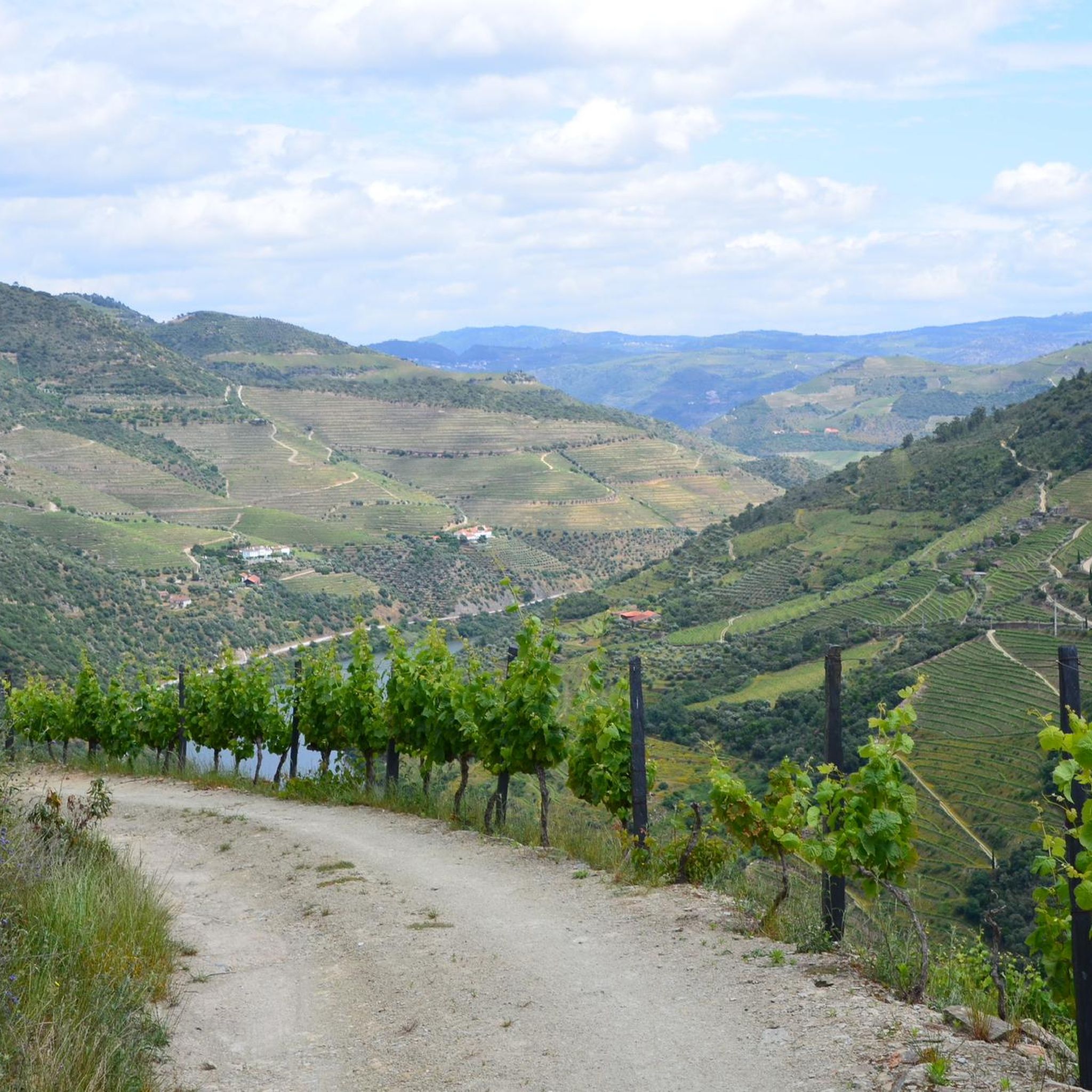
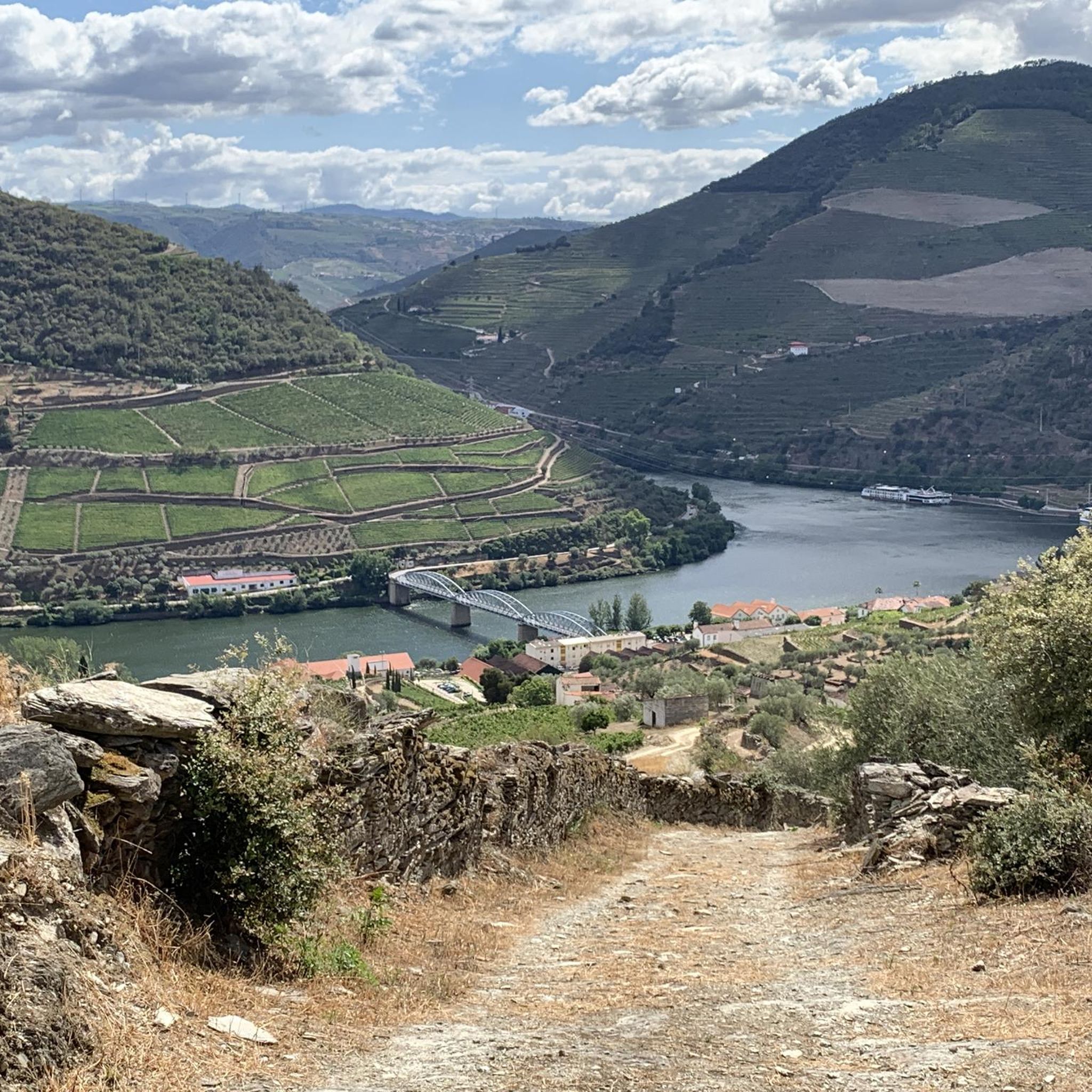
Yes, Vila Real serves as an excellent gateway to the renowned Douro Valley, a UNESCO World Heritage Site famous for its terraced vineyards and wine production. Many visitors take day trips from Vila Real to explore the valley, including wine tasting experiences at local quintas (wine estates) and scenic river cruises from places like Pinhão Railway Station or Peso da Régua.
Where can I find impressive viewpoints in the Vila Real area?
The mountainous terrain around Vila Real offers several stunning viewpoints. The Serra do Marão mountain range provides panoramic vistas. Within the Alvão Natural Park, you'll find dramatic landscapes. The city itself, situated on a plateau overlooking the Corgo and Cabril rivers, offers impressive valley views, particularly from areas like Corgo Park. For a historical viewpoint, consider the Marco Pombalino.
What are some unique or 'hidden gem' attractions in Vila Real?
Beyond the main highlights, consider visiting the Central do Biel – Museu de Arqueologia Industrial, a museum opened in 2024 in a former hydroelectric plant, showcasing the history of electrification. The village of Bisalhães, known for its UNESCO-recognized black pottery, offers a unique cultural insight. Exploring the less-trafficked trails within Alvão Natural Park can also lead to secluded natural beauty.
What do visitors enjoy most about the attractions in Vila Real?
Visitors frequently praise the blend of historical richness and natural beauty. The intricate azulejos at Pinhão Railway Station, depicting the Douro Valley's wine harvesting, are often highlighted. The dramatic multi-tiered pools of Tahiti Waterfall are a favorite for their impressive cascades and opportunities for scrambling. The mystical atmosphere and historical depth of the Monastery of Saint Mary of Pitões das Júnias also receive high acclaim.
Are there any Roman historical sites in or near Vila Real?
Yes, the region has a significant Roman heritage. The Chaves Old Town, known as 'Aquae Flaviae' by the Romans, features the well-preserved Trajan Bridge, a testament to Roman engineering. Chaves also has a Roman Baths Museum. Within Vila Real itself, the Santuário de Panóias is an important Roman and pre-Roman archaeological site.
Can I find places for a relaxing stroll or park in Vila Real?
Certainly. The historic center of Vila Real offers charming cobbled streets perfect for leisurely walks. For green spaces, the UTAD Botanical Garden provides a serene environment with diverse plant collections. The area surrounding the Corgo River has been rehabilitated to include Corgo Park and the Codessais Recreational Complex, offering pleasant spaces for relaxation and light activity.
Most popular routes in Vila Real
Most popular attractions in Vila Real

Get inspired with the komoot mobile app


Didn’t find what you were looking for?
Are you keen on exploring more awesome places nearby? Browse our guides:
Explore more
Still not found the Highlight you’re looking for? See guides of the top attractions in other regions:
