Attractions and Places To See in Castelo Branco - Top 20
Best attractions and places to see in Castelo Branco include a diverse range of historic landmarks, natural features, and cultural sites. This central Portuguese city is known for its rich cultural heritage and varied landscapes. Visitors can explore medieval castles, Baroque gardens, and significant natural parks. The region offers opportunities for hiking, bird watching, and discovering unique geological formations.
Best attractions and places to see in Castelo Branco
- The most popular attractions is Historic Village of Monsanto, a settlement where houses are integrated among giant boulders. This village is known for its unique setting and historical significance, often referred to as the "Most Portuguese Village in Portugal."
- Another must-see spot is Monsanto Castle, a medieval border castle dominating the Historic Village. This site includes Templar walls and castle ruins, offering insights into the region's past.
- Visitors also love Suspended pedestrian bridge, a modern trail feature combining a walkway, suspension bridge, and a viewpoint. It offers views of the Tagus River and is part of the Barca D'Amieira Trail.
- Castelo Branco is known for its historical sites, natural monuments, and charming settlements. The area provides a variety of attractions to see and explore, from ancient castles to scenic viewpoints.
- The attractions in Castelo Branco are appreciated by the komoot community, with 132 upvotes and 166 photos shared across 73 highlights.
Last updated: August 30, 2026
Torre (Serra da Estrela Summit)
Highlight • Summit
Tip by

Historic Village of Monsanto
Highlight • Settlement
Today, visitors discover a vibrant village, marked by traditions like the marafonas (a traditional festival) and the flavors of the mountains: goat stew, lamb with mint, and carolo sweets. A tourist icon and the setting of legends, Monsanto is more than a place; it's an unforgettable experience.
Translated by Google •
Tip by

Sign up now to discover places like this
Get recommendations on the best single tracks, peaks, & plenty of other exciting outdoor places.
Sign up for free
Monsanto Castle
Highlight • Castle
Translated by Google •
Tip by

Castelo Novo Castle Ruins
Highlight • Castle
Translated by Google •
Tip by

Belmonte Historic Village
Highlight • Historical Site
Translated by Google •
Tip by
Passadiços do Orvalho
Highlight (Segment) • Trail
Here, you can not only explore UNESCO-listed geomonuments, such as the imposing Fraga de Água d'Alta Waterfall and Cabeço do Mosqueiro, but also admire some of the region's most breathtaking and iconic landscapes.
Translated by Google •
Tip by
Fraga de Água d'Alta Waterfall
Highlight • Waterfall
It is a true natural refuge, where a refreshing dip becomes even more irresistible in the scorching summers of Beira Baixa. When the place is calm, the sensation of swimming under the waterfall becomes magical. It is no coincidence that this is considered one of the most beautiful waterfalls in Portugal. And the highest in the region!
Translated by Google •
Tip by
Suspended pedestrian bridge
Highlight • Bridge
Translated by Google •
Tip by

Penha Garcia Natural Swimming Pool and Waterfall
Highlight • Waterfall
Translated by Google •
Tip by

Gourd Market at Relva
Highlight • Structure
Translated by Google •
Tip by

Sign up for free to discover even more attractions in Castelo Branco.
Sign up for free
Already have an account?
Start today with a free account
Your next adventure awaits.
Login or Signup
Popular around Castelo Branco
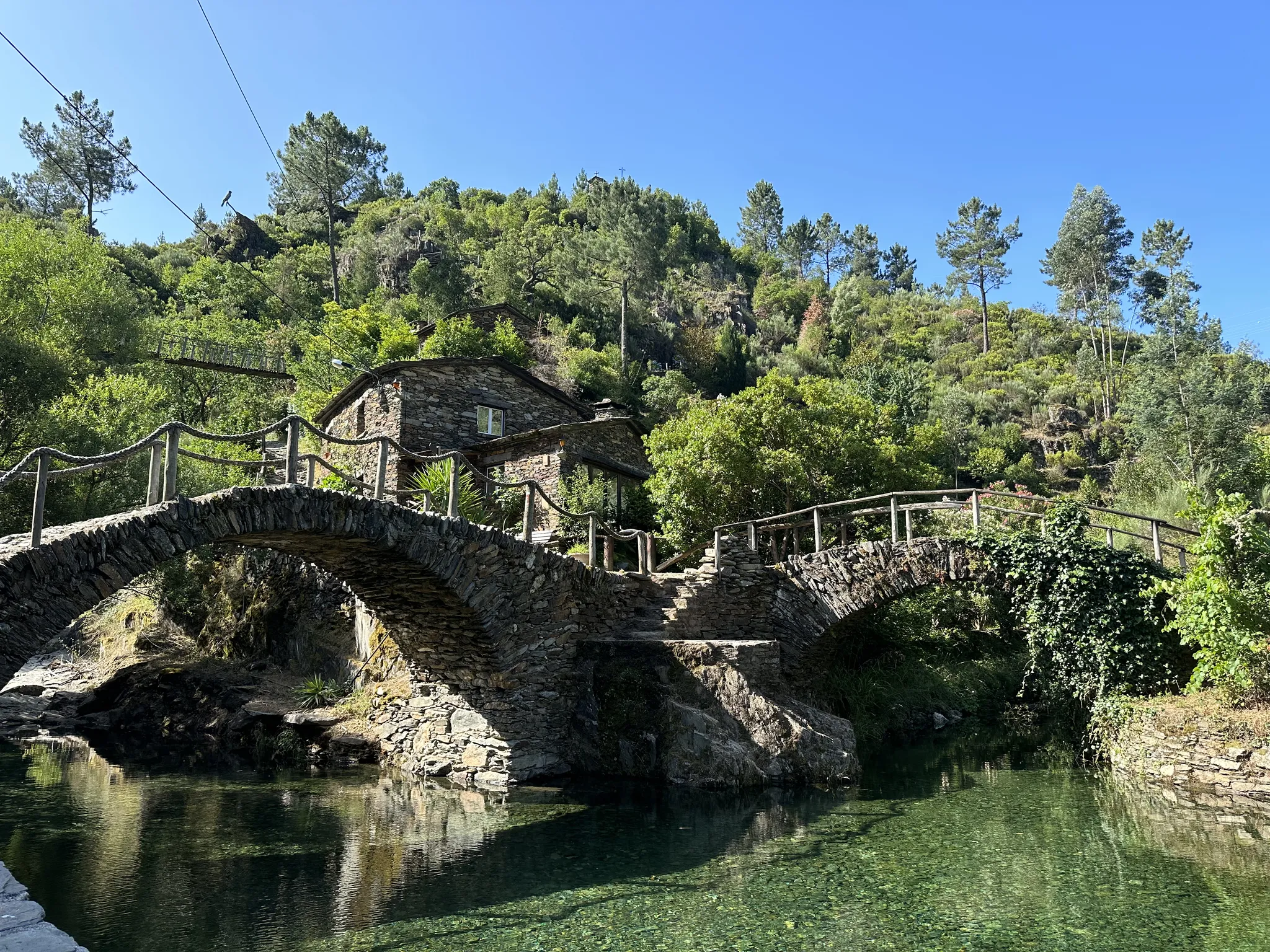
Great Route of Historic Villages (GR 22 south loop) – A nation is born
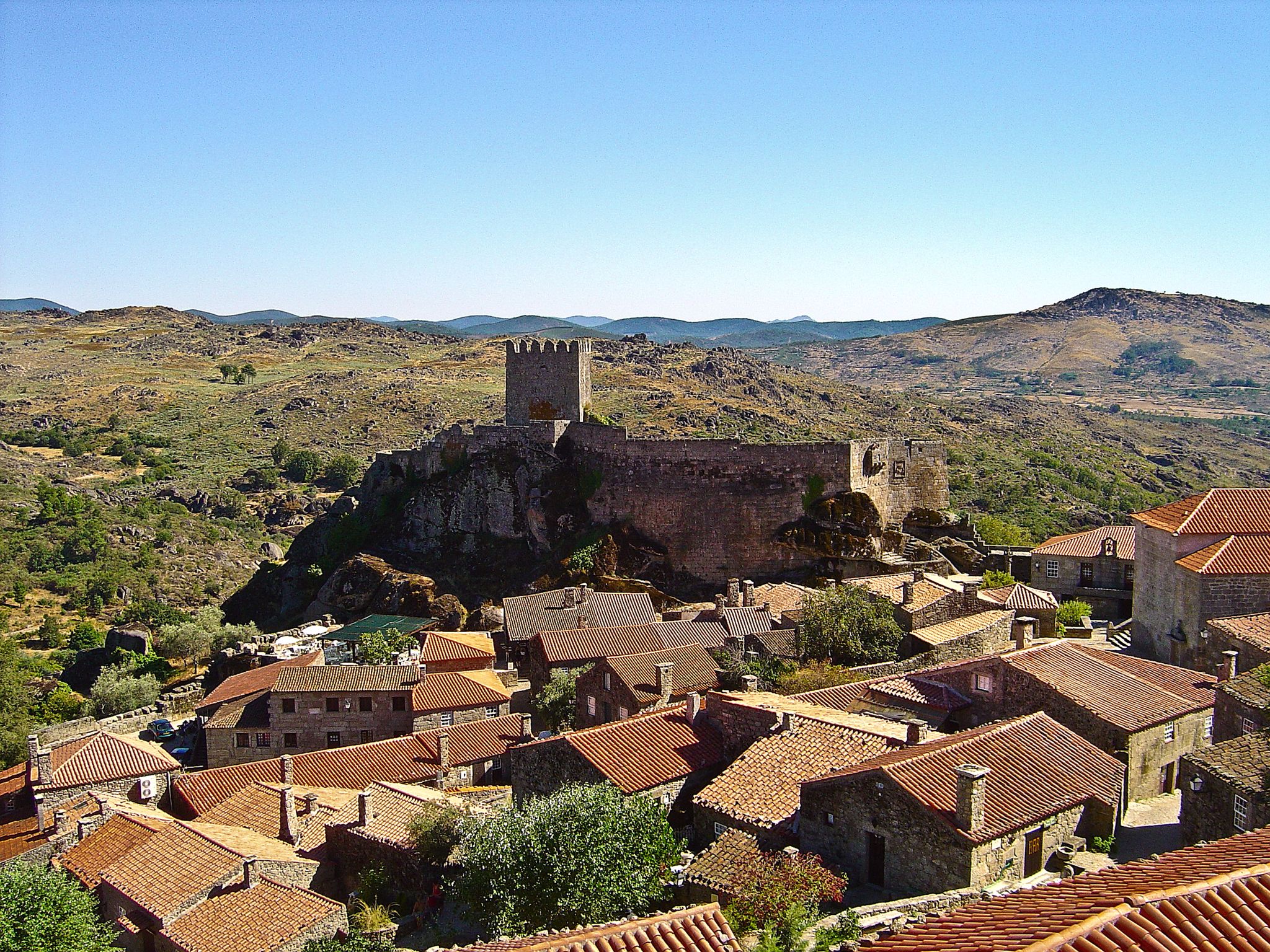
Great Route of Historic Villages (GR 22 north loop) - castles and valleys
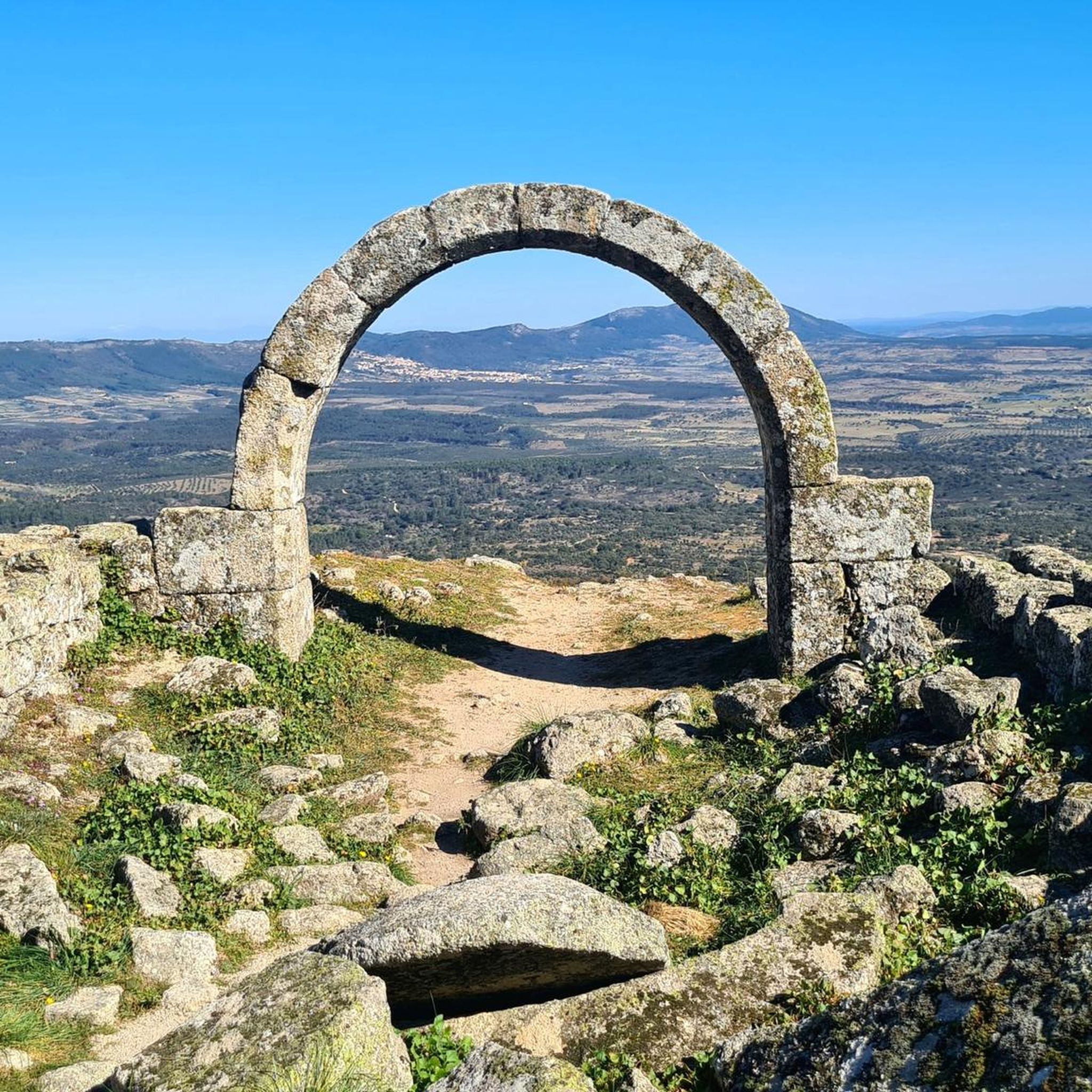
Hiking in Castelo Branco
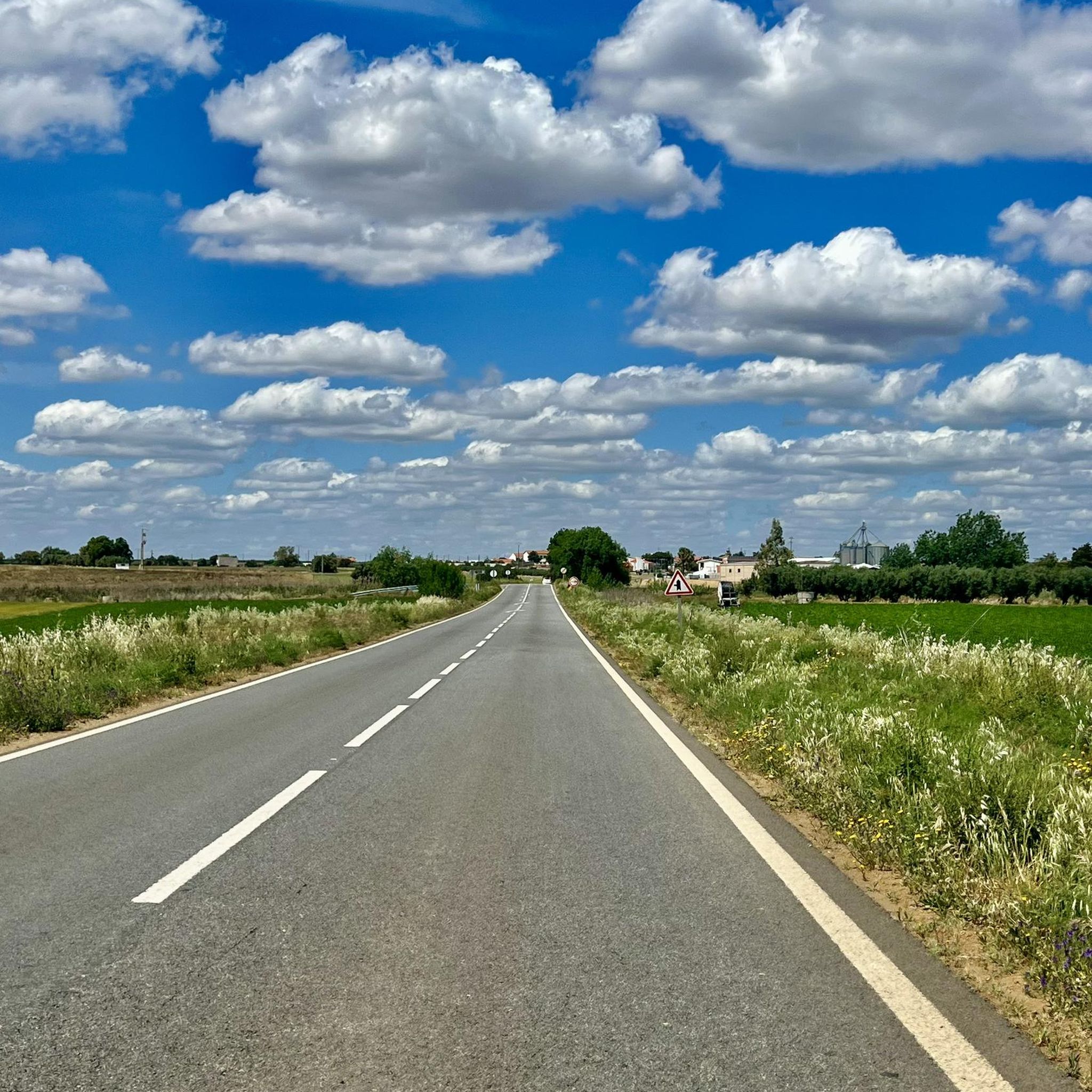
Road Cycling Routes in Castelo Branco
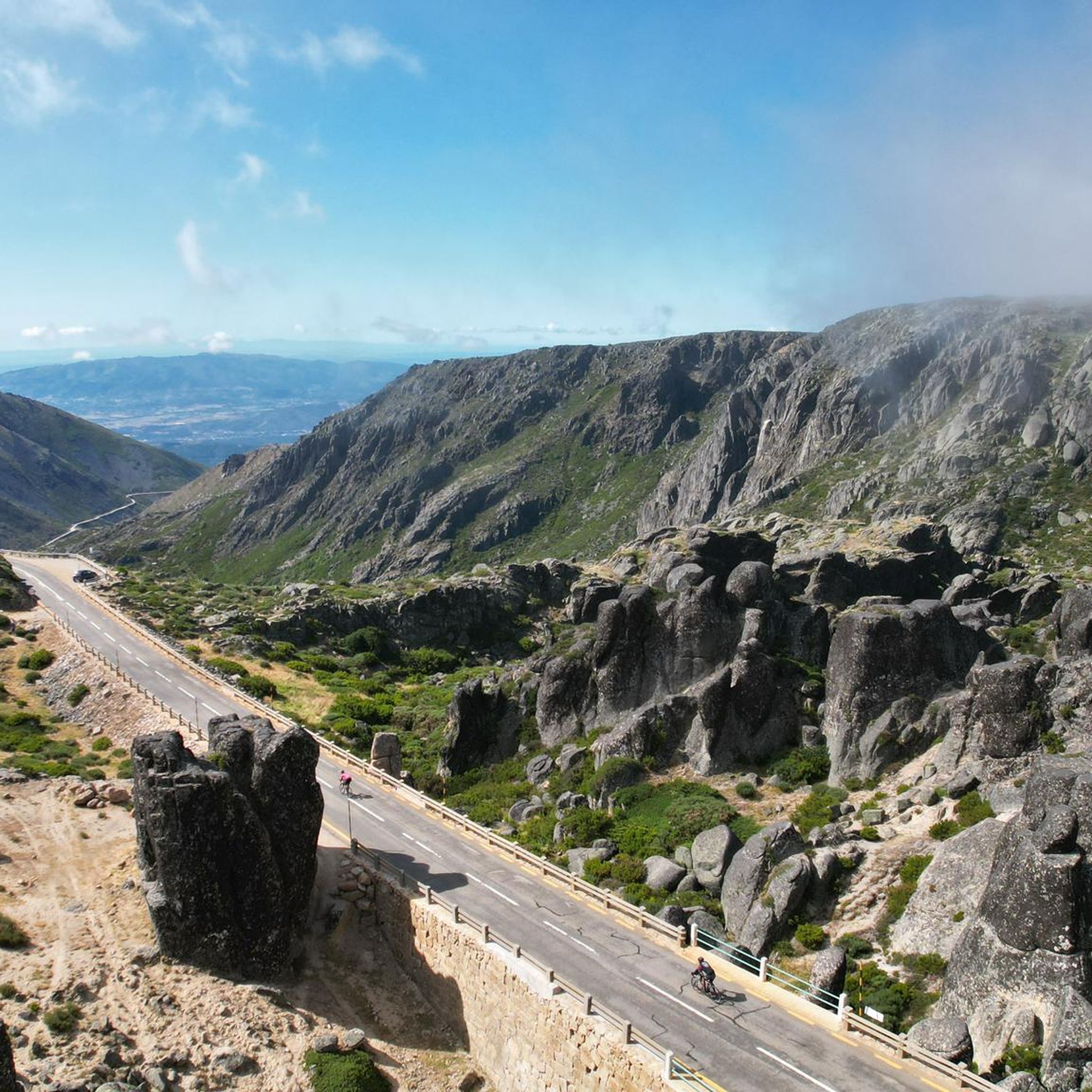
Cycling in Castelo Branco
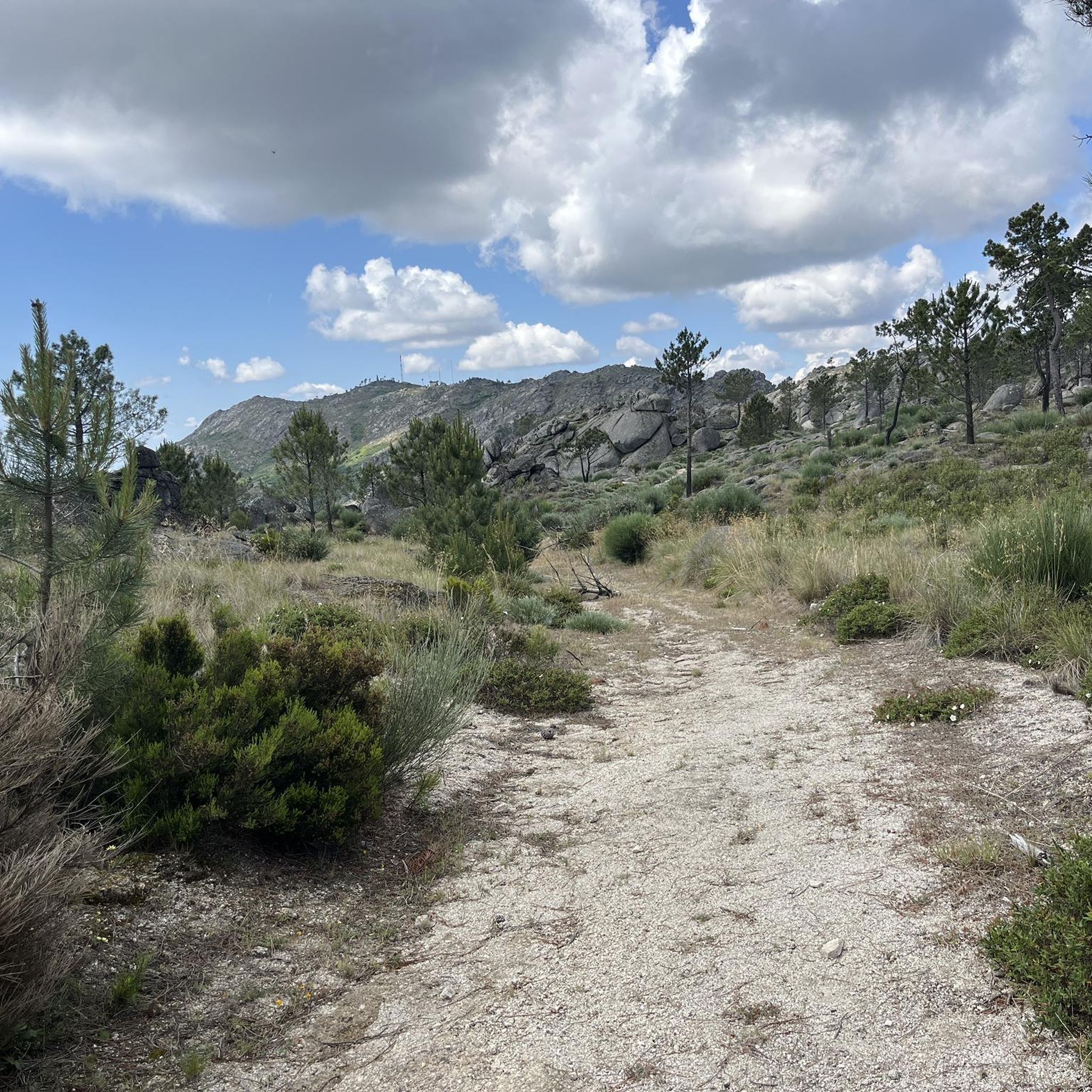
MTB Trails in Castelo Branco
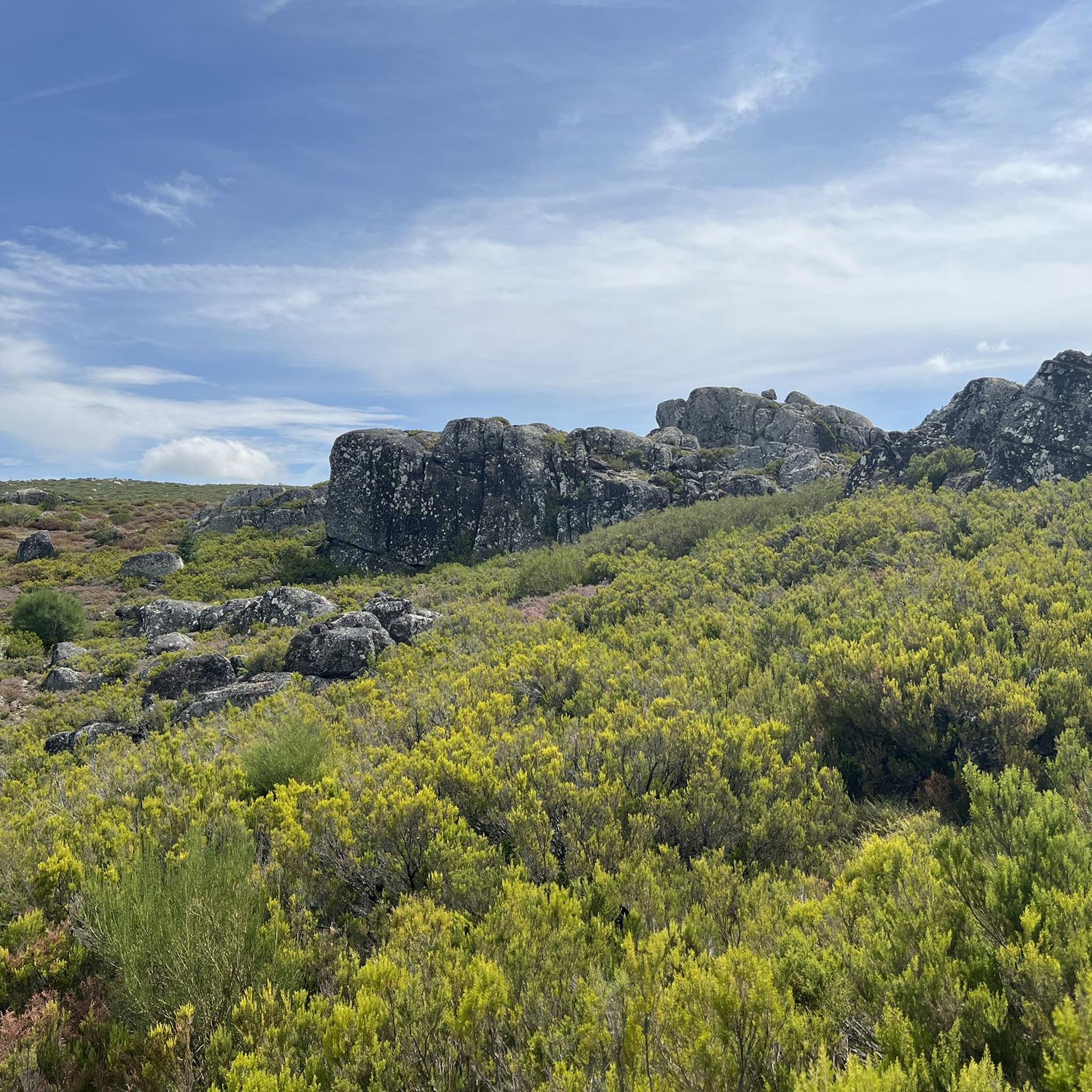
Running Trails in Castelo Branco

Gravel biking in Castelo Branco

Tips from the Community

Opened in April 2021, this is one of the newest trails in Portugal. The Barca D'Amieira Trail combines a walkway, a suspension bridge, and a fabulous viewpoint in a single route. The trail also offers a walk along a towpath wall and stunning views of the Tagus River.
2
0
Nestled on a hill overlooking the cliffs of the Serra da Gardunha, the village of Castelo Novo is linked to the early history of the nation. It was in 1208, during the reign of Sancho I, that Pedro Guterres donated the land—of which he was a grantee—in his will to the Knights Templar, and it is believed that at this time the castle was already under construction. Decades later, King Dinis ordered its structure to be renovated, and it was this campaign of works that gave the Castelo Novo fortress the Gothic characteristics it still displays today. Like many other villages along the Beira border, Castelo Novo grew in the shadow of and around its walls, with narrow streets winding up the hillside to the keep. In the center stands the Town Hall, with its arcades beneath the terrace of the main floor. In the center, integrated into the town hall's façade, stands the monumental and imposing King João V fountain, commissioned by King Magnanimous. Opposite, the Manueline pillory marks the center of the square, and further on, the main church dedicated to Our Lady of Grace rises, its white walls contrasting with the Baroque forms of the granite windows and portals. Throughout the village, as you wander the winding streets, you can discover architectural details, small traces that tell the story of its inhabitants. In Castelo Novo, be sure to visit: The castle; The Bica and King João V fountains; The main church and the Misericórdia church; The manor houses; The old gallows. The Castelo Novo Museum Center Alardo Park
1
0

Monsanto, the "Most Portuguese Village in Portugal," rises on the steep Cabeço de Monsanto, where houses are hidden among giant boulders, creating a unique setting. Between Templar walls, castle ruins, and endless vistas, history breathes in every stone—from the Lusitanians to the Romans, from the Moors to the kings who granted it charters. Today, visitors discover a vibrant village, marked by traditions like the marafonas (a traditional festival) and the flavors of the mountains: goat stew, lamb with mint, and carolo sweets. A tourist icon and the setting of legends, Monsanto is more than a place; it's an unforgettable experience.
4
0
Belmonte, one of the twelve Historic Villages of Portugal, is the home of Pedro Álvares Cabral and guardian of the country's largest Jewish community, a legacy that endured centuries of Inquisition. Between walls and memories, mystique and history abound, with the Serra da Estrela on one side and the Malcata Reserve on the other. The food completes the enchantment: Jewish flavors like fried offal coexist with broths, migas, esparregados, and traditional Beira sweets: rice pudding, papas de carolo, and filhós. Here, the landscape and the food merge into a delightful experience.
5
0

A little bit of Indiana Jones...
1
1

The Serra da Estrela Natural Park is something truly special. This 1,000-square-kilometer park, spread across six municipalities, was the first and currently the largest protected natural park in Portugal. It is home to the highest point on the Portuguese mainland, the country's only ski slope, the source of two important rivers, and a fascinating, alpine-like landscape formed by glaciers.
5
1

At exactly 1993 meters above sea level, Torre is the highest point in mainland Portugal, where the only ski resort is located. The landscape on the upper plateau of the Serra da Estrela is like a sprinkling of granite rocks over low scrub and patches of snow and ice, which the sun threatens to melt soon in the summer and which always returns the following winter. In winter, it sometimes becomes inaccessible.
6
0
Monsanto is a medieval village that is located in the municipality of Idanha-a-Nova, District of Castelo Branco, Portugal. It is located in eastern Portugal, not far from the border with Spain, giving it a strategic location in medieval times. A Knights Templar fortress was constructed on the highest point of the town, but this was destroyed in an explosion in the 19th century. In 1938, Monsanto was given the distinction of being “the most Portuguese village of Portugal,” during a government sponsored competition. Monsanto is famous for its boulders. The first settlers built small houses on the hilltop, wedging them between and under the boulders that were far too heavy to be moved. These small stone houses remain, creating one of Portugal’s most unique and charming towns to visit. Monsanto is also a filming location for Season 1 of the HBO House of the Dragon series.
3
0
Frequently Asked Questions
What historical sites and castles can I explore in the Castelo Branco region?
The region is rich in history. You can visit the medieval Monsanto Castle, which dominates the unique Historic Village of Monsanto. Also, explore the ruins of Castelo Novo Castle Ruins and the Belmonte Historic Village, which features its own castle and significant religious buildings. The city of Castelo Branco itself has a historic Knights' Templar Castle dating back to 1214.
Are there any unique natural features or viewpoints to discover?
Absolutely. The Historic Village of Monsanto offers incredible views, especially from the View over Monsanto village. You can also experience the Suspended pedestrian bridge, which provides stunning views of the Tagus River. For geological wonders, visit the Portas de Ródão Natural Monument and Baracal Park with its ancient granite rocks.
What kind of outdoor activities can I do near Castelo Branco's attractions?
The region offers diverse outdoor activities. You can find numerous trails for gravel biking, mountain hikes, and running. For example, explore routes like the Santa Luzia Reservoir Loop for gravel biking or the Poço do Inferno loop for mountain hiking. You can find more details on these activities and routes in our dedicated guides: Gravel biking in Castelo Branco, Mountain Hikes in Castelo Branco, and Running Trails in Castelo Branco.
Are there any family-friendly attractions in the Castelo Branco area?
Yes, several attractions are suitable for families. The Suspended pedestrian bridge is a fun experience for all ages. Nature lovers will enjoy the Penha Garcia Natural Swimming Pool and Waterfall and Praia Fluvial do Penedo Furado, which offer facilities and river access. The Episcopal Palace and Gardens, with their unique statues and water features, are also a delightful family outing.
Where can I find impressive waterfalls or natural swimming spots?
The region boasts beautiful water features. You can visit the Penha Garcia Natural Swimming Pool and Waterfall for a refreshing experience. Another notable waterfall is Cascata dos Pios. The wider Castelo Branco region also features Cascata da Ribeira da Lapa and several dams offering opportunities for water activities.
What cultural sites and museums are there in Castelo Branco?
Castelo Branco offers a rich cultural experience. The Francisco Tavares Proença Júnior Museum, housed in the former Bishop's Palace, showcases the famous Castelo Branco linen quilts. You can also explore the Cargaleiro Museum for contemporary art, the Centre for Contemporary Culture, and the Graça Convent and its Religious Art Museum. The House of the Memory of Jewish Presence tells the story of the city's Jewish community.
What is the highest point in mainland Portugal near Castelo Branco?
The highest point in mainland Portugal is Torre (Serra da Estrela Summit). At 1993 meters above sea level, it offers panoramic views and is accessible by car, with a short walk to the summit. It's also home to Portugal's only ski resort.
What makes the Historic Village of Monsanto so unique?
The Historic Village of Monsanto is renowned as the "Most Portuguese Village in Portugal." Its uniqueness comes from houses built directly into and among giant boulders, creating a distinctive architectural landscape. The village also features Templar walls and castle ruins, offering a glimpse into its ancient past.
Are there any significant gardens or parks in Castelo Branco?
Yes, the city is famous for the charming Episcopal Palace and Gardens (Jardim do Paço Episcopal). These Baroque gardens are known for their intricate fountains, lakes, waterfalls, and unique statues of Portuguese kings. Additionally, Parque da Cidade Park, formerly the kitchen gardens of the Episcopal Palace, provides a pleasant leisure space with water features.
What is the best time to visit Castelo Branco for outdoor activities?
Spring is often recommended for visiting Castelo Branco, especially for outdoor activities and exploring the villages like Monsanto, as temperatures are generally more bearable. While the Serra da Estrela summit can be inaccessible in winter due to snow, other areas remain enjoyable. Always check local weather conditions before planning your trip.
Can I learn about the Jewish heritage in Castelo Branco?
Yes, Castelo Branco has a rich Jewish history. You can visit the House of the Memory of Jewish Presence at R. das Olarias 43, which details the story of the organized Jewish community that existed in the city until the Inquisition. The old Jewish Quarter also bears traces of this history, including a menorah in Rua d'Ega.
Most popular routes in Castelo Branco
Most popular attractions in Castelo Branco

Get inspired with the komoot mobile app


Didn’t find what you were looking for?
Are you keen on exploring more awesome places nearby? Browse our guides:
Explore more
Still not found the Highlight you’re looking for? See guides of the top attractions in other regions:
