Attractions and Places To See in Beja - Top 20
Best attractions and places to see in Beja, a region in Portugal's Alentejo, offer diverse experiences from historic towns to expansive coastal landscapes. The area features serene natural environments, including significant stretches of coastline and river estuaries. Visitors can explore a variety of sites, from sandy beaches to dramatic cliffs and charming settlements. Beja is characterized by its blend of ancient history, rich culture, and natural beauty.
Best attractions and places to see in Beja
- The most popular attractions is Malhão Beach, a beach that is known for its wide, open sandy expanse. It is considered one of the most beautiful beaches in the area, offering a wild and unspoiled natural setting.
- Another must-see spot is Zambujeira do Mar, a settlement rising atop dramatic cliffs with hidden beaches below. Visitors can find a small, authentic village with views from the Chapel of Nossa Senhora do Mar.
- Visitors also love Vila Nova de Milfontes, a settlement located at the mouth of the Mira River. This coastal town is popular for its white houses, lively atmosphere, and a wide range of beaches.
- Beja is known for its beaches, natural monuments, and coastal settlements. The region offers a variety of attractions to see and explore, from expansive sandy shores to dramatic cliff formations and historic towns.
- The attractions in Beja are appreciated by the komoot community, with more than 600 upvotes and 175 photos shared by visitors.
Last updated: August 31, 2026
Malhão Beach
Highlight • Beach
Translated by Google •
Tip by

Dunes and Cliffs of the Costa Vicentina
Highlight • Viewpoint
Translated by Google •
Tip by

Sign up now to discover places like this
Get recommendations on the best single tracks, peaks, & plenty of other exciting outdoor places.
Sign up for free
Zambujeira do Mar
Highlight • Settlement
At the top, the Chapel of Nossa Senhora do Mar offers one of the best viewpoints on the coast, perfect for a break with a view. Between descents to the sea and trails along the cliffs, this is one of those places where every kilometer tastes like freedom.
Showing Translation
Tip by

Brejo Largo Beach
Highlight • Beach
Considered one of the most beautiful beaches.
Translated by Google •
Tip by

Vila Nova de Milfontes
Highlight • Settlement
Popular with tourists, the city welcomes many surfers who come to catch the swell and hikers who survey the Trilho dos Pescadores. Consider visiting the Fort of São Clemente or the Church of Nossa Senhora da Graça.
Translated by Google •
Tip by

Alvorião Beach
Highlight • Beach
Translated by Google •
Tip by

Ribeira de Seixe Viewpoint
Highlight • Viewpoint
Between the village and the sea, the valley is simply magical: green banks, open views and a perfect environment for cycling.
You can even go up the river by canoe, observe birds (and who knows, an otter) or alternate between dips in the calm river and the ocean. This is one of those places that stay in your memory.
Showing Translation
Tip by
Rota Vicentina Coastal Trail
Highlight (Segment) • Trail
Translated by Google •
Tip by

Carraca Beach
Highlight • Beach
Translated by Google •
Tip by
Stork Rock
Highlight • Natural Monument
Translated by Google •
Tip by
Sign up for free to discover even more attractions in Beja.
Sign up for free
Already have an account?
Start today with a free account
Your next adventure awaits.
Login or Signup
Popular around Beja

Triathlon 360 – my journey around the world
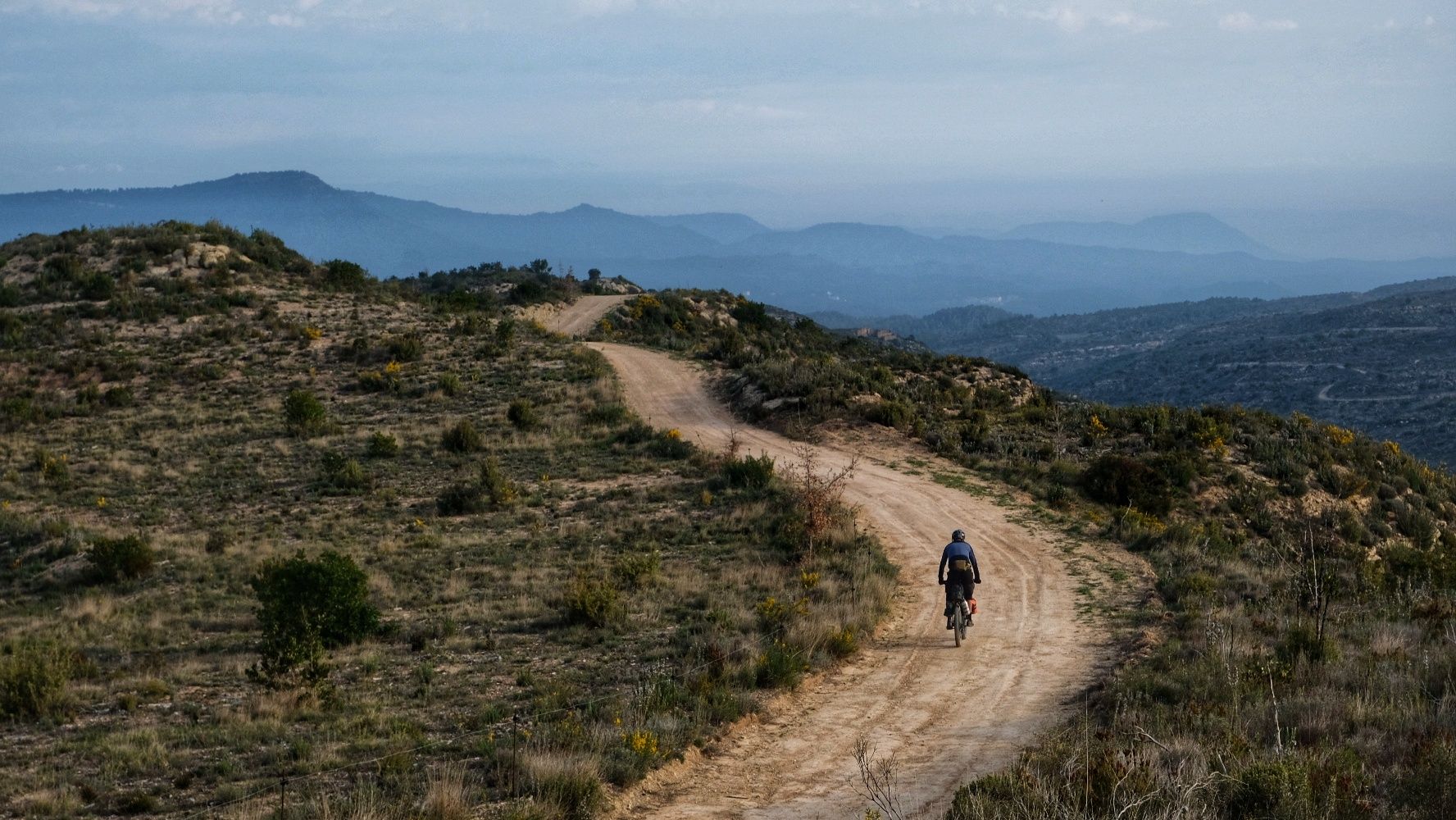
European Divide Trail — 7,600 km across the continent
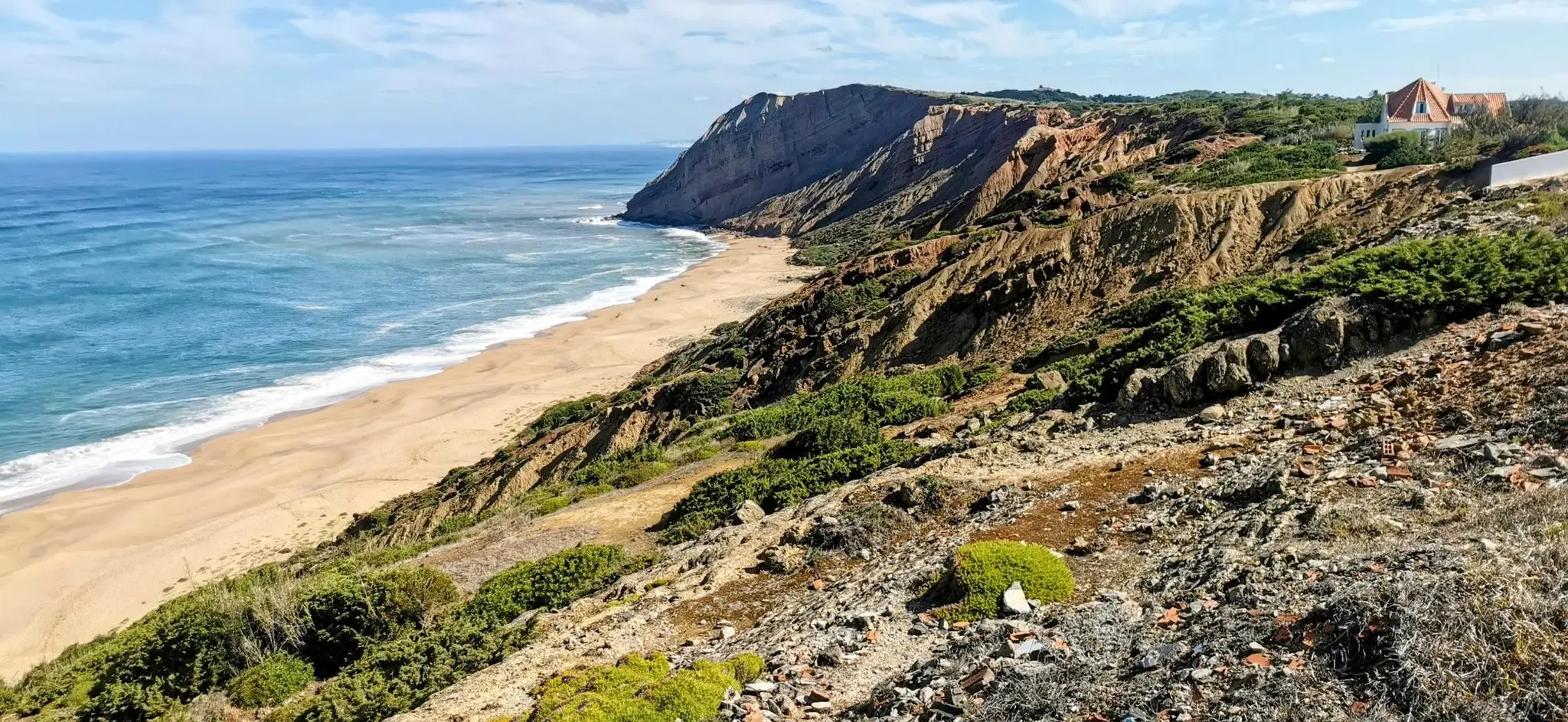
EuroVelo 1 Portugal – Cycle the Atlantic Coast
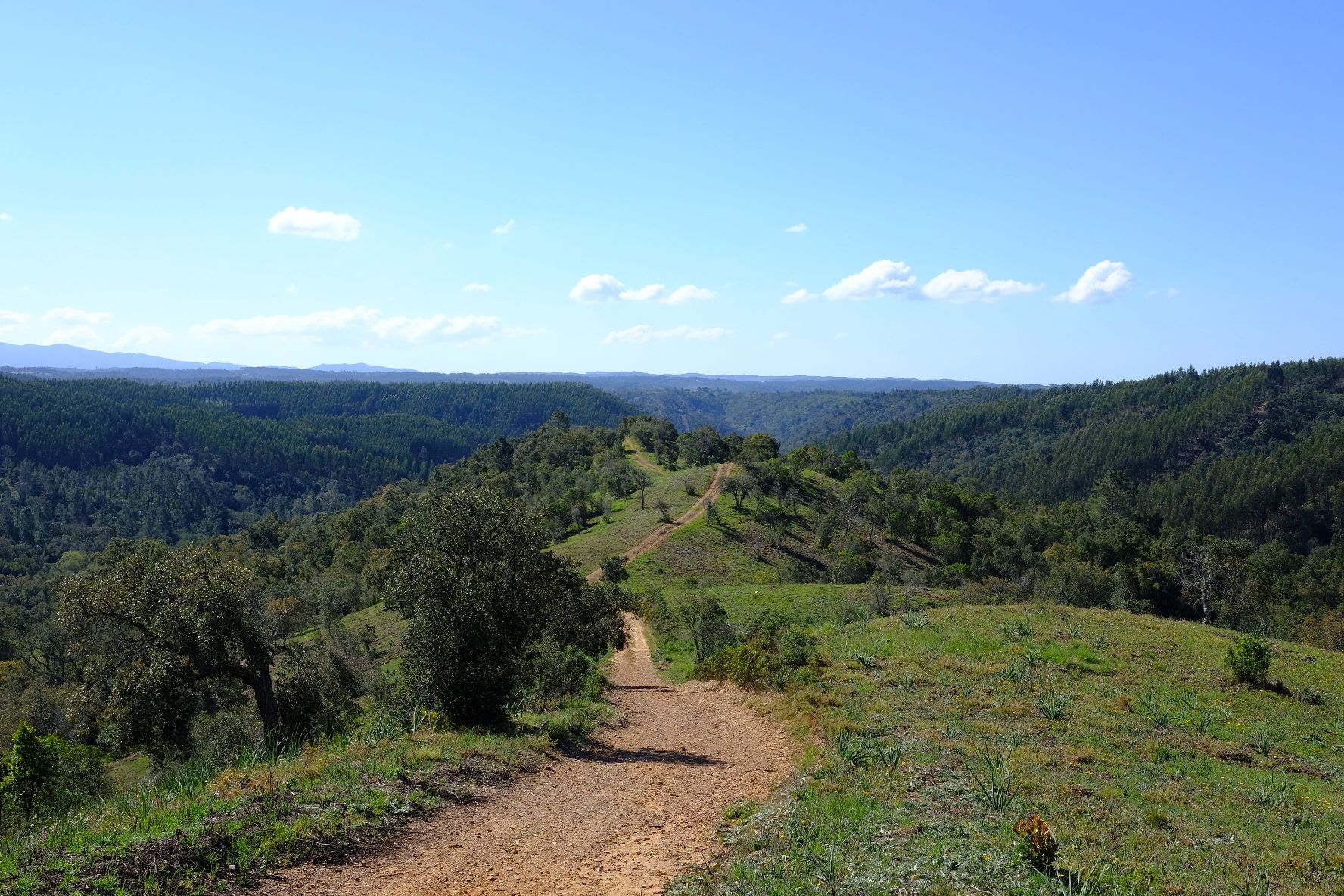
Caminho Histórico – Discover Portugal's beauty and history
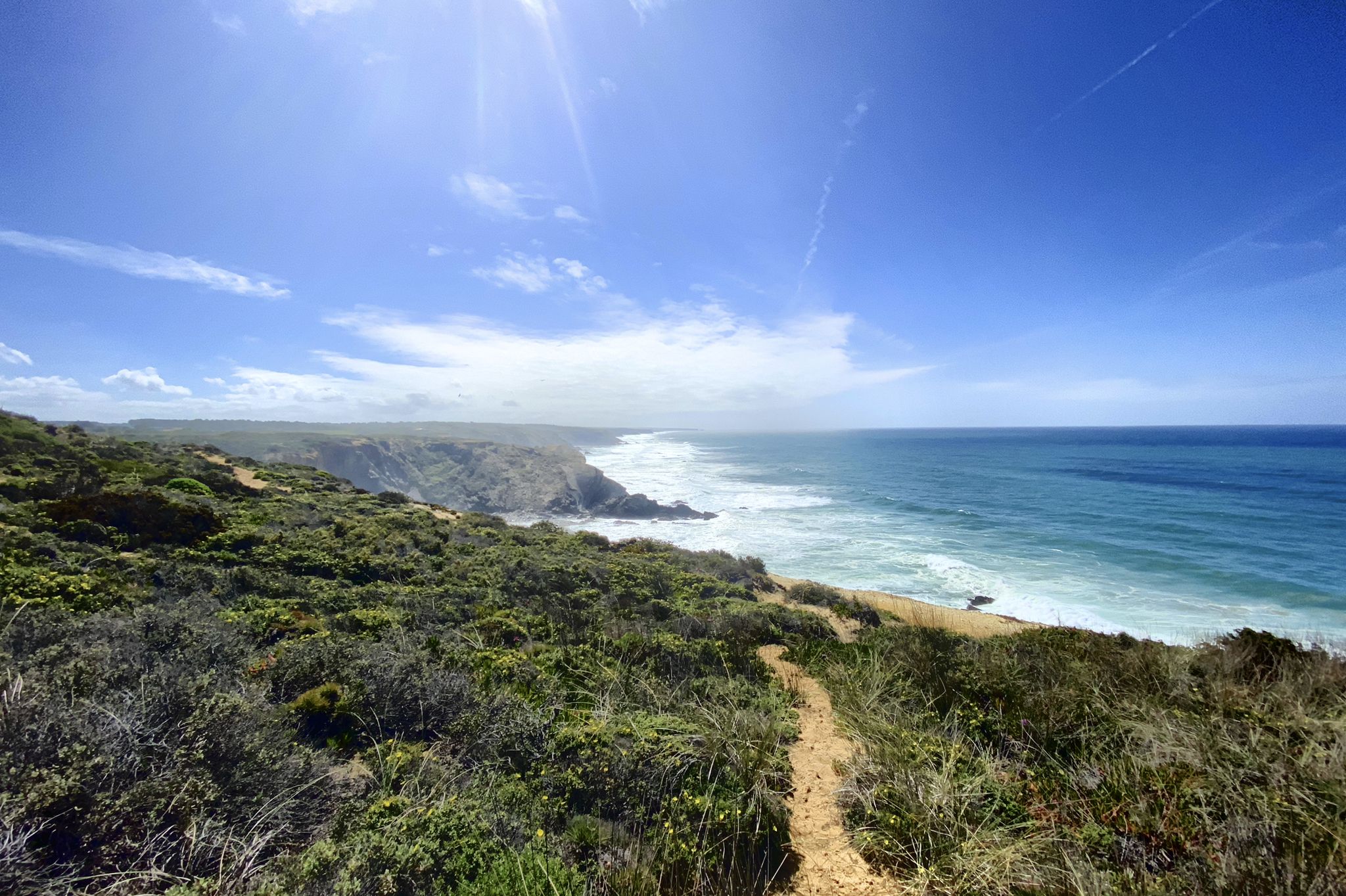
Trilho dos Pescadores – Portugal's Fishermen's Trail
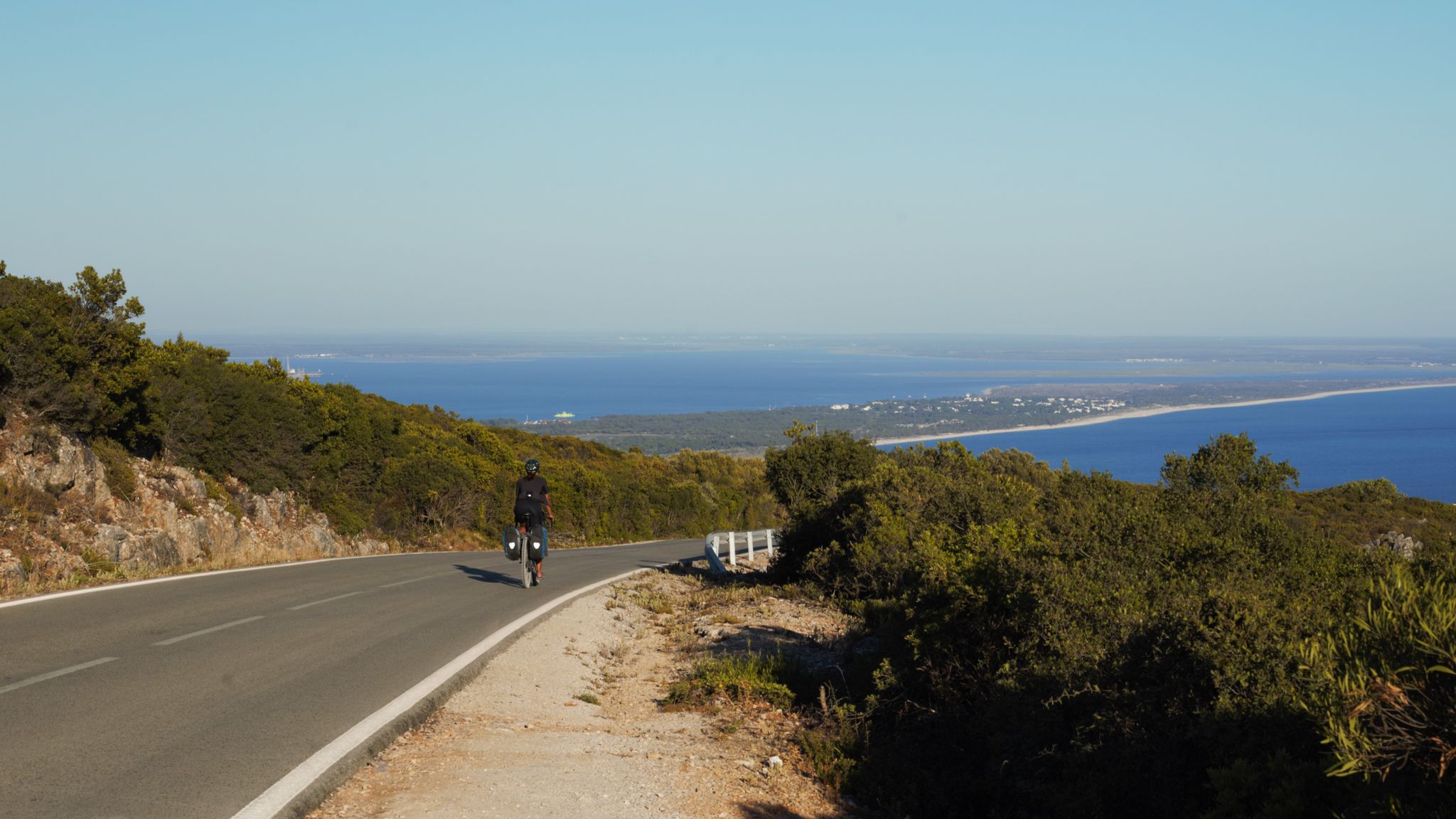
The breaking waves – cycle along the Atlantic coast of Portugal
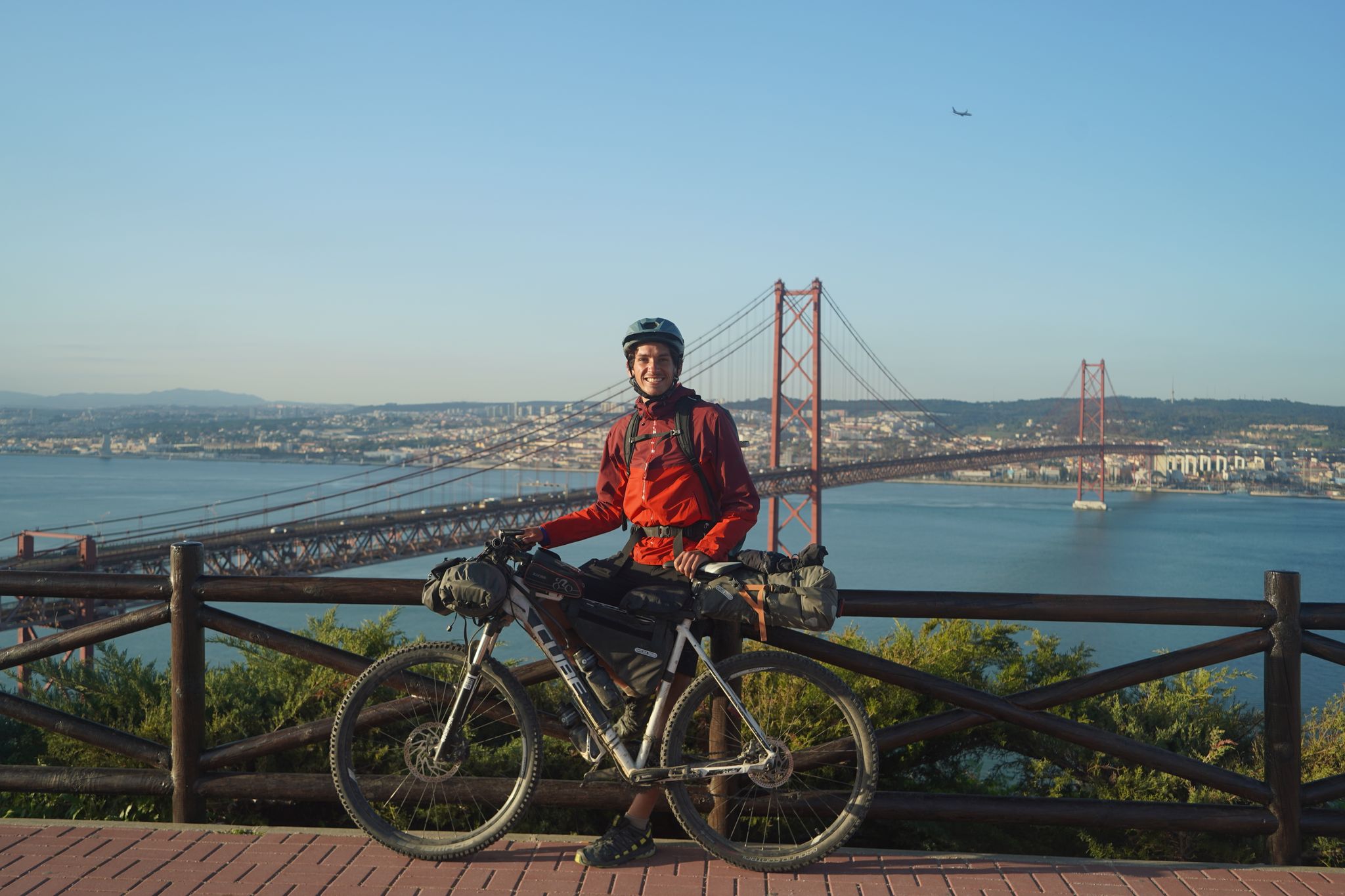
Road to Lisbon – bikepacking the Alps, Pyrenees and Picos de Europa
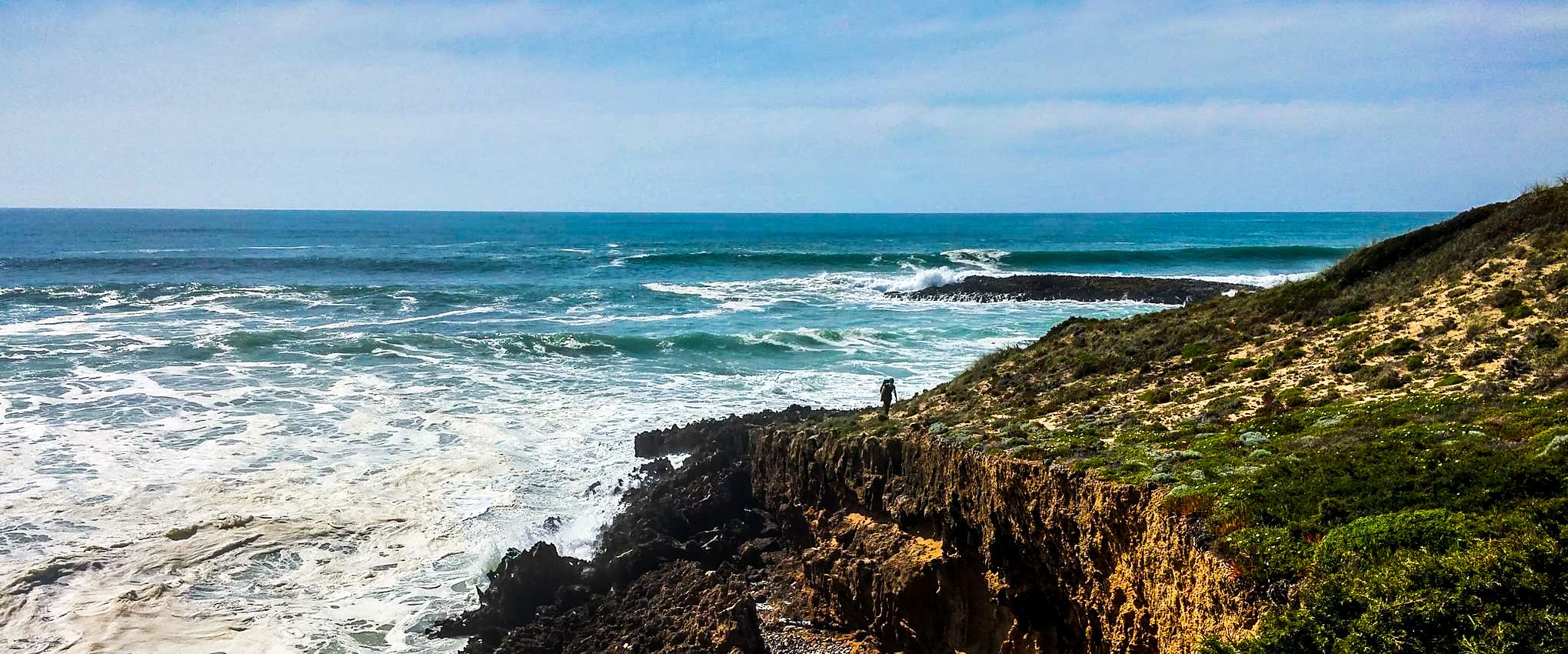
Fishermen's Trail – Discover Portugal's Atlantic Coast
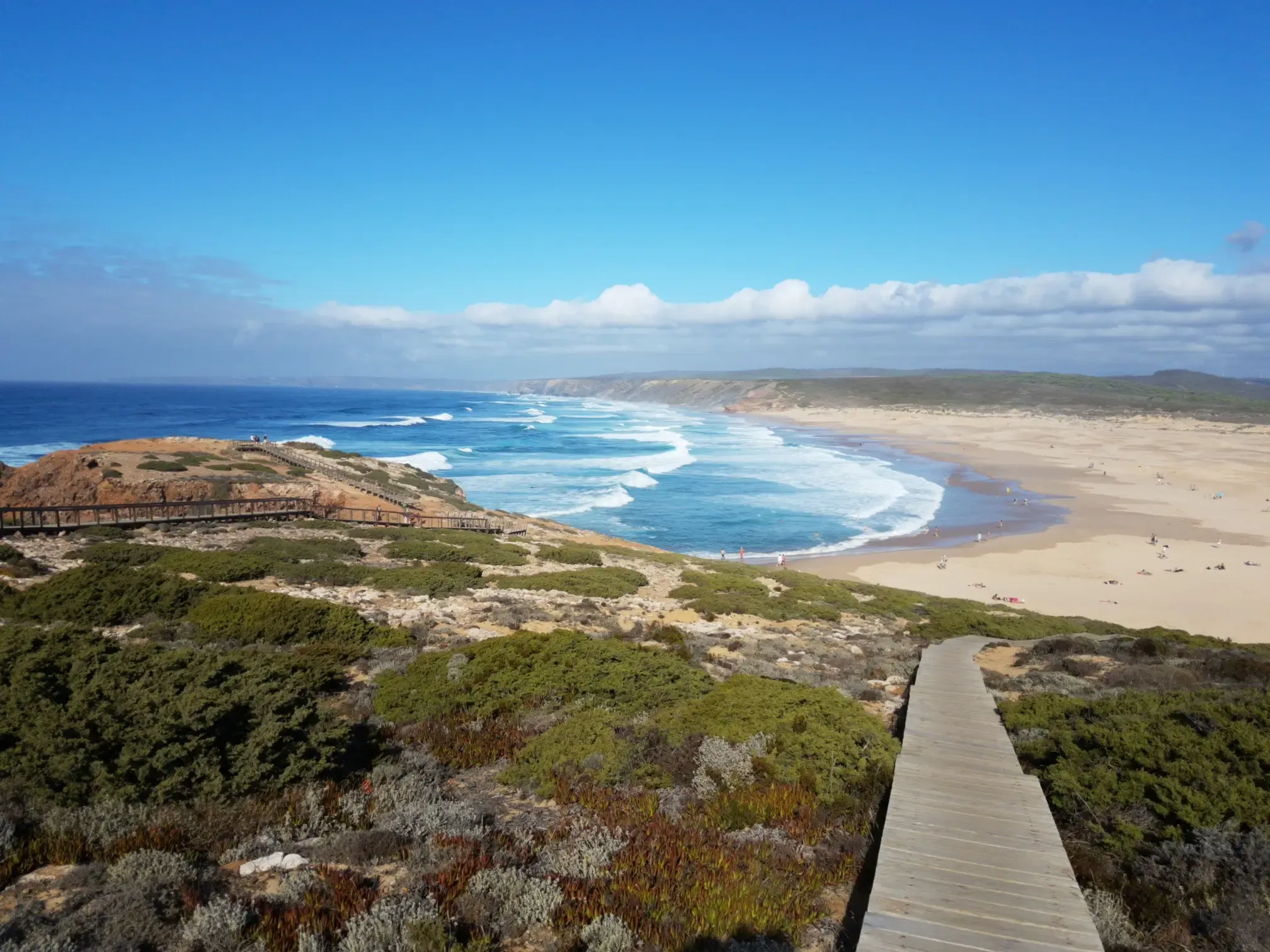
Lisbon to Santo António – The Atlantic Coast of Portugal (south)
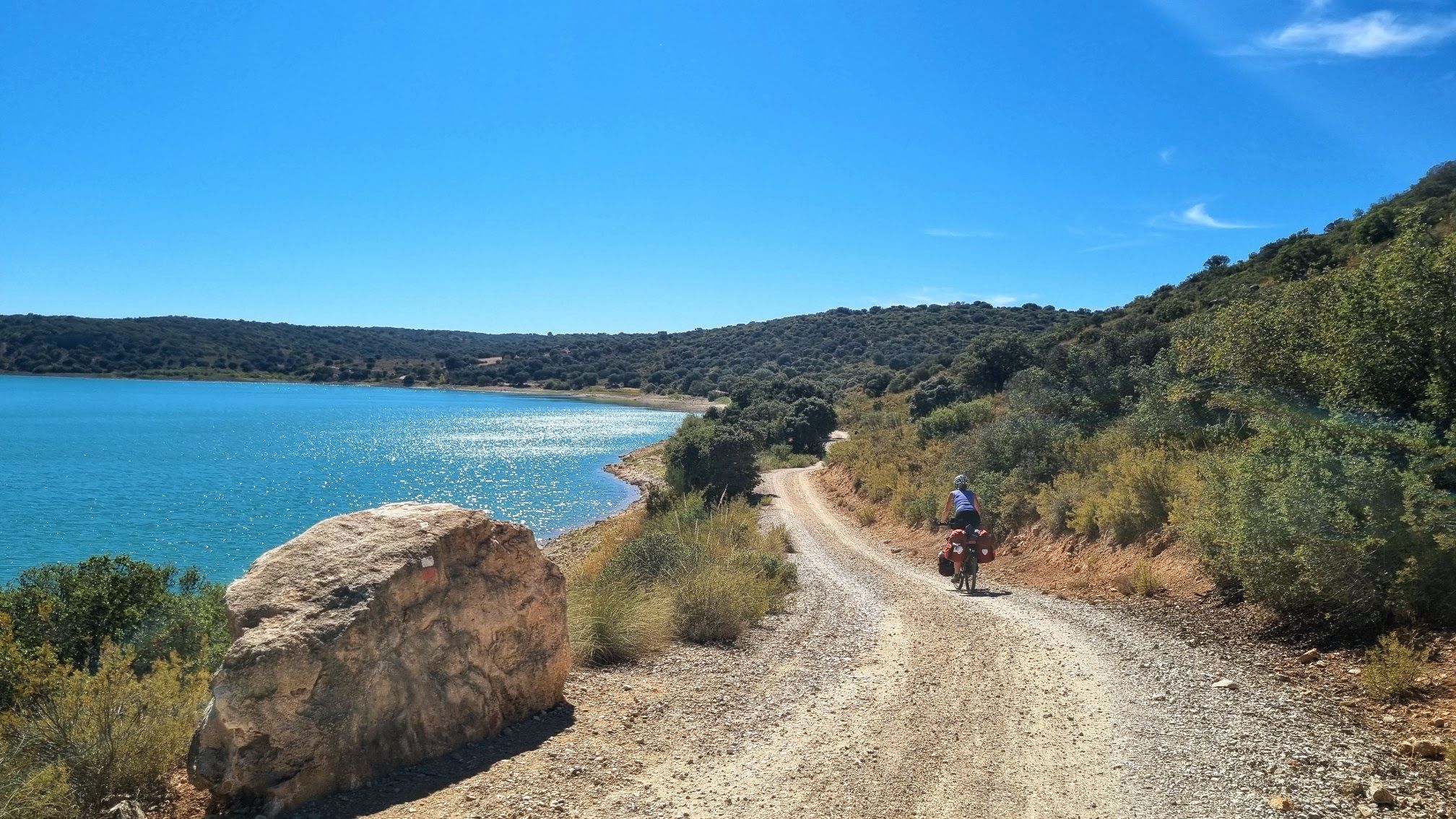
Pedalea junto al gran río — Camino Natural del Guadiana
Other adventures in Beja


Tips from the Community

A dune landscape on the cliffs: Here a large limestone slab rests on the sandstone, forming wondrous shapes in the rocks: jagged edges, holes, and huge overhangs. Far below, near the water, the slate and gneiss slabs are set up vertically, bent, tilted, wedged into each other - you'll become a friend of folding!
0
0

The storks and their nests can be observed on some stages of the Fischerpfad. The animals are also very majestic in the air - always a special highlight 😀
0
0

extraordinary cliffs https://youtu.be/6ewi01OfbMA?si=9jWG2HdJjWG2v0lK
1
0

The Ribeira de Seixe, which takes its name from the Arabic sayh, "torrent", draws the natural border between the Alentejo and the Algarve, running serenely until it meets the Atlantic at Odeceixe Beach. Between the village and the sea, the valley is simply magical: green banks, open views and a perfect environment for cycling. You can even go up the river by canoe, observe birds (and who knows, an otter) or alternate between dips in the calm river and the ocean. This is one of those places that stay in your memory.
1
0
Zambujeira do Mar rises atop dramatic cliffs, with the Atlantic always on the horizon and hidden beaches below. Small and authentic, the village gains extra energy in the summer, especially in August during the Festival do Sudoeste. At the top, the Chapel of Nossa Senhora do Mar offers one of the best viewpoints on the coast, perfect for a break with a view. Between descents to the sea and trails along the cliffs, this is one of those places where every kilometer tastes like freedom.
2
0

Breathtaking views of the river flowing into the sea.
8
0

The north access via the stairs works well. The middle exit via stairs and rope was destroyed in the lower section by mud and landslide on September 13, 2025. It was impossible for us to ascend. Due to a lack of accessible alternatives, we returned via the north entrance and continued south along the signposted cliff path above.
0
0

Frequently Asked Questions
What kind of natural attractions can I explore in the Beja region?
The Beja region is renowned for its diverse natural beauty, especially along the coast. You can discover expansive sandy shores like Malhão Beach, known for its wild and unspoiled setting. Other highlights include impressive rock formations such as the Costa Vicentina Rock Arch and Cliffs, offering magnificent coastal views. Inland, the Parque Natural do Vale do Guadiana provides breathtaking landscapes and opportunities for bird watching, while the Roxo Dam is a peaceful spot for nature exploration.
Are there historical sites to visit in the city of Beja?
Yes, the city of Beja is rich in history. Dominating the skyline is the impressive Castelo de Beja, featuring the tallest tower in the Iberian Peninsula, the Torre de Menagem, which offers spectacular panoramic views. You can also explore the Convento de Nossa Senhora da Conceição, now home to the Beja Regional Museum, and the Beja Cathedral with its ornate interior. Remnants of Beja's Roman past can be seen in the Roman Arches and the well-preserved Roman Villa of Pisões just outside the city.
What cultural experiences does Beja offer?
Beja provides a variety of cultural experiences. The Beja Regional Museum, housed in the Convento de Nossa Senhora da Conceição, showcases sacred art, ceramics, and archaeological artifacts from Roman, Visigothic, and Medieval periods. For contemporary art, visit the Museum Jorge Vieira. The Visigothic Section of the Beja Regional Museum, located in the Capela de Santo Amaro, displays a valuable collection from the 5th to 8th centuries. The Teatro Municipal Pax Julia, a beautifully restored Art Deco cinema, hosts various performances and events.
What outdoor activities can I do near Beja's attractions?
The Beja region offers numerous outdoor activities, especially along its stunning coastline and in its natural parks. You can enjoy hiking along the Fisherman's Trail near coastal towns like Vila Nova de Milfontes, or explore trails in the Parque Natural do Vale do Guadiana. For cycling enthusiasts, there are road cycling routes that take you through scenic landscapes. You can find more details on specific routes for hiking, road cycling, and running in the region by visiting the respective guides: Hiking in Beja, Road Cycling Routes in Beja, and Running Trails in Beja.
Are there family-friendly attractions in the Beja region?
Yes, the Beja region offers several family-friendly options. Coastal towns like Vila Nova de Milfontes are popular for their lively atmosphere and beaches, suitable for families. The Jardim Gago Coutinho e Sacadura Cabral (Public Garden) and Parque da Cidade in Beja city provide green spaces for relaxation and play. Many of the region's beaches, such as Malhão Beach, offer ample space for children to play, though some are wilder and lack facilities.
What is the best time of year to visit Beja?
The best time to visit Beja largely depends on your interests. Spring (March to May) is ideal for exploring the natural landscapes and historical sites, as the weather is pleasant and the countryside is in bloom. Summer (June to August) is perfect for enjoying the coastal beaches and water activities, though it can be very hot inland. Autumn (September to November) offers mild temperatures, making it suitable for hiking and wine tourism. Winters are generally mild but can be rainy.
Where can I find viewpoints with scenic vistas in Beja?
For breathtaking views, the Torre de Menagem of Castelo de Beja offers panoramic vistas of the city and the vast Alentejo plains. Along the coast, the Dunes and Cliffs of the Costa Vicentina provide stunning ocean views and a sense of untouched nature. The Costa Vicentina Rock Arch and Cliffs also offer magnificent coastal perspectives.
Are there any unique natural features or hidden gems in the Beja region?
Beyond the popular beaches, the Beja region holds unique natural features. The Pulo do Lobo, within the Vale do Guadiana Natural Park, offers dramatic views and powerful rapids. For stargazing, the Alqueva Dark Sky Reserve provides one of Portugal's best experiences. A hidden gem along the coast is Carraca Beach, a beautiful little bay that is especially worth visiting at low tide.
What do visitors enjoy most about the coastal attractions in Beja?
Visitors particularly enjoy the wild and unspoiled nature of the beaches, such as Malhão Beach, appreciating the wide, open sandy expanses and the powerful Atlantic waves. The impressive rock formations and magnificent coastal views along the Costa Vicentina are also highly praised. Coastal towns like Vila Nova de Milfontes are loved for their charming white houses, lively atmosphere, and the variety of beautiful beaches available.
Can I find wine tourism experiences in the Beja region?
Yes, Beja is increasingly recognized for its wines. Several wineries in the region, such as Herdade da Mingorra and Cella Vinaria Antiqua, offer tastings and tours. Some producers are even reviving ancient Roman winemaking traditions using clay amphorae, providing a unique historical and culinary experience.
Are there any accessible attractions for visitors with mobility challenges?
While many historical sites in Beja, with their cobblestone streets and ancient structures, may present accessibility challenges, modern facilities and some natural areas are more accommodating. The Parque da Cidade in Beja, inaugurated in 2004, is designed with well-maintained paths suitable for easy movement. For specific accessibility information regarding individual attractions, it is advisable to check directly with the venue.
Where can I go bird watching in the Beja region?
The Beja region is an excellent destination for bird watching. The Parque Natural do Vale do Guadiana is known for its rich biodiversity and offers great opportunities to observe various bird species. Additionally, Castro Verde is a protected area and bird sanctuary, making it an ideal spot for bird watchers and wildlife photographers.
Most popular routes in Beja
Most popular attractions in Beja

Get inspired with the komoot mobile app


Didn’t find what you were looking for?
Are you keen on exploring more awesome places nearby? Browse our guides:
Explore more
Still not found the Highlight you’re looking for? See guides of the top attractions in other regions:
