Top 20 Caves in Siracusa
Caves in Siracusa offer a diverse range of natural and historical underground formations. Located on the southeastern coast of Sicily, Siracusa is characterized by its ancient Greek heritage and a landscape that includes both coastal sea caves and inland rock-cut structures. The area's geology has created numerous grottoes and quarries, many with significant archaeological value. These sites provide insight into the region's natural history and human activity over millennia.
Best caves in Siracusa
- The most popular caves is Ear of Dionysius, a cave known for its unique acoustics. This large cave is historically associated with the tyrant Dionysius I of Syracuse.
- Another must-see spot is Grotta dei Cordari, a historical cave. It is recognized for its past use by rope makers and features notable installations.
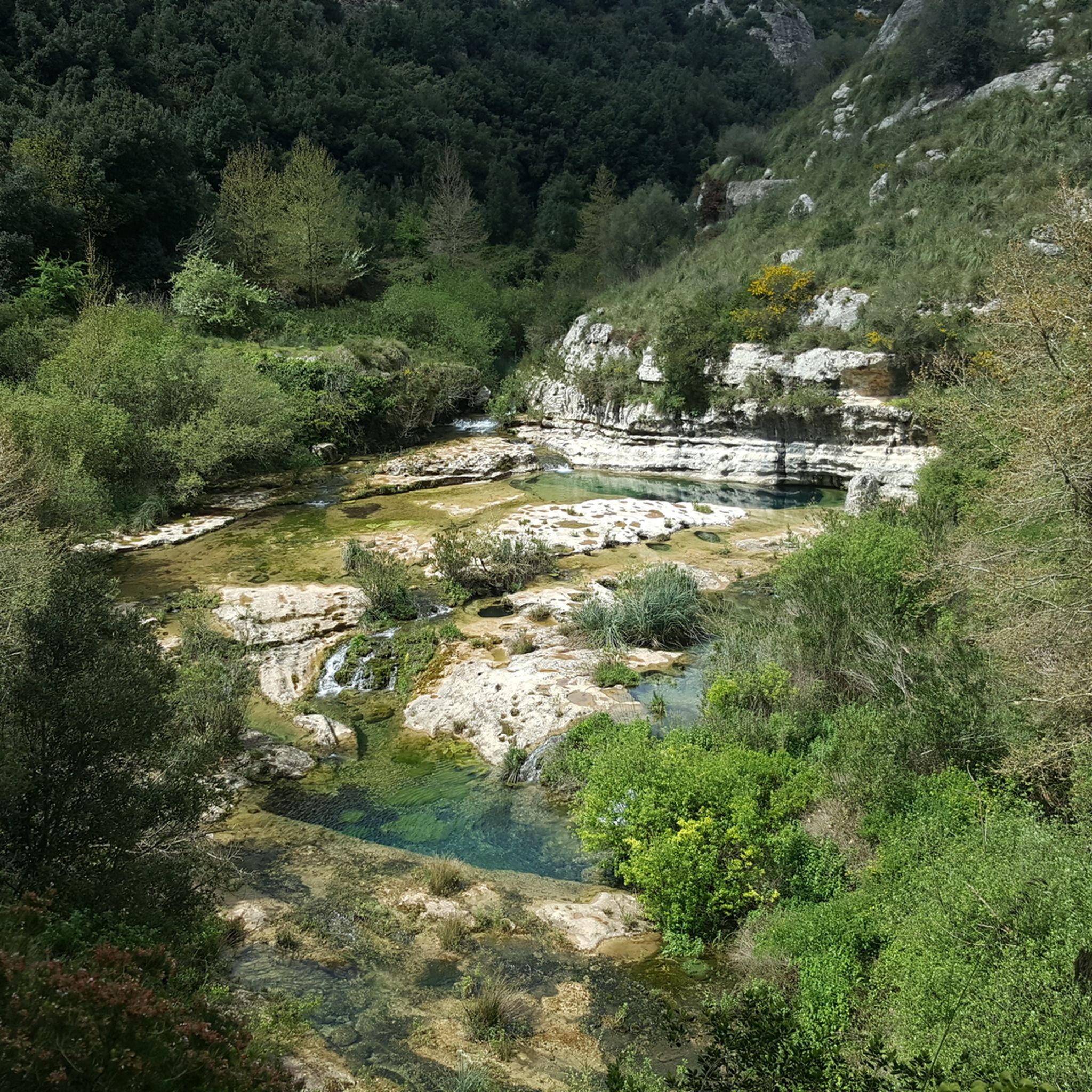
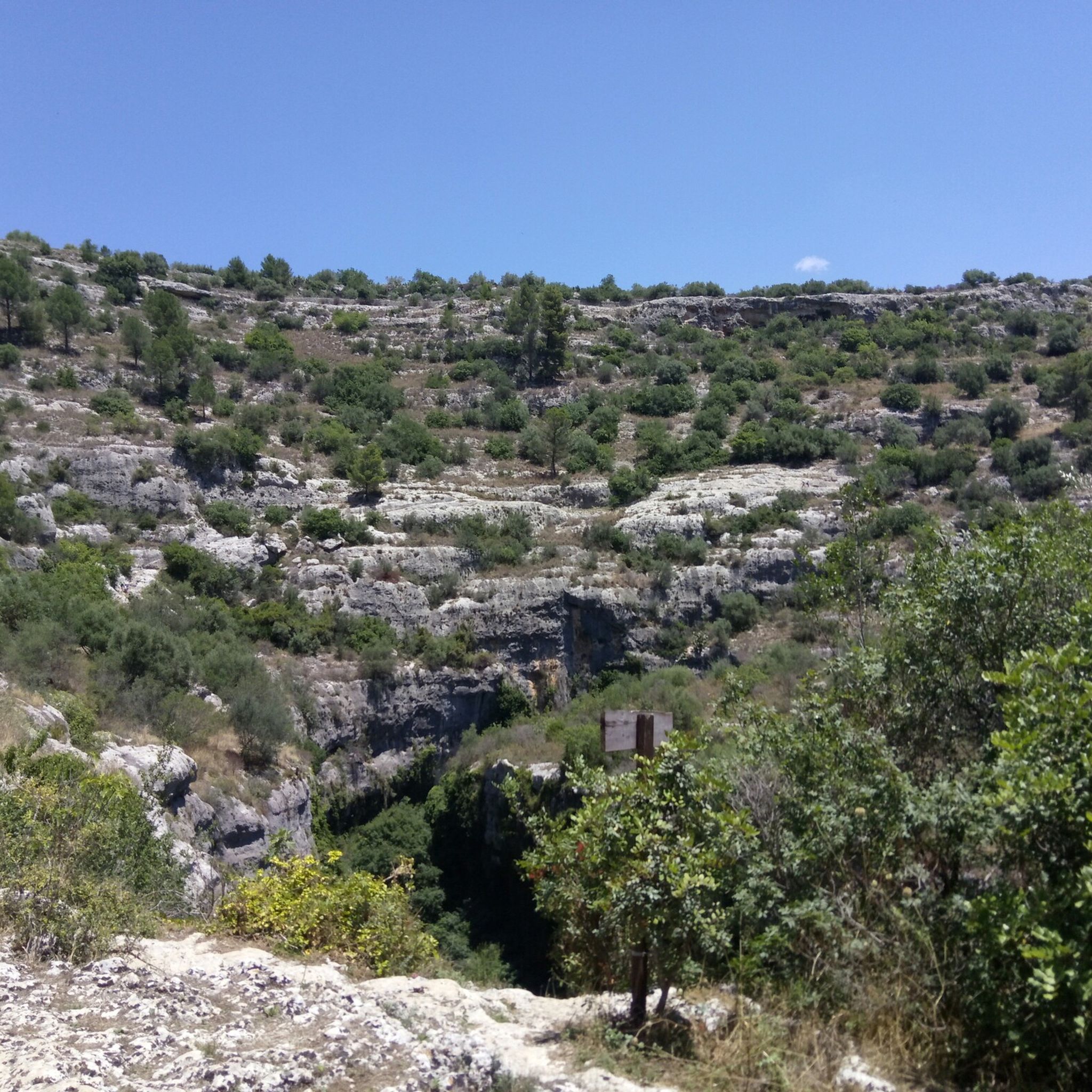
- Visitors also love Anapo Valley, a gorge featuring caves and historical rock-cut tombs. This area is known for its landscape and ancient Siculian burial sites.
- Siracusa is known for sea caves, historical rock-cut caves, and ancient quarries. The region offers a variety of underground formations to explore, from natural coastal grottoes to man-made historical sites.
- The caves in Siracusa are appreciated by the komoot community, with more than 110 photos and over 110 upvotes shared by users.
Last updated: June 29, 2026
Ear of Dionysius
Highlight • Cave
Translated by Google •
Tip by

Calamosche Beach
Highlight • Beach
Translated by Google •
Tip by

Sign up now to discover places like this
Get recommendations on the best single tracks, peaks, & plenty of other exciting outdoor places.
Sign up for free
Anapo Valley
Highlight (Segment) • Gorge
Translated by Google •
Tip by

Neapolis Archaeological Park
Highlight • Historical Site
Translated by Google •
Tip by

Latomie at the Archaeological Park of Syracuse
Highlight • Historical Site
Too bad some areas were cordoned off (as of October 2022) so not all areas were fully accessible.
Nevertheless: Impressive and exciting!
Translated by Google •
Tip by
Grotta del Ciclope
Highlight • Cave
Translated by Google •
Tip by

Natural Coastal Pool and Cave
Highlight • Cave
Translated by Google •
Tip by

Grotta dei Cordari
Highlight • Cave
Translated by Google •
Tip by

Grotta della Pellegrina
Highlight • Cave
Translated by Google •
Tip by

Ancient Cave Dwellings and Tanneries of the Cava d'Ispica
Highlight • Cave
Translated by Google •
Tip by
Sign up for free to discover even more caves in Siracusa.
Sign up for free
Already have an account?
Start today with a free account
Your next adventure awaits.
Login or Signup
Popular around Siracusa
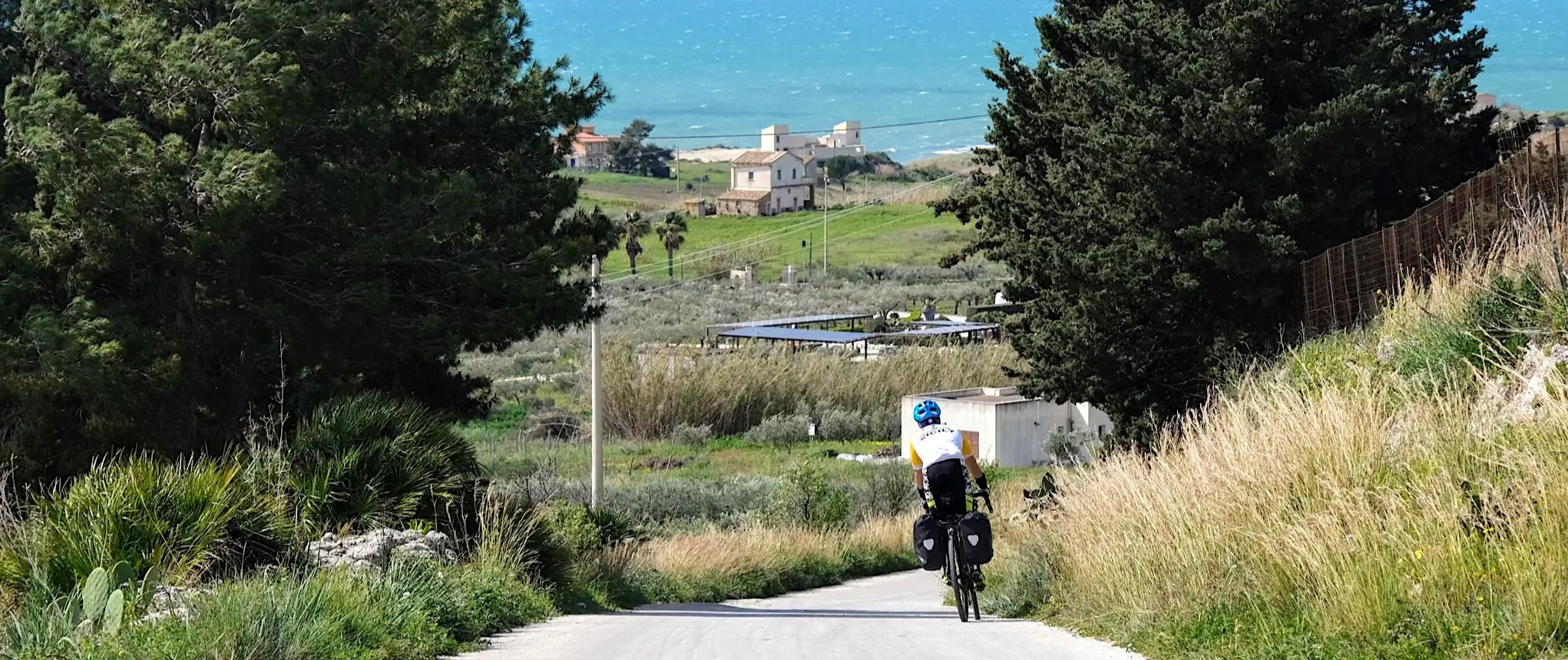
The complete tour of Sicily by road bike
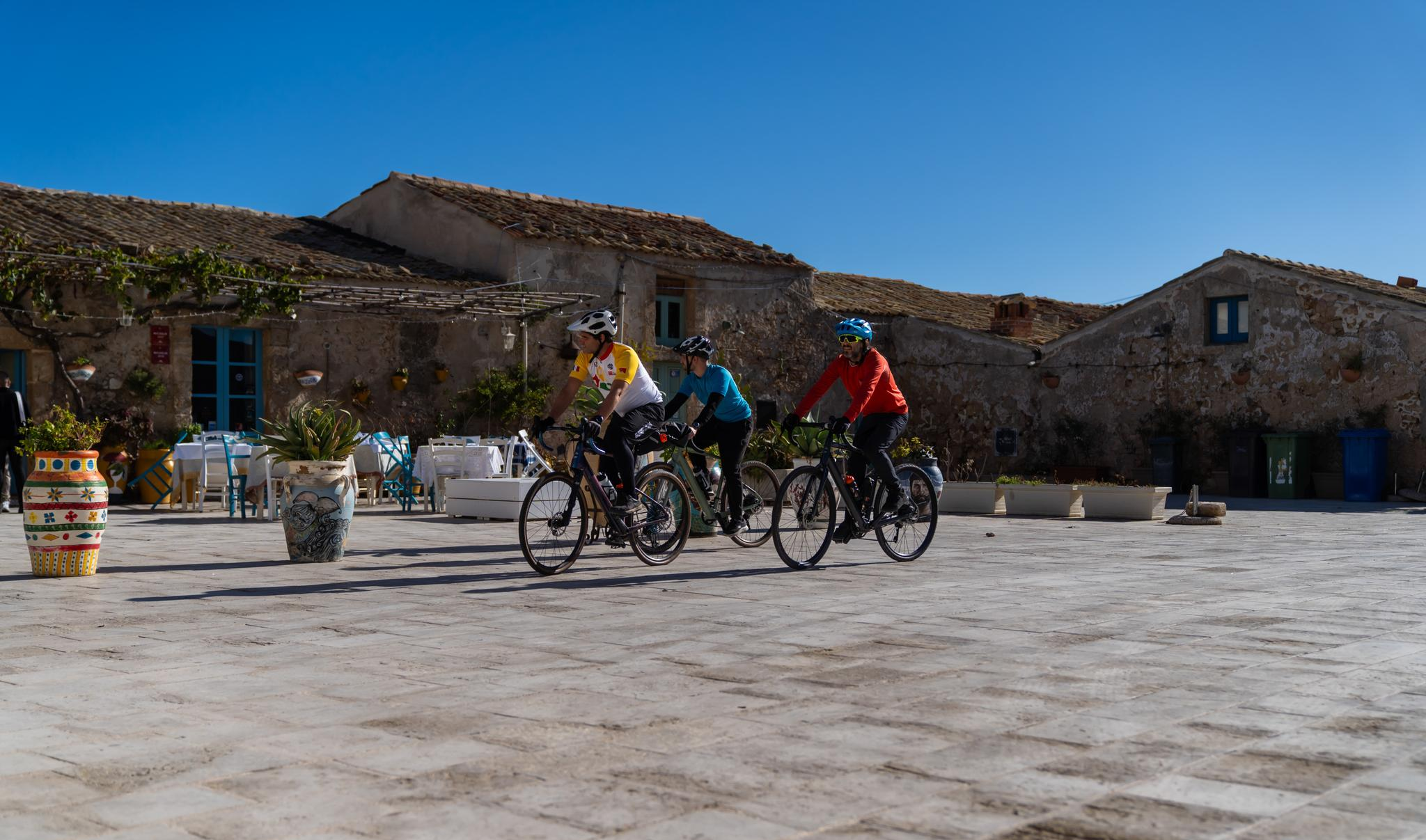
History and nature in Southeastern Sicily – Baroque cycling tour
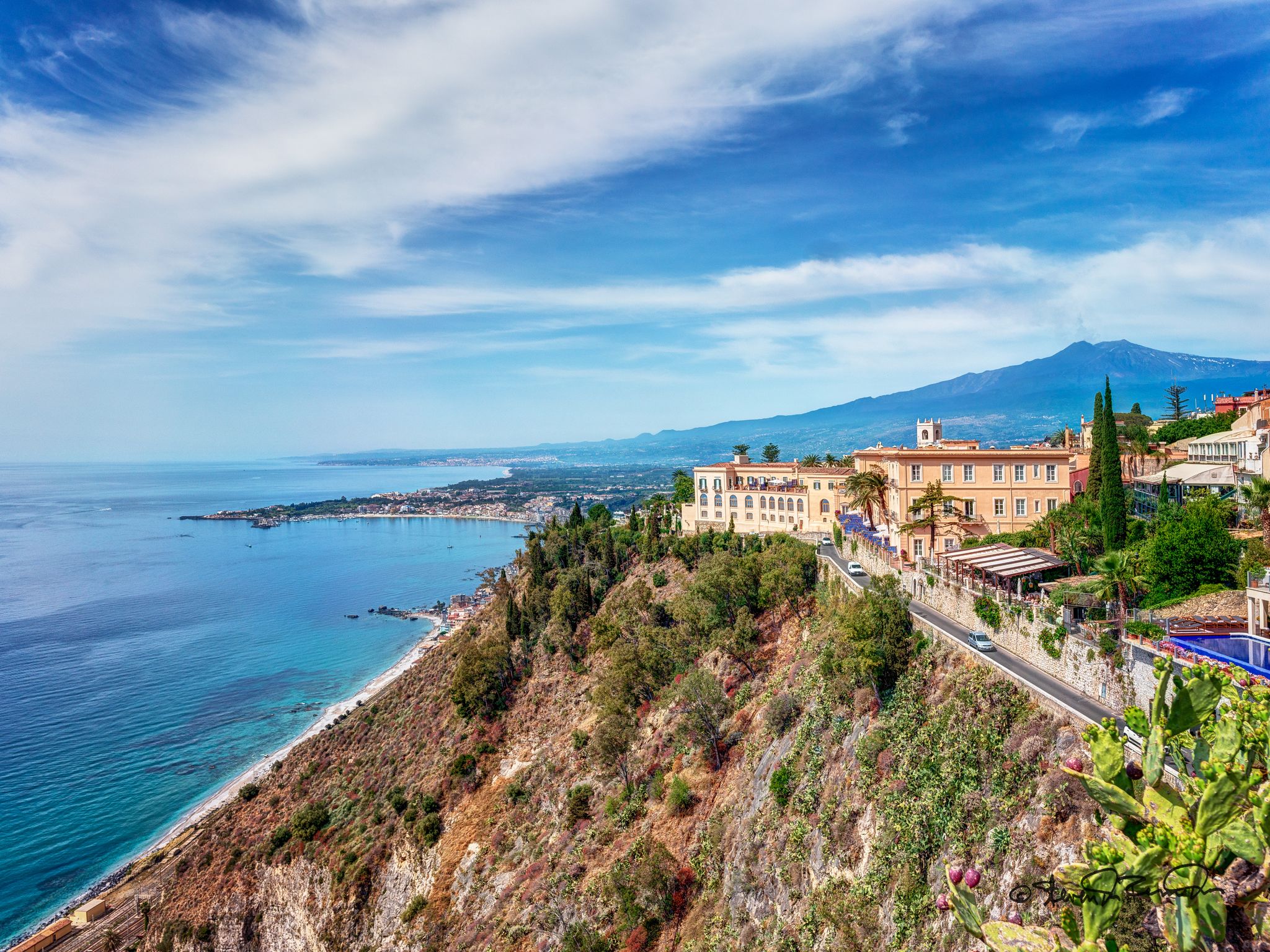
Sun and history – Magna Graecia Cycle Route through Sicily
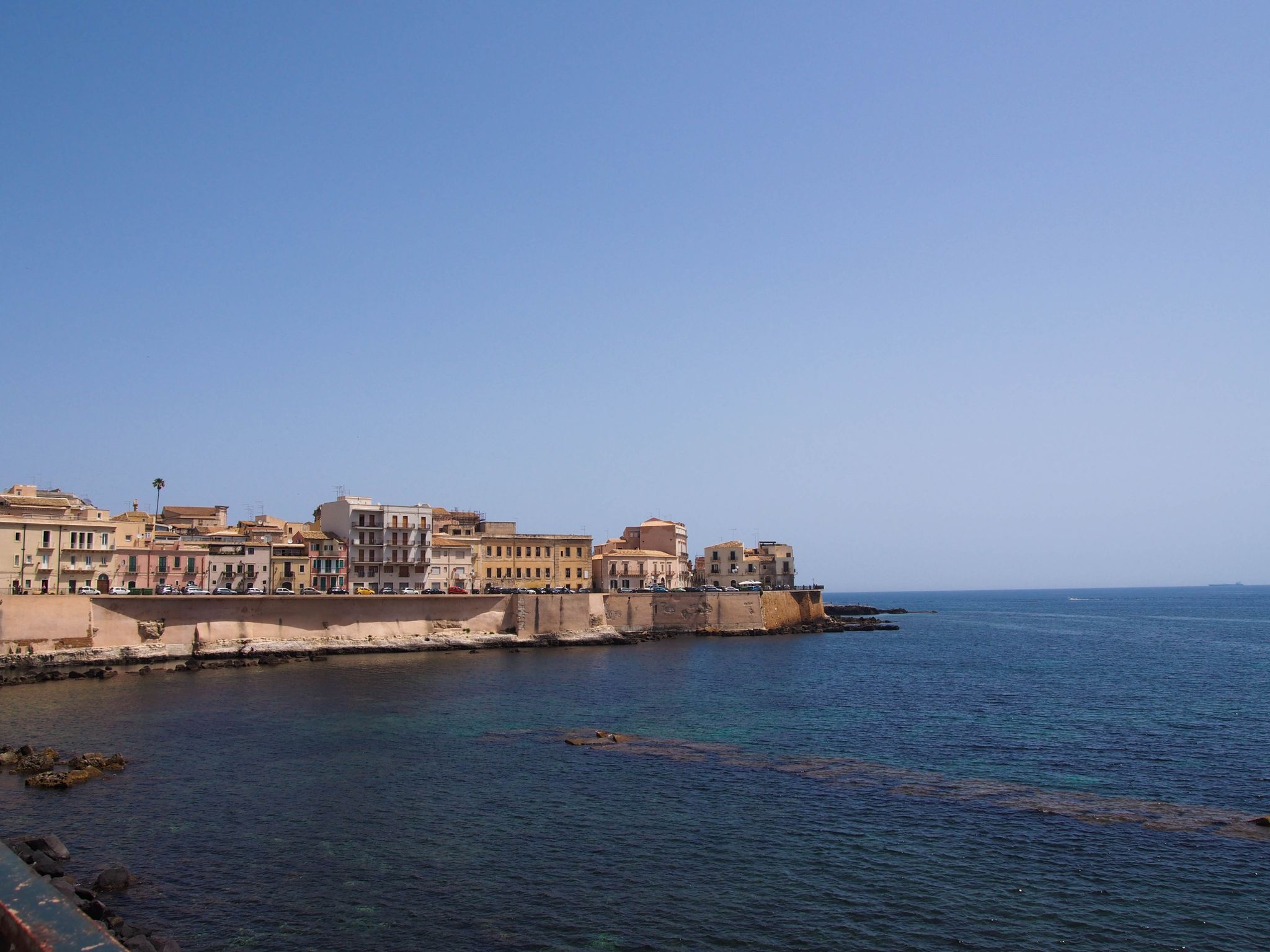
Sicily’s coast from Trapani to Syracuse – SIBIT Bike Route

Eastern Sicily by bike – on the Baroque route
Hiking in Siracusa
Cycling in Siracusa
Road Cycling Routes in Siracusa
Running Trails in Siracusa
MTB Trails in Siracusa
Other adventures in Siracusa


Tips from the Community

To visit off-season
0
0
Artificial cave characterized by a particular acoustics.
0
0

Wonderful installation with the heads - perfect for photos
0
0

A beautiful historical park that’s perfect for a relaxing walk. There’s so much history and fascinating details to discover.
0
0

The "Ear of Dionysus," which, according to legend, Caravaggio named it. It is said that the tyrant Dionysus I of Syracuse secretly eavesdropped on the conversations of his prisoners through this cave, and since it is shaped like a donkey's ear, Caravaggio probably found the name extremely fitting.
3
0

Artificial grotto with excellent acoustics. Excavations on the plateau above uncovered the remains of a temple dedicated to Artemis. The sound was presumably used for religious ceremonies.
0
0
Unfortunately closed and inaccessible due to rockfall danger
0
0
The park is located northwest of Syracuse and was established between 1952 and 1955. It features many impressive buildings, such as the Roman amphitheater, the largest Greek theater in Sicily, and the enormous altar of Hieron II.
0
0
Frequently Asked Questions
Are there family-friendly caves to visit in Siracusa?
Yes, several caves in Siracusa are considered family-friendly. Ear of Dionysius is a popular choice due to its unique acoustics and historical significance, located within the Neapolis Archaeological Park which also offers facilities. Calamosche Beach, while primarily a beach, features accessible caves nearby that families can explore.
What historical aspects do Siracusa's caves offer?
Siracusa's caves are rich in history. The Ear of Dionysius is famous for its legend involving the tyrant Dionysius I. Grotta dei Cordari was historically used by rope makers. The Anapo Valley features ancient Siculian rock-cut tombs, some later adapted as dwellings or chapels. The Latomie at the Archaeological Park of Syracuse are ancient quarries that also contain cave-like structures with historical significance.
Can I explore sea caves and observe marine life in Siracusa?
Siracusa is known for its sea caves along the coast. While specific marine life observation tours are not detailed in the guide, areas like Natural Coastal Pool and Cave offer opportunities to experience coastal grottoes. Many boat tours around Ortigia also visit various sea caves, providing views of the coastal geology.
What is the best season to visit the caves in Siracusa?
The best season to visit caves in Siracusa is typically spring (April-May) or autumn (September-October). During these months, the weather is pleasant, avoiding the intense heat of summer and the cooler, potentially wetter conditions of winter. This makes exploring both inland and coastal caves more comfortable.
What should I wear when exploring caves in Siracusa?
When exploring caves in Siracusa, wear comfortable walking shoes, as paths can be uneven. Even if it's warm outside, the temperature inside caves can be cooler, so a light jacket or long-sleeved shirt is advisable. For sea caves, swimwear and water shoes are recommended if you plan to enter the water.
Are there any lesser-known or 'hidden gem' caves in Siracusa?
While the Ear of Dionysius and Grotta dei Cordari are well-known, the region offers other interesting sites. The Ancient Cave Dwellings and Tanneries of the Cava d'Ispica provide a glimpse into ancient human settlements. Grotta della Pellegrina also offers a unique natural experience.
What outdoor activities can I do near the caves in Siracusa?
Near Siracusa's caves, you can find various outdoor activities. For cycling, explore routes like the 'Rossana Maiorca Cycle Path and Ortigia Loop' or 'Valle dell'Anapo from Siracusa' which can be found in the Cycling in Siracusa guide. Hiking options include the 'Ear of Dionysius – Grotta dei Cordari loop' or trails in the Easy hikes in Siracusa guide. Running trails like the 'Grotta del Ciclope – Disused Railway Coastal Path loop' are also available in the Running Trails in Siracusa guide.
What do visitors particularly enjoy about the caves in Siracusa?
Visitors frequently praise the unique acoustics of the Ear of Dionysius, describing it as 'spectacular' and 'impressive'. The historical context of sites like Grotta dei Cordari and the ancient rock-cut tombs in the Anapo Valley are also highly appreciated for their beauty and historical depth.
Is <a href="https://www.komoot.com/highlight/5160591" target="_blank" rel="noopener">Grotta dei Cordari</a> currently accessible?
As of recent visitor tips, Grotta dei Cordari has unfortunately been closed and inaccessible due to rockfall danger. It's advisable to check local conditions or official park websites before planning a visit.
Are any caves in Siracusa wheelchair accessible?
While many caves in Siracusa involve uneven terrain or steps, the Neapolis Archaeological Park, which houses the Ear of Dionysius, generally offers more accessible pathways within the park itself. However, direct access into some specific cave formations might still be limited. It is recommended to verify specific accessibility details with the park administration prior to your visit.
Are there parking options available near the main cave attractions in Siracusa?
For attractions like the Ear of Dionysius and Grotta dei Cordari, which are part of the Neapolis Archaeological Park, there are usually paid parking lots available nearby. For more remote natural caves or coastal areas, parking might be less formal and could involve walking from designated areas.
Do I need a permit to visit caves in Siracusa?
Generally, you do not need a separate permit for most publicly accessible caves in Siracusa. However, sites within archaeological parks, such as the Neapolis Archaeological Park, require an entrance ticket. For certain protected natural areas or private properties, specific access rules or guided tours might apply.
How long do typical cave visits or tours last in Siracusa?
The duration of a cave visit in Siracusa varies. Exploring a single site like the Ear of Dionysius within the Neapolis Archaeological Park might take 30-60 minutes, but visiting the entire park could take 2-3 hours. Sea cave boat tours typically range from 1 to 3 hours, depending on the itinerary.
Most popular routes in Siracusa
Most popular attractions in Siracusa

Get inspired with the komoot mobile app


Didn’t find what you were looking for?
Discover more caves in Siracusa region by region:
Explore more
Extend your search for the best caves by checking out these guides of the top ones in Siracusa:
