Attractions and Places To See around Neuvic - Top 6
Attractions and places to see around Neuvic, located in the Dordogne department, offer a blend of historical heritage and natural beauty. The town is situated along the Isle River, providing a tranquil setting for exploration. Visitors can discover historical landmarks, natural features, and cultural sites, with 6 hidden gems waiting to be explored.
Best attractions and places to see around Neuvic
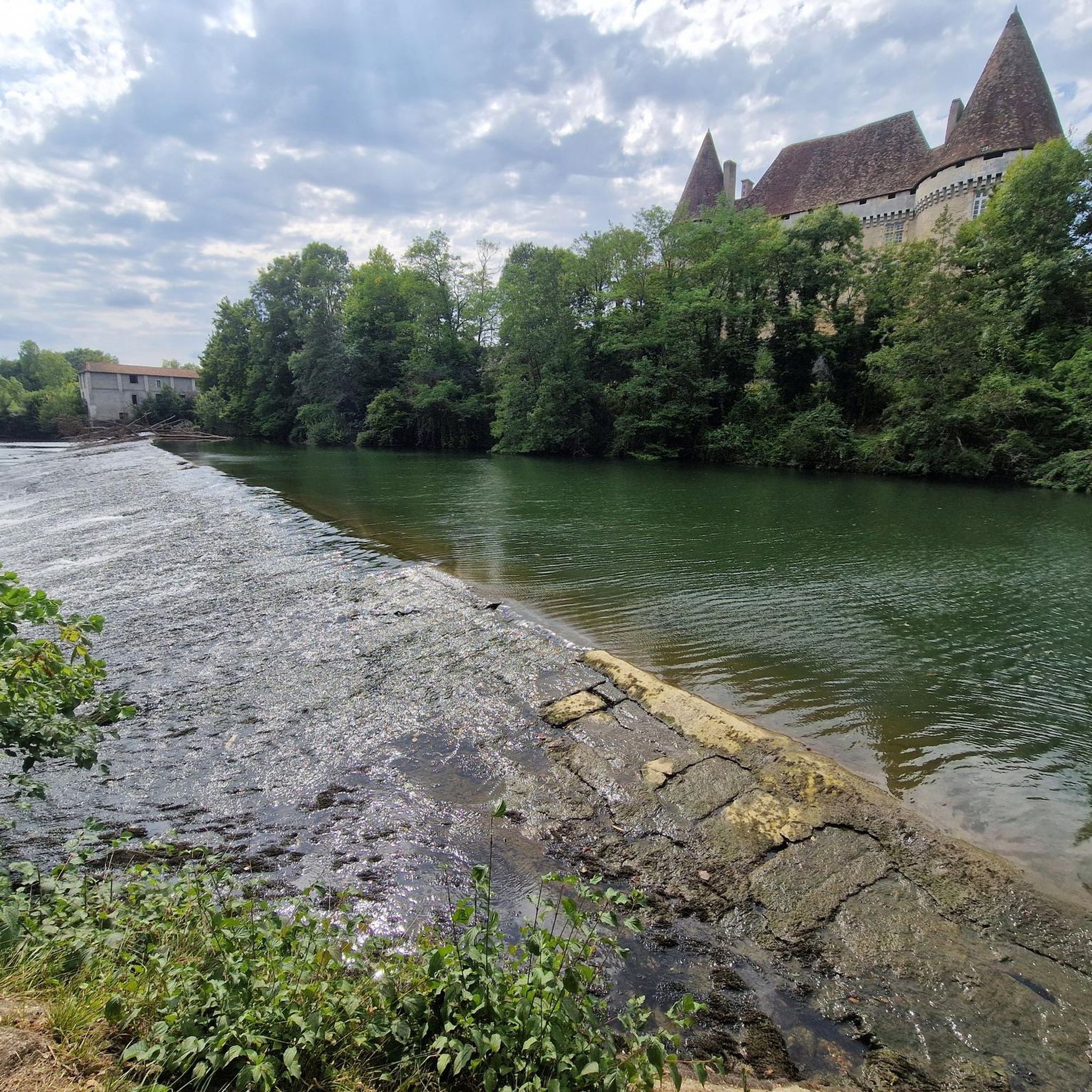
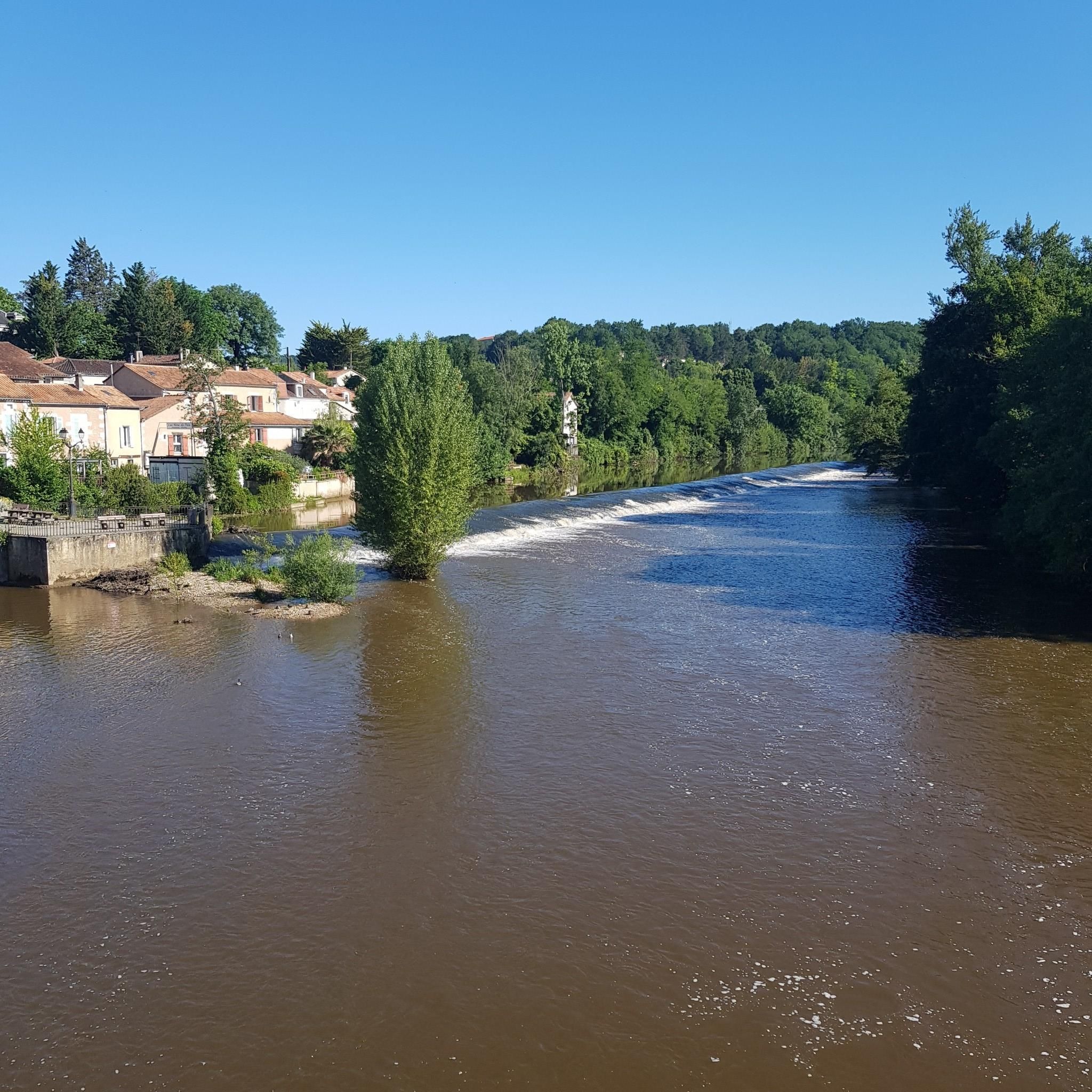
- The most popular attractions is The Isle at Saint-Léon-sur-l'Isle, a river that flows through a very pretty village.…
Last updated: July 2, 2026
Saint-Aquilin
Highlight • Other
Translated by Google •
Tip by

Jaure Church
Highlight • Other
Translated by Google •
Tip by

Sign up now to discover places like this
Get recommendations on the best single tracks, peaks, & plenty of other exciting outdoor places.
Sign up for free
The Isle at Saint-Léon-sur-l'Isle
Highlight • River
Translated by Google •
Tip by
Château de Barrière de Villamblard
Highlight • Castle
Translated by Google •
Tip by
Château de Puyferrat
Highlight • Castle
Translated by Google •
Tip by

Sign up for free to discover even more attractions around Neuvic.
Sign up for free
Already have an account?
Start today with a free account
Your next adventure awaits.
Login or Signup

Tips from the Community

Well worth a visit and there is an excellent coffee/tea/snack shop just opposite the covered market.
0
0

The Saint-Firmin de Jaure church, built in the 12th century, presents a fascinating blend of Romanesque and Gothic architecture, the result of numerous alterations over the centuries. Partially destroyed in 1376 during the siege of Grignols, it was restored in the 16th century, notably with the opening of side chapels, one of which was topped with a defensive chamber. Its bell tower was remodeled in the 17th century, while the interior is richly decorated with paintings dating from the 17th and 18th centuries, with coats of arms and historical motifs. The church has been listed in the supplementary inventory of historical monuments since 1984.
0
0
Puyferrat Castle, perched proudly on its hill, offers breathtaking views of Saint-Astier and the surrounding countryside. This 16th-century gem combines towers, turrets, and a patrol path, perfect for fairytale adventures. Behind its thick walls, it hides majestic rooms, a romantic chapel, and even ancient underground shelters for explorers at heart. Listed as a historical monument since 1862, it can be visited in the summer and has a thousand surprises in store for curious visitors who come to stroll through its 100 hectares of nature.
0
0

very pretty monument
0
0

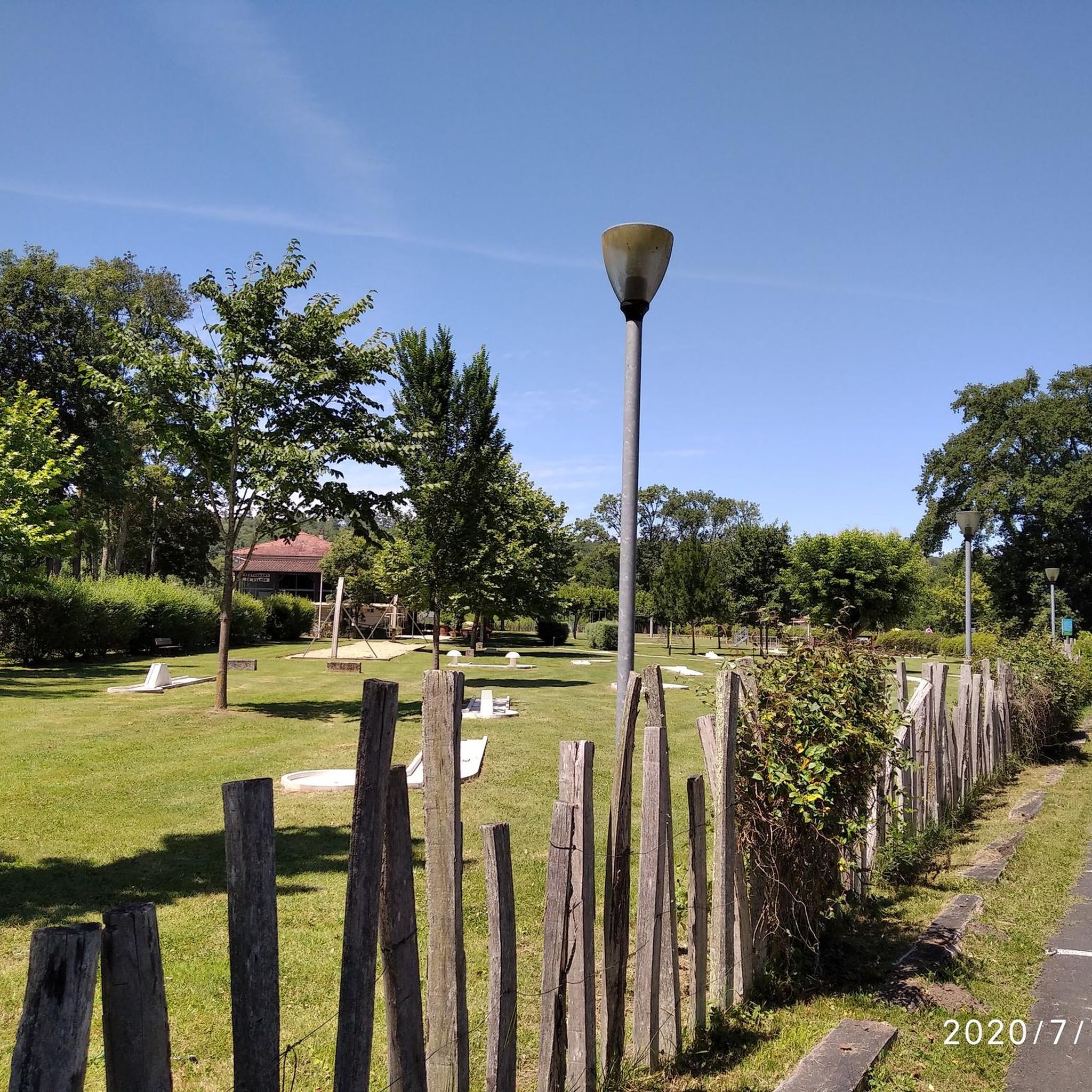
Why Visit Saint-Aquilin? For its historical heritage: Between the Romanesque church, the Château de la Jarthe and its ancient traditions, Saint-Aquilin is a village where the past continues to live. For its peaceful landscapes: Nestled in a valley, the village offers magnificent views of the surrounding nature, ideal for recharging your batteries far from the hustle and bustle of modern life. For the authentic experience of rural life: The village, with its farms, craftsmen and local traditions, allows visitors to discover the culture of Périgord in all simplicity. Saint-Aquilin, with its discreet charm and rich heritage, is an ideal stopover for those who wish to explore the calm and authenticity of the Dordogne.
2
0
Natural Heritage: Bucolic Landscapes: Saint-Aquilin is surrounded by green hills, forests and fields, offering many opportunities for hiking and strolling through the countryside. It is a privileged place for nature lovers and those seeking peace and quiet. Rivers and Streams: The presence of small rivers and streams adds to the beauty of the landscape. These waterways are an integral part of the charm of the region. Fontaine Saint-Jean: Ancient Place of Worship: The Fontaine Saint-Jean is an ancient place of pilgrimage where, in the past, the inhabitants came to pray and ask for healings. This site, surrounded by peaceful nature, remains a point of curiosity for visitors. Holy Water: The fountain is still considered a place of meditation, with water that is traditionally associated with healing properties. Rural Life and Crafts: Local Agriculture: The region around Saint-Aquilin is rich in agricultural land. Visitors can discover local products, such as honey, fruits, and other regional specialties, directly from local farms. Crafts: A few local artisans perpetuate traditional skills, offering a unique opportunity to acquire handmade objects, which reflect the authentic character of the region.
2
0
Saint-Aquilin is a picturesque village located in the Dordogne department, in the Nouvelle-Aquitaine region. This charming village, nestled in a rolling and green landscape, is known for its historical heritage, its natural landscapes and its peaceful atmosphere. Saint-Aquilin embodies the essence of French rural villages, with its old stones, its small streets and its connection with the surrounding nature. Points of Interest in Saint-Aquilin: Saint-Eutrope Church: Roman Heritage: The Saint-Eutrope Church is a listed Romanesque building, dating from the 12th century. Its sober architecture, with its typical bell-wall of the region, makes it one of the historical jewels of the village. Refined Interior: The interior of the church contains interesting elements such as ancient frescoes and sculpted capitals. It is a place that bears witness to the long Christian history of the village. Château de la Jarthe: Historic Residence: The Château de la Jarthe, located not far from the village center, is a beautiful building dating from the 17th century. Surrounded by greenery and gardens, it bears witness to the elegance of the rural residences of the time. Park and Gardens: The castle park, with its shaded paths and century-old trees, is a peaceful place, ideal for a relaxing walk.
2
0

Frequently Asked Questions
What historical landmarks can I explore in Neuvic?
Neuvic boasts several historical sites. The main attraction is the 16th-century Château de Neuvic, featuring Renaissance architecture, wall paintings, and the romantic 'Bain de Diane' grotto. You can also visit the Romanesque Saint-Pierre-et-Saint-Paul Church, with origins in the 12th century, and see traces of medieval fortifications, including three towers, around the village. Further afield, consider visiting Jaure Church, a blend of Romanesque and Gothic styles, or the impressive Château de Puyferrat, a 16th-century castle offering breathtaking views.
Are there any natural attractions or parks to visit in Neuvic?
Yes, Neuvic is rich in natural beauty. The Botanical Park of Château de Neuvic, a 'Remarkable Garden,' covers six hectares with 370 tree species and is a refuge for birds. The Isle River flows through Neuvic, perfect for walks, bike rides, and water activities like canoeing. Nearby, the Dordogne Gorges offer stunning natural landscapes, and Lac de la Triouzoune provides opportunities for swimming and nautical leisure activities, especially lively in summer.
What cultural experiences can I find in Neuvic?
For unique cultural experiences, you can tour the Neuvic Caviar Estate to learn about sturgeon farming and sample local caviar. Visit the Moulin de la Veyssière, a 16th-century watermill that artisanally produces various nut oils and flours. Explore the traditional half-timbered Maisons Doubleaudes to understand ancient regional farmhouses, or delve into history at the Departmental Museum of Resistance Henri Queuille.
What outdoor activities are available around Neuvic?
The area around Neuvic is excellent for outdoor enthusiasts. You can enjoy various cycling routes, including road cycling and mountain biking trails. The Isle River offers opportunities for canoeing, kayaking, and stand-up paddleboarding. For runners, there are several running trails, including easy loops from Neuvic itself.
Are there any family-friendly activities in Neuvic?
Families can enjoy exploring the Botanical Park of Château de Neuvic, which offers ample space and interesting trees. The Isle River provides a small river beach and opportunities for gentle water activities. Lac de la Triouzoune is also a great spot for family fun, with swimming and various nautical leisure activities during the warmer months. Visiting the Neuvic Caviar Estate can also be an educational and engaging experience for all ages.
What is the best time to visit Neuvic's attractions?
The summer months, particularly July and August, are ideal for guided visits to the Château de Neuvic and for enjoying the lively atmosphere and water activities at Lac de la Triouzoune. The Botanical Park of Château de Neuvic is open year-round, with free access outside of June, July, and August. Spring and autumn offer pleasant weather for exploring the natural landscapes and historical sites without the peak summer crowds.
Where can I find local products and markets in Neuvic?
Neuvic hosts weekly markets on Tuesdays and Saturdays, where you can find a selection of local products. The Moulin de la Veyssière is also an excellent place to purchase artisanally produced walnut, hazelnut, almond, and peanut oils and flours directly from a historic watermill.
What do visitors enjoy most about the area around Neuvic?
Visitors particularly appreciate the tranquil setting and natural beauty, especially along The Isle at Saint-Léon-sur-l'Isle, which is ideal for a stopover or refreshment break. The picturesque village of Saint-Aquilin is also highly rated as a starting point for hikes and bike rides, known for its calm atmosphere and beautiful nature.
Are there any easy hiking or walking trails near Neuvic?
Yes, there are several easy walking and running trails around Neuvic. For instance, you can find an easy running loop from Neuvic itself, spanning about 4.5 km. The village of Saint-Aquilin is also noted as a good starting point for easy hikes and bike rides, offering many paths through beautiful, calm natural surroundings.
What are some notable châteaux in the Neuvic region?
Beyond the prominent Château de Neuvic, the region features other historical châteaux. The privately owned Château de Fratteau, built between the 13th and 14th centuries, houses an artisanal pottery workshop. You can also visit Château de Puyferrat, a 16th-century castle with towers and turrets, or the ruins of Château de Barrière de Villamblard, which still retains its impressive facade.
Can I go wild swimming near Neuvic?
While not explicitly designated 'wild swimming' spots, the Isle River offers a small river beach in Neuvic, suitable for a refreshing dip. Additionally, Lac de la Triouzoune, located north of Neuvic, is a large dam lake that is lively in summer and offers swimming opportunities, making it a popular choice for cooling off.

Get inspired with the komoot mobile app


Explore more
Still not found the Highlight you’re looking for? See guides of the top attractions in other regions:
