Attractions and Places To See in Brindisi - Top 20
Best attractions and places to see in Brindisi include a range of historical landmarks, cultural sites, and natural beauty. This historic port city on Italy's Adriatic coast in the Puglia region offers diverse exploration opportunities. From ancient Roman ruins to impressive castles and natural reserves, Brindisi provides varied points of interest. Its strategic location also makes it a base for discovering the wider region.
Best attractions and places to see in Brindisi
- The most popular attractions is Figazzano Bridge,…
Last updated: August 16, 2026
Column of Saint Oronzo (Colonna di Sant'Oronzo), Ostuni
Highlight • Monument
The column, almost 21 meters high, and is also known as the “spire”. It stands in Piazza della Libertà, in the historic …
Translated by Google •
Tip by

Galante Aqueduct Bridge (Apulian Aqueduct Cycleway)
Highlight • Bridge
Translated by Google •
Tip by

Sign up now to discover places like this
Get recommendations on the best single tracks, peaks, & plenty of other exciting outdoor places.
Sign up for free
Figazzano Bridge
Highlight • Bridge
Translated by Google •
Tip by

Church of San Francesco
Highlight • Religious Site
Translated by Google •
Tip by

Ulmo Pine Grove
Highlight • Forest
Translated by Google •
Tip by
Ostuni – The White City
Highlight • Settlement
Translated by Google •
Tip by

Rock Church Sanctuary of San Biagio
Highlight • Religious Site
Translated by Google •
Tip by

Torre Canne Lighthouse
Highlight • Monument
Translated by Google •
Tip by
Montalbano Dolmen
Highlight • Monument
The Montalbano di Fasano area …
Translated by Google •
Tip by
Roman Columns of Brindisi
Highlight • Historical Site
Translated by Google •
Tip by

Sign up for free to discover even more attractions in Brindisi.
Sign up for free
Already have an account?
Start today with a free account
Your next adventure awaits.
Login or Signup
Popular around Brindisi
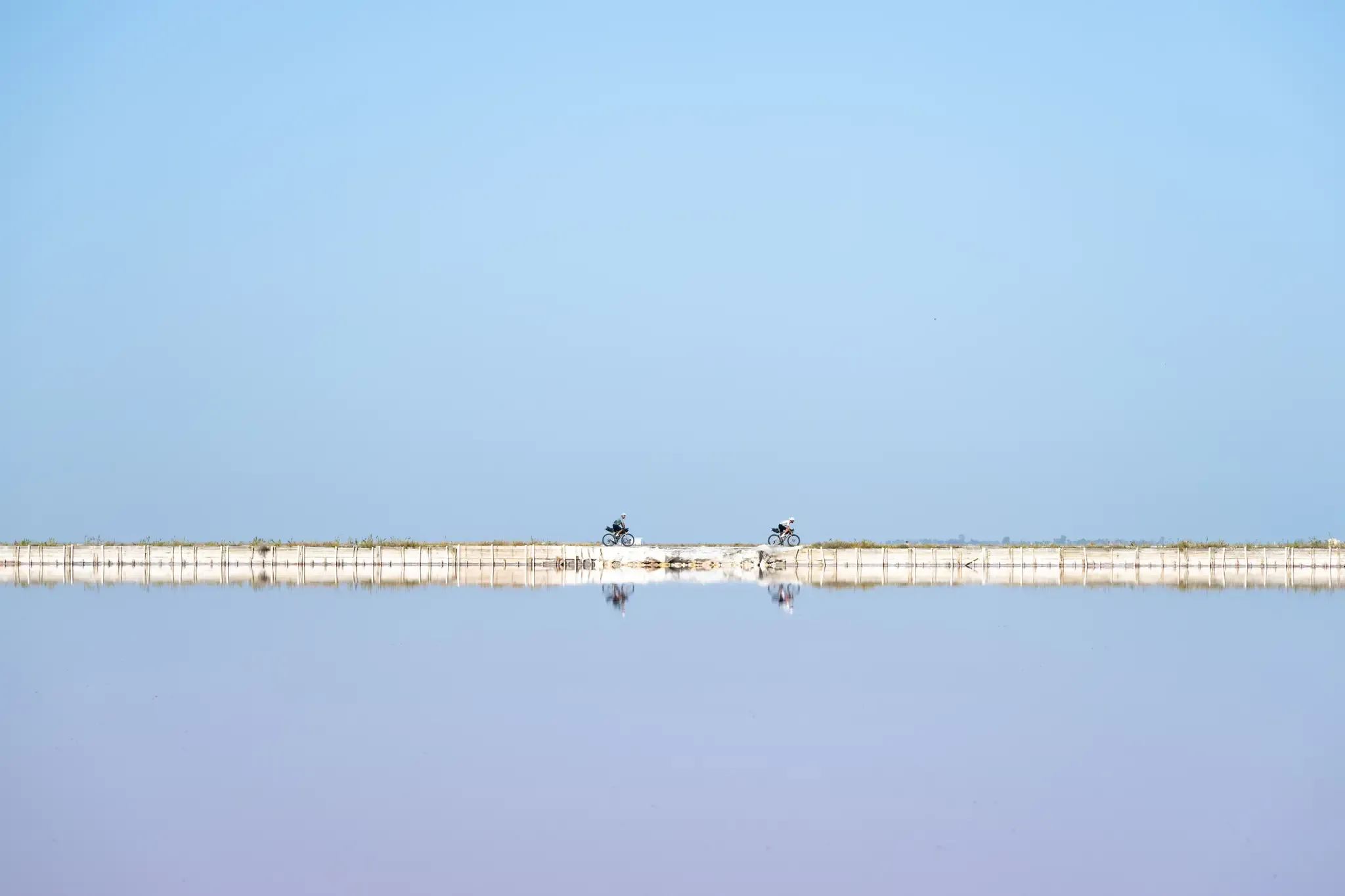
Trieste to Santa Maria di Leuca – the Adriatic Cycle Route
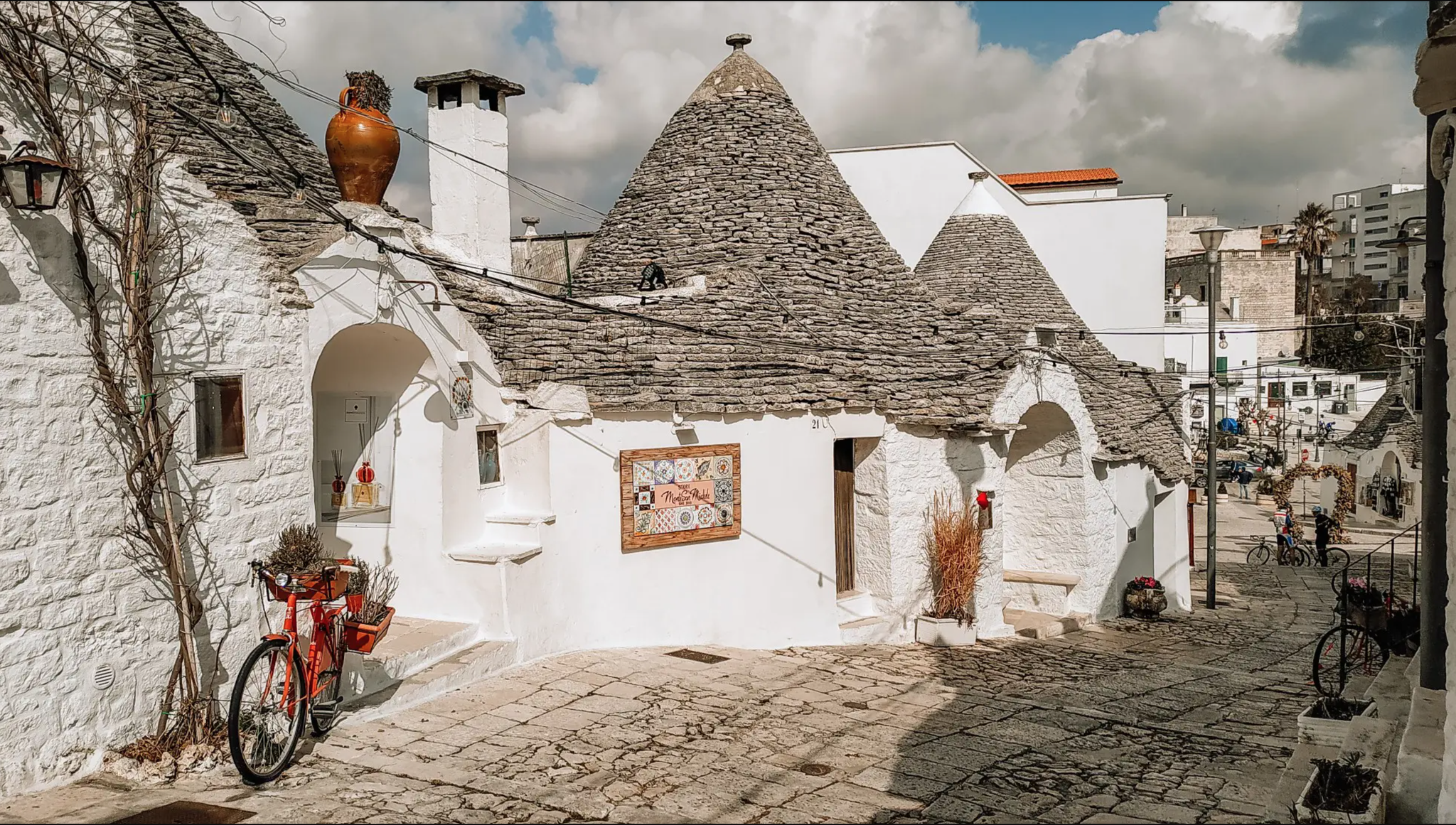
Cycle through the painted blue – a journey of discovery in Puglia
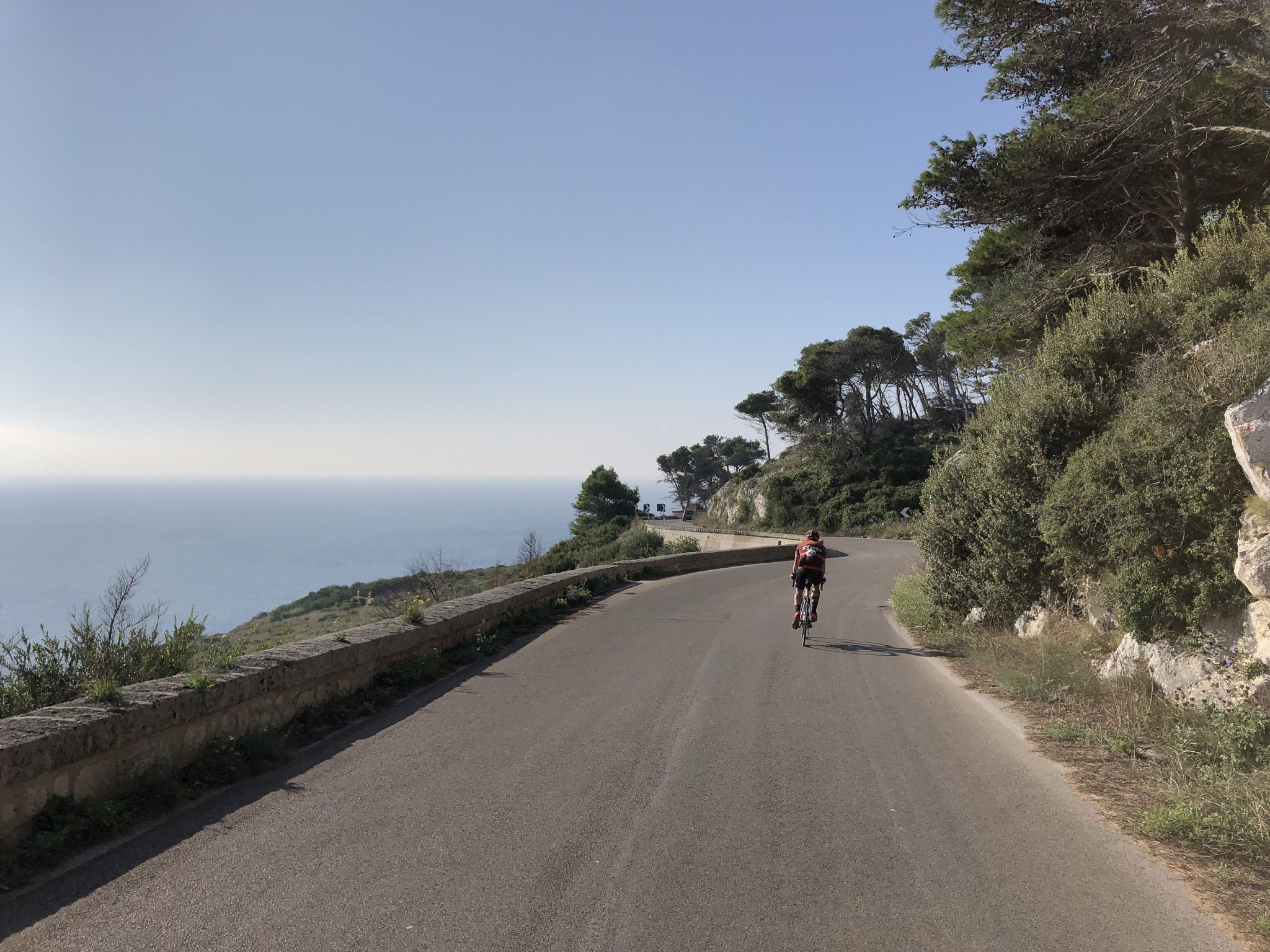
Italy’s Puglia from Bari to Santa Maria di Leuca — all the way south
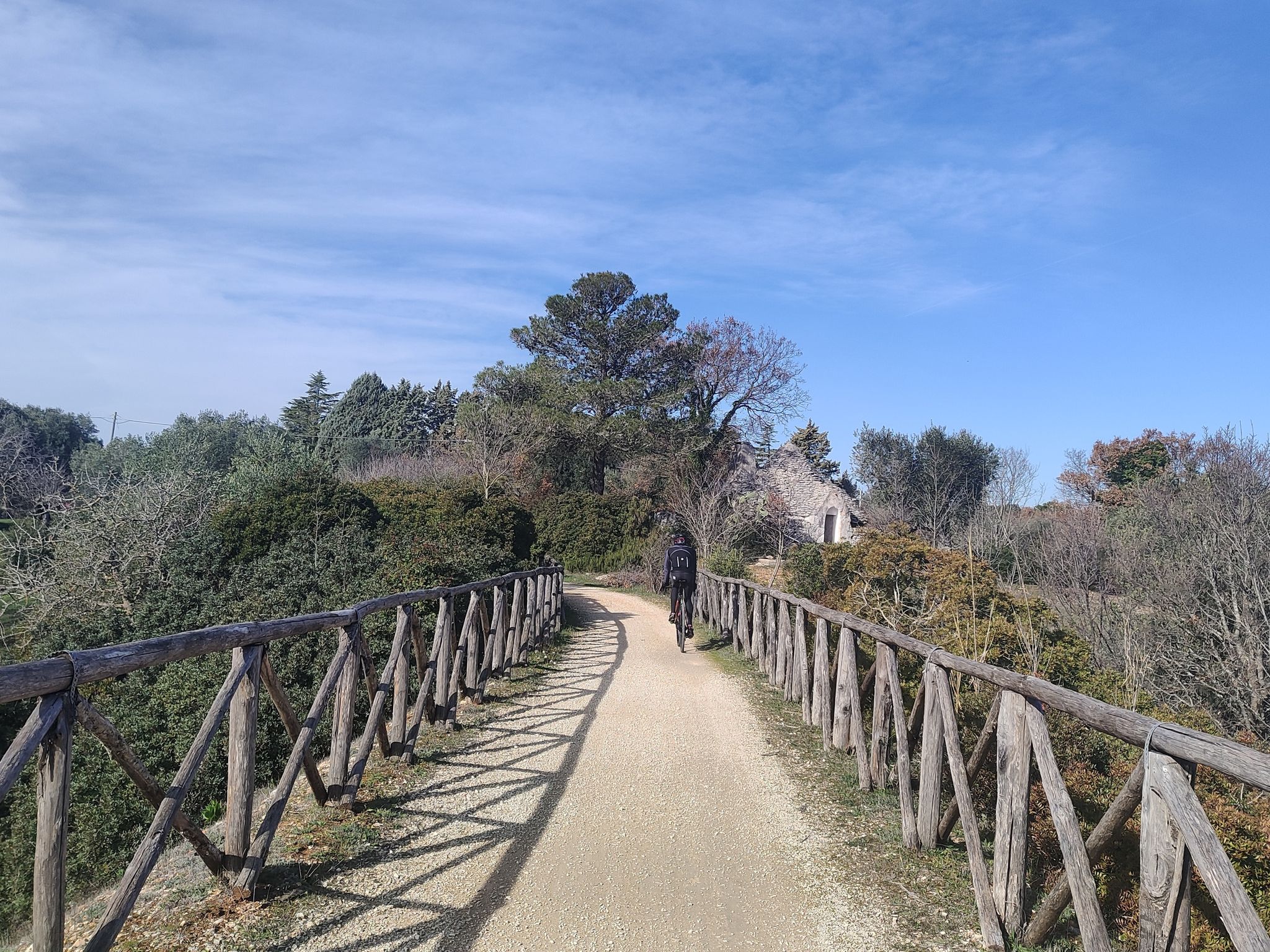
Ciclovia Anello d'oro di Puglia - Viaggio nella Puglia profonda
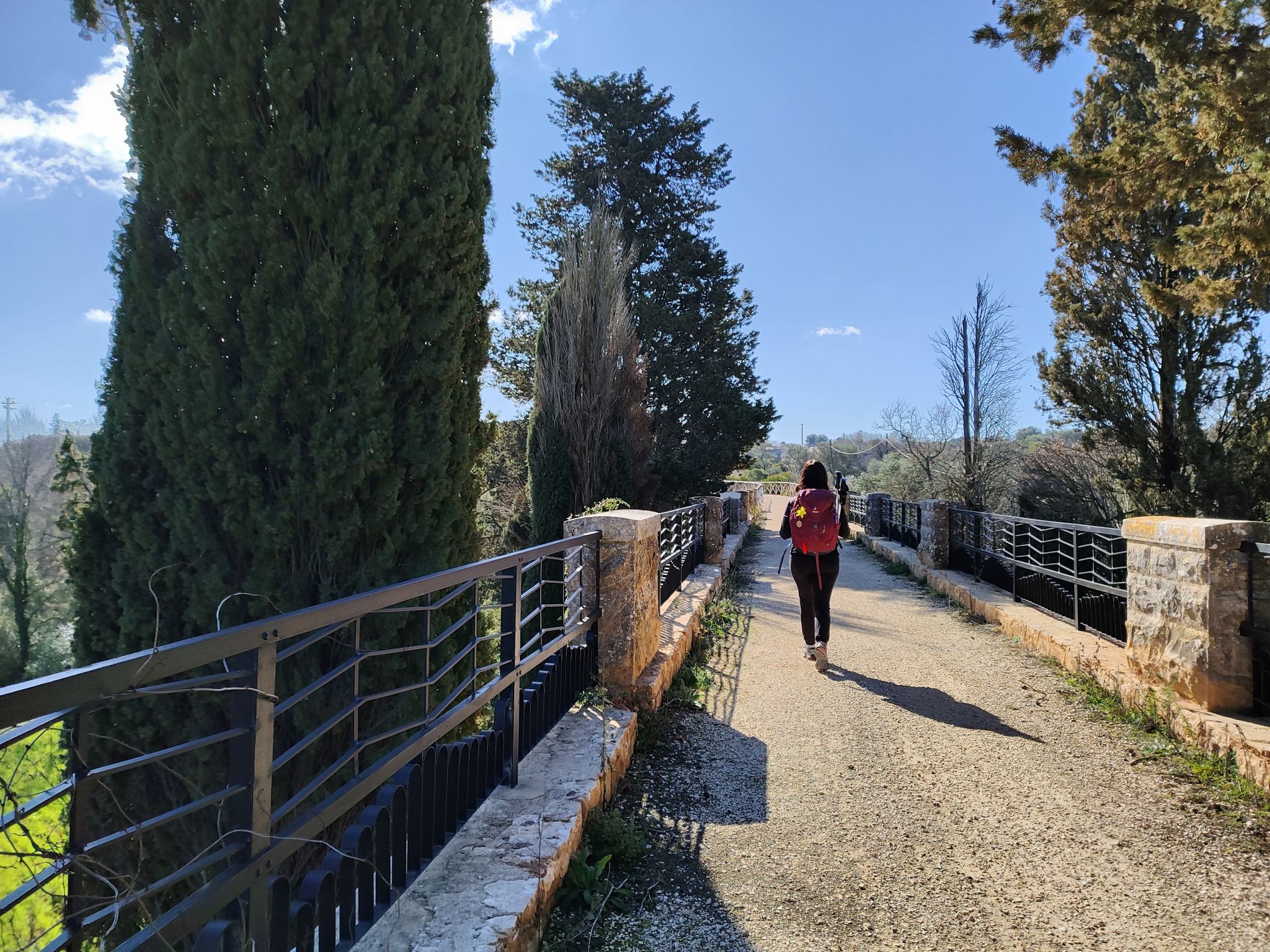
Anello d'oro di Puglia - Trekking nella Puglia profonda
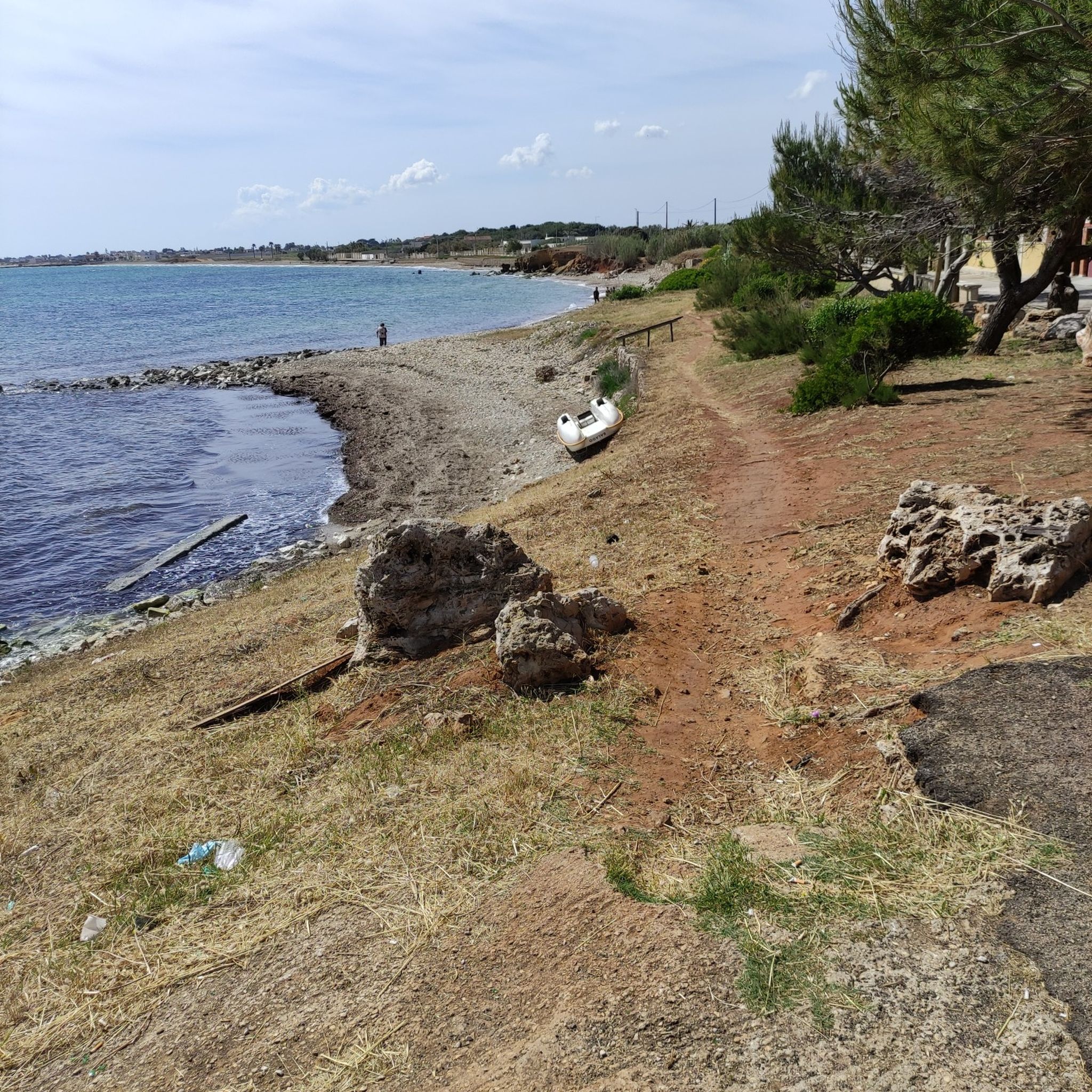
Hiking in Brindisi
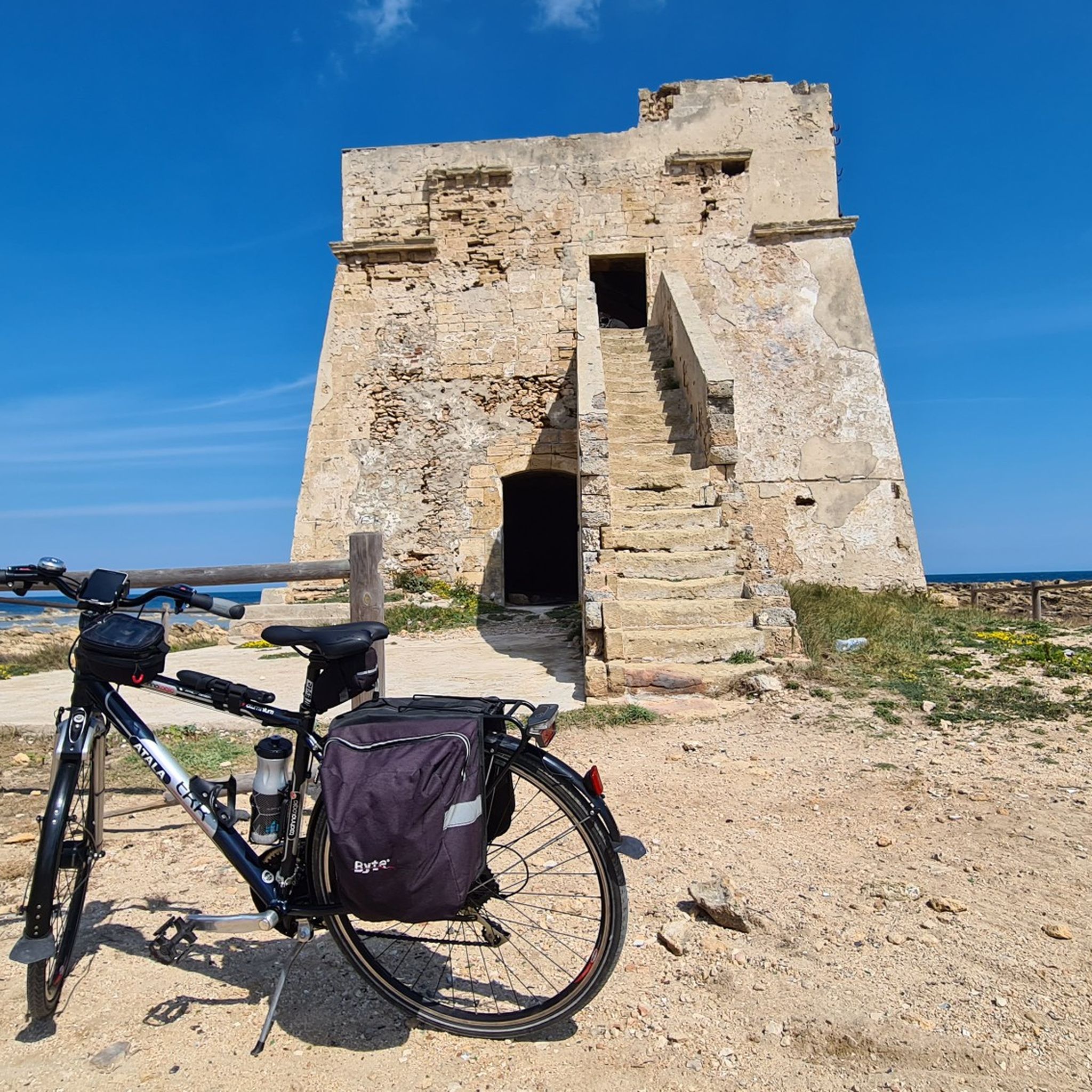
Cycling in Brindisi
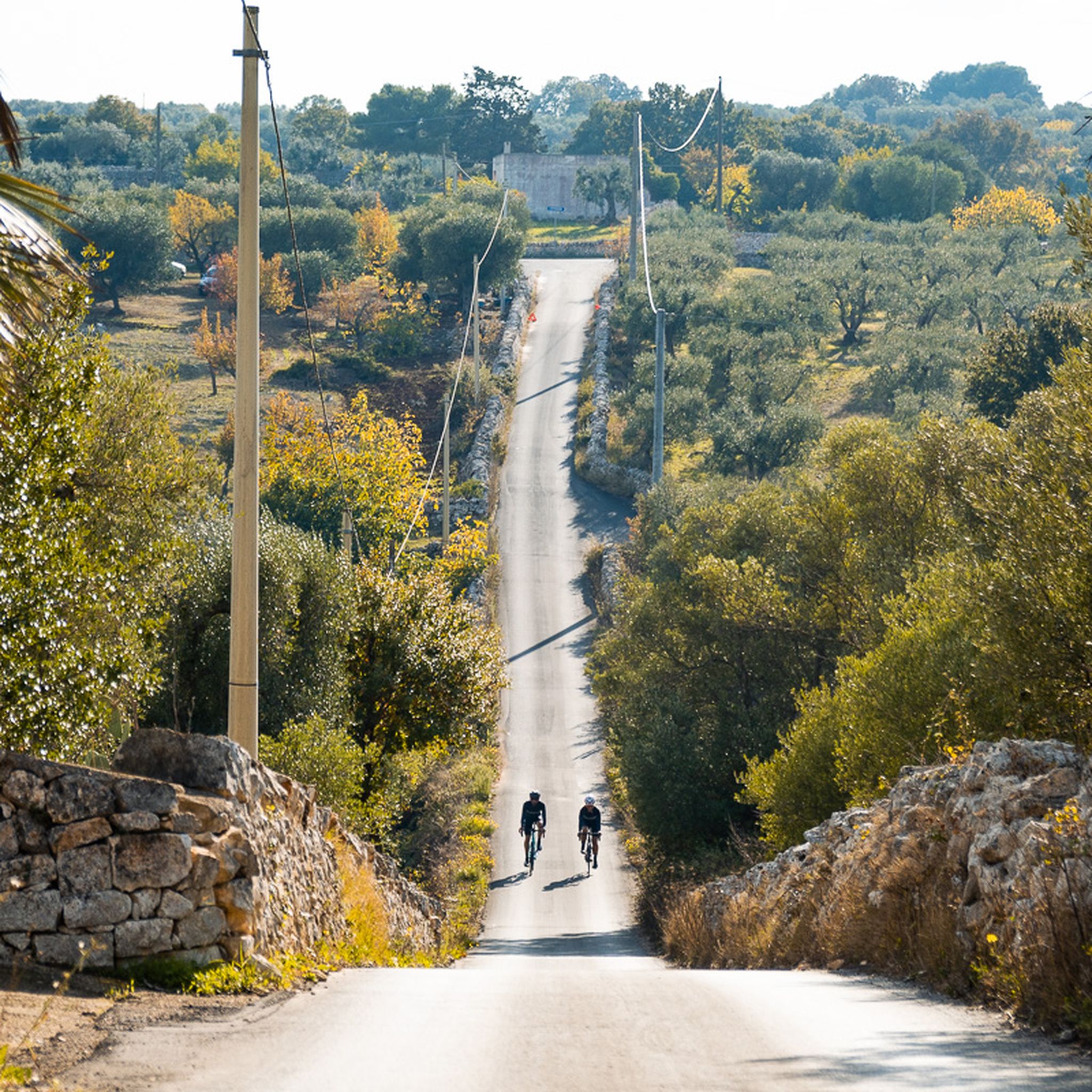
Road Cycling Routes in Brindisi
Running Trails in Brindisi
MTB Trails in Brindisi
Other adventures in Brindisi


Tips from the Community

It was part of a Franciscan monastery that existed until 1809 and today, together with the former monastery, which is now the town hall, forms an important cultural center of the city. Originally Gothic, the facade was renovated in the Baroque style in the 17th century. The interior is characterized by a single nave, side altars, and colorful stained glass windows.
1
0

A church dating back to 1304, built by the Conventual Fathers Minor, who cared for it for over five centuries, the church of San Francesco, following the first suppression of the religious orders, was handed over to the Archconfraternity of the Immaculate Conception, which still manages it today.
4
0

The Ulmo Pine Forest, featuring a picnic area equipped with wooden tables and benches, extends over approximately ten hectares in the Ceglie Messapica area, in the heart of the Itria Valley. It's the ideal place to spend a relaxing day with friends and family, sheltered by the shade of the Mediterranean scrub and dense Aleppo pine forest, or simply to take a break before continuing your exploration of the surrounding countryside and the nearby towns of the Itria Valley.
0
0

Roman Columns of Brindisi (1/4) The end of the Via Appia Antica, known locally as the Roman Columns of Brindisi, is a remarkable historical landmark in the charming port city of Brindisi, Italy. This ancient monument, steeped in history and surrounded by local legends, offers a fascinating glimpse into the past and is a must-see for any traveler exploring the region. The Historical Significance of the Columns The end of the Via Appia Antica is no ordinary monument; it is a testament to the lasting legacy of the Roman Empire. Originally, two tall columns marked the endpoint of the famous Via Appia, one of the earliest and most strategically important Roman roads connecting Rome to Brindisi. These columns have silently guarded the harbor for centuries, witnessing the changing tides of history.
0
0

The Torre Canne Lighthouse is a landmark of the seaside resort of the same name in the municipality of Fasano in Apulia, Italy. Built starting in 1927, it is a 35-meter-high, octagonal tower that illuminates the coast with its light. The lighthouse is surrounded by modern architecture that blends harmoniously with its surroundings, with palm trees, fountains, and bronze sculptures. The lighthouse is more than just a navigation point. It is a symbol of the town and its history, which dates back to the 16th century, when a coastal watchtower (torre) was built for protection against the Turks. The name "Torre Canne" derives from this ancient watchtower and the presence of giant reeds.
2
0

You should definitely visit the small, narrow streets off the beaten track.
1
0
The houses integrated into the fortification walls are unique to Ostuni. A walk along the city walls is a must.
1
0
The church was originally built in the Romanesque style, then altered in the Gothic style and finally completely renovated in 1615 and completely redesigned in the Baroque style with painting and other restoration work in the second half of the 18th century.
1
0
Frequently Asked Questions
What historical landmarks can I explore in Brindisi?
Brindisi is rich in history. You can visit the iconic Roman Columns, which mark the terminus of the ancient Via Appia. The city also boasts impressive fortifications like the 13th-century Castello Svevo (Castello di Terra) and the sea fortress Castello Alfonsino on Sant'Andrea Island. Don't miss the Brindisi Cathedral in Piazza Duomo, or the unique circular Church of San Giovanni al Sepolcro, a notable example of Byzantine architecture.
Are there any natural attractions or green spaces in Brindisi?
Yes, Brindisi offers several natural escapes. The Ulmo Pine Grove is a popular spot with a picnic area, paths, and wooden tables, providing shade and fresh air. Further afield, the Torre Guaceto Nature Reserve offers dunes, coves, and crystal-clear waters for nature lovers. You can also enjoy leisurely strolls along the scenic Lungomare Regina Margherita, the city's waterfront promenade.
What kind of outdoor activities can I do near Brindisi's attractions?
The Brindisi area is excellent for outdoor activities, especially cycling and running. You can explore the Apulian Aqueduct Cycleway, which features highlights like the Figazzano Bridge and the Galante Aqueduct Bridge, offering scenic views of cultivated fields and Trulli. For running, there are various routes including loops in the city, along the Puglia Aqueduct, or through the Torre Guaceto Reserve. Mountain biking and gravel biking routes are also available, such as the 'Da Ostuni verso San Vito e il Santuario di San Biagio' route or the 'Figazzano Bridge – Galante Cycle Bridge loop from Cisternino'. You can find more details on these activities in the Running Trails in Brindisi, MTB Trails in Brindisi, and Gravel biking in Brindisi guides.
Are there family-friendly attractions in Brindisi?
Many attractions in Brindisi are suitable for families. The Ulmo Pine Grove is ideal for a day out with its picnic area and paths. Historical sites like the Roman Columns and the Monument to the Italian Sailor can be engaging for older children. The nearby 'white city' of Ostuni, with its charming streets and the Column of Saint Oronzo, also offers a pleasant family excursion.
What is the best time of year to visit Brindisi?
Brindisi enjoys a Mediterranean climate. Spring (April-May) and early autumn (September-October) are generally considered the best times to visit, offering pleasant temperatures for exploring historical sites and enjoying outdoor activities without the intense heat of summer. Summer (June-August) is popular for beach activities, but can be very hot.
What are some unique cultural sites to visit in Brindisi?
Beyond the main landmarks, explore the Palazzo Granafei-Nervegna, a 16th-century Renaissance palace that houses Roman house remains and the original top of a Roman column. The Archaeological Museum (Museo Archeologico Provinciale Francesco Ribezzo) offers an extensive collection of artifacts, providing deep insight into the city's ancient past. Strolling through Brindisi's historic center, with its narrow streets and picturesque squares like Piazza Duomo, also offers a rich cultural experience.
Can I find good viewpoints in Brindisi?
Absolutely. The Monument to the Italian Sailor offers panoramic views of the port, old town, and Adriatic coastline from its top. The area around the Roman Columns also provides excellent views over the harbor. For a different perspective, the 'white city' of Ostuni, a popular day trip, offers stunning hilltop vistas.
What do visitors enjoy most about the attractions in Brindisi?
Visitors frequently praise the unique blend of history and natural beauty. The Galante Aqueduct Bridge is described as an 'emotion on a huge park of extraordinary beauty' for its cycling opportunities amidst olive trees and Mediterranean scrub. The Ulmo Pine Grove is appreciated for being 'very beautiful and well-kept,' an ideal place to spend a day with friends or family. The historical sites are valued for their impressive architecture and rich past.
Are there any ancient ruins or archaeological sites near Brindisi?
Yes, Brindisi has a significant ancient past. The Roman Columns are a direct link to the Roman Empire, marking the end of the Via Appia. The Palazzo Granafei-Nervegna contains remains of a Roman house. For a deeper dive, the Archaeological Museum houses numerous Roman sculptures, pottery, and inscriptions. Further afield, the Montalbano Dolmen offers a glimpse into prehistoric times.
What are some recommended day trips from Brindisi?
Brindisi's location makes it a great base for exploring Puglia. Popular day trips include Ostuni, known as the 'white city,' Lecce for its Baroque architecture, Alberobello with its unique 'trulli' houses, and Polignano a Mare for its dramatic cliffs and sea caves. Each offers a distinct experience of the region's culture and landscapes.
Are there any religious sites of interest in Brindisi?
Brindisi features several notable religious sites. The Brindisi Cathedral, dating back to the 11th century, showcases Romanesque architecture and parts of its original mosaic floor. The unique circular Church of San Giovanni al Sepolcro, modeled after the Church of the Holy Sepulchre in Jerusalem, is another significant historical church. Nearby, the Rock Church Sanctuary of San Biagio near Ostuni is a fascinating 12th-century rock church nestled in a rocky ridge.
Where can I find a scenic walk or promenade in Brindisi?
The Lungomare Regina Margherita is Brindisi's scenic waterfront promenade, perfect for a leisurely walk. It offers stunning views of the Adriatic Sea and the harbor, with cafes and restaurants along the way. It's a popular spot for both locals and visitors to enjoy the coastal atmosphere.
Most popular routes in Brindisi
Most popular attractions in Brindisi

Get inspired with the komoot mobile app


Didn’t find what you were looking for?
Are you keen on exploring more awesome places nearby? Browse our guides:
Explore more
Still not found the Highlight you’re looking for? See guides of the top attractions in other regions:
