Top 20 Caves in Bari
Best caves in Bari are found within a region characterized by its karst landscape and Adriatic coastline. This area of Puglia features a diverse topography, including sinkholes, gorges, and coastal cliffs. The natural formations have led to the development of numerous caves, some of which hold historical and archaeological significance. Bari's caves offer insights into geological processes and ancient human activity.
Best caves in Bari
- The most popular caves is Pulo of Altamura, a canyon that is a karst…
Last updated: June 29, 2026
Pulo of Altamura
Highlight • Canyon
This created a more or less …
Translated by Google •
Tip by

Castellana Caves
Highlight • Cave
Translated by Google •
Tip by

Sign up now to discover places like this
Get recommendations on the best single tracks, peaks, & plenty of other exciting outdoor places.
Sign up for free
Spirito Santo Rock Sanctuary
Highlight • Religious Site
Translated by Google •
Tip by

San Martino Cave
Highlight • Cave
Translated by Google •
Tip by
Lama Monachile and Chiangella Cave
Highlight • Beach
Translated by Google •
Tip by

Rock Church of San Procopio
Highlight • Religious Site
Translated by Google •
Tip by

Curtomartino Cave
Highlight • Cave
Translated by Google •
Tip by

Ardito Cave
Highlight • Cave
Translated by Google •
Tip by

Cave of the Crucifix
Highlight • Cave
Translated by Google •
Tip by

Rock-cut Church of Saint George
Highlight • Religious Site
It is a rock settlement dating back to the Middle Ages, but with an uncertain past.
It is …
Translated by Google •
Tip by
Sign up for free to discover even more caves in Bari.
Sign up for free
Already have an account?
Start today with a free account
Your next adventure awaits.
Login or Signup
Popular around Bari
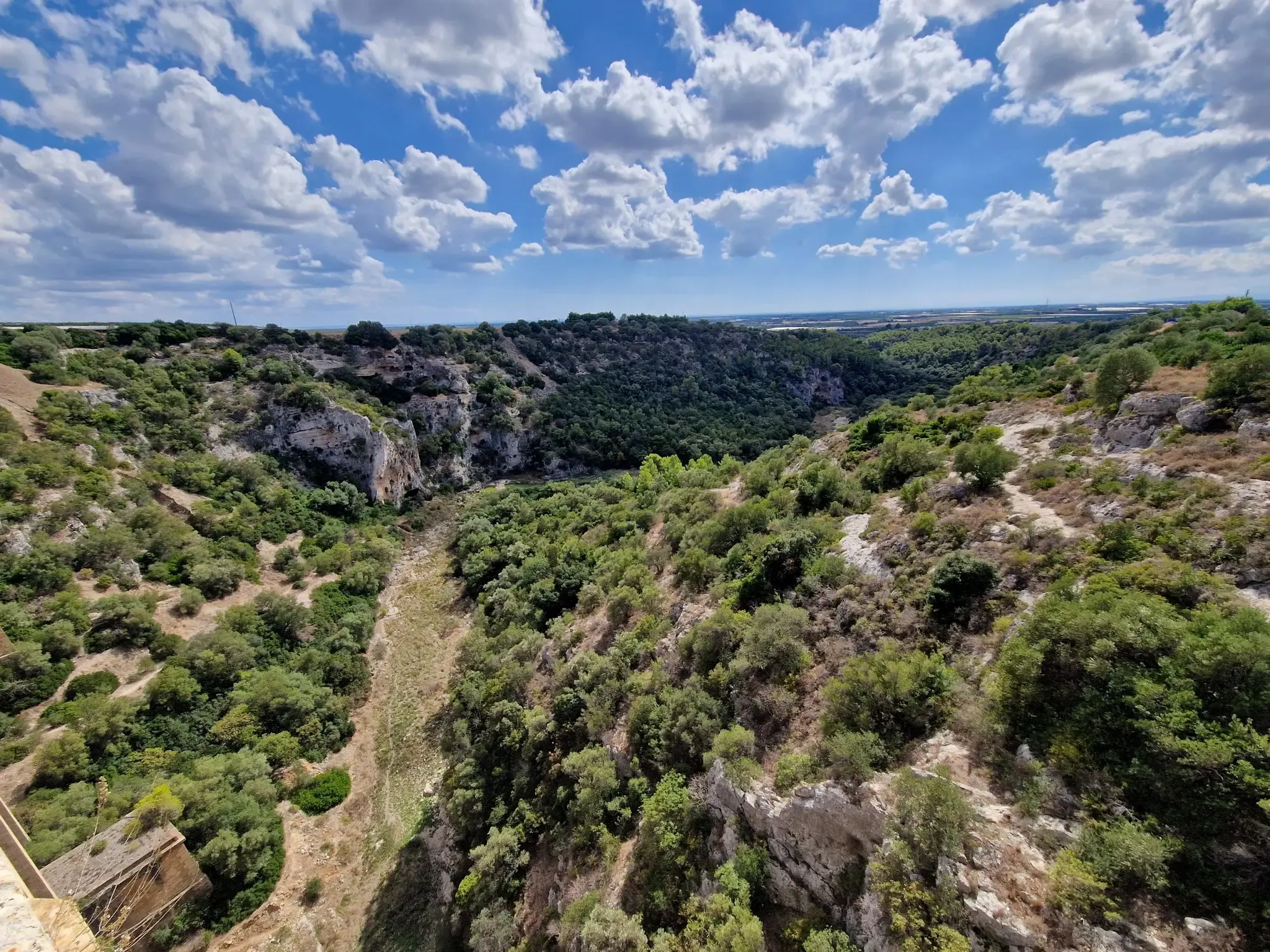
Discovering Puglia by bike – essential rides
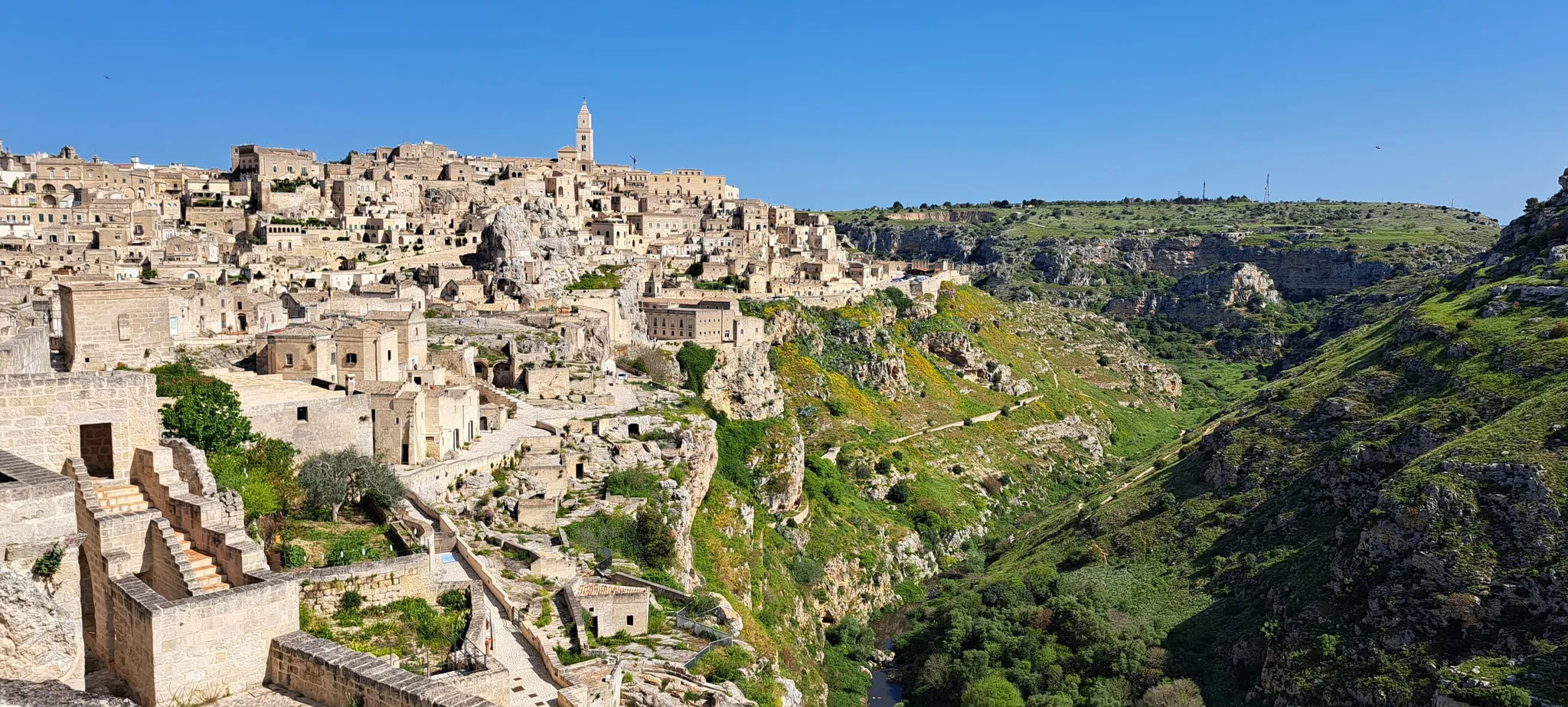
Among olive trees and white stone - Via Peuceta
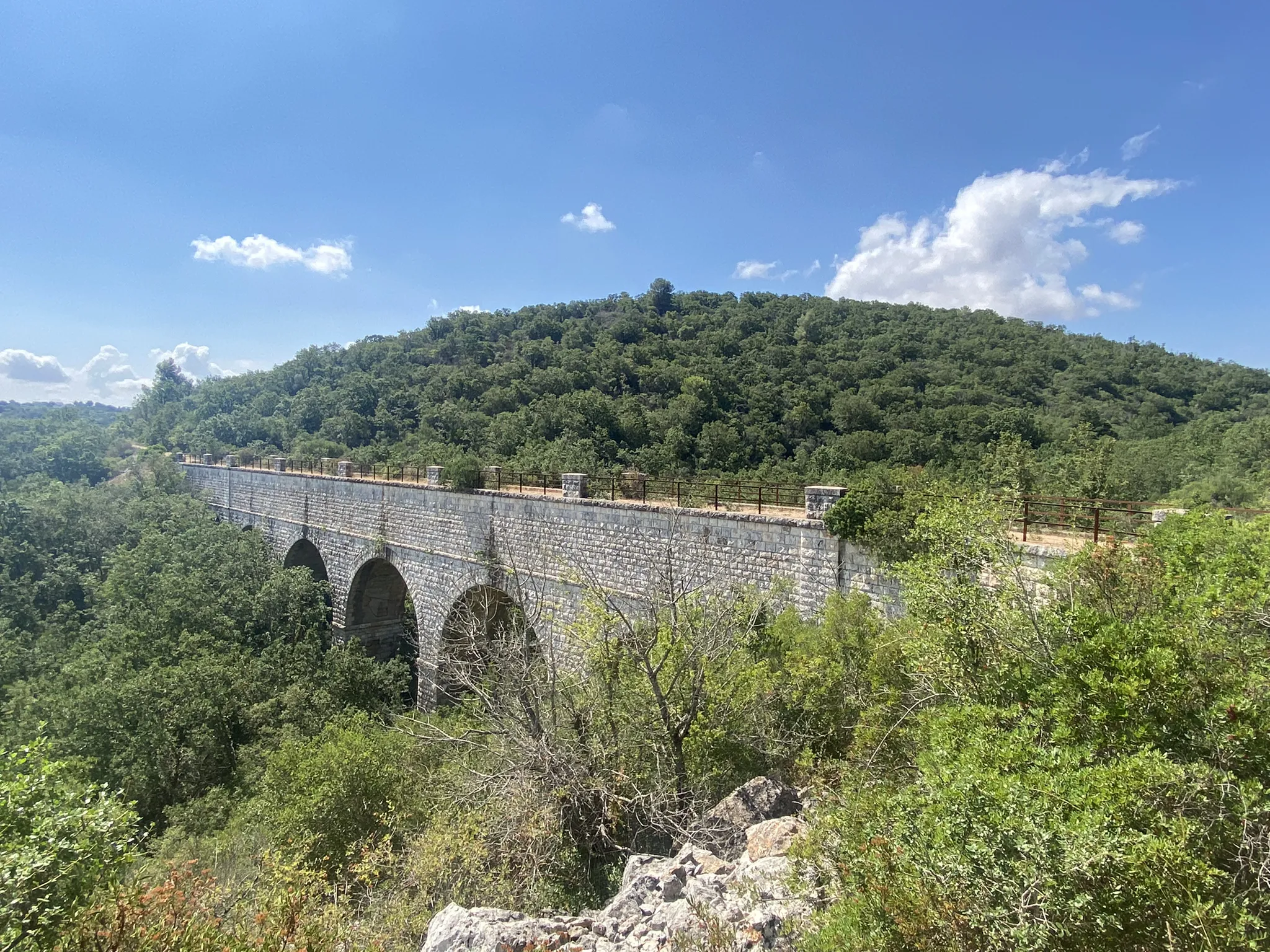
Caposele to Santa Maria di Leuca – Apulian Aqueduct Cycle Route
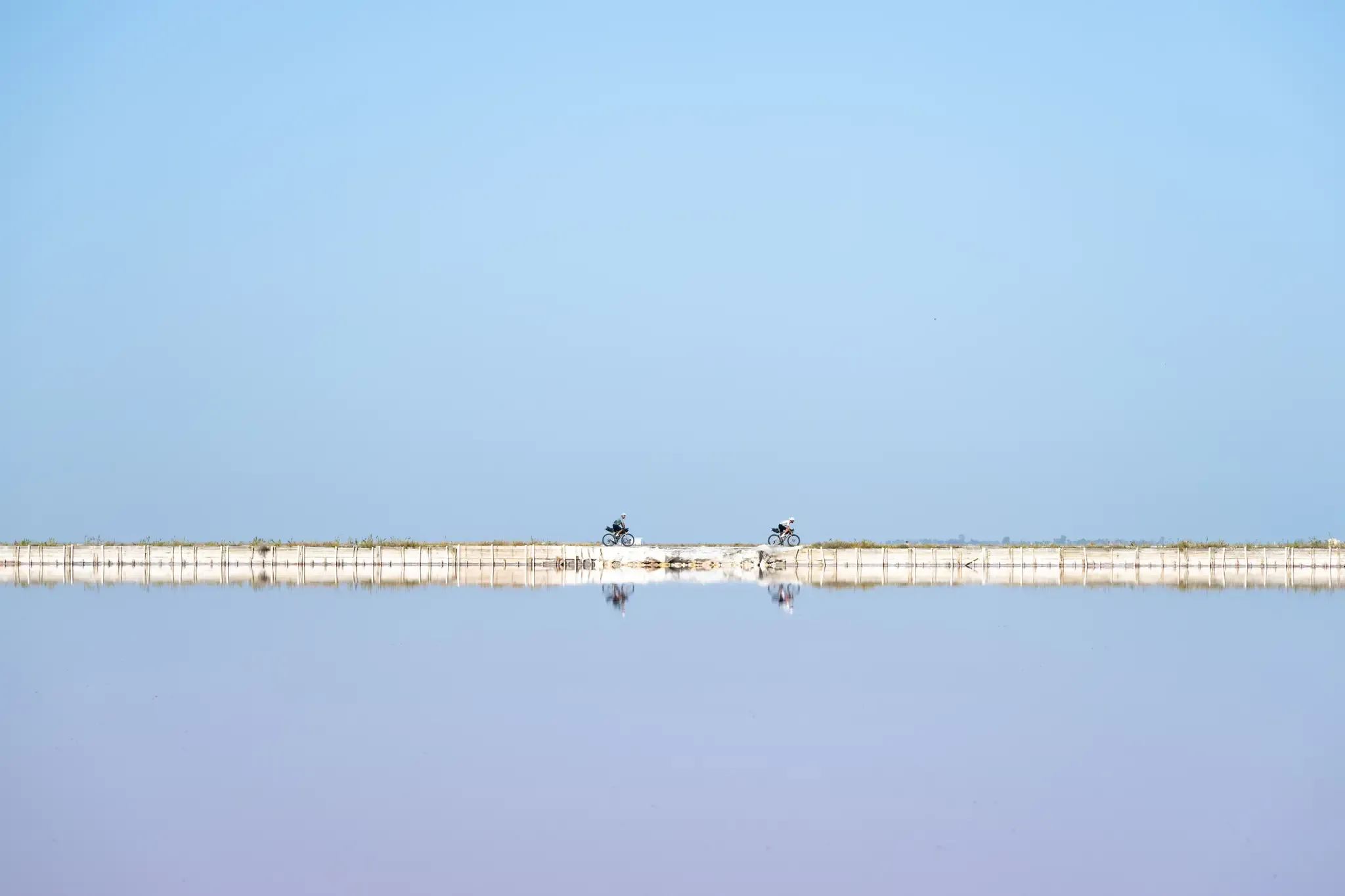
Trieste to Santa Maria di Leuca – the Adriatic Cycle Route
Pedalling in Italy’s far south – Ciclovia dei Borbone
Cycle through the painted blue – a journey of discovery in Puglia
Sea, culture, taste and nature — Italy’s Puglia by bike
Italy’s Puglia from Bari to Santa Maria di Leuca — all the way south
Hiking in Bari
Cycling in Bari
Other adventures in Bari


Tips from the Community

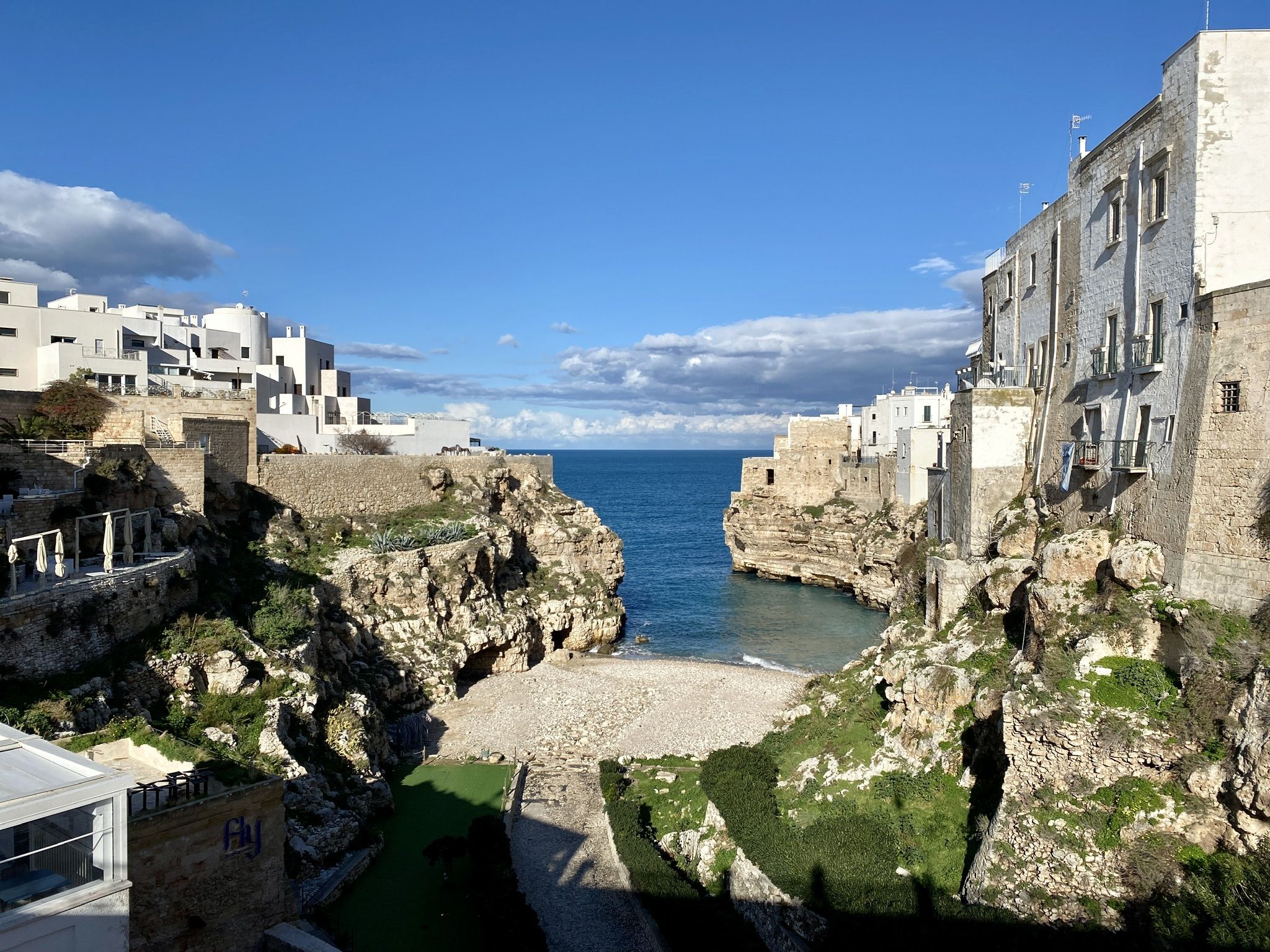
Perched on a cliff above the Adriatic Sea in the Puglia region, Polignano a Mare is known for its stunning scenery, historic sites, sea caves and crystal-clear water. It also has a cave restaurant and once a year hosts the world's best cliff divers.
5
0

The caves of the Grotte di Castellana were discovered on January 23, 1938, by Franco Anelli and explored by him and Vito Matarrese. Even before the discovery, the hole (or entrance) in the earth was known, but was only used as a garbage dump. The caves can be visited as part of a guided tour. There are two different tours: one is about one kilometer long, the other is 3 kilometers long. The visit always begins in the Grave, a cave 60 meters deep, 100 meters wide, and 100 meters high. The second path leads to the White Grotto. The stalactites here are the color of alabaster. The second path is only accessible to a limited number of visitors, as the cave has no natural ventilation. Source: https://de.wikipedia.org/wiki/Grotte_di_Castellana More about the grotto from me: Unfortunately, pictures are only permitted in the first vault, the Grave. The grotto is privately owned. The temperature inside the grotto is 13 degrees Celsius in the first vault and 16 degrees Celsius afterward, with humidity between 60% and 100%. Sturdy shoes and a jacket are recommended. The limestone is quite slippery.
1
0

I wasn't expecting a grotto here. But it was closed today.
1
0

⛪ *Chiesetta dello Spirito Santo di Monopoli: how to get there by bike and on foot* If you are visiting *Monopoli*, you cannot miss the *Chiesetta dello Spirito Santo*, a corner of tranquility and beauty hidden in the heart of the city. But how to get there? Here is all the information! 🚲 *By bike*: The church is easily reachable by bike, although the route depends on your starting position. The roads leading to it are generally passable, but be careful of traffic during rush hour, especially near the historic center. Once you arrive, you can park your bike in one of the public spaces nearby and continue on foot to discover this little gem. 👣 *On foot*: If you prefer to walk, the church is easily reachable on foot from the center of Monopoli. A quiet walk will allow you to enjoy the beauty of the historic center, among characteristic alleys and panoramic views. Once you arrive at the church, you will find an atmosphere of peace that invites reflection and contemplation.
0
0

Very nice cave tour. Tours are also available in English, we recommend booking online at the desired time. Photography is prohibited in most cave chambers and this is enforced.
0
0

A great beach right next to the romantic old town of Polignano a Mare
1
0


Frequently Asked Questions
What types of caves can I explore in the Bari region?
The Bari region offers a diverse range of underground attractions, including natural karst caves, sea caves along the Adriatic coast, and ancient rock-cut historical sites. You can find geological formations and places with archaeological significance.
Are there family-friendly caves in Bari?
Yes, several caves are suitable for families. For instance, the Castellana Caves are known for being family-friendly, offering guided tours. Additionally, Lama Monachile and Chiangella Cave, while a beach, includes accessible sea caves that families can enjoy.
What are some historically significant caves or rock-cut sites in Bari?
The region features several sites with historical importance. The San Martino Cave is a site linked to karst phenomena of considerable historical and archaeological importance. You can also visit rock-cut religious buildings like the Rock Church of San Procopio and the Rock-cut Church of Saint George, which are ancient settlements within caves.
What is the best time to visit caves in Bari?
Caves generally maintain a stable temperature year-round, making them a good option regardless of the season. However, for a comfortable experience exploring the surrounding areas and enjoying the coastal views, spring (April-June) and autumn (September-October) offer pleasant weather.
What should I wear when exploring caves in Bari?
Inside caves, temperatures are consistently cool, so it's advisable to wear layers, even in summer. Comfortable, closed-toe shoes with good grip are essential for navigating uneven and potentially damp surfaces. For some tours, a light jacket or sweater is recommended.
Are there any challenging cave explorations for experienced adventurers?
Yes, for those seeking a more challenging experience, the Cave of the Crucifix is categorized as challenging. It offers a more demanding exploration for experienced cavers.
Can I find guided cave expeditions in the Bari area?
Yes, guided tours are available for some of the more popular cave systems, such as the Castellana Caves. These tours provide insights into the geology and history of the formations and ensure a safe visit.
What outdoor activities can I do near the caves in Bari?
The Bari region offers various outdoor activities. You can find numerous routes for cycling, running, and hiking. For example, you can explore cycling routes like the 'Itria Valley Trulli and Aqueduct Loop' or 'Polignano, Monopoli, and Conversano Loop Trail' near many cave locations. Hiking options include the 'Monte San Nicola – loop tour in the countryside of Monopoli' or 'Bari Old Town Walking Tour'. For more details, refer to the Cycling in Bari, Running Trails in Bari, and Hiking in Bari guides.
Are there any caves with unique natural features in Bari?
Absolutely. The Pulo of Altamura is a notable karst sinkhole, a massive depression with a diameter of about 500 meters and a depth of 75 meters, featuring caves and ravines along its steep walls. The Curtomartino Cave is another significant karst cavity formed approximately 2 million years ago.
Are there any sea caves to visit near Bari?
Yes, the coastal areas near Bari, particularly around Polignano a Mare, are famous for their sea caves. Lama Monachile and Chiangella Cave is a prime example, offering views of sea caves from a beautiful urban beach.
What is the general difficulty level for exploring caves in Bari?
The difficulty varies. Many popular caves, like the Castellana Caves, are considered intermediate, offering well-maintained paths suitable for most visitors. However, some, such as the Cave of the Crucifix, are more challenging and require a higher level of fitness and experience.
Are there any caves in Bari that are considered 'hidden gems'?
While many caves are well-known, exploring lesser-visited sites like the Church of San Michele in Monte Laureto, a cave-church, or the Ardito Cave can offer a more secluded experience away from the main tourist crowds.
Most popular routes in Bari
Most popular attractions in Bari

Get inspired with the komoot mobile app


Didn’t find what you were looking for?
Discover more caves in Bari region by region:
Explore more
Extend your search for the best caves by checking out these guides of the top ones in Bari:
