Attractions and Places To See in Foggia - Top 20
Best attractions and places to see in Foggia are found in the Puglia region of Southern Italy, offering a diverse range of sites. The area features historical landmarks, significant cultural sites, and natural features. Foggia is characterized by its blend of ancient history and expansive natural parks, including coastal areas and mountainous terrain. Visitors can explore both urban attractions and the surrounding natural landscapes.
Best attractions and places to see in Foggia
- The most popular attractions is Forest Trail to Falascone, a trail that is an easily walkable forest path connecting different areas of the forest. It features simple indicative signs, making it difficult to get lost.
- Another must-see spot is Umbra Pond, a lake surrounded by trees. The waters are populated by animals including turtles and fish, offering a day of immersion in nature.
- Visitors also love Pizzomunno Rock, Vieste Beach, a natural monument that is an immense 25-meter-high limestone monolith on Vieste Beach. It is associated with a local legend and serves as a symbol of Vieste.
- Foggia is known for its ancient churches, historical palaces, and expansive natural parks. The region offers a variety of attractions to see and explore, from cultural sites within the city to diverse natural landscapes like the Gargano National Park.
- The attractions in Foggia are appreciated by the komoot community, with more than 390 upvotes and over 120 photos shared by visitors.
Last updated: August 30, 2026
Umbra Pond
Highlight • Lake
Translated by Google •
Tip by

Vignanotica Beach
Highlight • Beach
Translated by Google •
Tip by

Sign up now to discover places like this
Get recommendations on the best single tracks, peaks, & plenty of other exciting outdoor places.
Sign up for free
Pizzomunno Rock, Vieste Beach
Highlight • Natural Monument
Translated by Google •
Tip by

Forest Trail to Falascone
Highlight • Trail
I recommend walking it in snow.
Translated by Google •
Tip by

Monte Calvo
Highlight • Summit
Among the most interesting aspects of this mountain are the numerous caves, inhabited since prehistoric times. There have been several archaeological finds of finds attributable to the Neolithic: rudimentary parts of axes, flints and various types of tools confirm the presence of man on the Gargano plateaus even in prehistoric and protohistoric times (Dauna civilization).
Translated by Google •
Tip by

Sanctuary of Saint Michael the Archangel
Highlight • Religious Site
Translated by Google •
Tip by

Monte Sant'Angelo Castle
Highlight • Castle
Translated by Google •
Tip by
Mount Cornacchia
Highlight • Summit
The summit is easily accessible.
Translated by Google •
Tip by

Torre Mileto
Highlight • Monument
Of Aragonese origin with the classic quadrangular base, with the sides facing the 4 cardinal points. In the upper part you can see a crown with 5 machicolations (for defensive purposes only), where it was possible to see all the towers of the coast, up to the most imposing Molise tower La Torre del Sinarca (near Termoli). The Mileto Tower is positioned in front of the splendid Tremiti Islands.
Translated by Google •
Tip by
Ragusa Valley
Highlight • Forest
Translated by Google •
Tip by

Sign up for free to discover even more attractions in Foggia.
Sign up for free
Already have an account?
Start today with a free account
Your next adventure awaits.
Login or Signup
Popular around Foggia
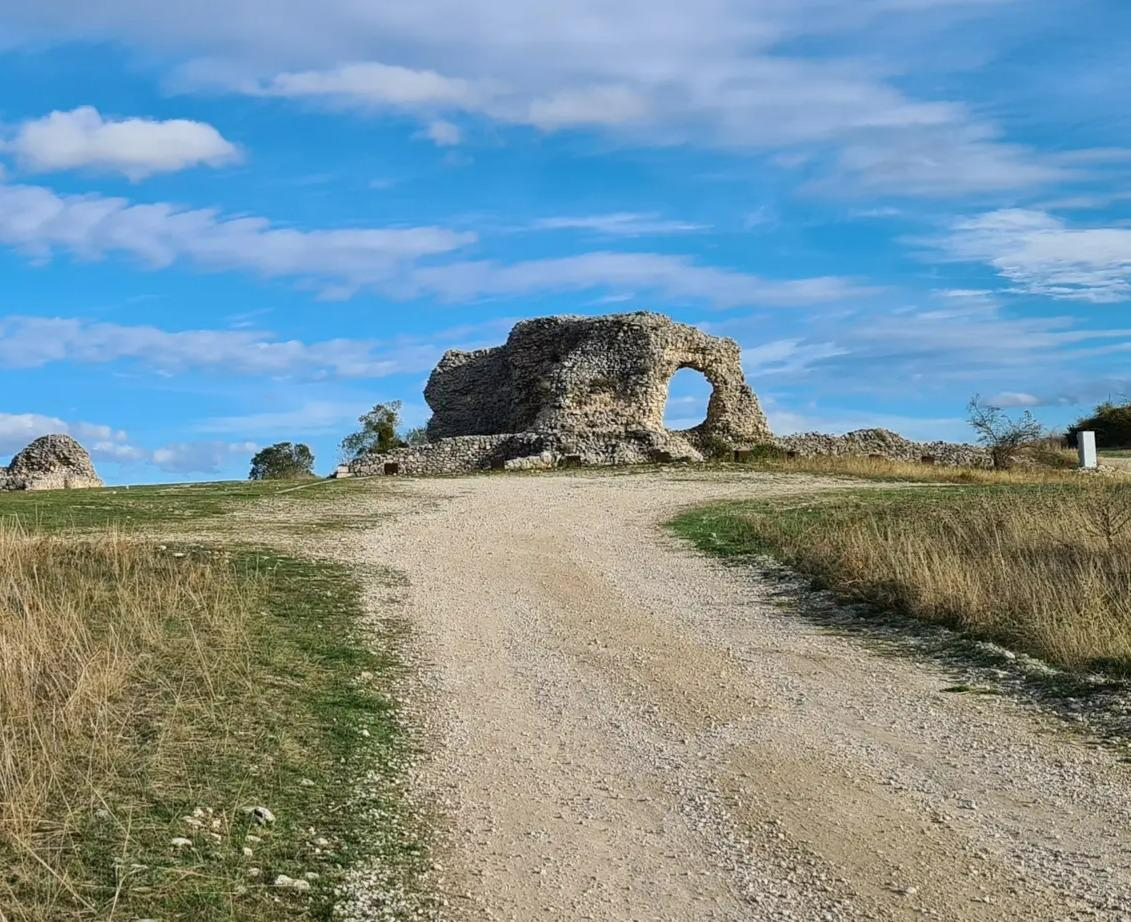
Tratturo Magno – On the roads of transhumance
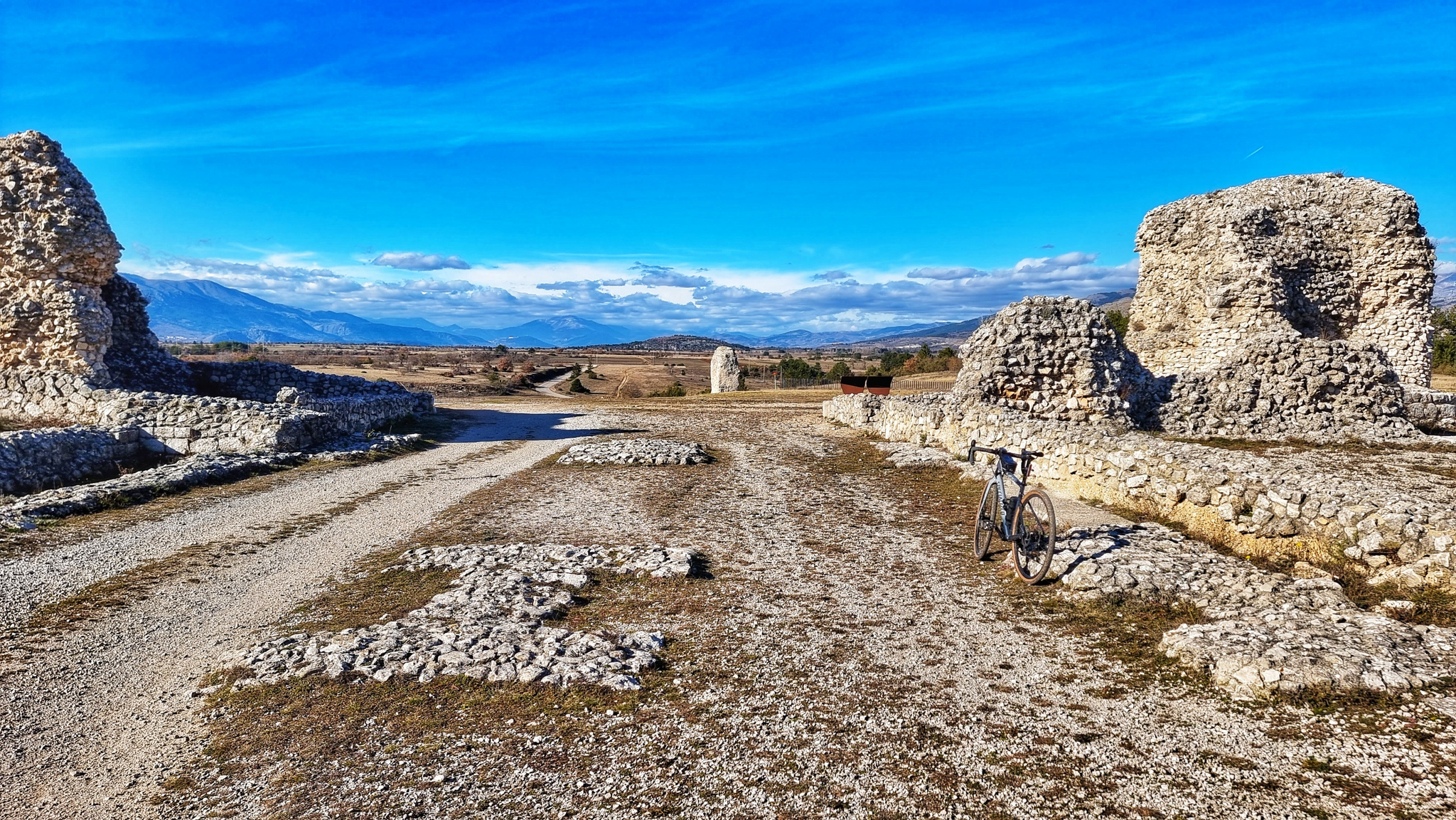
The Tratturo Magno – From the Apennines to the TavoIiere, 300 kilometers
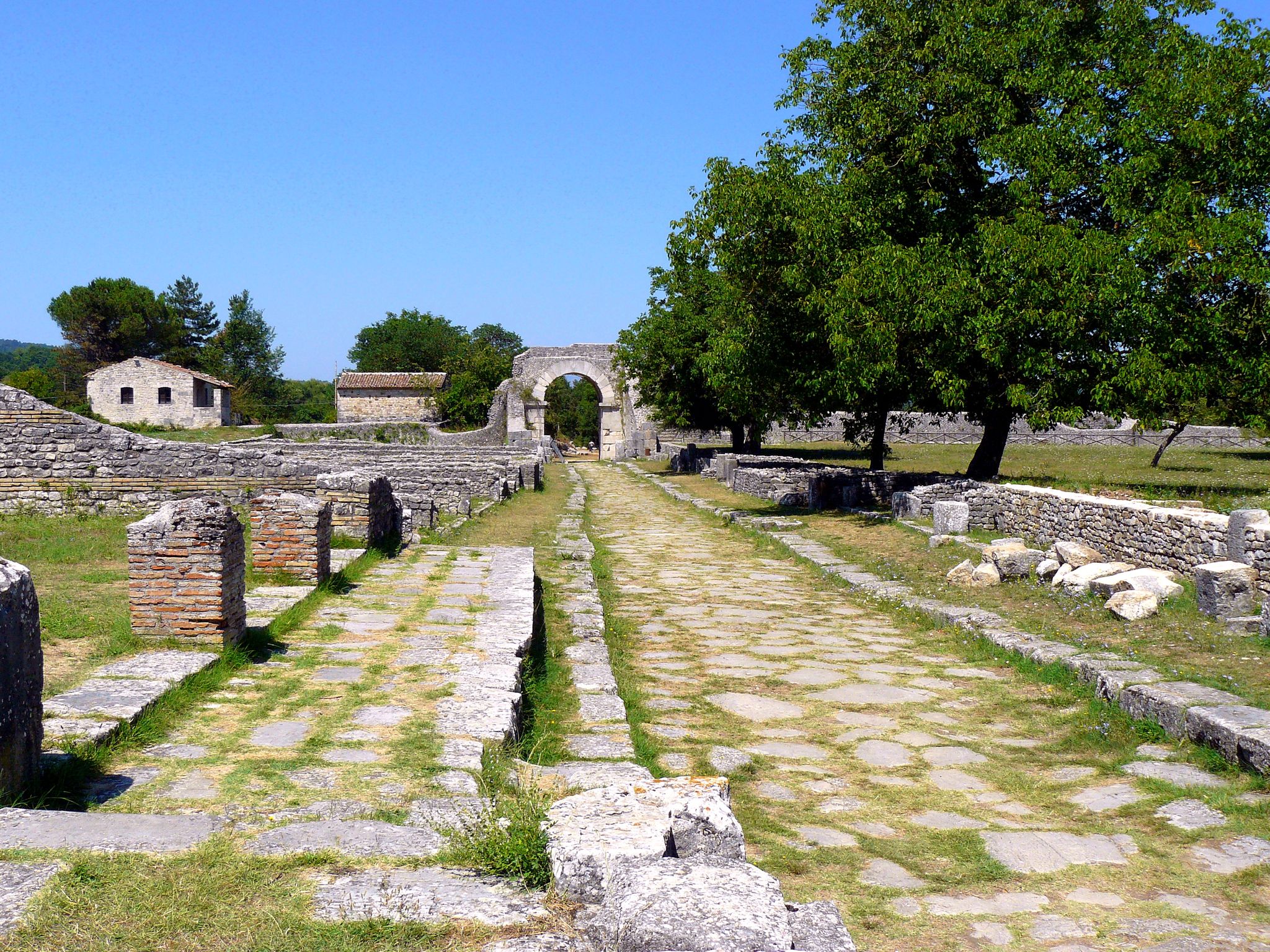
Sentiero Italia – On the tracks of the Samnites and Romans in Molise
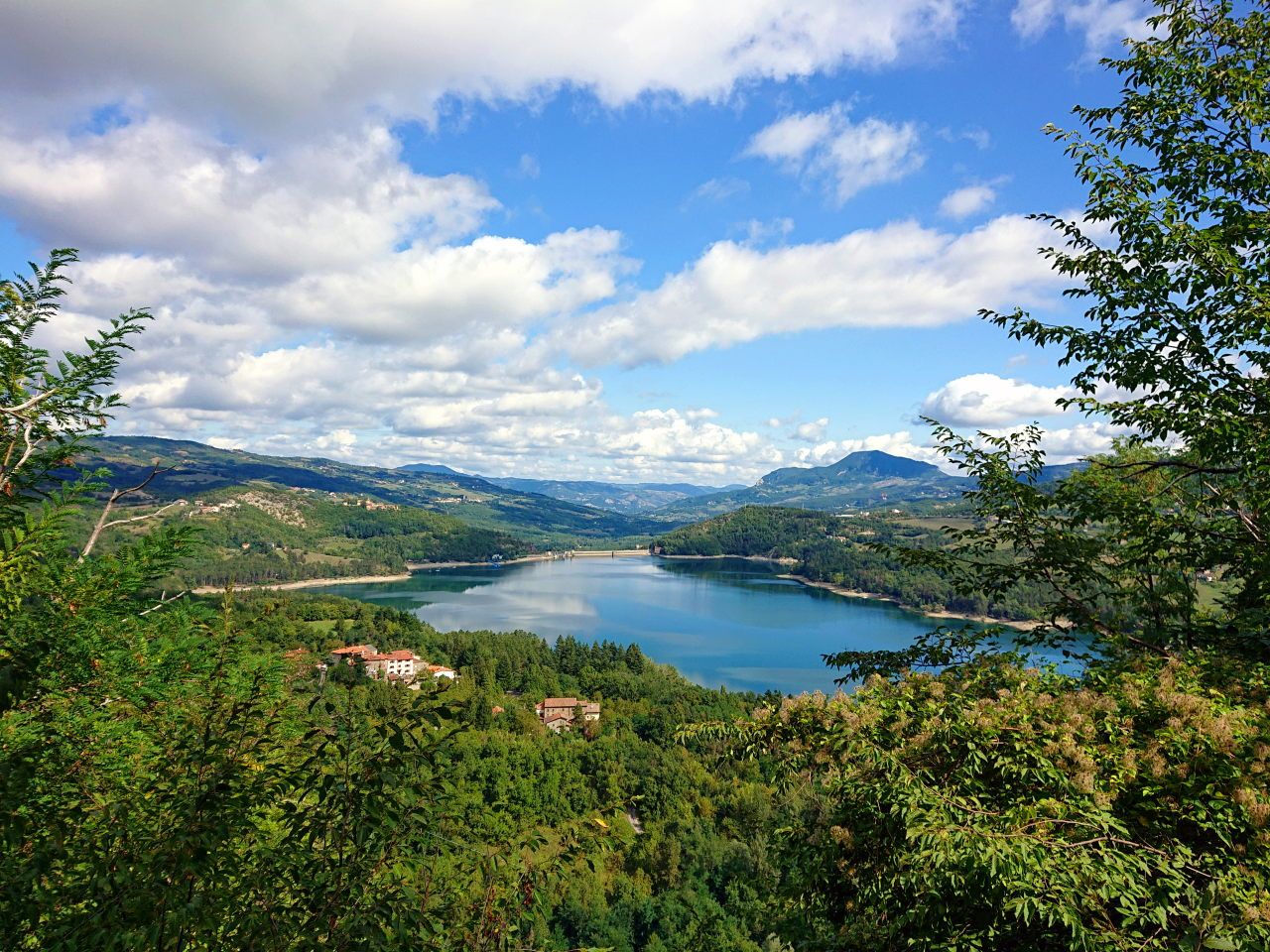
Interiora - A Journey into the Remote Areas of Italy
Trieste to Santa Maria di Leuca – the Adriatic Cycle Route
Sea, culture, taste and nature — Italy’s Puglia by bike
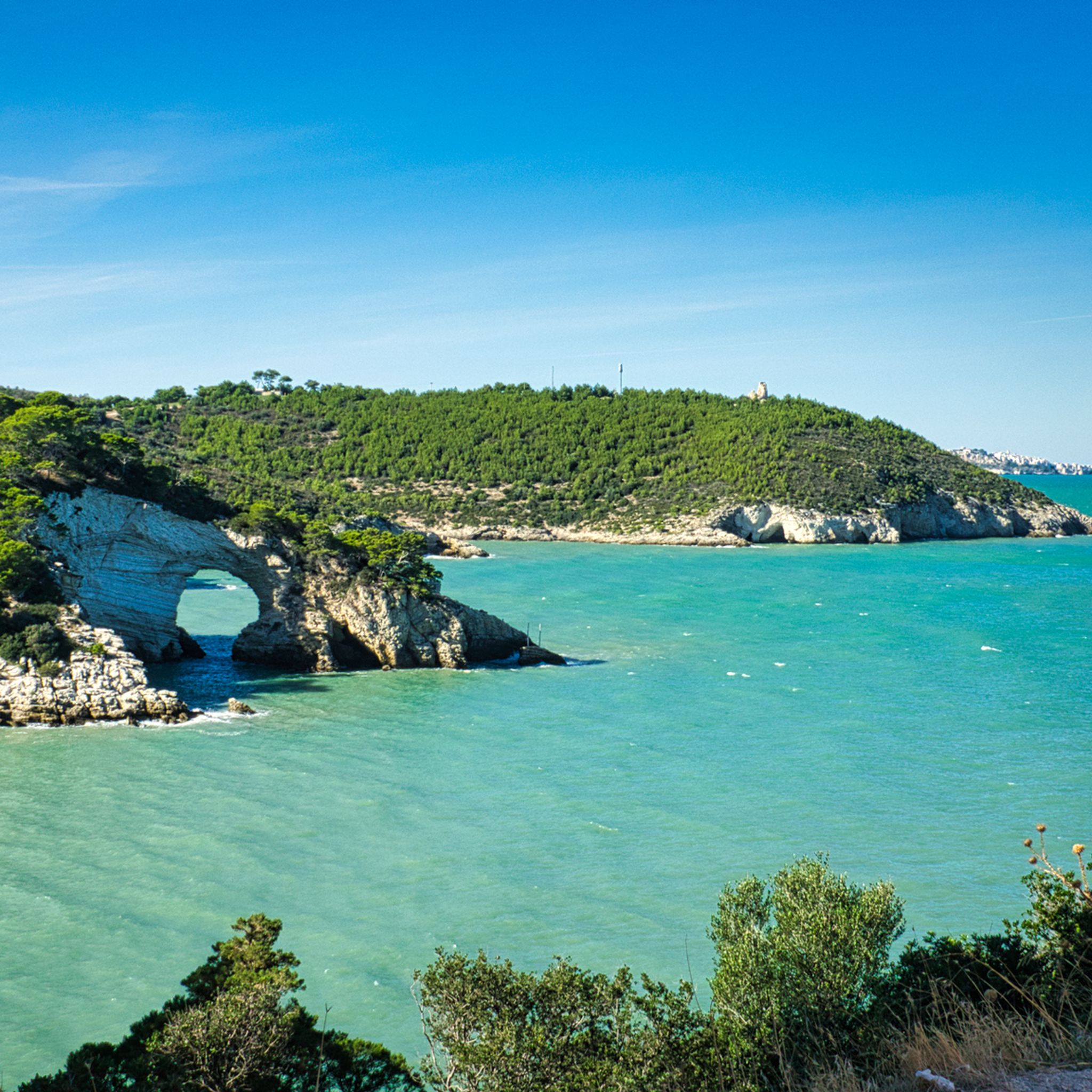
Hiking in Foggia
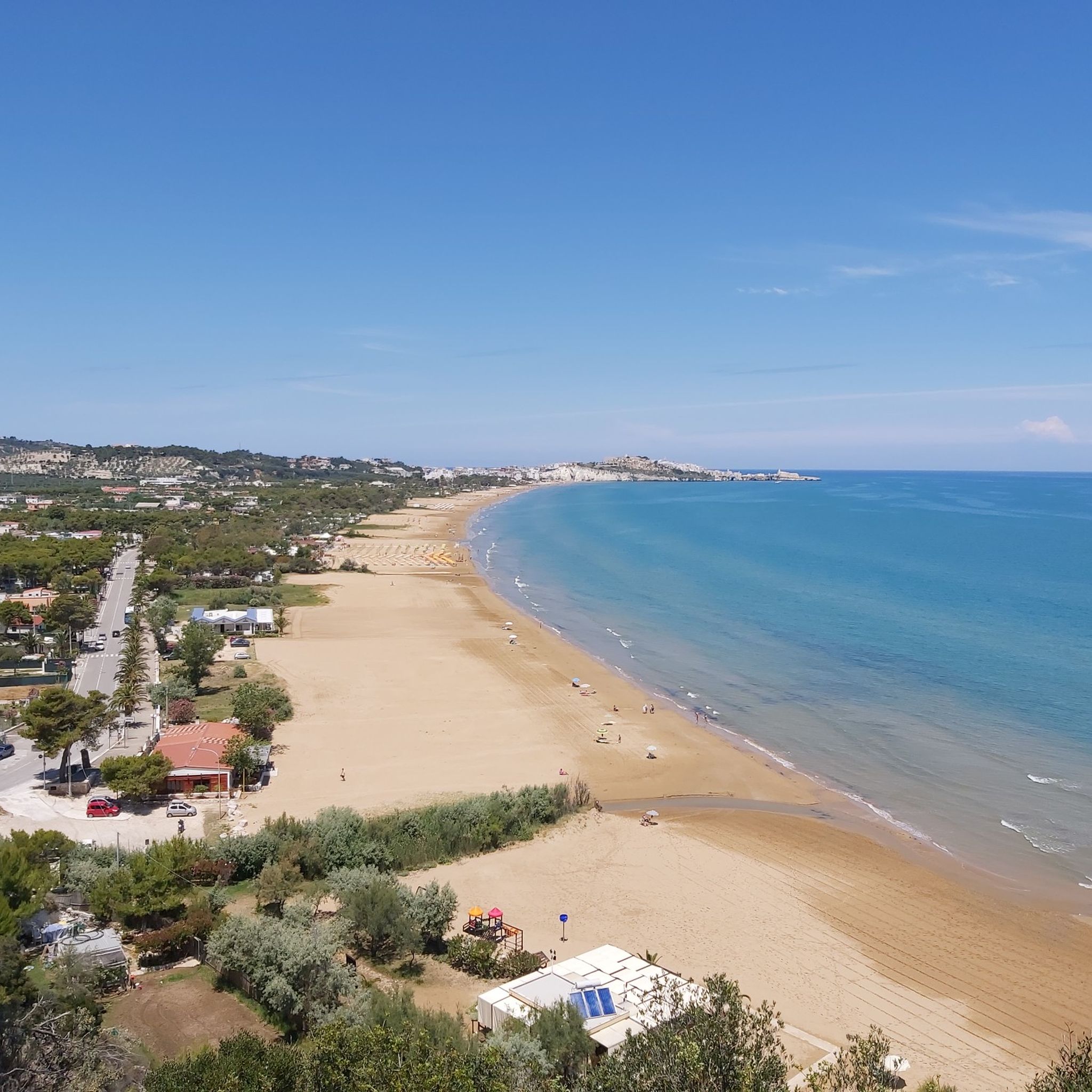
Cycling in Foggia
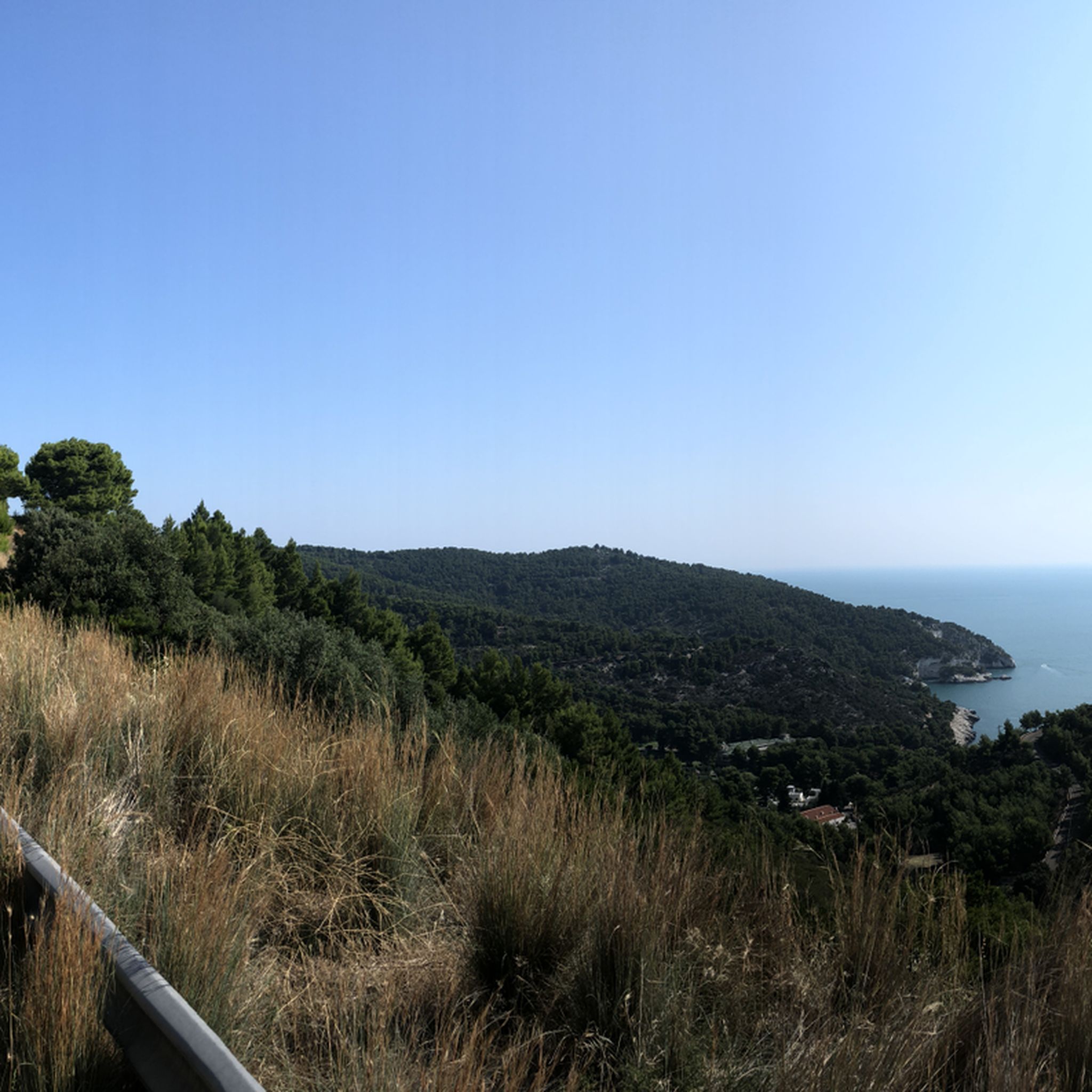
Road Cycling Routes in Foggia
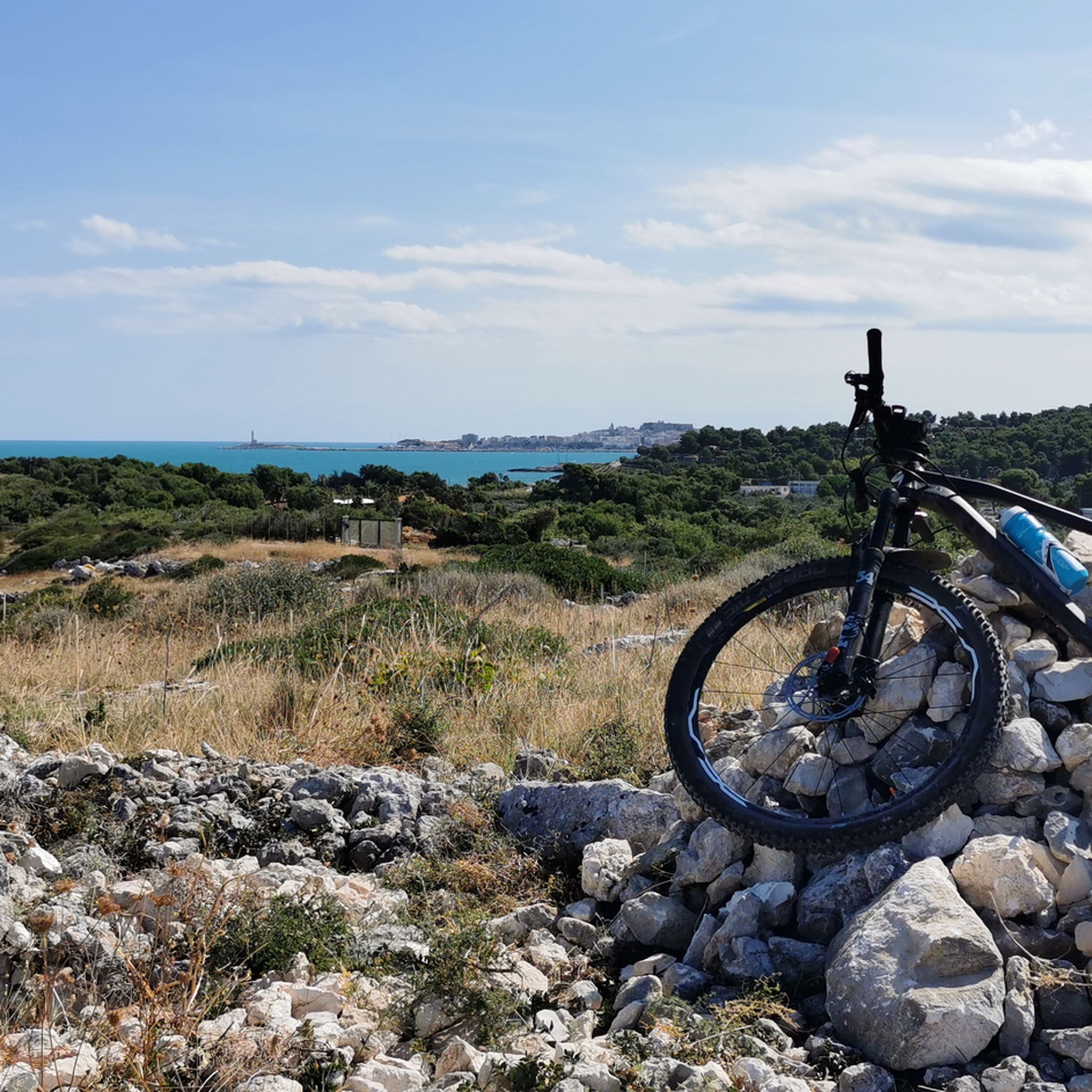
MTB Trails in Foggia
Other adventures in Foggia


Tips from the Community

Wonderful tourist destination. One of the most beautiful and renowned bays in Italy. In Vignanotica there is a campsite (camping vignanotica) and a residence (vignanotica beach apartment) www.vignanotica.it In the immediate vicinity there is the 3 km nature trail "sentiero dell'amore" (path of love) which is beautiful to do both on foot and by bike. It is possible to stay in both the campsite and apartments. In the immediate vicinity there are markets, small restaurants and equipped beach clubs. There is also the possibility to rent canoes to see the most beautiful caves of the Gargano!
0
0

On Monte Calvo, it's best to ascend from the east by mountain bike, despite the numerous unnecessary stone steps that clutter the initial section. The trail, which descends west from the summit to connect with the Sentiero delle Anguille, would be less rideable and much more difficult overall.
1
0

To see one of the most beautiful beech forests in the world.
0
0


Itineraries accessible to all...well signposted...relaxing landscapes
0
0

In 2011, the pilgrimage site of Monte Sant'Angelo was added to the UNESCO World Heritage List as one of the seven components of the Lombard site in Italy, Places of Power (568 to 774 AD). The historic site and its surroundings are also protected by the Gargano National Park. The sights are well described in the following link: https://de.m.wikipedia.org/wiki/Monte_Sant%E2%80%99Angelo
2
0
San Michele – the main church of Monte Sant'Angelo – is a grotto church, a church type particularly favored by the Normans in their newly conquered territories. All that can be seen at the top of the mountain is the church's octagonal bell tower (1273/74) and the two-part entrance hall (1395). The church itself is located inside the mountain. San Michele is a pilgrimage church dedicated to the Archangel Michael. Source: https://de.m.wikipedia.org/wiki/Monte_Sant%E2%80%99Angelo
2
0
The Laghetto d'Umbra is a rainwater-fed lake. The turtles living here were released, but they seem to thrive here.
2
0
Frequently Asked Questions
What natural attractions can I explore near Foggia?
The Foggia region offers diverse natural beauty. You can visit Umbra Pond, a tranquil lake within the ancient Foresta Umbra, part of the Gargano National Park, known for its turtles and fish. Another iconic natural monument is Pizzomunno Rock on Vieste Beach, a 25-meter-high limestone monolith with a local legend. For panoramic views and karst landscapes, explore Monte Calvo, the highest peak in the Gargano massif.
Are there any family-friendly activities or attractions in Foggia?
Yes, several attractions are suitable for families. The Forest Trail to Falascone is an easily walkable path in the forest, perfect for a leisurely stroll. Umbra Pond offers a chance to see wildlife like turtles and fish in a natural setting. Additionally, Pizzomunno Rock, Vieste Beach provides a beautiful coastal spot for families to enjoy the beach and its unique landmark.
What historical sites should I visit in Foggia?
Foggia boasts a rich history. The Foggia Cathedral, a blend of Baroque, Neoclassical, and Gothic styles, houses the revered icon of the Madonna of the Seven Veils. You can also explore Palazzo Dogana, a 15th-century palace now serving as the seat of the Province and hosting an art museum. The unique Chiesa delle Croci is a Baroque complex and Foggia's only listed national monument. For a glimpse into ancient times, visit the Archaeological Park of Passo di Corvo, an ancient Neolithic settlement site.
Where can I find cultural attractions in Foggia?
For cultural insights, the Civic Museum and Art Gallery (Museo Civico) in the Arpi Palace offers archaeological and ethnographic treasures, including prehistoric artifacts and Roman sculptures. The Hypogeum of San Domenico provides a fascinating look into the extensive underground chambers beneath the city center. You can also experience local culture in Piazza Cavour, a significant square for local produce and regional immersion.
Are there opportunities for hiking near Foggia's attractions?
Absolutely. The region around Foggia, particularly within the Gargano National Park, offers numerous hiking trails. You can find routes like the Natura Mergoli-Vignanotica Trail (The Love Trail) or the Lago d'Umbra - Falascone Loop. For more options, explore the Hiking in Foggia guide, which details various trails suitable for different difficulty levels.
What cycling routes are available around Foggia?
Cyclists can enjoy scenic routes along the coast and through natural parks. Popular options include the Gargano Coast Loop from Vieste or the route around Lake Varano and Torre Mileto. For a comprehensive list of cycling trails, including mountain biking and road cycling, refer to the Cycling in Foggia guide.
What are some unique architectural landmarks in Foggia?
Beyond the Cathedral, Foggia features several unique architectural landmarks. The Chiesa delle Croci is a distinctive Baroque complex. The Teatro Giordano stands as a significant historic theater in the city center. You can also find remnants of Frederick II's imperial palace, including an arch and a fountain, along Via Arpi, the ancient historic center.
Can I find beaches near Foggia's main attractions?
Yes, the Foggia region is close to beautiful coastal areas. Pizzomunno Rock, Vieste Beach is a well-known spot, offering a sandy beach with a striking natural monument. Another stunning option is Vignanotica Beach, known for its incredible beauty amidst the rocky coastline of Gargano, perfect for relaxation.
What are the best places for a leisurely stroll or relaxation in Foggia?
For a relaxing experience, visit Villa Comunale, also known as Parco Karol Wojtyla. This immense public garden in the eastern part of the city center offers extensive walkways, flower displays, fountains, and shaded areas. Piazza Umberto Giordano is another lively central square dedicated to the renowned Foggia-born composer, surrounded by cafes and shops, ideal for a leisurely break.
Are there any castles or ancient fortifications to visit?
Yes, the region has historical fortifications. You can visit Monte Sant'Angelo Castle, a significant historical site. Additionally, ancient coastal watchtowers like Torre di Sfinale and Torre Mileto offer glimpses into the region's defensive past and provide scenic viewpoints.
What is the best time of year to visit Foggia for sightseeing?
Foggia generally enjoys a Mediterranean climate. Spring (April-May) and early autumn (September-October) are often considered ideal for sightseeing, as the weather is pleasant and temperatures are moderate, making it comfortable to explore both urban and natural attractions. Summers can be quite hot, especially in July and August.
Can I find running trails near Foggia's attractions?
Yes, there are several running trails available. You can find routes like the Foggia City Ring for an urban run, or more natural options such as trail running in the Umbra Forest. For detailed information on distances and difficulty, check the Running Trails in Foggia guide.
Most popular routes in Foggia
Most popular attractions in Foggia

Get inspired with the komoot mobile app


Didn’t find what you were looking for?
Are you keen on exploring more awesome places nearby? Browse our guides:
Explore more
Still not found the Highlight you’re looking for? See guides of the top attractions in other regions:
