The best MTB trails around gmina gmina gmina Korsze
4.8
(19)
33
riders
6
rides
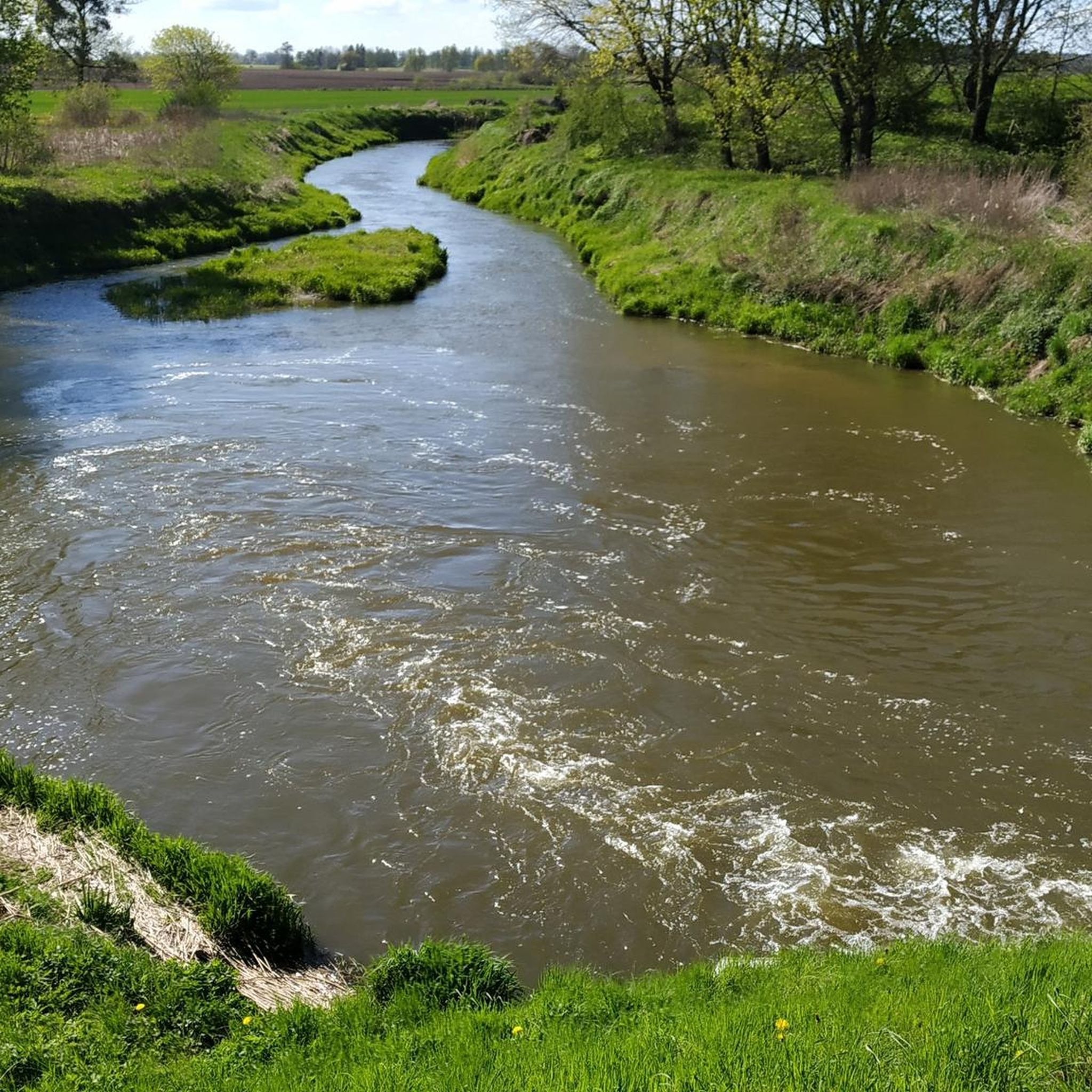
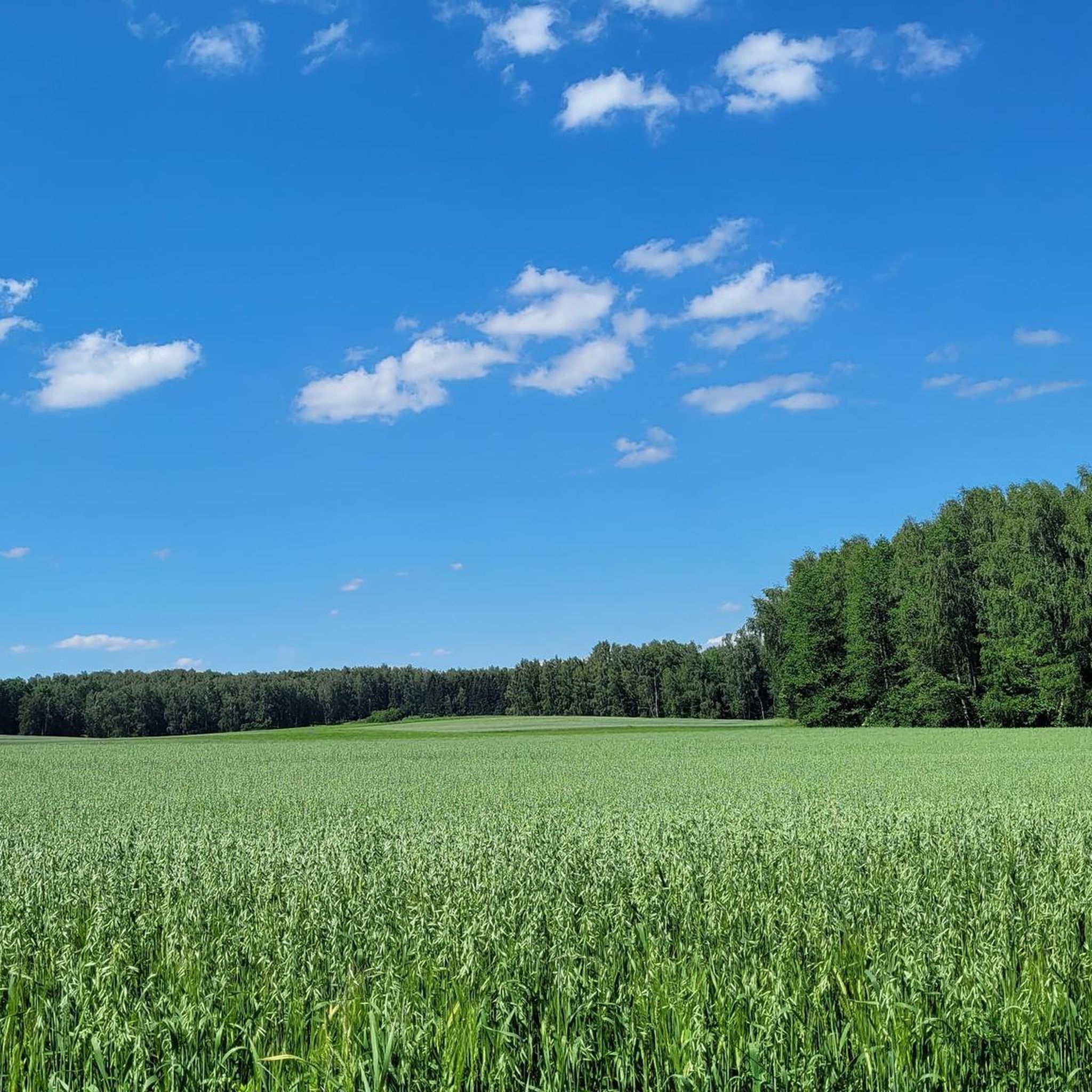
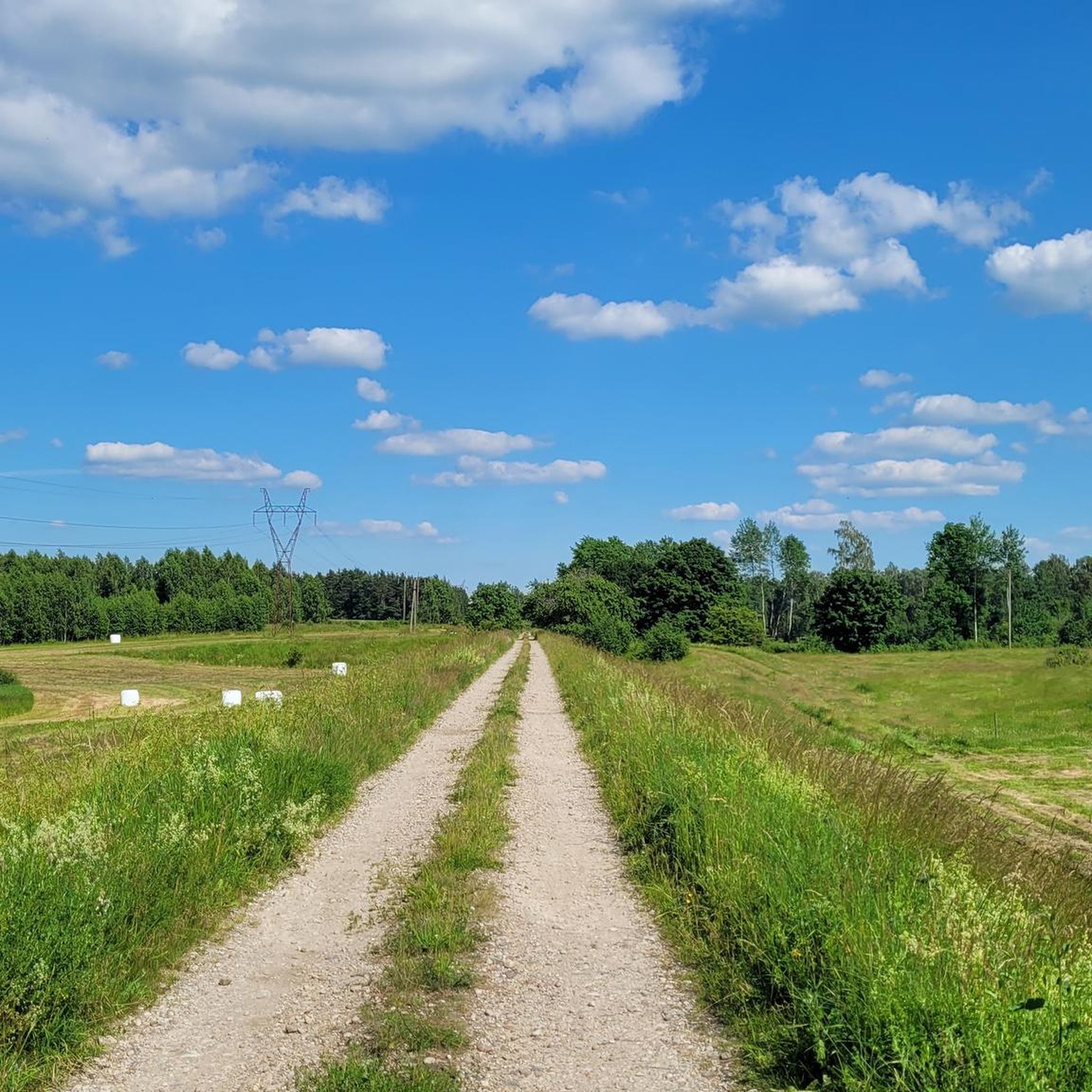
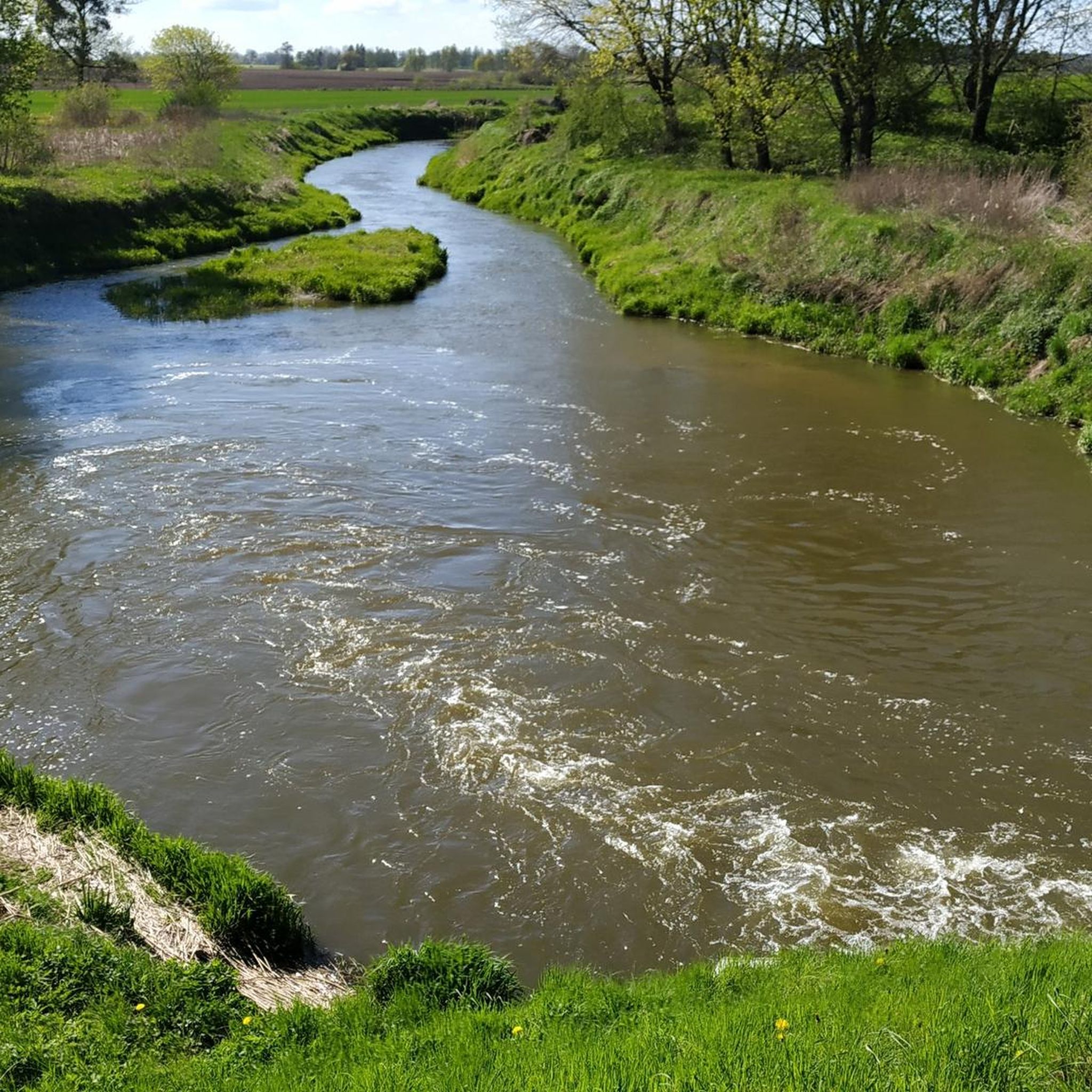
Mountain biking around Gmina Korsze offers a network of routes across a generally flat landscape, featuring a mix of asphalt and dirt roads. The region is characterized by varied natural settings, including forests and fields, alongside historical sites and proximity to several lakes. These conditions make the area accessible for mountain bikers seeking routes that combine outdoor activity with cultural exploration.
Best mountain bike trails around Gmina Korsze
- The most popular mountain bike trail is Masurolandia – Wolf's Lair (Wolfsschanze)…
Last updated: May 16, 2026
5.0
(4)
10
riders
26.4km
01:32
150m
150m
Easy mountain bike ride. Great for any fitness level. Suitable for all skill levels.
5.0
(1)
5
riders
47.8km
02:46
330m
330m
Moderate mountain bike ride. Good fitness required. Suitable for all skill levels.

Sign up for free
5.0
(1)
4
riders
29.8km
01:46
170m
170m
Moderate mountain bike ride. Great for any fitness level. Advanced riding skills necessary.
4.0
(2)
6
riders
12.8km
00:48
80m
80m
Easy mountain bike ride. Great for any fitness level. Suitable for all skill levels.
5.0
(1)
4
riders
40.6km
02:45
230m
230m
Moderate mountain bike ride. Good fitness required. Advanced riding skills necessary.
Our route recommendations are based on thousands of hikes, rides, and runs completed by other people on komoot.
Start today with a free account
Your next adventure awaits.
Login or Signup
Tips from the Community

Churches are always worth a visit. They offer travelers a place to relax and rest.
0
0

In Wolf's Lair I recommend a tour with an audio guide. Getting there by bike is not easy - especially when it's windy, rainy and thundering.
1
0

Probably an extension or storage area of the military muzeum 303 one kilometer to the east, rather than a separate attempt at capturing the lukrative tourists along their way to the Wolfs Lair Nazi bunkers in the neighboring Gierloz forest.
0
0
The relatively large, modern central square in the middle of the village has some new picnic tables with rain shelter, lots of bike parking, and a large ice-age boulder with a big bicycle carving. Clearly, this village appreciates and welcomes visitors on bikes.
0
0
The church in Czerniki (in the Gothic style) was built at the end of the 14th century on the site of the sacred grove of the Prussians. It is a hall-type building, with a sacristy and a porch on the north side and a tower on the north side. The church was rebuilt in the years 1749-1750 and 1771-1772, in 1886 a neo-Gothic tower was added, while the sacristy and porch were added at the end of the 19th century. After the Reformation, the church in Czerniki became an evangelical church until 1945. The first Holy Mass in Czerniki after the church was consecrated for Catholic worship took place on December 27, 1945. The church was consecrated under the invocation of St. John the Evangelist and Our Lady of the Scapular by Fr. Wacław Radziwon. Necessary renovations were carried out in the church. The main altar was changed - in place of the surviving stained glass window, a crucifix from the end of the 15th century was mounted, the origin of which is unknown.
0
0
The basilica, built on the site of a former watchtower from 1359, expanded until the early 16th century, is the best-preserved defensive church in Masuria. Initially, it was a hall-type, single-nave building located in the southwestern corner of the city. Defensive porches and a tower topped with battlements were built in the crown of the walls. At the beginning of the 15th century, a second tower (bell tower) was built, and at the end of the century, the building was rebuilt into a three-nave pseudo-basilica (the northern side nave was added, the central and southern naves are located within the outline of the hall church). After a fire in 1500, during the reconstruction, the existing and characteristic deviation of the church's axis was created. In the church, the following are worthy of attention: the crystal vaults from 1515 by Master Matz from Gdańsk, the 16th-century pulpit, the organs from 1721 (Josue Mosengel, the creator of the organs in Święta Lipka) were rebuilt - the current one from 1975 has 43 voices, the tombstone of Krzysztof Schenk von Tautenburg from 1597 and the prison (entrance from the church) located under the high tower. After the Germans were expelled in 1945, the church was used by the Kętrzyn Evangelical parish. A year later, in 1946, the building was requisitioned by the communist authorities and immediately transferred to the Roman Catholic Church. Since then, the small "Polish church" of St. George, built next door in the mid-16th century, has been the only Evangelical church in the city. As a Roman Catholic temple, the church of St. George has held the title of minor basilica since 22 July 1999, and since 7 June 1992 it has also served as a collegiate church. In the church, the former chapel of St. James served as a baptistery after the Reformation, which after 1946 was architecturally shaped on the model of the Gate of Dawn in Vilnius. Within the preserved defensive walls, adjacent to the church of St. George, there is a former rectory (14th/15th–16th centuries), built in the Middle Ages, and later a pastor's house (16th century – 1817), converted into a gymnasium in the 19th century (1817–1907), until 1945 it functioned as the so-called Widow's House – a place of residence for the wives of deceased priests. The gate at the western façade leads to the area between the walls, where a lapidarium has been arranged, containing a collection of historic tombstones, monuments, epitaphs and cast iron crosses. http://bazylika.ketrzyn.pl https://pl.wikipedia.org/wiki/Bazylika_kolegiacka_%C5%9Bw._Jerzego_w_K%C4%99trzynie
0
0
The building that once housed the headquarters of the Masonic Lodge Drei Thore des Tempels (Three Gates of the Temple). In the years 1860-1864, a neo-Gothic building was erected on the site of the former moat, which was to become a new meeting place and activity of the Masonic Lodge. The initiative for the construction was taken by Master Anton Brillowski, who wanted to create not only a headquarters for the Masonic Lodge, but also a true masterpiece of architecture. The lodge building was designed on a rectangular plan, and its main characteristic are four octagonal turrets that decorate its corners. The pentagonal projection with a staircase also adds a unique charm to the building. The entire structure was inspired by late English Gothic, which gives it a unique character. The Masonic Lodge in Kętrzyn, called "Drei Thore des Tempels" (Three Gates of the Temple), was established on October 9, 1818 and was part of the Grand National Lodge of the Prussian State. Its members, called the Masonic Brotherhood, met regularly in the lodge building to jointly develop their spiritual and intellectual horizons. The lodge was disbanded in the 1930s due to a decision by the authorities of the Third Reich. Its assets were taken over by the city of Kętrzyn, and the lodge building was used for various purposes over the following decades. After the dissolution of the Masonic Lodge, the building in Kętrzyn served various functions. In the post-war period, it housed the Cultural Center and the "Bajka" cinema, which were important cultural centers for the city's residents. However, with the passage of time, the building required renovation and some transformation. In 1999, thanks to the efforts of local communities and financial support, the former building of the Masonic Lodge was thoroughly restored. Currently, it serves as the headquarters of the Arno Holz Association for Polish-German Understanding, which brings together pre-war residents of Kętrzyn of Polish-German origin. In addition, the building also houses a branch of the Municipal Public Library and a charming café where you can relax and enjoy coffee specialties. The building of the former Masonic Lodge in Kętrzyn is not only an important element of the local architectural landscape, but also a testament to the history and culture of this region. Although the Masonic Lodge ceased to exist, its legacy remains alive in the memory of the residents of Kętrzyn, and the building itself is a tourist attraction. https://mazury.com.pl/atrakcje/budynek-dawnej-lozy-masonskiej-w-ketrzynie
0
0
Faily new greek-orthodox Church
0
0
Frequently Asked Questions
How many mountain bike trails are available in Gmina Korsze?
Gmina Korsze offers a selection of 6 mountain bike trails, catering to various skill levels. These routes are highly rated by the komoot community, with an average score of 4.7 stars.
What kind of terrain can I expect on mountain bike trails in Gmina Korsze?
The trails in Gmina Korsze are generally characterized by relatively flat terrain, combining both asphalt and dirt roads. You'll cycle through varied natural settings, including forests and fields, providing a pleasant backdrop for your ride.
Are there easy mountain bike trails suitable for beginners in Gmina Korsze?
Yes, Gmina Korsze has 2 easy mountain bike trails. An excellent option for beginners is the Masurolandia – Wolf's Lair (Wolfsschanze) loop from Kętrzyn, which is 26.4 km long with a gentle elevation gain of 151 meters.
Are there any challenging mountain bike routes for experienced riders?
While Gmina Korsze's trails are generally accessible, there are no routes specifically classified as 'difficult' in this guide. However, there are 4 moderate trails that offer a longer distance and more varied terrain. The Błękitny Anioł Restaurant – Evangelical church loop from Święta Lipka is a moderate 47.8 km path that traverses diverse landscapes.
What historical sites can I explore while mountain biking in Gmina Korsze?
The region is rich in historical and architectural heritage. You can cycle past neogothic churches in Korsze, or explore the ruins of a 19th-century palace in Prosna. Nearby, you can also visit significant landmarks like Reszel Castle or the Basilica of the Visitation of the Blessed Virgin Mary in Święta Lipka.
Are there mountain bike trails that pass by lakes or offer scenic water views?
While specific trails aren't detailed as passing directly by lakes, the region around Gmina Korsze is known for several lakes, including Jeziorko Mleczarskie, Jezioro Czos, and Jezioro Mamry. Many routes traverse varied natural settings, offering opportunities for scenic views that may include glimpses of these water bodies.
Can I find circular mountain bike routes in Gmina Korsze?
Yes, all the mountain bike routes listed in this guide are circular loops. For example, the Wolf's Lair (Wolfsschanze) – Masurolandia loop from Kętrzyn is a 30.7 km trail that brings you back to your starting point.
Are the mountain bike trails in Gmina Korsze suitable for families?
Given the generally flat terrain and the presence of easy routes, many trails in Gmina Korsze are suitable for families. The mix of asphalt and dirt roads makes them accessible for various skill levels, allowing for enjoyable rides together.
What is the best season for mountain biking in Gmina Korsze?
The region is generally appealing for outdoor activities. Spring and autumn typically offer pleasant temperatures and beautiful scenery, making them ideal for mountain biking. Summer can also be great, but it's always wise to check local weather conditions.
Are there any specific attractions near the mountain bike trails that are worth visiting?
Absolutely. Many trails are close to significant attractions. For instance, the Wolf's Lair (Wolfsschanze) – Military Museum 303 loop from Kętrzyn is a moderate route that can bring you close to the historic Wolf's Lair. Other nearby points of interest include Kętrzyn Castle and the Warnikajmy Little Malbork Manor.
Can I bring my dog on the mountain bike trails in Gmina Korsze?
While there are no specific restrictions mentioned regarding dogs on the trails, it's generally recommended to keep your dog on a leash, especially in areas with wildlife or other trail users. Always ensure your pet is well-behaved and that you clean up after them to maintain the natural environment.
Are there options for parking near the mountain bike trails in Gmina Korsze?
Many of the routes, particularly those starting from towns like Kętrzyn, offer convenient parking options. It's advisable to check the specific route details on komoot for information on recommended starting points and parking availability.
Most popular routes around gmina gmina gmina Korsze
Most popular attractions around gmina gmina gmina Korsze

Get inspired with the komoot mobile app


Explore more
Browse the best MTB trails in other regions.
