Top 20 Castles around Wezembeek-Oppem
Best castles around Wezembeek-Oppem are situated in a municipality within Flemish Brabant, Belgium, known for its historical sites and green areas. The region features a mix of architectural heritage and natural landscapes, including streams and parks. These historical structures offer insights into the area's past and its development over centuries.
Best castles around Wezembeek-Oppem
- The most popular castles is Leefdaal Castle, a castle with Renaissance and late medieval remains. Its origins trace back to the 12th century, with notable…
Last updated: July 10, 2026
Hoeilaart Castle
Highlight • Castle
Translated by Google •
Tip by

Mirror Pond with a view of the AfricaMuseum
Highlight • Lake
Translated by Google •
Tip by

Sign up now to discover places like this
Get recommendations on the best single tracks, peaks, & plenty of other exciting outdoor places.
Sign up for free
Saint Hubert Chapel
Highlight • Religious Site
Translated by Google •
Tip by

Laeken Castle
Highlight • Castle
Translated by Google •
Tip by
Leefdaal Castle
Highlight • Castle
Leefdaal Castle, also "de Liedekerke", is a Renaissance castle, with late medieval remains, in Leefdaal in the Belgian province of Flemish Brabant...
The origins can be found in …
Translated by Google •
Tip by

Sign up for free to discover even more castles around Wezembeek-Oppem.
Sign up for free
Already have an account?
Start today with a free account
Your next adventure awaits.
Login or Signup
Tips from the Community

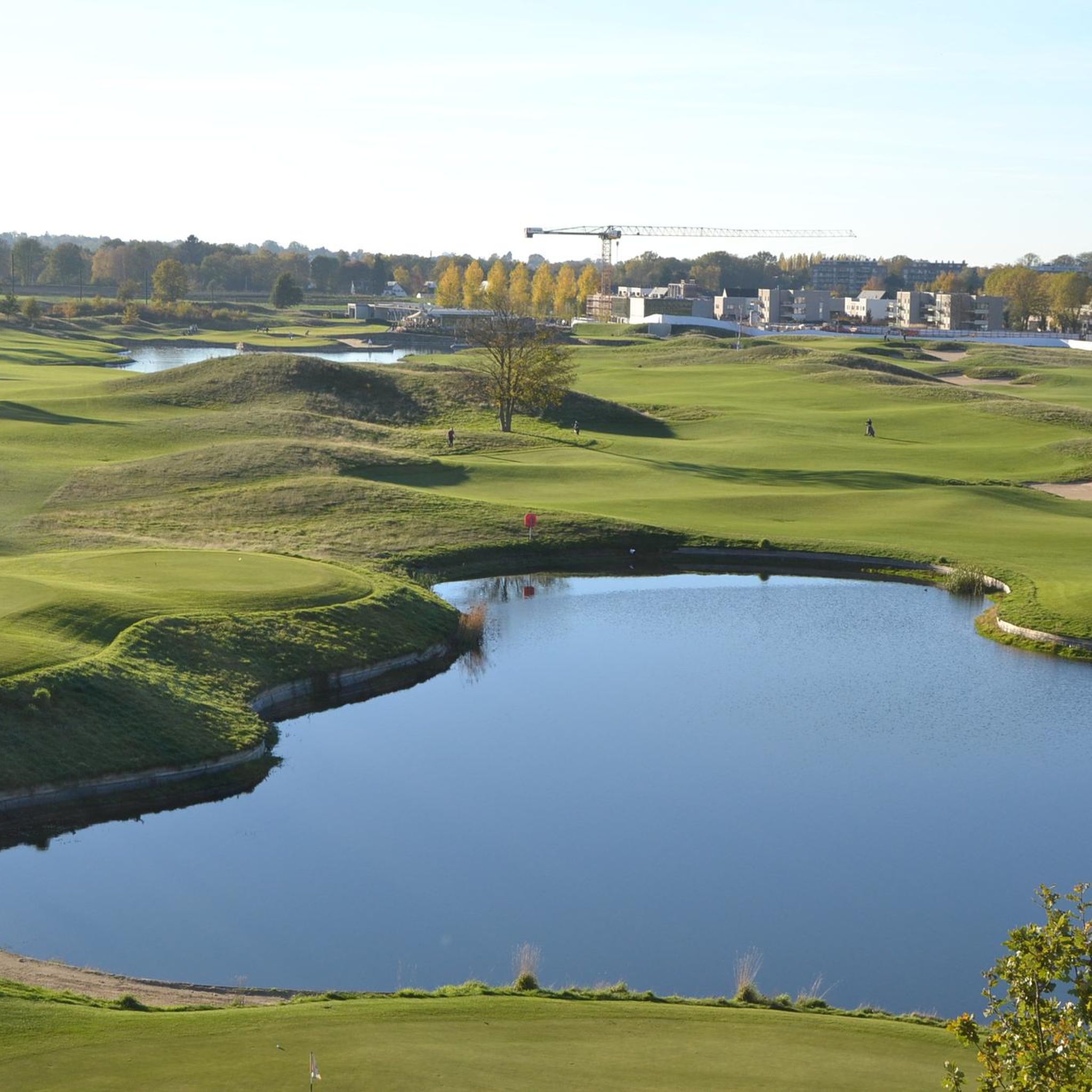
Two important lordships formed the basis of the current Hoeilaart: the lordship of Ter Heyde south of the IJse on the one hand, and the lordship of Holaer or Hoeilaart north of the IJse on the other. Here once stood the castle of the Ter Heyde lordship from the fifteenth century. That lordship ceased to exist after the abolition of the ancien régime. The current castle was built in 1858 on the orders of baron Jean de Man d’Attenrode (mayor of Hoeilaart from 1854-1878) and his wife Maria Carolina d’Ormesson. It is therefore not a remnant of the old lordship. BUT: the chapel and former closed farm next to it are. This building has now, as others have mentioned, been given a different function and dominates the view in the park. Inventory of Immovable Heritage: Kasteel van Hoeilaart, https://id.erfgoed.net/erfgoedobjecten/39785
6
0

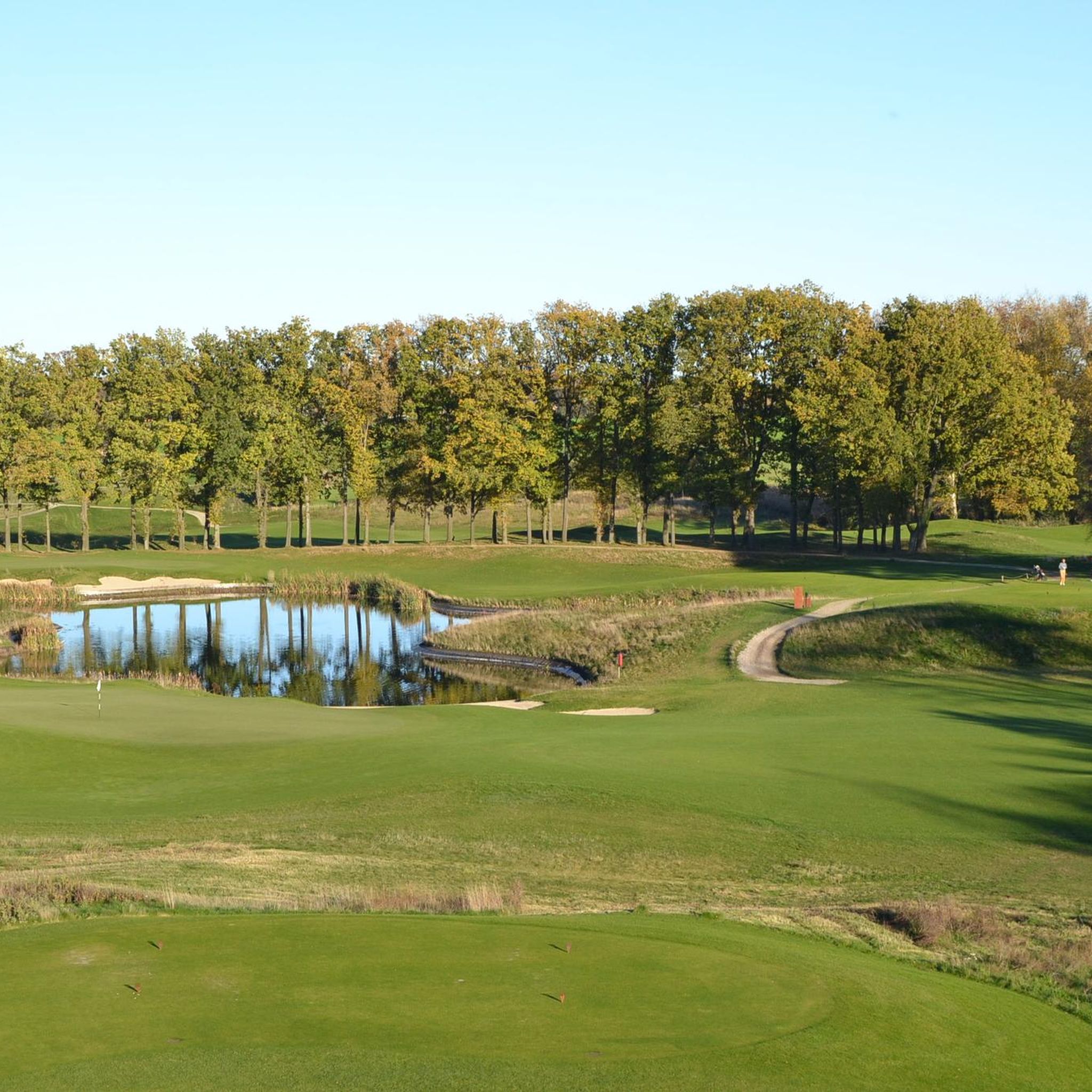
A beautiful place for rest and walking: you can stroll along it, enjoy the greenery and water, and it is part of the historical and natural charm of Tervuren.
6
0

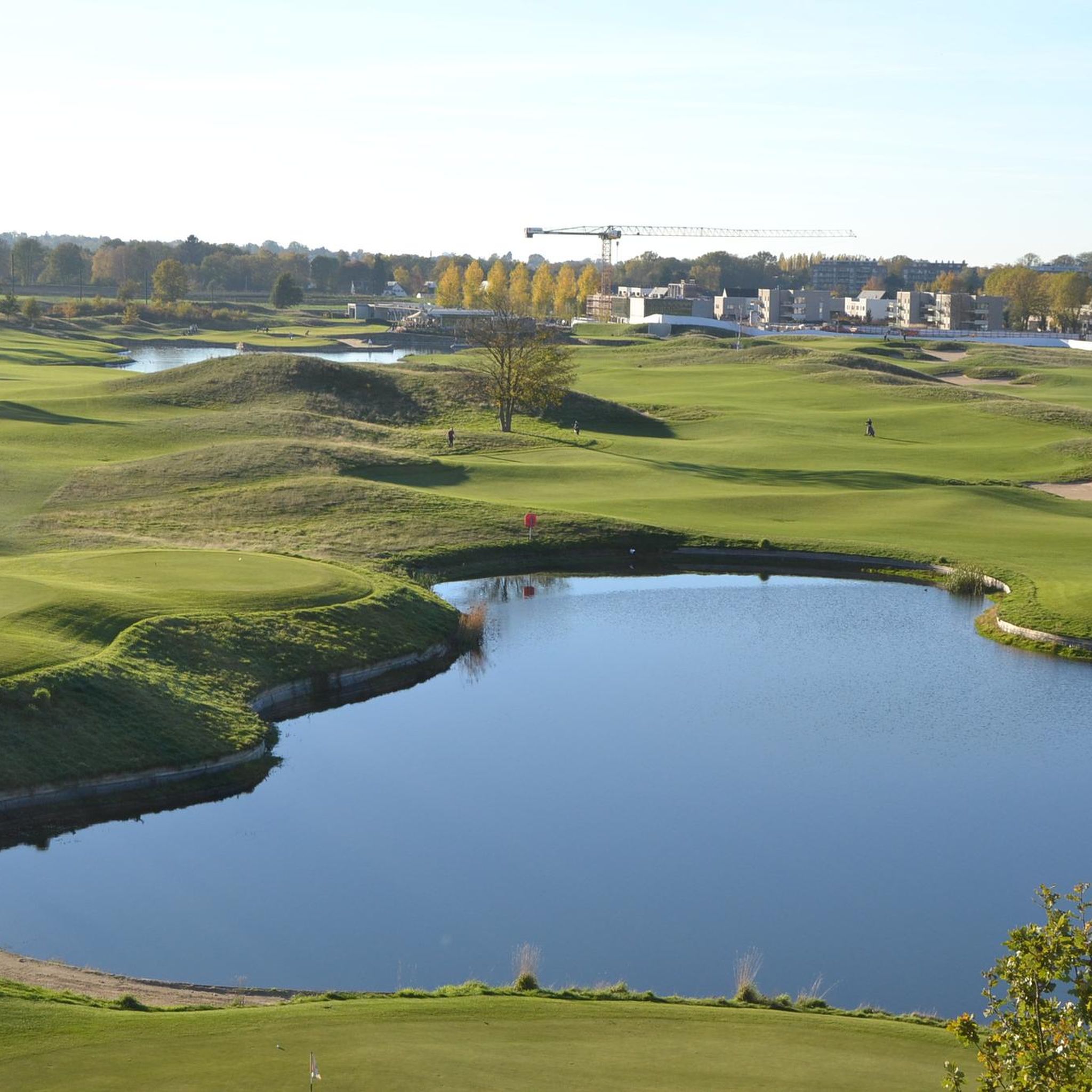
The veneration of Saint Hubert in Tervuren, the presumed place of death of the patron saint of hunters, dates back to at least the 16th century and is probably even older. Every year on the last Sunday in October, an open-air mass is celebrated there in honor of Saint Hubert, and horses and dogs are blessed to protect them from running amok.
4
0

The Castle of Laeken is one of the royal residences in Belgium. It is located in Laeken, part of the city of Brussels since 1921, in the north of the Brussels region. It is surrounded by a 120-hectare park, which also contains the Royal Greenhouses.
5
1

Green lung of the centre of Hoeilaart.
1
0

Beautiful view of the AfricaMuseum. At the moment there are works so you can't go to the castle.
12
0
The Saint-Hubertus Chapel is a chapel in the Park of Tervuren in the Belgian Tervuren. The chapel is a baroque castle chapel of the former Castle of Tervuren. It was built in 1617 according to plans by Wenceslas Cobergher on behalf of the Archdukes Albert and Isabella. Cobergher replaced the wooden chapel in front of the drawbridge with the current stone structure. According to legend, Saint Hubertus died at this location. (Wikipedia)
11
0
Today, the castle and the castle farm house the municipal services and the OCMW - Social House.
11
0
Frequently Asked Questions
What historical castles are located directly in Wezembeek-Oppem?
Wezembeek-Oppem is home to the Kasteel van Oppem (also known as Kasteel de Grunne) and the Château de Burbure. Both offer a glimpse into the region's rich past, with histories dating back centuries.
Are the local castles in Wezembeek-Oppem open to the public?
The Kasteel van Oppem and Château de Burbure are primarily private estates. Public access for direct tours or specific visitor attractions is generally limited. For current visiting arrangements, it's advisable to check local tourism resources or contact the municipal heritage department.
What are some other notable castles to visit near Wezembeek-Oppem?
Beyond the immediate vicinity, you can explore several significant historical sites. These include Leefdaal Castle, a Renaissance castle with late medieval remains, and Laeken Castle, a royal residence surrounded by a large park. The Halle Gate in Brussels, a preserved medieval city gate, also serves as a museum.
What historical significance does Kasteel van Oppem hold?
The Kasteel van Oppem, or Kasteel de Grunne, has a history stretching back to 1487 when it began as a beguinage. It underwent significant transformations from a religious institution to a private residence, rebuilt and expanded after wartime destruction in 1635. Its evolution reflects centuries of local history.
What are the unique features of Château de Burbure?
The Château de Burbure, rebuilt in the 18th century and restored in 1902, is characterized by its H-shaped plan and construction using bricks and sandstone. Its park is particularly notable, featuring majestic swamp cypresses, a rare yellow horse-chestnut, and an impressive old red beech tree. The Kapelanenbeek stream flows along its estate.
Are there family-friendly castles to visit in the area?
Yes, several castles and historical sites near Wezembeek-Oppem are considered family-friendly. Laeken Castle, Sint-Hubertus Chapel (part of the former Tervuren Castle), Leefdaal Castle, Hoeilaart Castle, and the Halle Gate all offer aspects suitable for family visits, often including parks or historical exploration.
What kind of natural surroundings can I expect near these castles?
The castles around Wezembeek-Oppem are often set within green landscapes. For instance, Laeken Castle is surrounded by a vast 120-hectare park, and Sint-Hubertus Chapel is located within the Park of Tervuren, featuring lakes and forests. The Château de Burbure also boasts a park with unique trees and a stream.
Are there cycling routes near the castles around Wezembeek-Oppem?
Absolutely! The region offers numerous cycling opportunities. You can find various routes for touring bicycles, road cycling, and mountain biking. Explore options like the Tervuren Park loop or routes near Lindekemale Mill. For detailed routes, check out the Cycling around Wezembeek-Oppem guide.
Can I find hiking trails near these historical sites?
Yes, the area around Wezembeek-Oppem and its castles is excellent for hiking. Many trails pass through natural parks and forests. For example, the Tervuren Park offers several walking routes. While specific hiking guides are not listed, you can often find walking paths integrated into the cycling and MTB guides, or explore the parks surrounding the castles.
What makes Sint-Hubertus Chapel a unique historical site?
The Sint-Hubertus Chapel is a baroque castle chapel from the former Tervuren Castle, built in 1617. It's unique for its historical connection to Saint Hubertus, the patron saint of hunters, who is believed to have died at this location. An open-air mass is still celebrated there annually, blessing horses and dogs.
What do visitors enjoy the most about Leefdaal Castle?
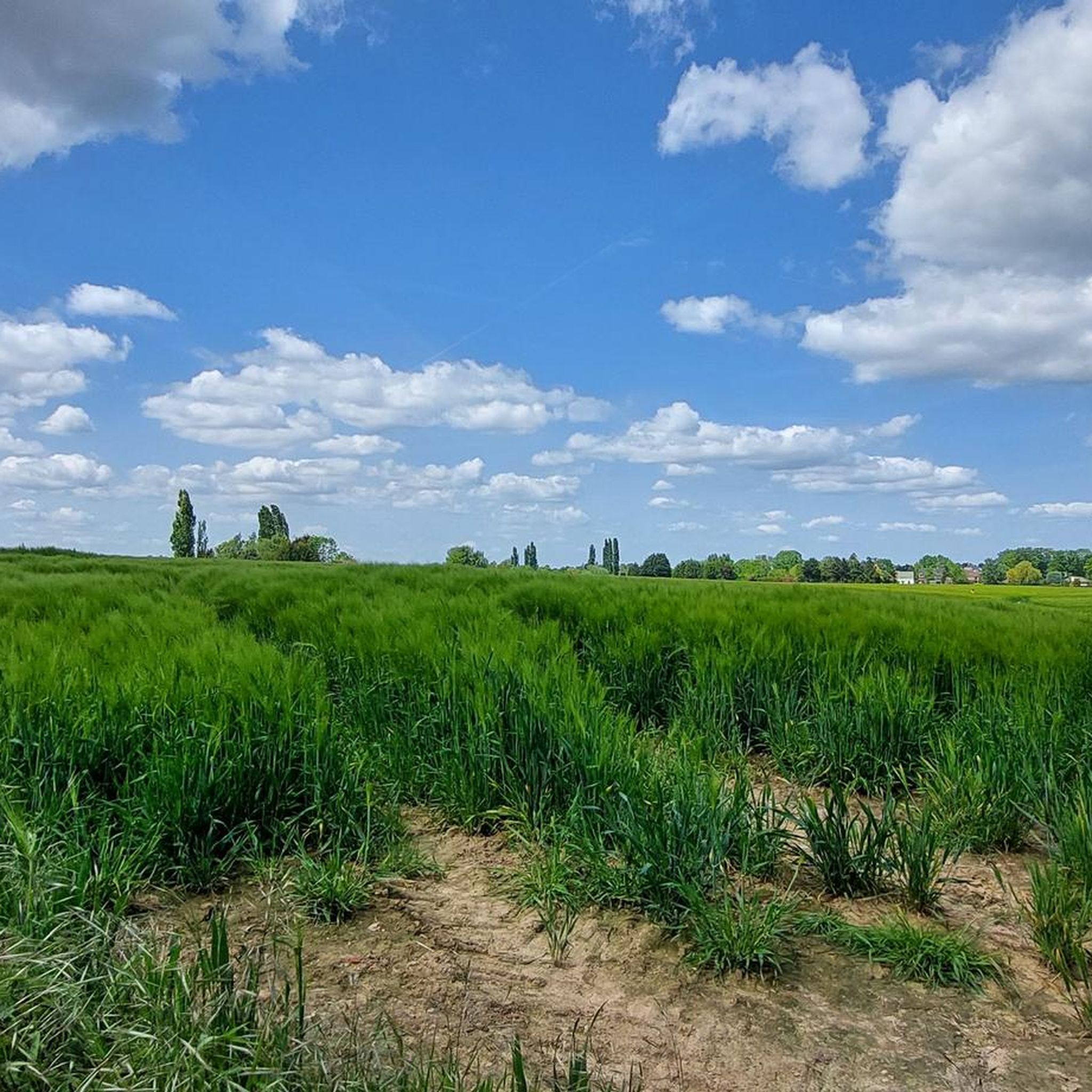
Visitors appreciate the super nice atmosphere around Leefdaal Castle, particularly its setting with ponds and forest roads. While the castle itself is privately owned and views might be limited by hedges, the surrounding area offers a pleasant historical and natural experience.
What is the best time of year to visit castles around Wezembeek-Oppem?
The best time to visit is generally during spring (April-May) or early autumn (September-October) when the weather is mild and the natural surroundings are particularly beautiful. Spring offers blooming flowers, while autumn provides vibrant foliage, enhancing the scenic beauty of the castle parks and estates.
Most popular routes around Wezembeek-Oppem
Most popular attractions around Wezembeek-Oppem

Get inspired with the komoot mobile app


Explore more
Looking for the best castles somewhere else? Discover other guides around Wezembeek-Oppem:
