Top 20 Castles in Cuneo
Castles in Cuneo province Italy are situated within the Piedmont region, offering a blend of historical architecture and natural landscapes. The area is characterized by its rolling hills, vineyards, and the backdrop of the Cottian Alps. This province provides a setting for exploring centuries of art, noble history, and medieval structures. Many castles are integrated into charming villages, contributing to the cultural significance of the region.
Best castles in Cuneo
- The most popular castles is Barolo Village and Vineyards, a settlement and castle that features the Castello Falletti. The castle, originally a defensive fortress, now houses a wine museum and offers views over the surrounding hills.
- Another must-see spot is Grinzane Cavour Castle, a medieval castle located on a hill amidst vineyards and hazelnut groves. Visitors can explore the castle, which includes an enotheca and a restaurant.
- Visitors also love Racconigi Royal Castle, a castle and historical site that served as a royal residence for the House of Savoy. Its architecture blends medieval origins with 17th and 19th-century additions, and it is surrounded by a 190-hectare park.
- Cuneo is known for its medieval fortresses, noble residences, and cultural centers. The region offers a variety of castles to see and explore, from those with extensive art collections to those with significant historical parklands.
- The castles in Cuneo are appreciated by the komoot community, with more than 330 upvotes and over 160 photos shared across the highlights.
Last updated: June 24, 2026
Historic Center of Barolo
Highlight • Settlement
In the center of Barolo you can find bars, wineries and restaurants offering typical products combined with the best local wines.
Translated by Google •
Tip by

Barolo Village and Vineyards
Highlight • Settlement
We park our steel car on the edge of the plateau. We get to know the lively center at a walking pace. In almost every street you will find one or more wine bars that invite you to taste before purchasing. The temptation is great, cups are filled and ask to be sipped or slurped. We wisely let the third chalice pass, for we have yet to march further.
Sober, but slaloming, we wander through the streets and visit the Castello Falletti for tea. The castle, which was once built as a defensive fortress, is a landmark for many kilometers in the Langhe landscape.
The foundations from the 10th century keep our feet firmly on the ground. The strategic location of the converted 13th century castle still offers beautiful views over the surrounding hills and vineyards. The castle is now one of the 'best wine museums' in Italy. The museum is located over about five floors and focuses on the history and current techniques of viticulture in the area.
Our visit to Barolo ultimately ends where it began, with one difference: fill up that third chalice. Another crate richer and a few euros poorer, we leave the cute village with its cobbled pebbles and medieval houses, on to the next discovery.
Translated by Google •
Tip by

Sign up now to discover places like this
Get recommendations on the best single tracks, peaks, & plenty of other exciting outdoor places.
Sign up for free
Grinzane Cavour Castle
Highlight • Castle
Translated by Google •
Tip by

Serralunga d'Alba Castle
Highlight • Castle
Translated by Google •
Tip by

Serralunga d'Alba Castle
Highlight • Castle
Translated by Google •
Tip by
Castello di Roddi
Highlight • Castle
it.wikipedia.org/wiki/Roddi
Translated by Google •
Tip by

Racconigi Royal Castle
Highlight • Castle
Founded around the 11th century as a stronghold in the Marca of Turin, the castle of Racconigi subsequently passed to the Marquises of Saluzzo and then to the Savoy. The original fortified structure with corner towers was transformed during the seventeenth century: in 1670, in conjunction with the elevation of the castle to the residence of the Savoy-Carignano family, André Le Nôtre designed the garden; in 1676 Guarino Guarini undertook a comprehensive renovation of the building, which was never completed. Starting from 1755 the works were resumed by the architect Giambattista Borra at the behest of Prince Luigi of Savoy-Carignano: the pavilions on the main façade, the large access pronaos, the hall characterized by the so-called "loggia of musicians" date back to this phase, Diana's room and the Chinese lavatories. But it was with the accession to the throne of Carlo Alberto, prince of Carignano, that the residence took on its present appearance: in 1820 the German gardener Xavier Kurten redesigned the green spaces, while the decoration and rearrangement of the interiors were entrusted to the architect Pelagio Palagi, whose taste between neoclassical and eclectic is well represented by an environment of singular charm such as the Etruscan Cabinet. At the same time, the neo-Gothic style service buildings of the Serre and Margaria were built on the edge of the park, intended for the agricultural management of the territory pertaining to the castle. With the transfer of the capital from Turin to Florence (1865) and then to Rome (1871), the royals gradually lost interest in the castle, at least until the early twentieth century, when King Vittorio Emanuele III elected it again as the seat of holiday. The castle was purchased in 1980 by the Italian state.
The sumptuous apartments are evidence of the most significant stages of transformation that the castle underwent from the seventeenth century to the beginning of the twentieth: stuccos, frescoes and furnishings constitute a significant panorama of the changing taste of the court over the course of about four hundred years. The gardens and park keep their nineteenth-century layout intact, characterized by a romantic structure with streams, ponds, caves and monuments.
Translated by Google •
Tip by
Govone Castle
Highlight • Castle
Translated by Google •
Tip by

Bergolo
Highlight • Settlement
Translated by Google •
Tip by
The Castiglia of Saluzzo
Highlight • Castle
Translated by Google •
Tip by

Sign up for free to discover even more castles in Cuneo.
Sign up for free
Already have an account?
Start today with a free account
Your next adventure awaits.
Login or Signup
Popular around Cuneo
Haute Route Alps 2025 — Assaulting the Alps
In the footsteps of the pilgrims in Valle Stura
Tour di Viso – Four days around the Stone King from Castello
Tour di Viso – Four days around the Stone King from Meire Dacant
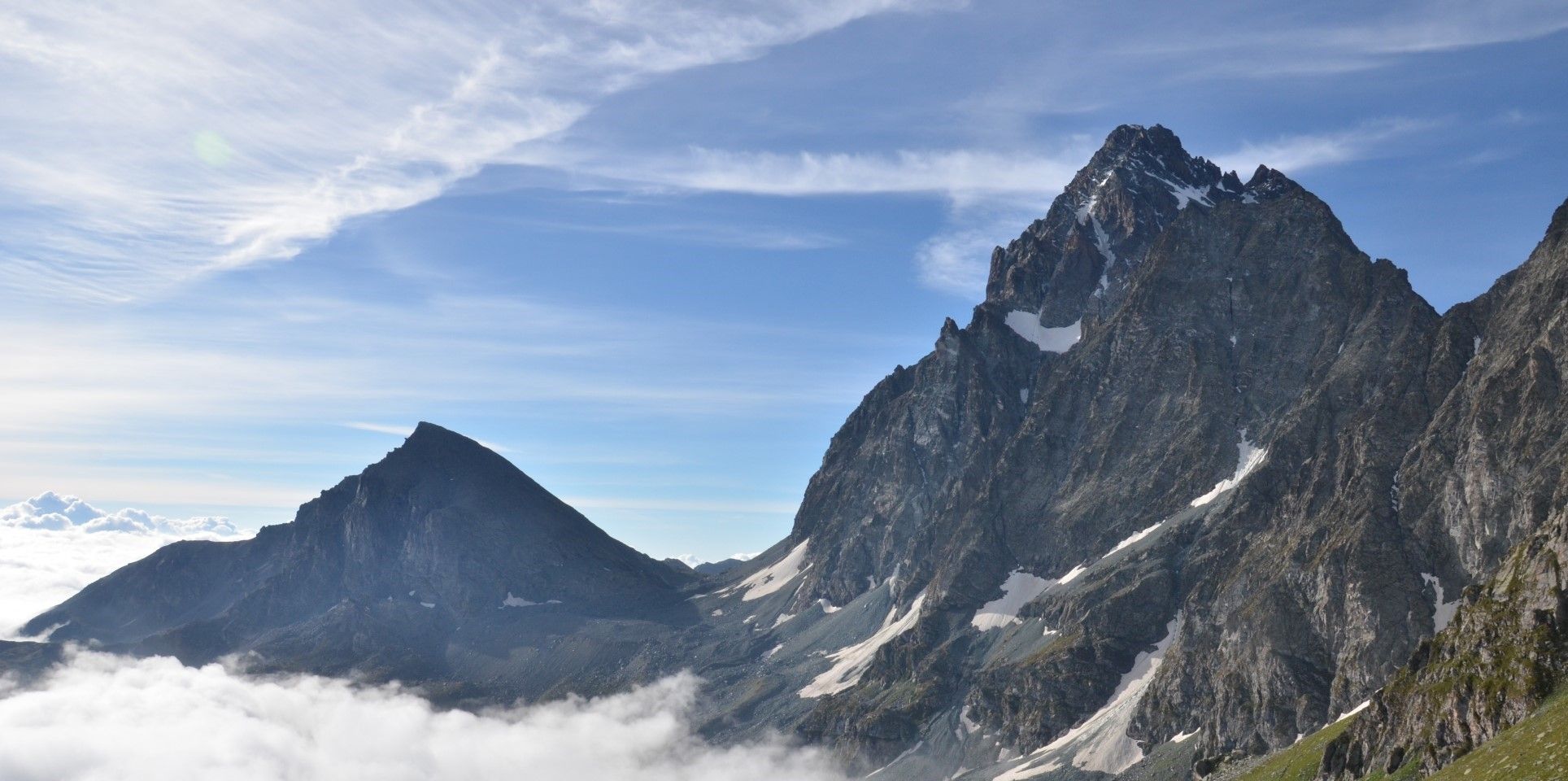
Viso Tour from Castello (variant) – Three days around the Stone King
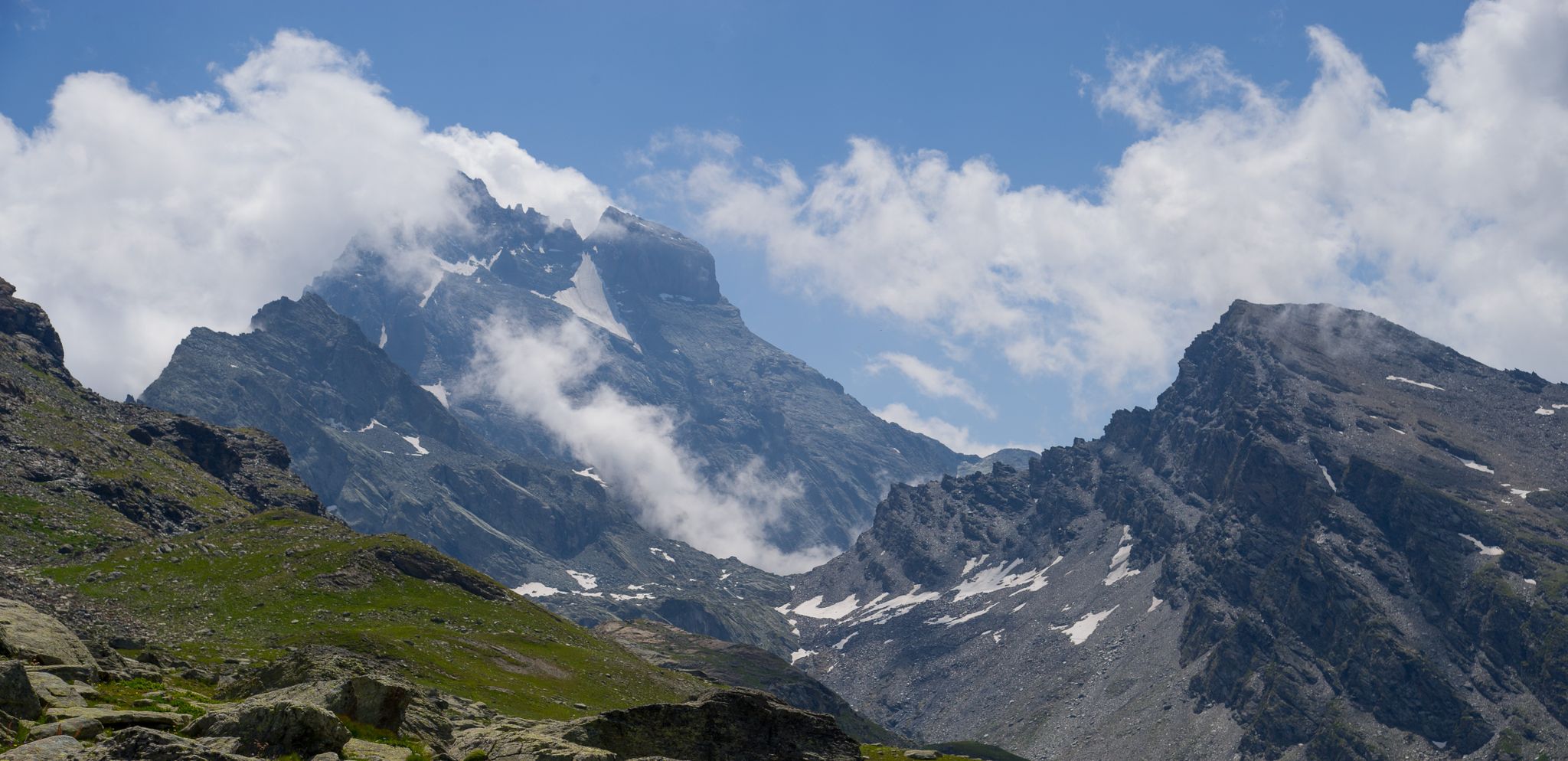
Tour di Viso from Pian del Re – Three days around the Stone King
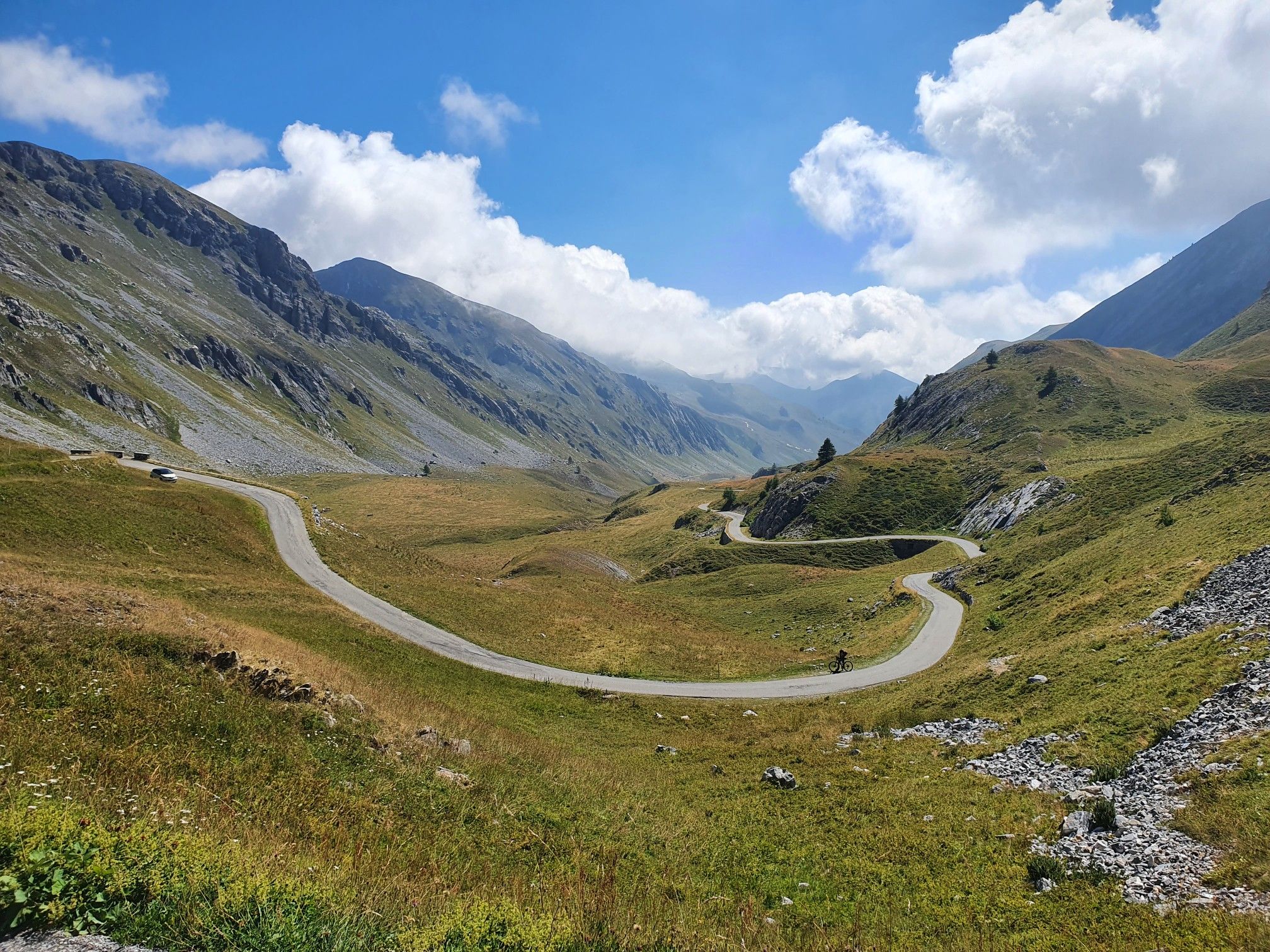
The roads of champions — four passes in Italy's Cuneo province
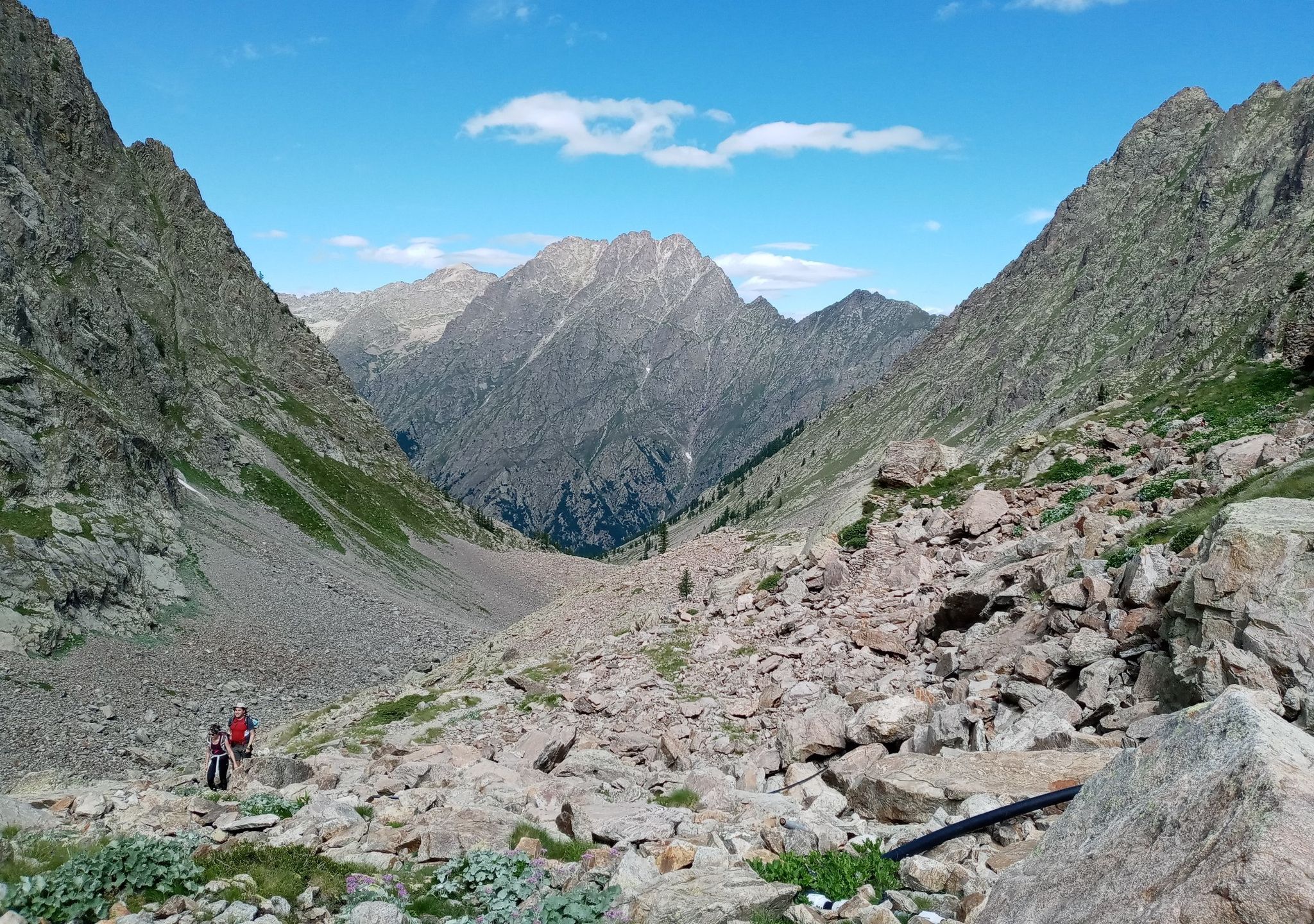
GTA South Piedmont — Hiking in Italy's Occitan valleys
Ciclovie del Po — An all-round experience along Italy's longest river
Alta Via dei Re – a fairytale crossing in Italy's Maritime Alps
Other adventures in Cuneo


Tips from the Community

lost village in the middle of the vineyards and close to the chestnut forest
0
0
Barolo, famous for its wine, is a magnificent medieval village
0
0

Always beautiful to see
0
0

Located in the heart of the Langhe, the Borgo e Castello di Roddi is one of the area's most charming destinations. The perfectly preserved village offers picturesque streets and panoramic views that reveal the region's medieval history. The castle dominates the hilltop and offers spectacular views of the surrounding vineyards. Strolling within Roddi's walls immerses you in an atmosphere of times gone by, amidst the scents of wine and tradition. I recommend visiting the castle during one of the local events, when the village comes alive with cultural events and traditional tastings. The route is easily accessible for those who enjoy walking or cycling, and is an unmissable stop for those who want to experience the true essence of the Langhe.
0
1
The palace is very beautiful and quite large. Years ago I went in the summer to visit the beautiful gardens in the evening.
0
0

Visit with satisfaction the temporary photographic exhibition of the Franco-American photographer Elliott Erwitt. It lasts until February 23, 2025.
0
0

One of the many magnificent places in the Langhe. There is even a corkscrew museum with over 600 items!! Avoid on summer weekends, too many people in too little space.
2
1

the storks haven't arrived yet 😉
0
0
Frequently Asked Questions
Which castles in Cuneo are particularly family-friendly?
Several castles in the Cuneo province offer a great experience for families. Barolo Village and Vineyards, with its wine museum and scenic views, is often enjoyed by families. The Racconigi Royal Castle, a UNESCO World Heritage site, features a vast park perfect for children to explore. Other family-friendly options include Grinzane Cavour Castle and Govone Castle, both offering historical insights in beautiful settings.
Are there castles in Cuneo known for significant historical art or architecture?
Absolutely. The Castello della Manta is renowned for its exceptional Late Gothic frescoes, particularly the 'Nine Worthies' in the Baronial Hall. Racconigi Royal Castle showcases a blend of medieval, 17th-century Baroque, and 19th-century Neoclassical architecture, with lavish interiors and a splendid portrait collection. The Castiglia of Saluzzo, while now a cultural center, offers a deep dive into the Marquisate's history and medieval society.
Which castles feature notable parks or gardens?
The Racconigi Royal Castle is famous for its majestic 190-hectare park, designed by André Le Nôtre and later transformed into an English-style garden. This park is a prime example of European Romanticism and is home to picturesque structures and nesting storks. The Castello della Manta also features delightful gardens with stunning panoramic views of the surrounding hills and the Cottian Alps.
What outdoor activities can I do near the castles in Cuneo?
The Cuneo province offers various outdoor activities near its castles. You can find numerous cycling routes, such as 'The castles of Barolo' route, which takes you through the scenic wine region. For gravel biking, there are challenging routes like the 'View of Barolo – Barolo Castle loop from Pocapaglia'. Mountain biking enthusiasts can explore trails like the 'Neraissa Pass Loop'. You can find more details on these and other routes in the Gravel biking in Cuneo, Cycling in Cuneo, and MTB Trails in Cuneo guides.
What is the best time of year to visit the castles in Cuneo?
Spring and summer are particularly enjoyable for visiting the castles in Cuneo, especially if you plan to explore their extensive parks and gardens, such as the one at Racconigi Royal Castle, when they are in full bloom. The mild weather also makes it pleasant for walking around the castle grounds and nearby villages.
Are there any castles in Cuneo that are considered 'hidden gems'?
While many castles are well-known, the Castello di Roddi, located on a hill 10 km from Alba, is a charming historical site. It's known for being the seat of the only 'university for truffle dogs' and offers an imposing structure with an internal courtyard and panoramic views. Another less-frequented but historically significant site is Monasterolo Castle.
What kind of historical insights can I gain from visiting Cuneo's castles?
Cuneo's castles offer a deep dive into centuries of history. The Castello della Manta provides insight into Late Gothic art and chivalric culture. Racconigi Royal Castle allows you to experience the pomp and daily life of the Italian royal family, the House of Savoy. The Castiglia of Saluzzo, with its Museum of Chivalrous Civilization and Museum of Carceral Memory, offers a unique educational experience on the Marquisate of Saluzzo and social history.
Are there viewpoints associated with the castles in Cuneo?
Yes, many castles in Cuneo offer excellent viewpoints. The Castello Falletti in Barolo provides beautiful views over the surrounding hills and vineyards. The Castello della Manta offers stunning panoramic views of the surrounding hills and the Cottian Alps. Grinzane Cavour Castle is situated on a hill amidst vineyards and hazelnut groves, offering picturesque vistas.
What do visitors enjoy most about the castles in Cuneo?
Visitors frequently appreciate the blend of historical architecture and natural landscapes. The well-preserved frescoes at Castello della Manta, the grand rooms and vast park of Racconigi Royal Castle, and the unique wine museum at Castello Falletti are often highlighted. The charming villages surrounding many castles, offering local wines and food, also contribute to a memorable experience.
Are there any castles in Cuneo that are wheelchair accessible?
While many historic castles may have limited accessibility due to their age and architectural design, some have made efforts to accommodate visitors. It is recommended to check the official websites or contact specific castles directly for the most up-to-date information on wheelchair accessibility, as conditions can vary greatly between sites.
Can I bring my dog to the castles or their grounds in Cuneo?
Policies regarding dogs vary significantly from one castle to another. While some castle grounds or parks might allow leashed dogs, access to interior spaces is typically restricted. For example, the vast park at Racconigi Royal Castle might have specific rules for pets. It's always best to verify the current pet policy with each castle before your visit to avoid disappointment.
How long does it typically take to tour a castle in Cuneo?
The duration of a castle tour can vary. For smaller castles or those primarily focused on exterior views, an hour or two might suffice. Larger residences like Racconigi Royal Castle, with its extensive interiors and vast park, could easily take half a day or more to fully explore. Castles with museums, such as Castello Falletti (wine museum) or The Castiglia of Saluzzo (multiple museums), might require 2-3 hours for a comprehensive visit.
Most popular routes in Cuneo
Most popular attractions in Cuneo

Get inspired with the komoot mobile app


Didn’t find what you were looking for?
Explore Cuneo’s best castles region by region:
Explore more
Looking for the best castles somewhere else? Discover other guides in Cuneo:
