Attractions and Places To See in Mantua - Top 20
Best attractions and places to see in Mantua include a rich array of historical, cultural, and natural sites. The city, a UNESCO World Heritage Site, is uniquely surrounded on three sides by artificial lakes, which are part of the Valli del Mincio Nature Reserve. Mantua is renowned for its Renaissance architecture and its connection to the Gonzaga family, offering diverse experiences for visitors. The surrounding Parco del Mincio provides hiking trails and scenic views along the Mincio River.
Best attractions and places to see in Mantua
- The most popular attractions is Castellaro Lagusello Castle and Clock Tower, a castle and historical site that is a small medieval village sitting on a hill near an iconic heart-shaped lake. The cobbled center of the village with its imposing castle is notable.
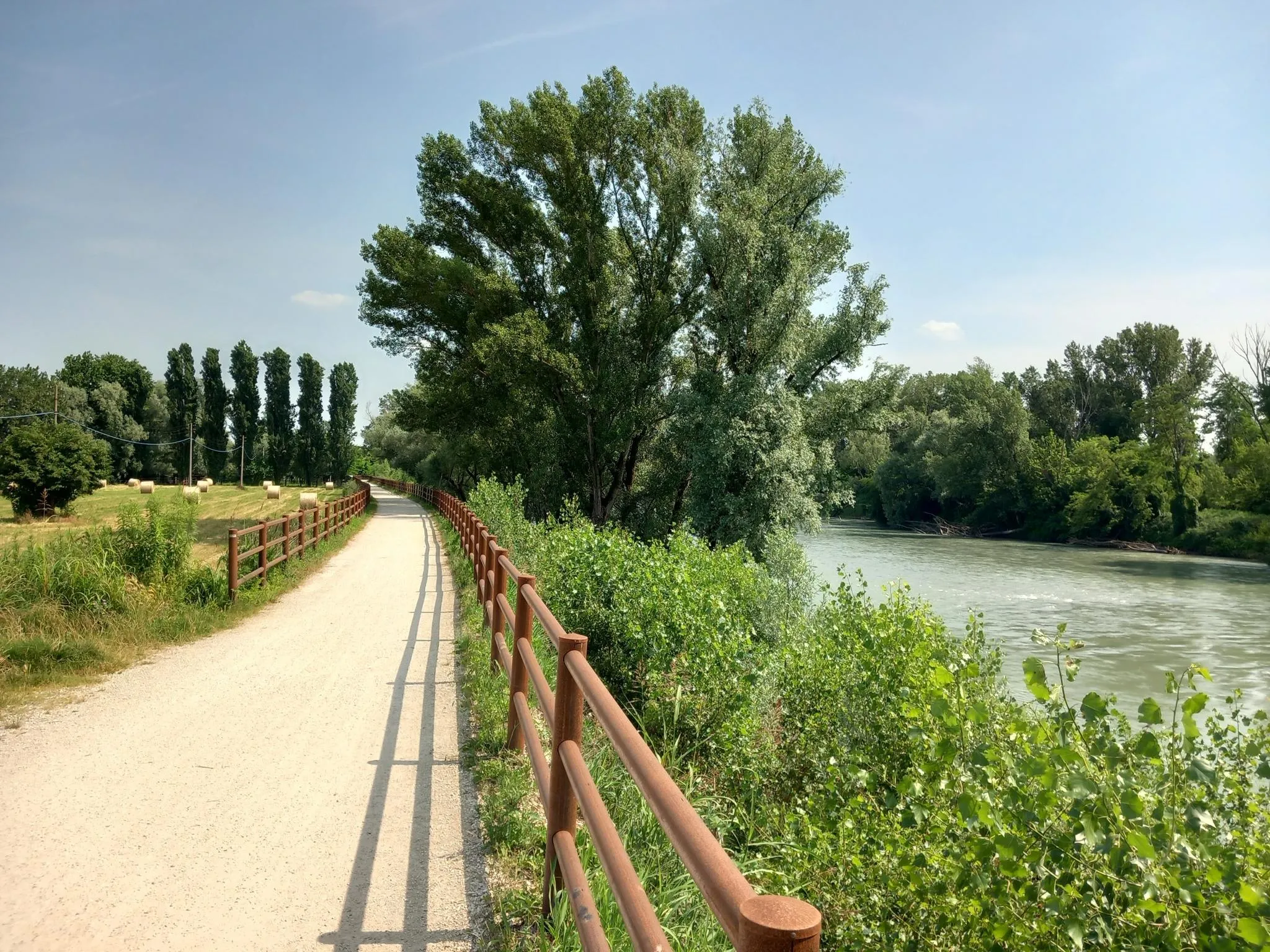
- Another must-see spot is Peschiera-Valeggio cycle path, a cycle way and trail. This path is wheelchair accessible and family-friendly, offering views where the river flows slowly in its bed.
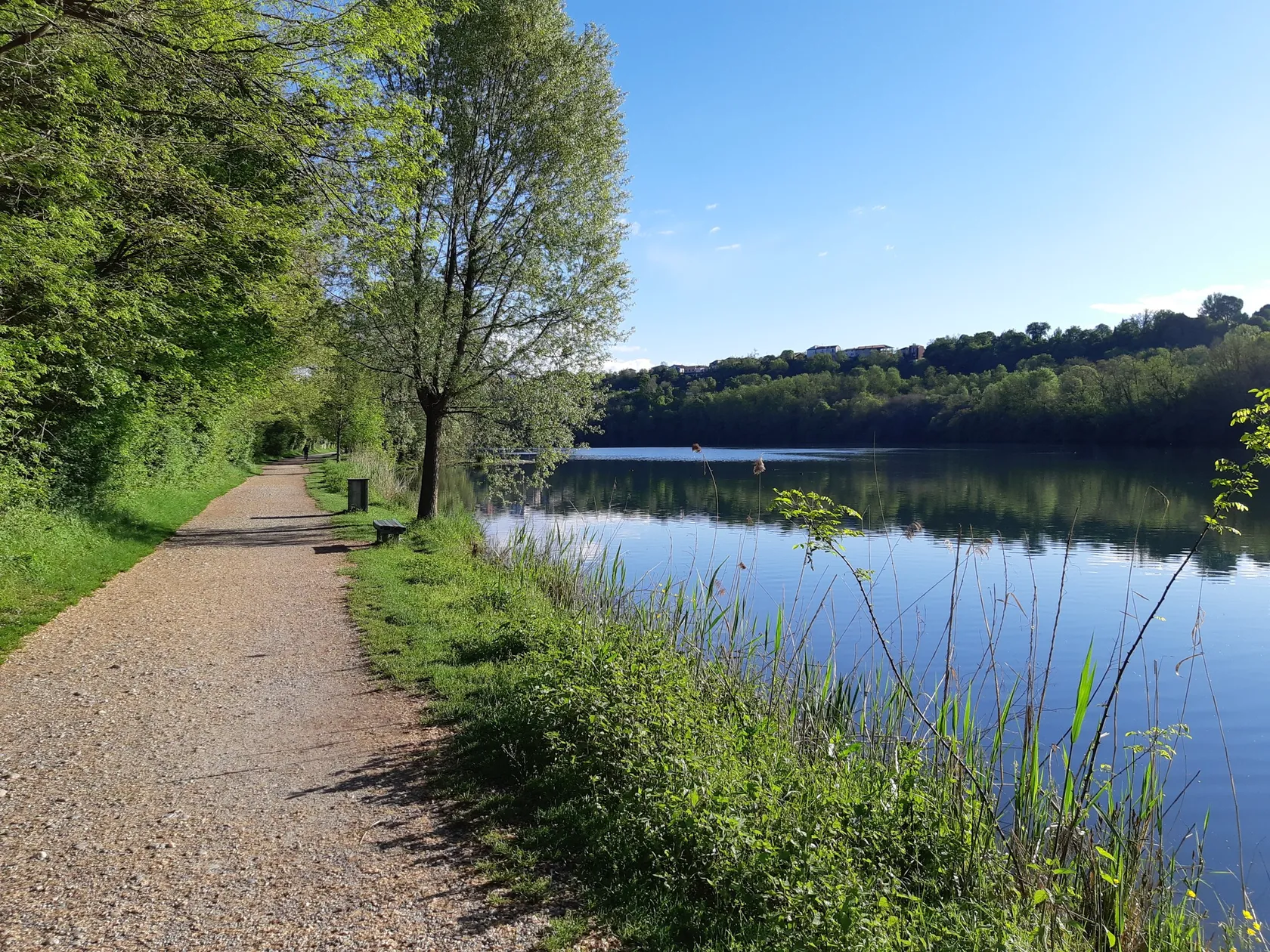
- Visitors also love Mantua Lakes Cycle Path, a cycle way and trail. This path follows the shores of the lakes that surround the city, providing a beautiful piece of cycle path along the lakes of Mantua.
- Mantua is known for its historical sites, castles, and cycle ways. The region offers a variety of attractions to see and explore, from ancient structures to scenic outdoor routes.
- The attractions in Mantua are appreciated by the komoot community, with 390 highlights, 303 photos, and more than 2700 upvotes.
Last updated: August 16, 2026
Mincio River
Highlight (Segment) • River
Translated by Google •
Tip by

Peschiera-Valeggio cycle path
Highlight (Segment) • Cycleway
Translated by Google •
Tip by

Sign up now to discover places like this
Get recommendations on the best single tracks, peaks, & plenty of other exciting outdoor places.
Sign up for free
Salionze Dam
Highlight • Viewpoint
Very beautiful landscape.
Long and beautiful ways to drive.
Translated by Google •
Tip by

Church of Saint Michael the Archangel, Monzambano
Highlight • Religious Site
Translated by Google •
Tip by

Mantua Lakes Cycle Path
Highlight • Cycleway
It's not for the exclusive use of cyclists so it could get crowded.
Translated by Google •
Tip by

Castello di San Giorgio (Mantua)
Highlight • Castle
Translated by Google •
Tip by

Castellaro Lagusello Castle and Clock Tower
Highlight • Castle
Translated by Google •
Tip by

Mincio River
Highlight (Segment) • River
Translated by Google •
Tip by

Ducal Palace, Mantua
Highlight • Castle
Translated by Google •
Tip by
Pontoon bridge on the River Oglio
Highlight • Bridge
The detour can add a considerable amount of kilometers: cross the bridge at San Matteo delle Chiaviche and go around Campitello, Canicossa and Cesole to get back on the EuroVelo 8 to Romanore.
Translated by Google •
Tip by
Sign up for free to discover even more attractions in Mantua.
Sign up for free
Already have an account?
Start today with a free account
Your next adventure awaits.
Login or Signup
Popular around Mantua
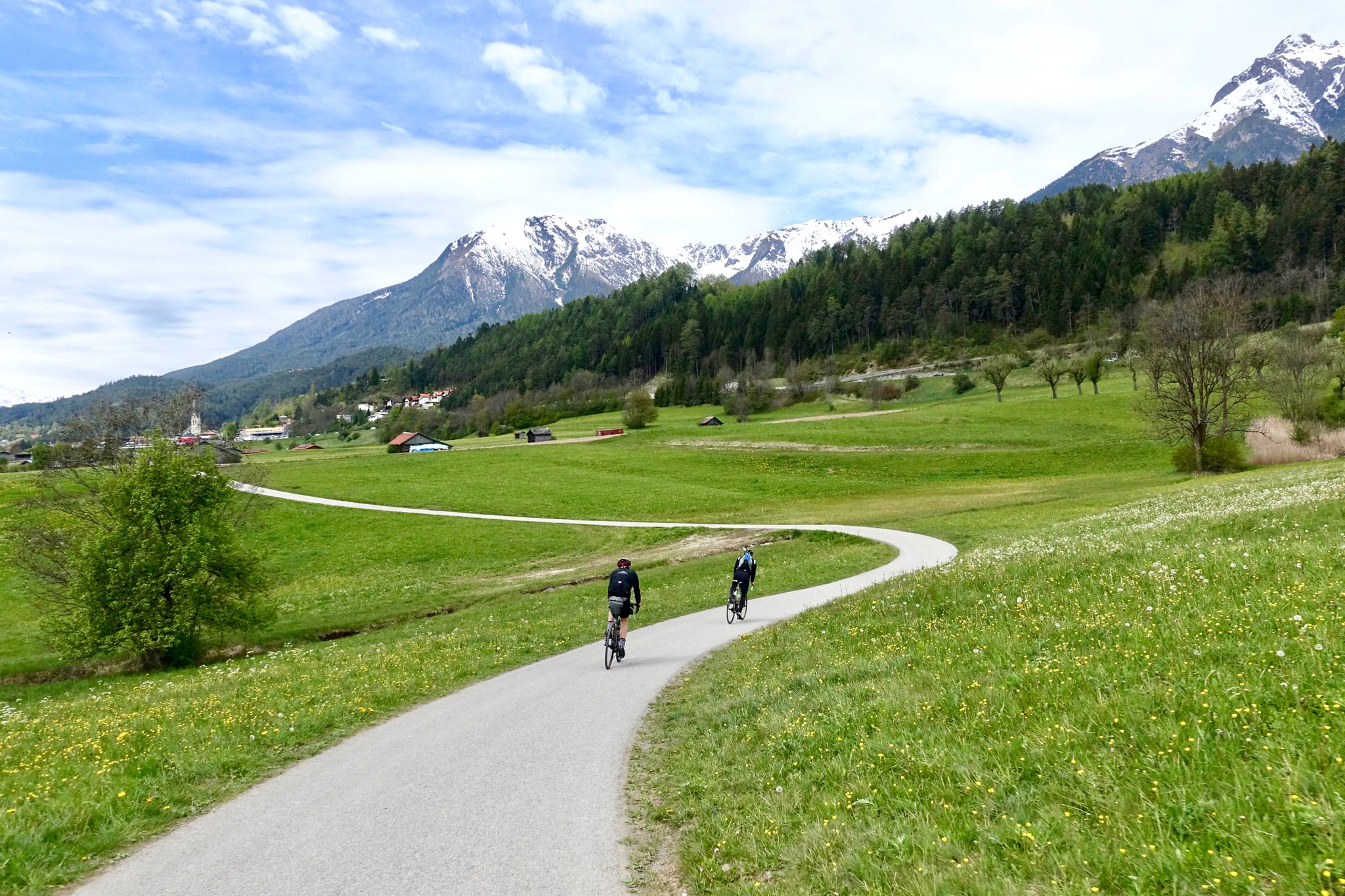
Via Postumia – Hike between the Tyrrhenian and Adriatic seas
Ciclovie del Po — An all-round experience along Italy's longest river
Rando Imperator — a road bike dream with gravel
Lombardy by bike – discover historic villages and natural beauty
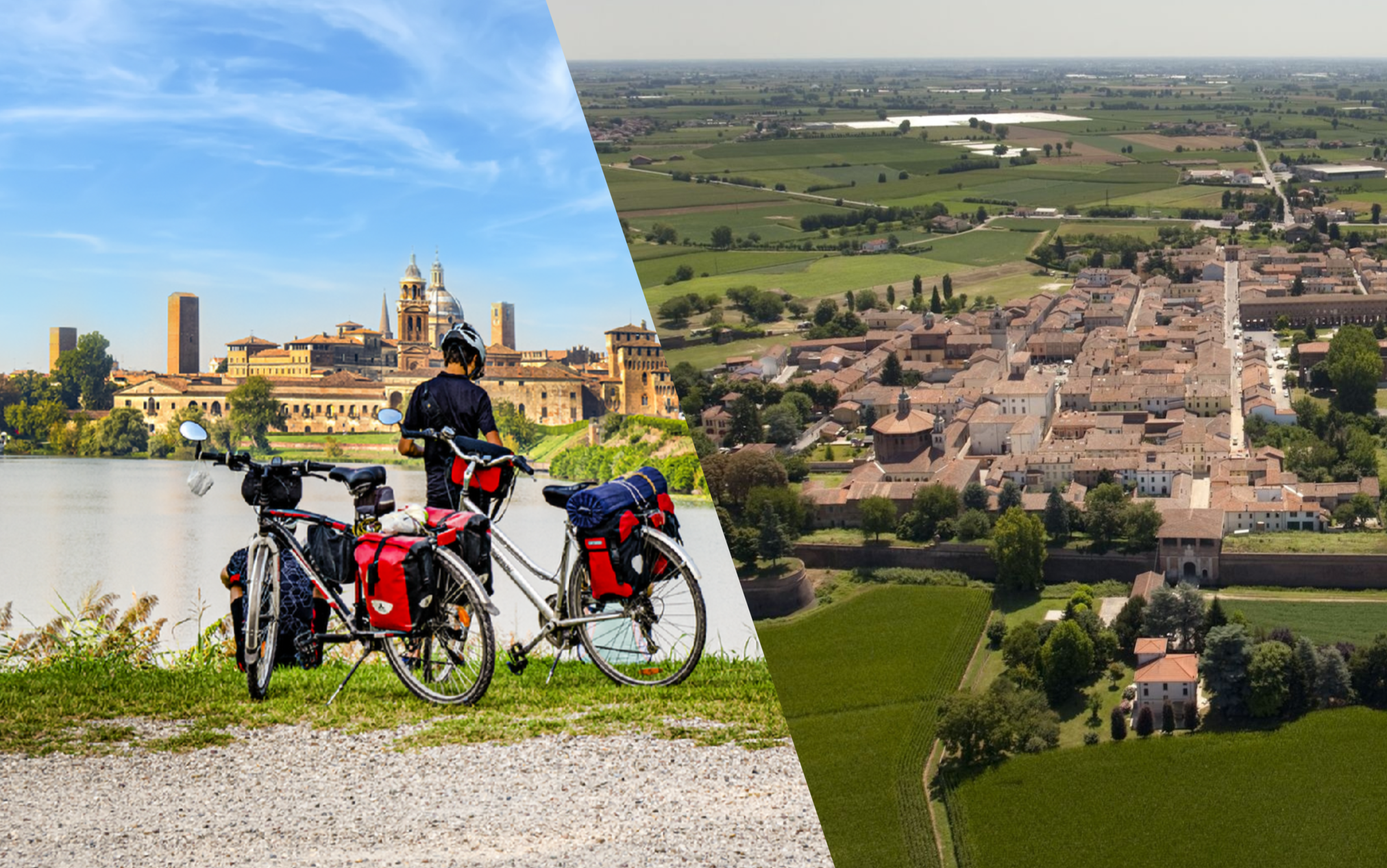
Cycling between the UNESCO towns of Mantua and Sabbioneta
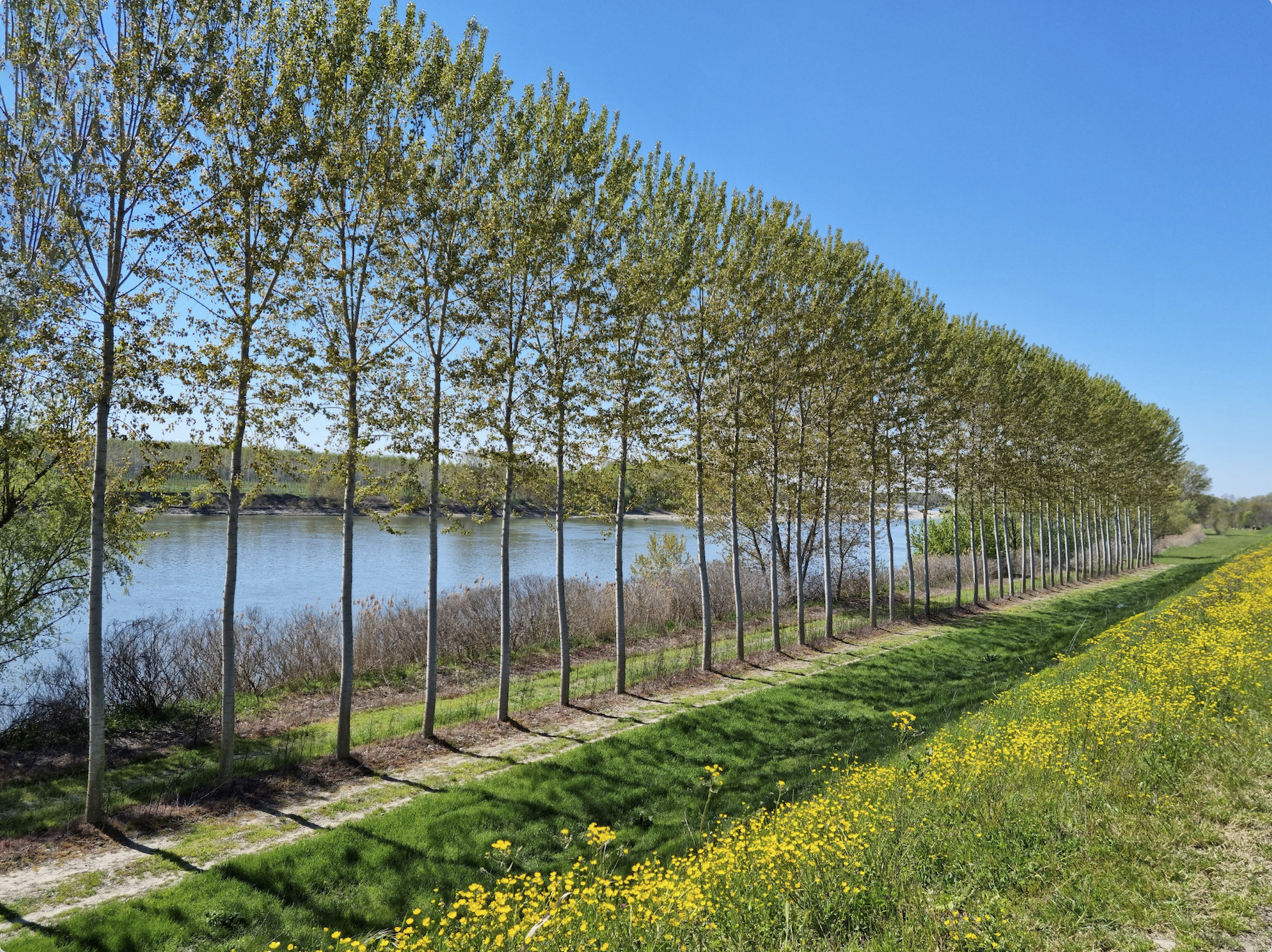
In the kingdom of the English oak – Italy’s CamminaForeste in Lombardy part 1
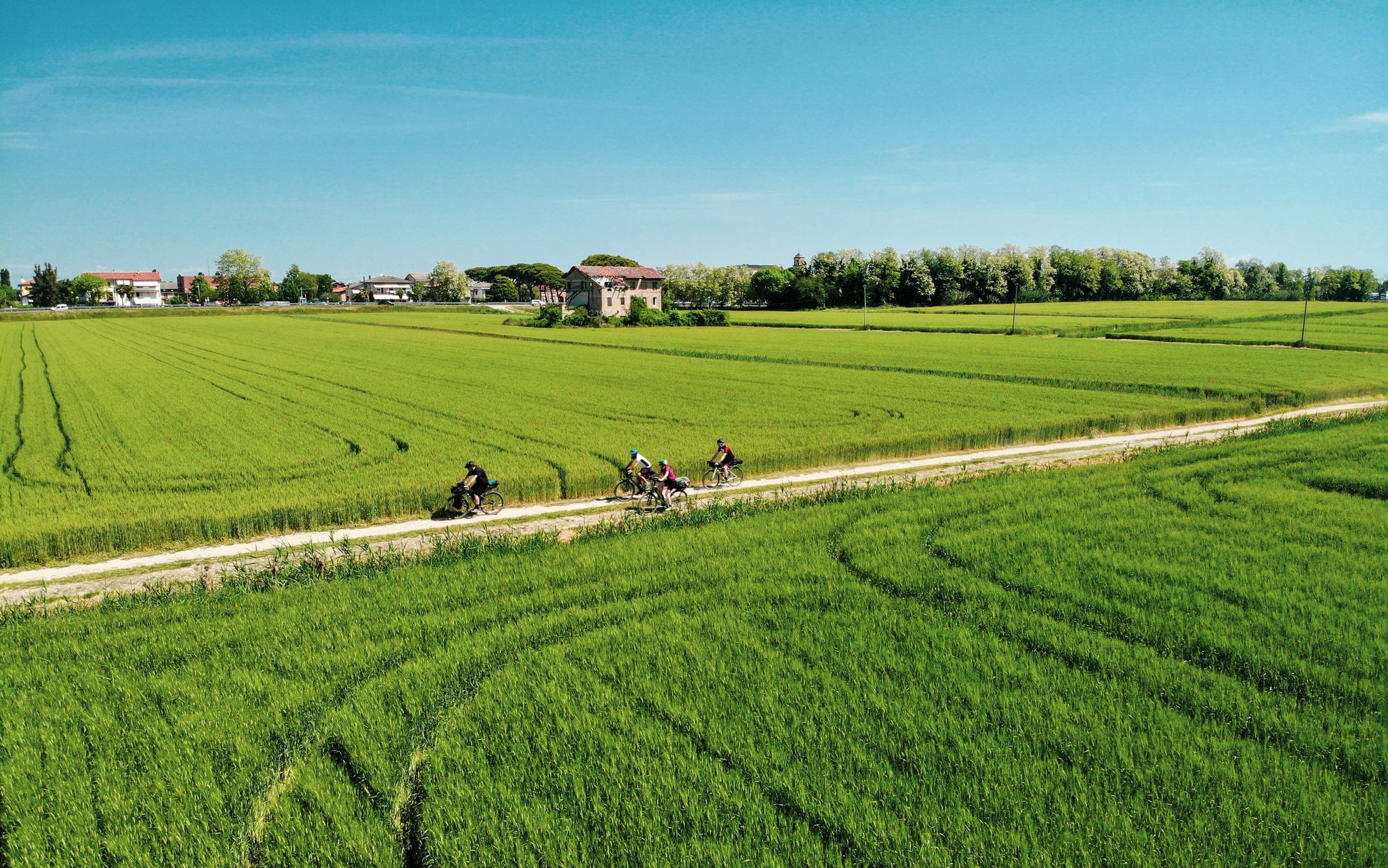
Ride through Italy’s Po Valley – a pilgrimage on the Via Postumia
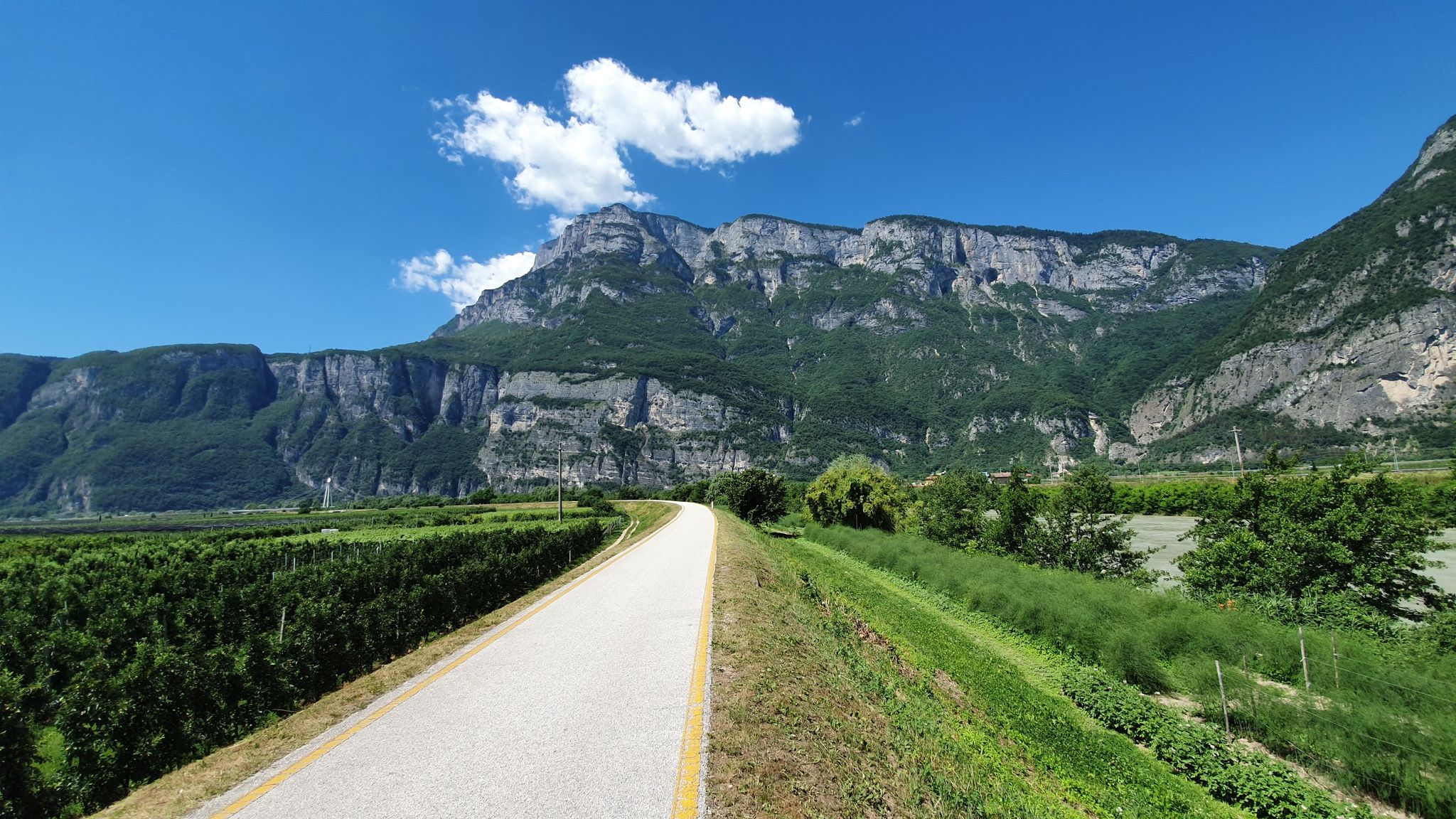
Ciclopista del Sole – Brenner Pass to Florence by bike
Florence to Bolzano – from the heart of Italy to the foot of the Dolomites
Mountains, plains, rivers and lakes — cycling in Italy’s Lombardy region
Other adventures in Mantua


Tips from the Community

The Mincio is a river in northern Italy, the only outlet of Lake Garda and the last left tributary of the Po. Together with the Sarca river and the lake itself, it forms a single river system 203 km long. The river flows on the border between Veneto and Lombardy, and on its banks took place some battles of the Italian Wars of Independence and other events of the Risorgimento. The Lombardo-Veneto Kingdom (1815-1866) consisted of two regions divided by the Mincio: the territory to the right of the river was known as the "Milanese Government", that to the left as the "Venetian Government".
0
0

Away from traffic in the middle of nature
0
0

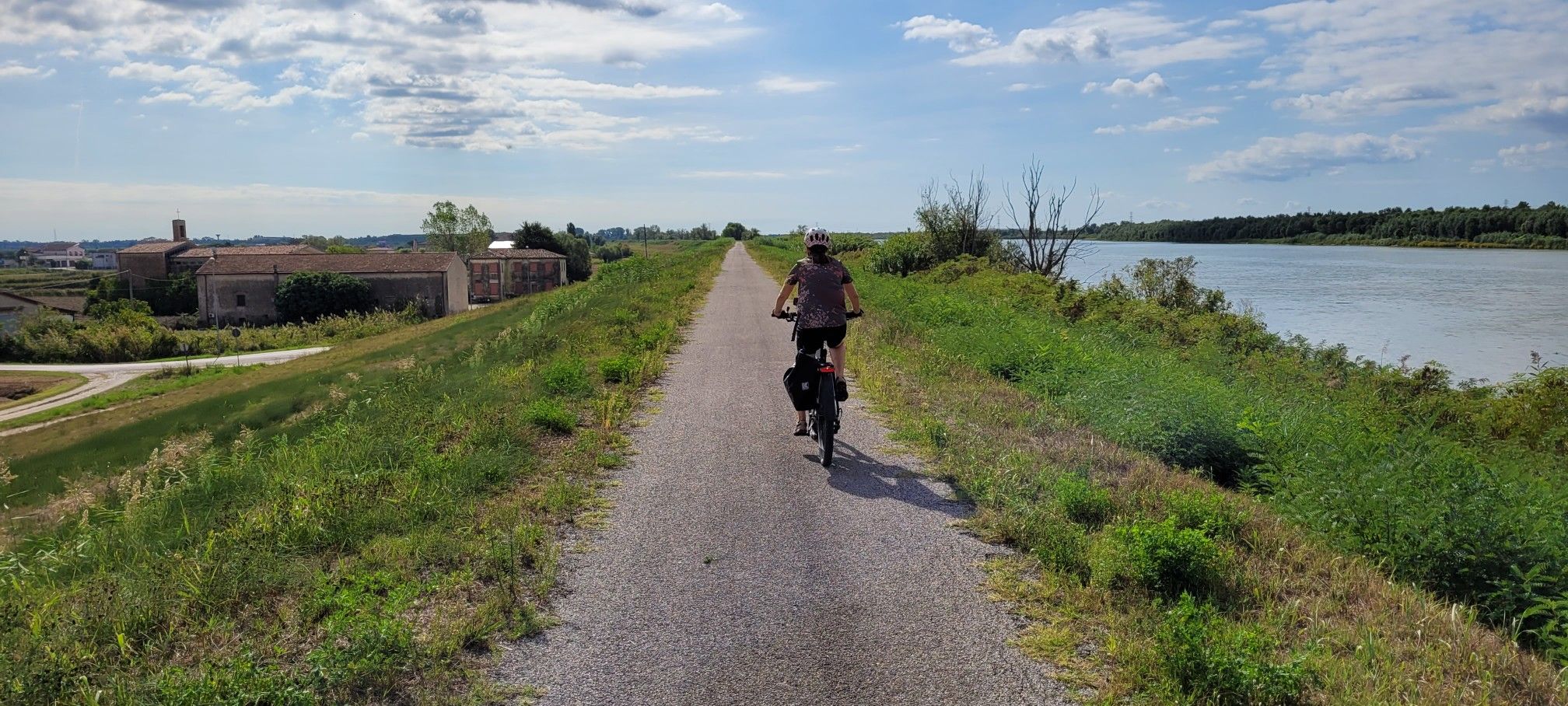
we return to the cycle path alongside the Mincio river, where if we want we can reach Mantua
0
0

beautiful paths around Mantua
0
0


The Ducal Palace was the main residence of the Gonzaga family, lords, marquises and finally dukes of the city of Mantua. It took the name of Royal Palace during the Austrian domination starting from the time of Maria Theresa of Austria. Distinct and separate rooms were built in different periods starting from the 13th century, initially by the Bonacolsi family and later at the instigation of the Gonzaga. It was Duke Guglielmo who commissioned the prefect of the Factories Giovan Battista Bertani to connect the various buildings in an organic form so as to create, starting from 1556, a single grandiose monumental and architectural complex, one of the largest in Europe (approximately 34,000 m²), which extended between the shore of the Lower Lake and Piazza Sordello, the ancient Piazza di San Pietro. After Bertani's death in 1576, the work was continued by Bernardino Facciotto who completed the integration of gardens, squares, loggias, galleries, exedras and courtyards, definitively establishing the appearance of the ducal residence. The interior of the palace is almost bare because once impoverished, the Gonzagas had to sell works of art (especially to Charles I of England) and furnishings, some of which were later stolen by Napoleon. The Palazzo del Capitano overlooking Piazza Sordello is the oldest building of the Ducal Palace commissioned by Guido Bonacolsi at the end of the thirteenth century. Initially built on two floors and separated from the Magna Domus by an alley, in the early 1300s it was raised by one floor and joined to the Magna Domus itself by the monumental façade with portico, which has essentially remained the same to this day. The second added floor consists of a single enormous hall (67 x 15 metres) called Dell'Armeria, also known as the Salone della Dieta, as it hosted the Diet of Mantua in 1459.
0
0
Frequently Asked Questions
What are some must-see historical sites in Mantua?
Mantua is rich in history, particularly from the Renaissance period. Key historical sites include the sprawling Ducal Palace (Palazzo Ducale), which was the Gonzaga family's residence for centuries and houses Andrea Mantegna's famous Bridal Chamber. Another significant site is the Ducal Palace, Mantua. Also, don't miss the Te Palace (Palazzo Te), a masterpiece of Mannerist architecture, and the Castello di San Giorgio (Mantua), an ancient part of the Ducal Palace offering great views. The Sordello Square, Mantua is the historical heart of the city, surrounded by important buildings like the Mantua Cathedral.
Are there any natural attractions or features to explore in Mantua?
Yes, Mantua is uniquely surrounded on three sides by artificial lakes: Lago Superiore, Lago di Mezzo, and Lago Inferiore, which are part of the Valli del Mincio Nature Reserve. These lakes offer beautiful scenery for walks and boat trips. The Mincio River, which feeds these lakes, is also a prominent natural feature, with scenic views and cycling paths along its banks. The surrounding Parco del Mincio provides additional opportunities for nature lovers and birdwatchers.
What kind of outdoor activities can I do near Mantua's attractions?
Mantua offers excellent opportunities for outdoor activities, especially cycling and hiking. You can explore the Mantua Lakes Cycle Path, which follows the shores of the lakes surrounding the city. Another popular option is the Peschiera-Valeggio cycle path, offering scenic views along the Mincio River. For hiking, there are easy trails like the 'Walk along the Mincio in Soave — Ring tour' or moderate options such as the 'Mantua Lakes Loop'. You can find more routes in the Easy hikes in Mantua and Hiking in Mantua guides.
Are there family-friendly attractions or activities in Mantua?
Mantua offers several family-friendly attractions. Many historical sites, such as the Castello di San Giorgio (Mantua) and the Ducal Palace, Mantua, are suitable for families. Outdoor activities like cycling along the Peschiera-Valeggio cycle path or the Mantua Lakes Cycle Path are also great for families. The Castellaro Lagusello Castle and Clock Tower, a medieval village near a heart-shaped lake, is a charming spot for all ages.
What is the best time to visit Mantua for outdoor activities?
The best time to visit Mantua for outdoor activities like cycling and hiking is generally during the spring (April to June) and early autumn (September to October). During these months, the weather is pleasant, with comfortable temperatures for exploring the cycle paths around the lakes and the Mincio River, and for visiting historical sites without the intense heat of summer.
Are there any unique or 'hidden gem' attractions in Mantua?
Beyond the major palaces, consider visiting the Castellaro Lagusello Castle and Clock Tower. This small medieval village, sitting on a hill near an iconic heart-shaped lake, offers a charming detour. Its cobbled center and imposing castle are well worth exploring. Another unique spot is the Rotonda di San Lorenzo, Mantua's oldest church, an 11th-century circular Romanesque structure.
What are the options for cycling around Mantua?
Mantua is very cyclist-friendly, especially around its lakes and the Mincio River. The Mantua Lakes Cycle Path offers a beautiful route along the city's surrounding lakes. Another excellent option is the Peschiera-Valeggio cycle path, which is wheelchair accessible and family-friendly, following the Mincio River. For more extensive rides, you can find routes in the MTB Trails in Mantua guide, such as the 'Mincio River Cycleway'.
What cultural sites are there besides the main palaces?
Beyond the Ducal Palace and Palazzo Te, Mantua offers other significant cultural sites. The Basilica of Sant'Andrea, designed by Leon Battista Alberti, is a Renaissance masterpiece and a pilgrimage site. The Mantua Cathedral (Cattedrale di San Pietro) in Piazza Sordello showcases a mix of architectural styles. For performing arts, the elegant Baroque-style Teatro Bibiena (Scientific Theater) is renowned for its design and acoustics.
Are there any viewpoints in Mantua offering scenic views?
Yes, several spots offer scenic views. The Castello di San Giorgio (Mantua) provides stunning views of the city and surrounding countryside. The Salionze Dam also offers a viewpoint over the river. Additionally, the cycle paths around Mantua's lakes, such as the Mantua Lakes Cycle Path, provide picturesque vistas of the water and the city skyline.
What do visitors enjoy most about Mantua's attractions?
Visitors frequently praise Mantua's rich historical and cultural heritage, particularly its Renaissance architecture and the legacy of the Gonzaga family. The unique setting of the city, surrounded by lakes, is also highly appreciated for its beauty and the opportunities it provides for outdoor activities like cycling. The Castellaro Lagusello Castle and Clock Tower is often highlighted as a charming medieval village worth a visit, especially for its heart-shaped lake.
Is public transport available to reach attractions in Mantua?
Mantua's city center is quite walkable, and many key attractions are within easy reach on foot. For destinations slightly further afield or to reach the natural parks surrounding the city, local bus services are available. It's advisable to check local transport schedules for specific routes to areas like the Parco del Mincio or the lake shores.
How long should I plan to spend at the Ducal Palace in Mantua?
The Ducal Palace (Palazzo Ducale) is a vast complex with over 1,000 rooms, courtyards, and gardens. To fully appreciate its art, architecture, and the famous Bridal Chamber (Camera degli Sposi), you should plan to spend at least 3 to 4 hours. Many visitors choose to dedicate half a day to explore it thoroughly.
Most popular routes in Mantua
Most popular attractions in Mantua

Get inspired with the komoot mobile app


Didn’t find what you were looking for?
Are you keen on exploring more awesome places nearby? Browse our guides:
Explore more
Still not found the Highlight you’re looking for? See guides of the top attractions in other regions:
