Top 11 Natural Monuments in Mantua
Natural monuments in Mantua, Italy, are characterized by a landscape shaped by its three encircling lakes, the Mincio River, and remnants of ancient forests. These features provide ecological significance and opportunities for outdoor recreation. The region's natural areas include protected wetlands, riverine ecosystems, and historic woodlands. Visitors can explore diverse environments ranging from artificial lakes to ancient primary forests.
Best natural monuments in Mantua
- The most popular natural monuments is Confluence of the Oglio and Po Rivers, a river…
Last updated: August 19, 2026
Salionze Dam
Highlight • Viewpoint
Very beautiful landscape.
Long and beautiful ways to drive.
Translated by Google •
Tip by

Bosco Fontana Nature Reserve
Highlight • Forest
Bosco Fontana …
Translated by Google •
Tip by

Sign up now to discover places like this
Get recommendations on the best single tracks, peaks, & plenty of other exciting outdoor places.
Sign up for free
Vallazza Nature Reserve
Highlight • Natural
Translated by Google •
Tip by

Lotus Flower on Lake Superiore, Mantua
Highlight • Lake
Translated by Google •
Tip by

Confluence of the Oglio and Po Rivers
Highlight • River
Pleasant and relaxing route.
Translated by Google •
Tip by

Stork nest
Highlight • Natural Monument
Translated by Google •
Tip by
Paludi di Ostiglia Nature Reserve
Highlight • Natural
Translated by Google •
Tip by

Prehistoric Pile Dwellings of the Alpine Arc - Solferino
Highlight • Historical Site
Translated by Google •
Tip by

Le Bine Nature Reserve
Highlight • Natural Monument
Translated by Google •
Tip by

Parco Golenale del Crostolo
Highlight • Rest Area
Translated by Google •
Tip by

Sign up for free to discover even more natural monuments in Mantua.
Sign up for free
Already have an account?
Start today with a free account
Your next adventure awaits.
Login or Signup
Popular around Mantua
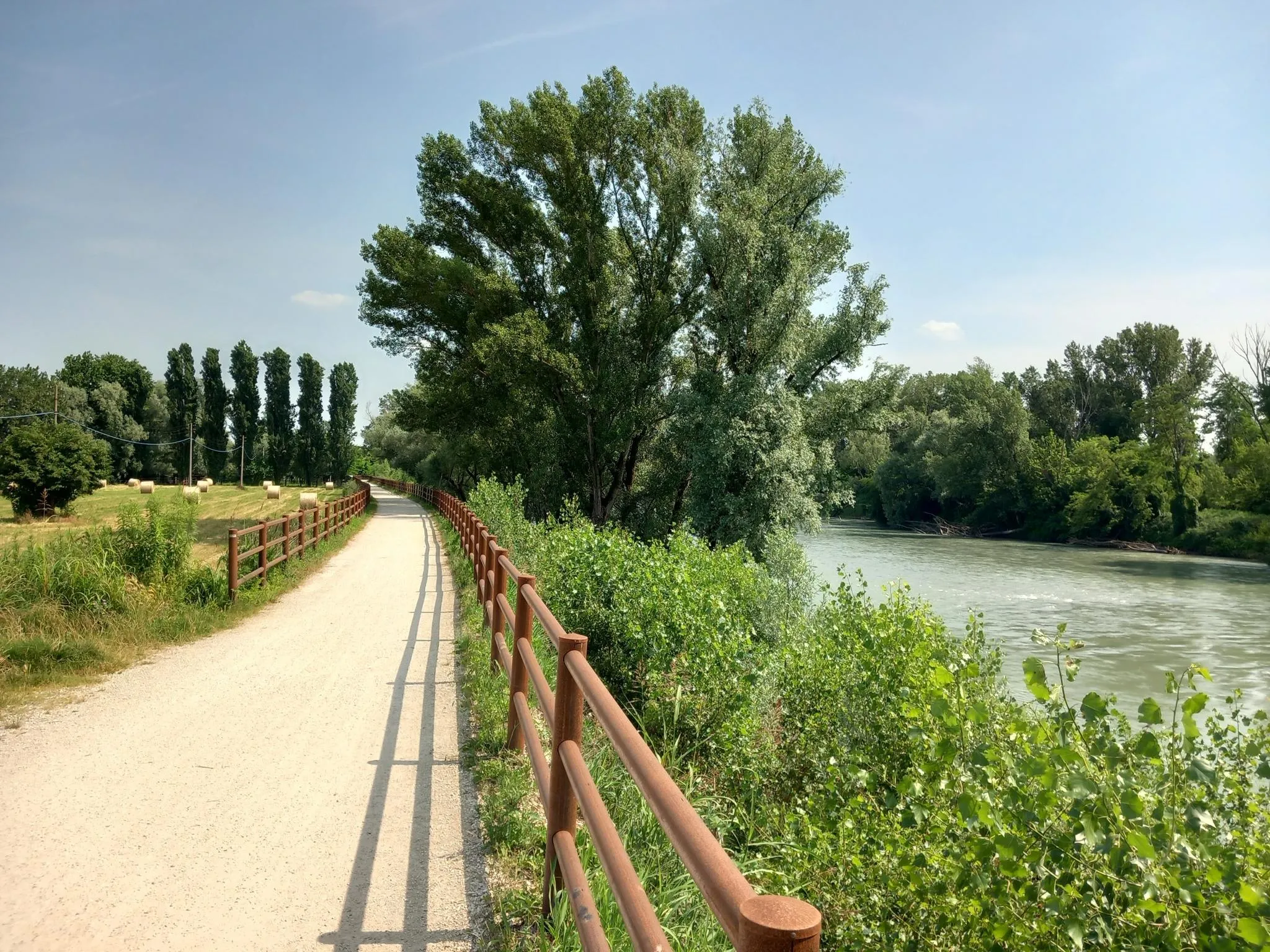
Via Postumia – Hike between the Tyrrhenian and Adriatic seas
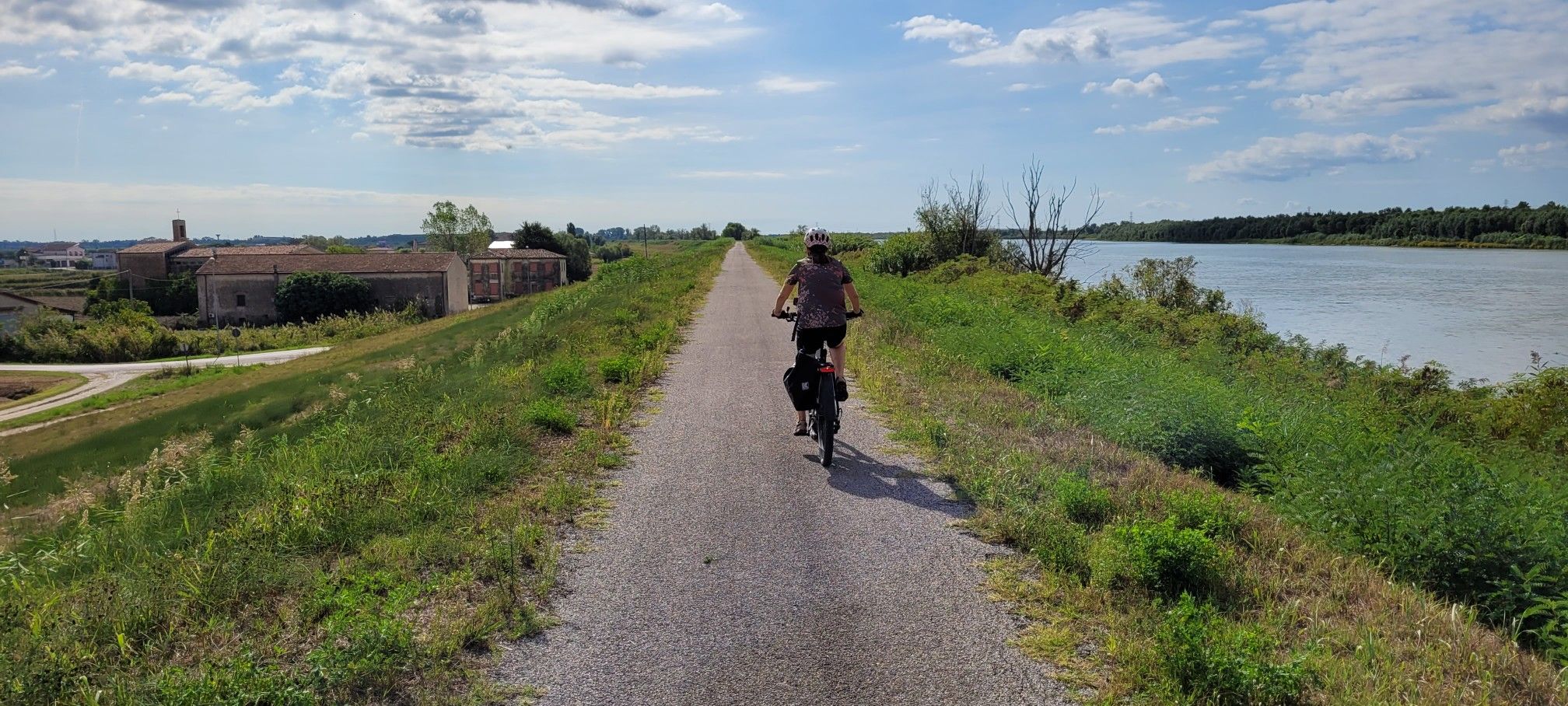
Ciclovie del Po — An all-round experience along Italy's longest river
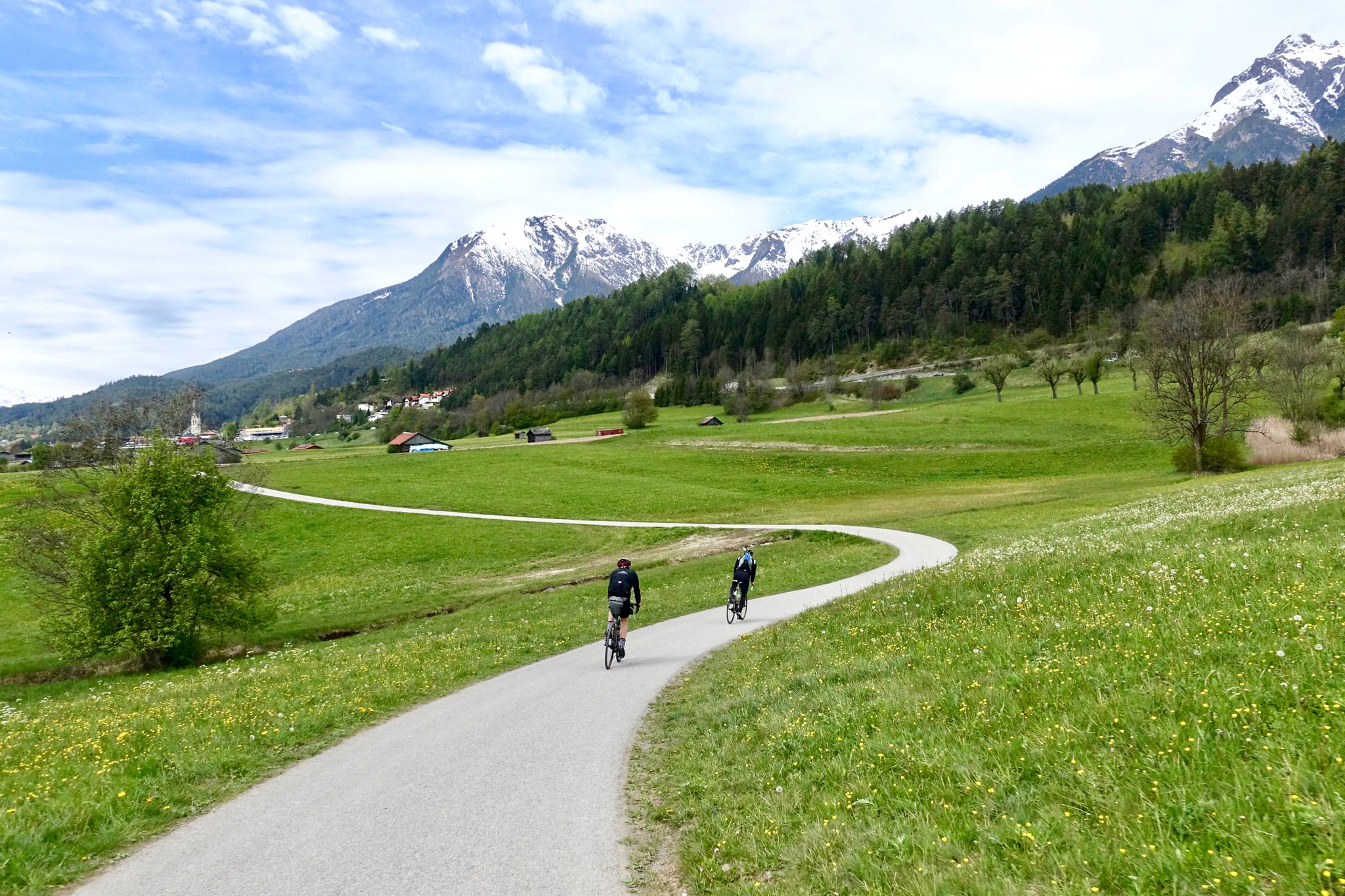
Rando Imperator — a road bike dream with gravel
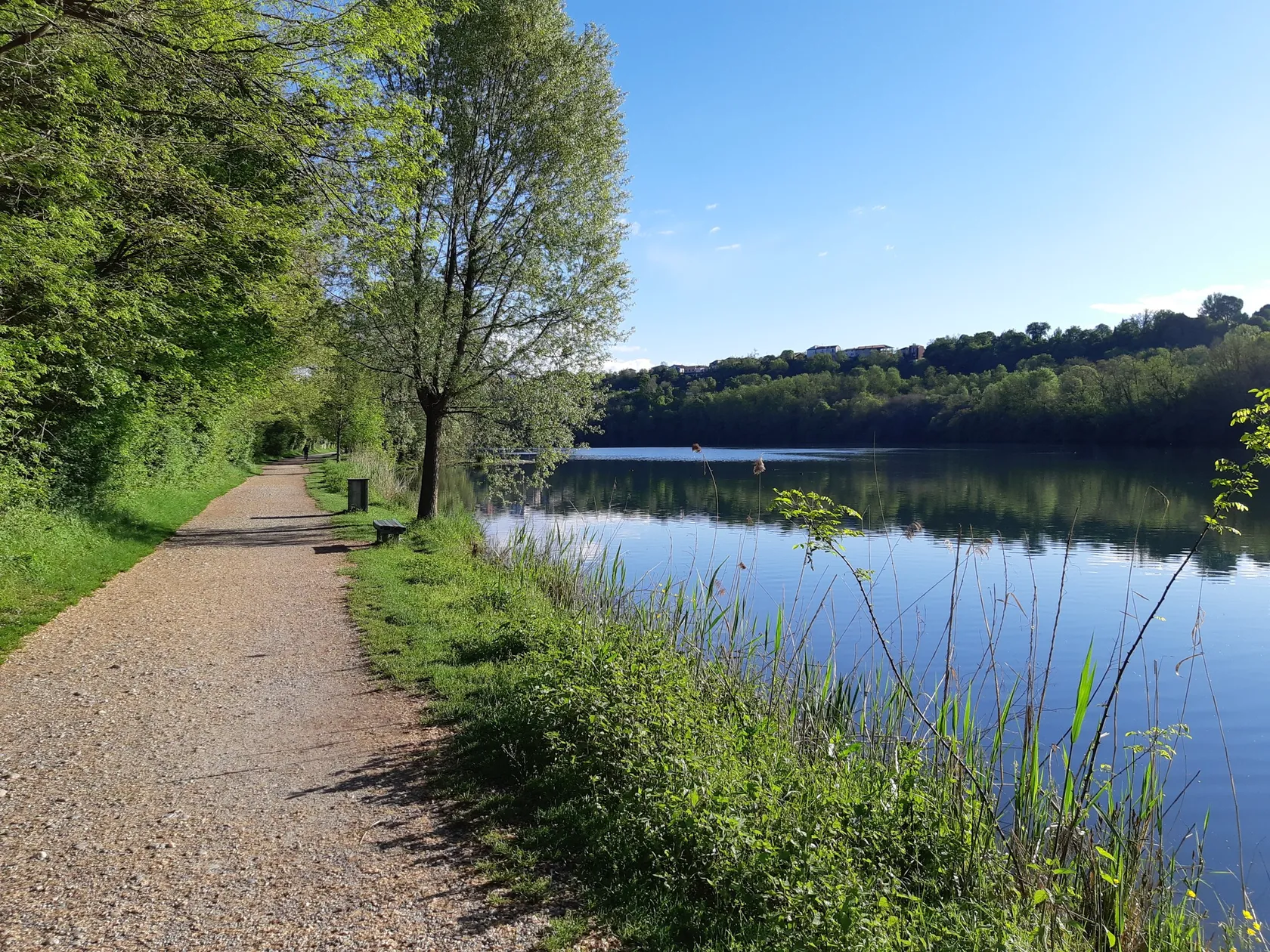
Lombardy by bike – discover historic villages and natural beauty
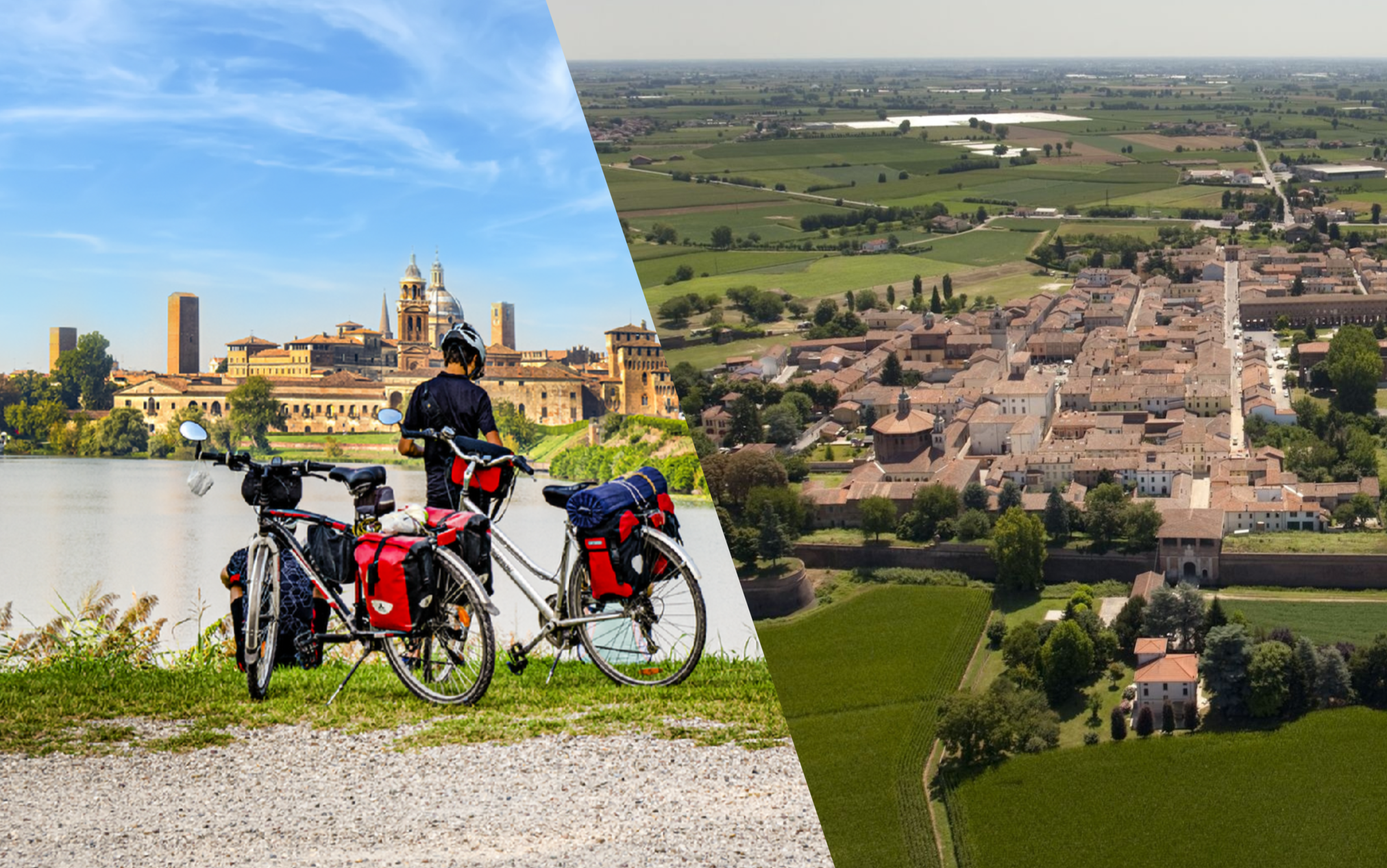
Cycling between the UNESCO towns of Mantua and Sabbioneta
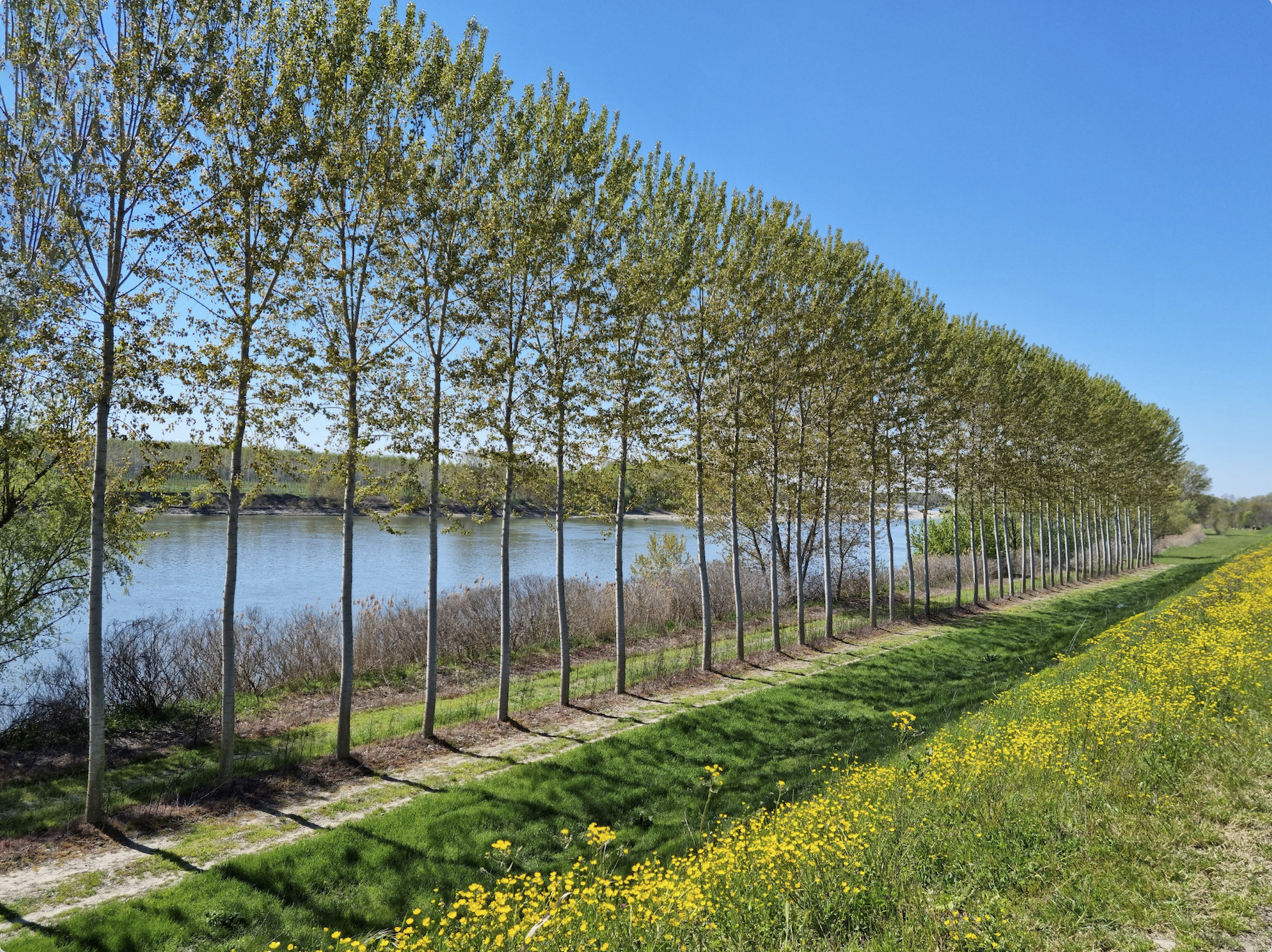
In the kingdom of the English oak – Italy’s CamminaForeste in Lombardy part 1
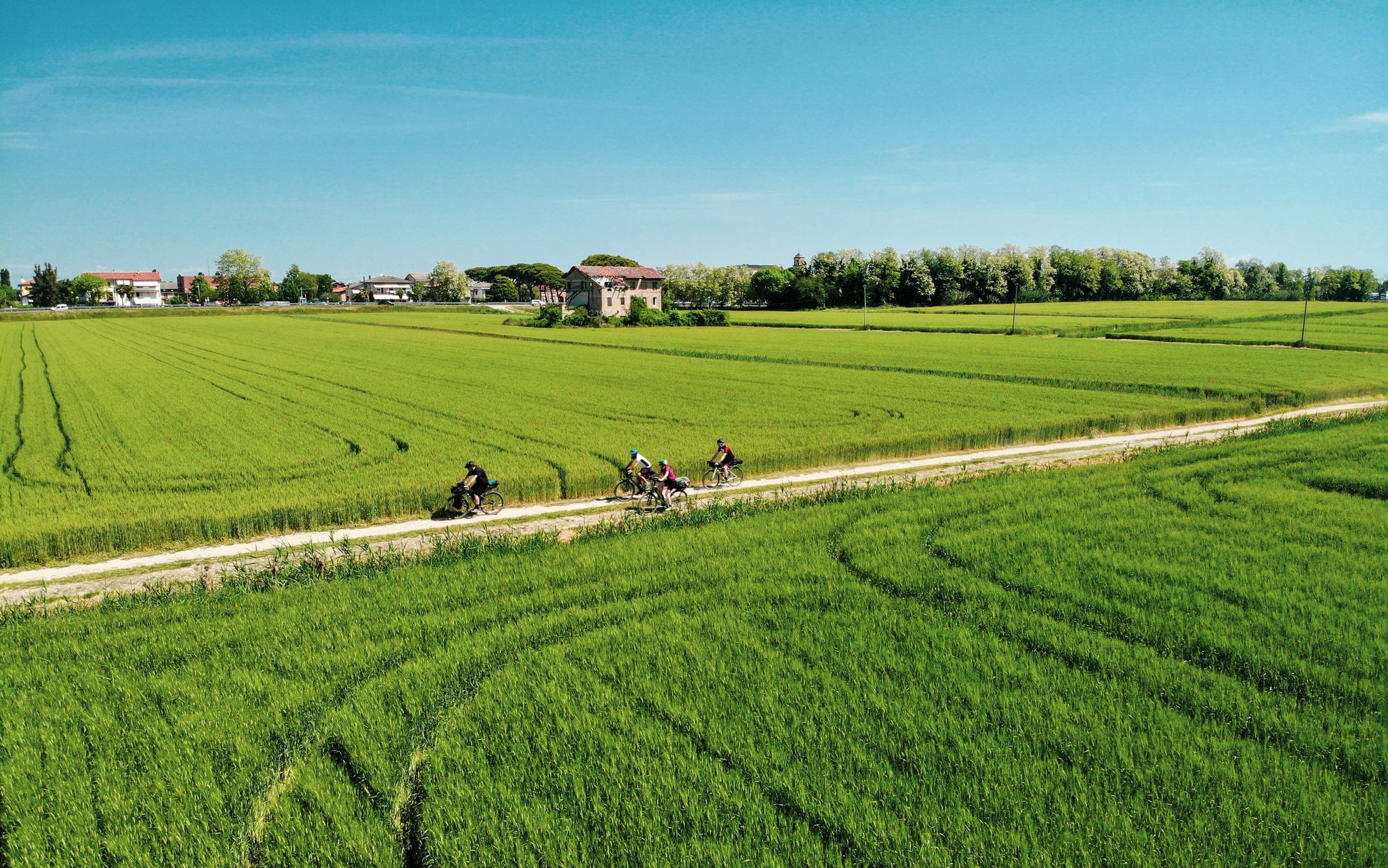
Ride through Italy’s Po Valley – a pilgrimage on the Via Postumia
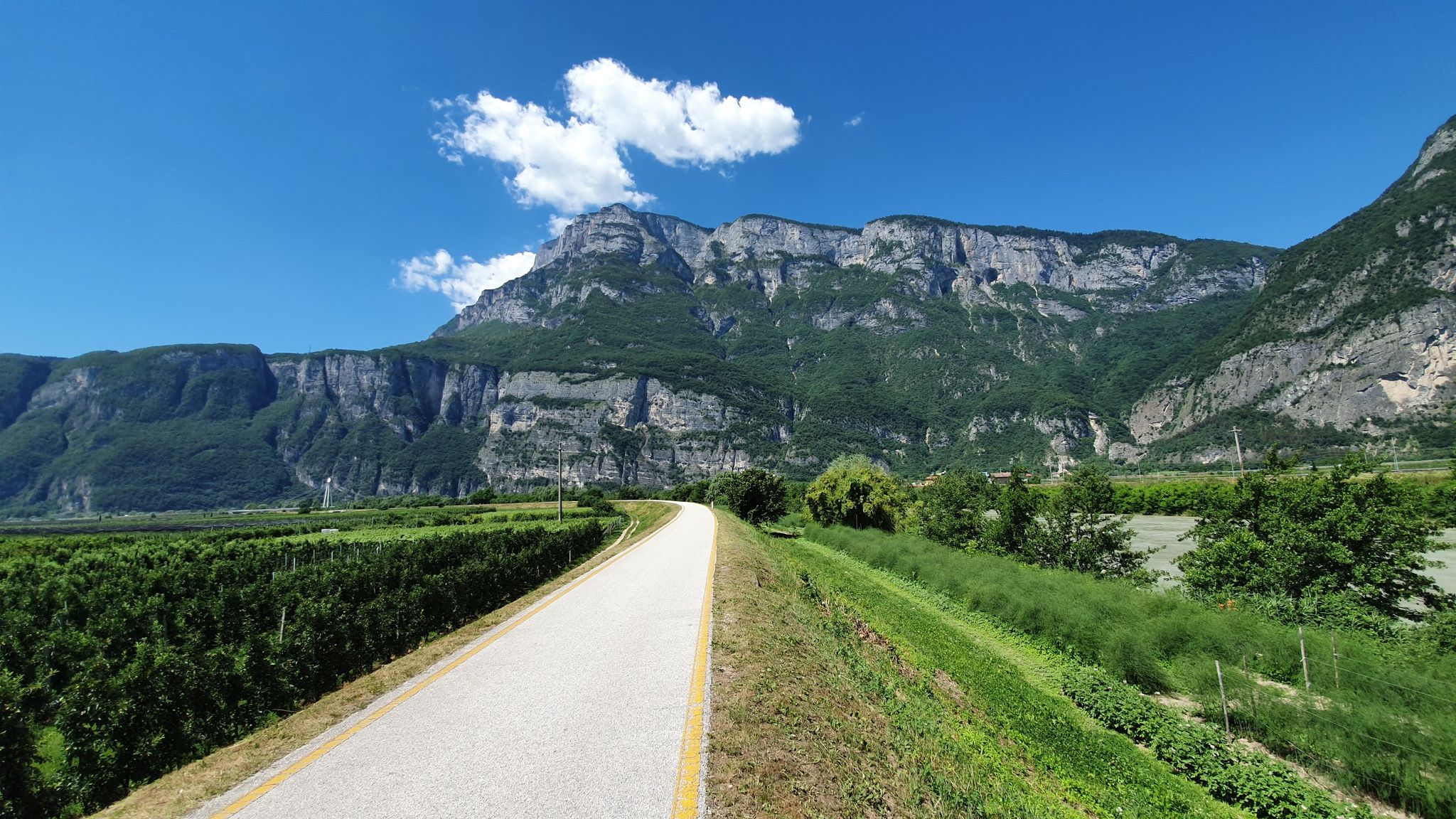
Ciclopista del Sole – Brenner Pass to Florence by bike
Florence to Bolzano – from the heart of Italy to the foot of the Dolomites
Mountains, plains, rivers and lakes — cycling in Italy’s Lombardy region
Other adventures in Mantua


Tips from the Community


No fees at Lake Mantua
0
0
Water lilies at Lake Mantua
0
0
Upper Lake
0
0
Lake Mantua
0
0

A romantic legend revolves around the presence of the lotus flower in the waters of Lake Superior, which tells of the sad end of a young oriental woman who drowned while looking at herself in the lake. Her boyfriend, devastated by grief, sprinkled the lake with lotus flower seeds, so that the delicacy of the flowers, in the summer season, would recall the scent and sweetness of his beloved. In reality, this splendid oriental flower was imported from the countries of South-East Asia in 1921 by the botanist Maria Pellegreffi. It was she who transplanted some bulbs she had received as a gift into these waters, creating a small island where she placed them and studied their growth. Over time, the inhabitants of the towns overlooking the Mincio began to pull them out and plant them on the banks, to embellish their gardens and ports. It was in this way that this splendid weed spread beyond measure, creating a wonderful spectacle.
0
0

It is forbidden to: enter with bicycles, motorcycles, horses or other means of transport, enter with dogs or other animals, introduce or abandon any animal or plant species into the environment, light fires, disturb the peace with games or noise-making devices, collect or damage mushrooms, plants, animals, fly over with aircraft and drones, enter outside of opening hours.
1
0
Opening hours to the public: 9 am to 7 pm (from March 1st to October 31st) and 9 am to 5 pm (from November 1st to February 28th Opening days: every day, except Tuesdays and Fridays;
1
0
Frequently Asked Questions
What are some of the most popular natural monuments in Mantua?
Mantua offers a variety of natural monuments. Among the most appreciated are the Bosco Fontana Nature Reserve, an ancient primary woodland, and the Vallazza Nature Reserve, known for its wildlife. Visitors also enjoy the Confluence of the Oglio and Po Rivers, which is reachable along a pleasant cycle path.
Are there family-friendly natural attractions in Mantua?
Yes, many of Mantua's natural monuments are suitable for families. The Bosco Fontana Nature Reserve offers easy walking and cycling trails through ancient woodlands. The areas around the Mantuan lakes, such as the Lotus Flower on Lake Superiore, are also great for family outings, with scenic views and cycle paths.
What kind of wildlife and flora can I expect to see in Mantua's natural monuments?
Mantua's natural monuments are rich in biodiversity. In areas like the Vallazza Nature Reserve, you might encounter pheasants, hares, and various bird species. The Bosco Fontana Nature Reserve is home to ancient oak and hornbeam trees, weasels, martens, skunks, and a variety of birds like black kites and woodpeckers. During summer, Lake Superiore is famous for its spectacular blooming water lilies.
What outdoor activities can I do near Mantua's natural monuments?
The natural monuments in Mantua are excellent for outdoor activities. You can enjoy cycling along the Mincio River, with routes like the Mincio River Cycleway. Hiking and birdwatching are popular in reserves such as the Bosco Fontana Nature Reserve and the Vallazza Nature Reserve. For more cycling options, check out the MTB Trails in Mantua or Gravel biking in Mantua guides.
Are there hiking or cycling trails suitable for different skill levels?
Yes, the region offers trails for various skill levels. Many cycle paths, like those along the Mincio River and around the Mantuan lakes, are generally easy and scenic, suitable for families and casual riders. Nature reserves often have well-marked walking trails. For more challenging routes, you can explore options in the MTB Trails in Mantua or Gravel biking in Mantua guides, which include moderate to difficult routes.
What is the best time of year to visit Mantua's natural monuments?
The best time to visit depends on your interests. Spring and summer are ideal for seeing the water lilies bloom on Lake Superiore and for birdwatching in reserves like Bosco Fontana. Autumn offers pleasant temperatures for hiking and cycling, with beautiful foliage. Winter can be suitable for quiet walks, especially in areas like Bosco Fontana, though some facilities might have reduced hours.
How can I reach Mantua's natural monuments, and is parking available?
Many natural monuments, such as the Bosco Fontana Nature Reserve, are easily reachable from Mantua, often along cycle paths. Parking availability varies by location; some larger parks and reserves have designated parking areas. Public transport options might be limited for more remote natural sites, so checking specific locations is recommended.
Are there any historical or cultural sites within or near these natural monuments?
Yes, the region's natural beauty often intertwines with its rich history. The Bosco Fontana Nature Reserve features a historic hunting lodge once used by the Gonzaga family. The Mincio River Park also contains historical elements, including the Sanctuary of Santa Maria delle Grazie and various Gonzaga-era villas. Additionally, the Prehistoric Pile Dwellings of the Alpine Arc - Solferino is a significant historical site that is also a natural monument.
Can I visit Mantua's natural monuments with my dog?
Many natural areas in Mantua are dog-friendly, especially those with walking and cycling paths. For example, the areas around the Mantuan lakes, including where the Lotus Flowers on Lake Superiore can be seen, are generally welcoming to dogs on a leash. Always ensure to follow local regulations, keep your dog on a leash, and clean up after them.
What do visitors enjoy most about Mantua's natural monuments?
Visitors frequently praise the serene landscapes and the opportunities for relaxation and outdoor activities. The scenic cycle paths, like those leading to the Confluence of the Oglio and Po Rivers, are highly appreciated. The chance to encounter wildlife in reserves like Vallazza Nature Reserve and the unique beauty of the Lotus Flowers on Lake Superiore are also highlights for many.
Are there any hidden natural gems near Mantua worth exploring?
Beyond the well-known sites, Mantua has several lesser-known natural areas. The Paludi di Ostiglia Nature Reserve offers a unique wetland environment for exploration. Another interesting spot is the Le Bine Nature Reserve, which provides a tranquil setting with diverse flora and fauna.
Most popular routes in Mantua
Most popular attractions in Mantua

Get inspired with the komoot mobile app


Didn’t find what you were looking for?
Find even more amazing natural monuments in Mantua by checking out the top Highlights region by region:
Explore more
Extend your search for the best caves by checking out these guides of the top ones in Mantua:
