Top 20 Caves in the Fichtel Mountains
Best caves in the Fichtel Mountains are characterized by unique granite formations and rock labyrinths. The region's distinctive "wollsack" weathering of granite has created numerous accessible natural shelters and intriguing rock systems. These geological features offer diverse exploration opportunities for visitors. The Fichtel Mountains provide a landscape rich in natural wonders for outdoor enthusiasts.
Best caves in the Fichtel Mountains
- The most popular caves is Nusshardt Summit and Rock Formations, a summit that features the Nußhardt Stube, a cover…
Last updated: October 9, 2026
Nusshardt Summit and Rock Formations
Highlight • Summit
Translated by Google •
Tip by

Princes' Rocks
Highlight • Natural Monument
Translated by Google •
Tip by

Sign up now to discover places like this
Get recommendations on the best single tracks, peaks, & plenty of other exciting outdoor places.
Girgel Cave
Highlight • Cave
Translated by Google •
Tip by

Diana Grotto and Spring
Highlight • Cave
Translated by Google •
Tip by
Lourdes Grotto
Highlight • Religious Site
Translated by Google •
Tip by
Luisenburg Cave Information Point
Highlight • Cave
Translated by Google •
Tip by
Old Cellar Vault at Waldeck Castle Ruins
Highlight • Castle
Translated by Google •
Tip by

Schmutzlerzeche Visitor Mine
Highlight • Historical Site
Translated by Google •
Tip by
Kammerbühl Volcano
Highlight • Volcano
Translated by Google •
Tip by

Gleissinger Fels Visitor Mine
Highlight • Historical Site
Translated by Google •
Tip by
Sign up for free to discover even more caves in the Fichtel Mountains.
Already have an account?
Start today with a free account
Your next adventure awaits.
Popular around Fichtel Mountains
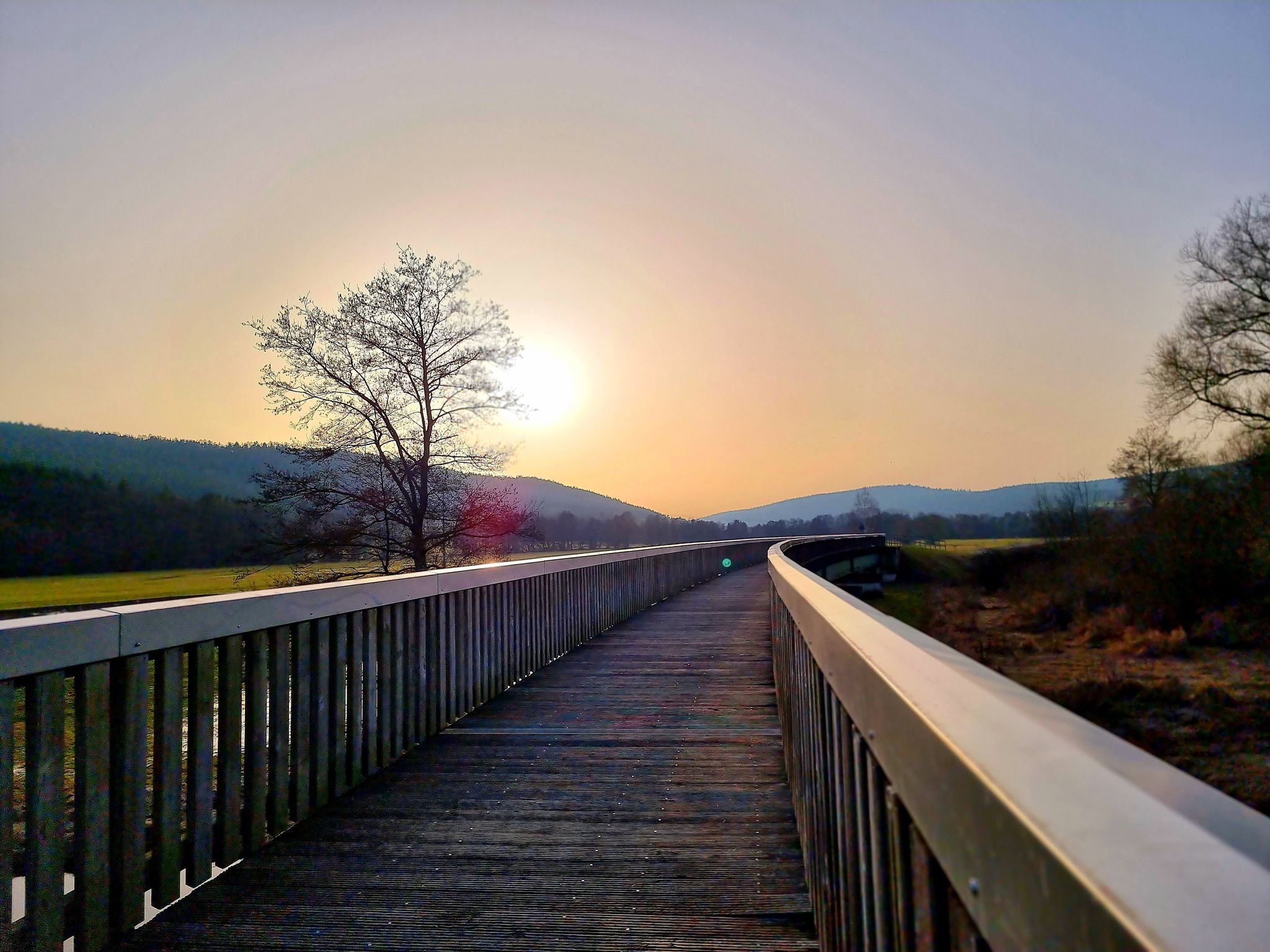
Bavaria-Bohemia long-distance cycling trail – Crossing borders
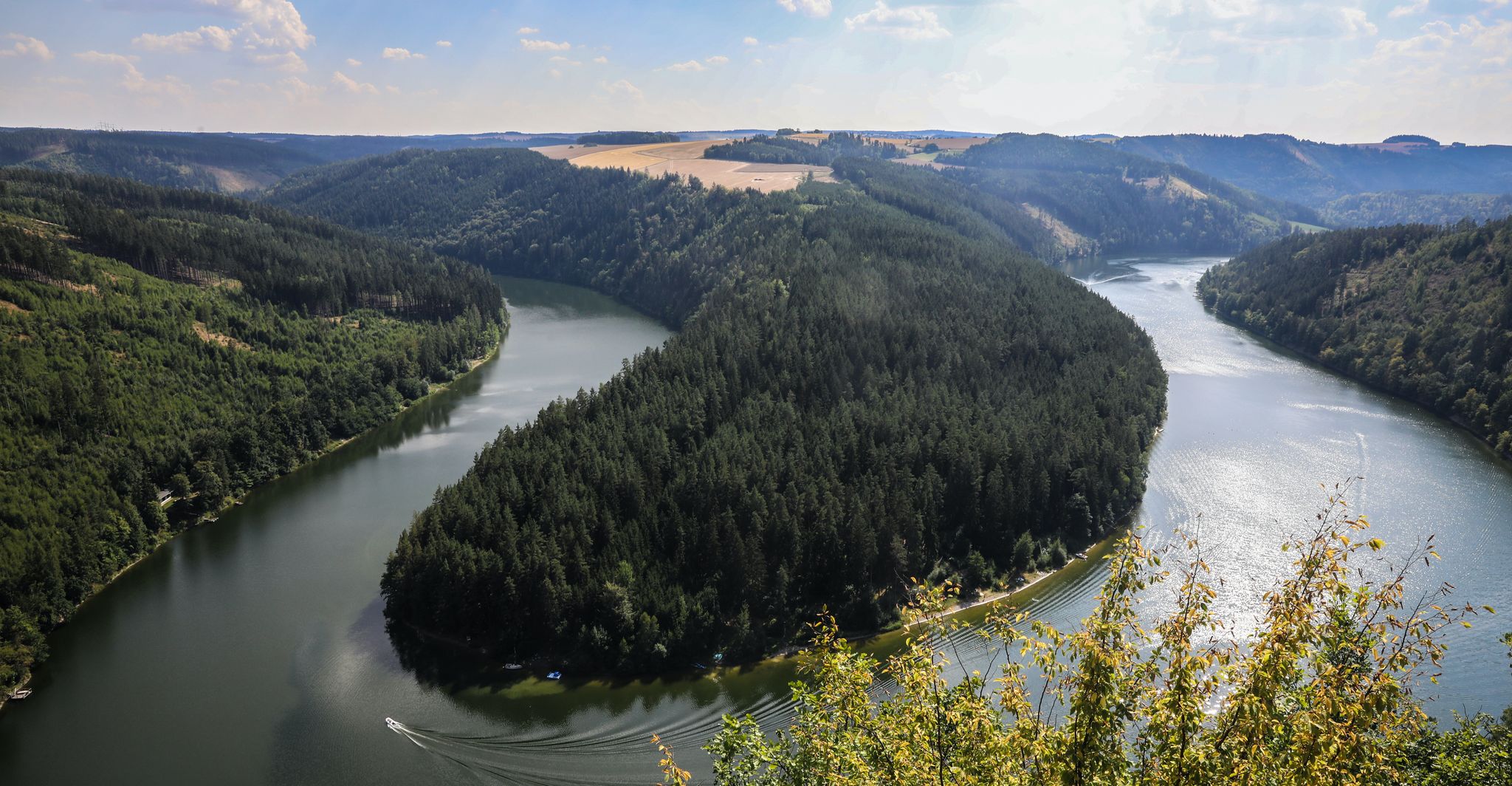
Saale Cycle Path part 1 – four sporty stages through the Thuringian Forest
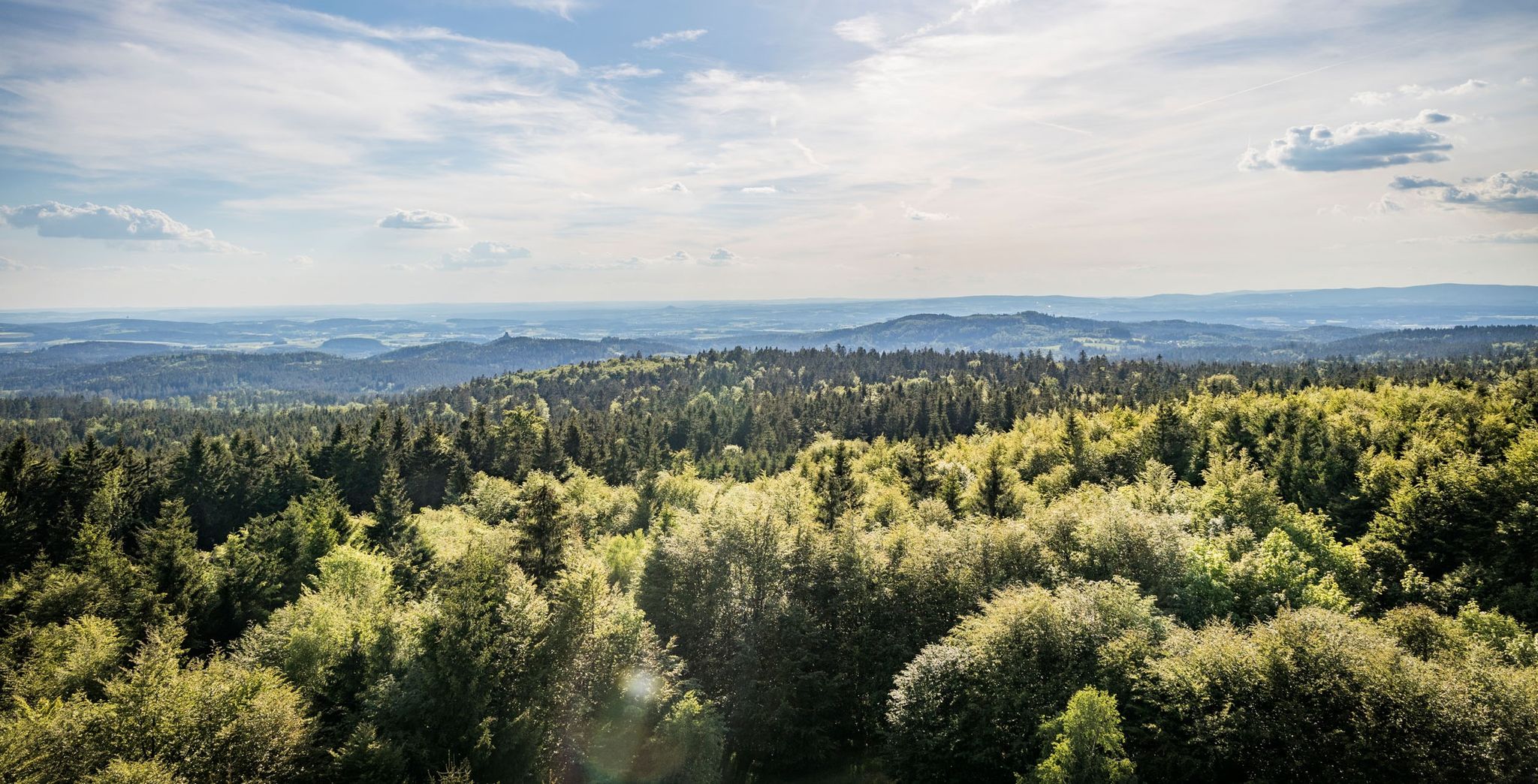
Nurtschweg – Hiking along the German-Czech border
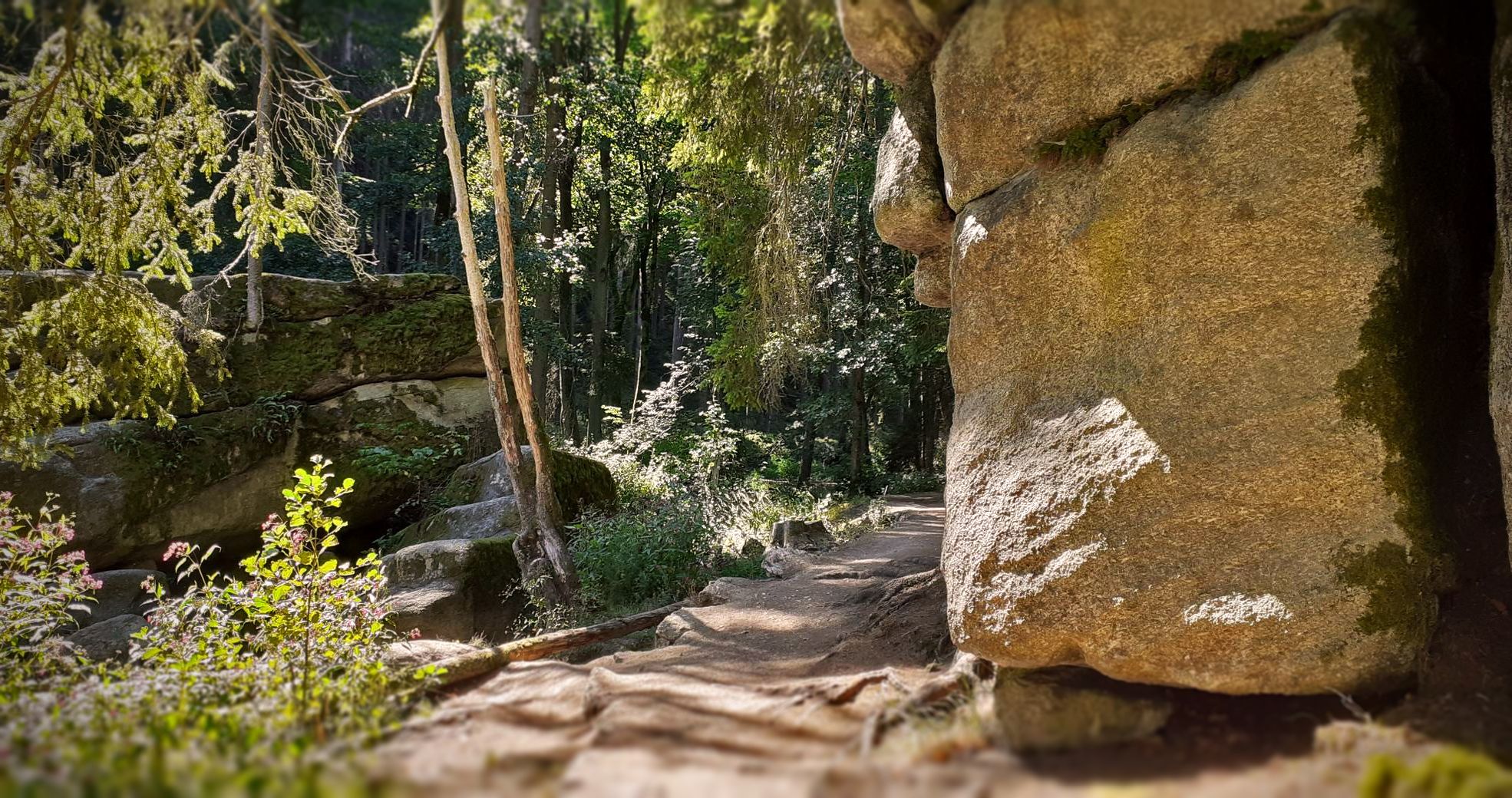
Bikepacking in the Upper Palatinate Forest
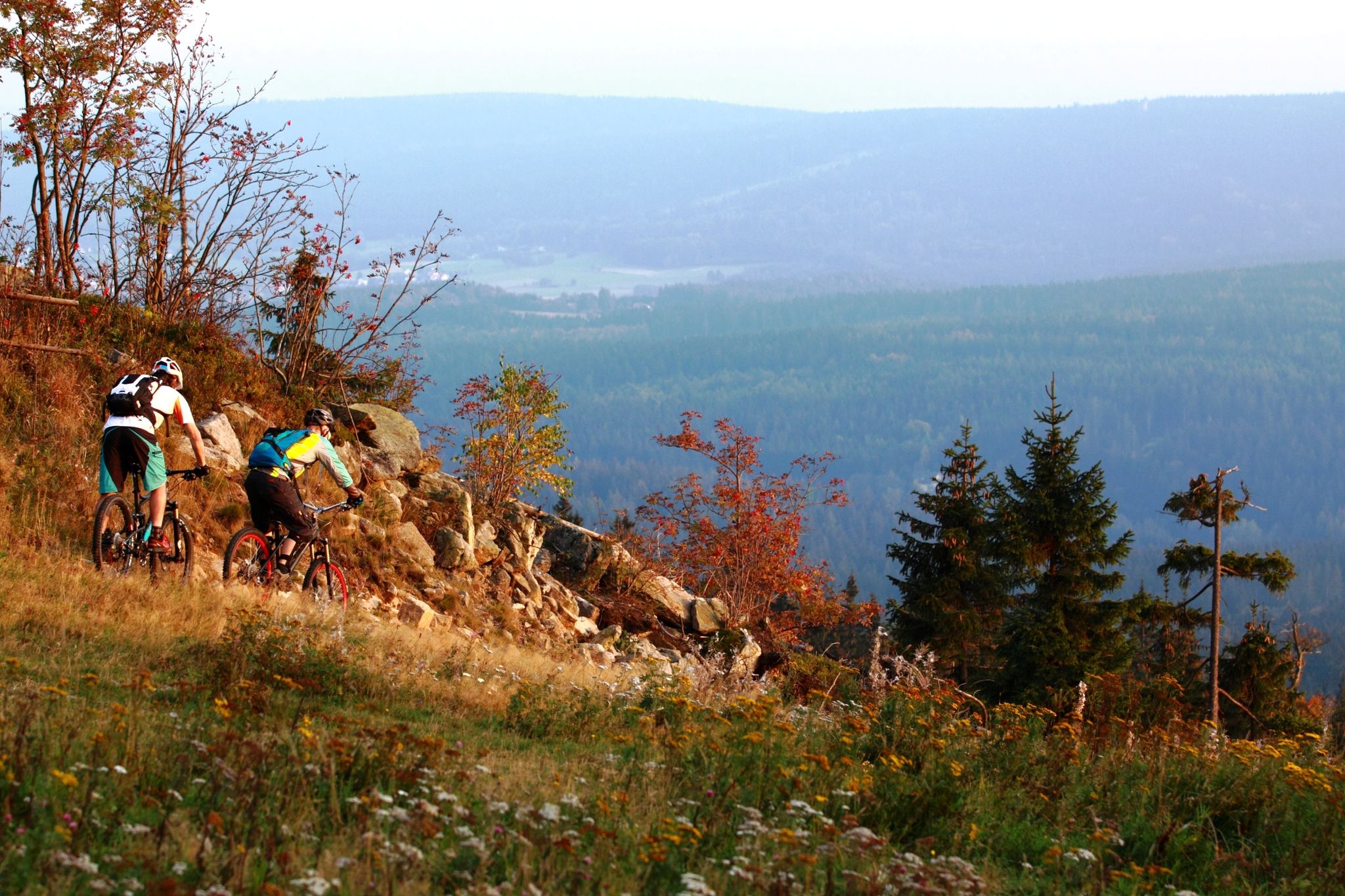
Water, rocks & trails — Mountain biking in the Fichtel mountains
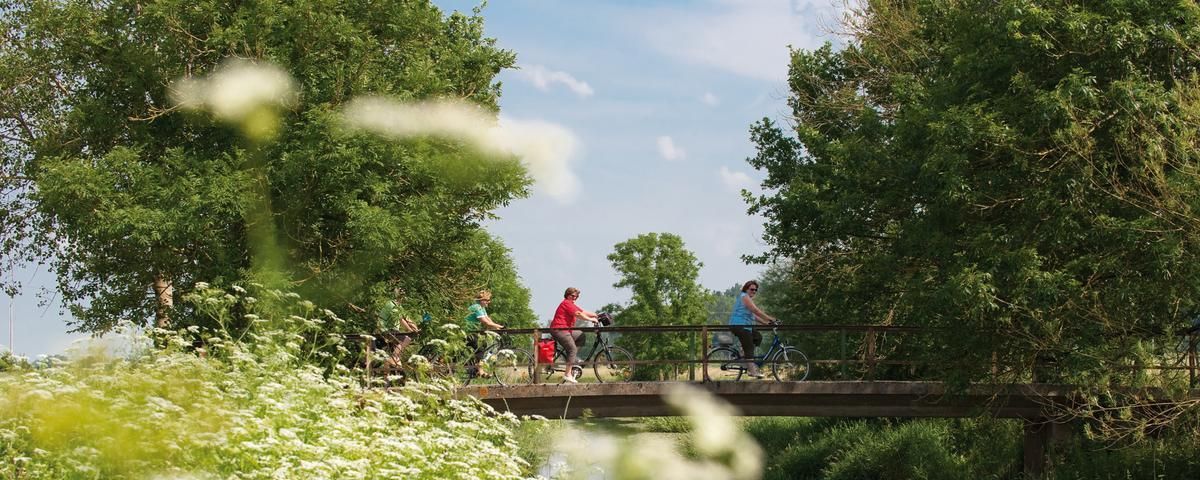
The most beautiful long-distance cycle paths in Franconia
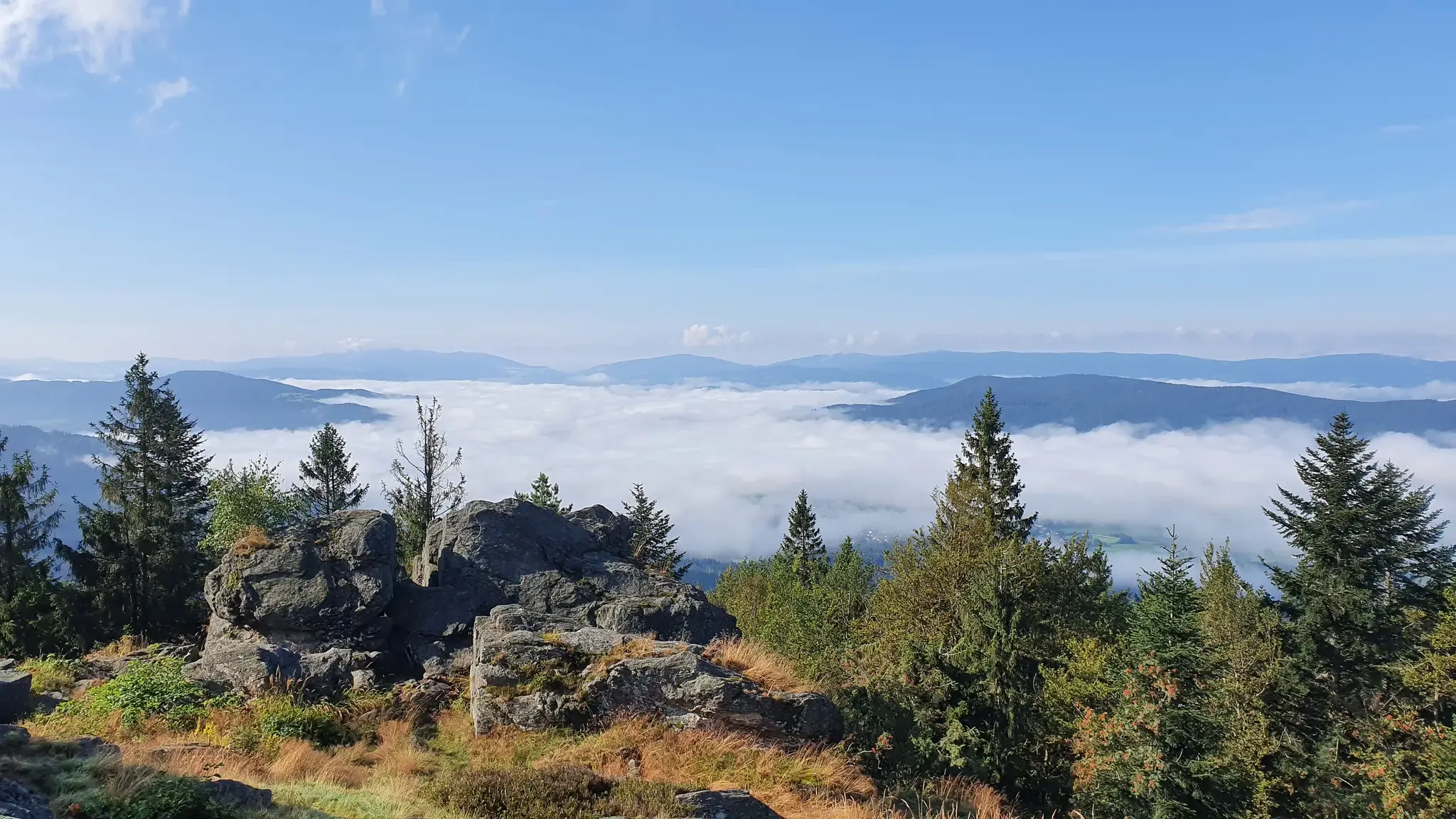
The Goldsteig – 38 stages between Upper Palatinate and Passau
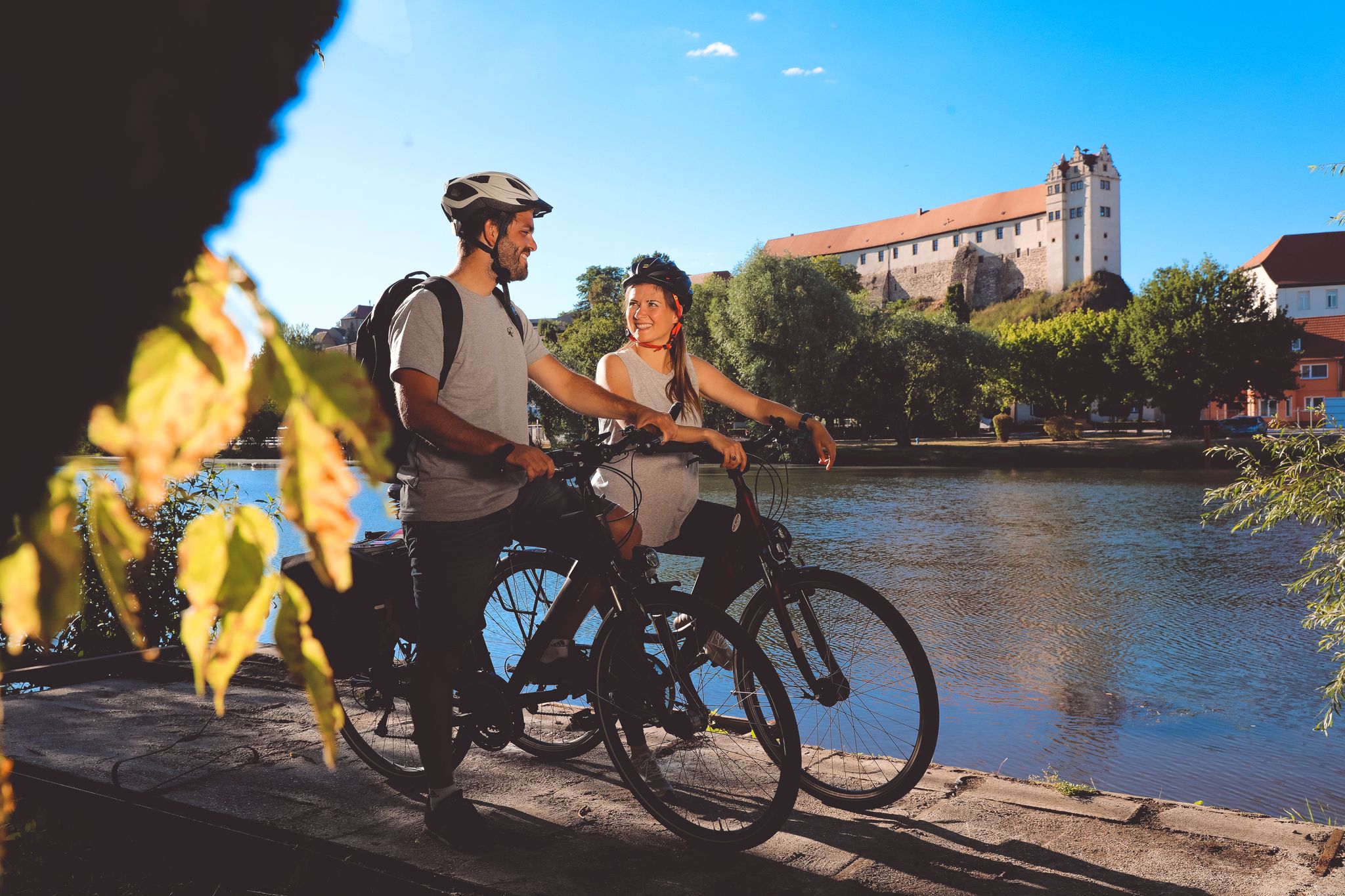
Saale Cycle Path — 9 stages from the source of the Saale to the Elbe
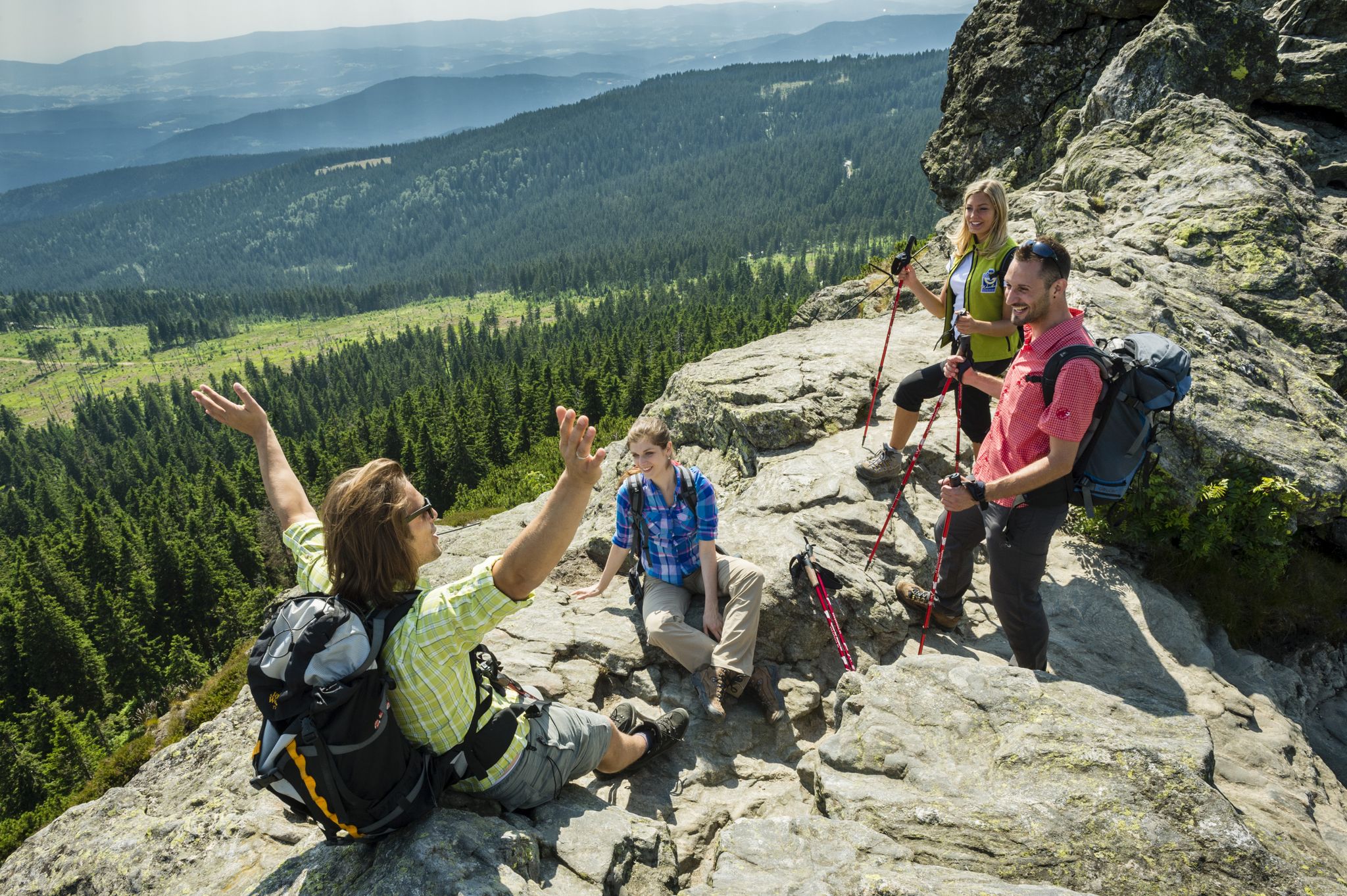
Goldsteig — The best routes for long distance hiking in Eastern Bavaria
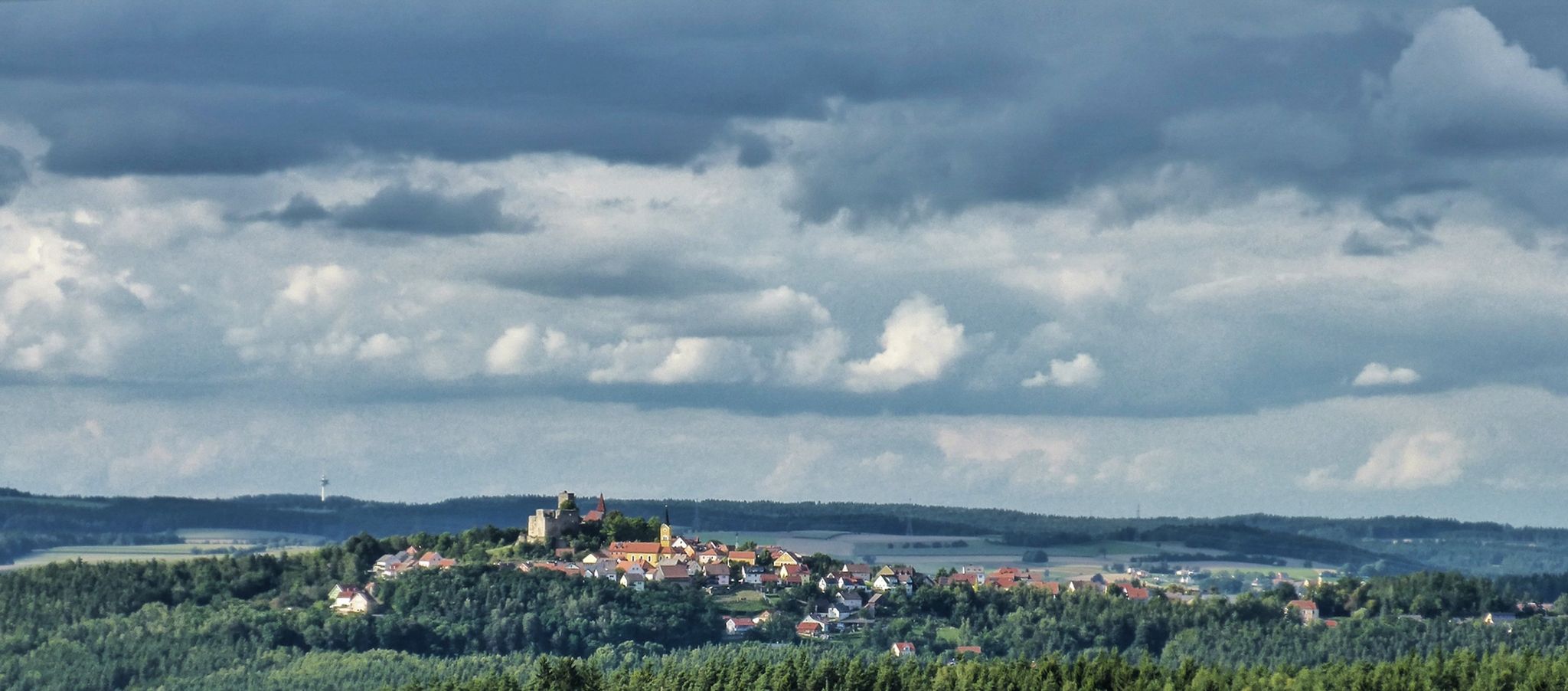
The Upper Palatinate Castle Trail — 9 days in picturesque northern Bavaria
Other adventures in the Fichtel Mountains


Tips from the Community

Just outside Waldsassen, near the Mitterhof monastery estate, lies the Lourdes Grotto – an idyllic place of peace and prayer. It was built after the model of the famous Grotto of Massabielle in Lourdes, France, and solemnly consecrated on October 29, 1905. The initiator of the construction was the Waldsassen merchant's wife Anna Rockstroh, who felt a particular devotion to the veneration of Mary. The grotto is located directly on the well-developed hiking trail No. 8 and is easily accessible from Waldsassen on foot or by bicycle. Surrounded by forest and nature, it invites visitors to pause and enjoy the special atmosphere. Services and masses are held here several times a year, and it is also a popular place for personal reflection and quiet prayer. Today, the Lourdes Grotto is one of the most beautiful religious excursion destinations in the Stiftland region and impressively combines history, nature, and spirituality.
0
1

Interesting information that one can read here
0
0

A lovely spot, even if you're there outside of opening hours. Thanks to the gate, you can see the beginning of the tunnel. There are benches, a fountain, a hut, and a gold panning area all around.
1
0

An exciting cave beneath the Prince's Rock, partially walled, with seating and a fireplace. It was probably a former shelter used by forestry workers or hunters.
17
0

If you're in the area, you should definitely visit this highlight. Not only is the descent down the metal stairs spectacular, but walking through the rock formation is also a real experience! A few hundred meters further on, the view from the Prince's Rock is worth it. The climb up the rather steep stairs and the view from the top is a real experience!
3
0

local volcano Komorní hůrka, a nature trail leads around it
1
0

A quiet, tranquil spot with wonderful views of Waldsassen.
1
0
The entrance is now blocked. Be careful. There is water in the basement.
2
0
Frequently Asked Questions
What are some popular caves and rock formations to visit in the Fichtel Mountains?
The Fichtel Mountains offer several unique rock formations and caves. The Nusshardt Summit and Rock Formations features the Nußhardt Stube, a cover cave formed from large boulders. Another popular spot is Princes' Rocks, which includes a rock labyrinth and an exciting cave. The Girgel Cave is an interesting granite rock formation accessible via a small path and wooden staircase.
What are the unique geological features of the Fichtel Mountains caves?
The Fichtel Mountains are known for their distinctive "wollsack" weathering of granite, which creates many accessible natural shelters and intriguing rock systems. Many caves are "wollsack caves," formed by the selective disintegration of rock mass and the removal of grains by underground water, leaving spacious voids. Some longer caves, up to 100 meters, are fissure caves with narrow passages and parallel walls.
Are there family-friendly caves or rock labyrinths in the Fichtel Mountains?
Yes, the Luisenburg Rock Labyrinth near Wunsiedel is particularly family-friendly, offering an adventurous experience with massive rock formations, 'ruined castle ruins, dark caves, and steep stairs.' Additionally, the Lourdes Grotto is located directly on a barrier-free and paved hiking trail, making it accessible for families.
How difficult are the caves and rock labyrinths to explore?
The difficulty varies. The Luisenburg Rock Labyrinth, while adventurous, is generally manageable for families, though sturdy shoes are advised due to potentially slippery conditions. Exploring the Nußhardt Stube requires visitors to 'squeeze your way inside between the granite blocks.' Many highlights, including Princes' Rocks and Girgel Cave, are rated as intermediate to challenging due to climbing sections or uneven terrain.
What should I wear when visiting the caves and rock formations?
It is highly recommended to wear sturdy shoes, especially when exploring rock labyrinths like Luisenburg, as surfaces can be slippery, particularly when wet. Layered clothing is also advisable as temperatures inside caves can be cooler than outside.
When is the best time to visit the Fichtel Mountains caves?
The Fichtel Mountains caves and rock formations are generally best visited during the warmer months, from spring to autumn. This period offers more pleasant weather for hiking and exploring the outdoor rock labyrinths. Some areas might be less accessible or closed during winter due to snow and ice.
Can I visit the Fichtel Mountains caves during winter?
Winter access to some caves and rock labyrinths in the Fichtel Mountains may be limited or challenging due to snow and ice. While some areas might remain accessible, it's best to check local conditions and opening times before planning a winter visit. Sturdy, slip-resistant footwear is essential if visiting during colder months.
Are dogs allowed in the Fichtel Mountains caves?
Specific regulations for dogs vary by location. While many outdoor areas in the Fichtel Mountains are dog-friendly, access to confined spaces like certain caves or rock labyrinths might be restricted or difficult for pets. It's advisable to check individual site rules before bringing your dog.
Are there any historical or cultural sites related to caves in the region?
Yes, the Lourdes Grotto, built in 1904, is a quiet place for devotion and prayer. The Old Cellar Vault at Waldeck Castle Ruins also offers a glimpse into historical structures. Additionally, the Schmutzlerzeche Visitor Mine and Gleissinger Fels Visitor Mine provide insights into the region's mining history.
What outdoor activities can I do near the Fichtel Mountains caves?
The Fichtel Mountains are ideal for outdoor enthusiasts. You can find numerous hiking trails, including options like the Weißmain-Ochsenkopf-Steig. For those interested in more challenging ascents, there are also mountain hikes. The region also offers road cycling routes for exploring the scenic landscapes.
Are there any visitor mines in the Fichtel Mountains?
Yes, the Fichtel Mountains have visitor mines that offer a historical perspective. You can explore the Schmutzlerzeche Visitor Mine and the Gleissinger Fels Visitor Mine, which provide insights into the region's mining heritage.
What is the Diana Grotto?
The Diana Grotto provides a natural shelter under a large stone, offering protection even from rain. A spring emerges from beneath a stone further back, adding to its natural charm and making it a pleasant spot for a break.
What do visitors enjoy most about the Fichtel Mountains caves and rock formations?
Visitors appreciate the unique geological formations, the adventurous exploration opportunities, and the scenic views. Many enjoy the maze-like environment of the rock labyrinths and the chance to discover hidden caves. The natural beauty and the opportunity for outdoor activity are frequently highlighted by the komoot community.
Most popular routes in the Fichtel Mountains
Most popular attractions in the Fichtel Mountains

Get inspired with the komoot mobile app


Explore more
Extend your search for the best caves by checking out these guides of the top ones in the Fichtel Mountains:
