Top 17 Castles in Venezia
Castles in Venezia encompass a range of fortified palaces and defensive structures, reflecting the region's unique geography. Within the city, Venice's defense relied on sophisticated lagoon-based forts and grand, often fortified, palaces rather than traditional medieval castles. The broader Veneto region, however, features numerous fortress-like castles. This distinction highlights the diverse historical and architectural heritage of the area.
Best castles in Venezia
- The most popular castles is Doge's Palace (Palazzo Ducale), a historical site that served as the residence of the Doge and the seat of government. It began as a fortified castle in the 9th century and is a prominent example of Venetian Gothic architecture.
- Another must-see spot is Villa Pisani, Stra, a castle and one of the most famous Venetian villas on the Brenta Riviera. This large palazzo, completed in 1756, now houses a national museum with art and furnishings from the 18th and 19th centuries.
- Visitors also love Stigliano Castle, a medieval fortress with origins dating back to Roman times. Built in a strategic position, it was the scene of numerous battles and later adapted into a stately palace.
- Venezia is known for its fortified palaces, lagoon fortifications, and traditional mainland castles. This variety offers insights into Venice's unique defensive strategies and the broader Veneto region's medieval military strongholds.
- The castles in Venezia are appreciated by the komoot community, with more than 1700 upvotes and over 1300 photos shared.
Last updated: October 2, 2026
St. Mark's Basilica
Highlight • Religious Site
Translated by Google •
Tip by

Doge's Palace (Palazzo Ducale)
Highlight • Historical Site
The Doge's Palace began as a fortified castle in the 9th century although, after a fire, it had to be rebuilt and was used as a fortress and a prison.
Translated by Google •
Tip by
Sign up now to discover places like this
Get recommendations on the best single tracks, peaks, & plenty of other exciting outdoor places.
Punta Sabbioni Ferry Terminal and Fort Treporti
Highlight (Segment) • Rest Area
It is possible to reach Punta Sabbioni from the Lido of Venice thanks to the ferry connection provided by the ACTV.
Translated by Google •
Tip by

Villa Pisani
Highlight • Castle
Translated by Google •
Tip by

Fort Treporti
Highlight • Historical Site
Today, Forte Treporti is partially inhabited, and its premises have become home to several sports and cultural associations.
Translated by Google •
Tip by
Stigliano Castle
Highlight • Castle
Over the centuries the complex passed through the hands of various owners. In 1152 to the bishop of Treviso, from 1158 the Tempesta family were vassals and in January 1220, Count Guido ceded the rights to Aldevrandino da Superno. Built in a strategic position, on the border between the territories of Treviso and Padua, it was the scene of numerous battles. Conquered definitively by the Venetians in the seventeenth century, the complex passed to the Venier family who carried out renovations.
After a long period of abandonment, recently, thanks to the renovation work by Paolo Bertan, the building has undergone further adaptations to be adapted into an accommodation facility
villeveneteforyou.com/castelli/castello-di-stigliano
Translated by Google •
Tip by

Torre Colombara
Highlight • Monument
Translated by Google •
Tip by
Palace of the Prisons (Venetian Prison Palace)
Highlight • Historical Site
Translated by Google •
Tip by
Forte Poerio
Highlight • Historical Site
Forte Poerio was built in Mira, based on a construction project approved in 1908 in the National Defense Plan.
Forte Poerio was built to replace the construction of a much larger work that should have closed the front in the area of Malcontenta. It is characterized by a structure with simple and stylized geometric lines, built in concrete and formed by a long body surmounted by domes that served to protect the firing positions of the guns. It was originally surrounded by a rectangular ring moat which no longer exists today.
In reality, Forte Poerio followed the fate of the entrenched camp of Mestre, which upon its completion was ineffective compared to the armaments in use at the time. Never involved in war events, it was used after 1915 as a depot for ammunition and weapons.
Translated by Google •
Tip by

Forte Carpenedo
Highlight • Historical Site
Translated by Google •
Tip by

Sign up for free to discover even more castles in Venezia.
Already have an account?
Start today with a free account
Your next adventure awaits.
Popular around Venezia
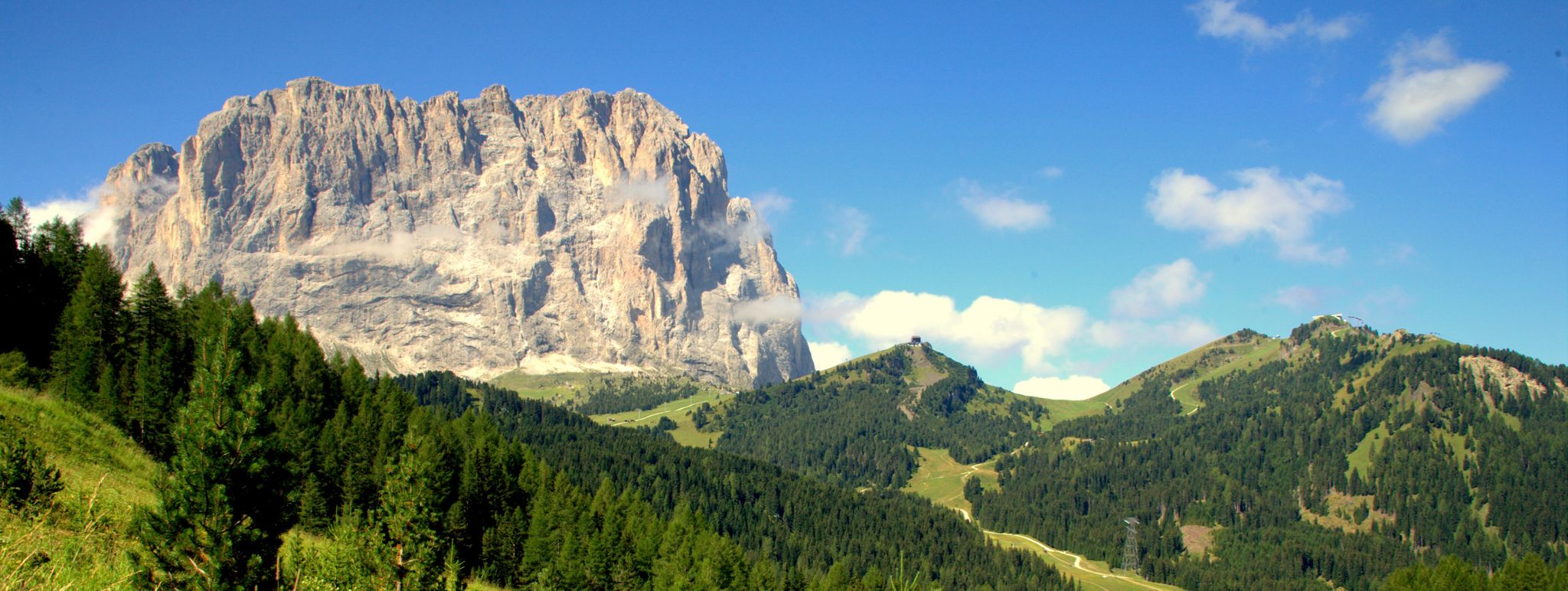
Via Venezia Alpina – hiking across the Alps to the Adriatic Sea
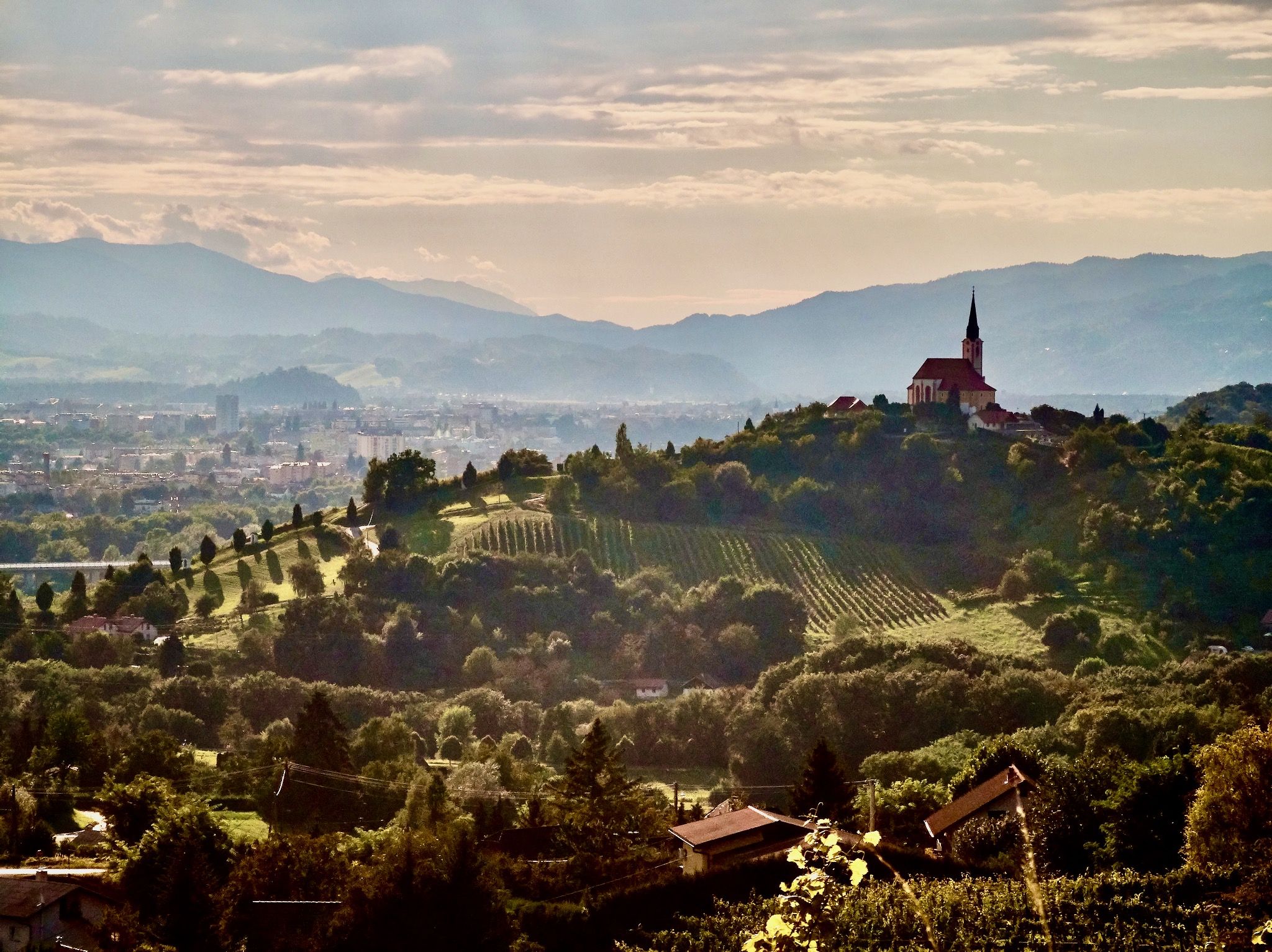
Budapest to Venice via the beautiful Soča Valley
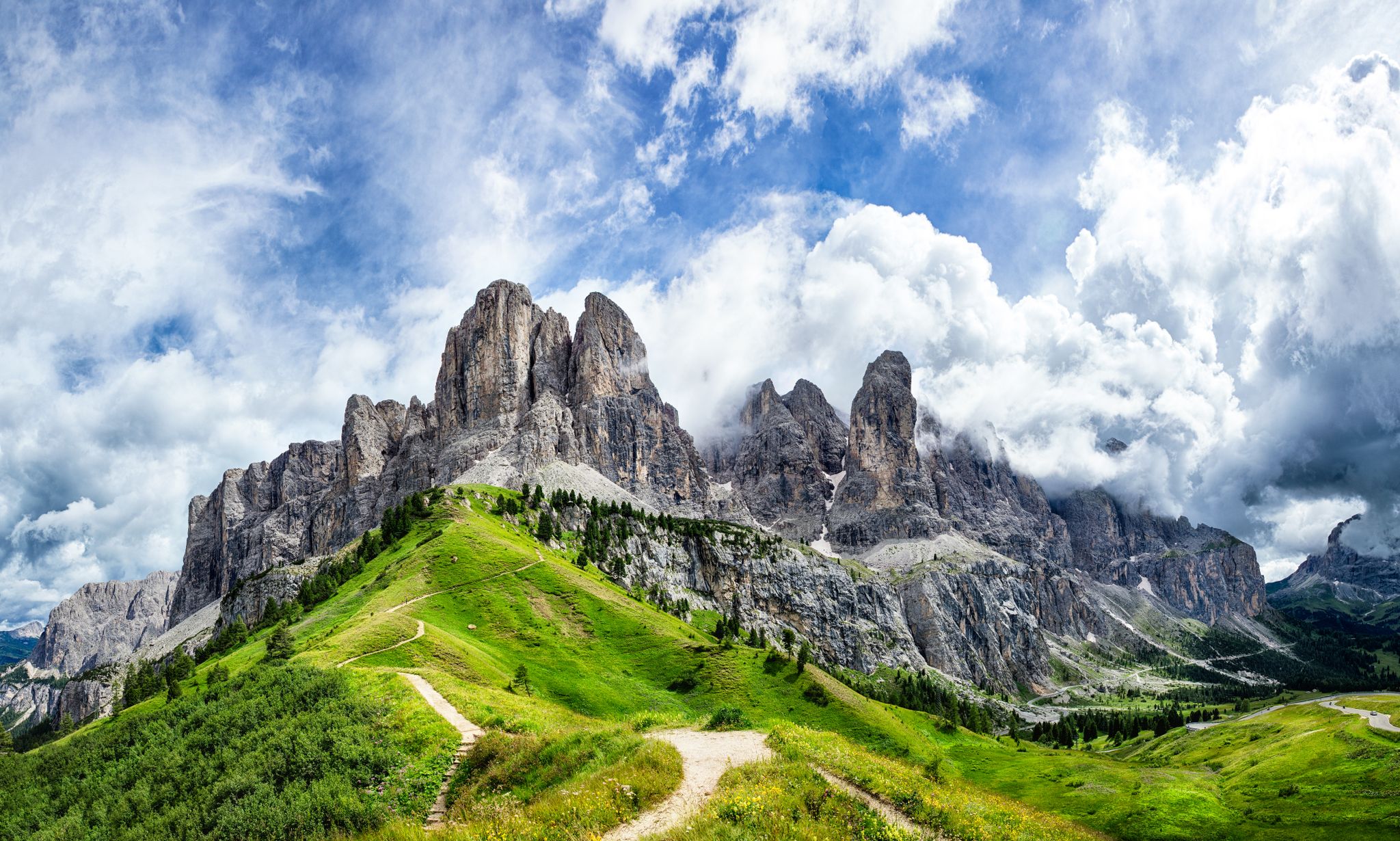
The "Dream Path" hiking trail – From Munich to Venice in 28 stages
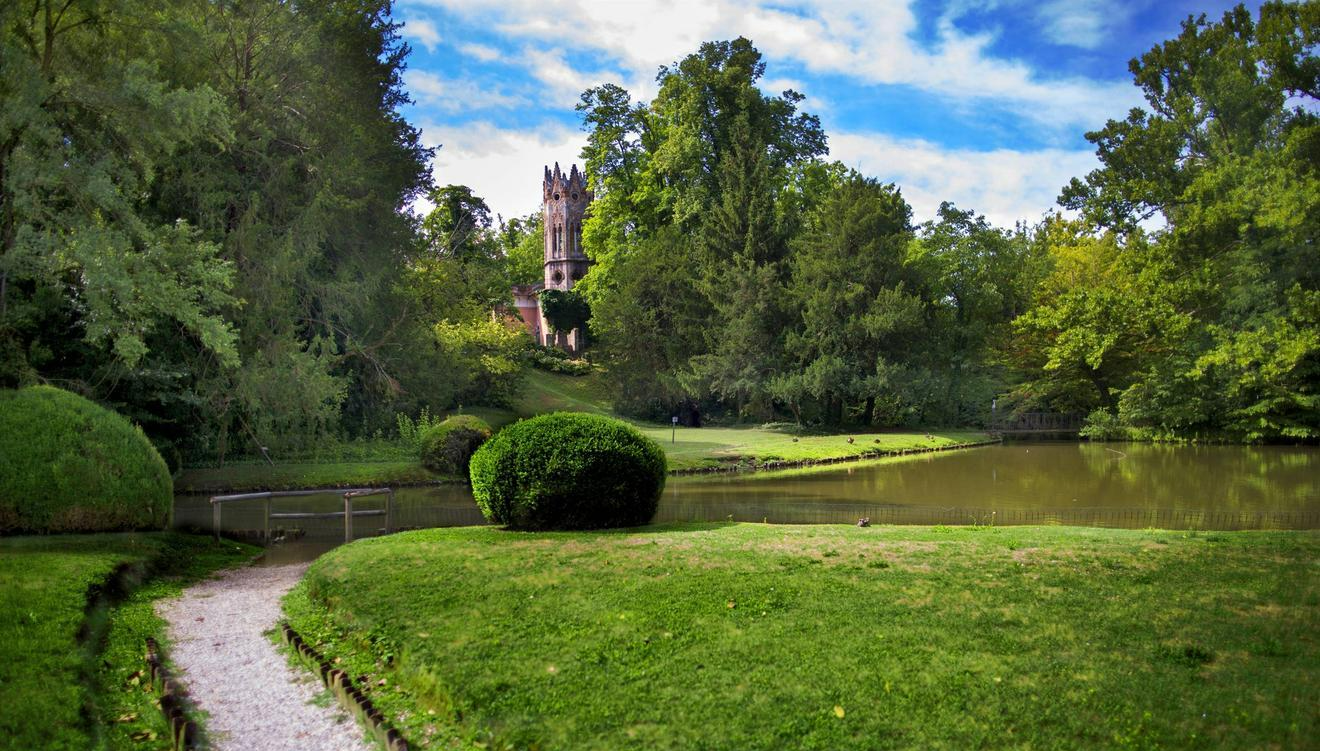
Riviera del Brenta – walks among Venetian villas, canals & lagoons
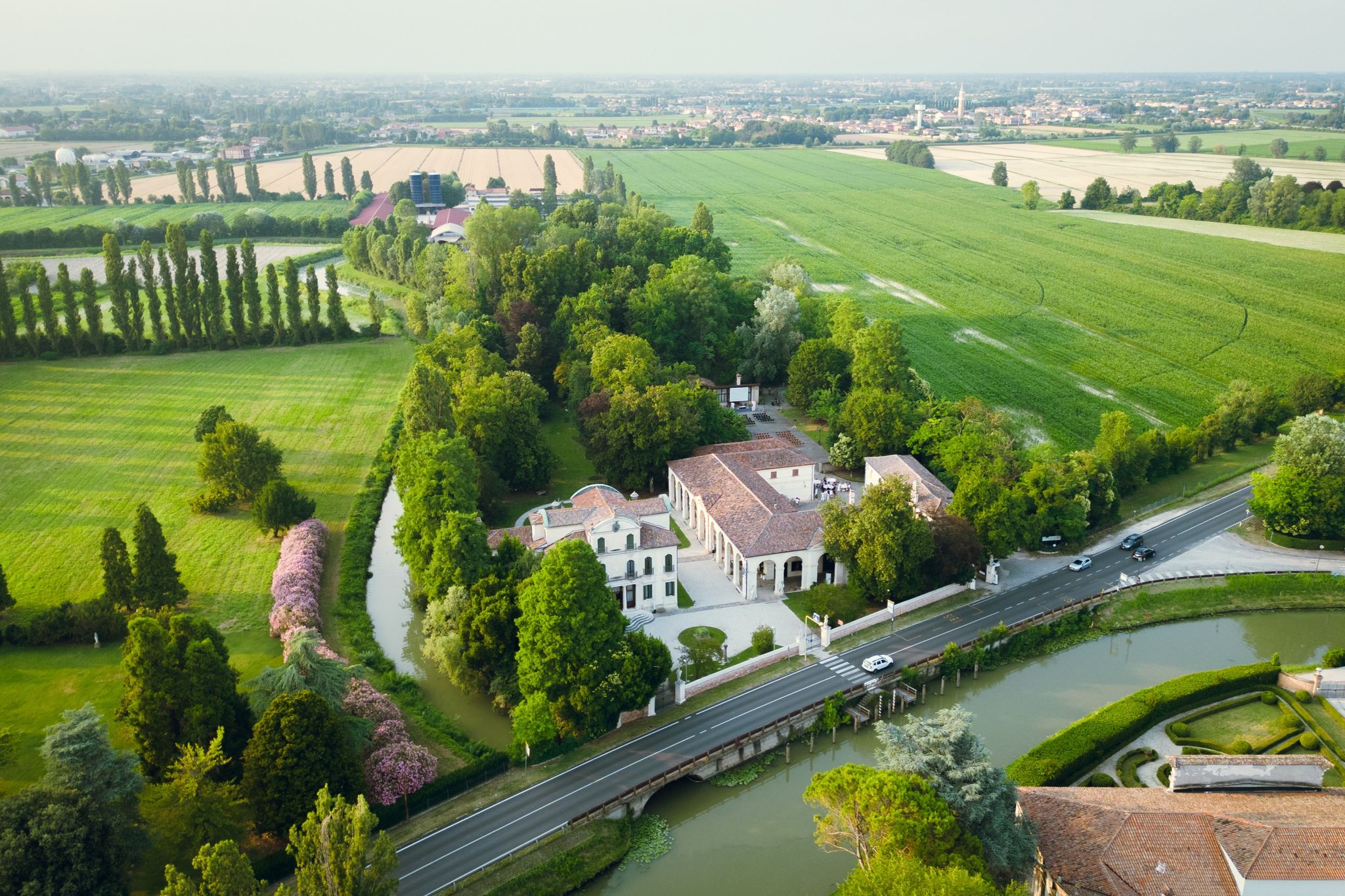
Riviera del Brenta by bike – between Venetian villas and water landscapes
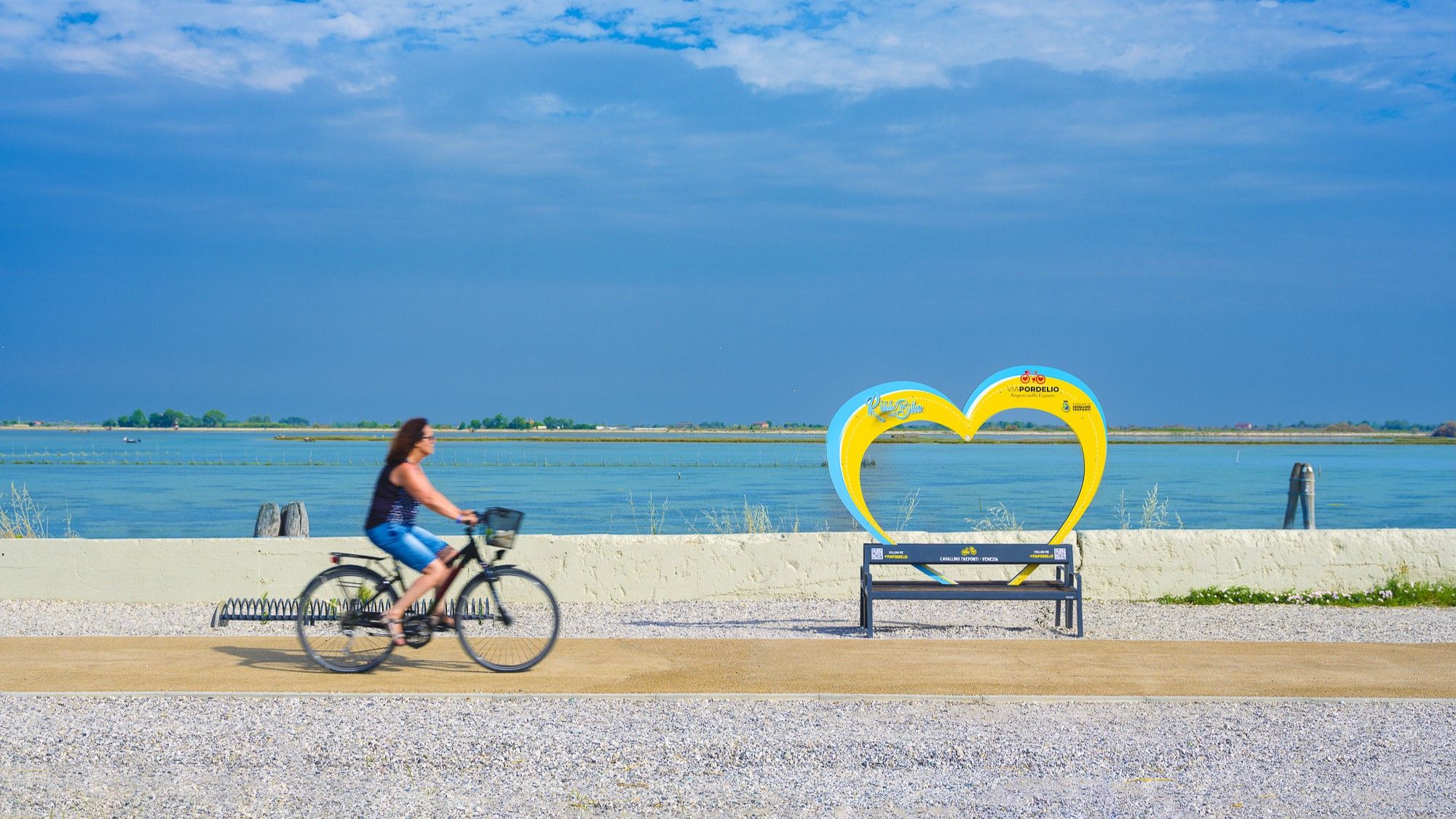
Cavallino Treporti by bike – routes to experience the lagoon
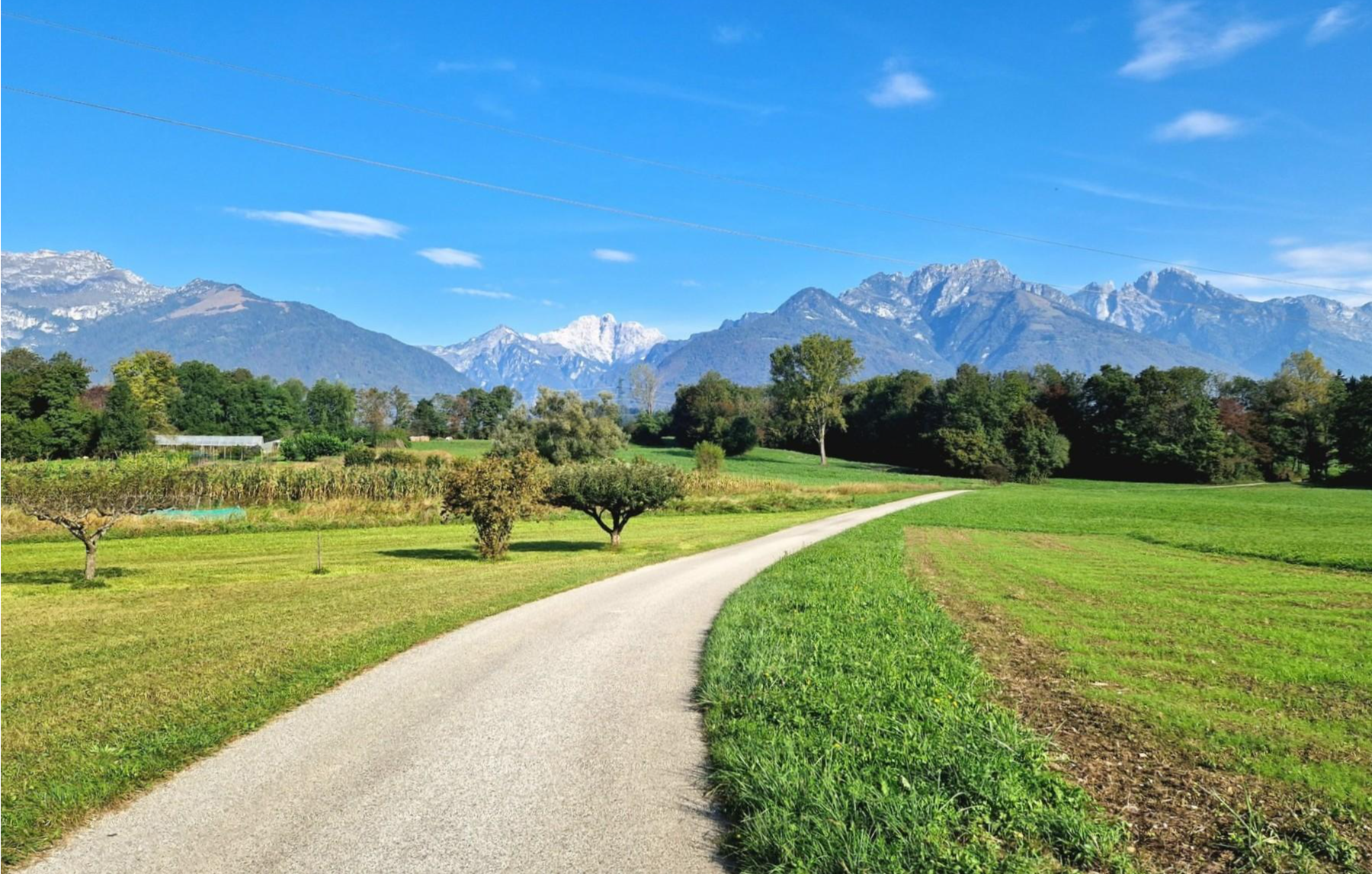
Veneto and Trentino by bike – between the Lagoon and the Dolomites

Jesolo Gravel Loop – between sandbanks and archaeology
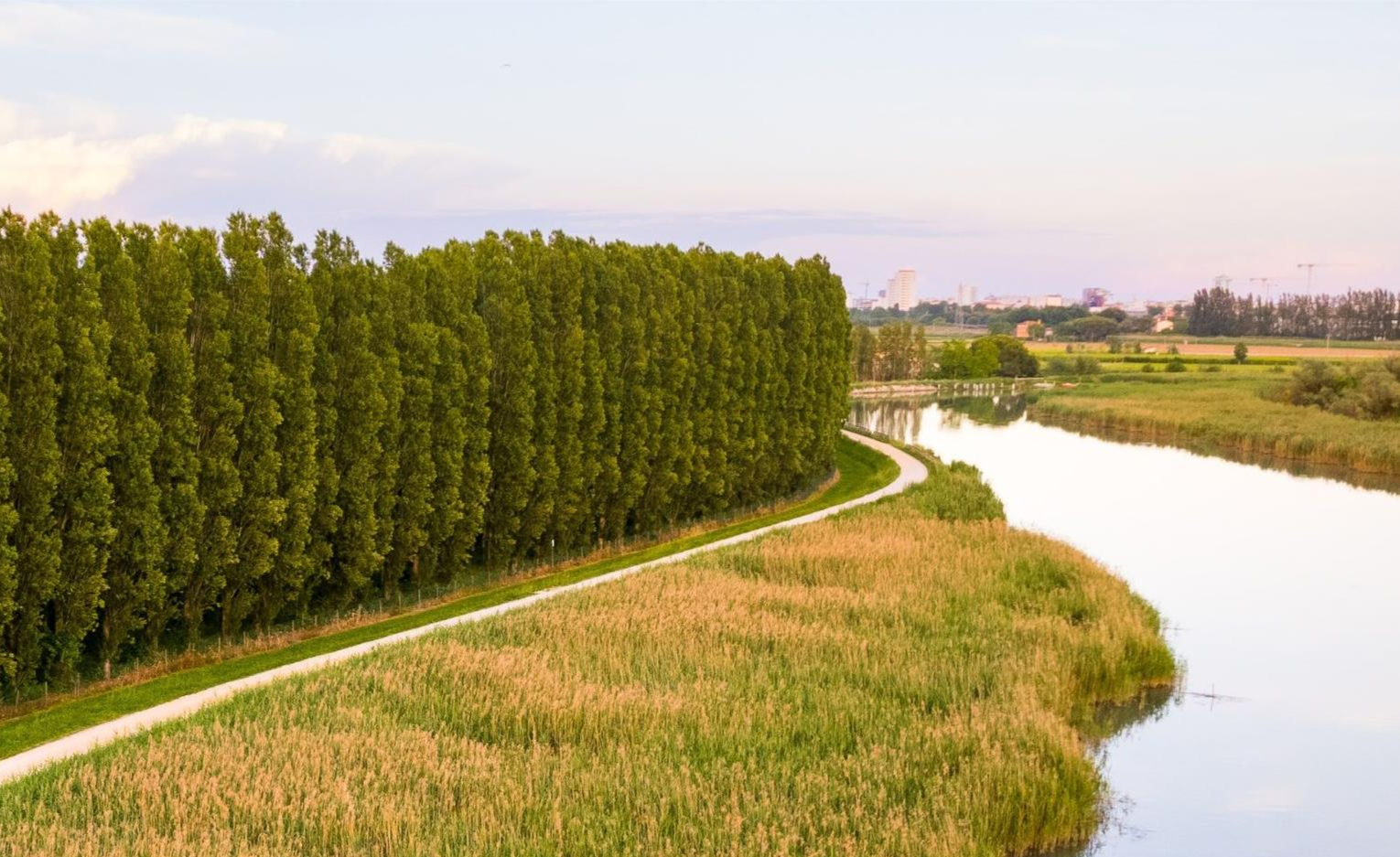
Cycling around Jesolo – between Sile, Piave and lagoon
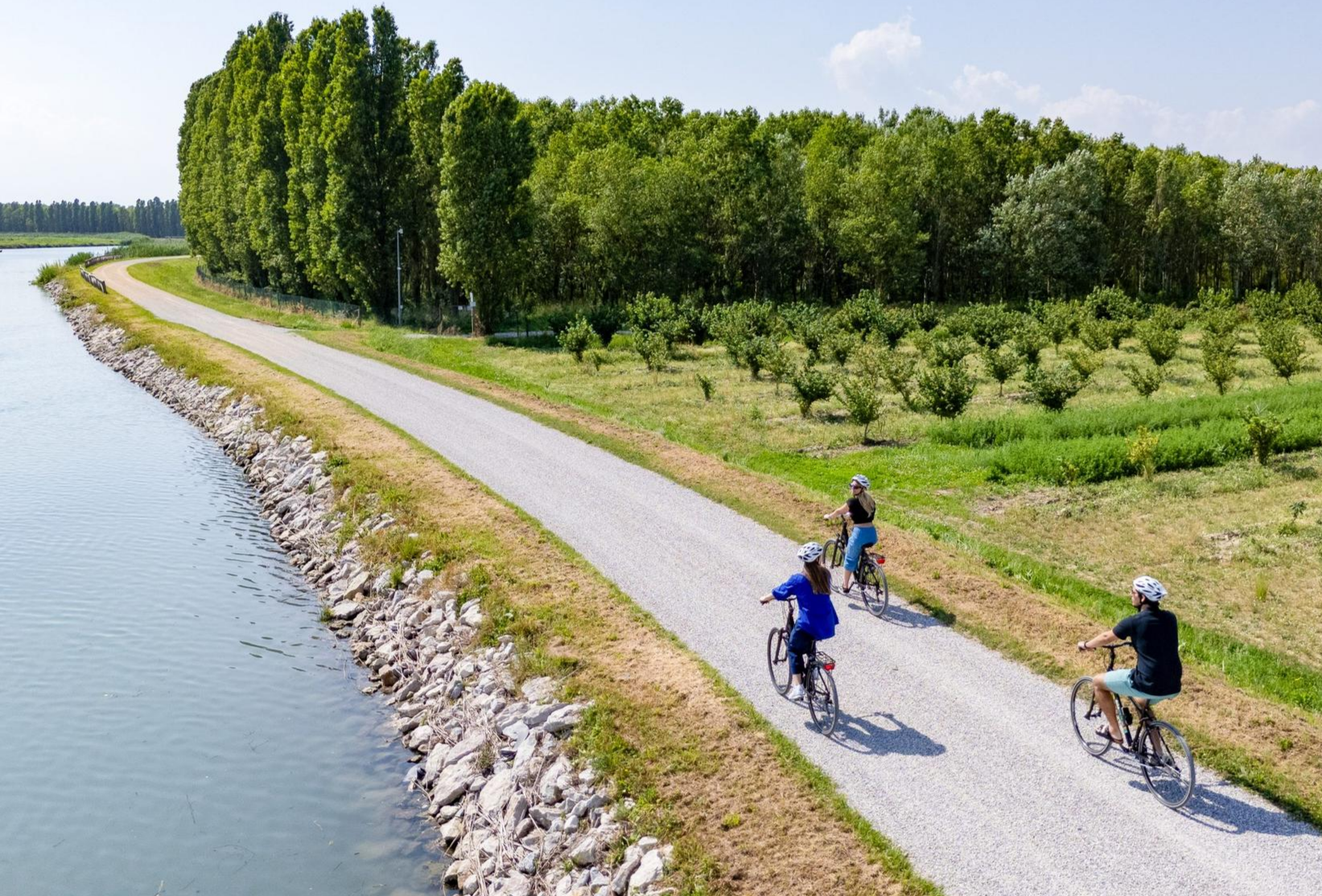
Exploring Jesolo by bike – two wheels, a thousand discoveries
Other adventures in Venezia


Tips from the Community

Despite its name, the tower was never used as a dovecote. Built in the 14th century, it served instead to guard the canal, once connected to the lagoon.
0
0

Location: Directly on the Riva degli Schiavoni, opposite the Doge's Palace, connected by the Ponte dei Sospiri. Construction: Begun in 1589 by Antonio da Ponte, completed in 1614 by his nephew Antonio Contino. Function: Served as an extension of the Doge's Palace prisons – convicts were housed here, often after their sentence was pronounced in the palace. ⚖️ Historical Significance Magistratura dei Signori di Notte al Criminal: One of the oldest Venetian penal authorities was housed here – responsible for surveillance and prosecution. Famous Inmates: Among them were Daniele Manin and Niccolò Tommaseo, important figures in the 1848 Revolution. Casanova: The legendary escapee is said to have also been imprisoned here – his escape is part of Venetian mythology. 🖼️ Today: Art & Culture Circolo Artistico di Venezia: Home of this artists' association since 1922, founded in 1919 – inspired by the idea of supporting artists in need. Exhibitions & Concerts: The first floor now serves as a venue for art exhibitions, classical concerts, and events – including those during the Biennale. Taipei Fine Arts Museum: Regularly uses the building for exhibitions during the Venice Biennale.
2
0

The medieval fortress of Stigliano was first mentioned in 1152 as a feudal property of the Bishop of Treviso. However, its origins may date back to Roman times due to its location in the "graticolato" area. In 1158, it was entrusted to the Tempesta family of Noale and then to the Teutonic Knight Aldobrandino da Superno. Built in a strategic position, alongside the Muson dei Sassi stream, it marked the border between the territories of Padua and Treviso. Therefore, it was the scene of numerous brutal battles until the end of the fourteenth century. It was here, however, that the disputes between the Carraresi and the Serenissima Republic of Venice began. It was the Venetians who finally conquered it in 1520, when it was sold to the Priuli family, who transformed it into a typical Venetian villa of the time. The entire complex then became the property of the Venier family, who further renovated it. Today, only the northeast corner tower remains of the original castle.
1
0
The Colombara Tower, near Forte Tron, dates back to the first half of the 19th century. It is neo-Gothic in style and has a square plan with openings on all four sides. It was never used for breeding poultry, but instead served as a territorial control point and a private gateway to the monumental complex behind it.
0
0
Completed in 1912, it represents the last type of fortress, a concept brutally swept away in the first months of the Great War. It had six cupolas with 149mm guns, never used and immediately dismantled to be taken to the battle front. On the attack front, it was covered by a large embankment, now removed, exposing the massive reinforced concrete structure. The entire wide, rectangular moat surrounding it has been filled in; the original sliding bridge with riveted iron girders remains. It was maintained and cared for until recently by the Military Property Office. It is located near the Ponte Damo roundabout, not far from the Riviera del Brenta. It is still formally owned by the Military Property Office, under concession to the Municipality of Mira. Currently, although in excellent condition, it cannot be visited. Outside, in the adjacent buffer area, there is a children's playground. https://www.magicoveneto.it/venezia/forti/Forte-Poerio.htm https://www.comune.mira.ve.it/vivere-il-comune/luoghi/parco-di-forte-poerio/
0
0

Nice corner
1
2


Ducal Palace
1
2
Frequently Asked Questions
What kind of 'castles' can I expect to find in the city of Venice itself?
Within the city of Venice, you won't find traditional medieval castles with keeps and battlements due to its unique watery landscape. Instead, Venice features grand, often fortified, palaces and a sophisticated system of lagoon-based forts. The most prominent 'castle-like' structure is the Doge's Palace (Palazzo Ducale), which served as the residence of the Doge and the seat of government, and began as a fortified castle in the 9th century.
Are there traditional castles near Venice in the broader Veneto region?
Yes, if you're looking for more traditional, fortress-like castles, the broader Veneto region offers numerous impressive examples. These include Soave Castle, Catajo Castle, the Castles of Marostica, and the Scaliger Castle of Malcesine on Lake Garda. These regional castles provide a different historical and architectural experience compared to Venice's urban structures.
What are some notable fortified structures in the Venetian Lagoon?
The Venetian Lagoon features a complex system of forts designed to protect the city. Examples include Fort Sant'Andrea, the Maximilian Tower on Sant'Erasmo island, and Fort Treporti (also known as Fort Vecchio). These fortifications offer a unique perspective on Venice's defensive strategies and military history. You can find more information about the defensive system of the Venice Lagoon on visitvenezia.eu.
Which castles or palaces are particularly family-friendly?
Many of the sites are suitable for families. The Doge's Palace (Palazzo Ducale) offers a fascinating historical experience for all ages. Villa Pisani, Stra, with its grand gardens and museum, is also a great family destination. Additionally, Stigliano Castle, with its rich history and adaptation into an accommodation facility, can be an interesting visit for families.
What is the historical significance of the Doge's Palace?
The Doge's Palace (Palazzo Ducale) is one of Venice's main symbols. It served as the residence of the Doge, the supreme authority of the former Republic of Venice, and the seat of its government. It also housed the parliament, the secret affairs of the Inquisition, and even imprisoned criminals, including the notorious New Prisons connected by the Bridge of Sighs.
Are there any castles that offer panoramic views?
While not a traditional castle, the bell tower on San Giorgio Maggiore Island offers breathtaking panoramic views of Venice. For more traditional castle views, the Scaliger Castle of Malcesine, dramatically rising from the rocky shoreline of Lake Garda, is renowned for its scenic location.
What outdoor activities can I do near these castles?
The Venezia region offers various outdoor activities. You can explore running trails, such as the 'Venice Arsenal – Doge's Palace Pier loop' or 'Sunrise at the Beach – Jesolo Lighthouse loop'. Cycling is also popular, with routes like the 'E5 – Islands of Venice' and the 'GiraLagune Trail'. For easier excursions, consider easy hikes like the 'Venice City of Art — ring tour'. You can find more details on these activities in the Running Trails in Venezia, Cycling in Venezia, and Easy hikes in Venezia guides.
What is the best time of year to visit castles in the Venezia region?
The best time to visit is generally during the spring (April to June) and early autumn (September to October) when the weather is pleasant and the crowds are manageable. Summers can be hot and very busy, especially in Venice. Visiting in winter can offer a unique, quieter experience, though some attractions might have reduced hours.
Can you recommend a castle with significant architectural beauty?
The Doge's Palace (Palazzo Ducale) is a masterpiece of Venetian Gothic architecture, featuring chiseled colonnades, Gothic arches, and crenellated walls. Its rich interiors are adorned with works by renowned artists. On the mainland, Soave Castle is a masterclass in medieval military engineering.
Are there any lesser-known or 'hidden gem' castles worth visiting?
While not entirely hidden, the fortifications in the Venetian Lagoon, such as Forte Poerio or Forte Carpenedo, offer a unique glimpse into Venice's defensive history away from the main tourist routes. These structures provide insight into the challenges of protecting a city built on water and are often less crowded than central attractions.
What can I expect at <a href="https://www.komoot.com/highlight/722584" target="_blank" rel="noopener">Villa Pisani, Stra</a>?
Villa Pisani, Stra, also known as the Nazionale, is one of the most famous Venetian villas on the Brenta Riviera. This large palazzo, completed in 1756, now houses a national museum with art and furnishings from the 18th and 19th centuries. It's renowned for its grand architecture and extensive gardens.
What is the history behind <a href="https://www.komoot.com/highlight/4368771" target="_blank" rel="noopener">Stigliano Castle</a>?
The origins of Stigliano Castle date back to Roman times, when it was used as a fortification. Built in a strategic position between the territories of Treviso and Padua, it was the scene of numerous battles. Conquered by the Venetians in the 17th century, it was adapted into a stately palace and has recently undergone renovations to become an accommodation facility, preserving its rich medieval history.
Most popular routes in Venezia
Most popular attractions in Venezia

Get inspired with the komoot mobile app


Didn’t find what you were looking for?
Explore Venezia’s best castles region by region:
Explore more
Looking for the best castles somewhere else? Discover other guides in Venezia:
