The best waterfall hikes and walks in the Rocky Mountains
4.6
(8267)
83,198
hikers
49
hikes
Waterfall hiking trails in the Rocky Mountains traverse a vast and diverse landscape characterized by towering peaks, alpine lakes, and extensive forest ecosystems. The region features varied terrain, from gentle paths along river valleys to more challenging ascents through subalpine and montane zones. Numerous waterfalls, shaped by glacial activity and snowmelt, are prominent natural features throughout the mountain range. This environment provides a wide array of hiking experiences for different ability levels.
Best waterfall hiking trails in the Rocky Mountains
…Last updated: October 16, 2026
4.9
(158)
1,274
hikers
14.0km
05:51
830m
830m
Hard hike. Very good fitness required. Sure-footedness, sturdy shoes and alpine experience required.
4.9
(158)
1,164
hikers
Hard hike. Very good fitness required. Mostly accessible paths. Sure-footedness required.

4.5
(26)
273
hikers
3.77km
01:02
60m
60m
Easy hike. Great for any fitness level. Easily-accessible paths. Suitable for all skill levels.
4.7
(272)
3,803
hikers
Easy hike. Great for any fitness level. Easily-accessible paths. Suitable for all skill levels.
4.6
(30)
207
hikers
16.4km
04:48
430m
430m
Moderate hike. Good fitness required. Easily-accessible paths. Suitable for all skill levels.
Get access to more routes and recommendations from other explorers.
Already have an account?
Our route recommendations are based on thousands of hikes, rides, and runs completed by other people on komoot.
Start today with a free account
Your next adventure awaits.
Popular around Rocky Mountains
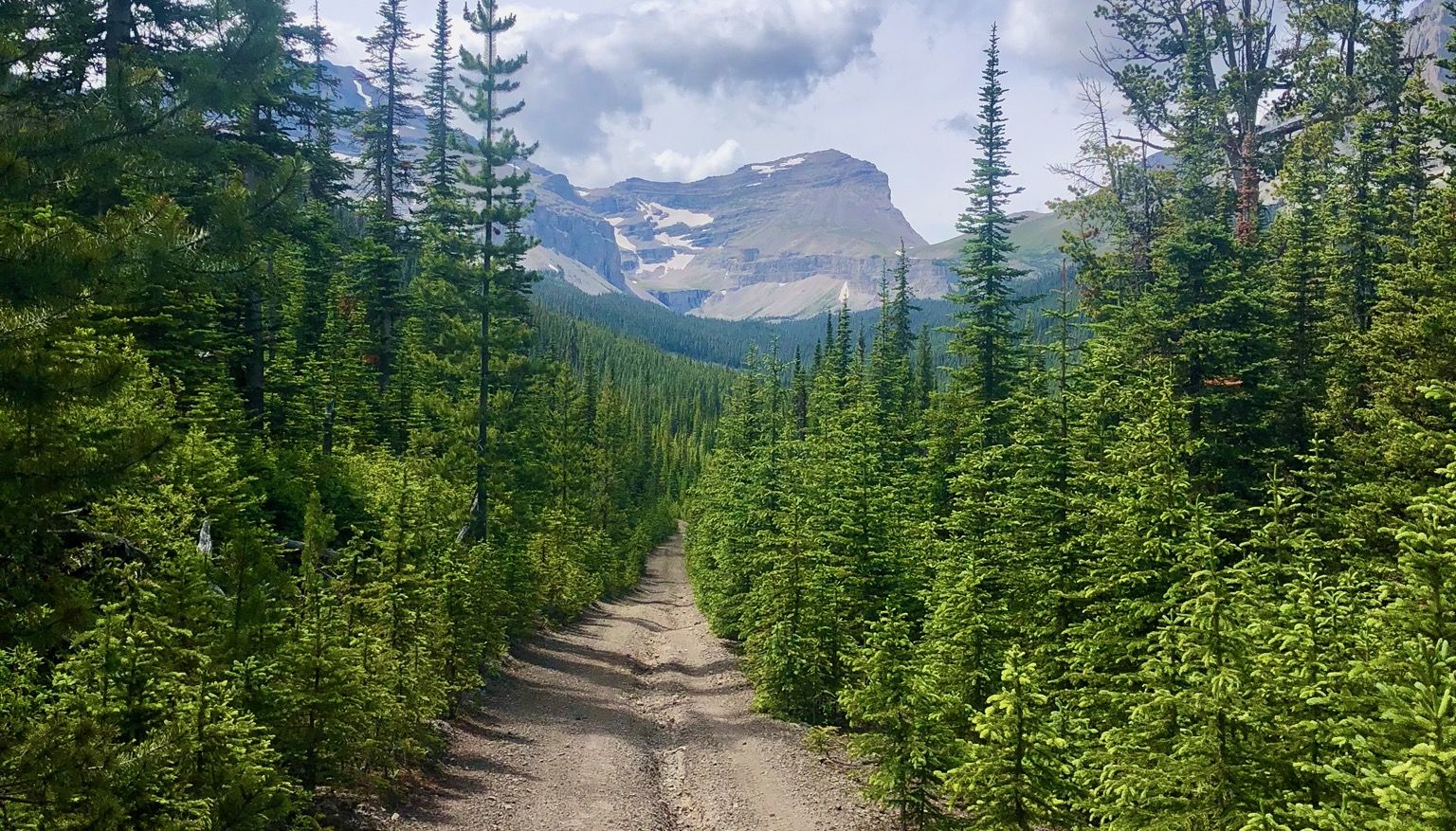
Run the Rockies – mountain range fastpack #5
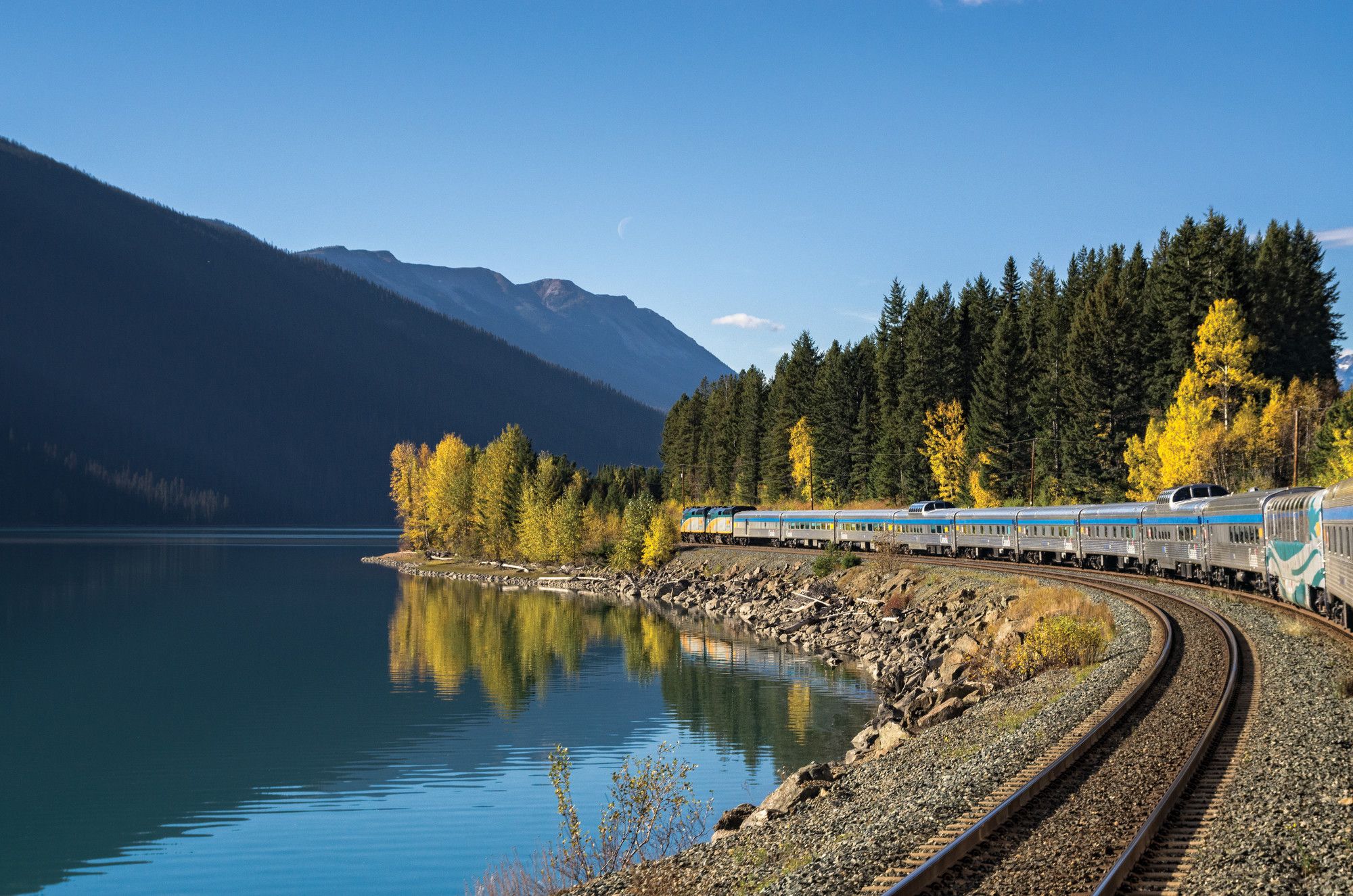
Canada by train – scenic hikes from Western stations
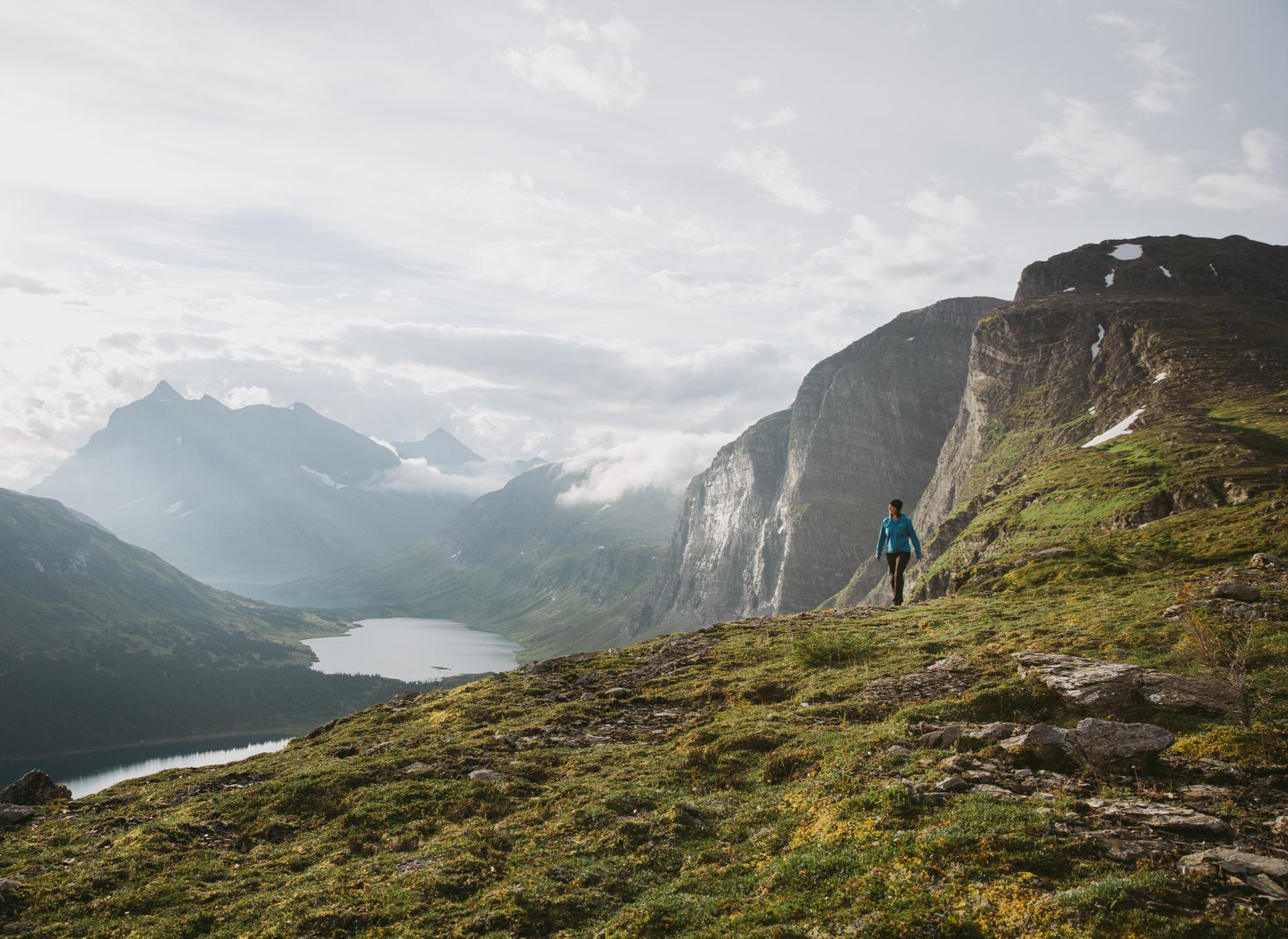
The longest footpath in the world – Trans Canada Trail
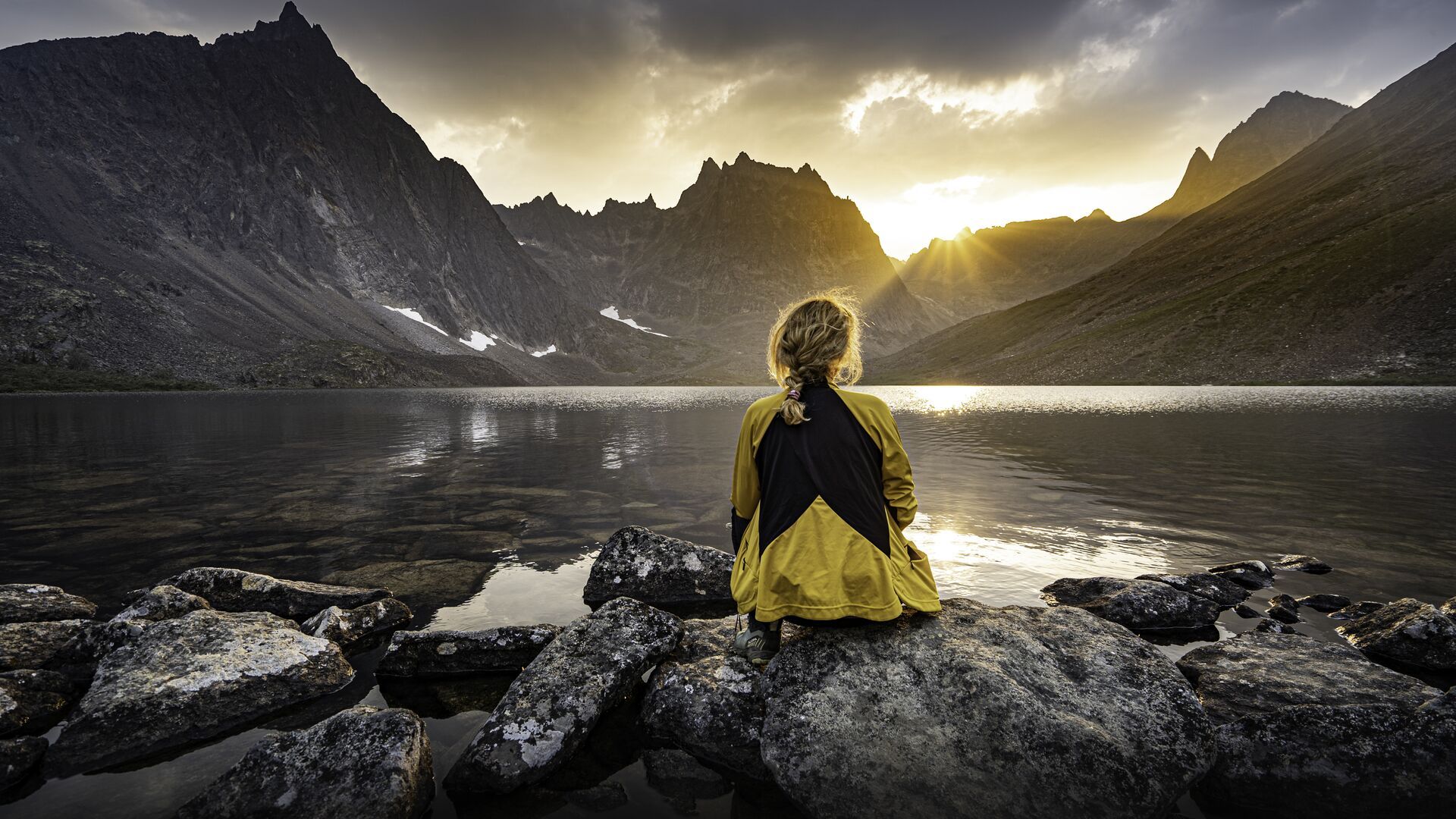
The Great Wilderness – hiking in the vastness of British Columbia
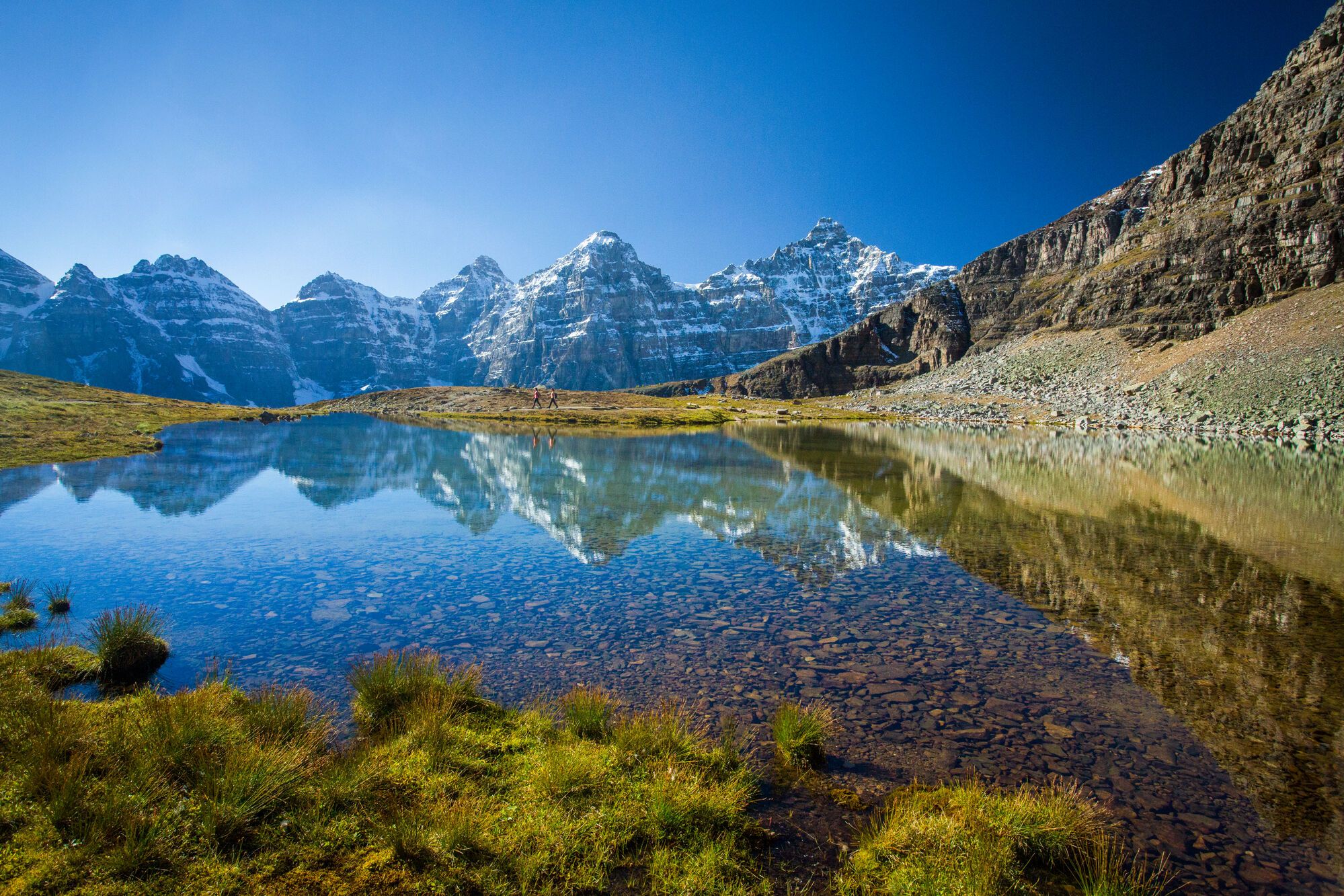
Spectacular road trip hikes – discover Calgary and Southern Alberta
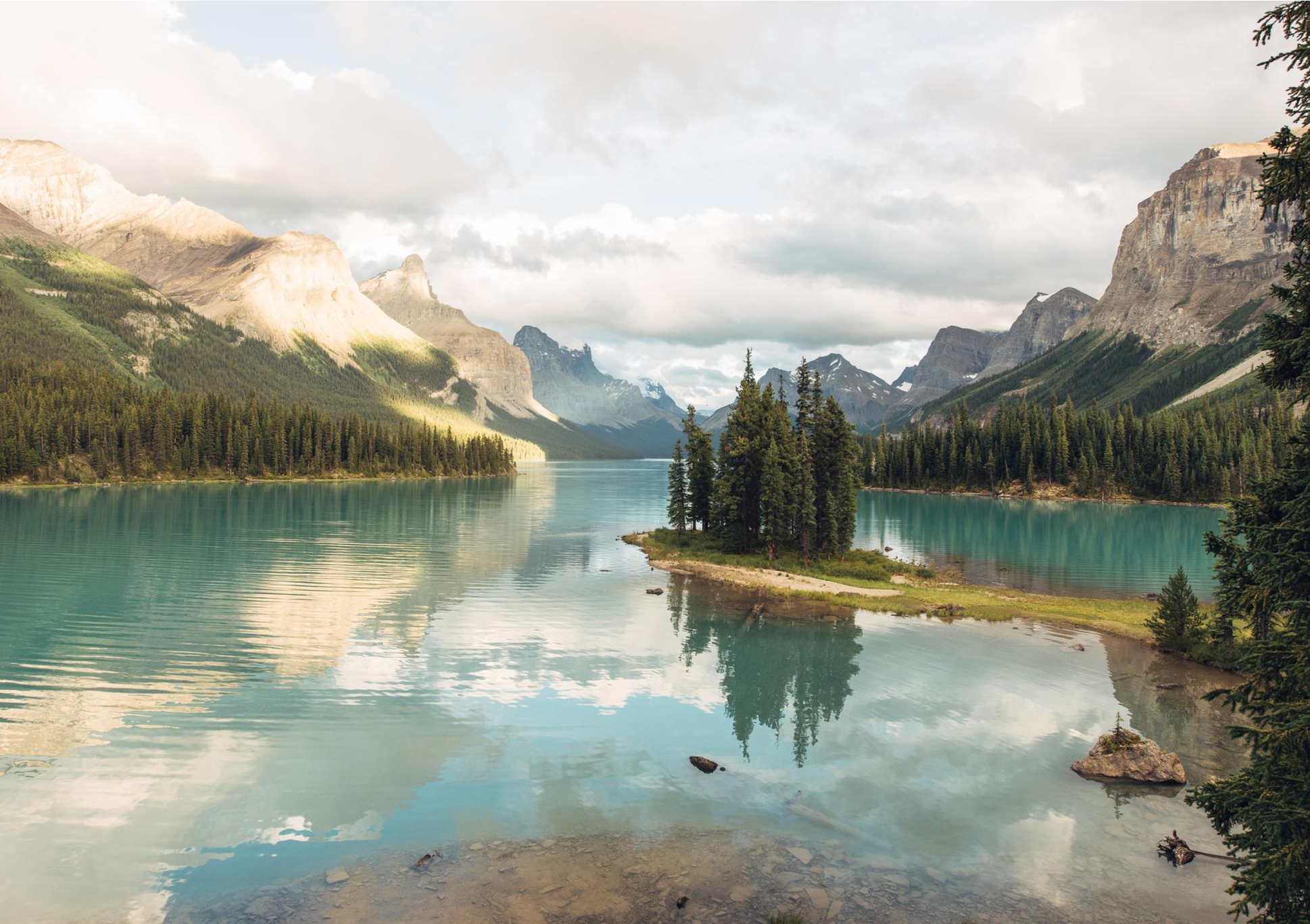
Waterfalls and wild lakes – hiking in Northern Alberta and Jasper
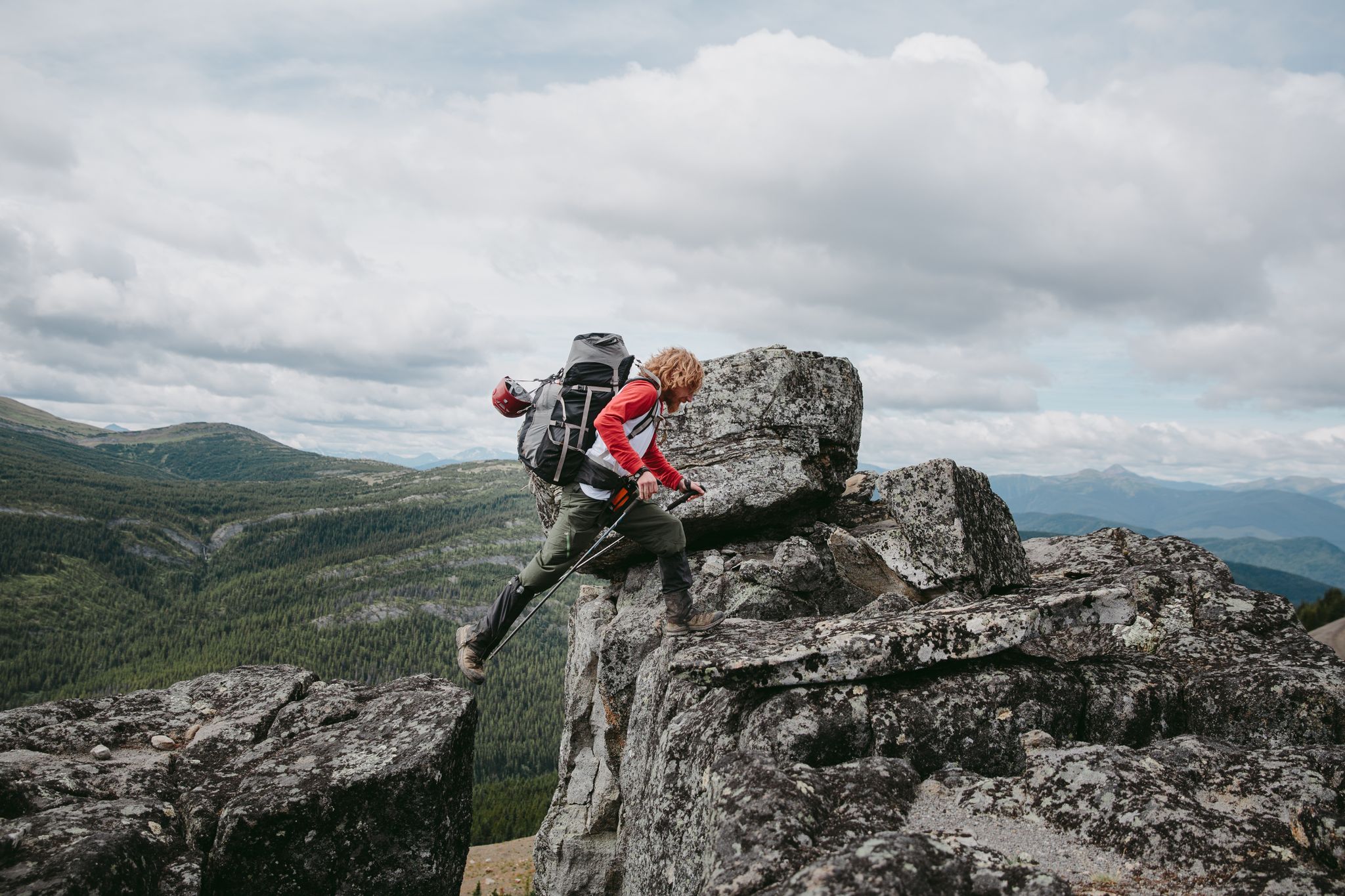
The Great Wilderness – a multi-day route across British Columbia
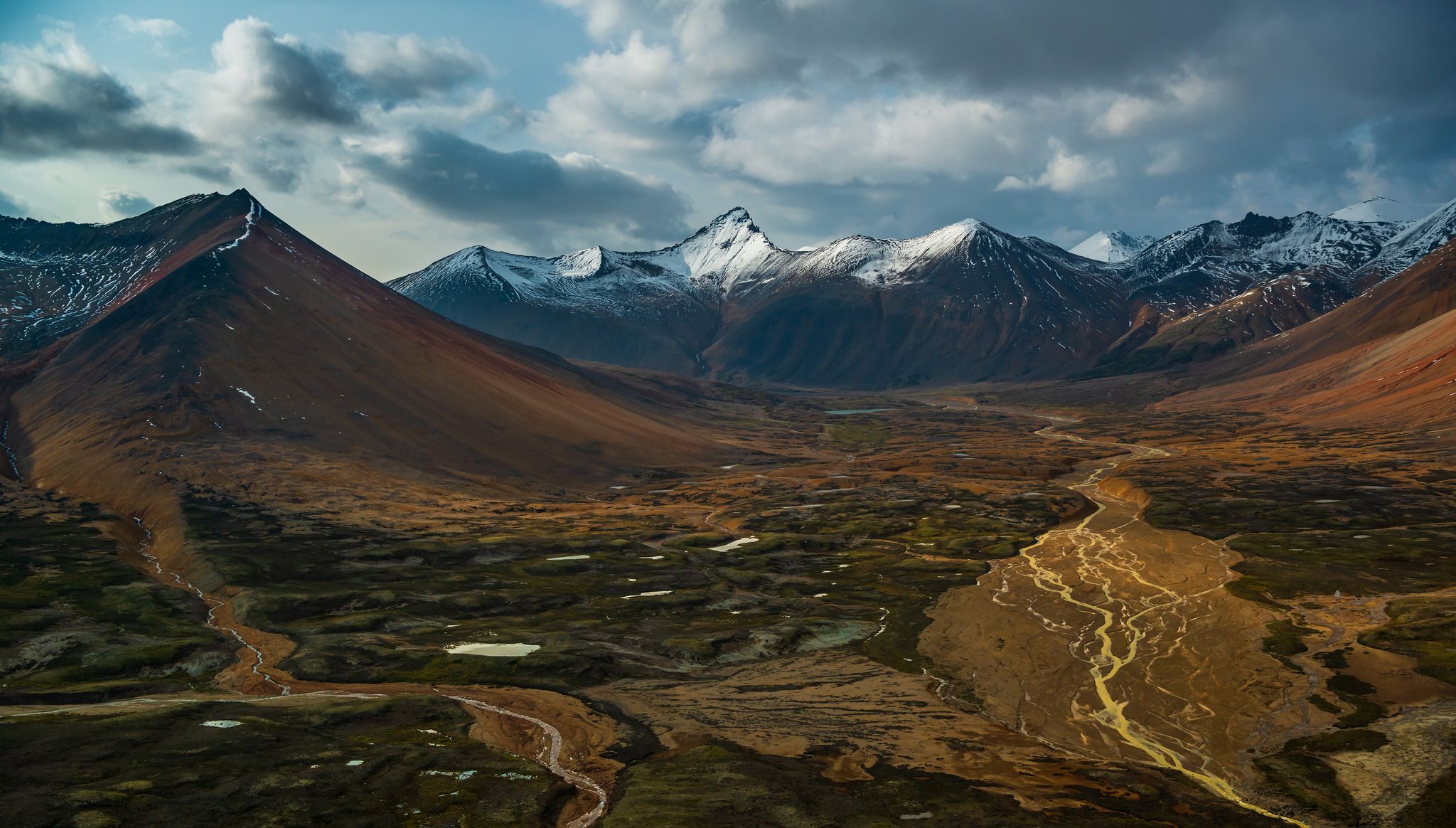
The Great Wilderness – hiking adventures in vast British Columbia
Hiking in Alberta – explore nature, discover indigenous culture
Great Divide Trail – Section A to E: Waterton to Maligne Lake
Other adventures in the Rocky Mountains


Tips from the Community

The lower waterfall is excessively crowded. The Insta-hotspot is a hole carved into the rock face, from which selfies are taken in front of the waterfall. To get one, you would have to queue for a long time. We skipped that and went straight to the upper falls - which are also more varied and beautiful.
0
0

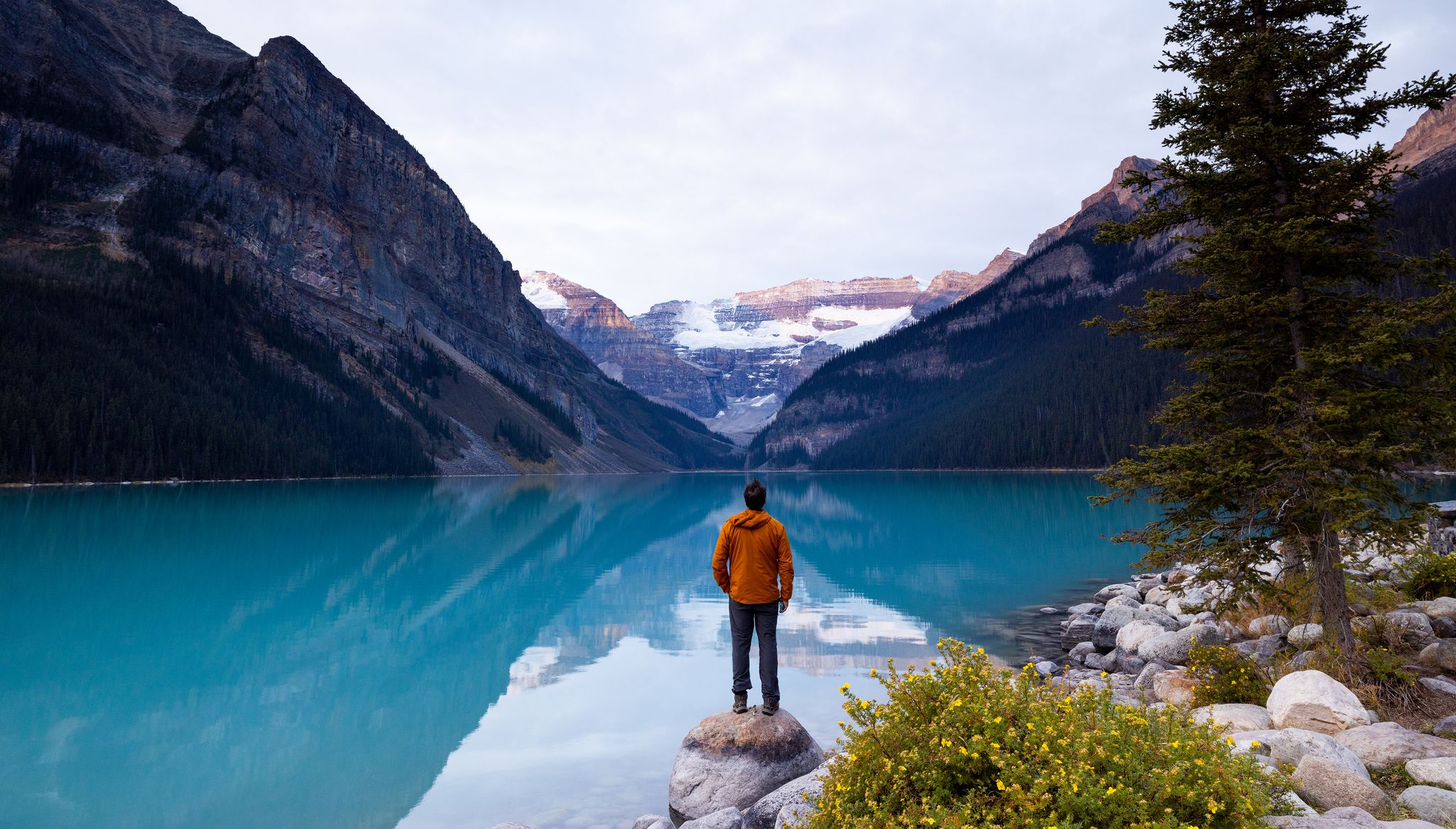
As the trail wraps around the lower slopes of Devil's Thumb you get a great view over the eastern half of Lake Louise to the mountains of Banff.
0
0
The trail leads right up to the cliff's edge, from which you can look out upon Lake Louise and straight down the mountain to Mirror Lake below.
0
0

Laughing Falls is a thundering waterfall with a mountain-energy vibe along the Little Yoho River. There are simple wooden bridges for river crossings, picnic benches, and backcountry camping, with bear bag hangs. A Parks Canada pass is required for entry, and a backcountry permit is required for camping.
0
0
Marpole Lake is a quiet, lesser-known destination in Yoho National Park. The lake sits in a glacial basin with darker waters, and visitors can escape the crowds here.
1
0
Lake Duchesnay is a small alpine lake, part of the Duchesnay Basin, below Mount Duchesnay and Mount Niles. At 2,100 meters above sea level, this glacial-fed lake is shallow and dries up in the summer, but when it has water, it trickles down from snowmelt and small glaciers from the Waputik Range.
1
0
Twin Falls is one of the main attractions at Yoho National Park. This twin-plunge waterfall descends 180 meters, and the second falls drops about the same distance. Fed by Twin Falls Creek, flowing from Glacier des Poilus, these two falls have a strong spray and a very scenic view.
1
0
Point Lace Falls flows from a small tributary of Twin Falls Creek; the best views are from late June through September. When it's flowing, it has a delicate "lace-like" water pattern.
1
0
Frequently Asked Questions
How many waterfall hiking trails are there in the Rocky Mountains?
The Rocky Mountains offer a wide selection of waterfall hiking trails. Our guide features over 35 routes specifically designed to lead you to stunning waterfalls, ranging from easy strolls to more challenging ascents.
What are some easy waterfall hikes suitable for families?
Many waterfall trails in the Rocky Mountains are family-friendly. For an easy and scenic option, consider the Johnston Canyon Waterfalls – Upper Johnston Falls loop from Lower Falls, which is 3.3 miles (5.3 km) long and features multiple cascades. Another great choice is Lower Sunwapta Falls, an easy 2.3 miles (3.8 km) path offering views of powerful falls in a forested setting. Both are rated as easy and are suitable for most ages.
Are there any challenging waterfall hikes for experienced hikers?
Yes, for those seeking a more challenging experience, the Rocky Mountains provide trails with significant elevation gain. While not solely focused on waterfalls, the Mount Hoffman via Sheep River Trail is a moderate 6.1 miles (9.8 km) hike with over 450 meters of ascent, offering rugged terrain and rewarding views that may include distant cascades. For a longer, moderate option, the Yoho Valley Trail & Twin Falls Trail loop is 10.2 miles (16.4 km) and leads through a glacial valley with significant elevation changes.
Can I bring my dog on waterfall trails in the Rocky Mountains?
Dog policies vary significantly between different parks and protected areas within the Rocky Mountains. While some trails allow dogs on leash, others, particularly within National Parks like Rocky Mountain National Park, have strict restrictions to protect wildlife and natural resources. Always check the specific regulations for the park or trail you plan to visit before bringing your dog. Many trails outside of national park boundaries are often more dog-friendly.
What kind of terrain can I expect on waterfall hikes in the Rocky Mountains?
Waterfall hikes in the Rocky Mountains traverse diverse terrain. You can expect everything from well-maintained, smooth paths along river valleys to rocky scrambles and steeper ascents through montane and subalpine forests. Trails often feature varied surfaces, including dirt, gravel, and sometimes boardwalks, especially near popular waterfall viewing areas. The region's geology, shaped by glaciers, means you'll encounter dramatic canyons and valleys.
What is the best time of year to go waterfall hiking in the Rocky Mountains?
The best time for waterfall hiking in the Rocky Mountains is typically late spring through early fall (May to October). During late spring and early summer, snowmelt contributes to powerful, gushing waterfalls. As summer progresses, the weather is generally warmer and trails are clear of snow. Fall offers cooler temperatures and stunning autumn foliage, though water flow might be reduced. Always check current trail conditions and weather forecasts before heading out.
Are there any circular routes that include waterfalls?
Yes, many waterfall trails in the Rocky Mountains are designed as loops, allowing you to experience different perspectives of the falls and surrounding landscape. An excellent example is the Johnston Canyon Waterfalls – Upper Johnston Falls loop from Lower Falls, which provides a comprehensive tour of the canyon's cascades. The Yoho Valley Trail & Twin Falls Trail loop is another longer circular option.
What wildlife might I see on waterfall trails?
The Rocky Mountains are home to abundant wildlife. On waterfall trails, you might spot elk, deer, and various bird species. In higher elevations or more remote areas, there's a chance to see bighorn sheep, marmots, or even moose. While less common, bears and cougars also inhabit the region, so it's always wise to be bear-aware and carry bear spray. Remember to observe wildlife from a safe distance and never feed animals.
What are some notable attractions or landmarks near these waterfall trails?
Beyond the waterfalls themselves, the Rocky Mountains offer numerous natural attractions. Near many trails, you'll find stunning alpine and subalpine lakes like Lake Louise or Lake Annette. Canyons such as Maligne Canyon often feature impressive geological formations. Many areas also boast scenic viewpoints, like the View of Banff Springs Hotel, offering panoramic vistas of the majestic peaks and valleys.
Is parking available at the trailheads for waterfall hikes?
Parking is generally available at most popular trailheads for waterfall hikes in the Rocky Mountains, but it can fill up quickly, especially during peak season and on weekends. Arriving early in the morning is highly recommended to secure a spot. Some popular areas, particularly within National Parks, may also require timed entry reservations or shuttle services to access trailheads. Always check the specific park or trail website for the most current parking information and any required reservations.
Do I need a permit to hike to waterfalls in the Rocky Mountains?
Accessing certain areas, especially within National Parks like Rocky Mountain National Park, may require timed entry permits or park passes in addition to any specific trail permits. For example, Rocky Mountain National Park has implemented a timed entry system during peak seasons. It's crucial to check the official park websites, such as nps.gov/romo, for the most up-to-date information on entry requirements and permits before your visit.
What do other hikers enjoy most about waterfall hikes in the Rocky Mountains?
The Rocky Mountains are highly rated by the komoot community, with an average score of 4.6 stars from over 6,500 reviews. Hikers frequently praise the breathtaking natural beauty, the diversity of the trails, and the rewarding views of the majestic peaks and crystal-clear alpine lakes. The opportunity to witness powerful waterfalls and explore varied ecosystems, from dense forests to alpine meadows, is often highlighted as a favorite aspect of the hiking experience.
What should I wear or bring for a waterfall hike in the Rocky Mountains?
For waterfall hikes in the Rocky Mountains, it's best to dress in layers as weather can change rapidly. Wear sturdy hiking boots with good ankle support and grip, as trails can be uneven or wet. Bring plenty of water, snacks, sun protection (hat, sunglasses, sunscreen), and rain gear, even on clear days. A map or GPS device, a first-aid kit, and bear spray (if in bear country) are also recommended. Remember to pack out everything you pack in.
Most popular routes in the Rocky Mountains
Most popular attractions in the Rocky Mountains

Get inspired with the komoot mobile app


Explore more
Browse the best Hikes in other regions.
