Attractions and Places To See in Ancona - Top 20
Attractions and places to see in Ancona include a diverse array of historical, cultural, and natural sites. This port city on Italy's Adriatic coast features ancient Roman landmarks, significant religious structures, and natural parks. The city is characterized by its hilly terrain, offering viewpoints over the sea and surrounding landscape. Ancona serves as a gateway to the Conero Regional Park, known for its rugged cliffs and Mediterranean vegetation.
Best attractions and places to see in Ancona
- The most popular attractions is Monument to the Fallen of World War I, a man-made monument located in the Passetto area. This circular temple, designed by Guido Cirilli, offers views and connects to Passetto beach.
- Another must-see spot is Basilica of the Holy House of Loreto, a religious building and historical site. This sanctuary preserves a significant relic of Christianity, the Holy House of the Madonna, and is a major pilgrimage destination.
- Visitors also love Cathedral of San Ciriaco, a religious building and historical site. Perched atop Monte Guasco, this Romanesque cathedral offers panoramic views over the city and harbor.
- Ancona is known for its historical monuments, religious buildings, and natural features. Visitors can explore ancient Roman ruins, medieval churches, and coastal landscapes.
- The attractions in Ancona are appreciated by the komoot community, with more than 180 upvotes and over 40 photos shared by visitors.
Last updated: October 9, 2026
Rotonda a Mare of Senigallia
Highlight • Monument
Translated by Google •
Tip by

Basilica of the Holy House of Loreto
Highlight • Religious Site
Translated by Google •
Tip by

Sign up now to discover places like this
Get recommendations on the best single tracks, peaks, & plenty of other exciting outdoor places.
Abbey of San Vittore alle Chiuse
Highlight • Religious Site
Translated by Google •
Tip by

Church of Saint Mary of the Square
Highlight • Religious Site
Translated by Google •
Tip by

Valadier Temple
Highlight • Religious Site
The ticket costs 6 euros. The path to the temple offers a beautiful view of the valley and numerous places to sit allow people who are not good at walking to visit the temple. There are even sanitary facilities at the top. The temple is unspectacular inside, but its location is all the more impressive.
Translated by Google •
Tip by

Riparo di Frasassi
Highlight • Religious Site
Translated by Google •
Tip by
Occhialoni Hole
Highlight • Natural Monument
From San Vittore it is all uphill in zigzags until you reach the crossroads with path 117 which goes right to Pierosara and left to the eyeglass hole and southern cave (straight along the eagle path and Frasassi peak), everything is well signposted so it's hard to get lost.
From here continue along the side of Mount Frasassi, after about 1km you will arrive at the crossroads that goes up to the right for the "Grotta del Mezzogiorno" (a little hidden) which I recommend doing, if you continue straight on "clinging" between rocks and trees you will reach the destination .
Beautiful!!! But be careful not to look out too much because below there is more than 100m of emptiness!!!!
For the more experienced you can continue but you need to be equipped with carabiners, so don't try it!!!
Back on the same road
Translated by Google •
Tip by

Cathedral of San Ciriaco
Highlight • Religious Site
Translated by Google •
Tip by
Piazza della Madonna di Loreto
Highlight • Historical Site
In the center of the square stands the Fontana Maggiore, a Baroque work by Carlo Maderno and Giovanni Fontana, built between 1604 and 1614 and decorated with bronze sculptures by the brothers Pietro Paolo and Tarquinio Jacometti. In the east, the Basilica of the Holy House dominates. The north and west sides are enclosed by the Apostolic Palace, built in 1507-09 at the behest of Pope Julius II to a design by Donato Bramante.
Translated by Google •
Tip by
Santa Maria di Portonovo Church
Highlight • Religious Site
The church is one of the most interesting examples of Romanesque architecture in central Italy with five naves with an octagonal dome of Byzantine inspiration. Dating back to 1034, it was located next to a Benedictine monastery which around 1500, following a Turkish invasion, was destroyed and almost razed to the ground while the church miraculously remained standing representing for almost 700 years the only building in the whole Portonovo bay.
Translated by Google •
Tip by

Sign up for free to discover even more attractions in Ancona.
Already have an account?
Start today with a free account
Your next adventure awaits.
Popular around Ancona
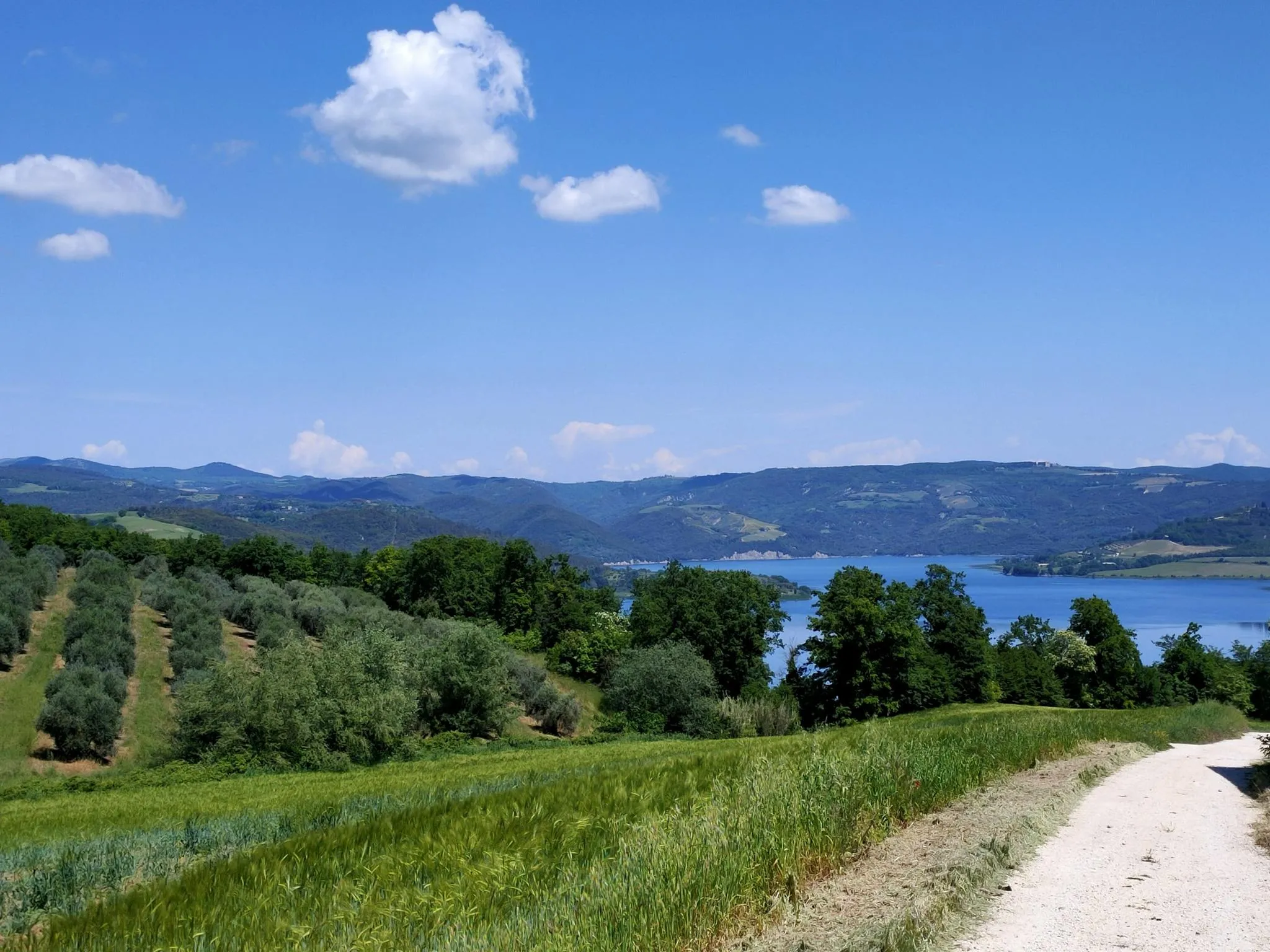
Italian Coast2Coast – From Portonovo to Orbetello
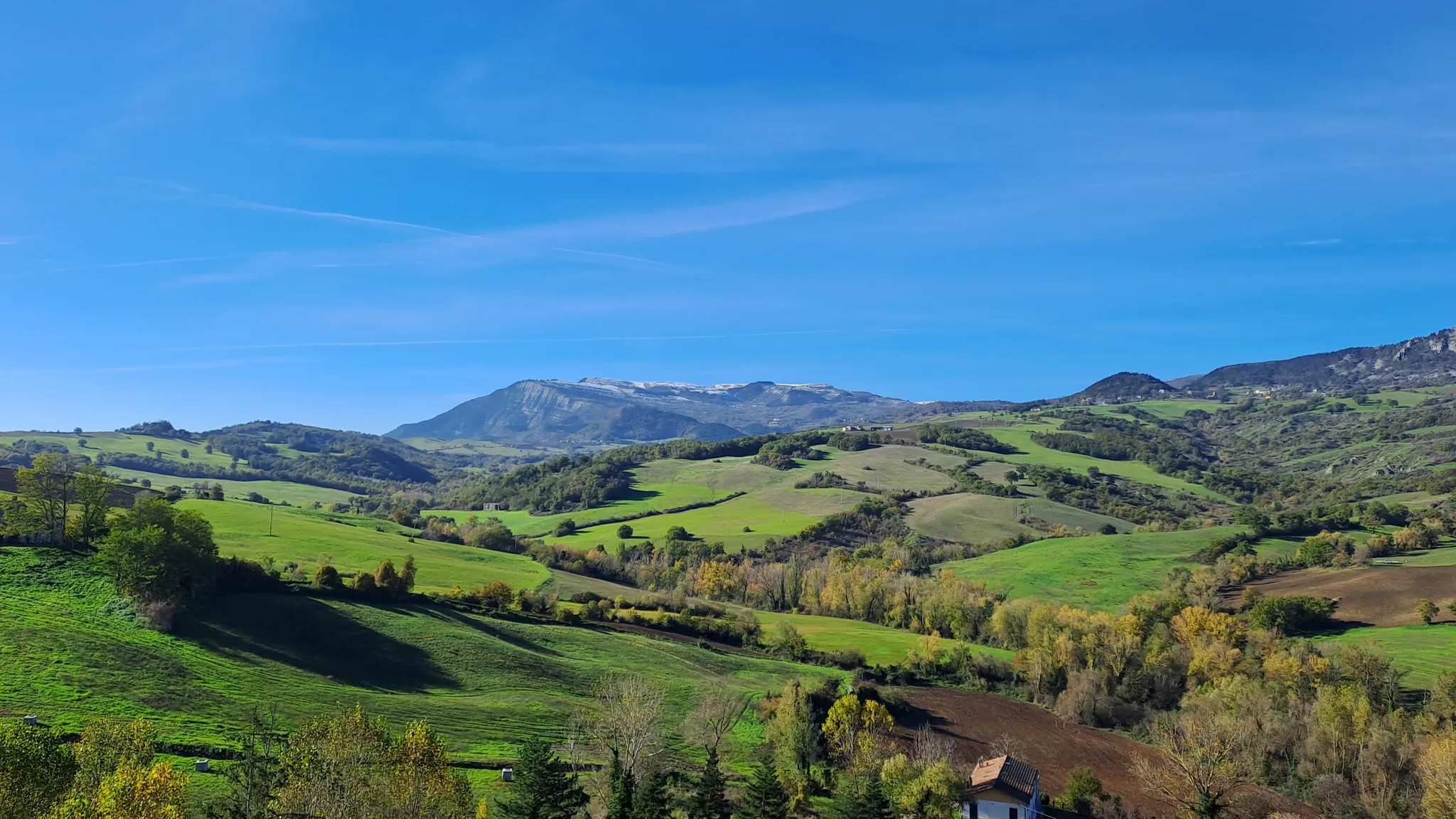
Cycling the Marche – sea to the mountains, among villages and hills
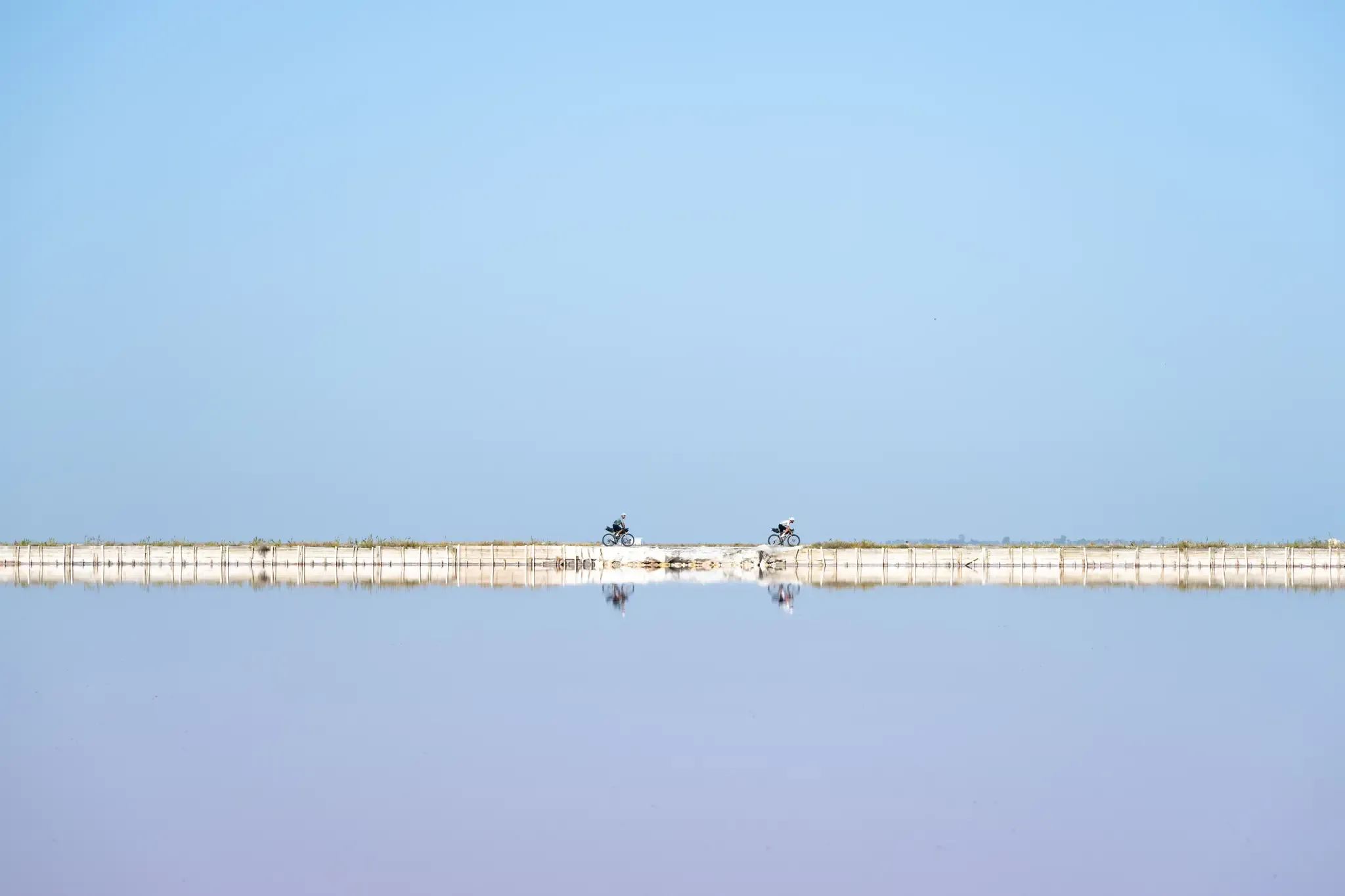
Trieste to Santa Maria di Leuca – the Adriatic Cycle Route
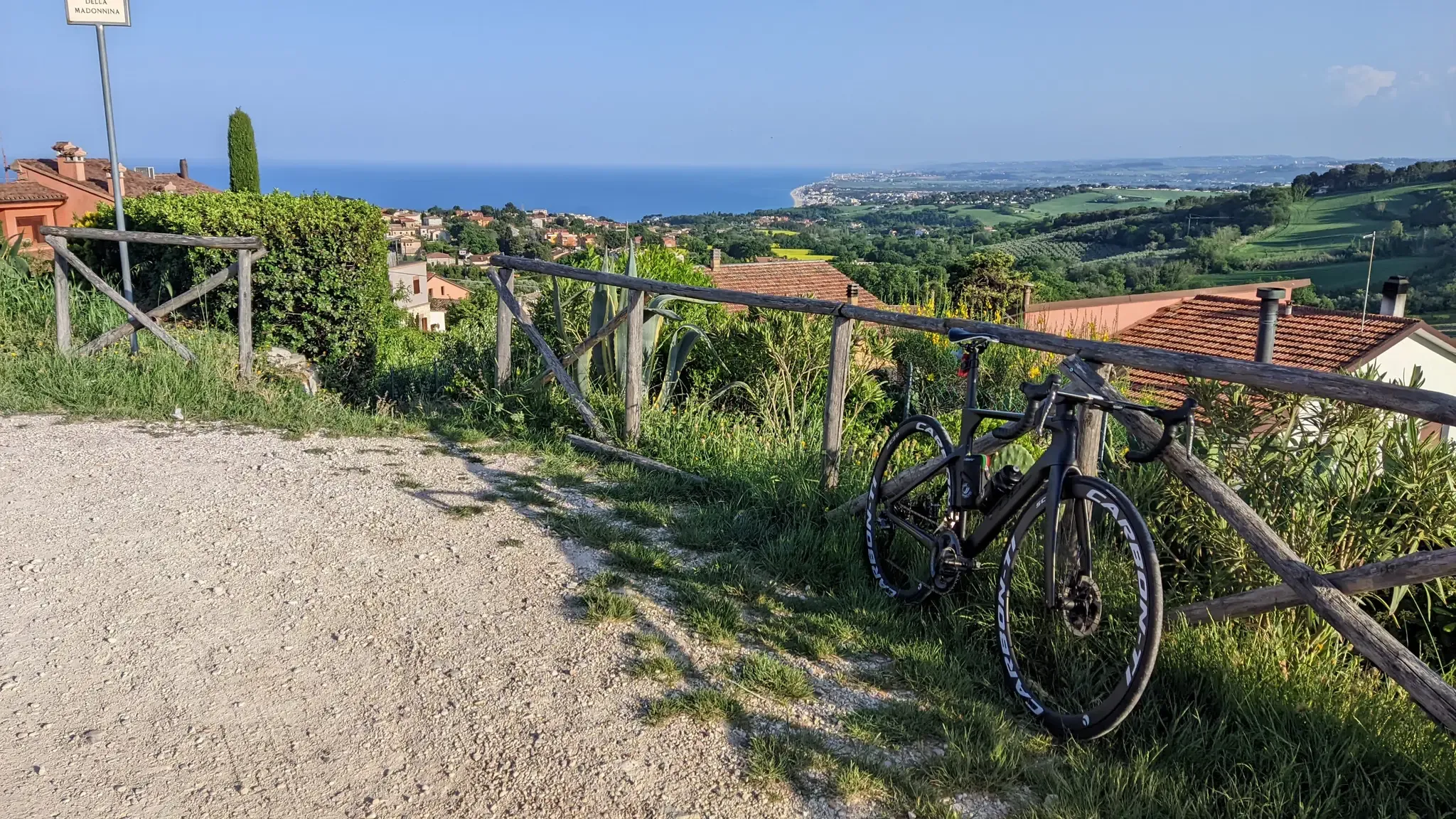
Between mountains and sea — road cycling in Italy’s Marche
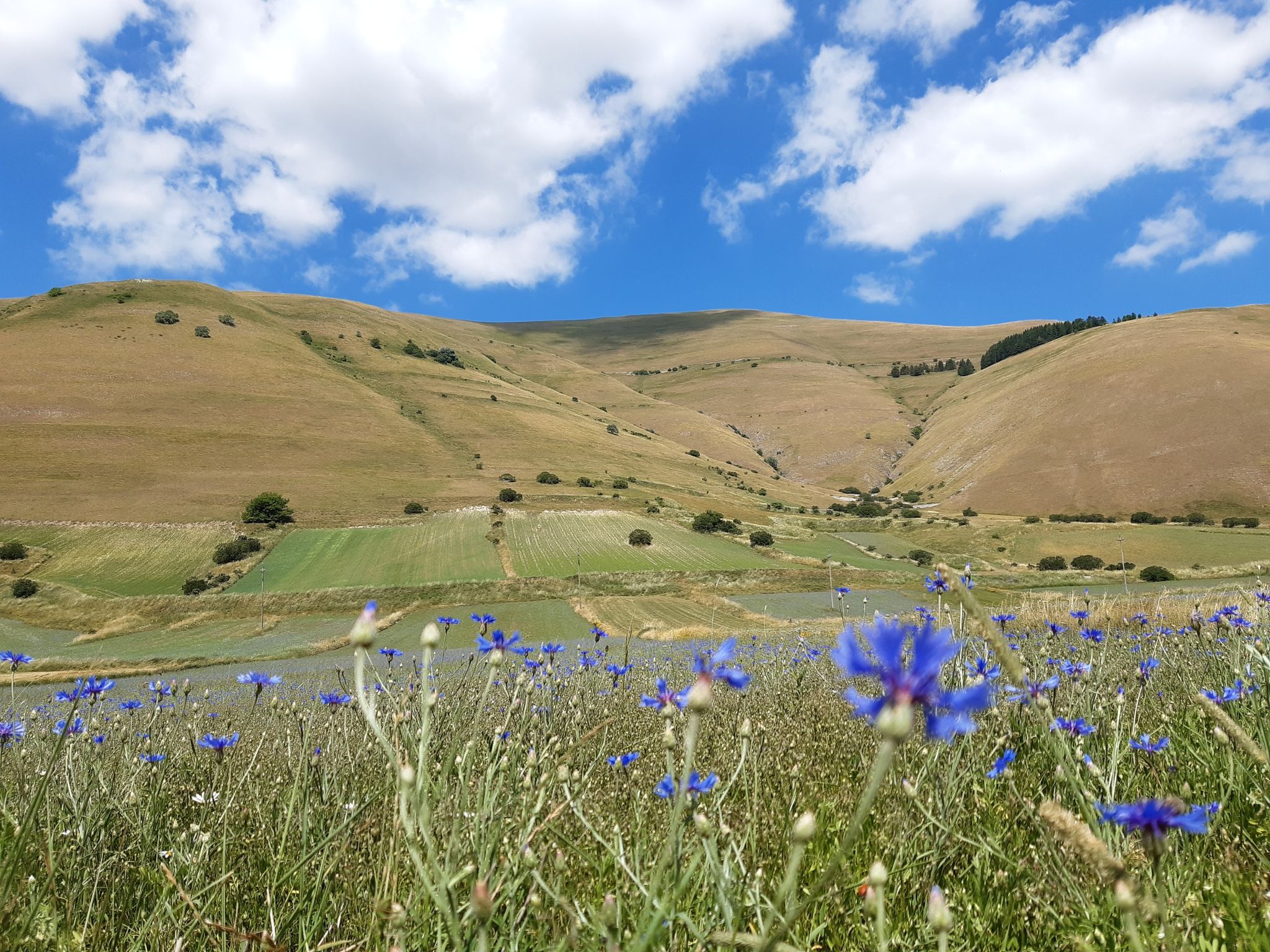
A journey through changed lands – Cammino nelle Terre Mutate
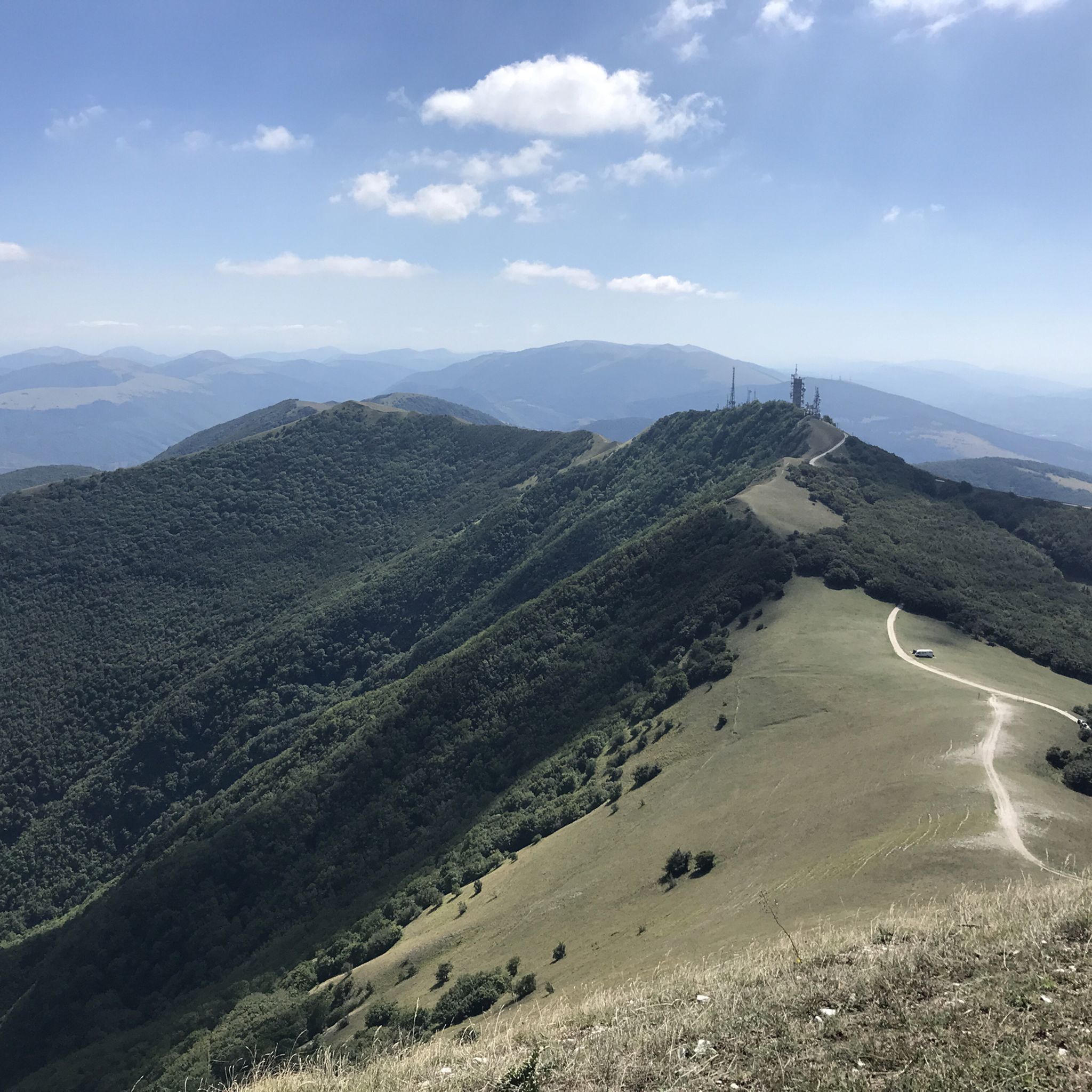
Hiking in Ancona
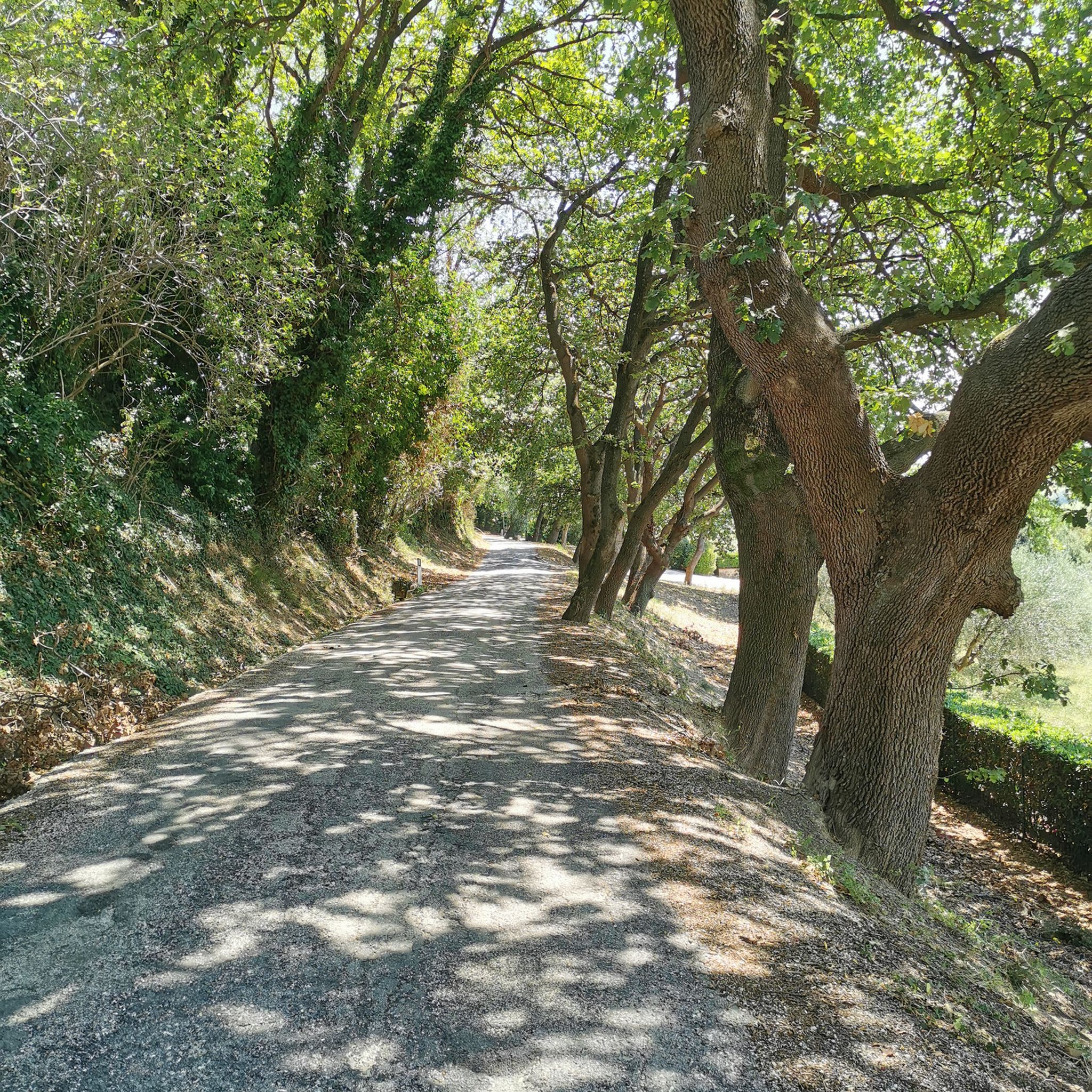
Cycling in Ancona
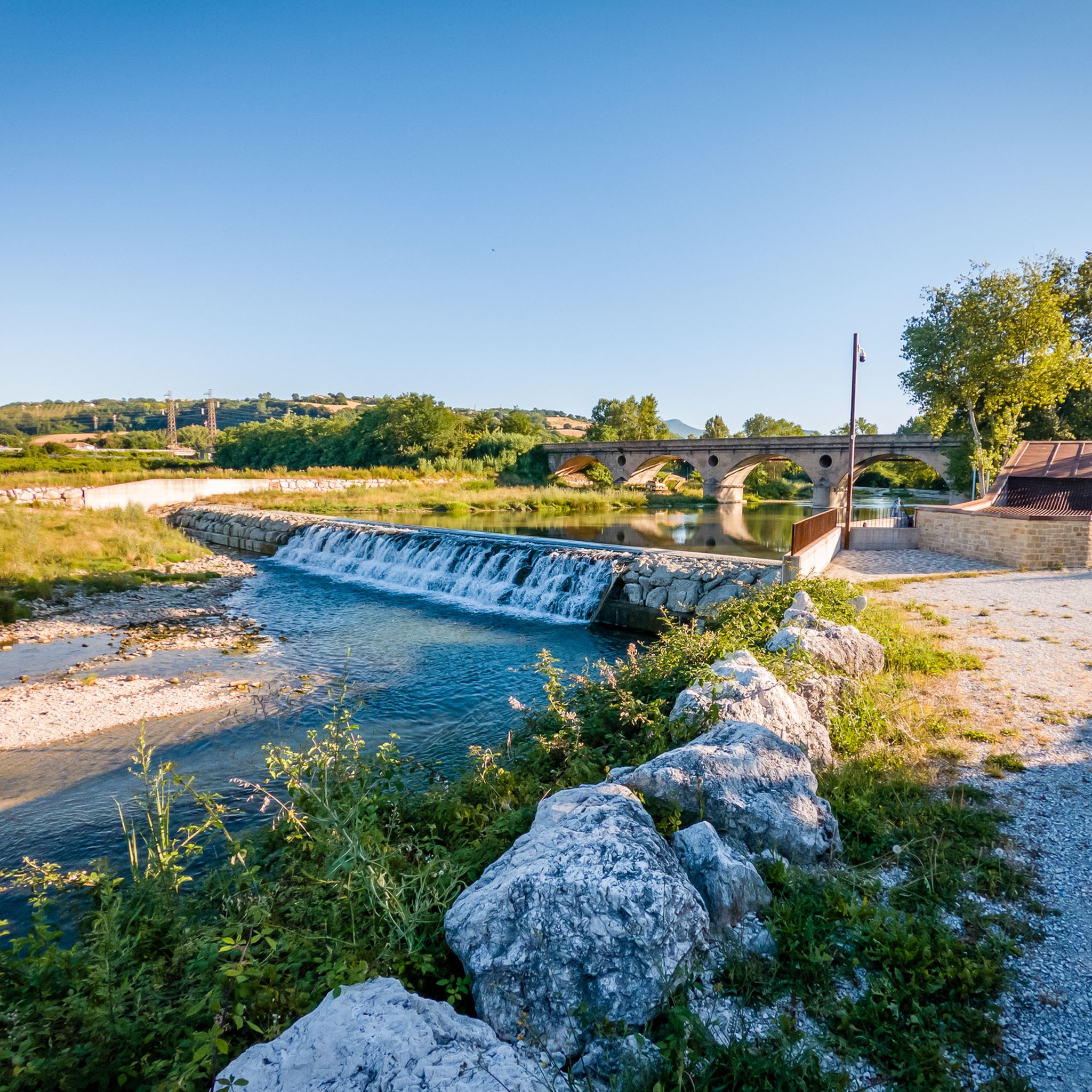
Running Trails in Ancona
Road Cycling Routes in Ancona
MTB Trails in Ancona
Other adventures in Ancona


Tips from the Community

The abbey was founded in the 11th century by Benedictine monks and was originally dedicated to Saint Benedict. The addition "Victorianum" was initially just a geographical designation for the area and had no connection to the holy martyr Victor. Only much later did the dedication of the church change in common parlance and officially.
0
0

The Cathedral of San Ciriaco is the spectacular landmark of Ancona, majestically enthroned on top of Guasco Hill! 🏛️🌊 The impressive cathedral combines Romanesque and Byzantine architecture and welcomes you at the main portal with its famous two red marble lions 🦁✨ Pro-Tip: The climb is especially worth it for the scenery! From the cathedral square, you have an unobstructed 360-degree view over the Adriatic Sea and the bustling activity in the harbour 📸⛵ Come in the late afternoon – the warm sunlight on the white stone walls and the sea in the background are simply breathtaking! 🌅💙
2
0

Last stage of the Via Lauretana
3
0

The Church of Santa Maria della Piazza is an example of particular significance both for its architectural value and for its testimonial value regarding the origins of Christianity in the city of Ancona. Built at the end of the 12th century on the remains of the church dedicated to Saint Stephen, the first Christian martyr whose relic is preserved in the Diocesan Museum, it represents the historical continuity of the Christian religion expressed through the monuments that have come down to us and is at the same time a document of the evolving history of the city. The Church is a jewel of Romanesque architecture: it has a rectangular plan, a Latin cross layout, and is divided into three naves. The bell tower originally had a strategic function, being a tower attached to the fortification that connected to the hill behind. The richly ornamented portal strikes with the movement and fine interweaving of the small arches and pilasters. After the consolidation work initiated following the earthquake of 1972, it seems possible to connect the history of this church to the most ancient memories of Christian worship in Ancona between the 2nd and 4th centuries, identifying its title with that of the very ancient basilica dedicated to the protomartyr Stephen, built on the ruins of imperial buildings from the Trajanic era.
1
0
The Cathedral of Ancona, dedicated to Saint Cyriacus, is the metropolitan cathedral of the Archdiocese of Ancona-Osimo. It is a medieval church blending Romanesque and Byzantine styles, evident in its Greek cross plan and in the many works of art housed within. It stands in a scenic location atop Colle Guasco, formerly occupied by the acropolis of the Greco-Doric city, overlooking the entire city of Ancona and its gulf. It was designated a basilica in May 1926 by Pope Pius XI, and has been a national monument since 1940. Inside is the painting of Our Lady Queen of All Saints, the subject of an event considered "miraculous" by Catholic tradition, known as the Marian Miracle of Saint Cyriacus. The building has a history of over 2,000 years, during which five major events can be distinguished: - 4th-2nd century BC - Construction of the Temple of Aphrodite, whose perimeter corresponds exactly to the transept and the left wing of the current church; - 6th century AD - Construction of the early Christian Basilica of San Lorenzo, built on the ruins of the ancient temple; - 11th century AD - The Basilica of San Lorenzo became a cathedral and was expanded. With the translation of the body of Saint Cyriacus, it changed its name and took on its current title; - 12th century AD - Transformation of the plan into a Greek cross, giving the church an oriental layout, its main characteristic. - 13th century AD - Construction of the dome and porch, interventions that gave the building its current appearance.
2
0


Beautiful view of the Ancona hills and the port
1
0
Definitely worth a visit
1
0
Frequently Asked Questions
What natural attractions can I explore in Ancona?
Ancona is a gateway to the stunning Conero Regional Park, offering rugged cliffs, pristine beaches like Mezzavalle Beach and Portonovo Bay, and lush Mediterranean vegetation. You can also visit Occhialoni Hole, a natural monument with impressive views, or the unique Grotta del Vernino.
Where can I find historical Roman landmarks in Ancona?
Ancona boasts several Roman landmarks, including the majestic Arch of Trajan in the harbor, symbolizing the city's historical importance. You can also explore the ruins of the Roman Amphitheatre near the Cathedral of San Ciriaco, dating back to the 1st century BCE.
Are there any significant religious sites to visit in Ancona?
Yes, Ancona is home to several important religious sites. The Cathedral of San Ciriaco, perched atop Guasco Hill, is an 11th-century masterpiece offering panoramic views. Further afield, the Basilica of the Holy House of Loreto is a major pilgrimage destination, preserving a significant relic of Christianity. Don't miss the enchanting Santa Maria di Portonovo Church, a Romanesque gem by the sea, or the unique Valadier Temple set into a cave.
What cultural experiences does Ancona offer beyond historical sites?
Beyond its ancient ruins, Ancona offers a vibrant cultural scene. The Mole Vanvitelliana, an 18th-century pentagonal building, now serves as a cultural hub for events and exhibitions. You can also visit the National Archaeological Museum of the Marche in the Ferretti Palace, showcasing artifacts from prehistory to the Hellenic era, or the unique Museo Tattile Statale Omero, a tactile museum for art appreciation through touch.
What are the best places to enjoy panoramic views of Ancona and the Adriatic Sea?
For breathtaking views, head to the Cathedral of San Ciriaco on Monte Guasco, which offers sweeping vistas over the city and harbor. The Monument to the Fallen of World War I, located on a clifftop above Passetto Beach, also provides stunning coastal panoramas. Additionally, Parco del Cardeto offers expansive sea views from its coastal clifftop paths.
Are there family-friendly attractions in Ancona?
Many of Ancona's attractions are suitable for families. The Monument to the Fallen of World War I and the surrounding Passetto area with its beach and caves are popular. The Cathedral of San Ciriaco and the Basilica of the Holy House of Loreto are also welcoming for families. For a fun day out, consider a visit to Rotonda a Mare of Senigallia, which is categorized as family-friendly.
What outdoor activities, like hiking or cycling, are available near Ancona?
Ancona is an excellent base for outdoor enthusiasts. The Conero Regional Park offers numerous hiking trails with varying difficulties. For cycling, you can explore road cycling routes like the 'Parco del Monte Conero — ring tour' or gravel biking options such as the 'Conero Cycle Path to Gradina'. Find more details on these activities in the Road Cycling Routes in Ancona and Gravel biking in Ancona guides.
What is the best time of year to visit Ancona for sightseeing and outdoor activities?
The best time to visit Ancona for both sightseeing and outdoor activities is typically during the spring (April to June) and early autumn (September to October). During these months, the weather is pleasant, ideal for exploring historical sites and enjoying hiking or cycling in the Conero Regional Park, without the intense heat or larger crowds of peak summer.
Are there any unique or 'hidden gem' attractions in Ancona?
For a unique experience, visit the Museo Tattile Statale Omero within the Mole Vanvitelliana, which offers a rare opportunity to experience art through touch. The Church of Santa Maria della Piazza, an 11th-century Romanesque gem, features splendid underlying Early Christian mosaics visible through a glass floor, offering a glimpse into Ancona's ancient past.
What options are available for exploring Ancona using public transport?
Ancona has a local bus network that connects various parts of the city, including its main attractions and the port. Public transport can also take you to areas near the Conero Regional Park, though some more remote trails might require a car or a longer walk from the bus stop. The city center is also very walkable, allowing you to explore many historical sites on foot.
Are there any attractions in Ancona that are wheelchair accessible?
While Ancona's hilly terrain can present challenges, some attractions offer better accessibility. The Mole Vanvitelliana, a cultural hub, is generally accessible. The Rotonda a Mare of Senigallia is also listed as wheelchair accessible. It's advisable to check specific accessibility details for historical sites beforehand, as many feature ancient architecture.
What can I do in Ancona if it rains?
If rain disrupts your outdoor plans, Ancona offers several indoor options. Explore the National Archaeological Museum of the Marche to delve into regional history, or visit the Museo Tattile Statale Omero for a unique sensory art experience. The Mole Vanvitelliana often hosts indoor exhibitions and events. You could also catch a performance at the Teatro delle Muse.
Where can I find pristine beaches near Ancona?
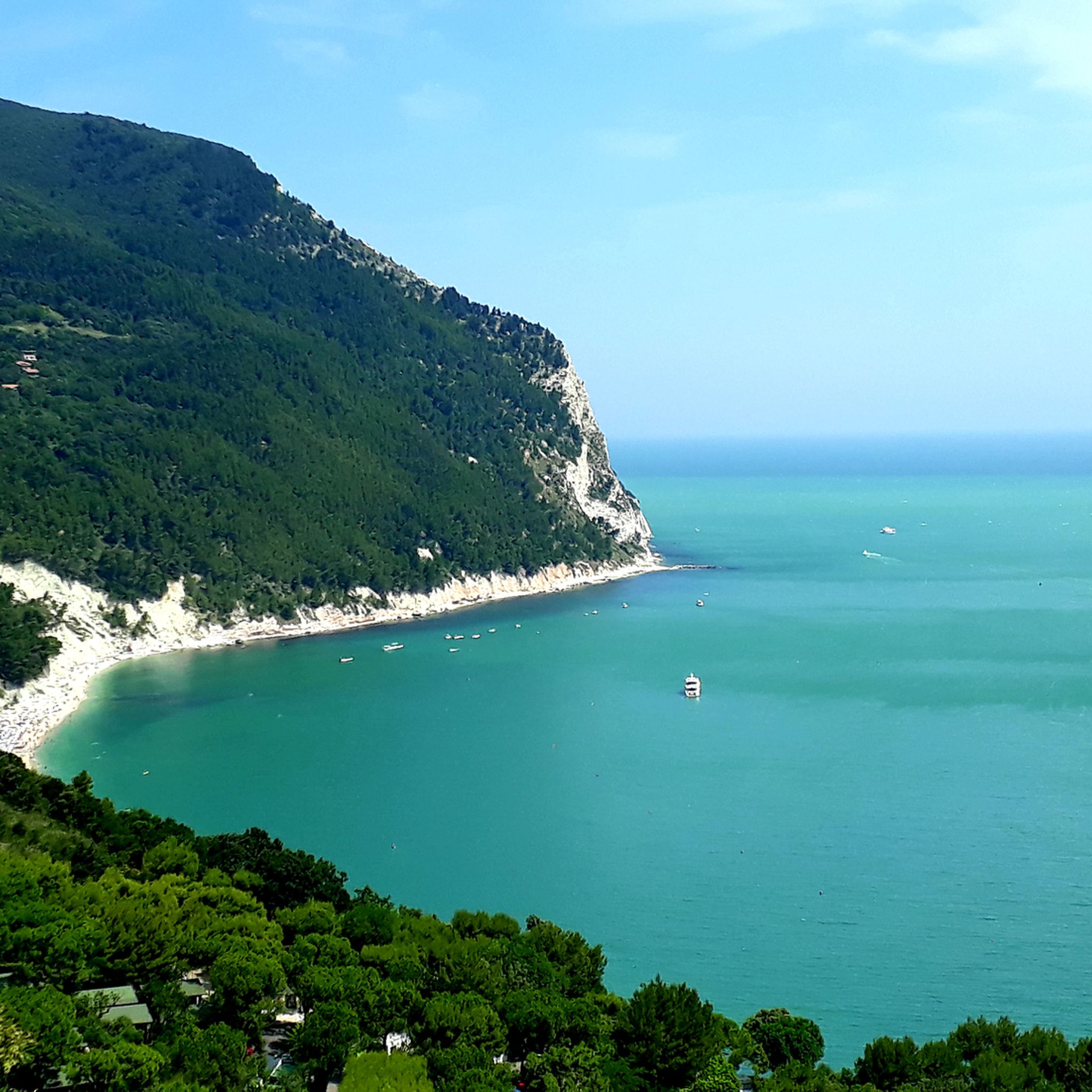
Ancona is close to several beautiful beaches, particularly within the Conero Regional Park. Mezzavalle Beach is known for its wild nature and crystal-clear waters, while Portonovo Bay offers picturesque white pebble beaches and turquoise waters. Passetto Beach, popular with locals, features rugged cliffs and the unique Passetto Caves.
Are there any interesting caves to visit near Ancona?
Yes, Ancona and its surroundings offer fascinating cave systems. The Passetto Caves, located below the Monument to the Fallen of World War I, were once used by fishermen. For a more extensive experience, the Frasassi Caves, though a bit further out, are among Europe's largest and most astonishing cave systems with huge halls and striking formations. Within the Conero Park, you can also find natural caves like Occhialoni Hole and Grotta del Vernino.
Most popular routes in Ancona
Most popular attractions in Ancona

Get inspired with the komoot mobile app


Didn’t find what you were looking for?
Are you keen on exploring more awesome places nearby? Browse our guides:
Explore more
Still not found the Highlight you’re looking for? See guides of the top attractions in other regions:
