Attractions and Places To See around Požega - Top 5
Best attractions and places to see around Požega, a city in western Slavonia, Croatia, known as the "Golden Valley." The region is characterized by its fertile land and is surrounded by the Slavonian mountains of Požeška Gora, Psunj, Papuk, Krndija, and Dilj. Požega offers a blend of historical, cultural, and natural attractions, with a baroque city center. Its unique location provides diverse landscapes for exploration.
Best attractions and places to see around Požega
- The most popular attractions is Pozega Cathedral…
Last updated: July 15, 2026
Požega City Center
Highlight • Settlement
Tip by

Trg Svete Terezije Avilske
Highlight • Settlement
Tip by
Sign up now to discover places like this
Get recommendations on the best single tracks, peaks, & plenty of other exciting outdoor places.
Sign up for free
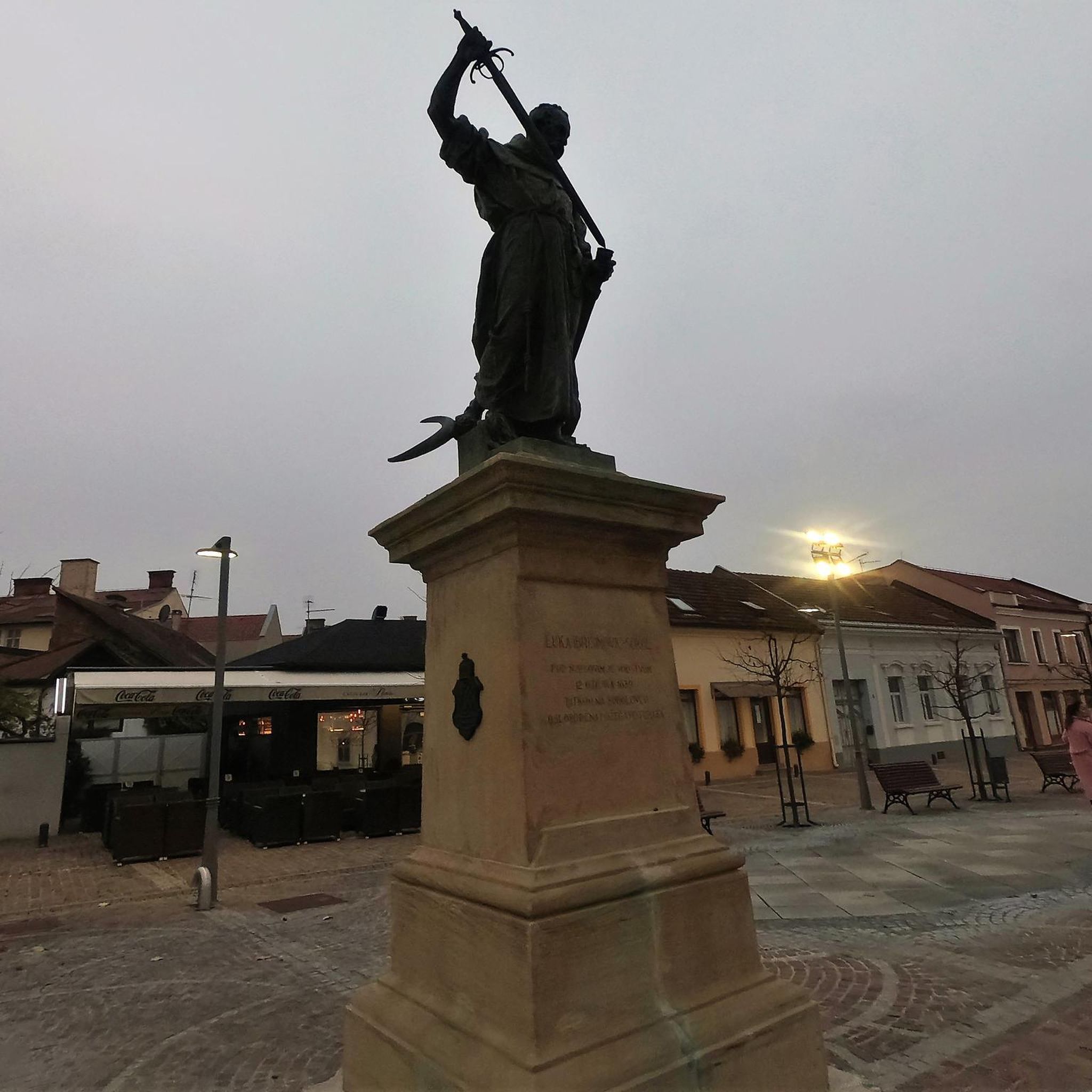
War memorial
Highlight • Monument
Translated by Google •
Tip by

Pozega
Highlight • Settlement
Translated by Google •
Tip by
Hunting Lodge at Antunovac Spring
Highlight • Mountain Hut
Translated by Google •
Tip by

Start today with a free account
Your next adventure awaits.
Login or Signup
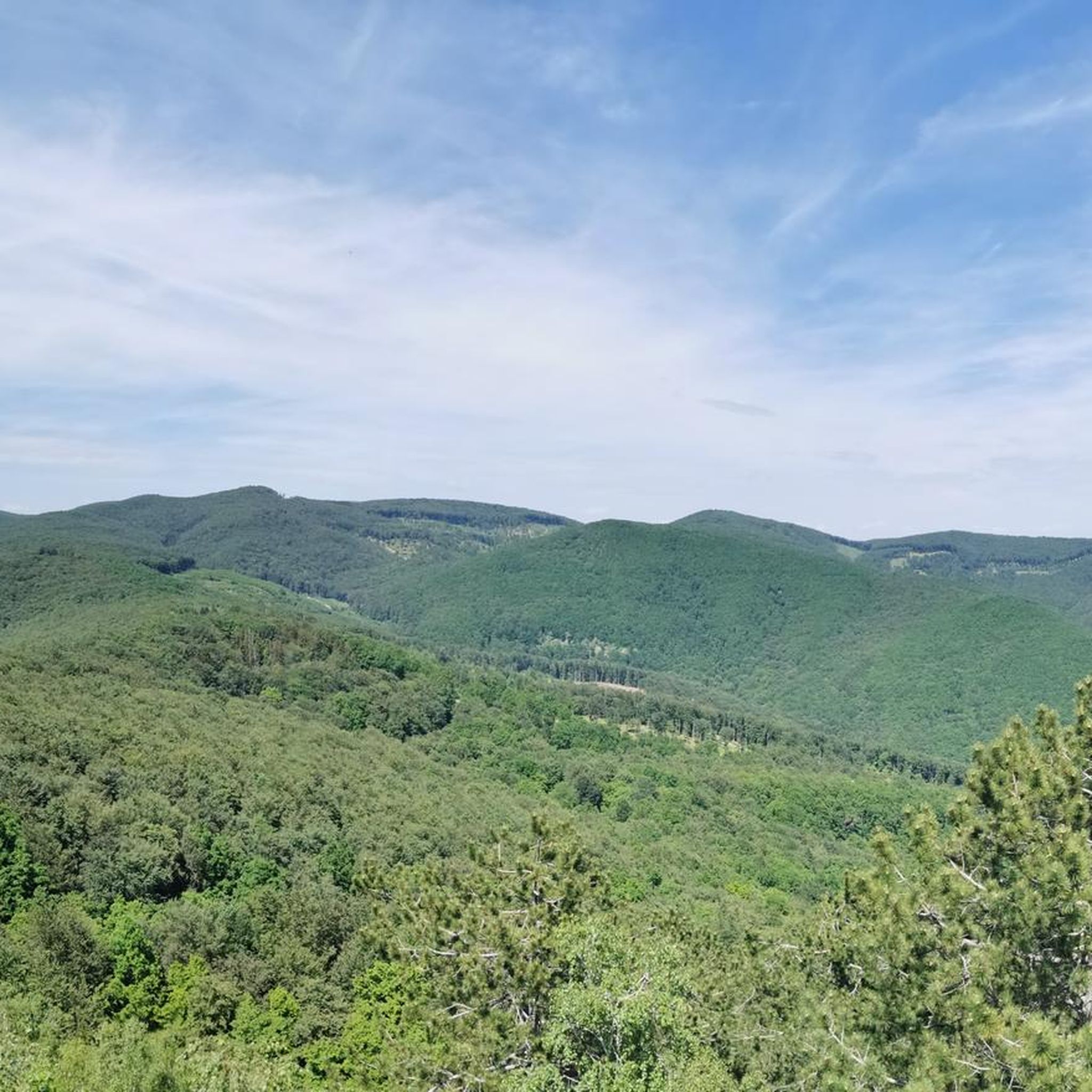

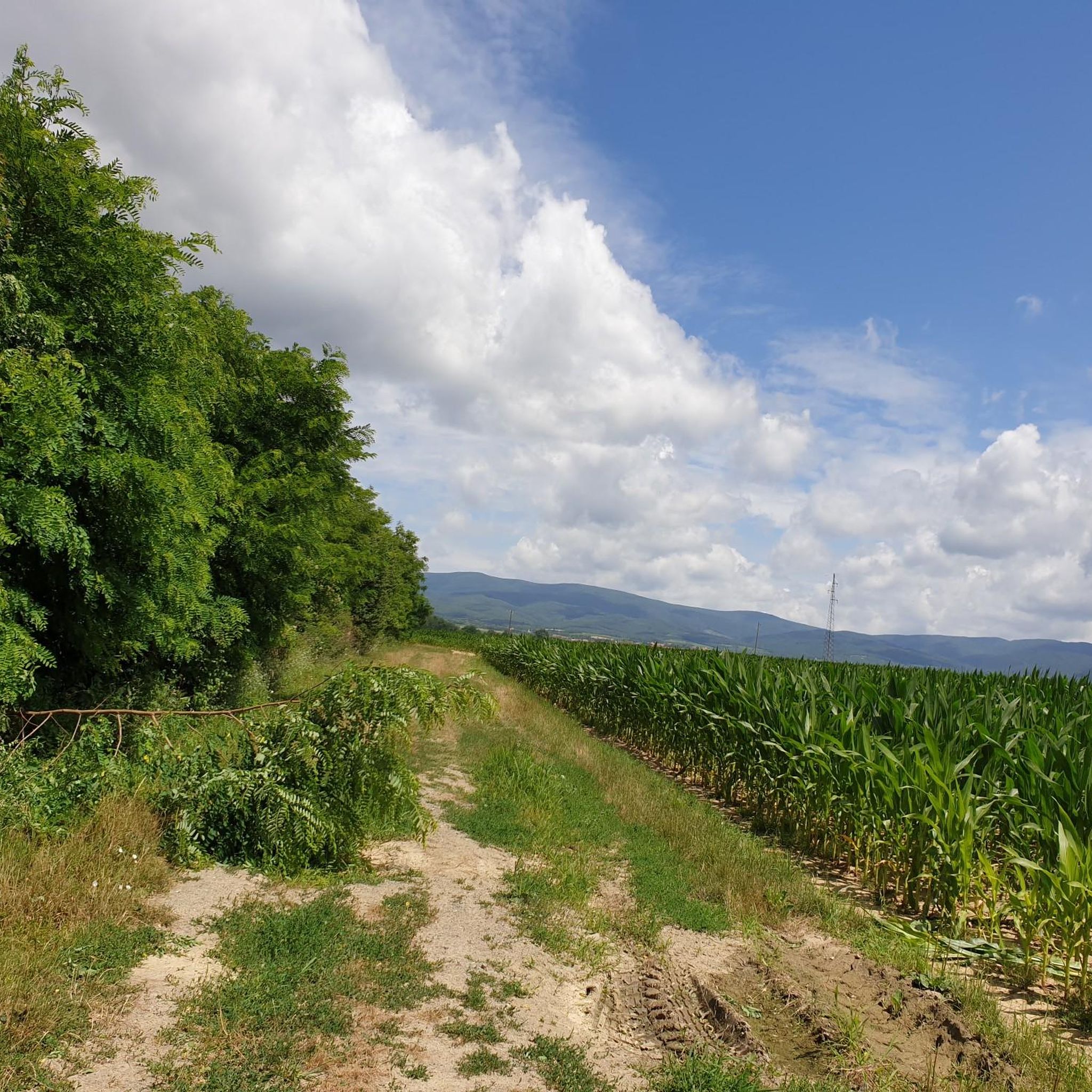
Tips from the Community

Pozega is the capital of the province of Pozega with approximately 85,000 inhabitants
5
0
There is a name on each shelf.
5
1
Many young people lost their lives here in the terrible war between 1991 and 1997
17
0
nice center terraces many pupils / students, with the same hairstyles many jewelers.
17
0

An excellent shelter for resting and a place to sleep in a tent, the Antunovac well has phenomenal spring water
2
0

Arriving at Trg Sv. Teresija, one immediately notices the unusual peace that radiates from this area where the Cathedral of St. Teresa of Avila, built by order of Empress Maria Theresa. This square, in front of the Cathedral, is dominated by lamps on the ground and a beautiful fountain, which contributes to the uniqueness of this place with its colors.
0
0
Požega is a city with a long and rich history. Požega County was mentioned as early as 1210, and the town itself in 1227 under the name Castrum de Posege.
1
0
Frequently Asked Questions
What historical and cultural sites can I explore in Požega?
Požega's rich history is evident in its baroque city center, particularly around Holy Trinity Square. Here you can find the Trg Svete Terezije Avilske, the Franciscan Monastery and Church of the Holy Spirit, and St. Lawrence Church with its 14th-century frescoes. Don't miss the beautiful Pozega Cathedral, a Baroque masterpiece dedicated to St. Teresa of Avila. Further afield, you can visit the protected architectural heritage of Kutjevo Castle.
Are there opportunities for hiking or cycling near Požega?
Yes, the region around Požega, surrounded by mountains like Papuk, Požeška Gora, and Dilj, offers diverse terrain for outdoor activities. You can find numerous trails for hiking and cycling. For example, there are challenging cycling routes like the 'Jankovac Mountain Lodge – Road to Jankovac loop from Velika' and various hiking trails including the 'Tauber's Rocks – Stari Grad Velika Ruins loop from Velika'. You can explore more options on the Hiking around Požega and Cycling around Požega guide pages.
What natural attractions are there around Požega?
The Požega region is known as the 'Golden Valley' and offers stunning natural beauty. Highlights include Papuk Nature Park, a UNESCO world geopark with diverse landscapes and the protected Jankovac Park-Forest. You can also visit Lake Sovsko, known as the 'Blue eye of Slavonia,' a significant wetland habitat. For unique geological features, explore Trbušnjak Cave, a large bat habitat, or the exceptionally beautiful Tauber's Rocks.
Where can I find scenic viewpoints around Požega?
For panoramic views of the Požega valley, head to Sokolovac (Hawk's Peak) near the city center. This hill offers expansive vistas extending to the Krndija hills and Papuk Mountain Nature Park. Požeška Gora hill also provides scenic views of the city and surrounding mountains, often through vineyards and orchards.
What family-friendly activities are available in Požega?
Families can enjoy various activities in Požega. The city center, including Pozega itself, is pleasant for strolls. Within Papuk Nature Park, Eco-camp Duboka offers an adrenaline park suitable for both adults and children. The Sports and Recreational Centre by the Orljava River provides facilities for football, basketball, volleyball, and an outdoor fitness center. Additionally, the Hunting Lodge at Antunovac Spring is a great spot for resting in a forest setting.
Are there any unique or 'hidden gem' attractions in the Požega area?
Beyond the main sights, consider visiting the Stari Grad Velika Castle Ruins for a glimpse into medieval military life. Lake Sovsko, also known as 'Modro oko Slavonije' (Blue eye of Slavonia), is a magical and biodiverse wetland, a last remnant of the Pannonian Sea. For nature lovers, Trbušnjak Cave is notable for housing two rare and protected bat species.
What is the best time to visit Požega for outdoor activities?
The region's diverse landscapes, including mountains and nature parks, are generally best enjoyed during spring, summer, and early autumn when the weather is mild and conducive for hiking, cycling, and exploring natural sites like Papuk Nature Park and Lake Sovsko. These seasons offer pleasant temperatures for outdoor adventures and allow for full enjoyment of the scenic views.
Where can I go for a relaxing walk or cycle in Požega?
You can enjoy relaxing walks and cycling along the walkways of the Orljava and Veličanka Rivers. The Stari Grad Hill, often called the 'green lungs' of Požega, offers a gentle hillside park-forest promenade ideal for recreational hikes right in the heart of the city.
What do visitors enjoy most about Požega's main square?
Visitors appreciate the unusual peace and historical ambiance of Holy Trinity Square (Trg Svete Terezije Avilske). The square is dominated by the impressive Pozega Cathedral and features a beautiful fountain and unique lighting, contributing to its distinctive charm and making it an ideal starting point for exploring the city.
Can I find places to learn about local history and art in Požega?
Yes, Požega offers several venues to delve into its past and cultural heritage. The City Museum provides insights into the region's history. Additionally, the Diocese Museum, located next to St. Theresa's Cathedral, houses a collection of religious artworks by renowned Croatian painters, offering a glimpse into the area's artistic and spiritual legacy.
Are there any specific running trails around Požega?
Yes, Požega offers various running trails for different fitness levels. You can find routes like the 'Running loop from Požega' or the 'Park-šuma Stari grad loop from Požega' which are of moderate difficulty. For more challenging runs, consider trails such as 'Sveta Jelena – Vrhovački Grad loop from Požega'. More options are available on the Running Trails around Požega guide page.
What is the significance of the War Memorial in Požega?
The War memorial in Požega is a significant man-made monument commemorating individuals who lost their lives during the war between 1991 and 1997. Each shelf of the memorial bears a name, serving as a poignant reminder of the sacrifices made during that period.

Get inspired with the komoot mobile app


Explore more
Still not found the Highlight you’re looking for? See guides of the top attractions in other regions:
