Top 9 Castles around Großaitingen
Best castles around Großaitingen offers a glimpse into the historical landscape of the region. Situated in Bavaria, this area features a mix of castle ruins and preserved estates, reflecting centuries of architectural evolution. The surrounding natural environment provides a setting for exploring these historical sites. While some castles are privately owned, others offer opportunities for visitors to experience their grounds and learn about their past.
Best castles around Großaitingen
- The most popular castles is Haltenberg Castle Ruins, a castle…
Last updated: July 8, 2026
Haltenberg Castle Ruins
Highlight • Castle
Translated by Google •
Tip by

Elmischwang Castle
Highlight • Castle
Translated by Google •
Tip by

Sign up now to discover places like this
Get recommendations on the best single tracks, peaks, & plenty of other exciting outdoor places.
Sign up for free
Guggenberg Castle
Highlight • Castle
Translated by Google •
Tip by

Seyfriedsberg Castle Park
Highlight • Castle
Translated by Google •
Tip by

Hattenberg Castle Ruins
Highlight • Historical Site
Translated by Google •
Tip by

Sign up for free to discover even more castles around Großaitingen.
Sign up for free
Already have an account?
Start today with a free account
Your next adventure awaits.
Login or Signup

Other adventures around Großaitingen


Tips from the Community

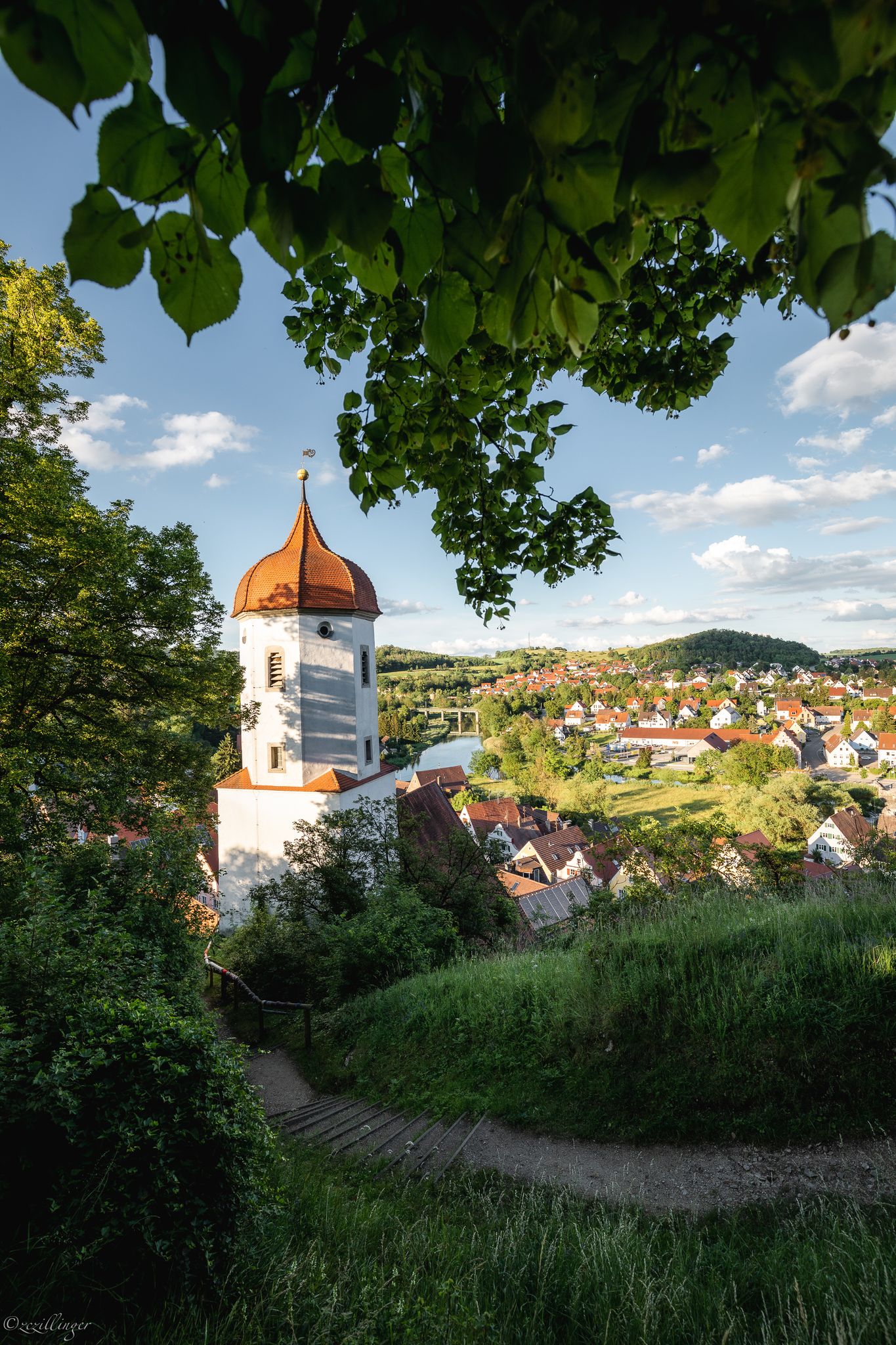
Hattenberg Castle Site The castle was built in the 12th century by the Chamberlains of Kemnat. The Hohenstaufen dynasty had granted the family the sub-advocateship over the possessions of the Bishopric of Augsburg in this area. The branch of the Kemnat family residing at Hattenberg subsequently took its name from the fortress. Several members of the family appear in contemporary documents from the 13th century. However, the castle was devastated in 1297 during a feud between the lord of the castle, Heinrich von Hattenberg, and Bishop Wolfhard von Rohr. The Prince-Bishopric of Augsburg then acquired the associated rights of lordship. Nevertheless, in 1304, the Hattenberg family was appointed Landvogt (governor) of Upper Swabia and city and district governor of Augsburg. Heavily indebted due to his military service in the army of Albrecht I of Austria, the nobleman attempted to improve his financial situation through several raids and highway robberies. The citizens of Augsburg, together with the bishop and the cathedral chapter, sued the knight before King Albrecht in 1305. Shortly thereafter, the "robber knight" was stripped of his bailiwick over the bishop's estates. The Hattenberg family line likely died out with Marquard von Hattenberg around 1370. The castle site had already been pledged by the Prince-Bishopric in 1365. In 1641, the Augsburg Cathedral Chapter purchased the Lordship of Hattenberg. Around 1780, the castle's remaining walls were demolished to make way for the construction of the brewery in Ustersbach. Later, the conical shape of the main castle was partially removed by quarrying the conglomerate rock deposits found there.
0
0

The castle was built in the 12th century by the chamberlains of Kemnat. The Hohenstaufen dynasty had granted the dynasty the sub-bailiwick over the possessions of the Diocese of Augsburg in this area. The branch of the Kemnat family based in Hattenberg subsequently named itself after the fortress. Several bearers of this name appear in contemporary documents in the 13th century. The castle was, however, already devastated in 1297 during a feud between the lord of the castle, Heinrich von Hattenberg, and Bishop Wolfhard von Rohr. The Bishopric of Augsburg subsequently acquired the associated sovereign rights.
1
0

Guggenberg Castle, often referred to as Guggenberger Castle, is a historic property near Schwabmünchen in the Swabian district of Augsburg, Bavaria. It is located on a hill above the Wertach Valley in the Augsburg - Western Forests Nature Park. The three-storey building with a steep gable roof dates back to the late Gothic period and was first mentioned in documents in 1441. It was originally owned by the Augsburg patrician family Langenmantel, who built the castle as a fortified manor house. In the 18th century, the castle served as a farm under various owners before it was temporarily converted into a cotton spinning mill. It later came into the possession of the Counts of Neubronner, who restored the castle in the 19th century and keep it in the family to this day. Today the castle is not open to the public, but there are always private events and exclusive tours by appointment. The area around Guggenberg Castle offers attractive hiking opportunities through the “Stauden,” a scenic region in the nature park characterized by rolling hills, forests and ponds.
1
0
Guggenberg Castle is located in the Klimmach district and belongs to the town of Schwabmünchen in the Swabian district of Augsburg, Bavaria. It is located above the Wertach Valley in the Augsburg - Western Forests Nature Park. The castle is a three-story, three-winged structure with a steep gable roof and its core dates back to the late Gothic period. It was first mentioned in 1441, when it was built by the Langenmantel family. Over the centuries it served various purposes, including as a forestry farm for the Bishopric of Augsburg and as a cotton spinning mill in the 18th century. Today the castle is owned by the noble Neubronner family. It is not open to the public, but can be viewed from the outside. The area around the castle is ideal for hikes and bike rides, for example along the Eggertalteich and through the Stauden.
1
0

Rhododendron blossom at Seyfriedsberg Castle
1
0

Former castle ruins with a notice board, which probably also belonged to the Oberschönefeld monastery!
1
0
In particular, the publicly accessible castle park is a worthwhile detour, the castle itself is not allowed to be entered because it is privately owned
2
0
Guggenberg Castle is part of the Klimmach district. The Höhenschloss is located above the Wertach Valley in the Augsburg – Western Forests Nature Park and is owned by the aristocratic Neubronner family. The building is a three-wing complex. The core of the three-storey manor house with a pitched roof is late Gothic and was repeatedly modified in the 17th and 18th centuries. In 1835 there were further conversions and new buildings. The terrace was built at the end of the 19th century. The park was also laid out around this time.
5
0
Frequently Asked Questions
What types of castles can I find around Großaitingen?
The Großaitingen area features a mix of castle ruins and preserved estates, reflecting centuries of architectural evolution. You'll find structures like the ruin of a hilltop castle at Haltenberg Castle Ruins, as well as more intact complexes such as Elmischwang Castle and Guggenberg Castle.
Is Schloss Hardt accessible to the public?
No, Schloss Hardt in Großaitingen is not accessible to the public. While it is a significant historical complex, it remains privately owned and closed to visitors. However, its status as a protected monument highlights its cultural importance in the region. You can learn more about its history on Wikipedia.
Are there any castles with notable natural surroundings or viewpoints?
Yes, Seyfriedsberg Castle Park is known for its botanical garden with impressive, over 100-year-old tree giants. It offers a beautiful natural setting. Additionally, Haltenberg Castle Ruins, situated on the steep bank of the Lech, offers views of the Lech Plain, though tall trees may partially obstruct the Alpine chain view.
Can I visit Guggenberg Castle?
Guggenberg Castle is privately owned and not generally open to the public. However, you can see the exterior of this three-wing complex, which has a late Gothic core and was modified in the 17th and 18th centuries, from nearby paths.
Are there family-friendly castles to visit around Großaitingen?
Yes, several castles are considered family-friendly. Haltenberg Castle Ruins and Elmischwang Castle are both suitable for families. Seyfriedsberg Castle Park, with its botanical garden, also offers a pleasant experience for families, though access to the castle itself is restricted.
What kind of outdoor activities can I do near these castles?
The area around Großaitingen offers various outdoor activities. You can find numerous routes for mountain biking, road cycling, and general cycling. For example, there are MTB trails like the 'Wertach Reservoir near Bobingen' loop, road cycling routes such as the 'View of the Wertach River' loop, and touring bicycle routes like the 'Wertach River Cycle Path' loop. You can explore more options on the MTB Trails around Großaitingen, Road Cycling Routes around Großaitingen, and Cycling around Großaitingen guide pages.
Are there hiking trails that incorporate castles or castle ruins?
Yes, you can combine visits to castle ruins with walks. For instance, Haltenberg Castle Ruins can be visited as part of a walk in the Westerholz or along the Lechhöhenweg. Hattenberg Castle Ruins also has a notice board detailing its history, making it an interesting stop on a hike.
What is the best time of year to visit the castles and surrounding areas?
While specific seasonal recommendations for castles are not available, the region's natural beauty, especially around places like Seyfriedsberg Castle Park with its rhododendrons, suggests that spring (May and June for flowering) and autumn (for foliage) would be particularly scenic for outdoor activities and castle viewing.
Are there any castles that are particularly good for cycling enthusiasts?
Yes, Elmischwang Castle is located directly on good bike paths through the perennials, making it an excellent stop for those exploring the area by bike. The picturesque view it offers is a bonus for cyclists.
What do visitors enjoy most about the castles around Großaitingen?
Visitors appreciate the historical insights and the opportunity to explore both well-preserved structures and ancient ruins. The komoot community has shared over 500 photos and given more than 400 upvotes, highlighting the visual appeal and historical interest of these sites. The combination of history and natural surroundings, like those found at Seyfriedsberg Castle Park, is also highly valued.
Are there any castle ruins that offer historical information on site?
Yes, Hattenberg Castle Ruins features a notice board that provides historical context about the former castle, allowing visitors to learn about its past while exploring the site.
Can I bring my dog to the castle areas?
While specific dog policies for each castle are not detailed, many outdoor areas and trails around the castles are generally dog-friendly. For example, the walks and cycling routes mentioned in the nearby routes section are often suitable for dogs on a leash. Always check local signage for specific restrictions at individual sites or parks.
Most popular routes around Großaitingen
Most popular attractions around Großaitingen

Get inspired with the komoot mobile app


Explore more
Looking for the best castles somewhere else? Discover other guides around Großaitingen:
