The best waterfall hikes and walks in Faro
4.4
(29098)
146,370
hikers
14
hikes
Waterfall hiking trails in Faro offer diverse landscapes, from the coastal plains to the inland hills of the Algarve. The region features a mix of river valleys, traditional rural areas, and the more elevated terrain of the Monchique Mountains, where several waterfalls are located. These trails provide opportunities to explore varied ecosystems, including areas with cork oak forests and Mediterranean vegetation. The topography supports a range of hiking experiences, from gentle walks to more challenging ascents.
Best waterfall hiking trails in Faro
- The most popular waterfall hiking route is Fontes Village – Barrocal Waterfall loop from Alte, a 3.1 miles (5.0 km) trail that takes 1 hour 27 minutes to complete. This easy route leads through rural landscapes to a local waterfall.
- Another top favourite among local hikers is Fóia Summit – Sea view from Monchique loop from Fóia, a difficult 13.6 miles (22.0 km) path. This trail offers panoramic views from the highest point in the Algarve.
- Local hikers also love the Monchique Town Center – Cork oak in Monchique loop from Monchique, a 13.3 miles (21.4 km) trail leading through cork oak forests, often completed in about 6 hours 48 minutes.
- Hiking in Faro is defined by coastal paths, river valleys, and the Monchique Mountains. The network offers options for different ability levels, from easy strolls to difficult mountain ascents.
- The routes in Faro are highly rated by the komoot community with an average score of 4.4 stars from over 25,000 reviews. More than 130,000 hikers have used komoot to explore Faro's varied terrain.
Last updated: July 7, 2026
4.8
(68)
359
hikers
Hard hike. Good fitness required. Sure-footedness, sturdy shoes and alpine experience required.
4.6
(34)
173
hikers
22.0km
06:48
810m
810m
Hard hike. Very good fitness required. Easily-accessible paths. Suitable for all skill levels.

Sign up for free
4.5
(31)
156
hikers
21.4km
06:48
880m
880m
Hard hike. Very good fitness required. Easily-accessible paths. Suitable for all skill levels.
4.7
(11)
36
hikers
Moderate hike. Good fitness required. Easily-accessible paths. Suitable for all skill levels.
4.6
(9)
37
hikers
5.06km
01:28
130m
130m
Easy hike. Great for any fitness level. Easily-accessible paths. Suitable for all skill levels.
Get access to more routes and recommendations from other explorers.
Sign up for free
Already have an account?
Our route recommendations are based on thousands of hikes, rides, and runs completed by other people on komoot.
Start today with a free account
Your next adventure awaits.
Login or Signup
Popular around Faro
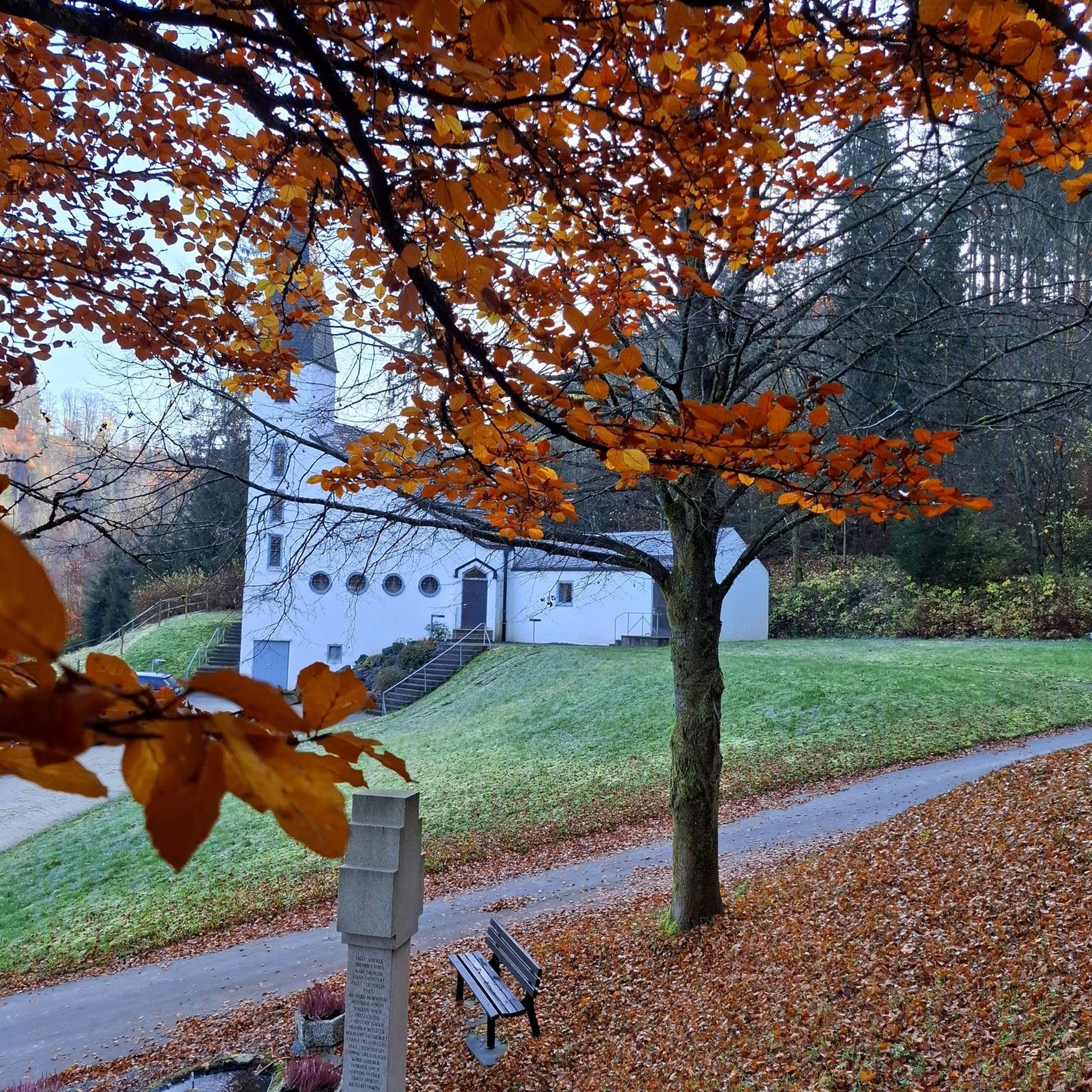
Waterfall hikes around National Park Ria Formosa
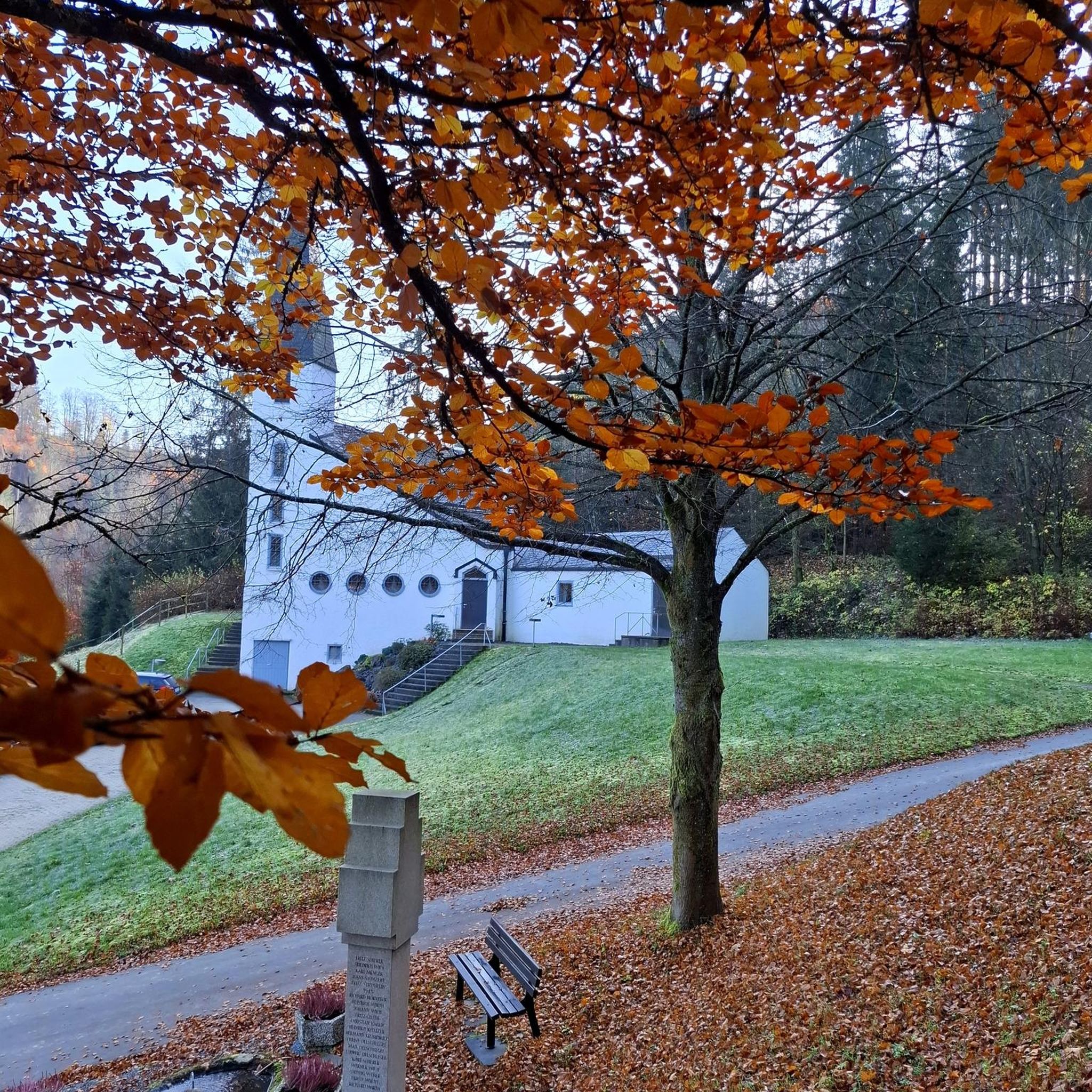
Waterfall hikes around Ria Formosa
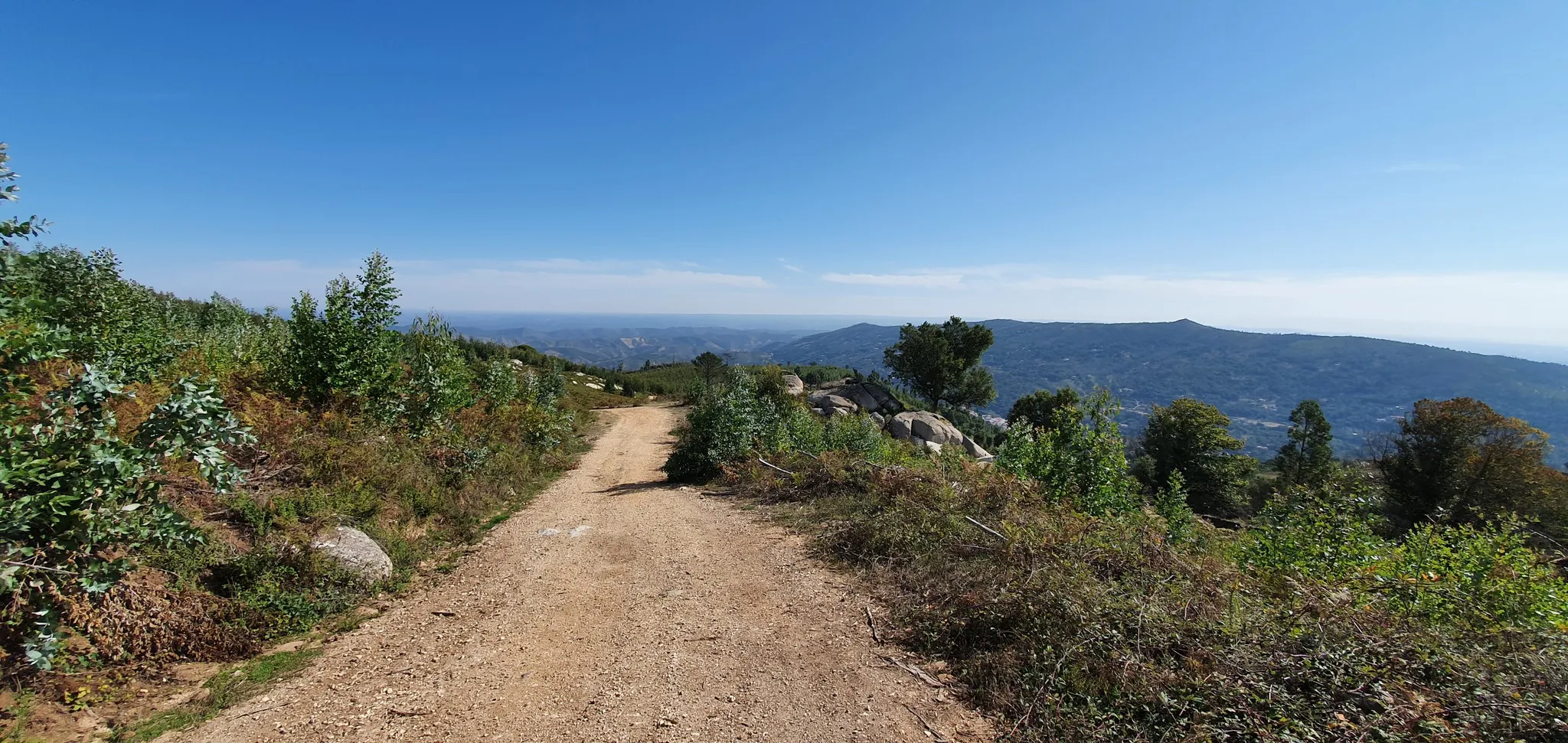
Via Algarviana (GR 13) - hidden corners of the south
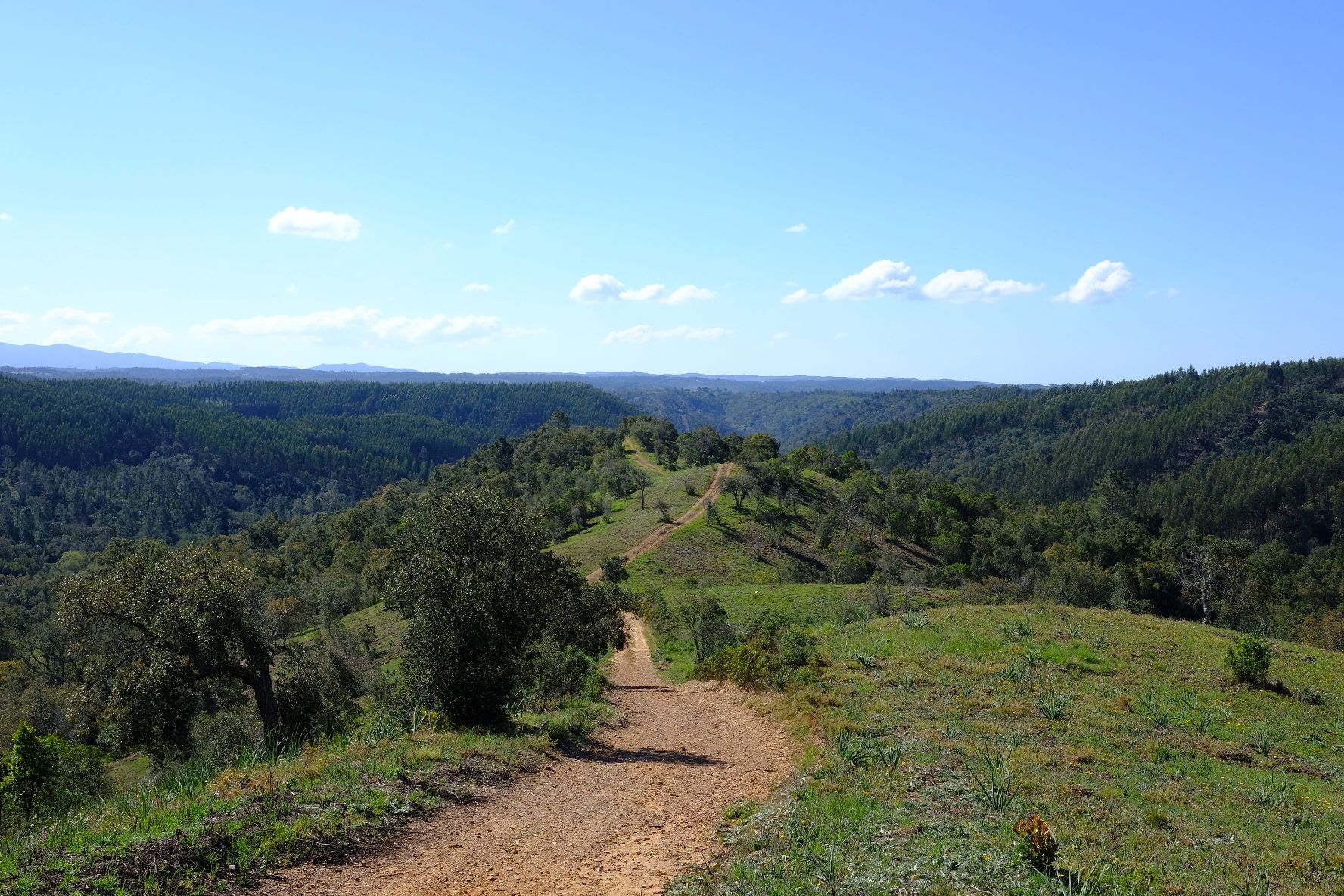
Caminho Histórico – Discover Portugal's beauty and history
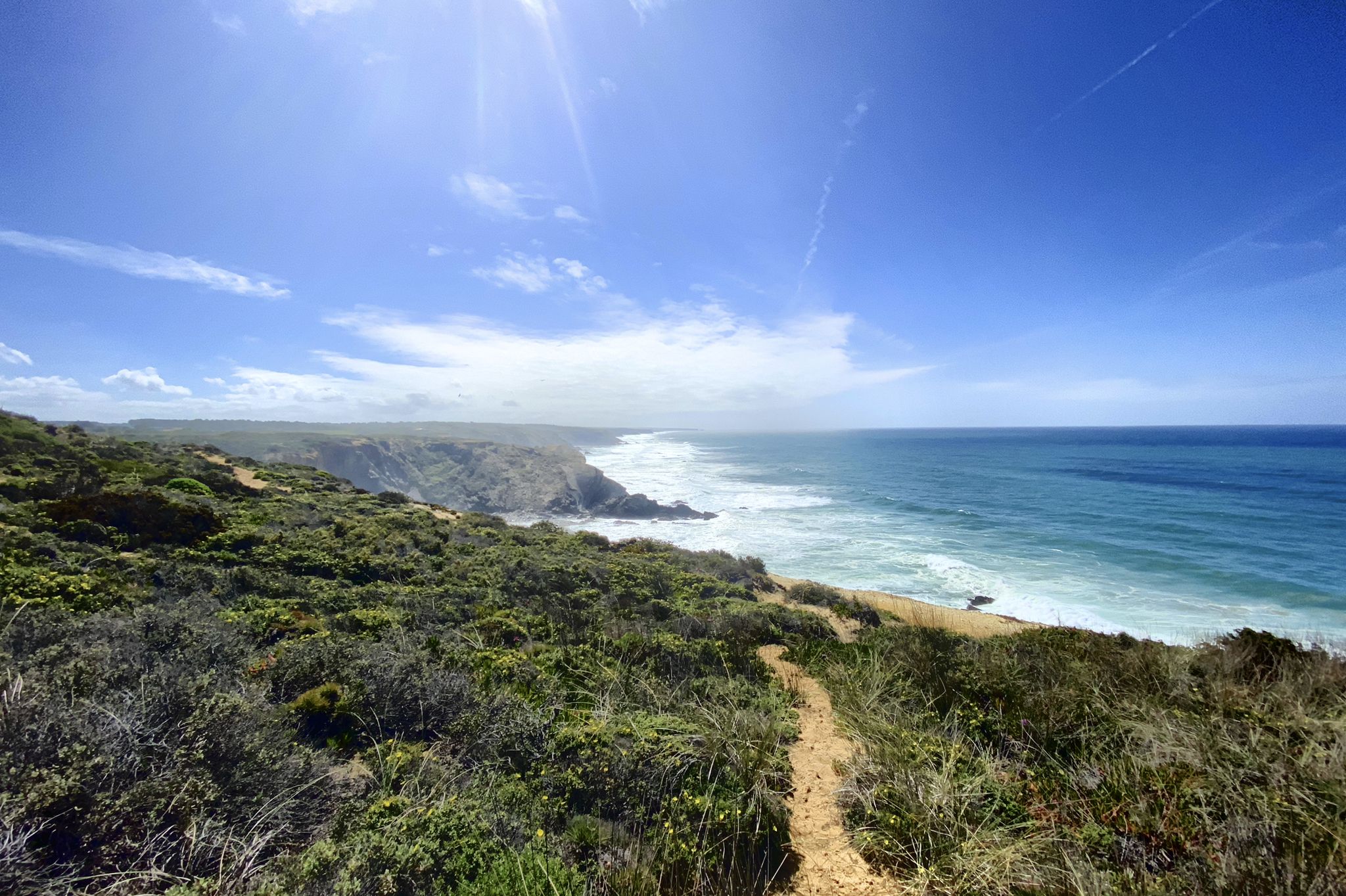
Trilho dos Pescadores – Portugal's Fishermen's Trail
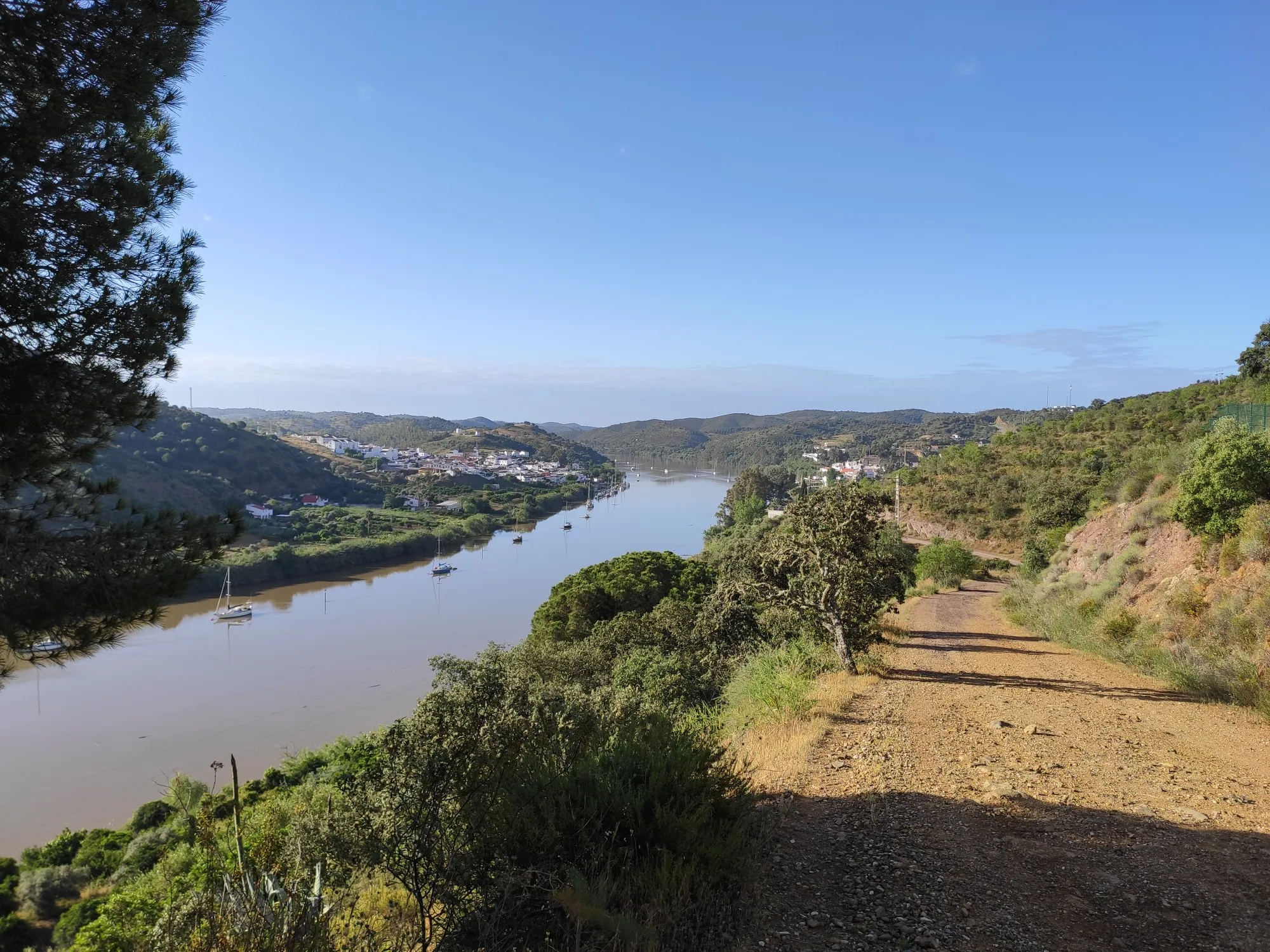
Stories of a river - Great Guadiana Route (GR 15)
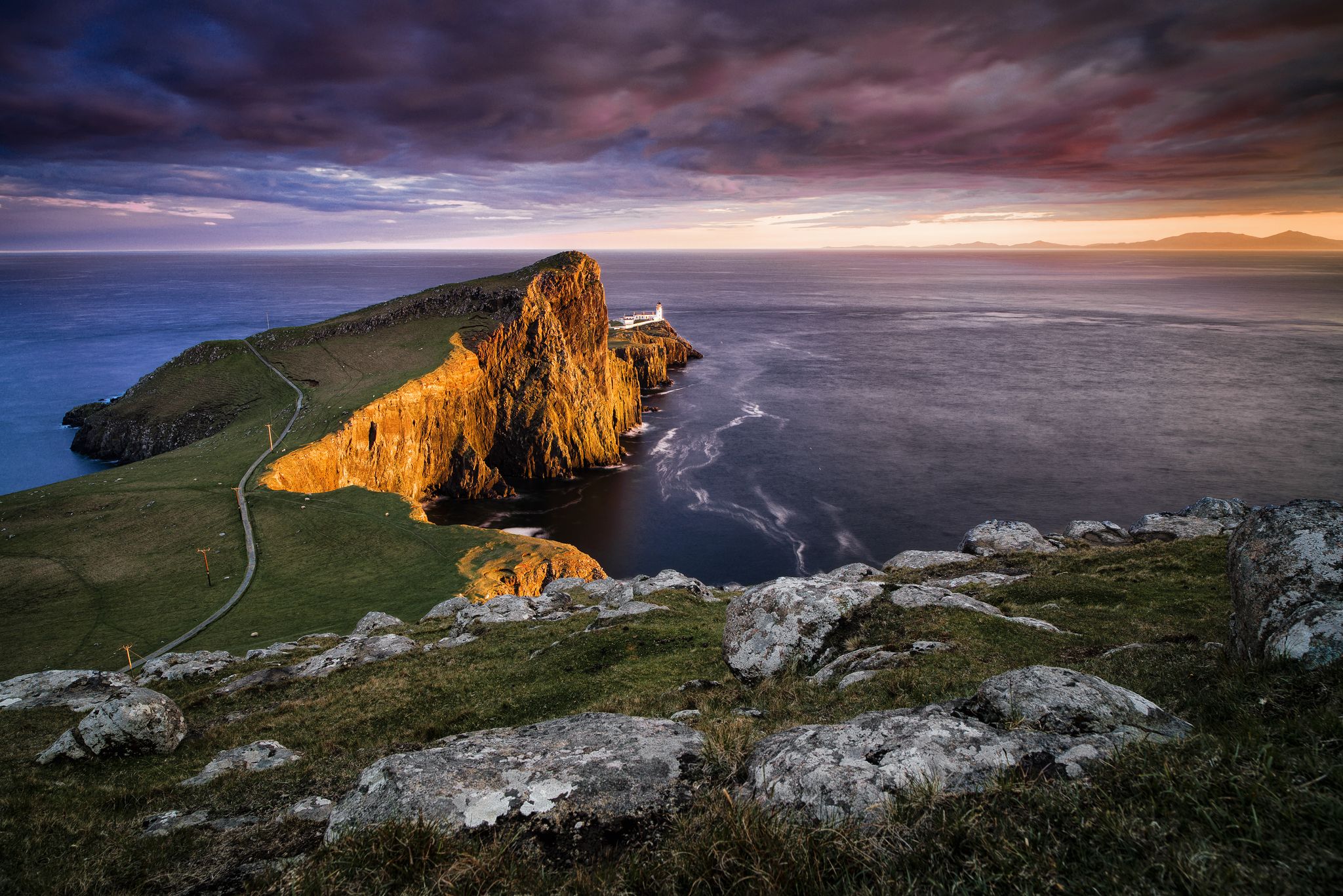
Epic sunset spots in Western Europe
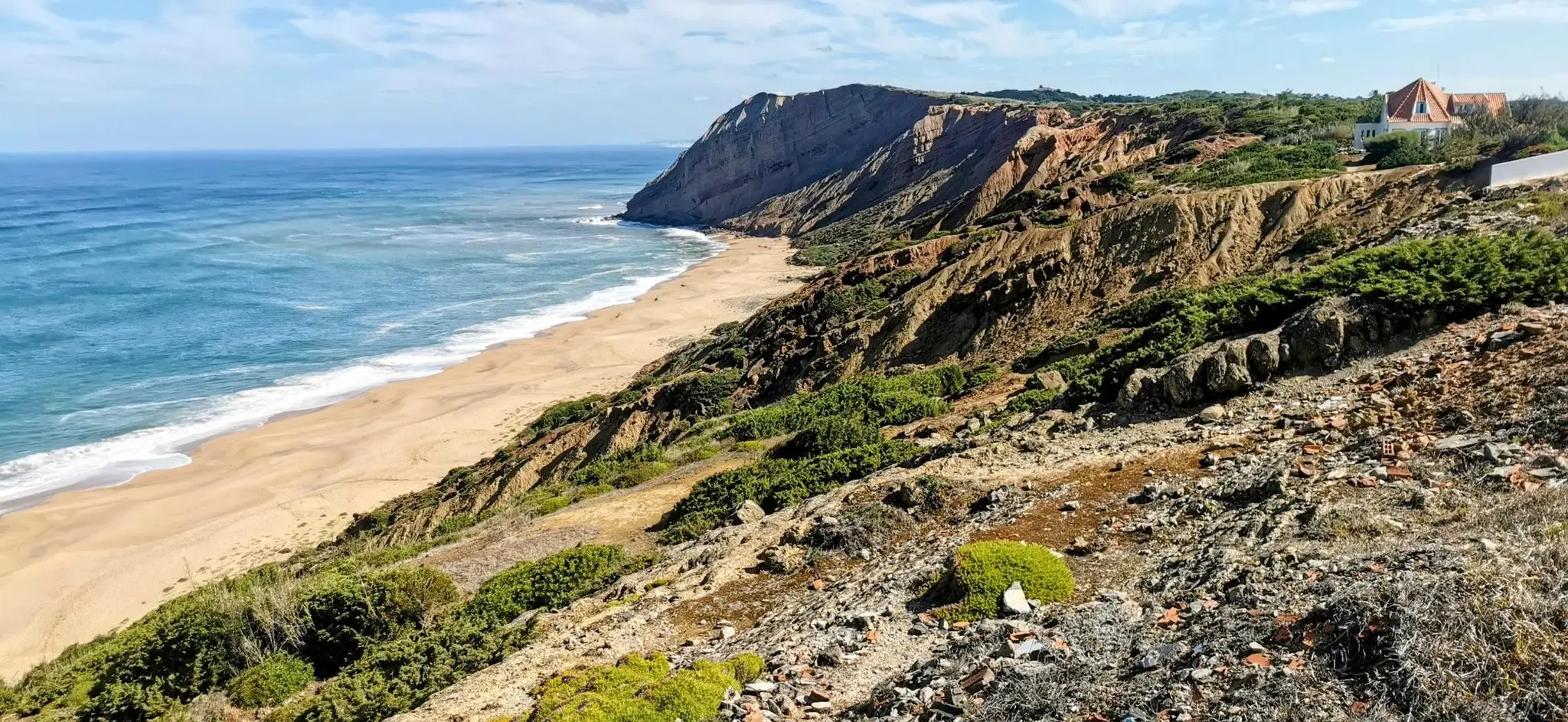
EuroVelo 1 Portugal – Cycle the Atlantic Coast
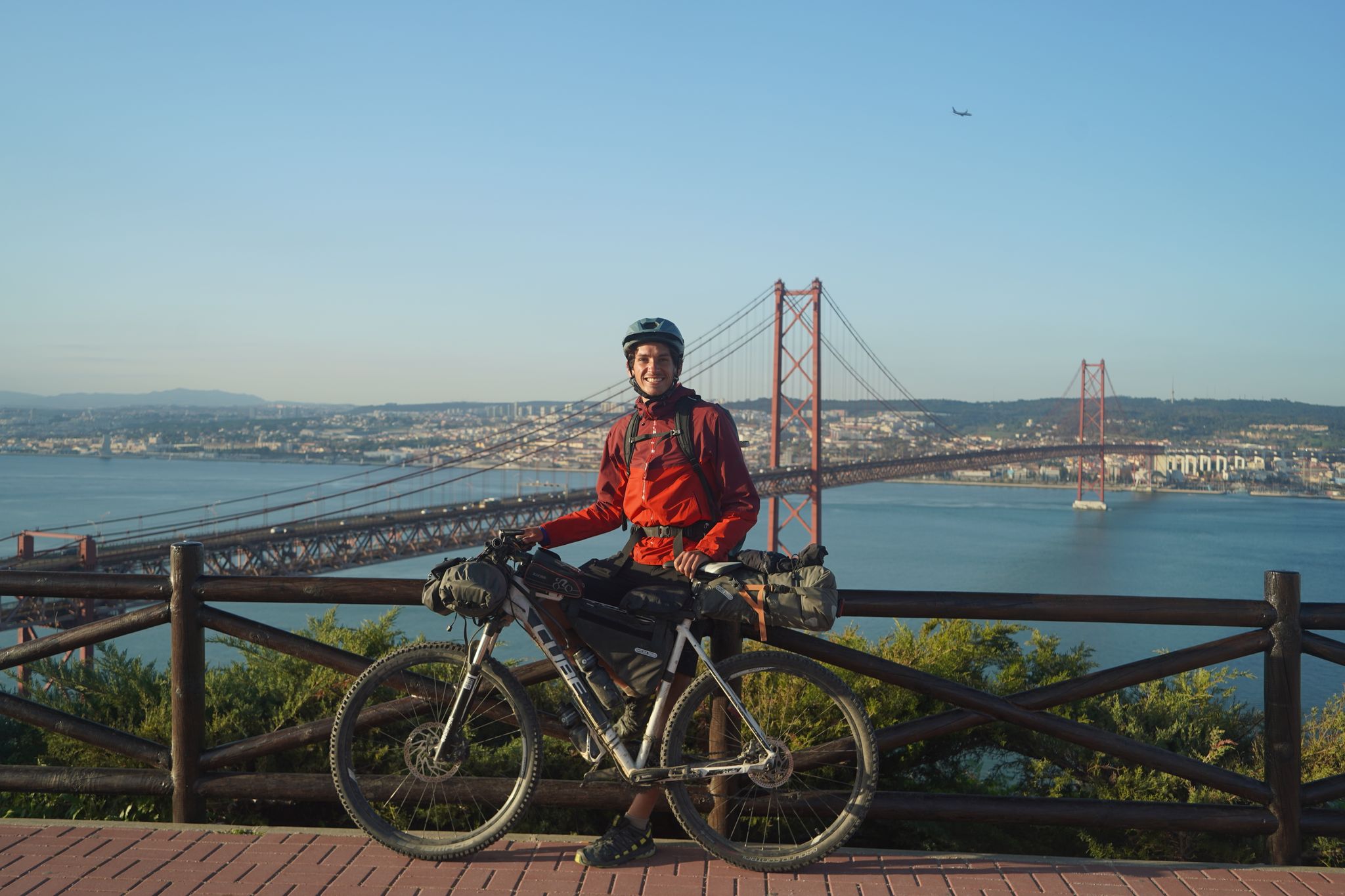
Road to Lisbon – bikepacking the Alps, Pyrenees and Picos de Europa
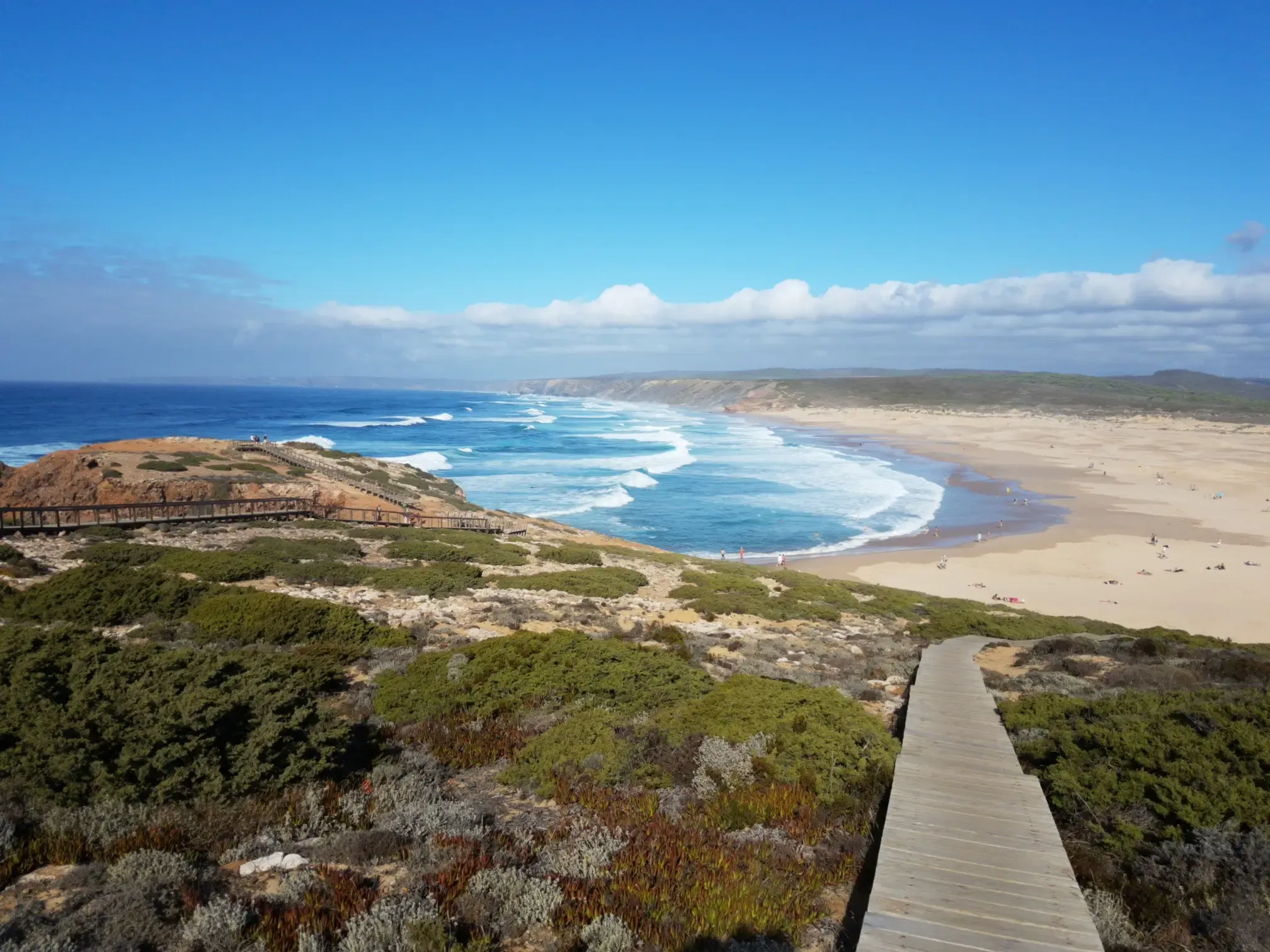
Lisbon to Santo António – The Atlantic Coast of Portugal (south)
Other adventures in Faro


Tips from the Community


Water is bubbling everywhere along the path.
0
0

At the top of the Monchique mountain range rises Foia, the highest point in the Algarve, at 902 meters altitude. Its antennas mark the summit where the sky seems closest and, on clear days, the view reaches the Atlantic. Up here, the wind blows freely and the view is simply unforgettable.
2
0
The dirt track winds through a serene valley, where ancient terraces still shape the hillside and the sound of pasture echoes between stone walls. These terraces, shaped over centuries, are veritable agricultural staircases, a patient work that transformed the mountain range and remains today as a living testament to the harmony between man and the mountain.
1
0

Spectacular trails, almost always with views of the sea.🥾🌊
0
0

Monchique is a charming, small village with narrow streets, colorful houses, and a traditional Portuguese atmosphere. You'll find local shops, cafés, and restaurants, often clustered around the central square. It's the perfect place to enjoy the tranquil mountain scenery and authentic Algarve culture.
3
0

Half of the ride is on asphalt... Not very interesting
0
0
In the Algarve, especially around Monchique, cork oaks (Quercus suber), a tree species typical of southern Portugal, grow in abundance. These trees are important to the Portuguese economy because their bark can be harvested every nine years to make cork – Portugal is the world's largest producer. Cork oak forests also form a valuable ecosystem that contributes to biodiversity and soil conservation. You can often recognize old trees by their bare, reddish-brown trunks with a date inscribed on them.
5
1
Frequently Asked Questions
How many waterfall hiking trails are available in Faro?
Faro offers a selection of 14 dedicated waterfall hiking trails. These routes vary in difficulty, with 4 easy, 6 moderate, and 4 difficult options, ensuring there's a suitable path for most hikers.
What is the best time of year to hike to waterfalls in Faro?
The ideal time to visit Faro's waterfalls is typically during the spring, late summer, and autumn months. During these periods, the climate is pleasantly warm, and the waterfalls are often at their most impressive after seasonal rains, providing a refreshing experience without the intense heat of mid-summer.
Are there any family-friendly waterfall hikes in Faro?
Yes, there are several family-friendly options. An excellent choice is the Fontes Village – Barrocal Waterfall loop from Alte. This easy 5 km route takes about 1 hour 27 minutes to complete, leading through rural landscapes to a local waterfall, perfect for a leisurely family outing.
Can I bring my dog on waterfall hikes in Faro?
Many trails in the Faro region are dog-friendly, but it's always best to check specific route details and local regulations. When hiking with your dog, ensure they are kept on a leash, especially in protected areas or near wildlife, and always carry water for both of you.
What are some notable waterfalls or natural features to explore in Faro?
Beyond the trails themselves, Faro is home to several beautiful waterfalls and natural highlights. You can visit the impressive Pego do Inferno Waterfall, the serene Barrocal Waterfall, or the picturesque Algribre Waterfall. The region also features the Cadoiço Spring, offering diverse natural beauty.
Are there any circular waterfall routes in Faro?
Yes, many waterfall trails in Faro are designed as circular routes, offering a convenient way to explore without retracing your steps. The Fontes Village – Barrocal Waterfall loop from Alte is a great example of an easy circular path that takes you to a waterfall and back.
What kind of landscapes can I expect on waterfall hikes in Faro?
Waterfall hikes in Faro offer a diverse range of landscapes. You'll encounter river valleys, traditional rural areas with olive groves and almond orchards, and the more elevated terrain of the Monchique Mountains, which feature cork oak forests and Mediterranean vegetation. Some trails also provide glimpses of the stunning Ria Formosa Natural Park or dramatic coastal views.
Are there challenging waterfall hikes for experienced hikers?
Absolutely. For experienced hikers seeking a challenge, routes in the Monchique Mountains offer more demanding ascents and longer distances. The Fóia Summit – Sea view from Monchique loop from Fóia is a difficult 22 km path that provides panoramic views from the highest point in the Algarve, often including views of distant waterfalls after heavy rains.
What do other hikers say about the waterfall trails in Faro?
The waterfall trails in Faro are highly regarded by the komoot community, boasting an average rating of 4.4 stars from over 25,000 reviews. Hikers frequently praise the varied ecosystems, the beauty of the waterfalls, and the well-maintained paths that cater to different ability levels.
Are there any hidden gem waterfall hikes in Faro that are less crowded?
While specific 'hidden gems' can vary, exploring trails slightly off the main tourist routes or visiting during off-peak hours can lead to a more secluded experience. Consider routes like the Rota das Adelfeiras Trail Map – Fóia agricultural terraces loop from Cascata do Chilrão, a moderate 8.2 km route that takes you through agricultural terraces and past the Cascata do Chilrão, offering a quieter natural experience.
Is public transport available to reach waterfall hiking trailheads in Faro?
While some trailheads, especially those closer to urban centers, might be accessible by public transport, many of the more secluded waterfall trails in Faro's rural and mountainous areas may require a car for convenient access. It's advisable to check local bus schedules and route accessibility for your chosen trail in advance.
What should I bring on a waterfall hike in Faro?
When embarking on a waterfall hike in Faro, it's recommended to bring plenty of water, snacks, appropriate hiking footwear, sun protection (hat, sunscreen), and a light jacket, as temperatures can vary. A camera is also a great idea to capture the beautiful scenery and waterfalls.
Most popular routes in Faro
Most popular attractions in Faro

Get inspired with the komoot mobile app


Didn’t find what you were looking for?
Check out more Hikes throughout Faro below and find the perfect route in your destination.
Explore more
Browse the best Hikes in other regions.
