The best waterfall hikes and walks in the Himalaya
4.6
(1585)
23,807
hikers
14
hikes
Waterfall hiking trails in the Himalaya traverse a landscape defined by towering peaks, deep valleys, and glacial rivers. The region features diverse terrain, from lush forests and terraced fields to rugged mountain paths and high-altitude passes. Numerous rivers originate here, creating a network of cascades and streams that are central to many hiking routes.
Best waterfall hiking trails in the Himalaya
- The most popular waterfall hiking route is View of Dharamsala – Triund Trail loop from McLeod Ganj, a…
Last updated: July 9, 2026
5.0
(18)
104
hikers
14.5km
06:45
1,170m
1,170m
Hard hike. Very good fitness required. Sure-footedness, sturdy shoes and alpine experience required.
4.4
(23)
65
hikers
11.7km
03:37
420m
420m
Moderate hike. Good fitness required. Easily-accessible paths. Suitable for all skill levels.

Sign up for free
20
hikers
5.43km
01:50
270m
270m
Easy hike. Great for any fitness level. Easily-accessible paths. Suitable for all skill levels.
4.0
(1)
9
hikers
Moderate hike. Good fitness required. Easily-accessible paths. Suitable for all skill levels.
18
hikers
17.9km
04:39
110m
110m
Moderate hike. Good fitness required. Easily-accessible paths. Suitable for all skill levels.
Get access to more routes and recommendations from other explorers.
Sign up for free
Already have an account?
Our route recommendations are based on thousands of hikes, rides, and runs completed by other people on komoot.
Start today with a free account
Your next adventure awaits.
Login or Signup
Popular around Himalaya
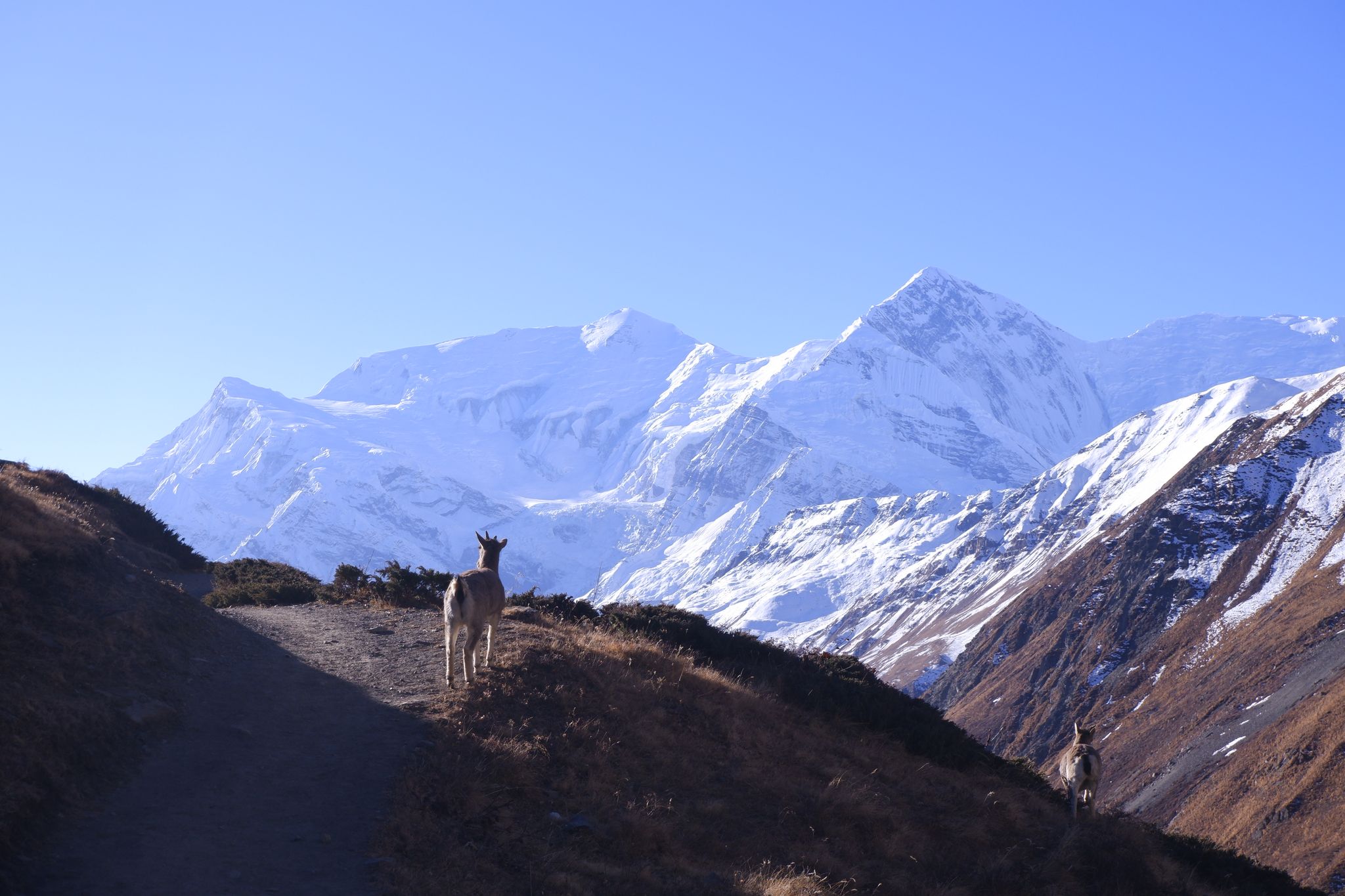
Annapurna Circuit – History and culture at high altitude in Nepal
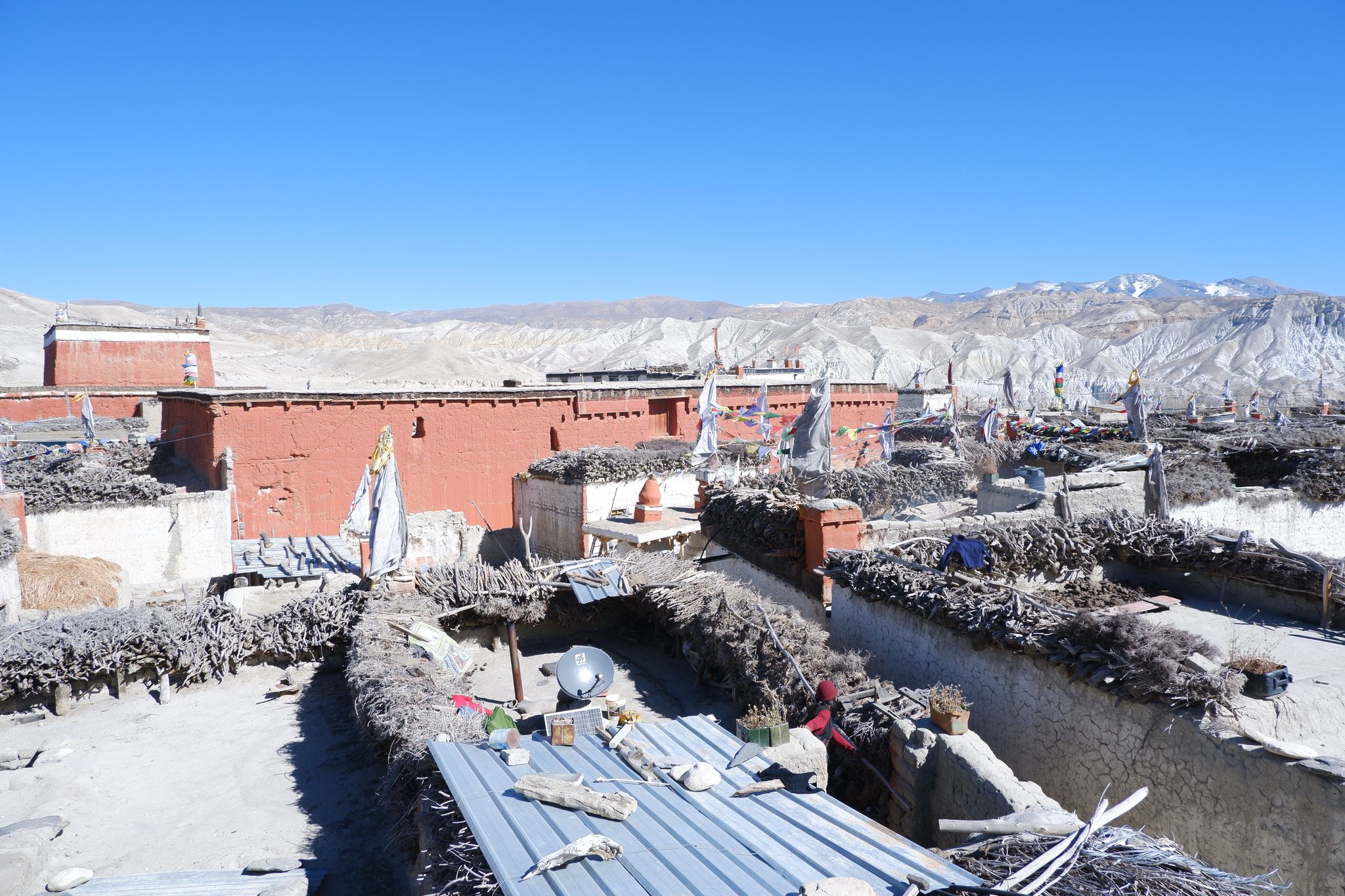
Authentic Nepal – trekking in the history of Mustang
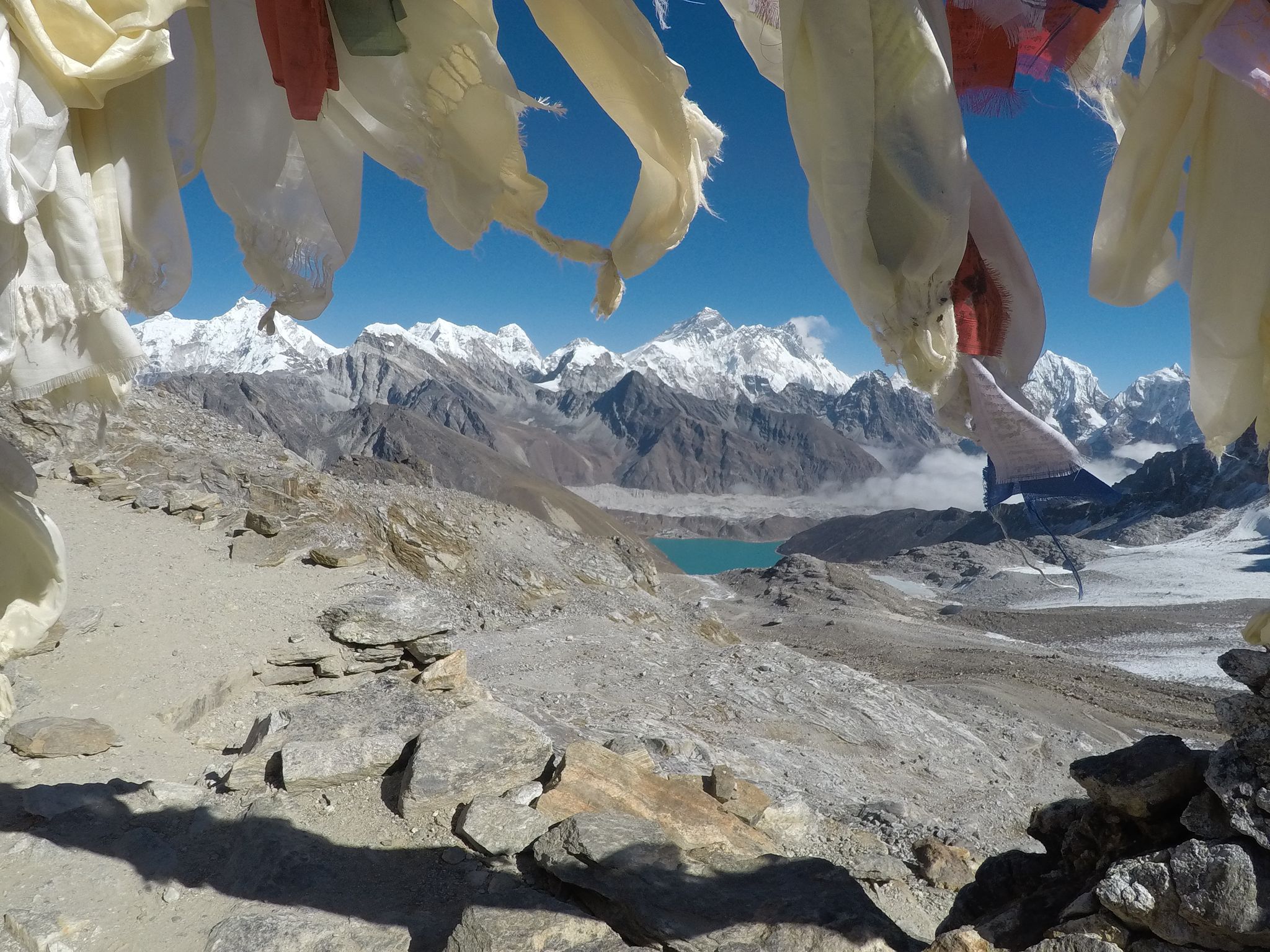
At the foot of Everest – Everest Base Camp with the three passes
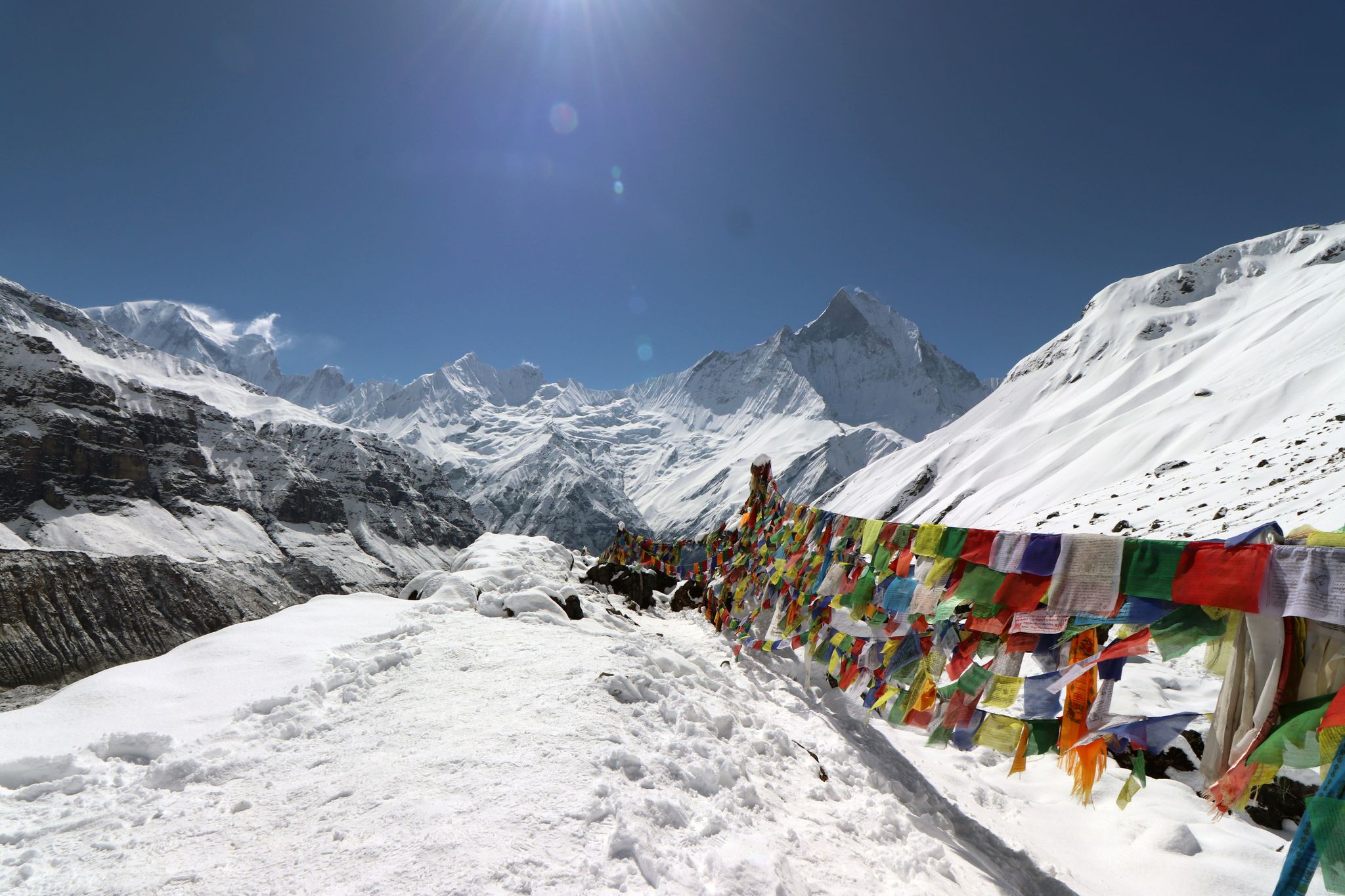
The stairway to heaven – Mardi Himal and Annapurna base camp
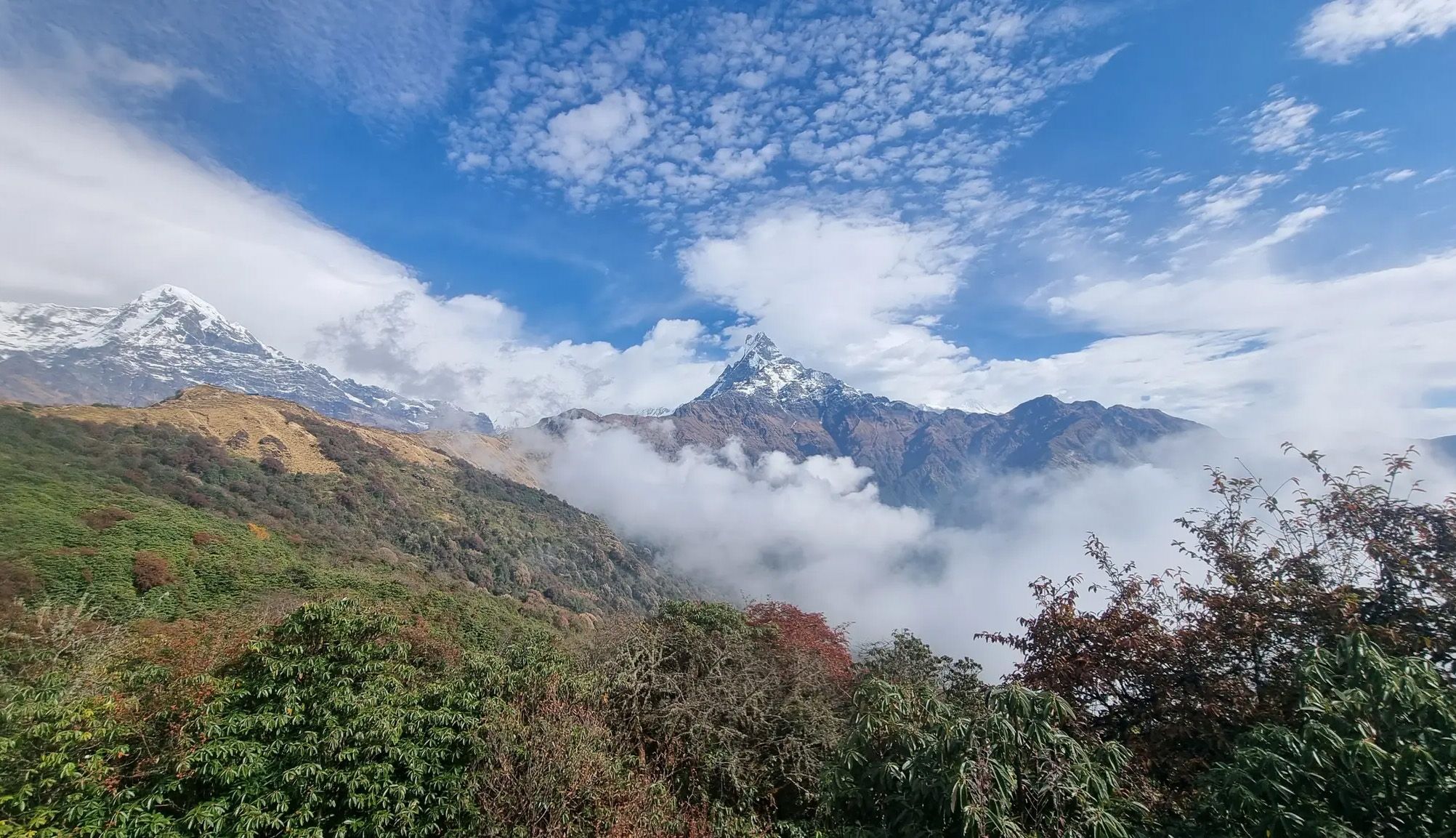
A Himalayan adventure beneath Machapuchare – Mardi Himal Trek
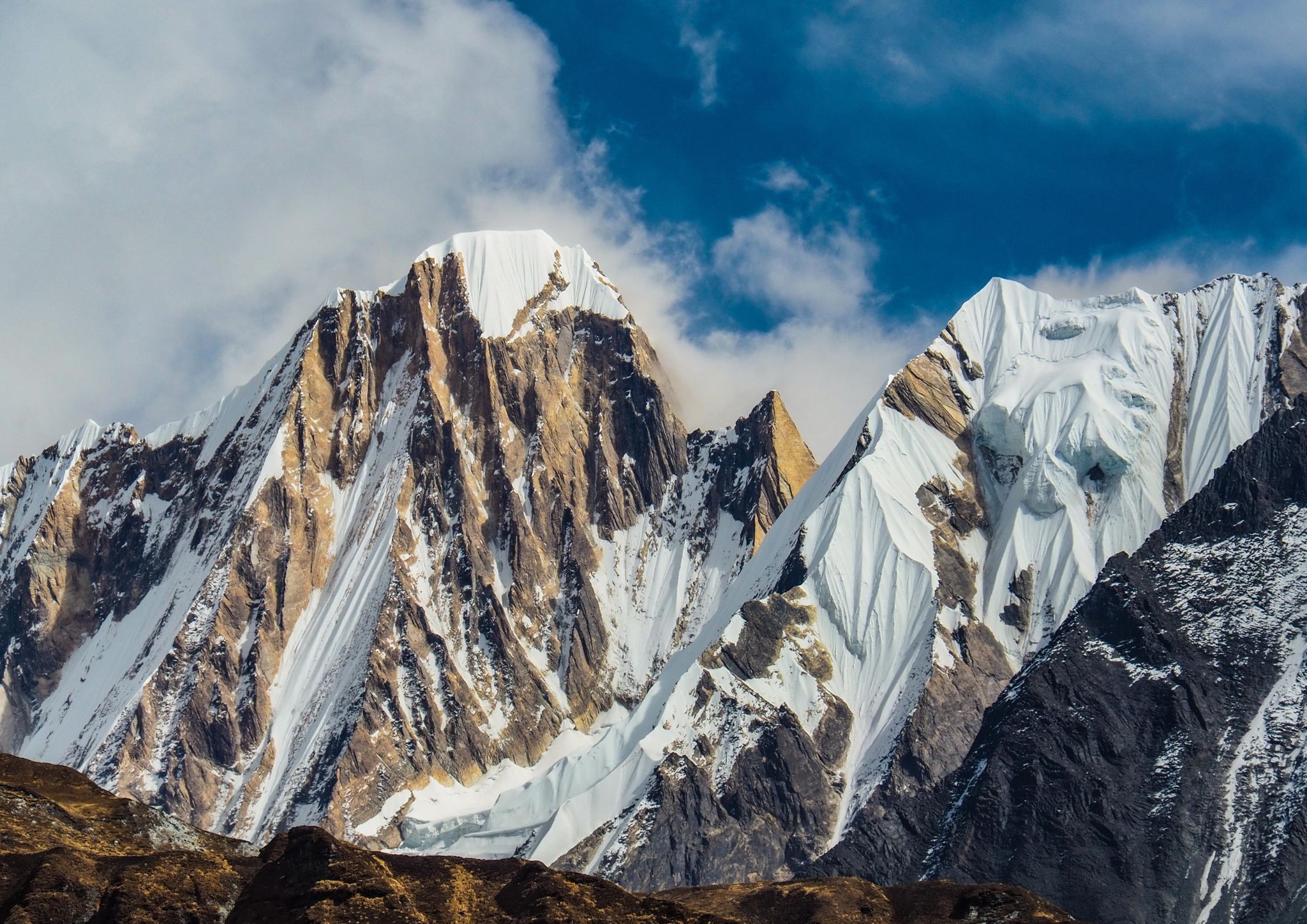
A dream at 4,130 metres — Annapurna Base Camp
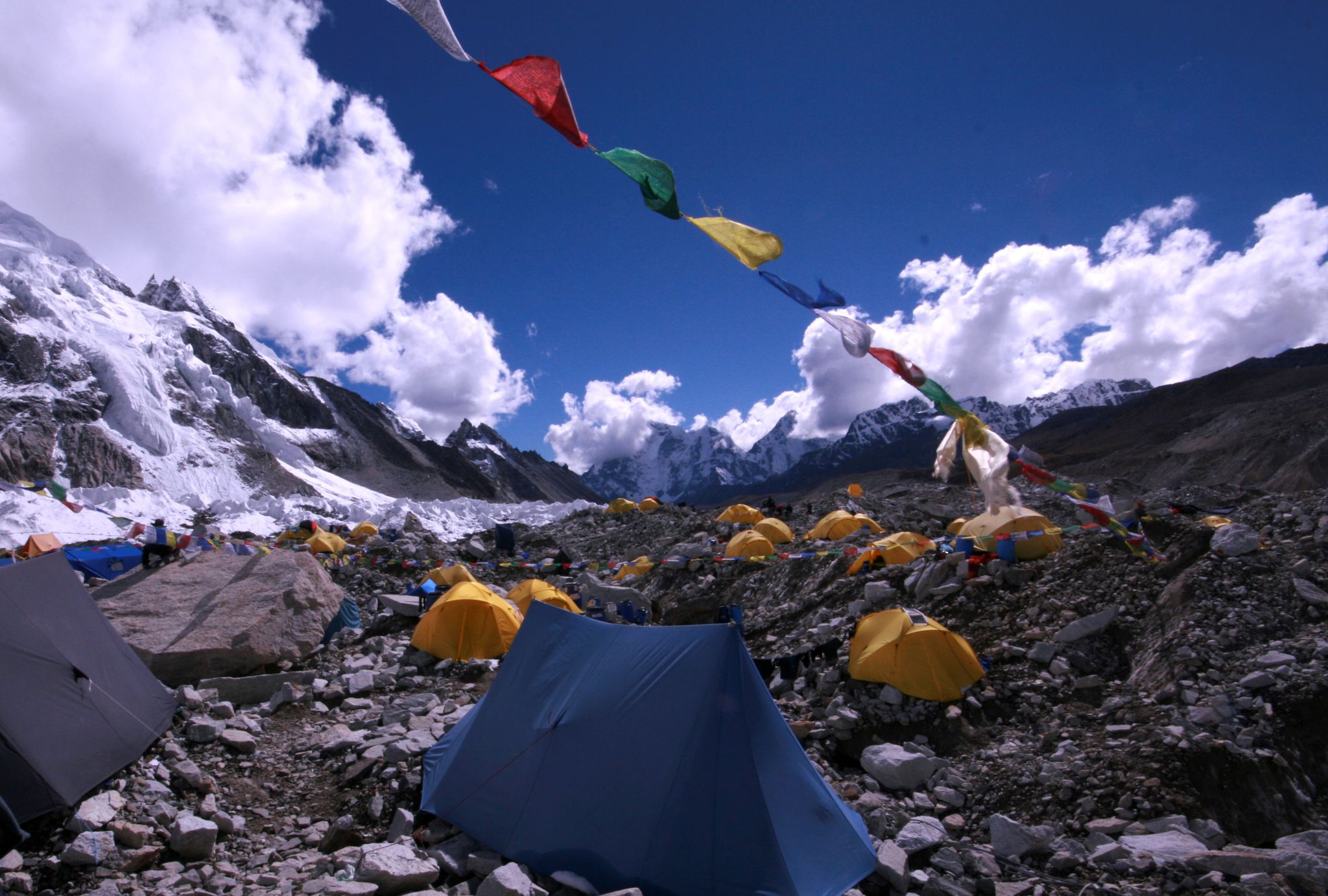
Trekking to Everest Base Camp
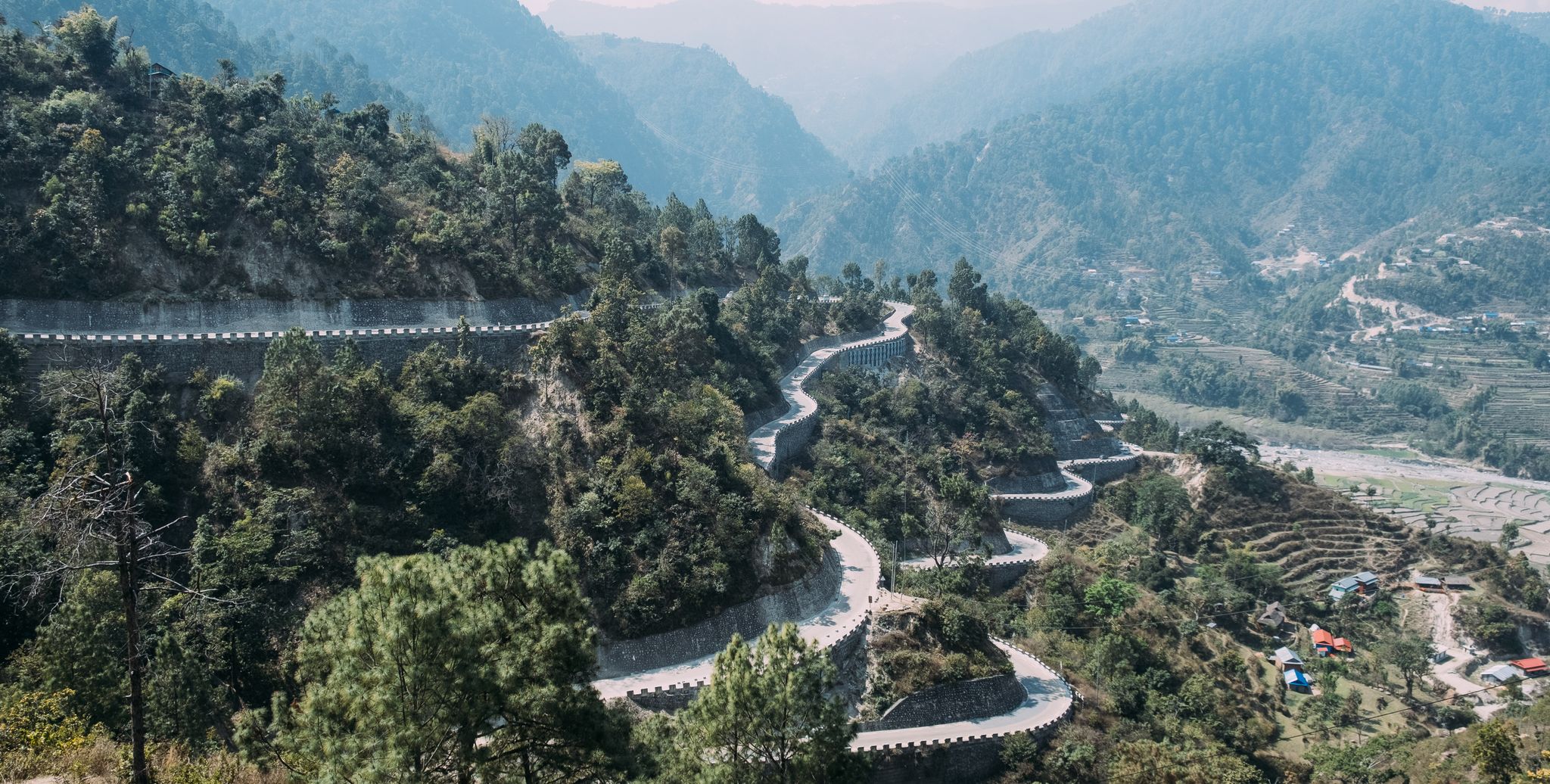
An unforeseen incredible journey – cycling from India to Nepal
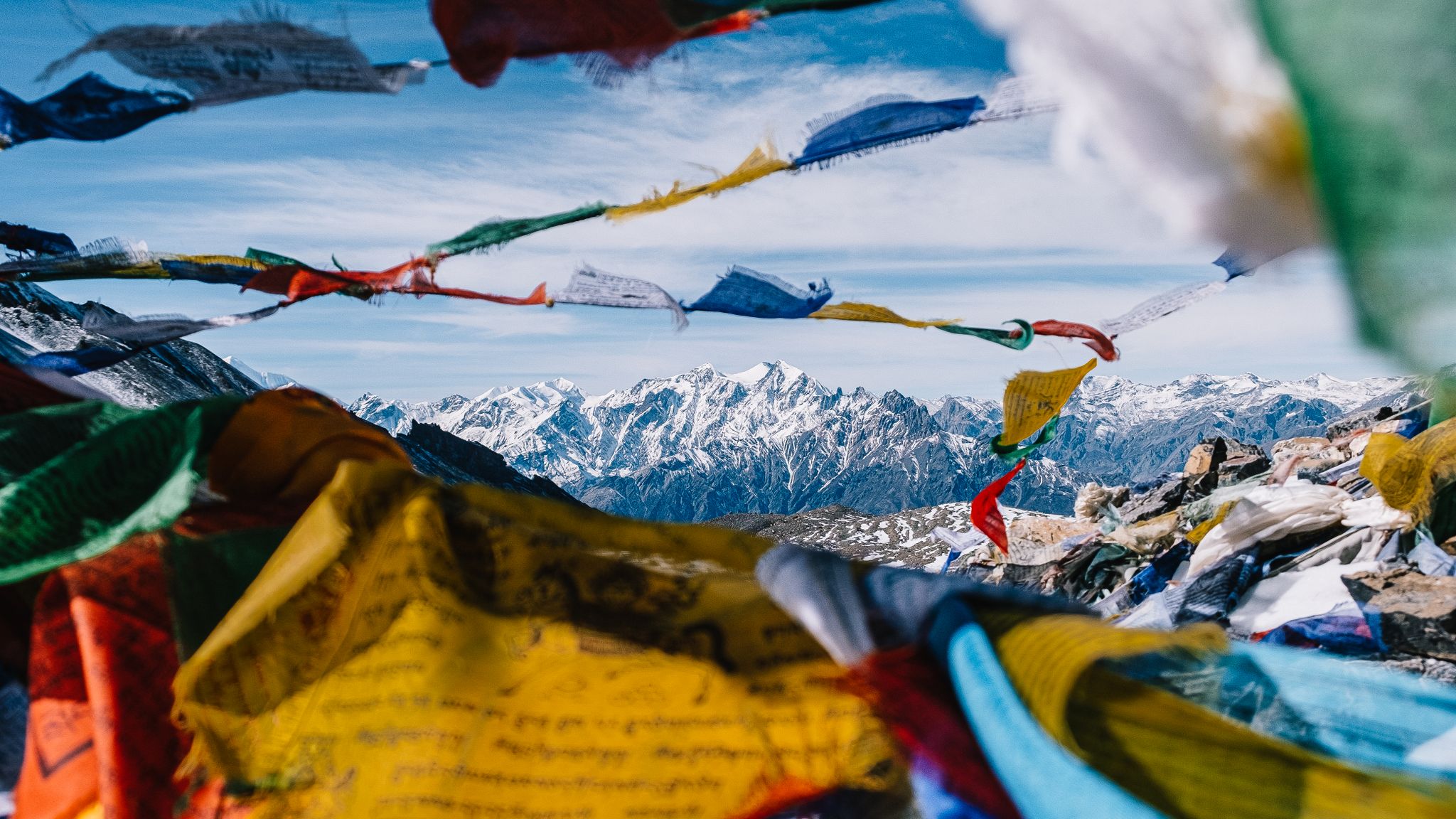
Annapurna Circuit in Nepal – Bikepacking the roof of the world
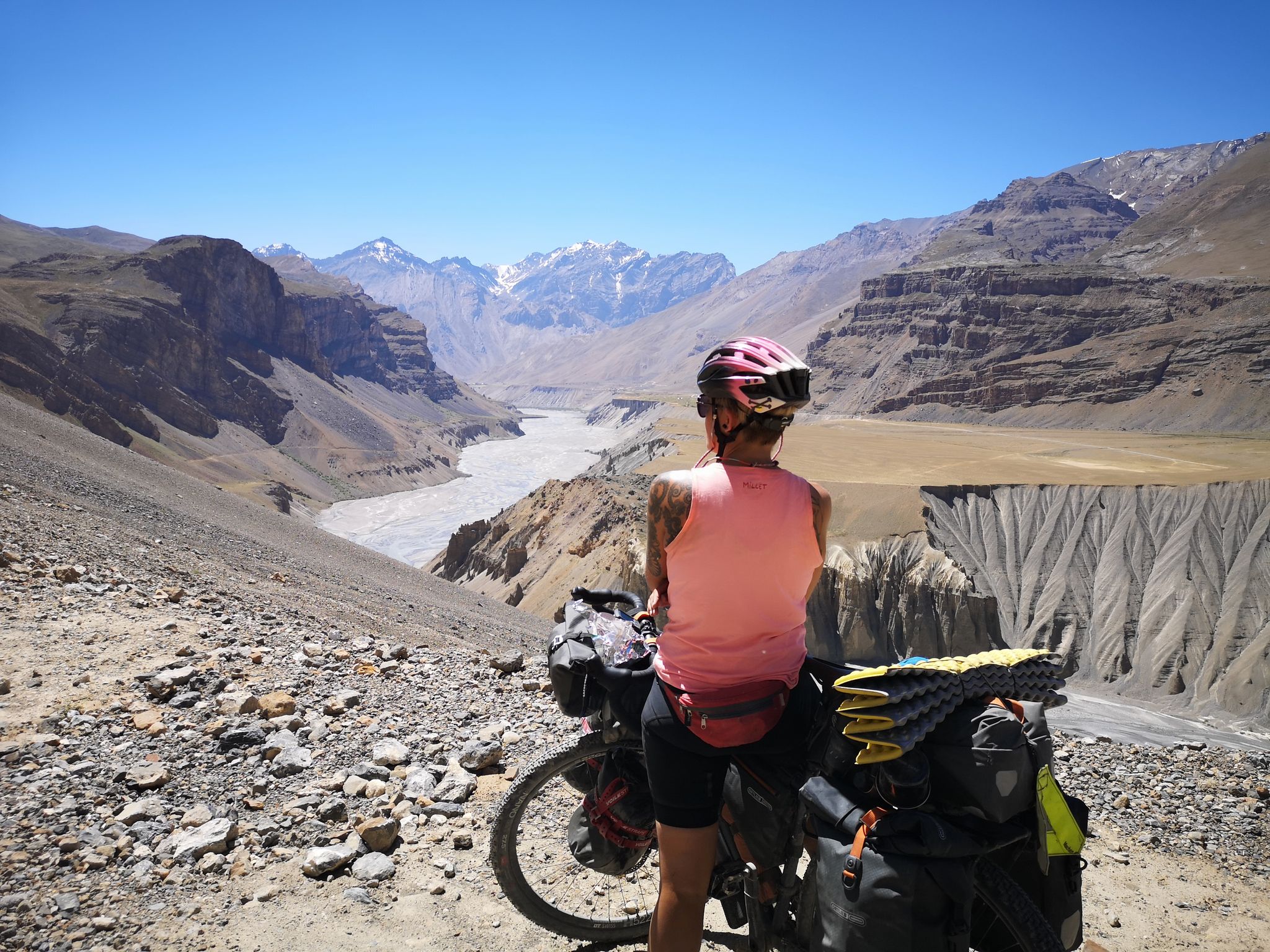
The Spiti Valley – Bikepacking in India
Other adventures in the Himalaya


Tips from the Community


In McLeod Ganj, feel free to approach the monks and discuss philosophy together in the temple courtyard. Inspiration for both sides. Afterward, enjoy a Tibetan apple pie that tastes similar to grandma's Swabian apple pie.
0
0

Dharamshala is the center of Buddhism and the exile of the 14th Tibetan Dalai Lama since 1959. His Holiness is also home to a large community of Tibetan refugees. This area lies on the border of the Himalayas and translates to "refuge". It is home to the Kangra Art Museum, which houses miniature paintings from the Kangra school, examples of local embroidery and traditional costumes, and photos of Kangra devastated by the 1905 earthquake.
1
0
Dharamshala is the center of Buddhism and the exile of the 14th Tibetan Dalai Lama since 1959. His Holiness is also home to a large community of Tibetan refugees. This area lies on the border of the Himalayas and translates to "refuge". It is home to the Kangra Art Museum, which houses miniature paintings from the Kangra school, examples of local embroidery and traditional costumes, and photos of Kangra devastated by the 1905 earthquake.
1
0
Dharamshala is the center of Buddhism and the exile of the 14th Tibetan Dalai Lama since 1959. His Holiness is also home to a large community of Tibetan refugees. This area lies on the border of the Himalayas and translates to "refuge". It is home to the Kangra Art Museum, which houses miniature paintings from the Kangra school, examples of local embroidery and traditional costumes, and photos of Kangra devastated by the 1905 earthquake.
2
0
Dharamshala is the center of Buddhism and the exile of the 14th Tibetan Dalai Lama since 1959. His Holiness is also home to a large community of Tibetan refugees. This area lies on the border of the Himalayas and translates to "refuge". It is home to the Kangra Art Museum, which houses miniature paintings from the Kangra school, examples of local embroidery and traditional costumes, and photos of Kangra devastated by the 1905 earthquake.
1
0
Dharamshala is the center of Buddhism and the exile of the 14th Tibetan Dalai Lama since 1959. His Holiness is also home to a large community of Tibetan refugees. This area lies on the border of the Himalayas and translates to "refuge". It is home to the Kangra Art Museum, which houses miniature paintings from the Kangra school, examples of local embroidery and traditional costumes, and photos of Kangra devastated by the 1905 earthquake.
1
0
Dharamshala is the center of Buddhism and the exile of the 14th Tibetan Dalai Lama since 1959. His Holiness is also home to a large community of Tibetan refugees. This area lies on the border of the Himalayas and translates to "refuge". It is home to the Kangra Art Museum, which houses miniature paintings from the Kangra school, examples of local embroidery and traditional costumes, and photos of Kangra devastated by the 1905 earthquake.
2
0
Frequently Asked Questions
How many waterfall hiking trails are available in the Himalaya region?
The Himalaya region offers a variety of waterfall hiking trails. Currently, there are 14 curated routes specifically focused on waterfalls, catering to different skill levels.
What is the best time of year to go waterfall hiking in the Himalayas?
The best hiking seasons in the Himalayas are typically February to March and October to November in Nepal and Bhutan, and March to April and September to October in Uttarakhand. During these periods, you can expect clear skies and moderate temperatures, which are ideal for enjoying the waterfalls.
Are there any easy waterfall hikes suitable for beginners in the Himalaya?
Yes, there are easy waterfall hikes perfect for beginners. An excellent option is the Galllu Temple – Gallu Waterfall loop from Haini, which is a 3.4-mile (5.4 km) trail leading through forested areas to the Gallu Waterfall, typically completed in about 1 hour 50 minutes.
Are there any circular waterfall routes in the Himalaya?
Yes, several waterfall trails in the Himalaya are designed as loops, allowing you to start and end at the same point. Examples include the Suspension Bridge – Nagarkot Waterfall loop from Bagmati Province and the Way to Bhagsu Nag Waterfall – Bhagsu Waterfall loop from McLeod Ganj.
What kind of natural features can I expect to see on waterfall hikes in the Himalaya?
Beyond the waterfalls themselves, Himalayan trails offer diverse natural features. You'll traverse lush forests, terraced fields, and rugged mountain paths. The region is also home to towering peaks, deep valleys, and glacial rivers. As you gain altitude, the landscape transforms, revealing varied ecosystems.
What do other hikers say about the waterfall trails in the Himalaya?
The waterfall hiking trails in the Himalaya are highly rated by the komoot community, with an average score of 4.6 stars from over 1,300 reviews. Hikers often praise the breathtaking views, the unique cultural encounters in remote villages, and the diverse terrain that makes each trail a distinct experience.
Are there any challenging waterfall hikes for experienced trekkers?
For experienced trekkers seeking a challenge, the Himalaya offers difficult waterfall routes. A notable example is the View of Dharamsala – Triund Trail loop from McLeod Ganj, an 8.9-mile (14.4 km) trail with significant elevation gain and panoramic mountain views, taking approximately 6 hours 44 minutes to complete.
What cultural attractions or landmarks can be found near waterfall hiking trails?
The Himalayas are rich in cultural heritage. While hiking, you might encounter ancient monasteries, traditional villages, and spiritual sites. For example, you can explore historical sites like the Ghale Dzong Fortress Ruins or the Nuwakot Durbar, which are part of the region's diverse attractions.
Are there any specific viewpoints or scenic spots along these waterfall routes?
Many waterfall routes offer spectacular viewpoints. The region is known for its high mountain passes, such as Thorong La Pass, which provide stunning panoramic views of the surrounding mountains. Some trails also lead to locations with magnificent sunrise views of major Himalayan ranges.
What kind of wildlife might I encounter on a waterfall hike in the Himalaya?
The Himalayan region is home to diverse wildlife. Depending on the specific area and altitude, you might spot animals like Himalayan black bears, tahr, monkeys, and the rare red panda. National parks in the region also protect endangered species such as musk deer, wild yak, and snow leopards.
Are there any moderate waterfall hikes that offer varied scenery?
Yes, there are several moderate waterfall hikes that provide varied scenery. The Suspension Bridge – Nagarkot Waterfall loop from Bagmati Province is a great example, featuring a suspension bridge and leading to a beautiful waterfall, offering a mix of natural and man-made sights.
Most popular routes in the Himalaya
Most popular attractions in the Himalaya

Get inspired with the komoot mobile app


Explore more
Browse the best Hikes in other regions.
