The best walks and hikes around Forollhogna
3.7
(6)
67
hikers
5
hikes
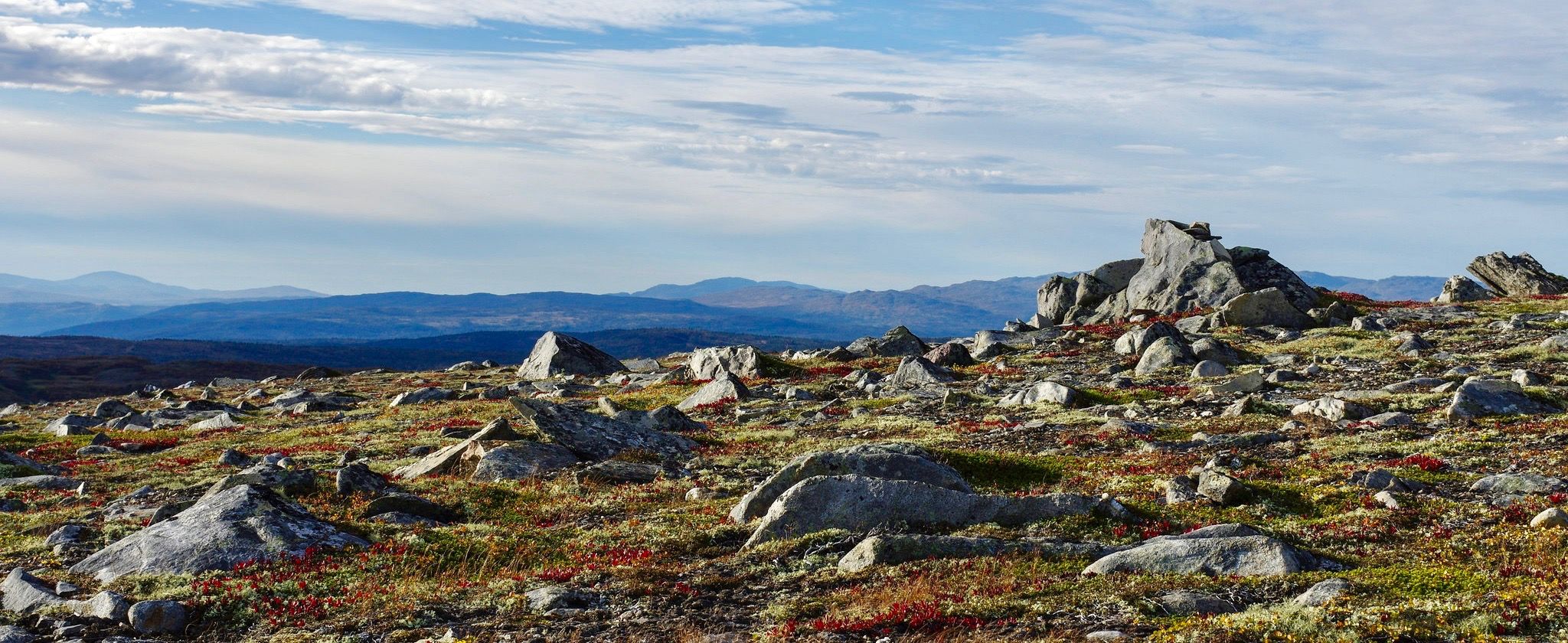
Hiking around Forollhogna offers diverse terrain across a mountain plateau in central Norway. The region features rolling hills, lush forests, and serene lakes, with extensive alpine areas characterized by gentle slopes. Valleys shaped by centuries of mountain farming extend into higher elevations, contributing to a distinct cultural landscape. The area's chalky bedrock supports varied plant life within a complete mountain ecosystem.
Best hiking trails around Forollhogna
- The most popular hiking route is Forollhogna Summit Trail, a 8.9 miles (14.3 km) trail that takes 4 hours 39 minutes to complete. This moderate route ascends through alpine terrain towards the summit.
- Another top favourite among local hikers is Østerdalen Path, a moderate 8.4 miles (13.6 km) path. It traverses varied landscapes, including sections of the historic Pilgrim's Way.
- Local hikers also love the Rogne loop from Hessdalskjølen hyttefelt, a 2.9 miles (4.7 km) trail leading through forested areas and open terrain, often completed in about 1 hour 42 minutes.
- Hiking around Forollhogna is defined by rolling hills, mountain plateaus, and lush valleys, with options for different ability levels.
- The routes in Forollhogna are highly rated by the komoot community with an average score of 3.7 stars from over 6 reviews. More than 60 hikers have used komoot to explore Forollhogna's varied terrain.
Last updated: July 10, 2026
5.0
(4)
27
hikers
14.3km
04:39
610m
610m
Moderate hike. Good fitness required. Easily-accessible paths. Suitable for all skill levels.
11
hikers
13.6km
04:11
440m
440m
Moderate hike. Good fitness required. Easily-accessible paths. Suitable for all skill levels.

Sign up for free
1
hikers
11.9km
03:56
550m
550m
Moderate hike. Good fitness required. Easily-accessible paths. Suitable for all skill levels.
17
hikers
4.71km
01:42
280m
280m
Easy hike. Great for any fitness level. Easily-accessible paths. Suitable for all skill levels.
3.0
(1)
9
hikers
6.18km
01:35
30m
30m
Easy hike. Great for any fitness level. Easily-accessible paths. Suitable for all skill levels.
Our route recommendations are based on thousands of hikes, rides, and runs completed by other people on komoot.
Start today with a free account
Your next adventure awaits.
Login or Signup
Popular around Forollhogna
Other adventures around Forollhogna

Tips from the Community


The direct route to Forollhogna, the highest peak in Forollhogna National Park, is tremendously scenic. A number of streams cascade from the heights and the views in all directions are great.
0
0
This is a lovely section of woodland on the direct trail to Forollhogna from the parking at Synnerdalen. The tumbling Bua stream is a gorgeous companion.
0
0
This is a beautiful upland stream that is crossed on the way to the beautiful Forollsjøen or to the summit of Forollhogna. A small wooden platform provides a safe crossing point.
2
0
From the ascent to Forollhogna, you're treated to gorgeous views of Forollsjøen. Apparently, the lake was once a Sami sacrifice site.
1
0
At 4,370 feet (1,332 m), Forolhogna is a fine summit in the national park of the same name, as well as it's highest peak. It occupies an enviable position above the Forollsjøen in a wild feeling landscape.
0
0

From the summit of Forollhogna (1,332 m) there is a wonderful view of the fell.
2
0

For a great view worth the way up to the Forollhogna. For those who are not tired yet, instead of following the pilgrim route, they can climb up to the summit to enjoy a beautiful view of the surrounding fjell and Forollsjø just below the summit.
0
0
Frequently Asked Questions
How many hiking trails are available in Forollhogna?
Forollhogna offers a variety of hiking experiences, with over 5 distinct trails documented in this guide. These routes cater to different skill levels, from easy strolls to more challenging ascents through the mountain plateau.
What kind of terrain can I expect when hiking in Forollhogna?
Forollhogna is known as 'the gentle mountains,' offering diverse terrain. You'll find rolling hills, lush forests, and serene lakes, alongside extensive alpine areas with gentle slopes. The landscape also features traditional mountain farms and valleys shaped by centuries of cultural heritage.
Are there easy hiking options suitable for beginners or families in Forollhogna?
Yes, Forollhogna has several easy hiking options perfect for beginners or families. For example, the Rogne loop from Hessdalskjølen hyttefelt is a pleasant 2.9-mile trail through forested areas, and the Curved Picnic Table loop from Berkåk kirke offers an easy 3.8-mile walk with minimal elevation gain.
What are some notable natural features or landmarks to look out for in Forollhogna?
Forollhogna is rich in natural beauty. Hikers can explore the tranquil Forollsjøen Lake, experience the grandeur of the Forollhogna summit, or discover the scenic Grønlibekken river. There are also various viewpoints, such as those offering stunning Forollsjøen views, to enjoy the expansive landscapes.
Is it possible to see wildlife while hiking in Forollhogna?
Forollhogna is a vital habitat for Norway's northernmost herd of wild reindeer, offering unique opportunities for observation. The region is also home to wolverines, occasional Arctic fox sightings, and all four species of mountain ducks found in Norway. Birds of prey like the golden eagle and gyrfalcon also nest here, making wildlife spotting a distinct possibility.
Are there any circular hiking routes in Forollhogna?
Yes, Forollhogna offers circular routes. The Rogne loop from Hessdalskjølen hyttefelt is a good example of a circular trail, leading through varied terrain and providing a complete hiking experience without retracing your steps.
What is the best time of year to go hiking in Forollhogna?
The best time for hiking in Forollhogna is typically during the warmer months, from late spring to early autumn (June to September), when trails are clear of snow and the weather is generally mild. This period allows for comfortable exploration of the diverse landscapes and increased chances of wildlife sightings.
Where can I find parking or access trails in Forollhogna?
Accessible starting points for exploring Forollhogna include Vingelen, Dalsbygda, Budal, Kvikne, and Hessdalen. These locations often provide amenities and access to hiking trails and mountain farm roads, making them convenient for parking and beginning your adventure.
What do other hikers enjoy most about hiking in Forollhogna?
The area is highly rated by the komoot community, with an average score of 3.7 stars from over 6 reviews. Hikers often praise the region's peaceful and accessible terrain, the stunning natural beauty, and the opportunity to experience a deep sense of history amidst the traditional mountain farms and cultural heritage sites.
Are there any challenging hikes for experienced trekkers in Forollhogna?
While Forollhogna is known for its 'gentle mountains,' it does offer more challenging options. The Forollhogna Summit Trail is a moderate 8.9-mile route that ascends through alpine terrain, providing a more strenuous experience with significant elevation gain for those seeking a greater challenge.
Does Forollhogna have any historical or cultural significance?
Yes, Forollhogna is rich in history and cultural heritage. The area contains evidence of mining, Sami settlements, and traditional seasonal mountain farming dating back thousands of years. You can find ancient traces of human activities, such as trapping systems for wild reindeer and moose, old settlements, and soapstone quarries. Many mountain farmsteads are still active, contributing to the distinct cultural landscape.
Is public transport available to reach hiking areas in Forollhogna?
While specific public transport routes directly into all trailheads might be limited, the main starting points like Vingelen, Dalsbygda, Budal, Kvikne, and Hessdalen are generally more accessible. It's advisable to check local transport schedules for connections to these villages, as personal vehicles often offer the most flexibility for reaching remote trail access points.
Most popular attractions around Forollhogna

Get inspired with the komoot mobile app


Explore more
Browse the best Hikes in other regions.
