Top 5 Lakes around Socuéllamos
Best lakes around Socuéllamos are primarily found within the nearby Manjavacas Lagoon Complex Nature Reserve, an important wetland habitat. This region, situated in the broader La Mancha landscape, features vast, gently undulating plains. The natural areas around Socuéllamos are recognized for their ecological value, including their role as a crucial stopping point for migratory birds. The complex comprises several lagoons, each contributing to the diverse aquatic ecosystems of the area.
Best lakes around Socuéllamos
- The most popular lakes is Manjavacas…
Last updated: July 1, 2026
Manjavacas Lagoon
Highlight • Lake
Translated by Google •
Tip by

Manjavacas Lagoon Complex
Highlight • Lake
Translated by Google •
Tip by

Sign up now to discover places like this
Get recommendations on the best single tracks, peaks, & plenty of other exciting outdoor places.
Sign up for free
Laguna de la Vega
Highlight • Lake
Translated by Google •
Tip by

Laguna de Alcahozo de Pedro Muñoz
Highlight • Lake
Translated by Google •
Tip by
Start today with a free account
Your next adventure awaits.
Login or Signup


Other adventures around Socuéllamos

Tips from the Community

This complex is made up of four lagoons: Manjavacas, Sánchez Gómez, La Dehesilla (in Mota del Cuervo), and Alcahozo (in Pedro Muñoz). It is a key point on the migratory routes of birds between Europe and Africa, which gives it international importance.
2
0
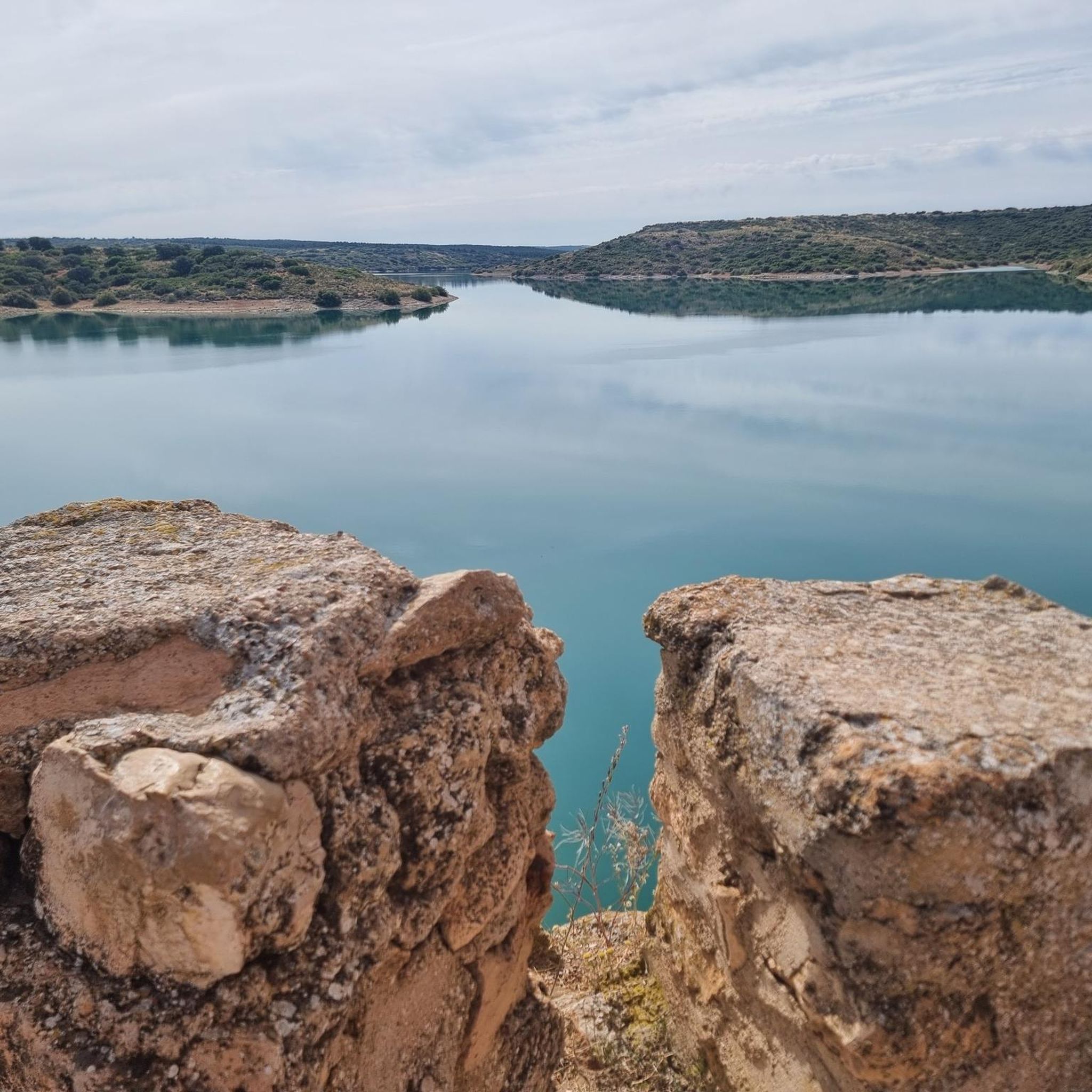
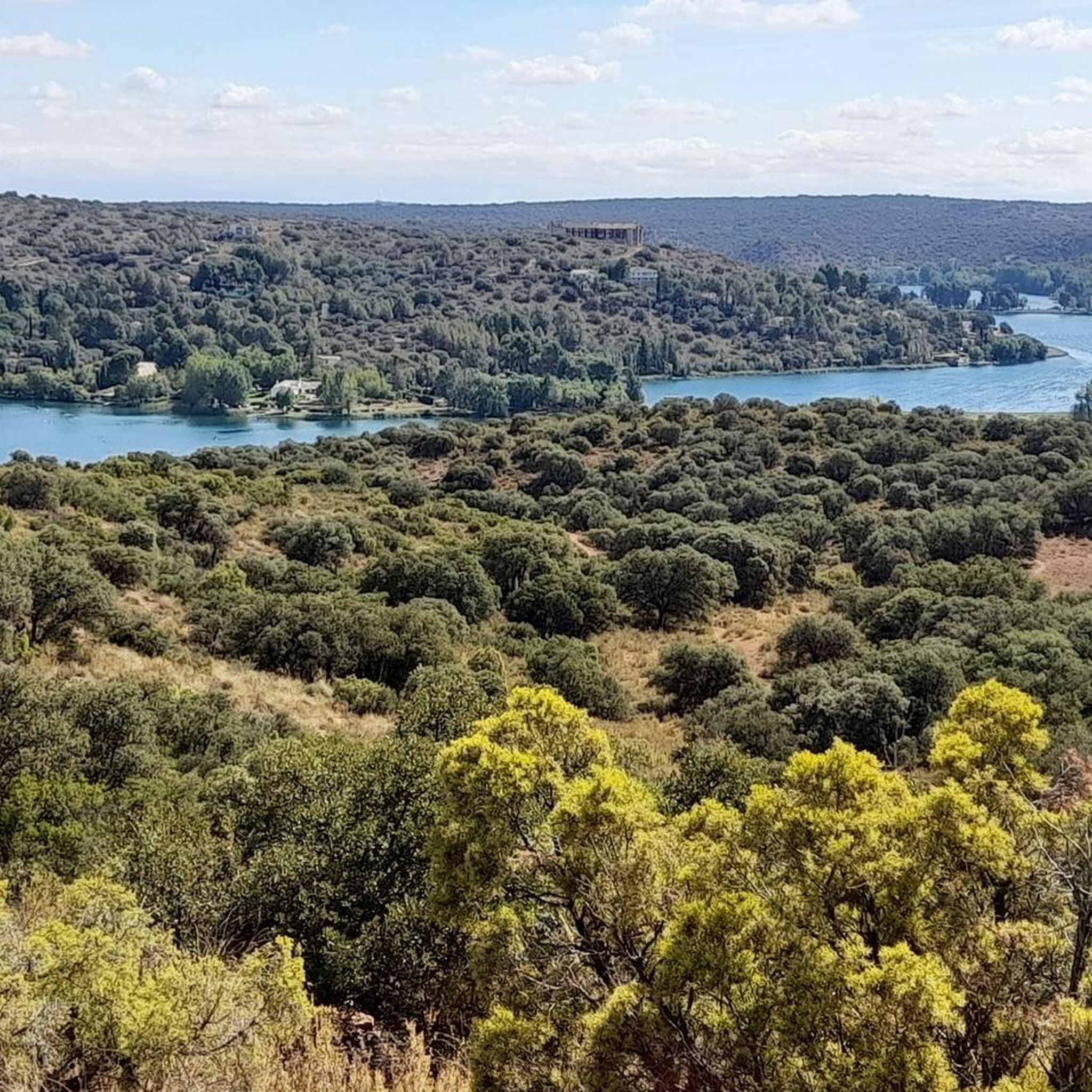
The Manjavacas Lagoon, located in the municipality of Mota del Cuervo (Cuenca), is part of the Manjavacas Lagoon Complex, a nature reserve of great ecological and scenic value.
2
0

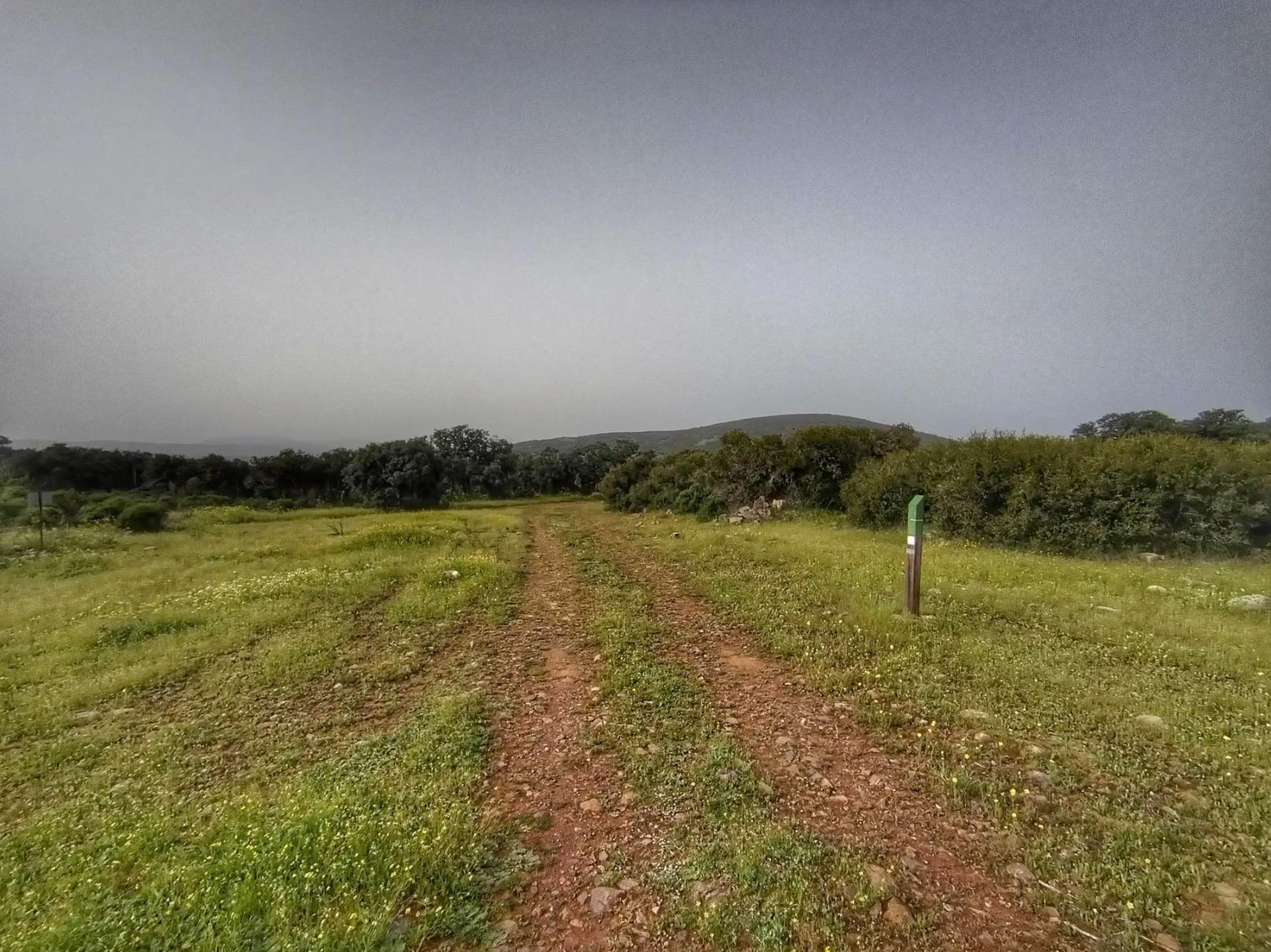
The second day begins by visiting the Manjavacas Natural Reserve, in La Mancha de Cuenca, made up of several lagoons and an essential point in the migratory transit of birds between North Africa and the ornithological stations in southern Europe. In other times of better water supply, some 40,000 birds of different species visit the reserve. The lagoon complex is also an important wintering and nesting ecosystem. On the shallow banks it is easy to see spoonbills and flamingos. The detour to the Manjavacas lagoon appears after passing through the Alcahozo lagoon, which is still in the municipality of Pedro Muñoz, it is a loop of the main itinerary to tour the shore of the wetland and pass by several observatories, one is at the end of a pedestrian walkway built over the reed beds and marsh surroundings near the Sanctuary of Our Lady of Antigua de Manjavacas, where there is an elevated pagoda-type viewpoint. The path runs through the curious steppe where the Sánchez Gómez and Dehesilla lagoons are located, connects with the main itinerary and continues the gravel trip through the town of Las Mesas. The itinerary of the La Mancha Wetlands Natural Trail has practically finished, there are a few kilometers left indicated with the usual red posts to the Taray lagoon and then the follow-up is the digital track, marked on the rural roads of the agricultural fields of Las Pedroñeras , the “garlic capital” and one of the most notable towns in La Mancha de Cuenca.
1
0

Lagunar de Manjavacas is made up of 4 lagoons - a space protected by the Natura 2000 network. It is a stopping point for migratory birds on their route between Europe and North Africa.
3
0

It is a curious hypersaline lagoon. That is, it has salt concentrations higher than seawater. Thanks to this, it attracts numerous birds with a special attraction. A clear example is flamenco.
1
0
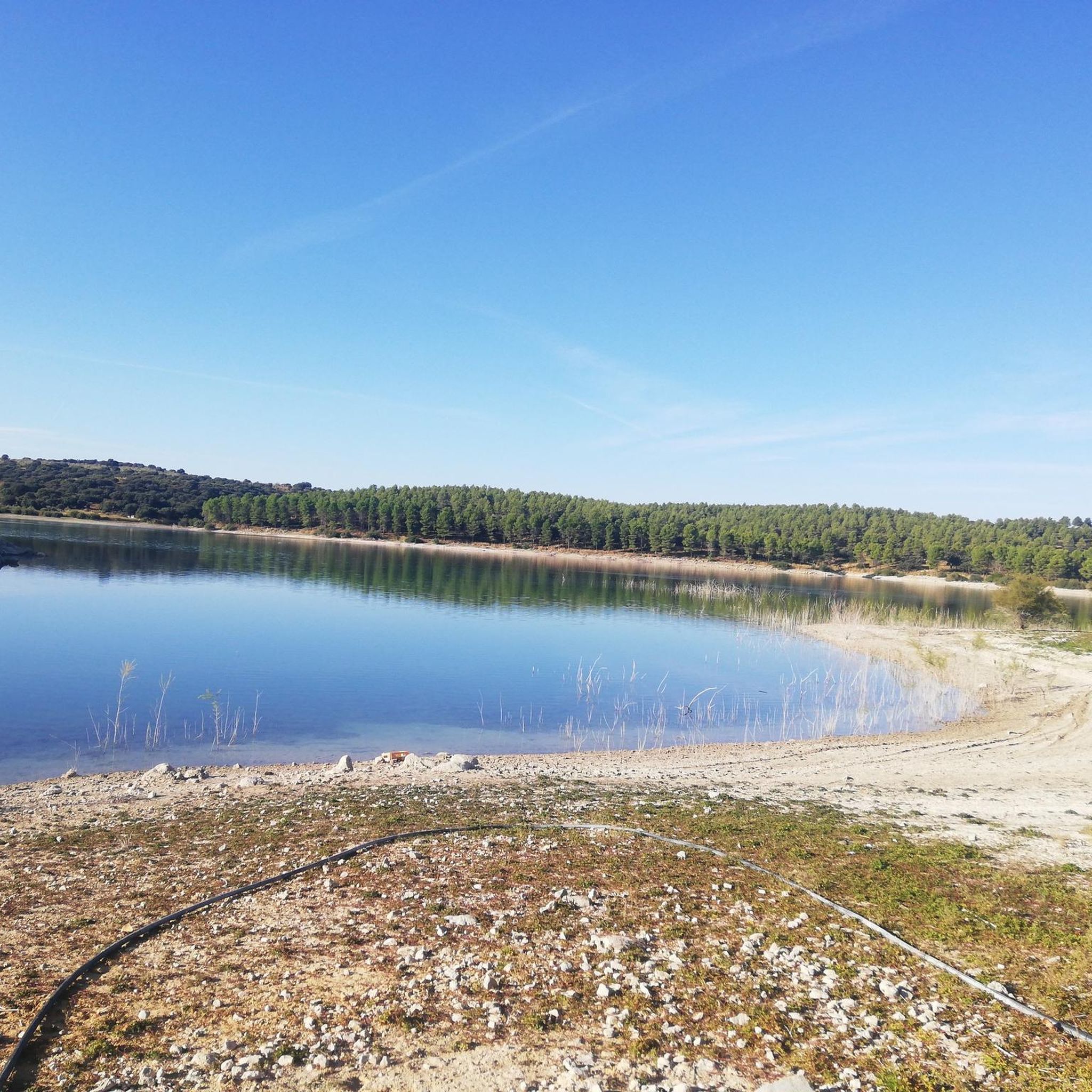
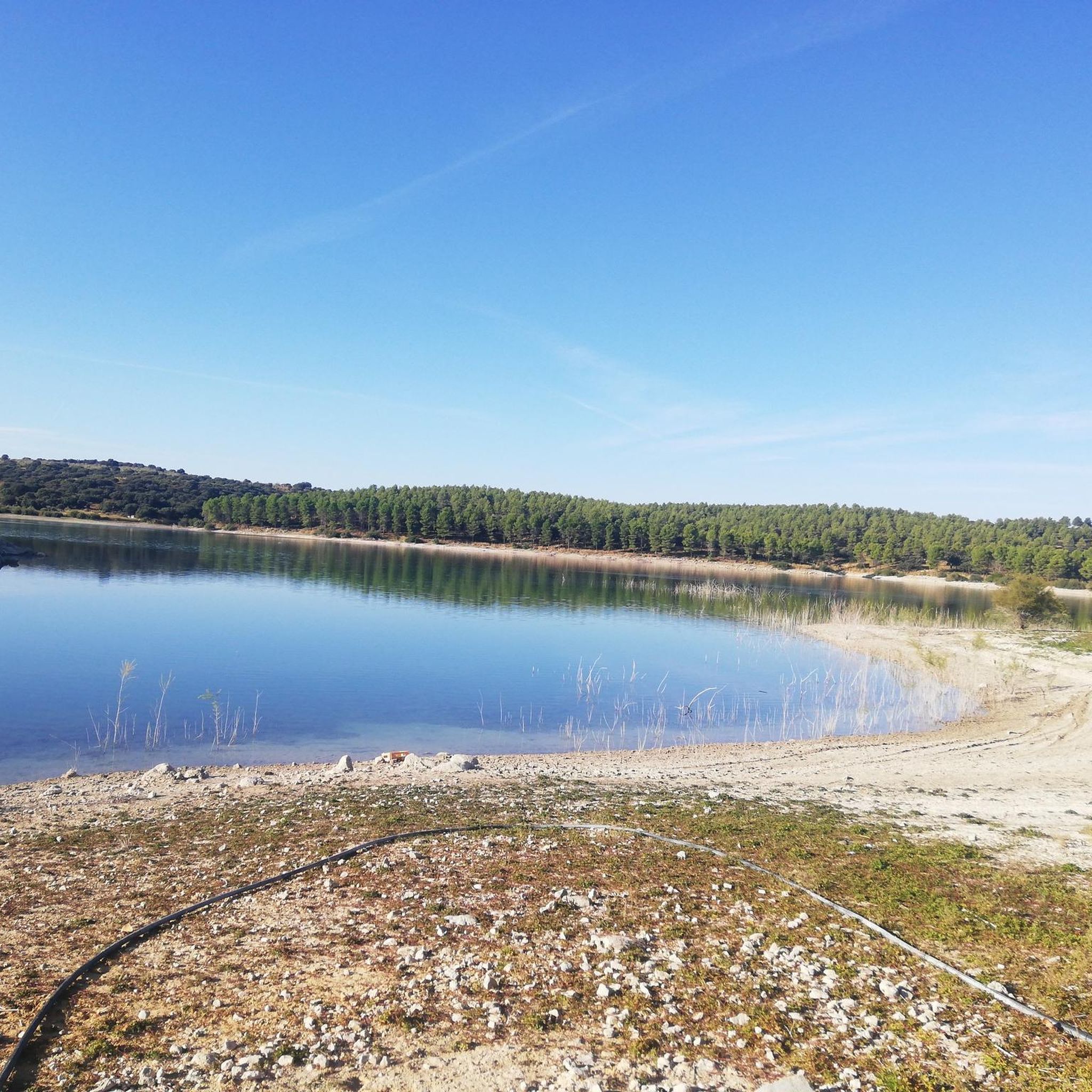
This wonderful lagoon located on the outskirts of Pedro Muñoz can be explored following the circular path along its perimeter. You can also observe the birds that it welcomes from the observatories enabled for it. Without a doubt, an experience that you can enjoy as a family.
1
0
The Manjavacas Lagoon Complex Nature Reserve is formed by 4 lagoons: Manjavacas, Sánchez Gómez and La Dehesilla in the municipal term of Mota del Cuervo (Cuenca) and the lagoon of Alcahozo in Pedro Muñoz (Ciudad Real).
12
0

The Manjavacas lagoon complex is an area protected by the Natura 2000 network as it is of great interest for the conservation of flora and fauna throughout Europe. It is a place chosen by migratory birds to take a break on their journey to Africa. The complex is made up of 4 lagoons and the path that runs through them is very calm and picturesque.
3
0
Frequently Asked Questions
What are the main natural areas with lakes near Socuéllamos?
The primary natural area featuring lakes near Socuéllamos is the Manjavacas Lagoon Complex Nature Reserve. This complex is an internationally recognized Ramsar site and part of the Natura 2000 network, highlighting its ecological importance. It includes several significant lagoons like Manjavacas Lagoon, Laguna de la Vega, and Laguna de Alcahozo de Pedro Muñoz.
What makes the Manjavacas Lagoon Complex Nature Reserve significant?
The Manjavacas Lagoon Complex is a crucial stopping point for migratory birds traveling between Europe and Africa, making it highly significant for biodiversity. It's recognized as a Ramsar site and is part of the Natura 2000 network, protecting its unique wetland habitats and diverse flora and fauna.
Are there good opportunities for birdwatching around Socuéllamos?
Yes, the lakes, especially Manjavacas Lagoon and Laguna de Alcahozo de Pedro Muñoz, offer excellent birdwatching opportunities. You can spot species like the Common Crane, Greater Flamingo, Red-crested Pochard, and various ducks. Birdwatching hides and observatories are available around the lagoons.
Which lakes are suitable for families?
Many of the lakes in the region are family-friendly. Both Manjavacas Lagoon and Laguna de la Vega are noted as family-friendly, offering circular paths and observatories that are enjoyable for all ages.
Can I go hiking or walking near the lakes?
Absolutely. There are several walking and hiking opportunities. A circular route of approximately 9 km is available around Manjavacas Lagoon. For more options, you can explore various hiking trails in the area, such as the 'Lagunar de Manjavacas – circular by the Camino Natural de los Humedales de La Mancha' or the 'Route of the Alcaraván (PR-CU 67) — circular'. Find more details on the Hiking around Socuéllamos guide.
What is unique about Laguna de Alcahozo de Pedro Muñoz?
Laguna de Alcahozo de Pedro Muñoz is a unique hypersaline lagoon, meaning its salt concentrations are higher than seawater. This high salinity attracts specific bird species, including flamingos, making it a fascinating spot for wildlife observation.
When is the best time to visit the lakes for birdwatching?
The best seasons for birdwatching at the Manjavacas Lagoon Complex are autumn and winter. During these periods, the lagoons serve as a crucial stopover for migratory birds, and you can observe a greater variety and number of species.
Are there specific routes or paths to explore the lakes?
Yes, around Manjavacas Lagoon, there is a circular route of about 9 km that can be explored on foot, by bicycle, or by car. Laguna de la Vega also features a circular path along its perimeter with enabled observatories.
What other outdoor activities can I do near these lakes?
Beyond walking and birdwatching, the region offers various cycling opportunities. You can find road cycling routes like 'Tomelloso, Socuéllamos, and Manjavacas Lagoons Loop' or general cycling tours. Check the Road Cycling Routes around Socuéllamos and Cycling around Socuéllamos guides for more options.
Are there any amenities or visitor centers near the lakes?
While specific cafes directly at every lagoon might be limited, a visitor center in Pedro Muñoz offers more information about the Manjavacas Lagoon Complex, particularly regarding Laguna de Alcahozo de Pedro Muñoz.
What kind of wildlife, besides birds, can I expect to see?
The wetland habitats of the Manjavacas Lagoon Complex support diverse ecosystems. While birds are the main attraction, you can also expect to see various types of flora adapted to saline environments, and potentially other small aquatic or terrestrial animals that thrive in these unique natural settings.
What are the typical distances for walks around these lakes?
The circular route around Manjavacas Lagoon is approximately 9 km. Other nearby hiking routes, such as the 'Lagunar de Manjavacas – circular by the Camino Natural de los Humedales de La Mancha', can be around 17 km, offering options for different fitness levels.
Most popular routes around Socuéllamos
Most popular attractions around Socuéllamos

Get inspired with the komoot mobile app


Explore more
Still not found your perfect lake around Socuéllamos? Check out the guides of these regions to see even more beautiful places.
