Attractions and Places To See in Argolis - Top 20
Best attractions and places to see in Argolis include a range of historical, cultural, and natural sites within the Peloponnese region of Greece. This area is characterized by ancient civilizations, picturesque towns, and diverse landscapes. Visitors can explore significant archaeological parks, well-preserved ancient theaters, and impressive fortresses. The region offers a variety of experiences, from historical exploration to scenic natural viewpoints.
Best attractions and places to see in Argolis
- The most popular attractions is Clytemnestra Tholos Tomb, a historical_site built in approximately 1250 BC. This monumental tomb features a 35 m long corridor and a vault reaching almost 13 m high.
- Another must-see spot is Ancient Theatre of Epidaurus, a historical_site. This 4th-century BC theater is known for its acoustics and architecture, capable of seating up to 14,000 spectators.
- Visitors also love Ancient Mycenae Archaeological Park, a historical_site. A UNESCO World Heritage site, it was a dominant center of the Mycenaean civilization, featuring the Lion Gate and the Acropolis.
- Argolis is known for its ancient archaeological sites, historical castles, and natural attractions. Visitors can explore a variety of sites, from well-preserved theaters to coastal fortresses and scenic gorges.
- The attractions in Argolis are appreciated by the komoot community, with over 60 upvotes and 40 photos shared.
Last updated: August 30, 2026
Ancient Theatre of Epidaurus
Highlight • Historical Site
Translated by Google •
Tip by

Clytemnestra Tholos Tomb
Highlight • Historical Site
Clytemnestra, wife of the Mycenaean ruler Agamemnon, is unlikely to have been buried here. The two tholos tombs west of the acropolis were assigned to the two mythical figures Clytemnestra and Aegisthos who could not be buried within the city walls because of the murder of Agamemnon. Today it is known that the city extended even further west and that these tombs were simply located within Mycenae, but these designations are retained. Heinrich Schliemann called the grave 'Schatzhaus bei Löwentor' and Friedrich Adler Grave of Agamemnon.
Tip by

Sign up now to discover places like this
Get recommendations on the best single tracks, peaks, & plenty of other exciting outdoor places.
Sign up for free
Ancient Mycenae Archaeological Park
Highlight • Historical Site
Translated by Google •
Tip by

Temple of Asclepius
Highlight • Historical Site
Http://fhw.gr/olympics/ancient/en/otherg_asklip.html
Tip by
Larissa Castle (Argos)
Highlight • Castle
North of Argos, where the city ends, there are two hills: to the NW, the highest of the two (289 m.), Is the hill of Larissa where the castle is located. The castles on both hills were joined by walls to protect the city of Argos in antiquity.
The castle is called the Castle of Argos or the castle of Larissa. The first to settle Argos were the Pelasgians and the names are Pelasgian. "Argos" means plain and "Larissa" means acropolis.
The castle was built in prehistoric times. Its base in some places has boulders, reminiscent of cyclopean walls. In the 5th and 6th c. AD the Argeians repaired and completed the wall, following the older traces. Important parts of that time are preserved in the northern and western part.
In the 10th c. A.D. The medieval castle was built and was for the Byzantines one of the most important fortifications in the Peloponnese. In 1203 it came under the jurisdiction of the lord of Nafplio Leontas Sgouros.
After the fall of 1204, the castle lasted until 1212 when it was conquered by Othon de la Roche (Otto Delaros), the Frankish nobleman (Burgundian to be exact) to whom the Duchy of Athens had been granted. The Franks at that time, in the 13th century, rebuilt the castle and gave it its current form.
Tip by
Nafplio Coastal Path
Highlight • Trail
Peloponnese even once capital. She stops on a rocky promontory
Audience. Like a cornflower blue carpet, the Argolic Gulf has the
City laid to feet. From its shores rise high cliffs overgrown with wild prickly pears - Nauplia is indeed very picturesque,
but that has hardly got around outside of Greece. Above the
Town watch over two fortresses - Palamidi and Akronafplia. From Akronafplia only a few walls and bastions remained. You give the today
historically noble frame for the five-star hotel "Nafplia Palace", located in the
Ruin complex was integrated. Visible from afar, the Venetian towering above
Fortress Palamídi from the early 18th century the city. It is named after Palamides, a figure from Homer's epic "Iliad". One reaches the fortress, which as
strongest in Greece, over 850 sweaty levels or over one
3 km long asphalt road. Sooner or later, everyone ends up at Syntagmatos Square, the buzzing center of the city with cafes and restaurants.
And the nearest beach is just around the corner.
Translated by Google •
Tip by

Propylaia — Ancient Gateway to the Sanctuary of Asclepius
Highlight • Historical Site
Tip by
Treasury of Atreus (Tomb of Agamemnon)
Highlight • Historical Site
With an interior height of 13.5m and a diameter of 14.5m, it was the tallest and widest dome in the world for over a thousand years until construction of the Temple of Hermes in Baiae and the Pantheon in Rome. It had always been visible. 1879 when the German archeologist Heinrich Schliemann discovered the shaft graves under the 'agora' in the Acropolis at Mycenae he named the tomb incorrectly, as Atreus or Agamemnon lived much later.
en.wikipedia.org/wiki/Treasury_of_Atreus
Tip by
Dining Hall of the Sanctuary of Asklepios
Highlight • Historical Site
Tip by
Monastery of the Egg – Moni Avgou Agios Dimitrios
Highlight • Religious Site
In a small cave in the eastern part of the rock, preserved Christian murals, according to Georgios, date back to the 11th century. It has spectacular views down the ravine leading to Iria, in good visibility to the sea. There is much speculation about the origin of the common name ‘Moni Avgou’, translated as ‘Abbey of the egg’. The most popular, yet romantic explanation lies in the tradition which tells the tale of the deeply felt faith for the unbreakable egg.
Tip by
Sign up for free to discover even more attractions in Argolis.
Sign up for free
Already have an account?
Start today with a free account
Your next adventure awaits.
Login or Signup
Other adventures in Argolis

Tips from the Community

The temple of the famous Asclepius stood here.
0
0

The castle of Mycenae housed many art treasures. The palace was added 200 years after the castle. The fortress walls and the Lionheart are worth seeing. However, as with almost all ancient sites, you need a bit of imagination.
5
0

Great viewpoints, however we can NOT recommend the car park that Komoot suggests as a hiking starting point from Argos, it is not safe!
1
0

Exceptional site very well preserved with sound that you will not find elsewhere
0
0

This place and the view are truly spectacular. The way there is on a simple gravel path. You have to cross the river over a bridge. When we hiked in mid-October, the riverbed was completely dry, so that wasn't a problem. May be different in spring. The monastery was freely accessible, but there was no one there.
1
0

As it is outside of Mycenae, it is overlooked by many visitors. impressive architectural achievement.
1
0

Mycenae was one of the most important cities in Greece from the Bronze Age until around 1200 BC. History is still alive today at the ruin site 25 kilometers south of Corinth like in only a few places in the world. An entire cultural epoch was named after the ancient city, which was founded archaically around 1900 BC.
4
1
Among the royal burial chambers, the tomb of Clytemnestra deserves special attention. A 35 m long corridor leads to the gate, above the carved marble lintel there is a hollow relief triangle, which takes the weight of the canopy from the lintel. The vault of the huge round building reaches a height of almost 13 m. Also note the slightly curved shape of the lintel, which is adapted to the shape of the dome.
4
1
Frequently Asked Questions
What are the most significant ancient archaeological sites in Argolis?
Argolis is rich in ancient history. You can explore Ancient Mycenae Archaeological Park, a UNESCO World Heritage site known for its Lion Gate and Acropolis, and the monumental Clytemnestra Tholos Tomb. Don't miss the remarkably preserved Ancient Theatre of Epidaurus, famous for its acoustics, which is part of the larger Sanctuary of Asclepius. Other notable sites include Ancient Tiryns with its Cyclopean walls, and Ancient Argos, one of the oldest continuously inhabited cities.
Are there any impressive castles or fortresses to visit in Argolis?
Yes, Argolis features several impressive fortifications. The Palamidi Castle in Nafplio offers sweeping views of the coastline and the city. In Argos, you can visit Larissa Castle, one of Greece's oldest and most historic castles. The picturesque Bourtzi Castle, located on a small island in Nafplio's harbor, is also a must-see.
What kind of hiking trails can I find in Argolis?
Argolis offers a variety of hiking experiences, from easy strolls to more challenging routes. You can find trails around historical sites like the Ancient Theatre of Epidaurus, or scenic paths along the coast and through charming towns. For more detailed information on routes, including easy options, you can explore guides like Easy hikes in Argolis or Hiking in Argolis.
Are there family-friendly activities or attractions in Argolis?
Absolutely! Families can enjoy exploring the Treasury of Atreus (Tomb of Agamemnon), which is categorized as family-friendly. Many of the historical sites, like the Ancient Mycenae Archaeological Park, are engaging for older children. Additionally, the region boasts beautiful beaches, such as those near Tolo and Karathonas Beach, perfect for a family day out. Easy walks and trails are also available for families with children.
What natural features can I explore in Argolis?
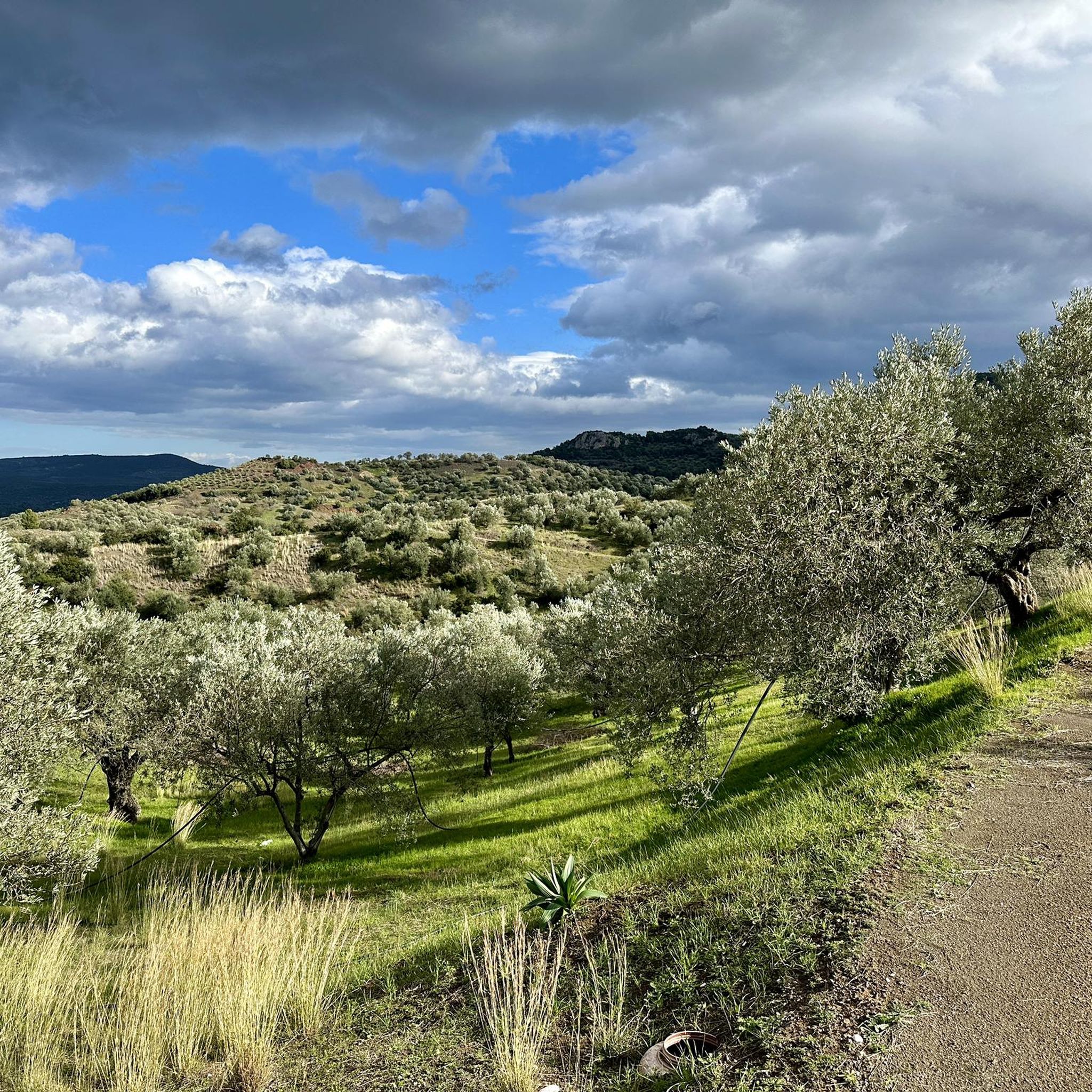
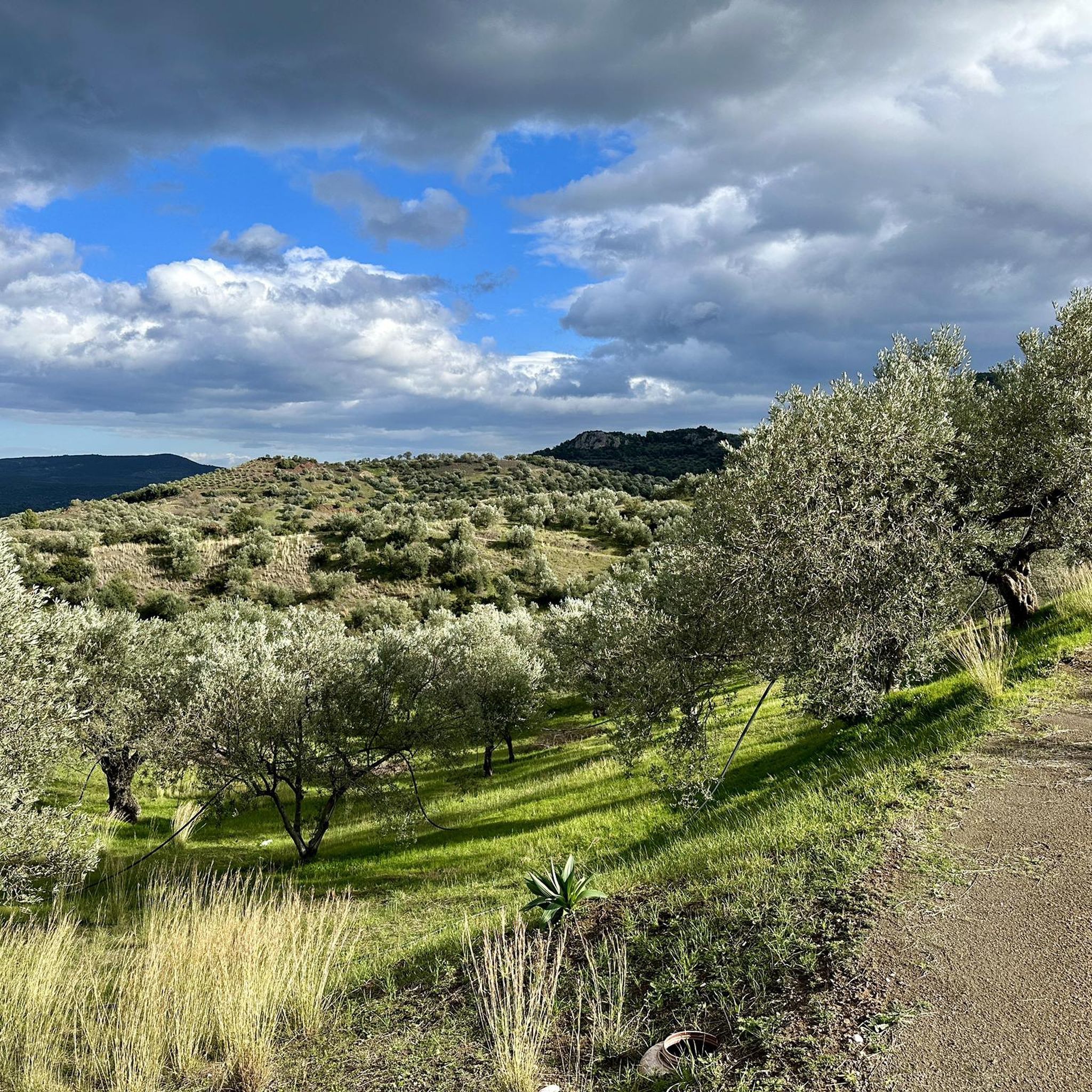
Beyond its historical sites, Argolis offers diverse natural beauty. You can visit the Hot Springs of Methana, known for their healing properties, or the unique Caves of the Twins at Didyma. For hikers, Artemisio Mountain provides an unforgettable wilderness experience, and the Katafyki Ravine near Porto Heli offers the 10-kilometer Path of Persephone. The region also features green forests with ancient olive trees, the Erasinou River with its migrating birds, and beautiful beaches along its coastline.
What is the best time of year to visit Argolis?
The best time to visit Argolis is generally during the spring (April to June) and autumn (September to October). During these months, the weather is pleasant for exploring archaeological sites and hiking, with comfortable temperatures and fewer crowds. Summers can be very hot, especially in July and August, which might be less ideal for extensive outdoor activities but perfect for beach holidays.
What are the top things to do in Nafplio?
Nafplio, the charming former capital of Greece, offers a wealth of activities. You can climb to the Palamidi Castle for panoramic views, take a boat trip to the iconic Bourtzi Castle, and wander through the historic Old Town with its neoclassical buildings and narrow streets. The city also has a vibrant atmosphere with cafes, shops, and museums.
Are there any prehistoric sites in Argolis?
Yes, Argolis is home to significant prehistoric sites. The Franchthi Cave, located near Ermioni, is one of Greece's most important archaeological sites, with evidence of human habitation spanning over 40,000 years. Another intriguing, though lesser-known, site is the Pyramid of Hellinikon, dating back to around 400 B.C., whose original purpose remains a mystery.
What historical sites are related to the Sanctuary of Asclepius at Epidaurus?
The Sanctuary of Asclepius at Epidaurus is a comprehensive archaeological site. Besides the famous Ancient Theatre of Epidaurus, you can explore the ruins of the Temple of Asclepius, the Propylaia (Ancient Gateway), and the Dining Hall. The site also includes a stadium and an archaeological museum, offering a complete picture of this ancient healing center.
Where can I find beautiful beaches in Argolis?
Argolis boasts many beautiful beaches. Popular choices include those near Tolo and Kalamaki (near Epidaurus). For a more secluded experience, explore the coves of Ermionida County. Romvi Beach and Karathonas Beach are also notable. The coastline between Nafplio and Astros offers charming pebbly beaches like Petalouda (Butterfly) or Viles.
What do visitors enjoy most about the historical sites in Argolis?
Visitors frequently praise the impressive scale and preservation of sites like the Ancient Theatre of Epidaurus, particularly its exceptional acoustics. At Ancient Mycenae Archaeological Park, the sheer historical significance and the imposing Lion Gate leave a lasting impression. The panoramic views from Palamidi Castle in Nafplio are also a consistent highlight, as are the insights into ancient burial practices offered by the Clytemnestra Tholos Tomb.

Get inspired with the komoot mobile app


Didn’t find what you were looking for?
Are you keen on exploring more awesome places nearby? Browse our guides:
Explore more
Still not found the Highlight you’re looking for? See guides of the top attractions in other regions:
