Top 9 Castles around Mogliano Veneto
Best castles around Mogliano Veneto are found in a region characterized by its historical villas and strategic location between Treviso and Venice. This area features a flat landscape traversed by waterways, offering a blend of cultural heritage and natural beauty. The municipality is known for its grand estates, which served as residences for wealthy Venetian families. These historic sites near Mogliano Veneto provide insight into the opulent past of the Venetian Republic.
Best castles around Mogliano Veneto
- The most popular…
Last updated: July 11, 2026
Tower of the Castello dei Carraresi in Casale sul Sile
Highlight • Castle
Translated by Google •
Tip by

Torre Colombara
Highlight • Monument
Translated by Google •
Tip by

Sign up now to discover places like this
Get recommendations on the best single tracks, peaks, & plenty of other exciting outdoor places.
Sign up for free
Bastione San Paolo
Highlight • Monument
Translated by Google •
Tip by

Castello on the Sile, Treviso
Highlight • Castle
Translated by Google •
Tip by

Forte Carpenedo
Highlight • Historical Site
Translated by Google •
Tip by

Sign up for free to discover even more castles around Mogliano Veneto.
Sign up for free
Already have an account?
Start today with a free account
Your next adventure awaits.
Login or Signup

Tips from the Community

Il Bastione San Paolo constitutes a fundamental part of Treviso's 16th-century city walls, located in the north-eastern sector of the city. Designed as part of the defensive enhancement desired by the Serenissima, it presents itself as a massive earth and brick structure, engineered to withstand the modern artillery systems of the time. Currently, the area has lost its military function to become one of the most evocative green areas in the historic center. Its tree-lined avenues offer an elevated panoramic walk overlooking the canals below, once defensive moats. It is a perfect example of urban regeneration, where Renaissance engineering blends with the tranquility of the city's river landscape.
0
0
The Carraresi Tower is the last vestige of the ancient medieval castle of Casale sul Sile, located in a strategic position along the river bend. Built in the 14th century by the powerful Paduan family of the Carraresi, the structure was part of a defensive system aimed at controlling river traffic towards the Venice Lagoon. The tower, built of brick, has a massive structure that has withstood centuries and the transformations of the territory. Today it represents the historical symbol of the municipality and a fundamental testimony of the era when the Sile was one of the main commercial and military communication routes between the hinterland and the Serenissima, integrating perfectly into the protected river landscape of the Parco del Sile.
0
0
Although commonly called the "Castle" for its imposing appearance and dominant position over the Sile river, it was actually built as an ancient medieval hospital. Overlooking the Riviera Garibaldi, this historic building has been masterfully restored to house university campuses. Its red brick architecture, which is directly mirrored in the waters of the river, creates one of the most iconic views of the city. Today, it is no longer a defensive fortress, but a center of culture where the monumental structure blends with the liveliness of students, maintaining that solemn charm that makes it a visual reference point for anyone walking along the banks of the Sile in the historic center.
2
0

Despite its name, the tower was never used as a dovecote. Built in the 14th century, it served instead to guard the canal, once connected to the lagoon.
0
0

The Colombara Tower, near Forte Tron, dates back to the first half of the 19th century. It is neo-Gothic in style and has a square plan with openings on all four sides. It was never used for breeding poultry, but instead served as a territorial control point and a private gateway to the monumental complex behind it.
0
0

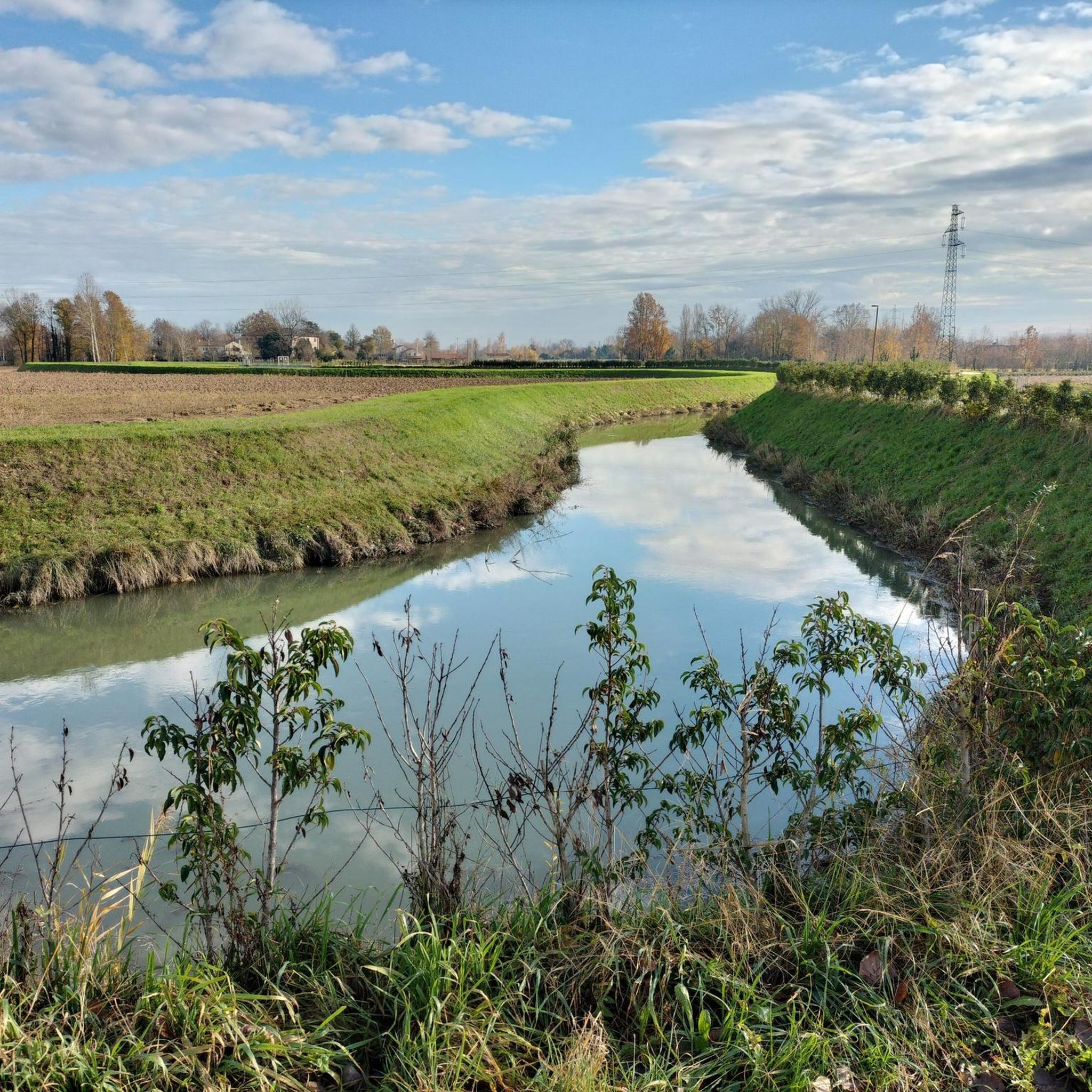
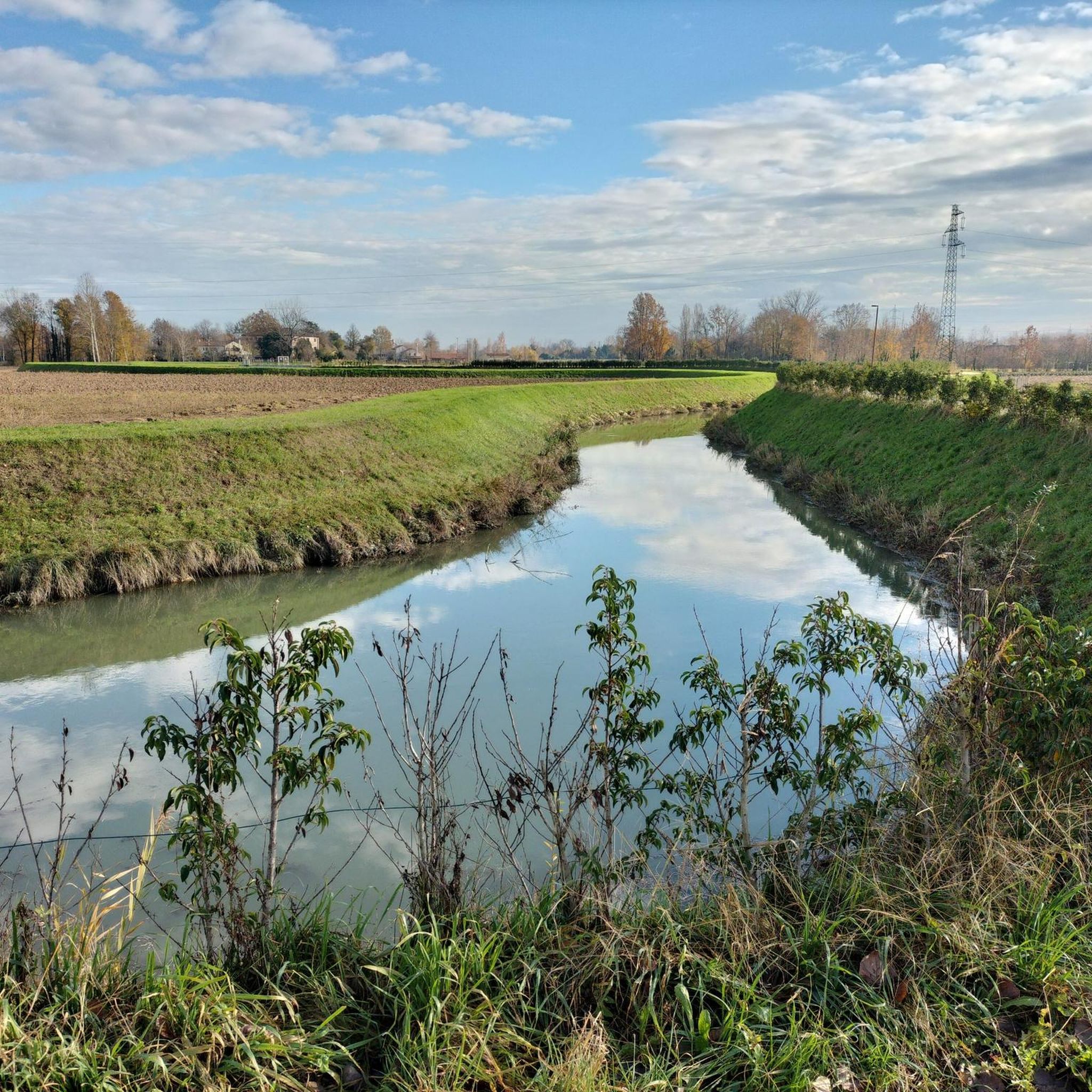
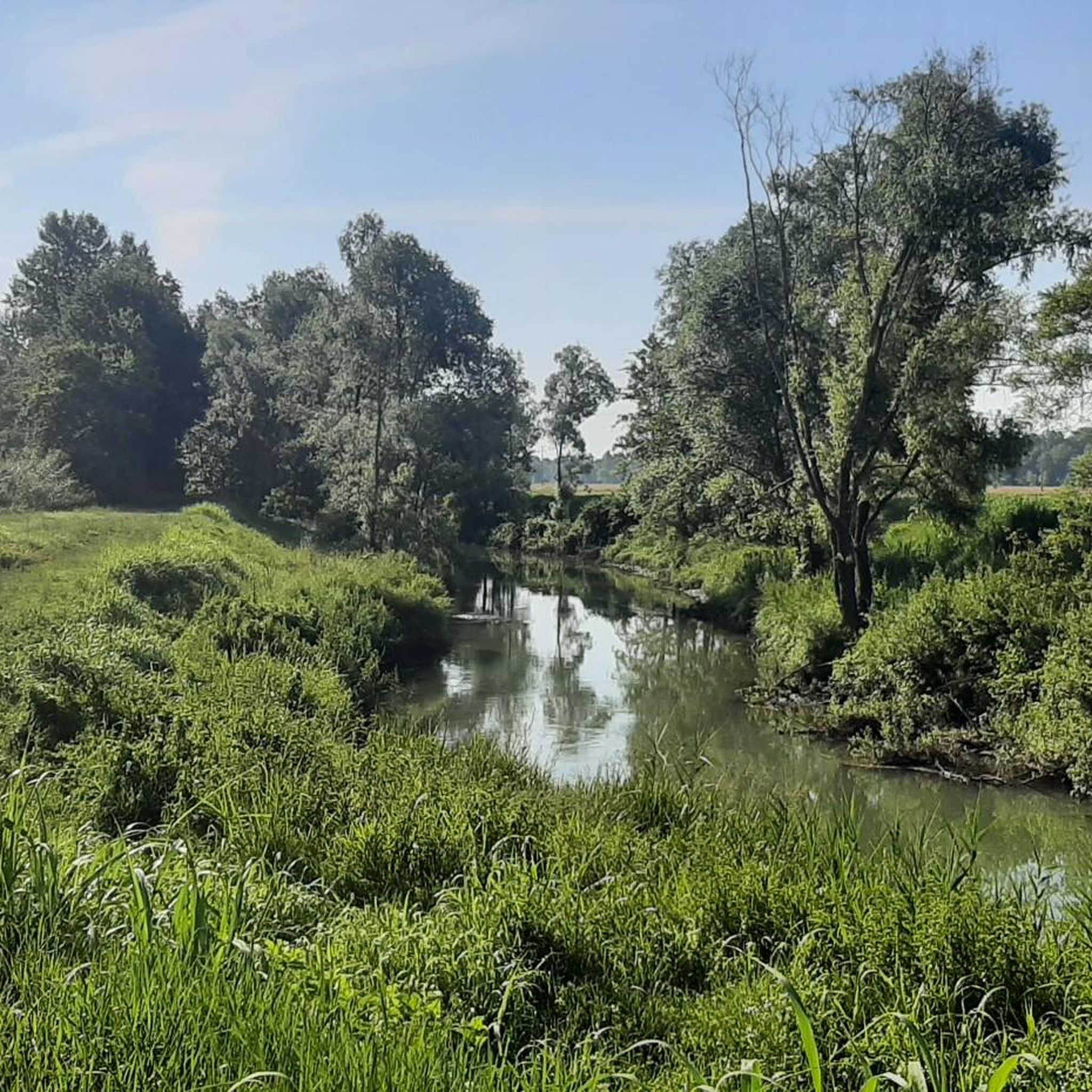
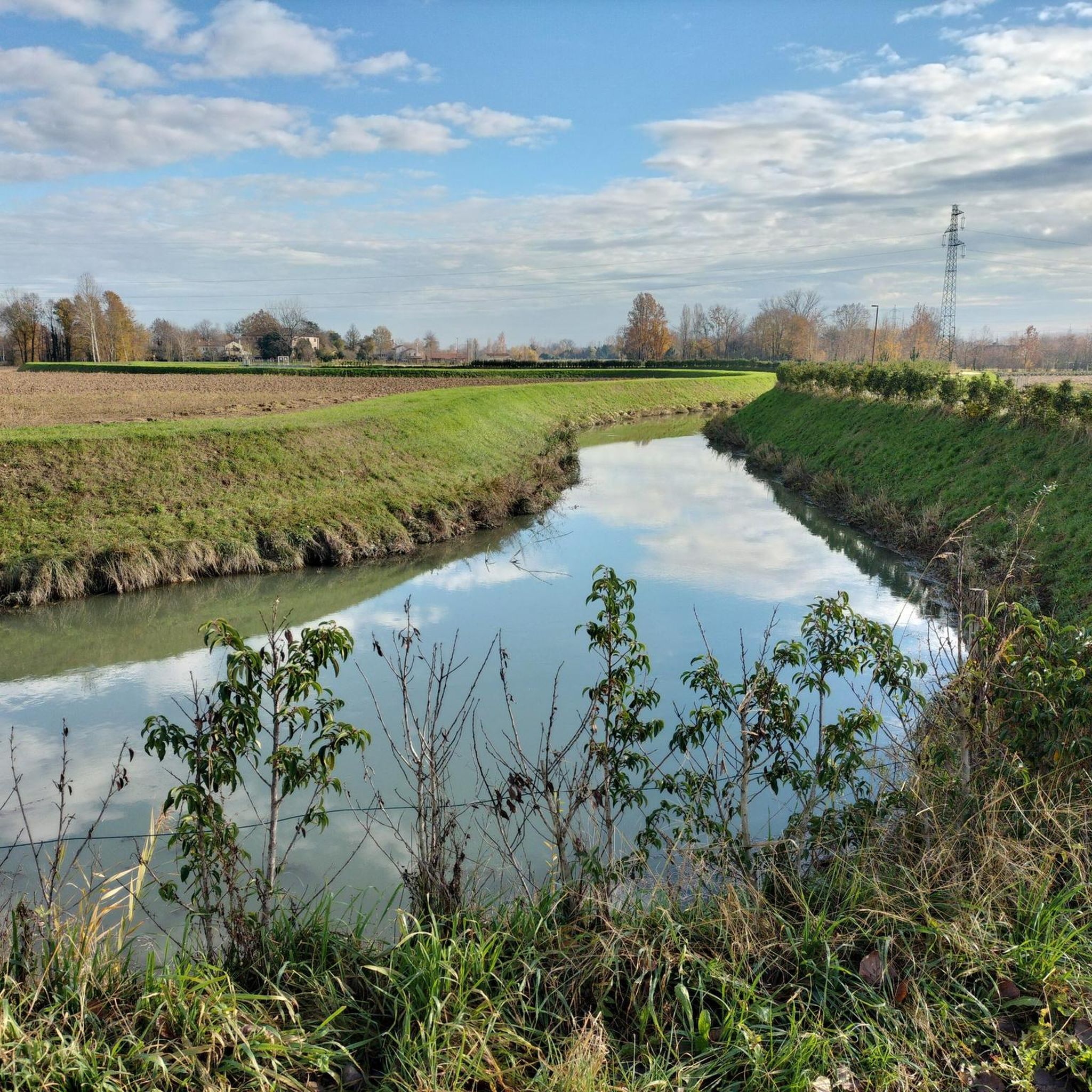
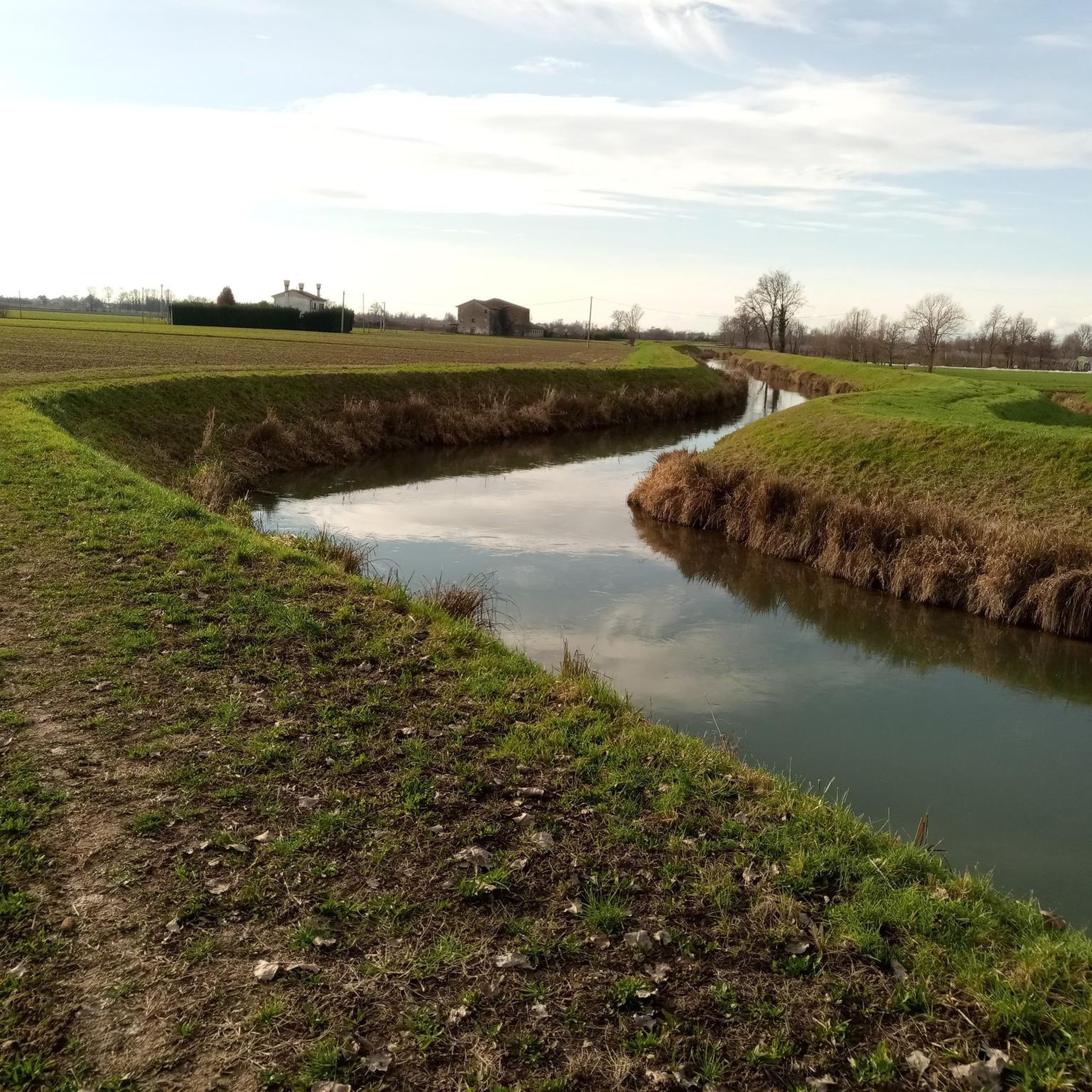
One of many perfect photo opportunities on the cycle path along the Sile.
2
0


The cycle path directly along the Sile towards Mestre is a lovely place to ride. The scenery is beautiful.
1
0
Frequently Asked Questions
What kind of 'castles' can I expect to find around Mogliano Veneto?
Mogliano Veneto is primarily known for its grand historical villas, which were once lavish summer residences for wealthy Venetian families. While not traditional medieval castles, these estates often possess a stately presence and rich history. The area also features fortifications and defensive structures that are colloquially referred to as castles, such as the 19th-century Forte Marghera or the restored Tower of the Castello dei Carraresi.
Are there any family-friendly historical sites or 'castles' to visit?
Yes, several sites are suitable for families. The Tower of the Castello dei Carraresi in Casale sul Sile is family-friendly and located on the scenic GiraSile route. Bastione San Paolo in Treviso, a well-preserved defensive work, is also a good option. Additionally, Forte Carpenedo, with its small museum, and Forte Marghera, a public park hosting cultural events, are popular choices for families.
What historical fortifications can I explore near Mogliano Veneto?
You can explore significant fortifications like Bastione San Paolo, which is part of Treviso's historic city walls and among its best-preserved defensive structures. Another notable site is Forte Carpenedo, one of 12 forts built to protect Venice, featuring a small museum. Further afield, Forte Marghera, a 19th-century fortress, offers a blend of history, parkland, and cultural events.
Are there any 'castles' that are not open to the public?
Yes, Castello Romano, despite its imposing appearance, is a private residence built in the late 19th/early 20th century and is not open to the public. It remains an exclusive property of the Romano family.
What outdoor activities can I do near these historical sites?
The region around Mogliano Veneto offers various outdoor activities. You can enjoy cycling on routes like the GiraSile, which passes by the Tower of the Castello dei Carraresi. For more options, explore the nearby cycling routes in the Cycling around Mogliano Veneto guide. Hiking and running trails are also available, with details in the Hiking around Mogliano Veneto and Running Trails around Mogliano Veneto guides.
Can I find viewpoints near the castles or villas?
Many of the historical villas and fortifications offer scenic views of the surrounding flat landscape and waterways. For instance, the Tower of the Castello dei Carraresi provides a picturesque reflection in the Sile River, and Bastione San Paolo offers views as part of Treviso's city walls.
What is the best time of year to visit the historical sites around Mogliano Veneto?
The Veneto region generally enjoys pleasant weather in spring (April-May) and autumn (September-October), making these ideal times for exploring historical sites and enjoying outdoor activities. Summers can be warm, while winters are cooler and may have fog, though many sites remain accessible year-round.
What are some notable historical villas in Mogliano Veneto?
Mogliano Veneto is home to several significant historical villas, including Villa Bianchi (18th century), Villa Zara (17th century), Villa Duodo Trevisanato (17th century), and Villa Rigamonti (16th century). These grand estates, often set in beautiful parks, offer a glimpse into the opulent past of the Venetian Republic.
Are there any natural features to enjoy near these historical sites?
Yes, the region is characterized by its flat landscape and numerous waterways. The Tower of the Castello dei Carraresi is situated along the Sile River, a notable natural feature that is part of the Sile River Regional Natural Park. Forte Marghera is located in a wetland area on the edge of the lagoon, traversed by canals and moats, offering a unique natural setting.
What do visitors enjoy most about the historical sites around Mogliano Veneto?
Visitors appreciate the blend of cultural heritage and natural beauty. The well-preserved historical sites, like the defensive works of Treviso and the forts protecting Venice, offer a deep dive into the region's past. The scenic locations, often alongside rivers or in parklands, are also highly valued, providing opportunities for leisurely strolls and outdoor activities.
How can I get to the historical sites using public transport?
Mogliano Veneto is well-connected by public transport, being situated between Treviso and Venice. You can typically reach major towns like Treviso and Mestre (near Forte Marghera) by train or bus. From these hubs, local buses or short taxi rides can take you closer to specific villas or fortifications. It's advisable to check local transport schedules for the most up-to-date information.
Are there any unique historical sites that host cultural events?
Yes, Forte Marghera is a prime example. This 19th-century fortress has been transformed into a monument and public park that regularly hosts art exhibitions and other cultural events, making it a vibrant destination for both history and culture enthusiasts.
Most popular routes around Mogliano Veneto
Most popular attractions around Mogliano Veneto

Get inspired with the komoot mobile app


Explore more
Looking for the best castles somewhere else? Discover other guides around Mogliano Veneto:
