The best mountain hikes around Bassenge
4.0
(2)
8
hikers
4
hikes
Mountaineering routes around Bassenge traverse a landscape characterized by calcareous massifs, limestone cliffs, and dense woodlands. The region, situated near Liège, offers diverse terrain with opportunities for strenuous hiking and sections involving scrambling or rock climbing. Trails often lead through river valleys and up hillsides, providing varied elevation gains and panoramic views.
Best mountaineering routes around Bassenge
- The most popular mountaineering route is Climbing Trail – Boundary Marker 1845 loop from Sint Pieter, a 10.8 miles (17.5 km) trail…
Last updated: July 11, 2026
4.0
(2)
5
hikers
16.7km
04:36
270m
270m
Hard mountaineering route. Good fitness required. Sure-footedness, sturdy shoes and alpine experience required.
2
hikers
7.16km
01:57
100m
100m
Easy mountaineering route. Great for any fitness level. Easily-accessible paths. Suitable for all skill levels.

Sign up for free
1
hikers
10.9km
03:03
190m
190m
Moderate mountaineering route. Good fitness required. Easily-accessible paths. Suitable for all skill levels.
6.64km
01:48
90m
90m
Easy mountaineering route. Great for any fitness level. Easily-accessible paths. Suitable for all skill levels.
Our route recommendations are based on thousands of hikes, rides, and runs completed by other people on komoot.
Start today with a free account
Your next adventure awaits.
Login or Signup
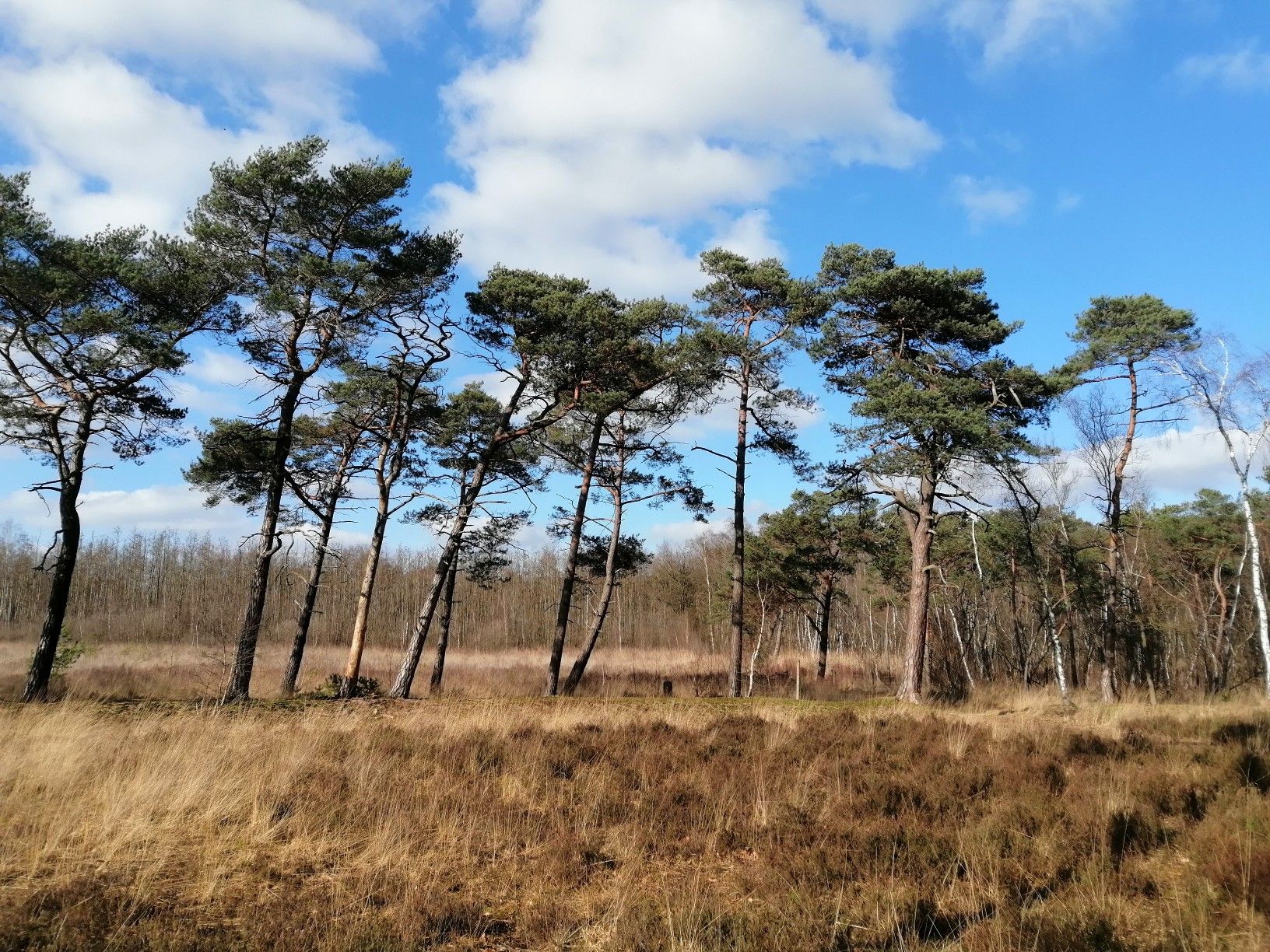
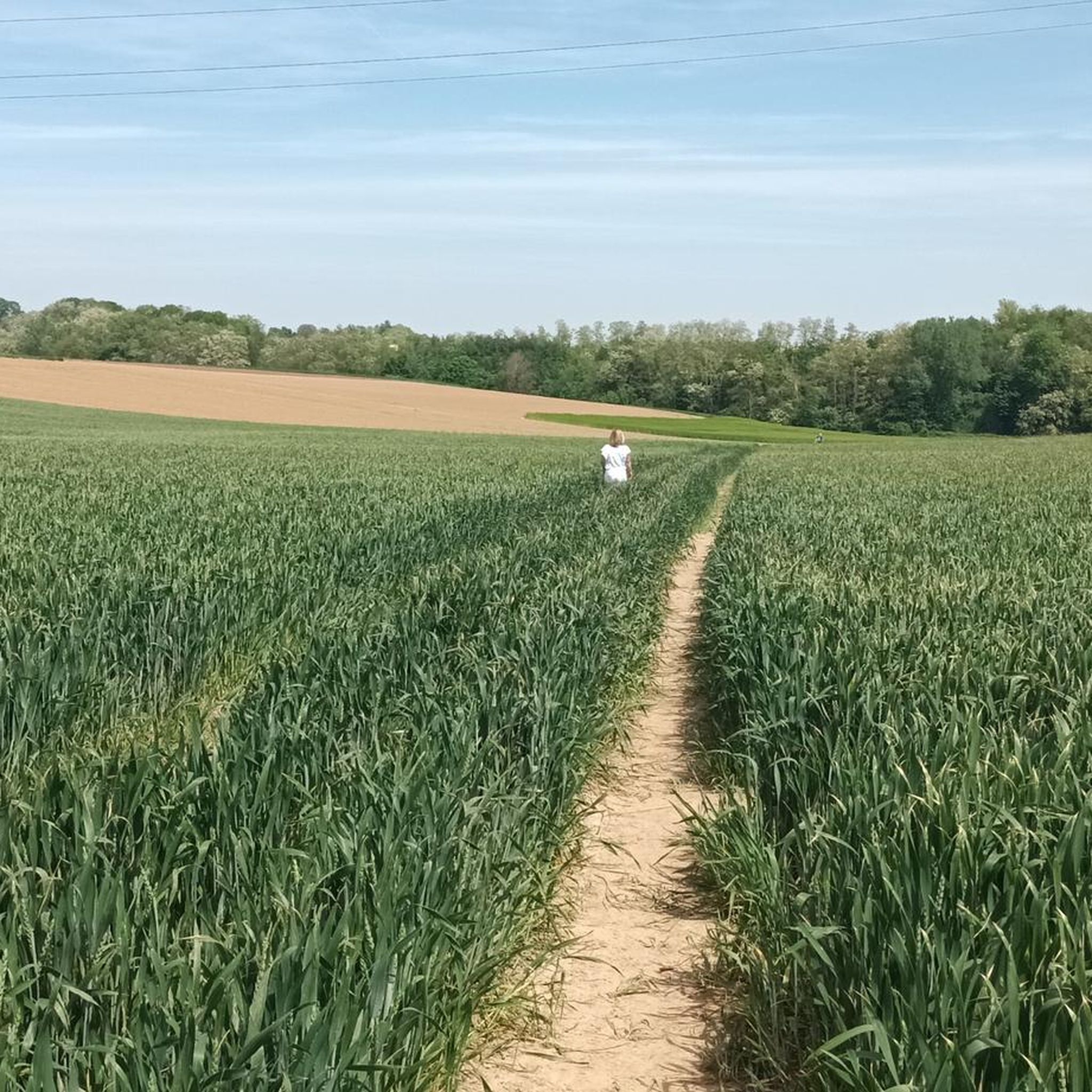
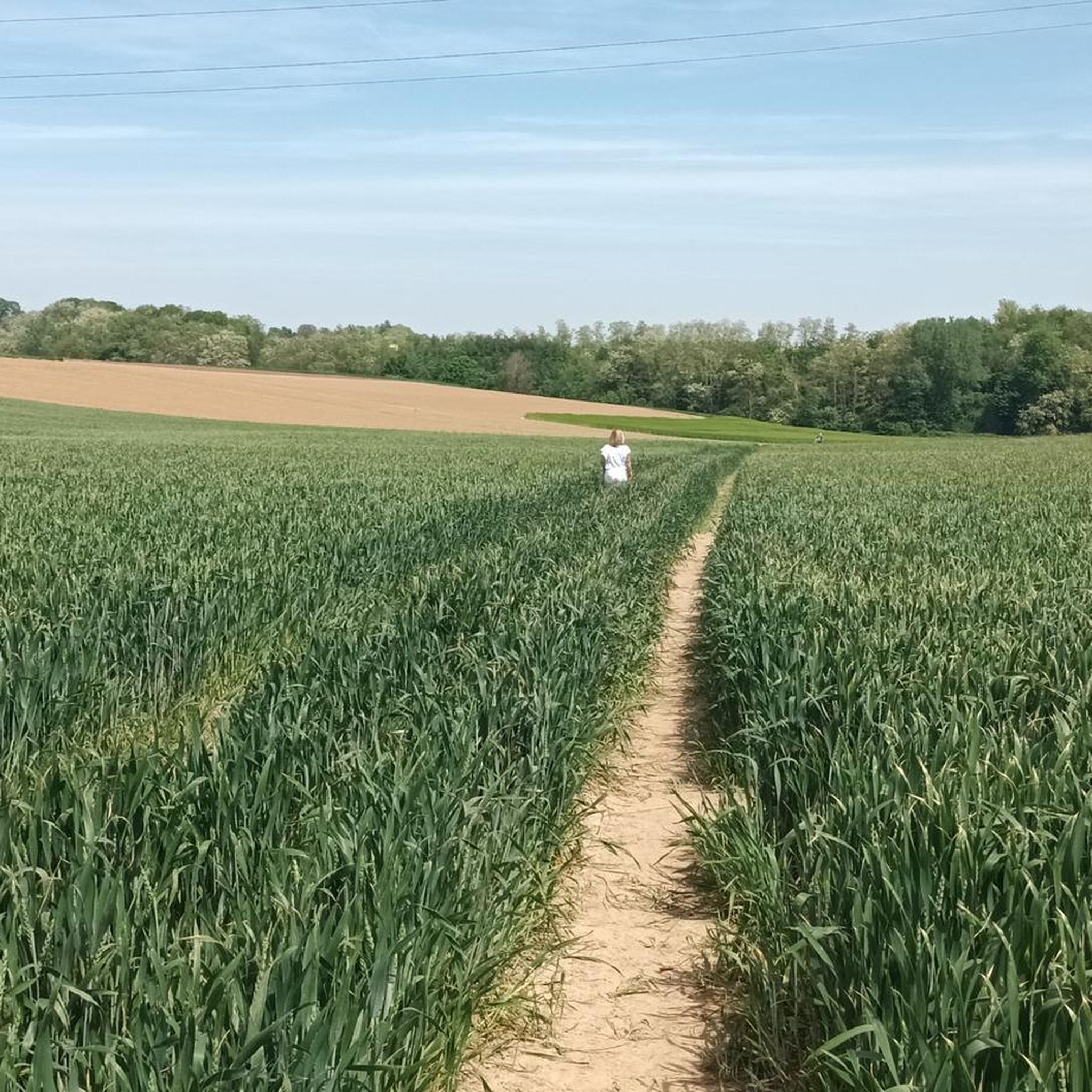
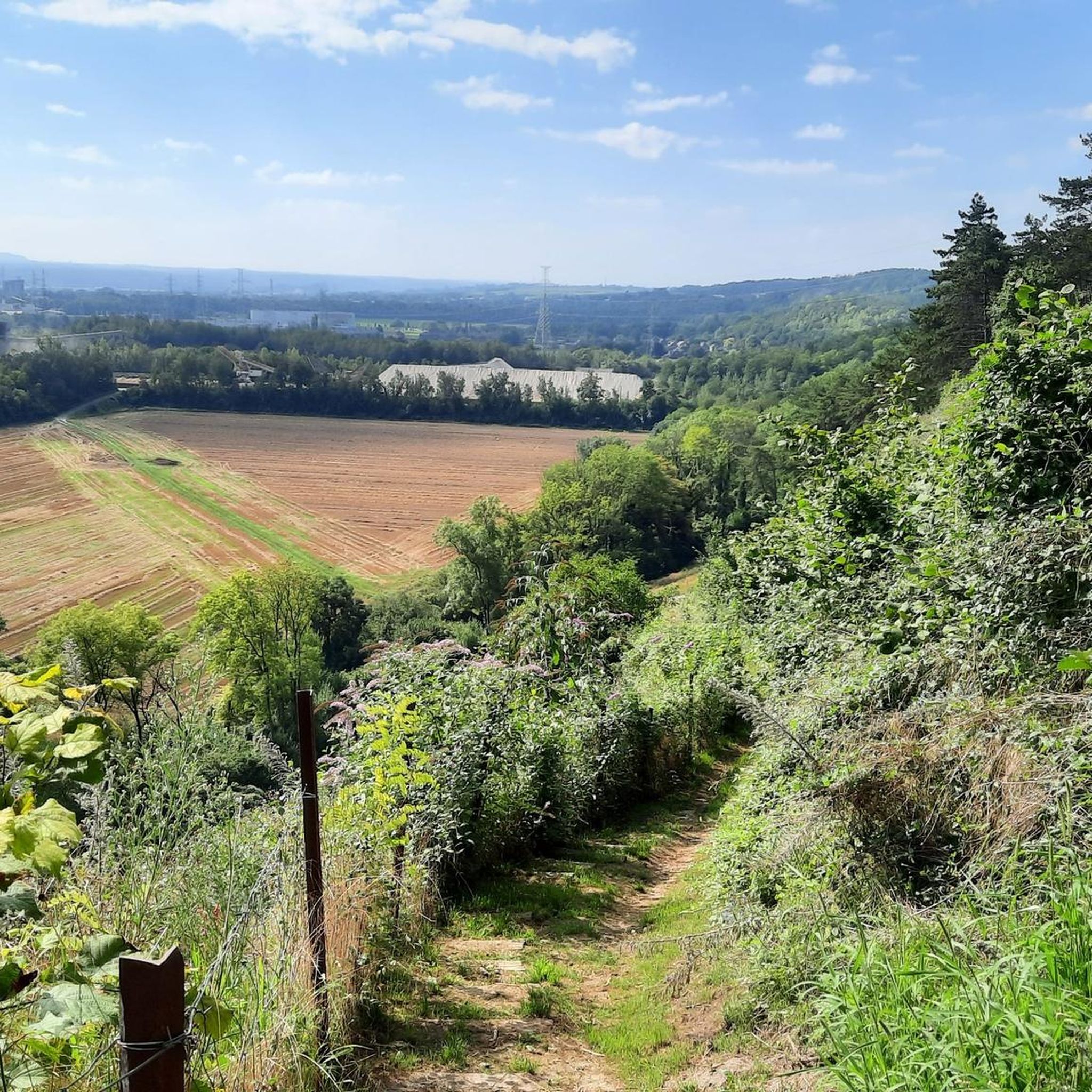
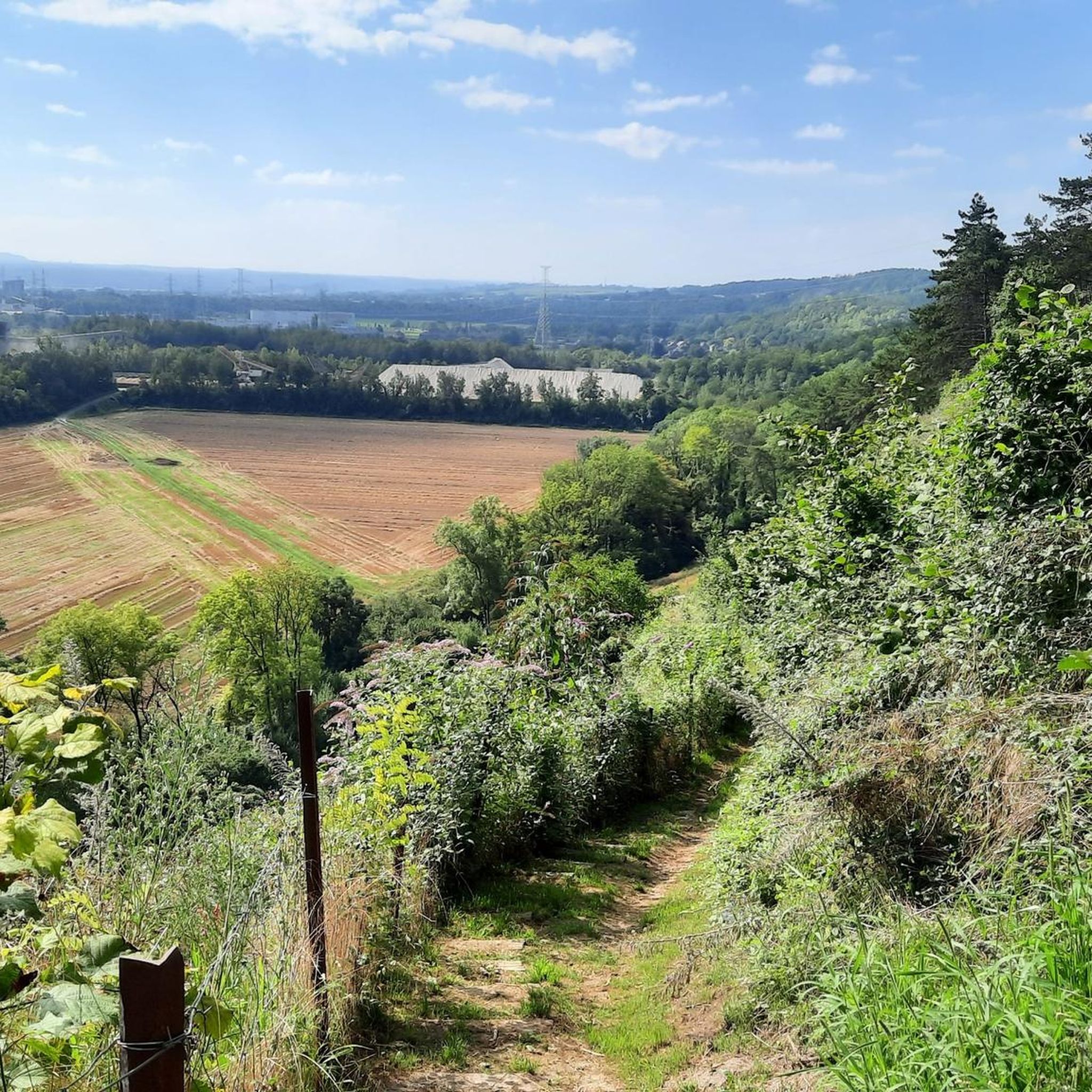
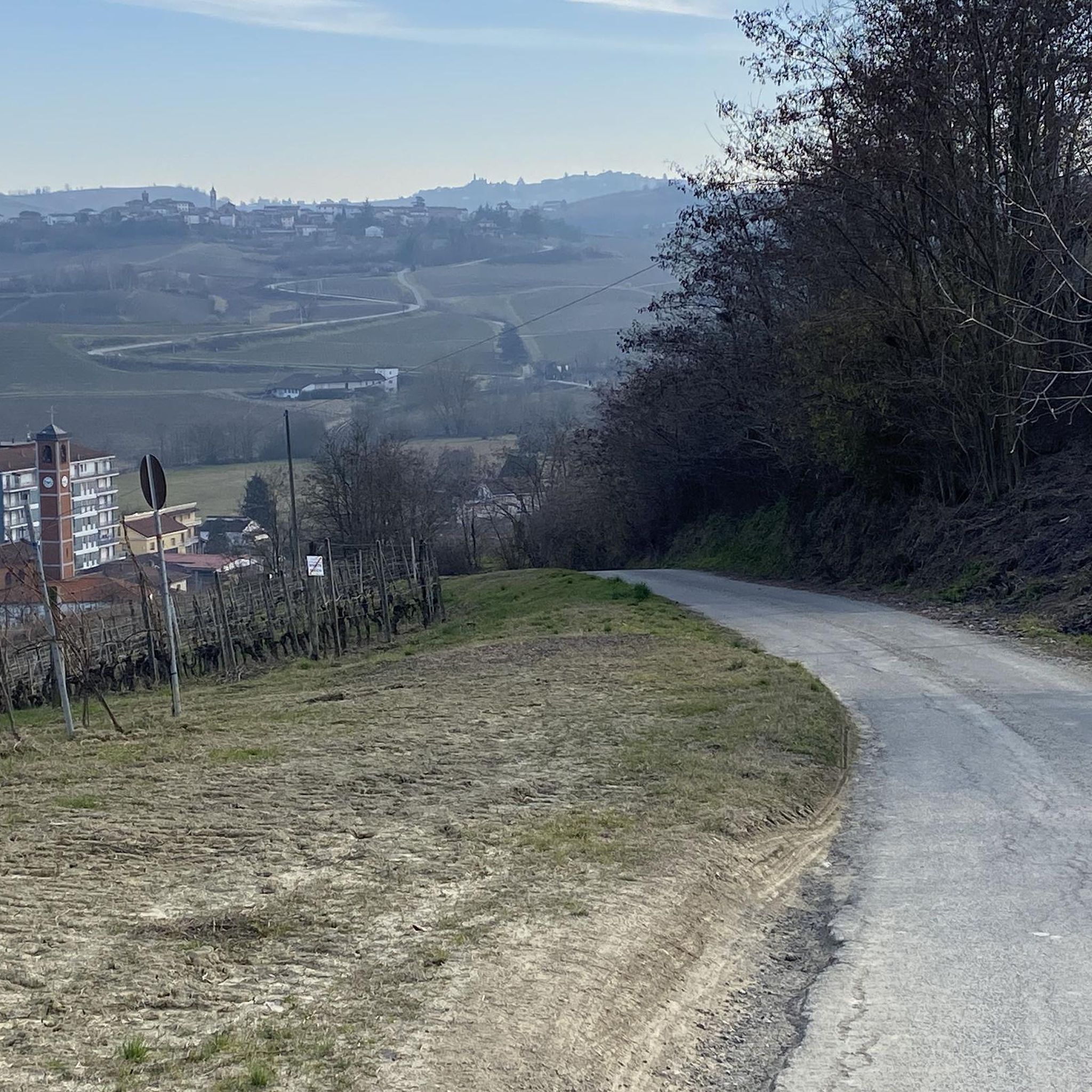
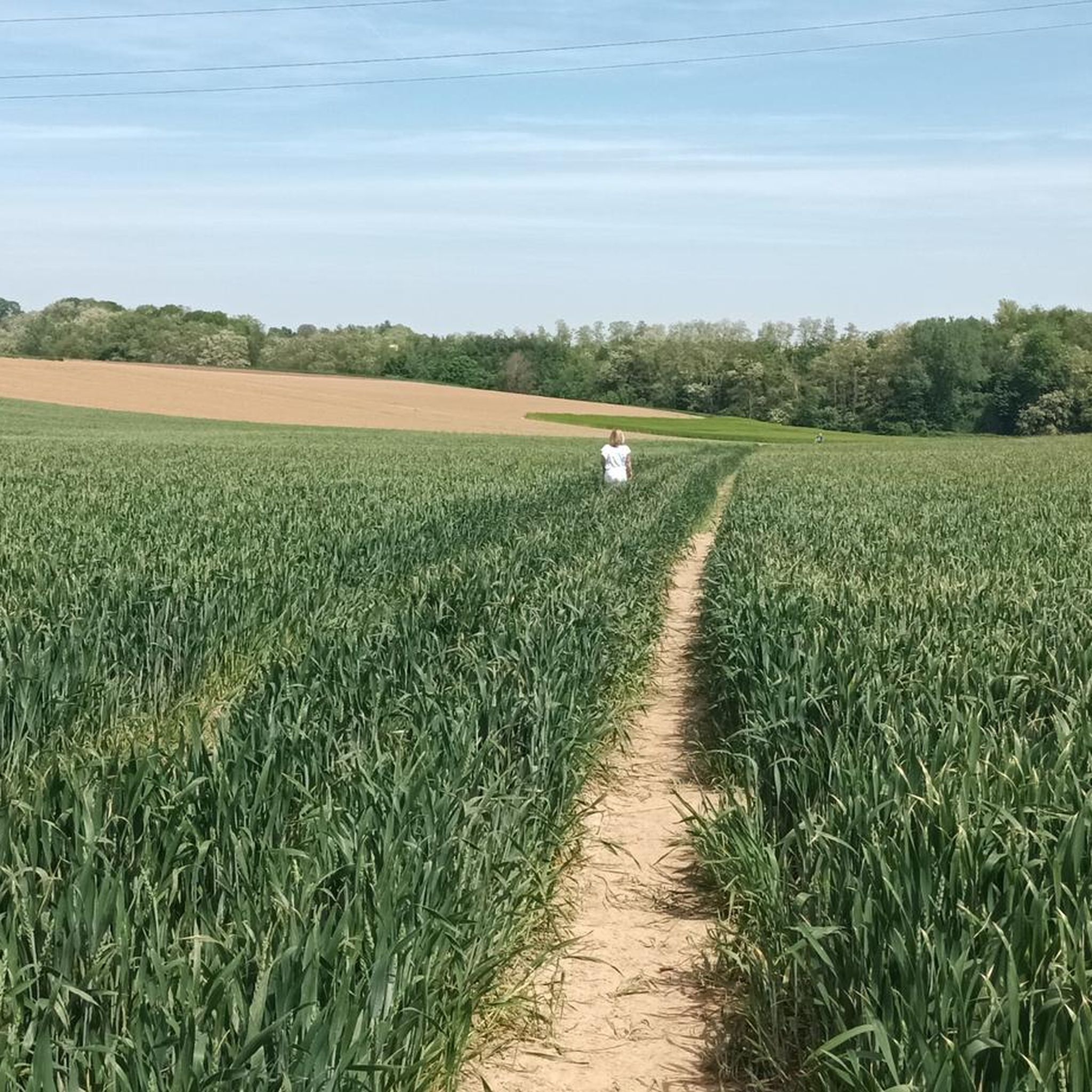
Other adventures around Bassenge

Tips from the Community

The Moulin du Broukay is a former flint mill on the Geer River near Eben-Emael, built in the 1950s as an industrial flint-grinding mill. It primarily served the Meuse Valley foundations but later fell into disrepair. Today, it is a renovated cultural and recreational center with a café-restaurant, meeting and function rooms, and a starting point for hiking trails in the Montagne Saint-Pierre. The area is part of the "Archéo et Géo Espaces - Moulin du Broukay," which showcases the geology, archaeology, and industrial history of the Jeker/Geer Valley.
4
0

Boundary marker 1845 doesn't exist. Each marker is marked 1843, the year, and a number from 1 to 369.
1
0
Very challenging and very steep. Be careful here. There is a rope, best to use it.
1
0
There are old flint quarries in this area: the “Carrières de silex du Thier des Vignes”.
1
0
It's a small but valuable reserve consisting of calcareous grasslands, scrub, and former quarry and slope areas. Thanks to the calcareous soil, rare plants such as orchids and thyme thrive here, and butterflies and insects abound. It's a quiet, sunny spot where nature has slowly reclaimed the old quarry slopes.
1
0

Very nice location. Something major seems to have happened here over the weekend (late August 25th), and the following Monday there was a big cleanup.
14
0

Block 01 is one of the observation and gun emplacements of the iconic Fort Eben-Emael. From this vantage point, you have an impressive view of the Albert Canal and the surrounding area. It's not only a strategic historical point but also a stunning panoramic viewpoint for hikers and photographers. Ideal for a short break during your tour of the area. Tip: Visit on a clear day – you can see for miles!
2
0
A mysterious flint cave on the edge of the Albert Canal, near the locks at Klein Ternaaien. You reach the entrance via a steep path through the woods. The caves are dark, cool, and full of atmosphere—perfect for those who love hidden natural spaces. Bring a flashlight and good walking shoes!
2
0
Frequently Asked Questions
What is the general difficulty level of mountaineering routes in Bassenge?
Bassenge offers a range of mountaineering routes suitable for various skill levels. You'll find options from easy paths, such as the Fort Sint Pieter – ENCI Quarry Viewpoint loop from Maastricht, to more challenging routes like the difficult Climbing Trail – Boundary Marker 1845 loop from Sint Pieter. The region's calcareous massifs and limestone features provide diverse terrain, including sections with scrambling or rock climbing elements.
Are there any circular mountaineering routes in Bassenge?
Yes, many of the mountaineering routes in Bassenge are designed as loops, allowing you to start and end at the same point. For instance, you can explore the Moulin du Broukay – Broukay Mill loop from Bassenge, which is an easy 6.6 km route, or the moderate Fort Eben-Emael – View of the Lanaye Locks loop from Eben-Emael.
What is the best time of year to go mountaineering in Bassenge?
The Bassenge region is generally suitable for mountaineering for much of the year. While specific winter conditions are not detailed, the diverse landscapes with ancient woodlands and rock features make it enjoyable across seasons. Spring and autumn offer pleasant temperatures and vibrant scenery, while summer provides longer daylight hours. Always check local weather conditions before heading out.
Are there any family-friendly mountaineering options in Bassenge?
For families looking for less strenuous options, Bassenge has easier routes that still offer scenic views and interesting features. The Moulin du Broukay – Broukay Mill loop from Bassenge is an easy 6.6 km route, and the Fort Sint Pieter – ENCI Quarry Viewpoint loop from Maastricht, at 7.1 km, is also rated as easy, making them good choices for families.
What kind of natural attractions or landmarks can I expect to see along the routes?
The mountaineering routes in Bassenge offer a variety of natural and historical sights. You might encounter features like the calcareous grasslands of Wonck, part of the Montagne Saint-Pierre massif, or the unique Marlstone caves in the Heyoule Nature Reserve. Historic sites such as medieval castles and ancient ruins are also common along the trails. Specific highlights include the Altenbroek Estate, the scenic Julienne Valley, and the Gravière Brock Nature Reserve.
Is it necessary to obtain permits for mountaineering or climbing in the Bassenge area?
Based on available information, there is no general requirement for permits to hike or engage in mountaineering activities on the established trails in the Bassenge region. However, if you plan to engage in technical climbing on specific rock walls or access private land, it's always advisable to check with local authorities or climbing clubs for any specific regulations or access requirements.
Are there any cafes or pubs near the mountaineering routes in Bassenge?
The charming villages throughout the Bassenge region, including Bassenge itself, often have local cafes and pubs where you can relax and refuel after your mountaineering adventure. While specific establishments are not listed, you can typically find options for refreshments in the main villages along or near the routes.
What do other mountaineers enjoy most about the routes in Bassenge?
The routes in Bassenge are highly rated by the komoot community, with an average score of 4.0 stars. Mountaineers often praise the diverse terrain, which includes calcareous massifs, limestone rock features, and dense woodlands, providing varied elevation gains and panoramic views. The presence of historic sites and unique natural features like caves also adds to the appeal.
Are the mountaineering trails in Bassenge dog-friendly?
Many hiking and mountaineering trails in the Bassenge region are generally dog-friendly, allowing you to bring your canine companion. However, it's always recommended to keep your dog on a leash, especially in nature reserves, near livestock, or in areas with wildlife like deer and wild boar. Be mindful of local regulations and ensure your dog is well-behaved and doesn't disturb other users or the environment.
Where can I find parking for the mountaineering trailheads in Bassenge?
Parking is generally available near the starting points of many trails in the Bassenge region. Look for designated parking areas in or near the villages that serve as trailheads, such as Sint Pieter, Eben-Emael, Maastricht, or Bassenge itself. Specific parking information might be available on individual route descriptions on komoot.
Can I reach the mountaineering routes in Bassenge using public transport?
While Bassenge is accessible, public transport options might vary depending on your specific starting point. The region is near Liège, which is a major transport hub. You may be able to use local bus services to reach some of the villages that serve as trailheads. It's advisable to check local bus schedules and routes in advance to plan your journey effectively.
Are there any accommodations available for hikers and mountaineers in Bassenge?
Yes, the Bassenge region offers various accommodation options for visitors. You can find guesthouses, B&Bs, and potentially small hotels in the charming villages throughout the area. These provide convenient bases for exploring the mountaineering routes and enjoying the local hospitality.
Most popular routes around Bassenge
Most popular attractions around Bassenge

Get inspired with the komoot mobile app


Explore more
Browse the best Mountain Hikes & Routes in other regions.
