Top 3 Castles around Valle De Las Navas
Best castles around Valle De Las Navas are primarily located in the nearby historic city of Burgos, within the province of Burgos, Castile and León, Spain. This region is known for its significant historical architecture, including medieval fortresses and religious structures. The terrain around these landmarks offers opportunities for exploration and panoramic viewpoints.
Best castles around Valle De Las Navas
- The most popular castles is View of Burgos and the Cathedral from Mirador del Castillo, a viewpoint that offers…
Last updated: July 1, 2026
Castle Viewpoint
Highlight • Viewpoint
Translated by Google •
Tip by

Staircase to Castillo de Burgos
Highlight • Castle
The importance …
Translated by Google •
Tip by
Sign up now to discover places like this
Get recommendations on the best single tracks, peaks, & plenty of other exciting outdoor places.
Sign up for free
Hermitage of Our Lady of the Valley and Monastery of Rodilla Castle
Highlight (Segment) • Historical Site
Translated by Google •
Tip by

Castillo de Sotopalacios
Highlight • Castle
Translated by Google •
Tip by

Start today with a free account
Your next adventure awaits.
Login or Signup

Tips from the Community


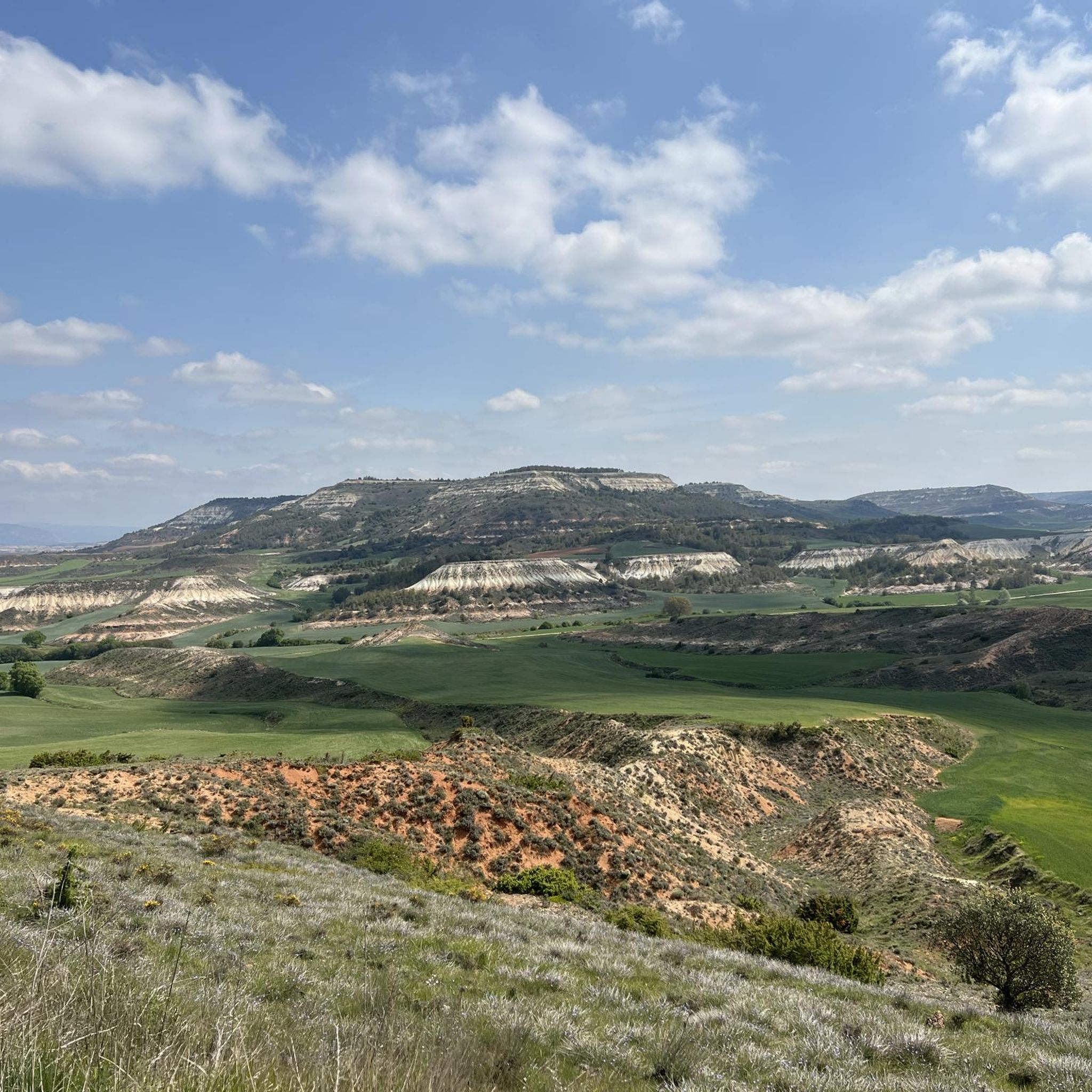
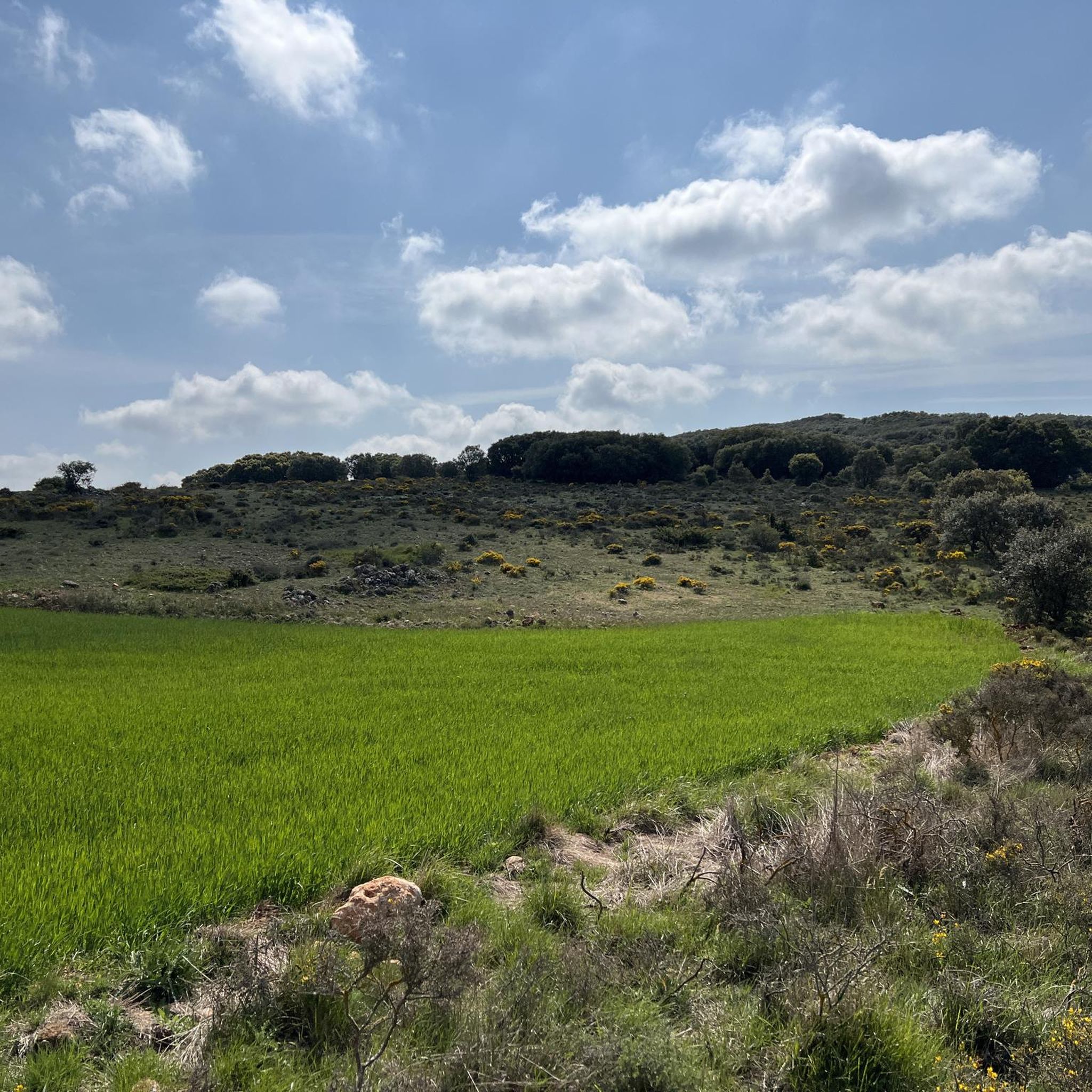
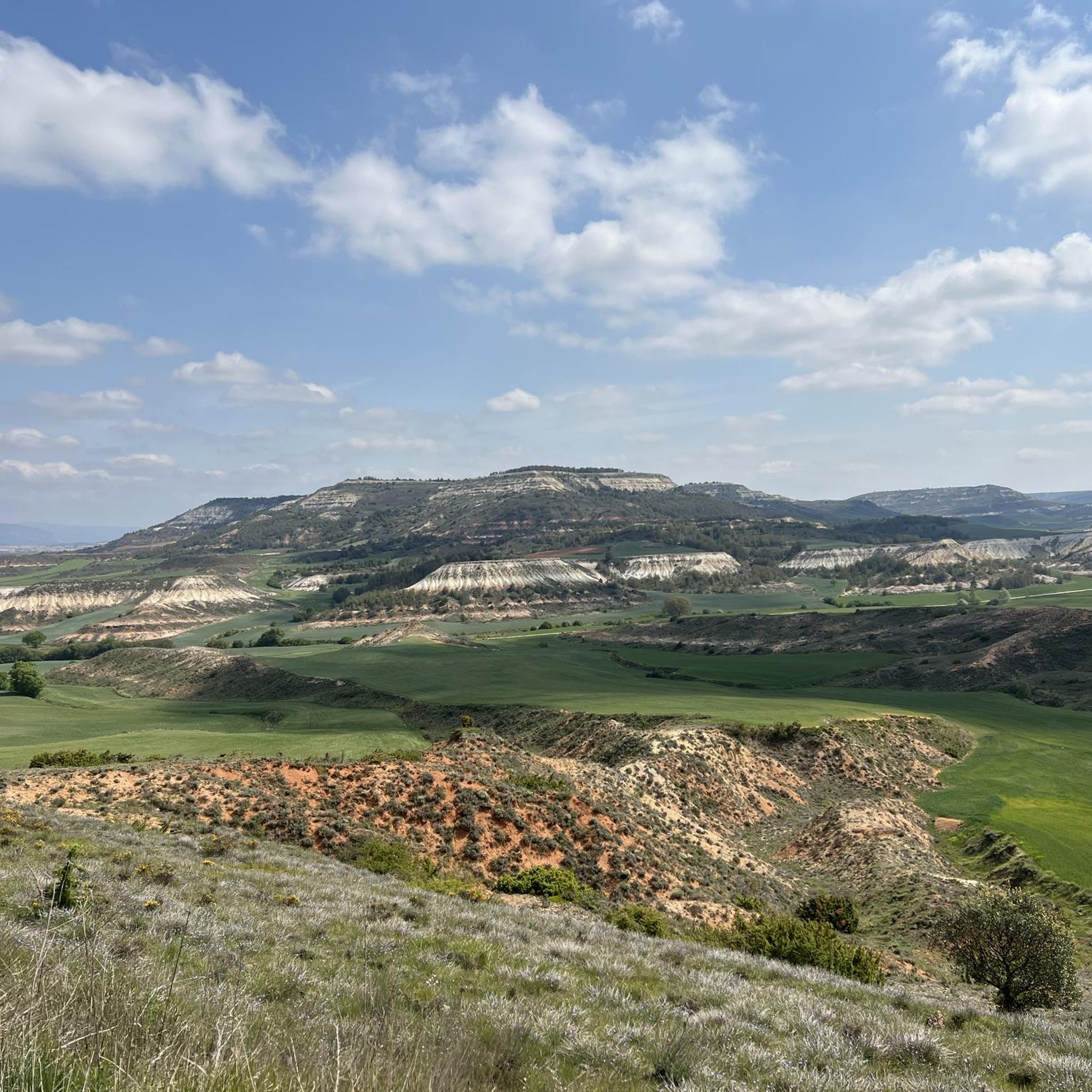
Sotopalacios Castle is surrounded by a fence but can be easily seen from the path that surrounds it.
0
0

The Mirador del Castillo in Burgos is a balcony located in the ruins of the Burgos Castle (9th century). From here, you get the best panoramic views of the city, with the Burgos Cathedral in the foreground. In addition, on the floor of the viewpoint, you will find a beautiful compass rose that indicates the distance and direction from Burgos to other cities around the world. It is a place worth visiting to enjoy the views and history of Burgos! 😊
9
0

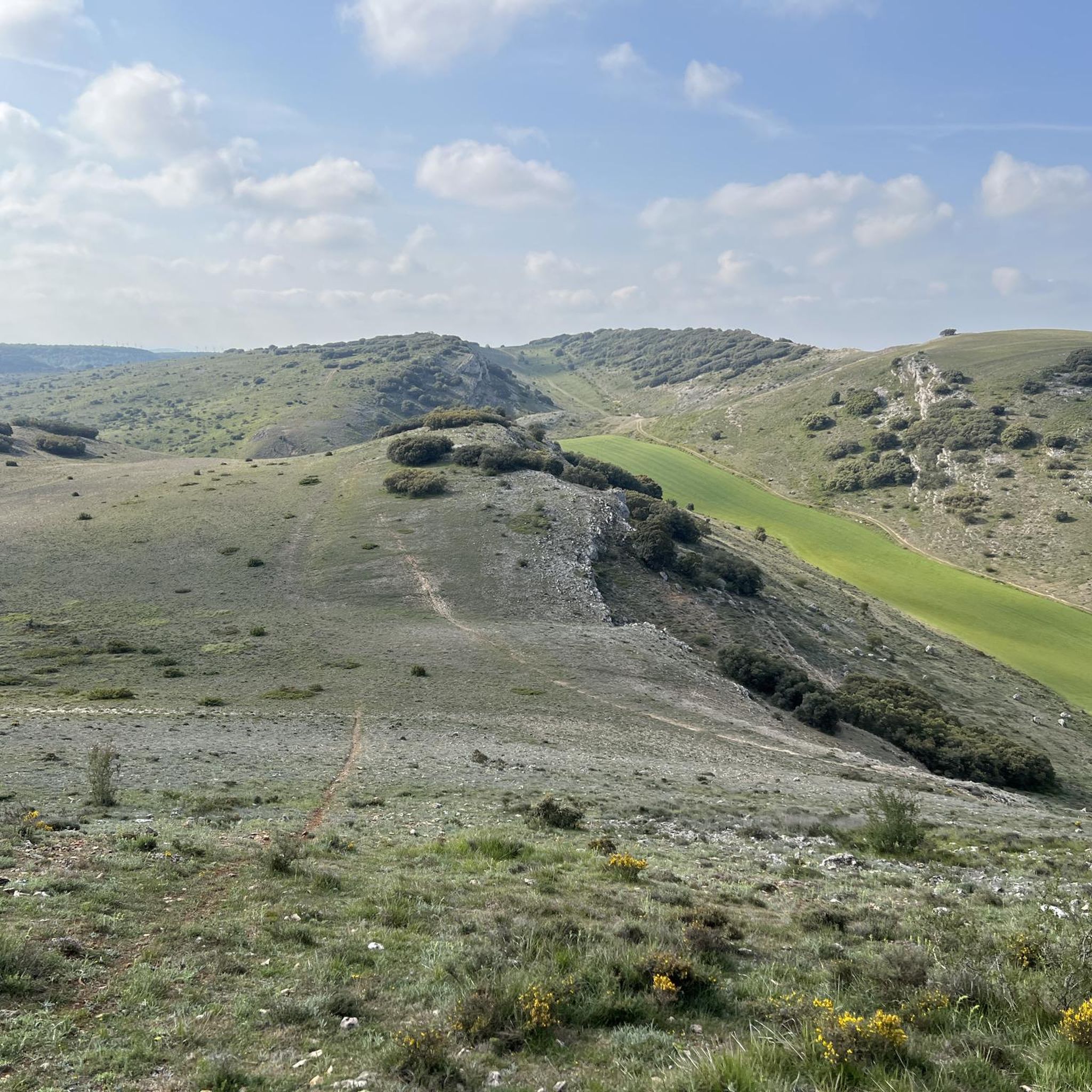
Short, steep climb through the town of Santa Marina leading to the heritage sites of the Ermita de Nuestra Señora del Valle and up on the top of the hill to the ruins of Castillo de Monasterio de Rodilla.
1
0

From this vantage point you can see the whole of the city of Burgos from a splendid square where at the foot there is also a huge drawn wind rose.
2
0
A good climb that was worth it for the views from the viewpoint.
16
0
Located on top of a hill. In the year 884 Count Diego Porcelos founded the city and this location served as a surveillance post for the Christian territories. The importance of the Castle grew along with that of the city until a lavish royal fortress was built inside it. The siege it suffered during the war of the Castilian succession was especially relevant, in which the supporters of the infanta Juana la Beltraneja resisted for several months the attacks of the troops defending the throne of Isabella the Catholic.
24
0

The way up to the Castillo o de La Blanca is a bit tedious, but the view over Burgos is simply wonderful.
4
0
Frequently Asked Questions
What historical castles can I visit around Valle De Las Navas?
The primary historical sites are centered around Burgos city and Monasterio de Rodilla. You can explore the ruins of the Castillo de Burgos, which served as a surveillance post and later a royal fortress. Another notable site is the Hermitage of Our Lady of the Valley and Monastery of Rodilla Castle, offering a glimpse into the region's heritage.
Are there family-friendly castles to visit near Valle De Las Navas?
Yes, the sites around the Castillo de Burgos are considered family-friendly. The Castle Viewpoint and the View of Burgos and the Cathedral from Mirador del Castillo offer engaging experiences with panoramic views and historical context that can be enjoyed by all ages.
What kind of views can I expect from these castles?
From the Castle Viewpoint and the Mirador del Castillo in Burgos, you get excellent panoramic views of the city, with the magnificent Burgos Cathedral often in the foreground. There's also a compass rose indicating distances to other cities. The Hermitage of Our Lady of the Valley and Monastery of Rodilla Castle also offers scenic viewpoints after a short climb.
What outdoor activities can I do near these castles?
The area around Valle De Las Navas offers various outdoor activities. You can find numerous hiking trails, including moderate routes like the 'Hidden Waterfall loop from Hontomín' or the 'IglesiaSanLorenzoElReal – Plaza Mayor of Burgos loop'. For cyclists, there are cycling routes such as 'Burgos: El Cid and Arlanzón River Loop'. Mountain biking enthusiasts can explore MTB trails like the 'Casilda Sanctuary and Rodilla Castle Loop'.
Is the Burgos Cathedral considered a castle or a historical site?
While primarily a religious building, the Burgos Cathedral is also recognized as a significant historical site and a man-made monument. Built between the 12th and 16th centuries, it is the only Cathedral in Spain on the World Heritage List, showcasing remarkable architecture and art. Its proximity to the castle ruins often links it in visitor experiences.
What is the best time of year to visit the castles around Valle De Las Navas?
The region experiences a refreshing climate, making it a popular destination, especially during warmer months. Visiting during spring or autumn can offer pleasant weather for exploring the outdoor castle ruins and viewpoints. Summer is also popular, particularly in areas like Las Navas del Marqués (though not directly in Valle de las Navas), which are known for their cooler temperatures due to pine forests.
How can I reach the Castillo de Burgos?
The Castillo de Burgos is located on top of a hill in Burgos city. There is a staircase leading up to the castle, which can be a bit steep but offers wonderful views. Public transport options are available to Burgos city, and from there, it's a walk up to the castle ruins and viewpoints.
Are there any other notable castles in the broader region of Spain with 'Navas' in their name?
While not directly in Valle de las Navas, the broader region of Spain features other significant castles. For instance, the Castle-Palace of Magalia in Las Navas del Marqués, Ávila Province, is a 16th-century Renaissance gem. Further south, Burgalimar Castle in Baños de la Encina, Jaén Province, is a 10th-century fortress with a rich history of Muslim and Christian conflicts. You can learn more about Burgalimar Castle on Wikipedia.
What historical significance does the Castillo de Burgos hold?
The Castillo de Burgos dates back to the 9th century when Count Diego Porcelos founded the city. It initially served as a surveillance post for Christian territories and later evolved into a lavish royal fortress. It played a crucial role in historical events, including a significant siege during the War of the Castilian Succession.
Can I find cafes or restaurants near the castles?
Yes, particularly in Burgos city, which is home to the main castle ruins and viewpoints. You will find a variety of cafes, restaurants, and accommodation options within easy reach of the Castillo de Burgos and the Burgos Cathedral, allowing you to enjoy local cuisine and amenities after your visit.
Most popular routes around Valle De Las Navas
Most popular attractions around Valle De Las Navas

Get inspired with the komoot mobile app


Explore more
Looking for the best castles somewhere else? Discover other guides around Valle De Las Navas:
