Top 8 Castles around Champagne-Au-Mont-D'Or
Best castles around Champagne-Au-Mont-D'Or include historical structures and fortified sites near Lyon, France. The area features a mix of traditional châteaux and significant forts that were part of Lyon's historical defensive network. These sites offer insights into the region's past, architectural features, and opportunities for exploration within natural settings. The landscape combines historical landmarks with green spaces and walking routes.
Best castles around Champagne-Au-Mont-D'Or
- The most popular castles is Fort du Paillet, a historical site that was built between…
Last updated: July 17, 2026
Fort du Paillet
Highlight • Historical Site
Translated by Google •
Tip by

Rochetaillée-sur-Saône Castle
Highlight • Castle
Translated by Google •
Tip by

Sign up now to discover places like this
Get recommendations on the best single tracks, peaks, & plenty of other exciting outdoor places.
Sign up for free
Fort de Bruissin
Highlight • Historical Site
Today, Contemporary Art Center.
Translated by Google •
Tip by
Fort de Vancia
Highlight • Monument
Translated by Google •
Tip by

Château le Poirier
Highlight • Castle
Translated by Google •
Tip by

Sign up for free to discover even more castles around Champagne-Au-Mont-D'Or.
Sign up for free
Already have an account?
Start today with a free account
Your next adventure awaits.
Login or Signup
Tips from the Community

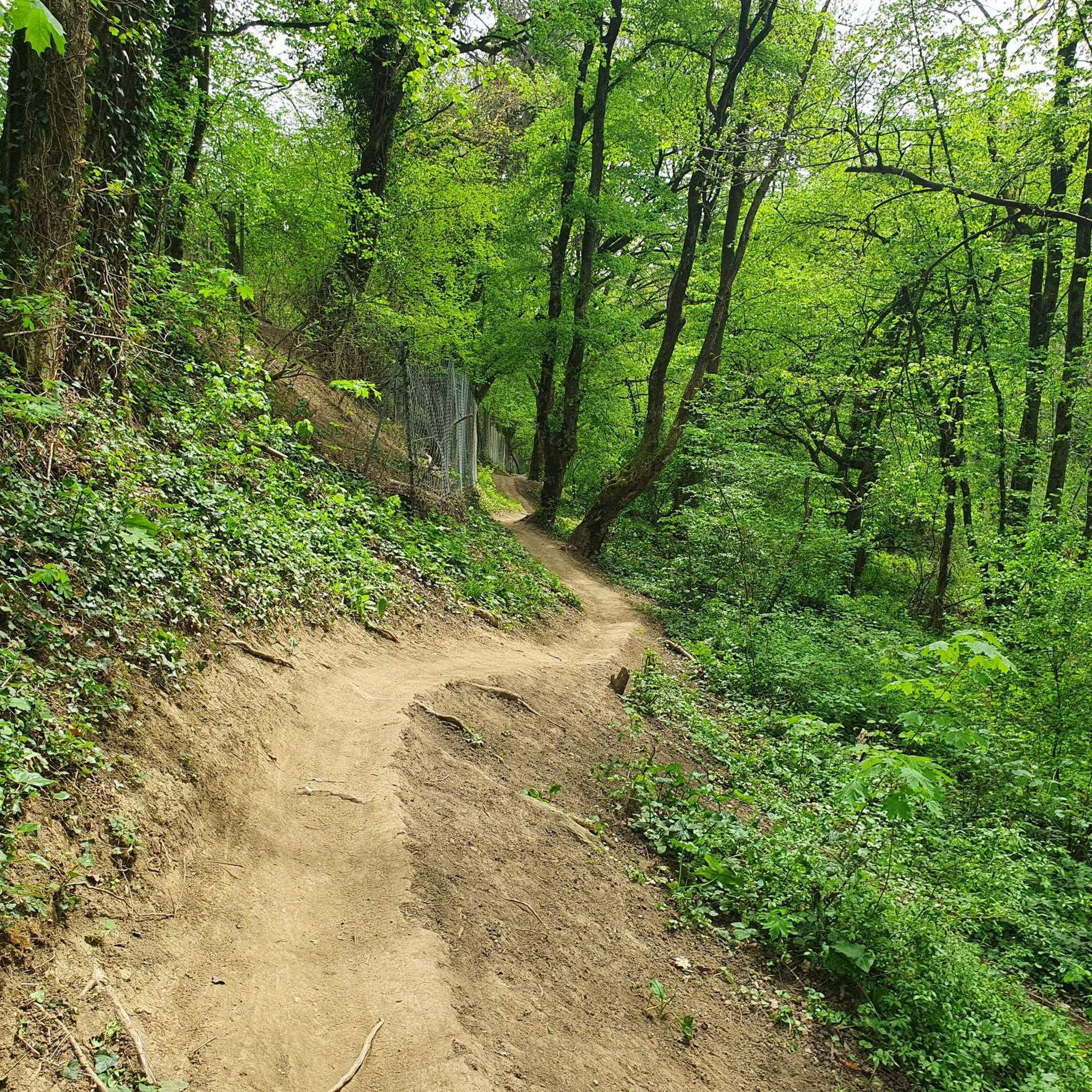
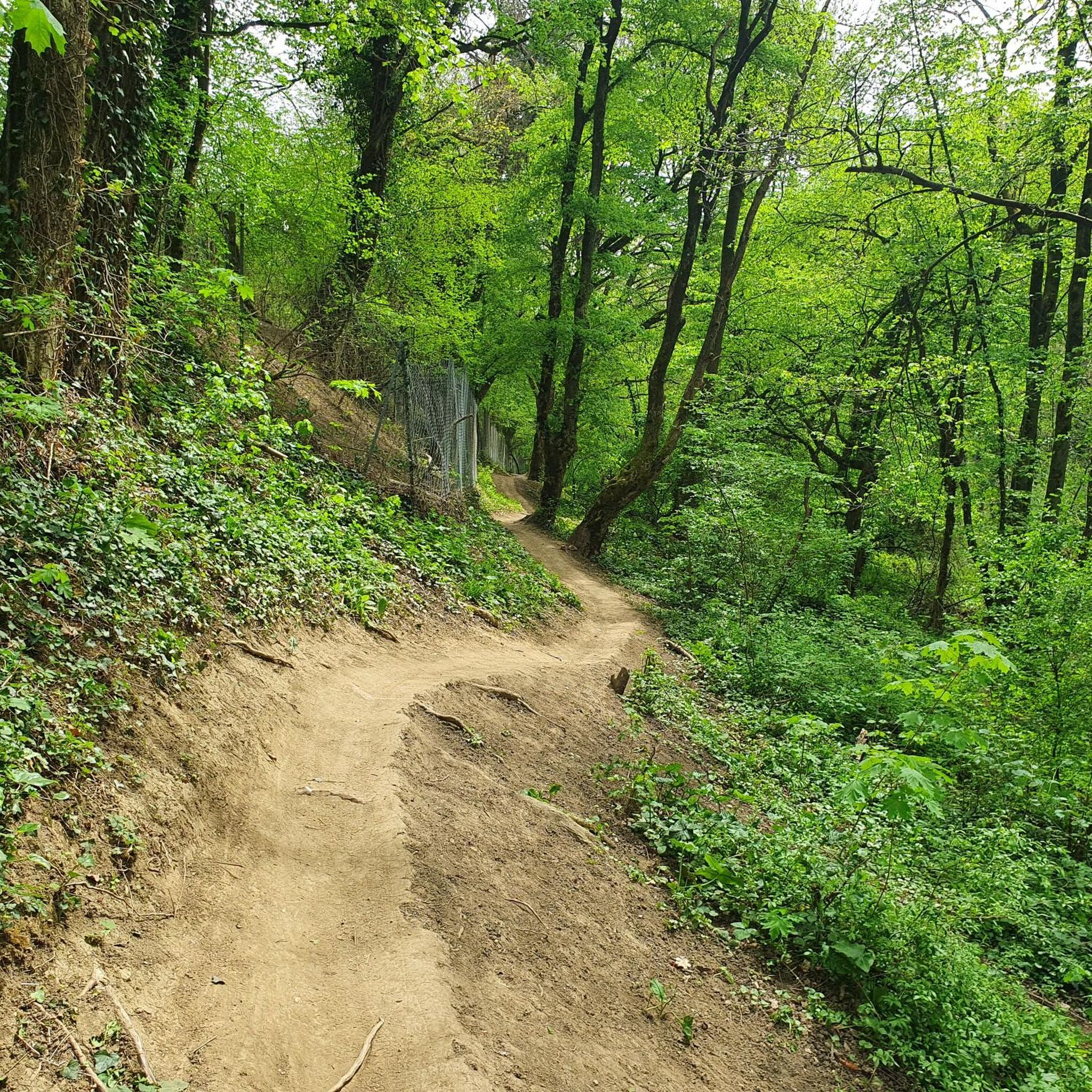
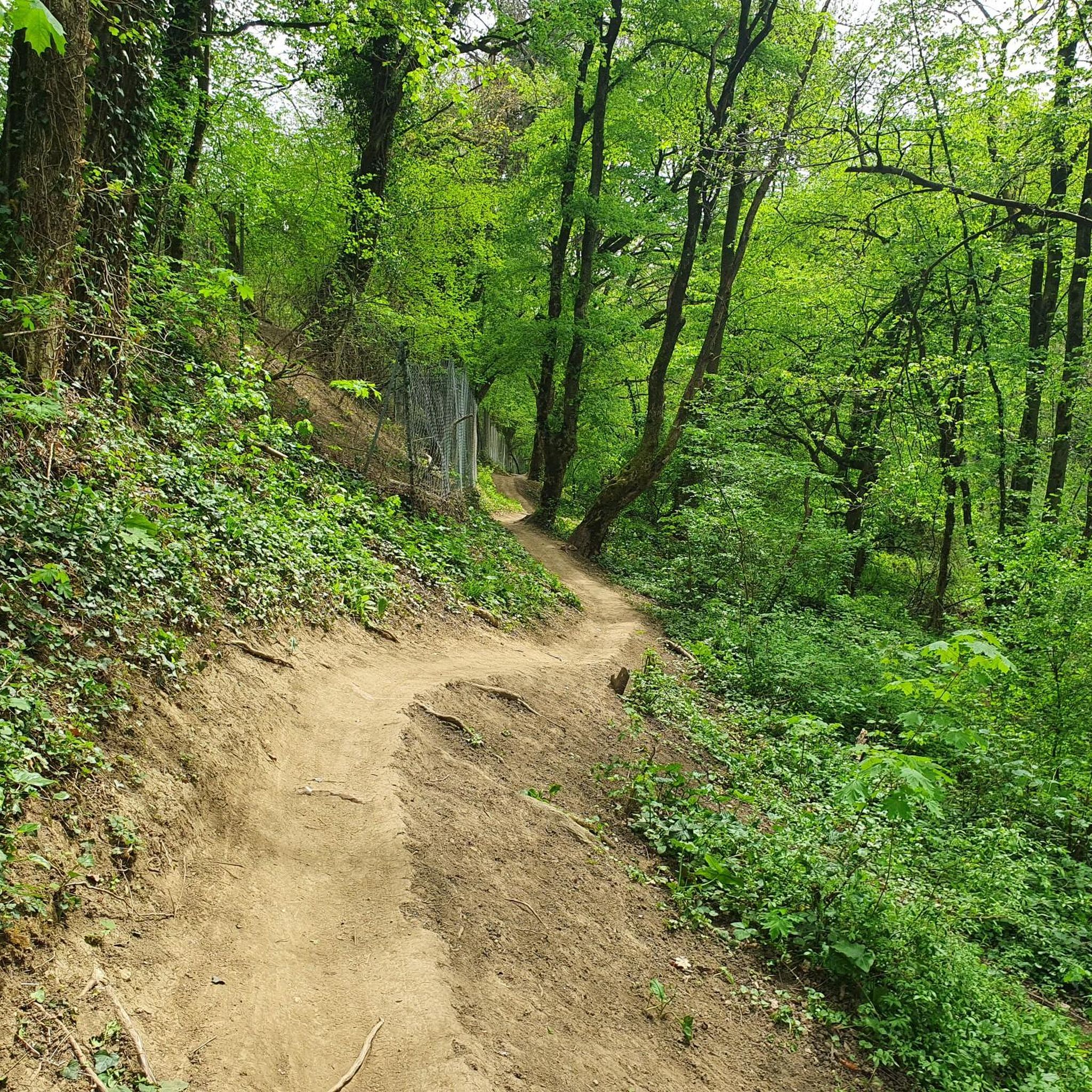
A large part (3/4) of the hike is on shaded paths and very pleasant pedestrian/bicycle paths. Only the last part (1 good km) is on a narrow road without a sidewalk, less pleasant.
0
0

Built between 1883 and 1886, Fort du Paillet was part of the fortified belt of Lyon. This well-preserved site housed up to 400 soldiers and controlled the strategic routes to Paris. Decommissioned in 1899, it was an internment center during the Second World War. Today, a trail allows you to discover its 35 hexagonal markers and its rich military past. A place combining history and nature, perfect for a break on your trail or hike.
0
0

The Fort du Paillet, located in the Monts du Lyonnais, is a historic site surrounded by nature offering a breathtaking view of the surrounding region. This fort, once strategic, is today a peaceful place where vegetation has regained its rights, creating a unique setting for a walk.
0
0

Chateau le Poirier is nestled in the picturesque countryside and offers you a blend of history and scenic beauty. This historic estate, surrounded by its gardens, gives you a glimpse of the grandeur of its past through its well-preserved architecture and majestic presence.
1
0

Built at the highest point of Francheville, this fort made it possible to control the south-west entrances to Lyon. It served as an ammunition depot for the Germans during the Second World War. Today this place has become a living space for artistic creation and host of arts and music festivals.
0
0
Built between 1874 and 1878, Fort de Vancia is part of the second defensive belt of the city of Lyon. Designed by General Séré de Rivières, the 14 forts, including that of Vancia, served to protect the city from Prussian and Italian invasions. The secondary objective was to control the Lyon insurrections such as the revolt of the Canuts.
0
0
Built between 1883 and 1886 as part of the protection of Lyon, this fort could shelter up to 300 men. Today the walk around the fort is most pleasant when the weather is nice.
0
0

The castle of Rochetaillée is a former fortified castle, from the 12th century1, remodeled in the 19th century1, which stands in the town of Rochetaillée-sur-Saône in the Metropolis of Lyon in the Auvergne-Rhône-Alpes region. The castle houses the Henri-Malartre automobile museum.
2
0
Frequently Asked Questions
What types of historical sites can I explore around Champagne-au-Mont-d'Or?
The region offers a diverse range of historical sites, including traditional châteaux and significant 19th-century military forts that were part of Lyon's defensive network. You can visit sites like the charming Château de Mont d'Or, the expansive Lacroix-Laval Park with its superb château, and several forts such as Fort du Paillet, Fort de Bruissin, and Fort de Vancia.
Are there any castles with extensive parks or natural areas for walking?
Yes, Lacroix-Laval Park is an excellent choice. It features a superb château within its 115 hectares, offering extensive greenery, meadows, forests, French-style gardens, and an English-style park. You'll find kilometers of footpaths and a 2 km fitness trail, making it ideal for leisurely strolls and nature-based activities.
Which historical forts can I visit near Champagne-au-Mont-d'Or?
Several significant forts are open to visitors. Fort du Paillet, built between 1883 and 1886, is now a peaceful site surrounded by nature with scenic views. Fort de Bruissin, constructed between 1878 and 1881, now serves as a center for artistic creation and hosts cultural events. Fort de Vancia, built between 1872 and 1878, is a large pentagonal fort that now functions as a leisure base offering various activities.
What kind of activities are available at Fort de Bruissin?
Fort de Bruissin has been rehabilitated as a community for contemporary artists. It hosts artistic creations and is known for the annual Fort en Jazz festival, making it a vibrant cultural spot. You can explore its unique entry court and vaulted barracks.
Can I find family-friendly attractions among the castles and forts?
Absolutely. Lacroix-Laval Park, with its château, offers vast green spaces, footpaths, and nature activities suitable for families. Both Fort du Paillet and Fort de Bruissin are also categorized as family-friendly, providing historical exploration in pleasant settings.
What outdoor activities can I do near these castles?
The area around Champagne-au-Mont-d'Or offers various outdoor activities. You can find numerous running trails, including moderate to difficult routes like the 'View – Mont Thou loop' or 'Chemin des cabornes'. There are also cycling routes, such as the 'Descent of Mont Verdun' loop, and gravel biking options. For more details on these activities, you can explore the Running Trails around Champagne-Au-Mont-D'Or, Cycling around Champagne-Au-Mont-D'Or, and Gravel biking around Champagne-Au-Mont-D'Or guides.
Is there a castle that also houses a museum?
Yes, the Rochetaillée-sur-Saône Castle, a 12th-century fortified castle, now houses the Henri-Malartre automobile museum. This offers a unique combination of historical architecture and a collection of vintage vehicles.
What is the best time of year to visit the castles and forts in this region?
The region is enjoyable throughout the year, but spring and autumn generally offer the most pleasant weather for exploring the outdoor areas and gardens. Summer can be warm, but the parks and natural settings around many sites provide shade. Winter visits are possible, though some outdoor activities might be limited by colder temperatures.
Are there any unique features or conservancy efforts at these sites?
Lacroix-Laval Park is notable for its conservancy garden and rose garden, which actively work to preserve old Lyonnaise varieties of vegetables, fruits, and roses. This offers a unique horticultural aspect alongside its historical château.
What do visitors enjoy most about the castles and forts around Champagne-au-Mont-d'Or?
Visitors appreciate the blend of historical significance and natural beauty. Many enjoy the peaceful settings, scenic views, and the opportunity to explore sites where vegetation has reclaimed its rights, creating unique environments. The cultural events at places like Fort de Bruissin and the recreational activities at Fort de Vancia also add to the appeal.
How can I access information about the forts of Lyon and the surrounding areas?
For more detailed information about the forts that protected Lyon and its surroundings, including their history and current status, you can visit Visiter Lyon's guide to the forts.
Are there any castles or forts that offer guided tours?
The Château de Mont d'Or, mentioned in the regional research, offers guided tours, allowing visitors to delve into its history and learn about its former inhabitants. It's a great way to gain deeper insights into the local heritage.
Most popular routes around Champagne-Au-Mont-D'Or
Most popular attractions around Champagne-Au-Mont-D'Or

Get inspired with the komoot mobile app


Explore more
Looking for the best castles somewhere else? Discover other guides around Champagne-Au-Mont-D'Or:
