Top 20 Natural Monuments around Barneveld
Best natural monuments around Barneveld are found within a municipality in the province of Gelderland, known for its diverse landscapes. The area features vast heathlands, forests, and unique shifting sands, serving as a gateway to the expansive Veluwe region. Visitors can explore a blend of natural reserves and historical estates, offering opportunities for outdoor activities and wildlife observation. The Gelderland Valley, where Barneveld is situated, is also recognized for its scenic beauty and historical buildings.
Best natural monuments around Barneveld
…Last updated: August 20, 2026
Staverden Castle
Highlight • Castle
Translated by Google •
Tip by

Solse Gat
Highlight • Forest
Translated by Google •
Tip by

Sign up now to discover places like this
Get recommendations on the best single tracks, peaks, & plenty of other exciting outdoor places.
Sign up for free
Heathland near Vierhouten
Highlight • Natural
Translated by Google •
Tip by

Kootwijkerzand
Highlight • Natural Monument
Translated by Google •
Tip by

Geographic centre of the Netherlands
Highlight • Monument
Translated by Google •
Tip by

Sign up for free to discover even more natural monuments around Barneveld.
Sign up for free
Already have an account?
Start today with a free account
Your next adventure awaits.
Login or Signup
Popular around Barneveld
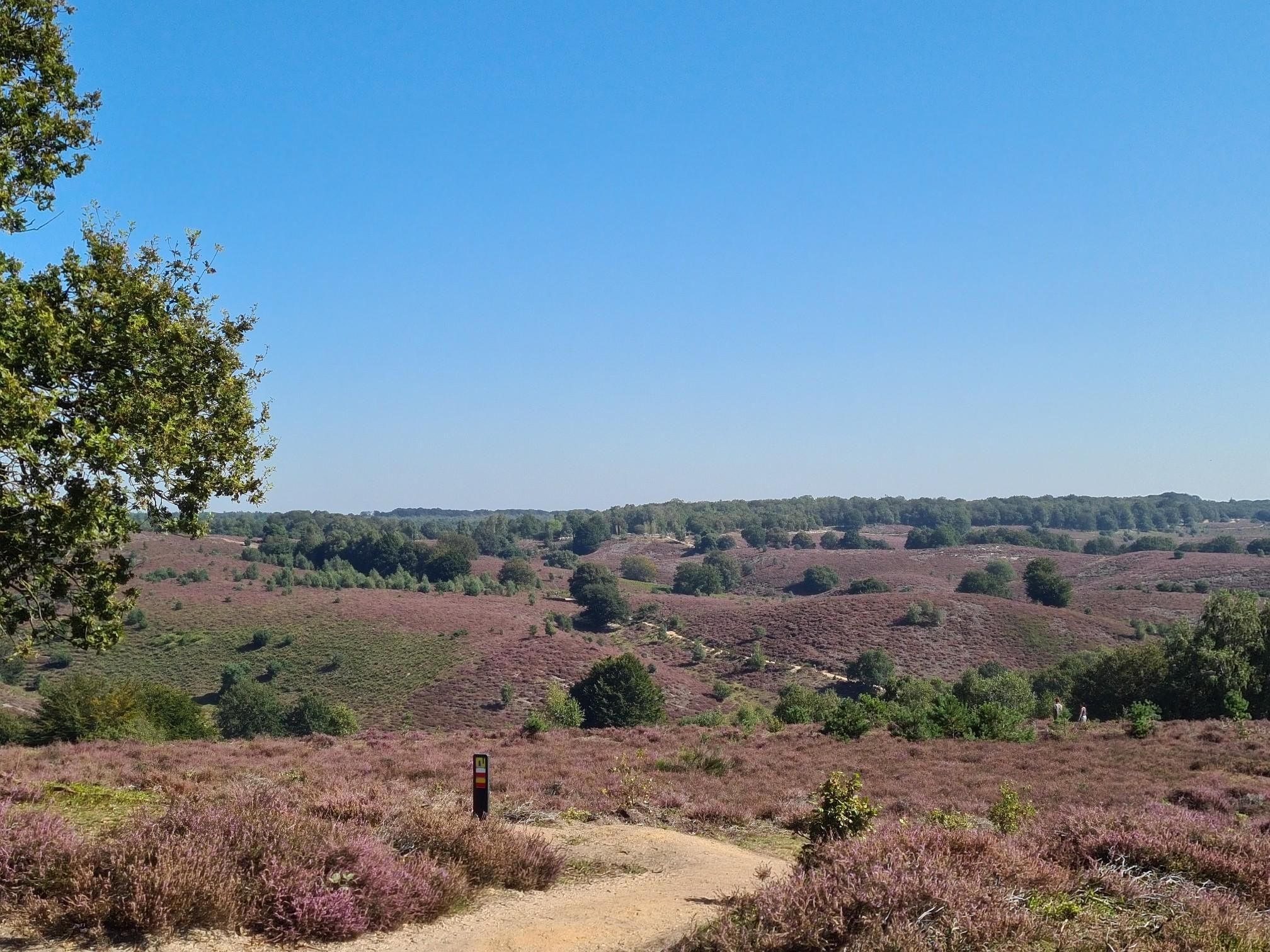
Veluwe Zwerfpad – 21 days of roaming through protected nature
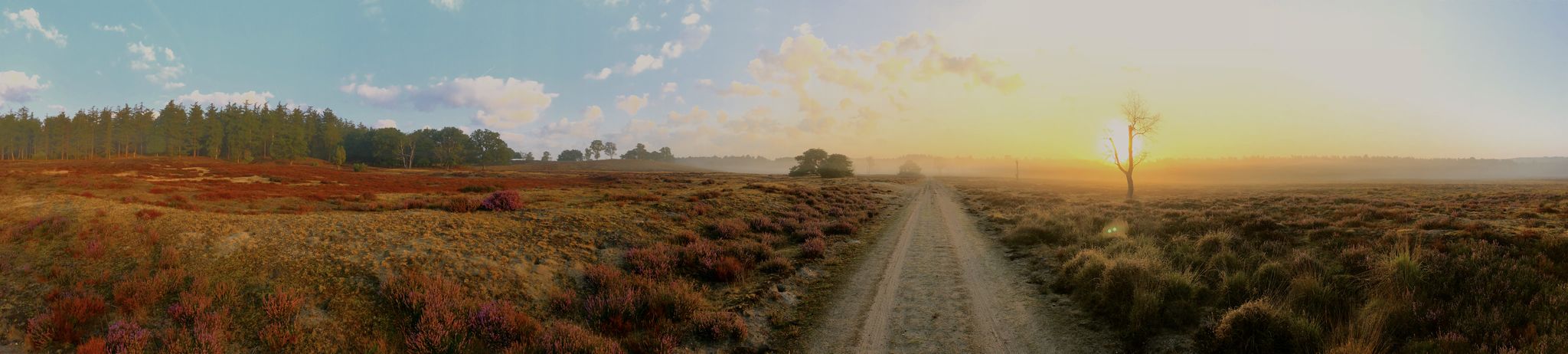
Gravel, heather & hills – bikepacking the Utrecht Ridge and the Veluwe
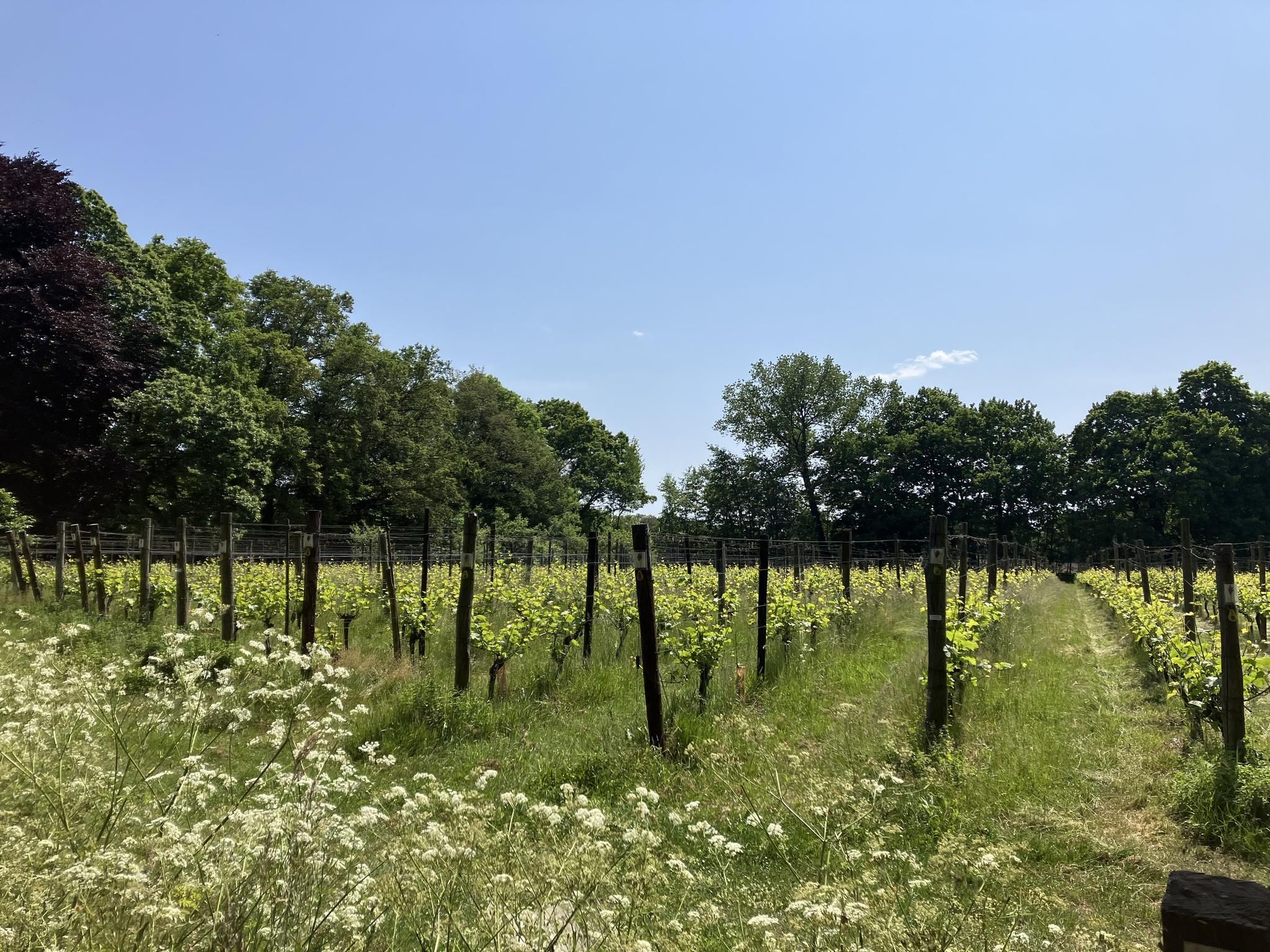
Hiking through the vineyards – 20x tasting in Gelderland
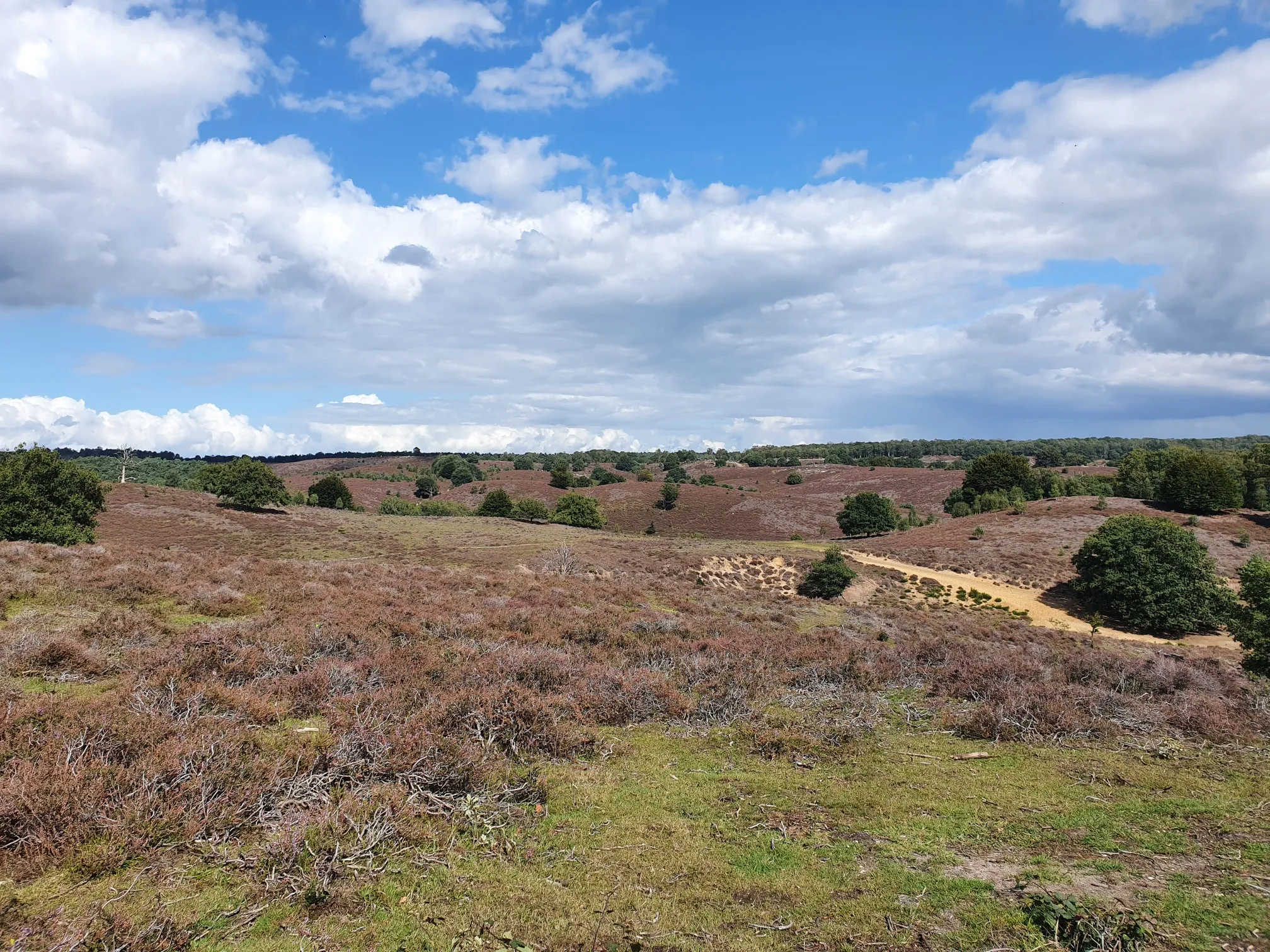
In the middle of nature - 20 accessible routes in Gelderland
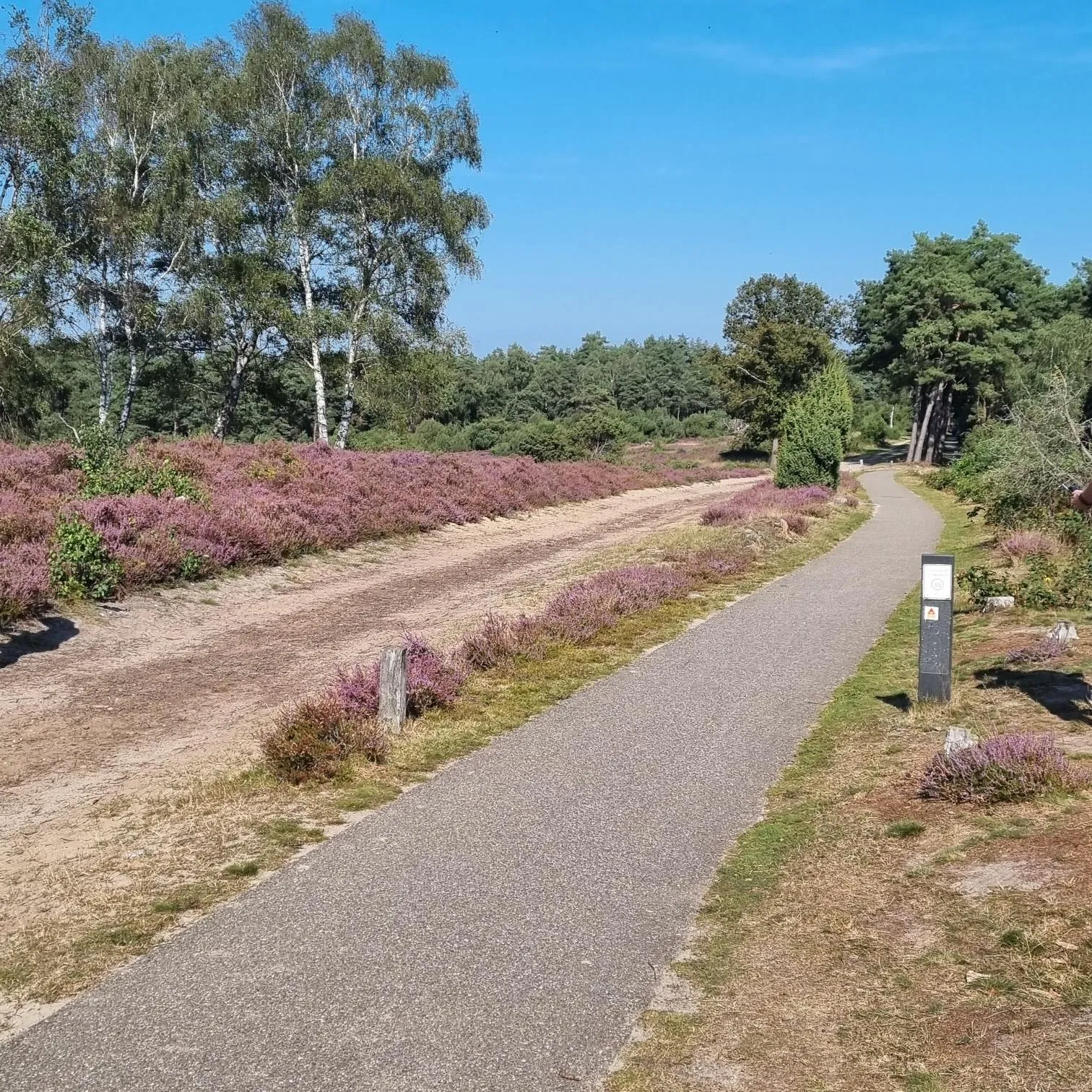
The heath in bloom — 10 purple bike rides
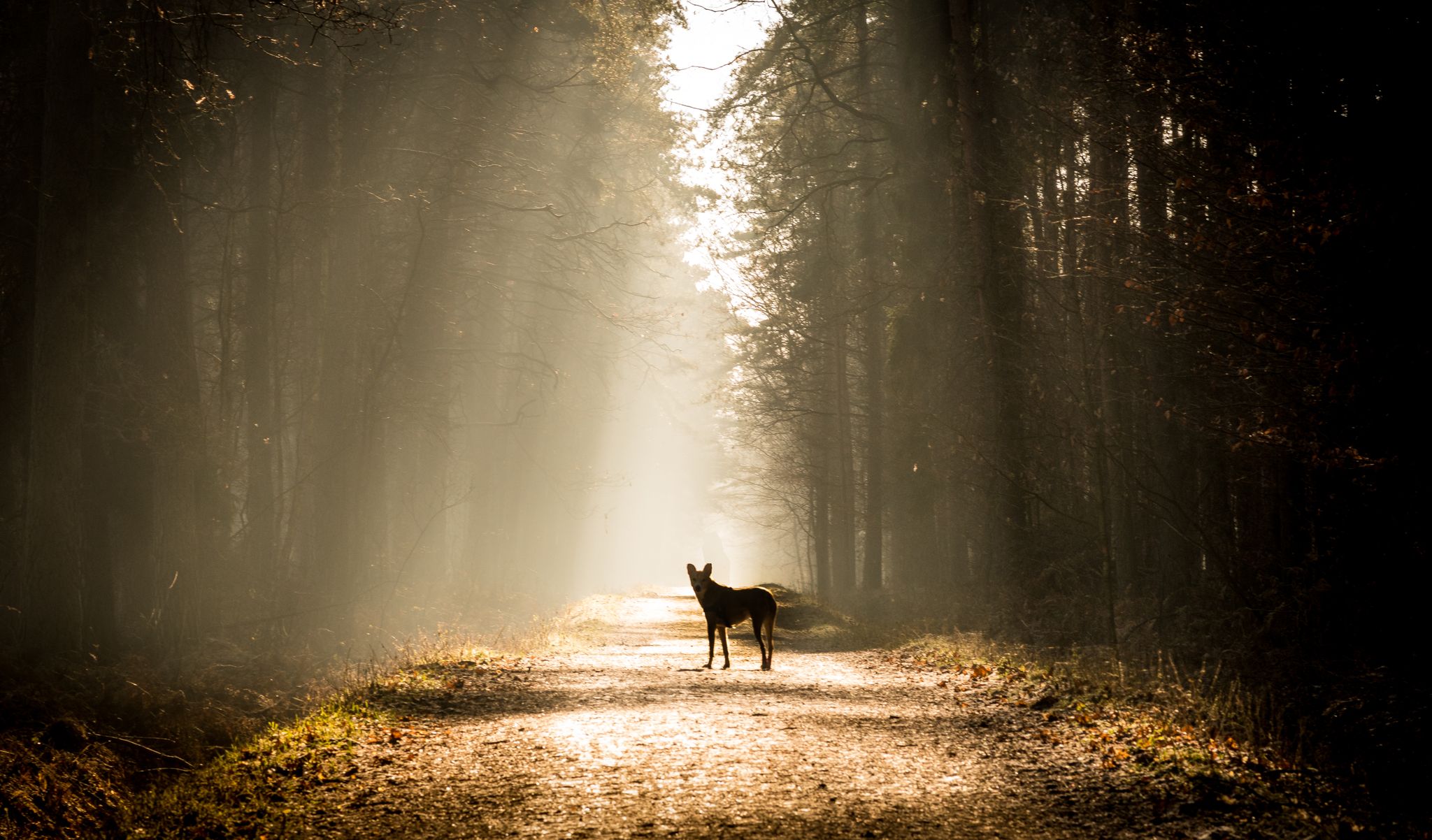
Sniffer routes – trail runs with your dog in Gelderland
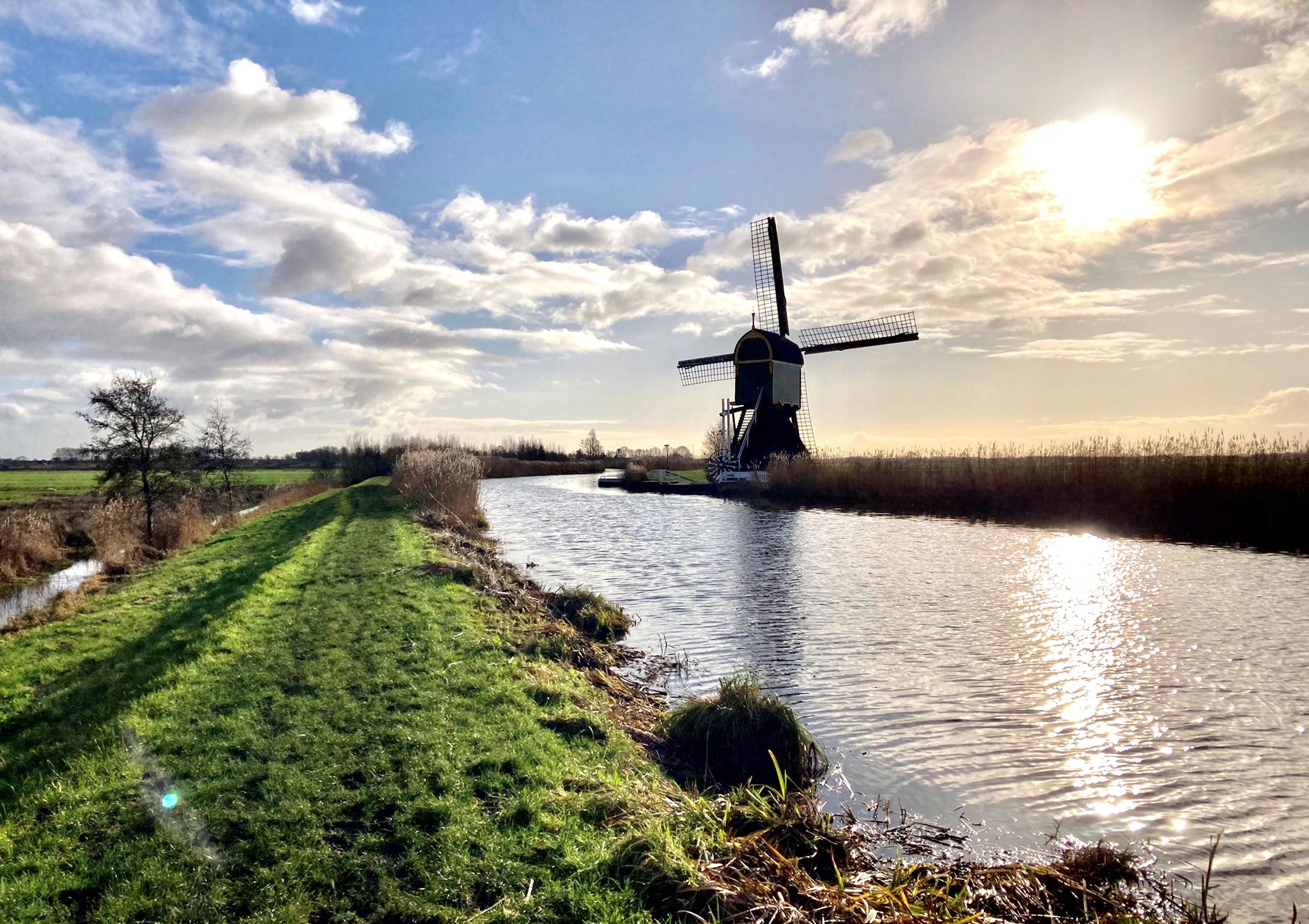
From the German border to the Dutch coast – Marskramerpad (LAW 3)
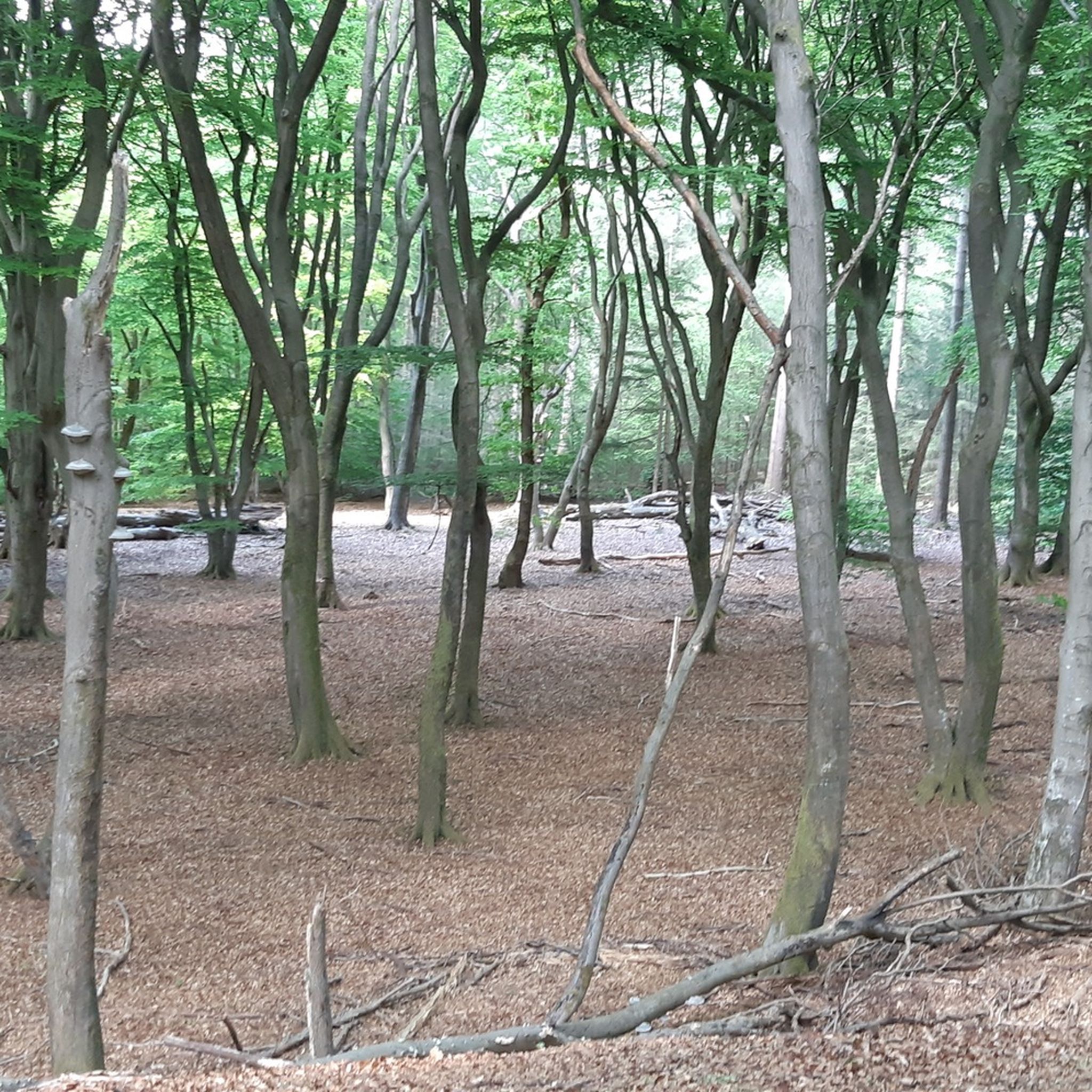
Hiking around Barneveld
Cycling around Barneveld
Road Cycling Routes around Barneveld
Other adventures around Barneveld


Tips from the Community

On the Noorderheide heathland near Vierhouten, three landmarks made of boulders can be found: the Daniel George Pyramid (D.G. Pyramid), the Miesje Pyramid, and the Peter Paul Pyramid (P.P. Pyramid). Along with the now-lost Victoria Pyramid, they were part of the estate of Daniel George van Beuningen (owned by the Boijmans Van Beuningen Museum). In 1935, he constructed ingenious waterworks here, consisting of brick gutters, ponds, and a pumping station to pump water and supply the streams. The three remaining pyramids have been restored by volunteers.
5
0

Simply because it is very beautiful.
0
2


The castle has changed its appearance in many ways over the centuries. The current building dates from 1905 and was built by Herman Theodore s'Jacob, the scion of a noble family. His father Frederik Bernhard was mayor of Rotterdam and his grandfather was governor of the Dutch East Indies. The architecture goes back to older styles, but the interior still contains features of the Art Nouveau style that was popular at the time. The rest of the estate is still largely intact and the castle garden has also been restored with honor.
17
0


Yes, what should you say? Simply enjoy the beautiful running strips and the view. The Netherlands can be really beautiful!
4
1

The Kootwijkerzand is a unique nature reserve. With approximately 700 hectares, it is the largest drifting sand area in Western Europe. Characteristic of this area are the irregularly shaped pine trees that alternate between the sand and form hills. The sandy plain not only looks like a mini Sahara: the temperatures are also comparable. The temperature can rise to 60 degrees Celsius, while the night temperature can also drop below 0 degrees in summer. Be sure to stop at the lookout tower to view this impressive area from above. On a clear day you can see Radio Kootwijk in the distance.
3
0
Staverden Castle has a rich history dating back to the Middle Ages. The current castle, partly built in 1853 and partly in 1905, is surrounded by a beautiful estate. The brasserie and brewery located on the estate are also nice. Good place to take a break!
3
0
Frequently Asked Questions
What are some unique natural features to explore near Barneveld?
Beyond the well-known spots, you can discover the Kootwijkerzand, which is Western Europe's largest drifting sand area, offering a desert-like experience. The nearby Planken Wambuis Nature Reserve features vast heathlands and avenue trees, while the Hoge Veluwe National Park boasts lush pine woodlands, glittering fens, and more shifting sand drifts.
Are there natural monuments around Barneveld with historical significance or folklore?
Yes, Solse Gat is a forest known for its unique folklore. According to local tales, a monastery with dark practices once stood here and disappeared into a deep hole during a stormy Christmas night. You can still see the deep pit and hear the legend.
What kind of outdoor activities can I do near the natural monuments around Barneveld?
The region around Barneveld is excellent for various outdoor activities. You can find numerous routes for hiking, cycling, and mountain biking. For example, explore the diverse landscapes on hiking trails, enjoy scenic rides on cycling routes, or tackle challenging terrain on MTB trails, many of which pass through or near these natural areas.
Are there family-friendly natural monuments or areas suitable for children?
Many natural areas around Barneveld are family-friendly. The Geographic centre of the Netherlands is an easy-to-recognize landmark with space to relax. Areas like Planken Wambuis and Hoge Veluwe National Park offer accessible paths and opportunities for wildlife spotting, making them great for family outings. The Hoge Veluwe also provides free white bikes for exploring its extensive network of trails.
Where can I experience vast heathlands near Barneveld?
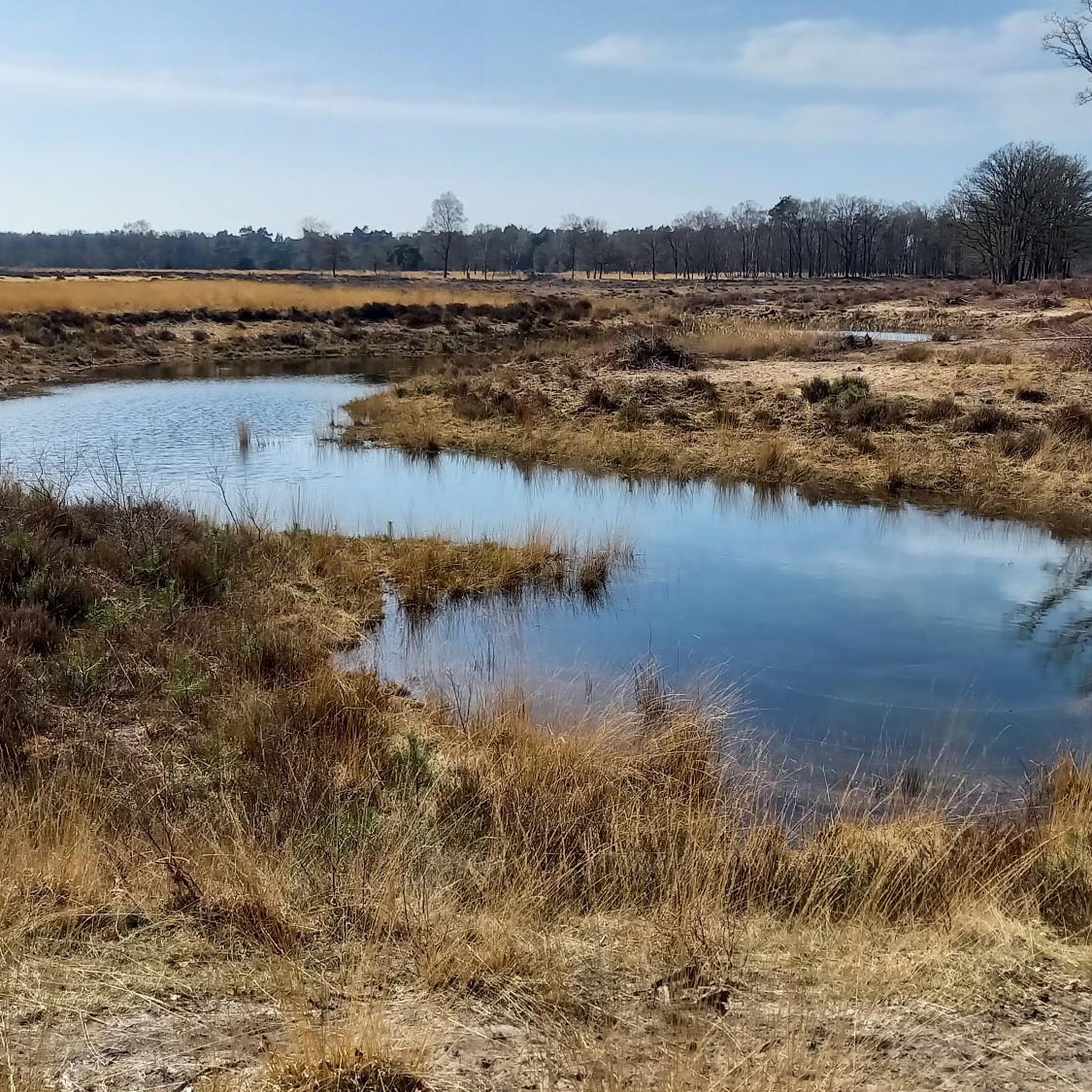
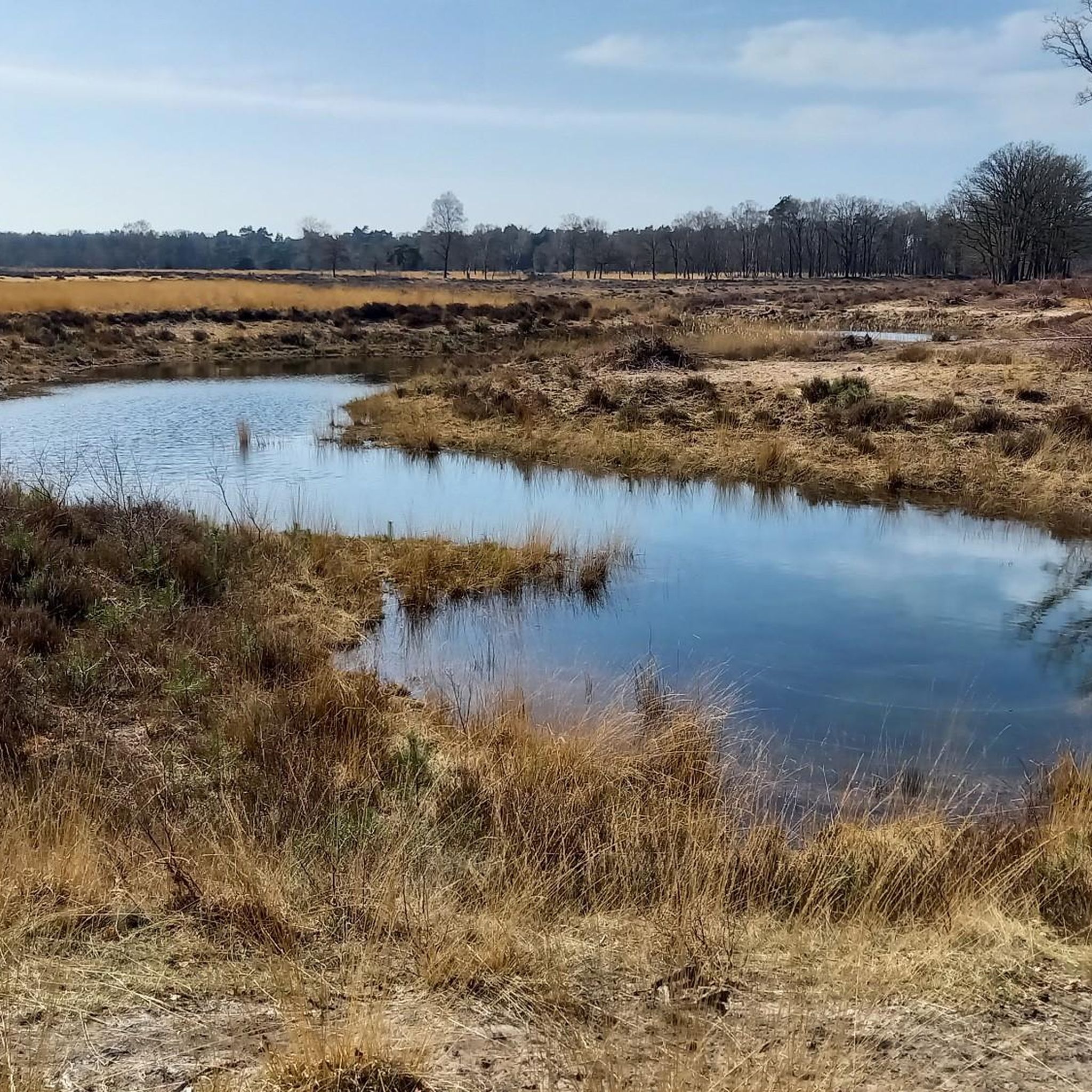
The Heathland near Vierhouten is a significant area known for its extensive moors and rich flora and fauna, located right in the middle of the Veluwe. Planken Wambuis Nature Reserve also features vast heathlands that transition into avenue trees, offering varied scenery for exploration.
What historical sites are integrated with the natural landscapes around Barneveld?
Staverden Castle is a prime example, featuring a beautifully landscaped park and a long history dating back to the 12th century. The current castle building is from 1905, and the estate is managed by the Gelders Landscape and Castles foundation, offering a blend of natural beauty and historical architecture.
Can I see wildlife in the natural monuments near Barneveld?
Yes, the natural areas around Barneveld, especially within the Veluwe region and Hoge Veluwe National Park, are known for their wildlife. You might spot free-roaming deer, wild boar, and various bird species. Planken Wambuis Nature Reserve is also known for its grazing herds of cattle or horses.
What is the best time of year to visit the natural monuments around Barneveld?
The natural monuments around Barneveld offer beauty throughout the year. Spring brings blooming flora, while summer is ideal for cycling and hiking. Autumn showcases vibrant fall colors in the forests. The heathlands are particularly stunning in late summer (August/September) when the heather blooms purple. Even winter offers unique opportunities for quiet walks through frosted landscapes.
Are there any viewpoints to get a panoramic view of the natural landscapes?
Yes, at the Kootwijkerzand, there's a lookout tower where you can view the impressive drifting sand area from above. On a clear day, you can even see Radio Kootwijk in the distance. Many other natural areas, like the Hoge Veluwe, also offer elevated spots and open vistas across heathlands and forests.
Are the natural monuments around Barneveld accessible by public transport?
While Barneveld itself is well-connected, reaching some of the more remote natural monuments directly by public transport might require a combination of bus and walking. For areas like Hoge Veluwe National Park, there are often bus connections to the park entrances from nearby train stations. It's advisable to check local public transport schedules for specific destinations.
Are there facilities like cafes or restaurants near these natural areas?
Yes, several natural monuments and parks have facilities nearby. For instance, at Staverden Castle, you'll find Brasserie Staverden and a small brewery. Within Hoge Veluwe National Park, there are restaurants and picnic areas. Many towns bordering the Veluwe, such as Garderen or Otterlo, also offer cafes and restaurants catering to visitors.
What kind of geological features can be found in the Barneveld region?
The region is characterized by diverse geological features shaped by glacial activity. You'll find expansive sand drifts, most notably the Kootwijkerzand, which is a large inland sand dune area. There are also moraines and push moraines that created the undulating landscapes of the Veluwe, along with fens and heathlands formed on sandy soils.
Most popular routes around Barneveld
Most popular attractions around Barneveld

Get inspired with the komoot mobile app


Explore more
Extend your search for the best caves by checking out these guides of the top ones around Barneveld:
