The best mountain hikes around Riu De Cerdanya
5.0
(2)
14
hikers
3
hikes
Mountaineering routes around Riu De Cerdanya traverse a landscape characterized by the rugged peaks of the Pyrenees, offering significant elevation gains and expansive mountain vistas. The region features a mix of high-alpine terrain, rocky ridges, and occasional forested sections at lower altitudes. These routes often lead to prominent summits and mountain refuges, providing challenging climbs for experienced mountaineers.
Best mountaineering routes around Riu De Cerdanya
- The most popular mountaineering route is COMABONA loop from Refugi Prat d'Aguiló, a 6.6…
Last updated: May 4, 2026
4
hikers
10.6km
04:48
710m
710m
Moderate mountaineering route. Good fitness required. Mostly accessible paths. Sure-footedness required.
5.0
(2)
5
hikers
15.3km
07:00
1,140m
1,150m
Hard mountaineering route. Very good fitness required. Mostly accessible paths. Sure-footedness required.

Sign up for free
5
hikers
14.6km
07:46
1,270m
1,270m
Hard mountaineering route. Very good fitness required. Sure-footedness, sturdy shoes and alpine experience required.
Our route recommendations are based on thousands of hikes, rides, and runs completed by other people on komoot.
Start today with a free account
Your next adventure awaits.
Login or Signup
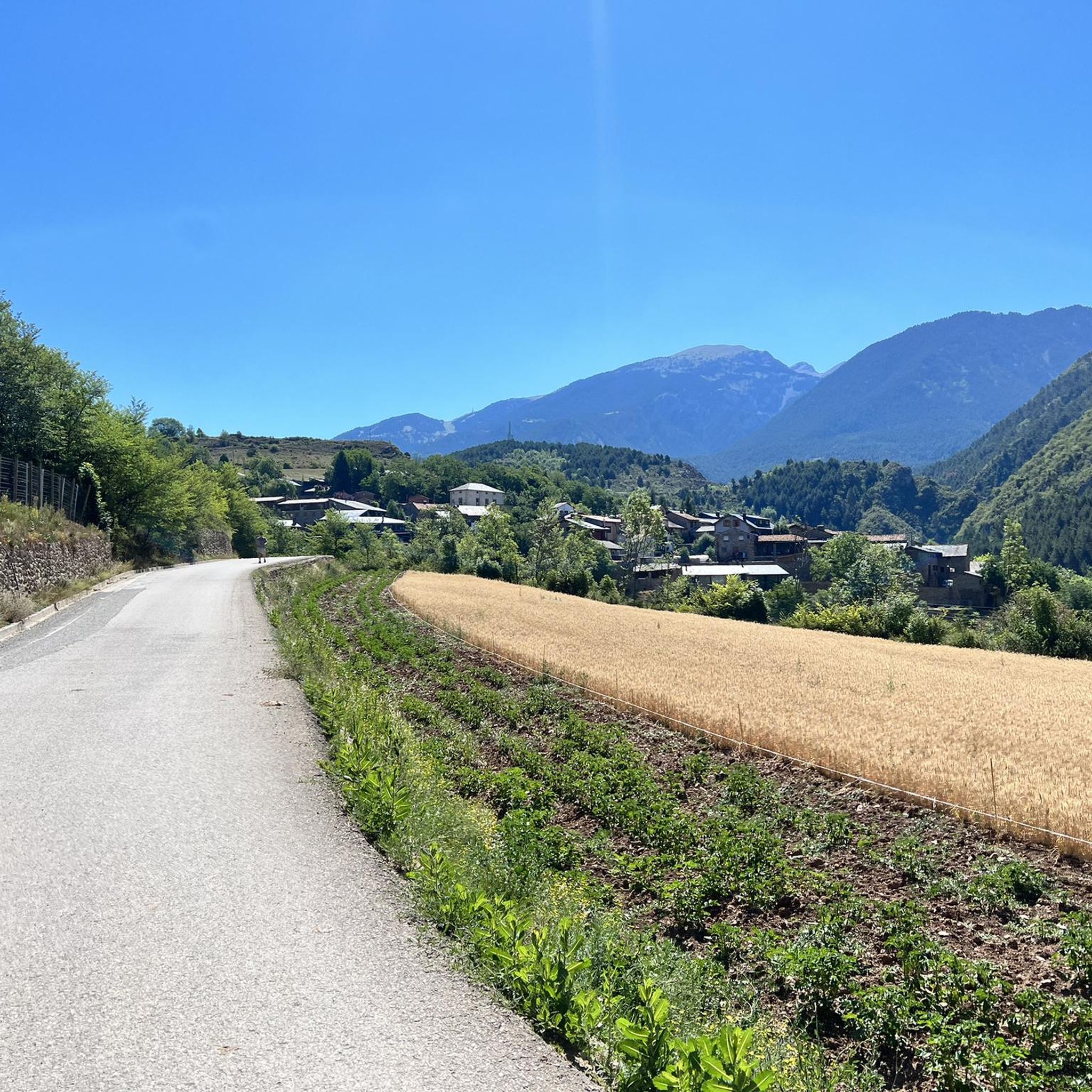
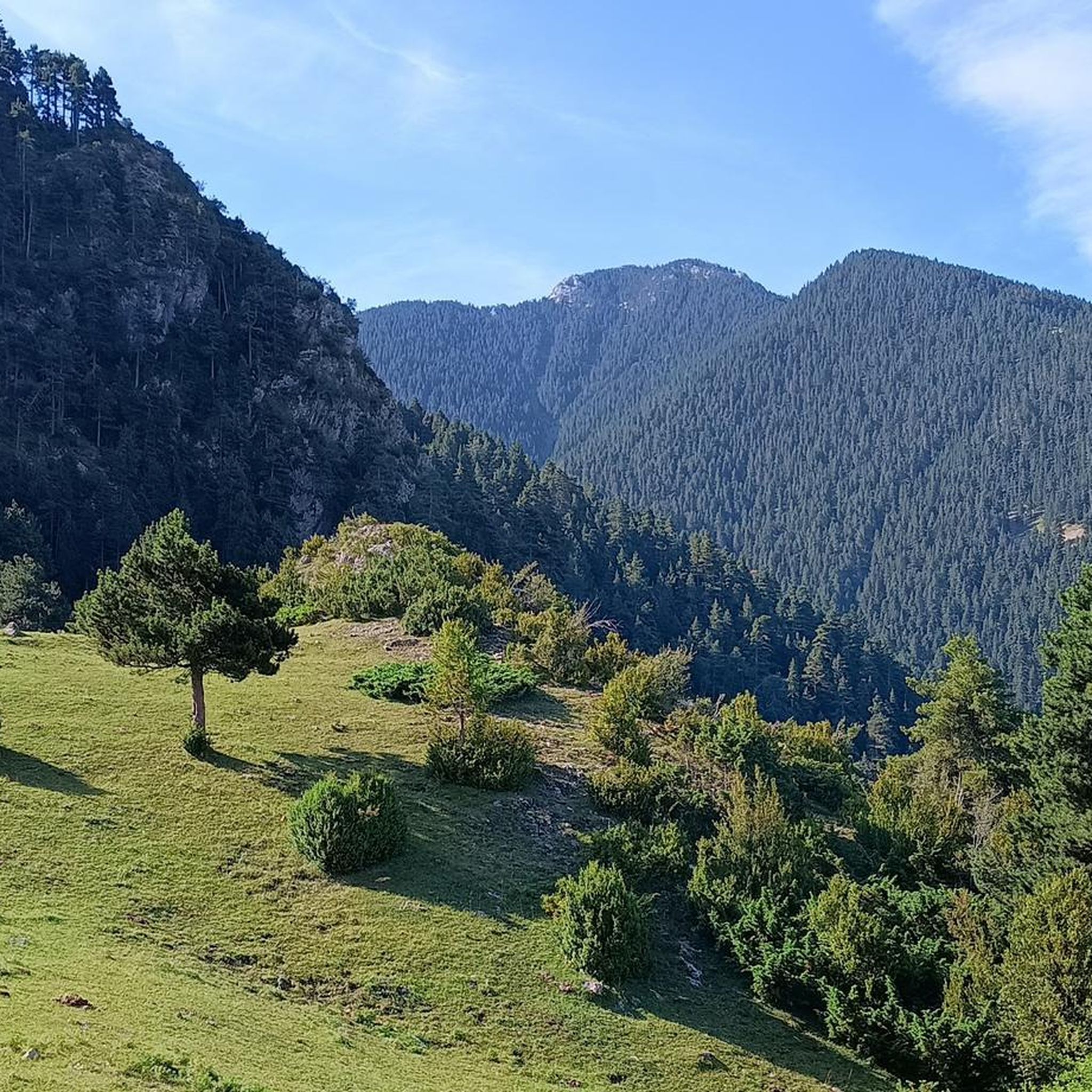
Other adventures around Riu De Cerdanya

Tips from the Community

views of Tossa d'Alp, Pedraforca, Cadi and Serra Ensija
0
0

The Niu de l'Àliga Refuge is located at an altitude of 2,500 meters at the top of Tosa d'Alp, in the municipality of Bagà. This refuge is an iconic building at the highest point of the La Molina ski resort and offers spectacular views of the Cerdanya valley, Ripollès, and Berguedà. It is a privileged spot to enjoy sunsets and moonlit nights. The refuge has capacity for 27 people and offers services such as a cable car, blankets, showers, mobile charging, Wi-Fi, a bar, and a restaurant.
5
0

To see what the path to the top of Moixeró is like https://www.youtube.com/watch?v=PZT2ez0sMps
0
0

There are a couple of rope climbs just before the summit, but they are not difficult at all. My 20kg dog climbed them up and down without any problems.
0
0
Spectacular views of the Pedraforca Massif and the eastern foothills of the Cadí mountain range
0
0

Pas dels Gosolans, where the people of Cerdanya used to pass with their flocks to reach Ripollès
0
0

After about an hour's climb from Prat d'Aguilo you reach this pass with its incredibly beautiful, barren landscape.
0
0
Frequently Asked Questions
What kind of mountaineering routes can I expect around Riu De Cerdanya?
The Riu De Cerdanya region offers mountaineering routes characterized by the rugged peaks of the Pyrenees. You'll find high-alpine terrain, rocky ridges, and significant elevation gains, leading to expansive mountain vistas. These routes are generally suited for experienced mountaineers seeking challenging ascents.
Are there any routes suitable for beginners or families new to mountaineering?
While many routes in Riu De Cerdanya are challenging, there is a moderate option that could be suitable for those with some mountaineering experience. The COMABONA loop from Refugi Prat d'Aguiló is a 10.6 km route with 706 meters of ascent, typically taking under 5 hours. It offers a good introduction to the region's terrain without the extreme difficulty of other paths.
What are some of the more challenging mountaineering routes in the area?
For experienced mountaineers seeking a significant challenge, the region offers routes like the Niu d'Àliga Refuge (La Tosa) – Refugi del Rebost loop from Pàrquing Ruta Trencapinyes. This difficult 15.1 km path involves over 1100 meters of elevation gain and passes through high mountain environments. Another demanding option is the Penyes Altes del Moixeró loop from Gréixer, a 14.7 km trail with over 1200 meters of ascent, often completed in about 7 hours 40 minutes.
What is the best season for mountaineering in Riu De Cerdanya?
The best season for mountaineering in Riu De Cerdanya is typically late spring to early autumn (June to September) when the snow has largely melted from higher elevations and weather conditions are more stable. However, conditions can change rapidly in the Pyrenees, so always check the local forecast before heading out.
Are there any circular mountaineering routes available?
Yes, all the featured mountaineering routes in Riu De Cerdanya are circular. For example, you can explore the COMABONA loop from Refugi Prat d'Aguiló, the Niu d'Àliga Refuge (La Tosa) – Refugi del Rebost loop, or the Penyes Altes del Moixeró loop from Gréixer, all designed as loops for a convenient return to your starting point.
What kind of viewpoints or attractions can I expect along these routes?
The mountaineering routes in Riu De Cerdanya offer spectacular high-alpine views. You'll encounter prominent peaks and mountain passes such as the Penyes Altes del Moixeró, Comabona Summit, and Gosolans Pass. Many routes also pass by mountain refuges like the Niu de l'Àliga Refuge and Prat d'Aguiló Refuge, which can serve as rest stops or points of interest.
What is the typical duration and distance for mountaineering routes in this area?
Mountaineering routes around Riu De Cerdanya vary in length and duration. The featured routes range from approximately 10.6 km to 15.1 km. Depending on the difficulty and your pace, you can expect to spend anywhere from 4 hours 47 minutes for a moderate route up to 7 hours 40 minutes for more challenging ascents.
Are there mountain huts or refuges along the trails for overnight stays or refreshments?
Yes, the region is well-equipped with mountain huts and refuges that can be found along or near the mountaineering routes. Notable refuges include the Niu de l'Àliga Refuge, Prat d'Aguiló Refuge, Sant Jordi Refuge, and Rebost Refuge. These can be crucial for longer tours or as emergency shelters.
What should I wear for mountaineering in Riu De Cerdanya, especially in winter?
For mountaineering in Riu De Cerdanya, especially in winter, layering is crucial. You'll need waterproof and windproof outer layers, warm insulating layers (fleece, down), moisture-wicking base layers, and appropriate mountaineering boots. Don't forget gloves, a hat, sunglasses, and sun protection. In winter, crampons, an ice axe, and potentially snowshoes may also be necessary depending on snow conditions and the specific route.
What do other mountaineers say about the routes in Riu De Cerdanya?
The mountaineering routes in Riu De Cerdanya are highly rated by the komoot community, with an average score of 5.0 stars. Users often praise the challenging nature of the ascents, the stunning high-alpine scenery, and the well-defined trails that lead to impressive summits and refuges.
Is parking available near the starting points of these mountaineering routes?
Yes, for many routes, parking is available near the trailheads. For instance, the difficult route to Niu d'Àliga Refuge and Refugi del Rebost starts from Pàrquing Ruta Trencapinyes, indicating dedicated parking facilities. It's always advisable to check specific route details for parking information before your trip.
Most popular routes around Riu De Cerdanya
Most popular attractions around Riu De Cerdanya

Get inspired with the komoot mobile app


