Top 17 Natural Monuments around Magny-Les-Hameaux
Best natural monuments around Magny-Les-Hameaux are found within the Haute Vallée de Chevreuse Regional Nature Park, an area characterized by diverse landscapes including forests, humid valley floors, and cool ravines. The region is home to notable natural features and significant geological formations. These natural sites offer opportunities to observe unique flora and fauna, and explore the area's ancient past.
Best natural monuments around Magny-Les-Hameaux
- The most popular natural monument is Rock Formations Near Maincourt-sur-Yvette, a natural monument that features…
Last updated: May 13, 2026
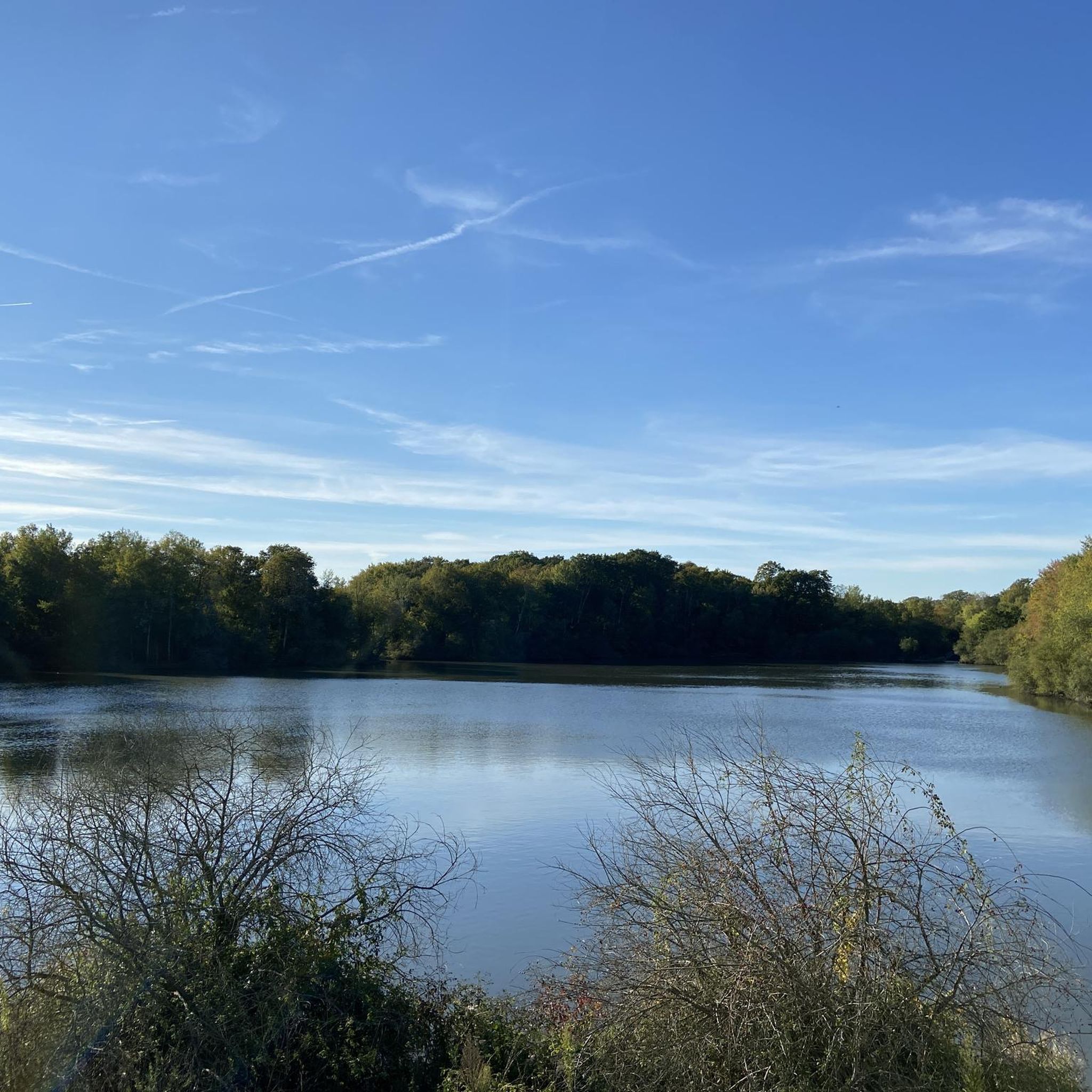
Ponds of Parc des Côtes Montbron
Highlight • Lake
Located in the town of Jouy-en-Josas, the Parc des Côtes Montbron, acquired by the Department for sensitive natural areas, has been …
Translated by Google •
Tip by

Latona Fountain
Highlight • Monument
Translated by Google •
Tip by

Sign up now to discover places like this
Get recommendations on the best single tracks, peaks, & plenty of other exciting outdoor places.
Sign up for free
La Troche Quarry
Highlight • Climb
This is an old sandstone quarry, traces …
Translated by Google •
Tip by

Rock Formations Near Maincourt-sur-Yvette
Highlight • Natural Monument
Translated by Google •
Tip by

The Oak of Petit Launay
Highlight • Natural Monument
The organizers of the Universal Exhibition …
Translated by Google •
Tip by

Sign up for free to discover even more natural monuments around Magny-Les-Hameaux.
Sign up for free
Already have an account?
Start today with a free account
Your next adventure awaits.
Login or Signup

Tips from the Community

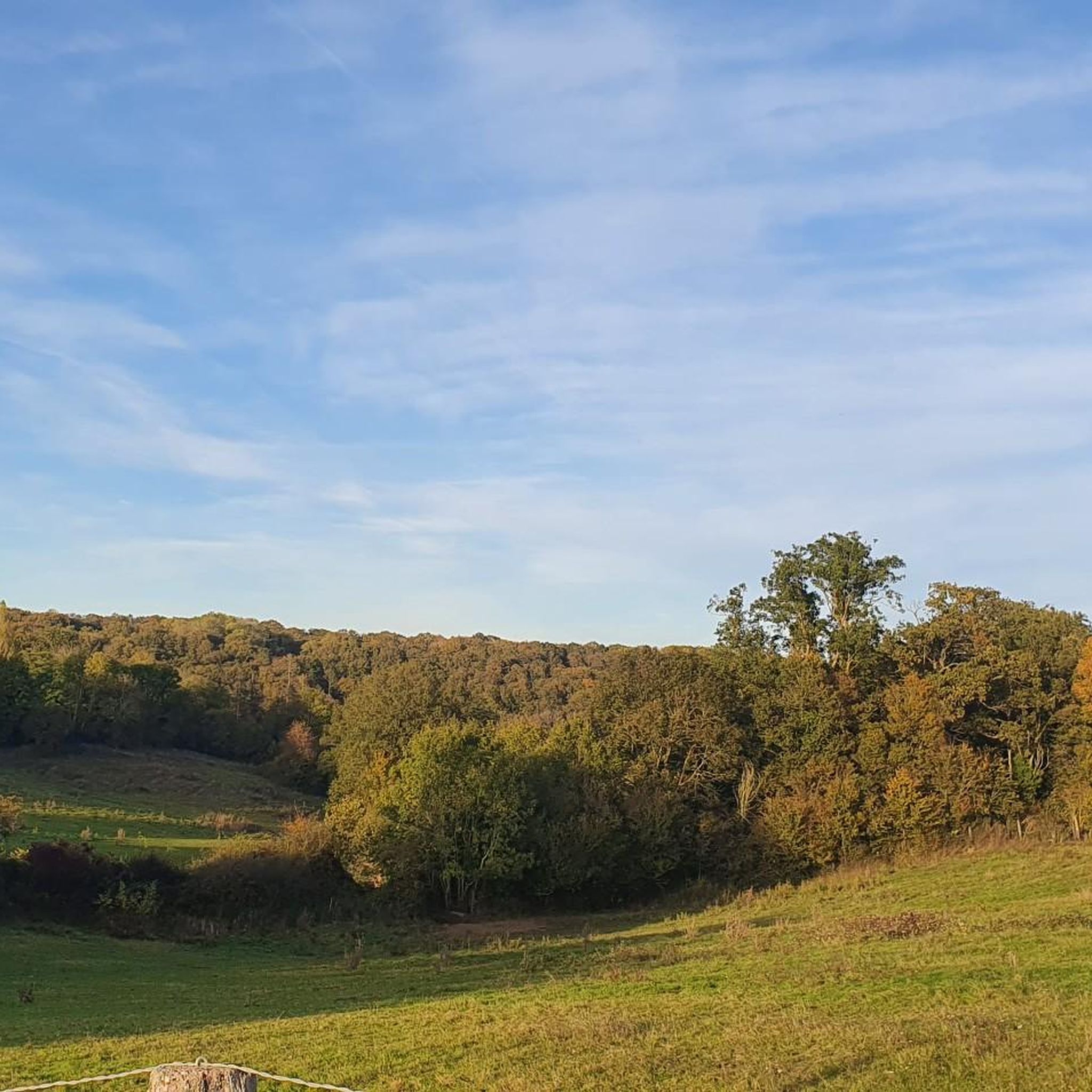
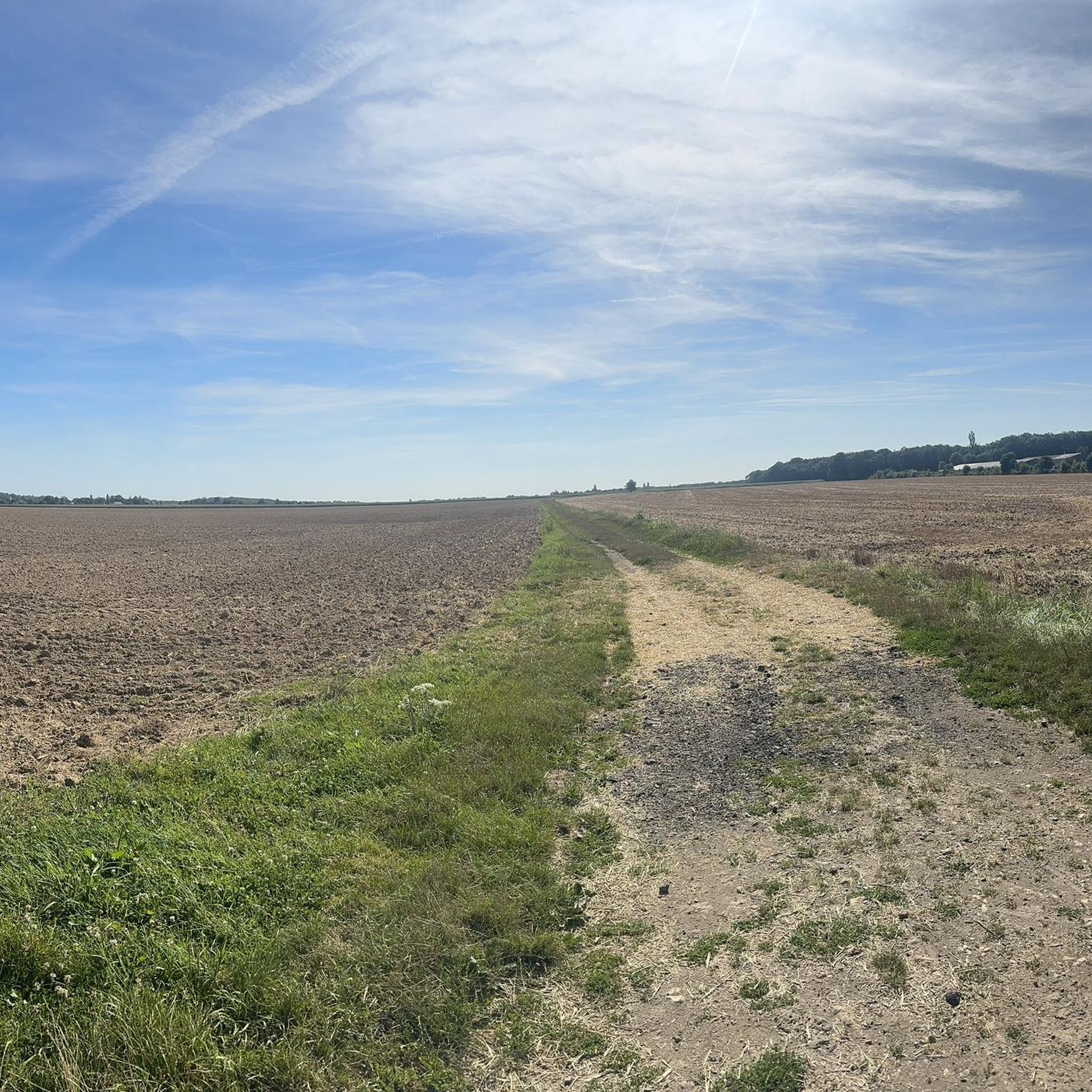
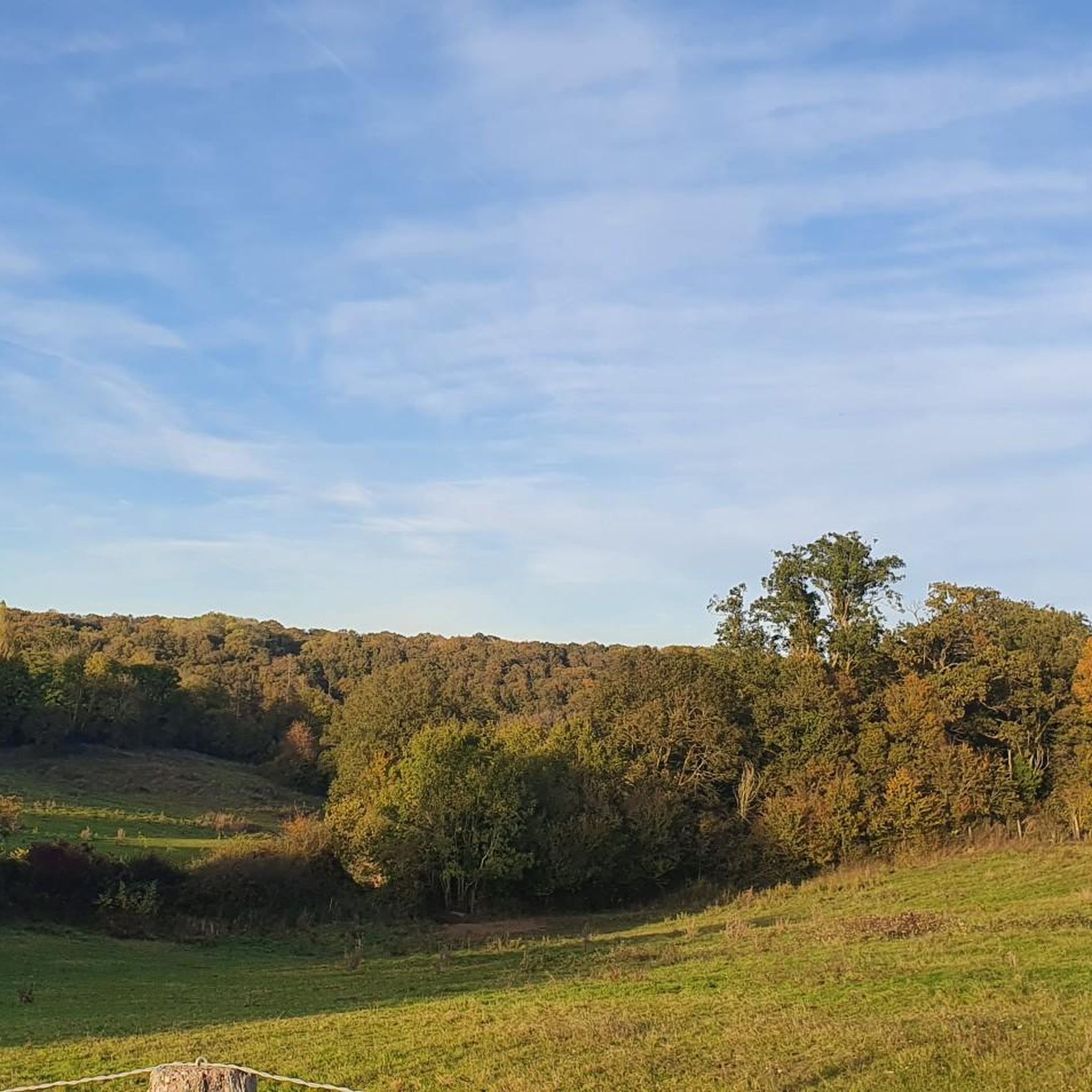
Viltain Farm then the singletrack further west is a little paradise. Landslide (04/2025) on the way back
0
0

Near Maincourt-sur-Yvette, this wood has beautiful rock formations climbing up the first slopes of the Chevreuse valley, just a few meters from the river.
0
0

In the morning, the rocks show blue reflections.
0
0

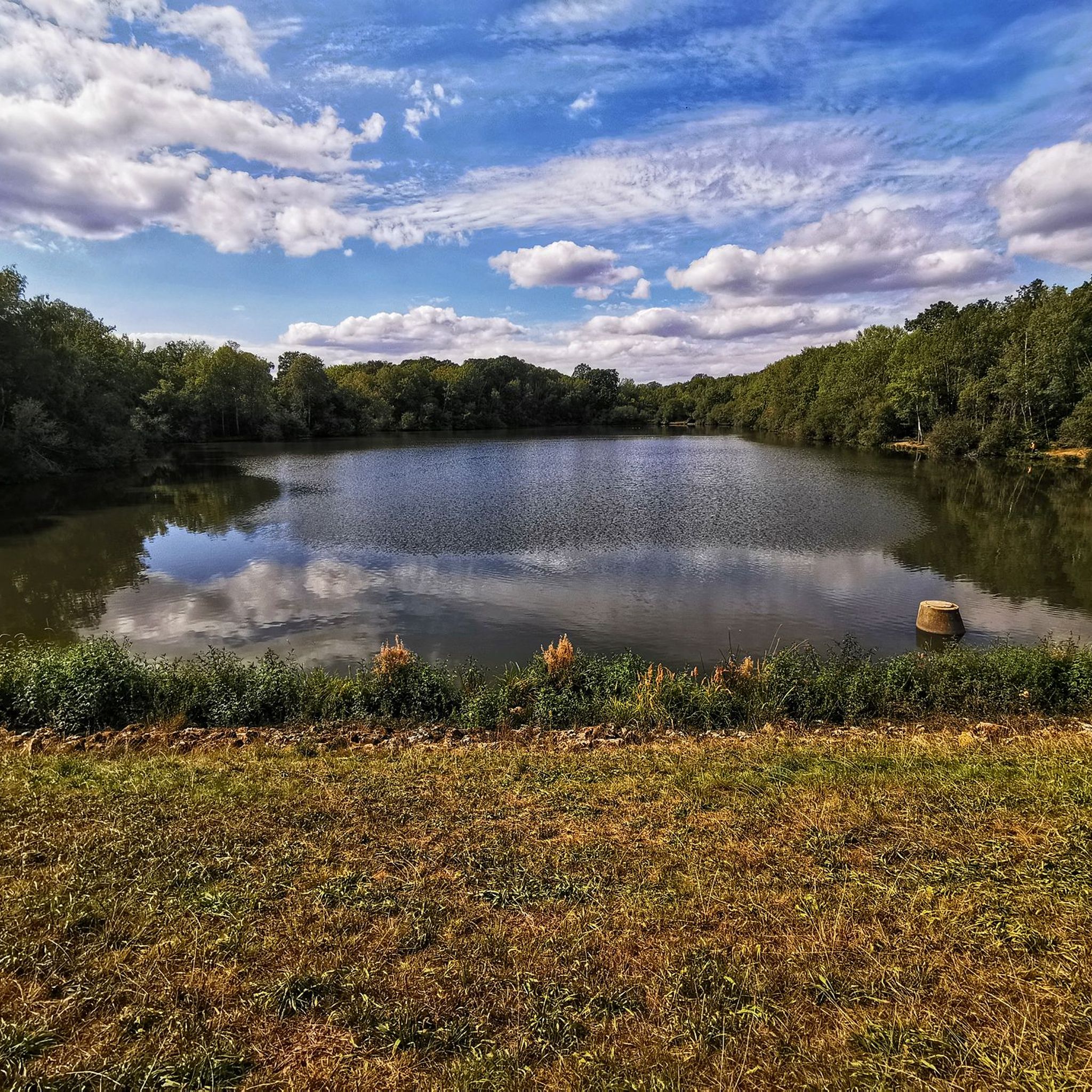
It is a beautiful place that is quite cool even in the heat because it runs along the Yvette and several ponds, but it concentrates a lot of people on Sundays on a fairly narrow path. In high season, prefer Saturday for this course
0
0

The “Petit Launay” oak (the aulnoye), remarkable for its size and the distribution of its branches, seems to date back to the 15th century. The organizers of the Universal Exhibition of 1900 in Paris wanted to transport it to the capital, which attests to the interest that this Tree already presented. Mr Grisier, mayor of Bures and owner of “Petit Launay” fortunately declined this offer. This estate, a former stronghold from the 14th century, has been better known, since 1810, under the name of "The Virgin". A statuette is still visible on the surrounding wall of the property. It is crossed by the Vaularon, a tributary of the Yvette, hence the humidity conducive to the growth of alders. This tree has been classified in the list of “venerable trees in France”.
0
0
Listed among the major geological sites since 2007, this former sandstone quarry offers a nice setting for running between rock and sand. The hue of the stone also earns it the name "Blue Rocks".
1
0

The Latona basin results from the desire of Louis XIV to create, in the center of his Garden, a fountain which recounts the childhood of Apollo, the sun god he chose as his emblem. To create this fountain, Louis XIV transformed a pool dug by Louis XIII by gradually installing water features and decorations sculpted by the Marsy brothers. The Latona basin went through several states before adopting its current form. In 1667, it was the Toad Fountain. From 1668 to 1670, a first Latona basin appeared; Latona is then at the same level as the other figures and turned towards the Castle. From 1687 to 1689, Jules Hardouin-Mansart created the current pool, by making Latona turn around and hoisting her to the top of a marble pyramid. http://latone.chateauversailles.fr/page/le-bassin-de-latone/histoire-du-bassin
11
0

On the path along the Yvette very pretty passage to do by mountain bike or on foot there are beautiful rocks and very beautiful trees
0
0
Frequently Asked Questions
What unique natural features can I explore in the Magny-Les-Hameaux region?
The Magny-Les-Hameaux region, nestled within the Haute Vallée de Chevreuse Regional Nature Park, offers diverse landscapes including ancient forests, humid valley floors, and cool ravines. You can discover areas like the Vallée du Rhodon, known for its small peat areas and rare plant species, and the ancient Mares de Romainville, vital habitats for amphibians and dragonflies.
Are there any geological sites of interest around Magny-Les-Hameaux?
Yes, the region features significant geological formations. A notable example is the La Troche Quarry, an old sandstone quarry with a 5-meter high, 200-meter long working face. It's unique in the Paris Basin for its Stampian sandstone, dating back 34 to 28 million years, and contains imprints of ancient freshwater mollusks. It's also a popular spot for rock climbing enthusiasts.
Where can I find impressive rock formations in the area?
You can find beautiful rock formations near Maincourt-sur-Yvette. This area features striking rock formations along the Yvette river and is known for its cool environment, making it a pleasant spot for walks and mountain biking, even in warmer weather.
Are there family-friendly natural monuments or trails in Magny-Les-Hameaux?
Absolutely. The Ponds of Parc des Côtes Montbron offer a family-friendly experience with a lake area, stream, and three ponds bordered by meadows and woods. This diverse natural environment is ecologically rich and provides a bucolic setting for a leisurely outing. Additionally, the The Oak of Petit Launay is a remarkable ancient tree that can be an interesting stop for families.
What kind of wildlife can I expect to see in the natural monuments around Magny-Les-Hameaux?
The Haute Vallée de Chevreuse Regional Nature Park is rich in biodiversity. You might spot diverse fauna, including the protected Reed Leopard Moth and the large yellow and black Ringed Cordulegaster dragonfly, particularly in the valley's reed beds and near quality groundwater sources like those in the Vallée du Rhodon. The Mares de Romainville are also vital habitats for amphibians and various aquatic insects.
What outdoor activities can I do near these natural monuments?
The region around Magny-Les-Hameaux is ideal for various outdoor activities. You can explore numerous hiking trails, enjoy road cycling routes, or go for a run. For detailed routes and options, you can check out guides like Hiking around Magny-Les-Hameaux, Road Cycling Routes around Magny-Les-Hameaux, and Running Trails around Magny-Les-Hameaux.
Are there any ancient or historically significant trees in the area?
Yes, The Oak of Petit Launay is a remarkable natural monument. This oak tree, notable for its size and branch distribution, is believed to date back to the 15th century and is classified among the 'venerable trees in France'.
What is the best time of year to visit the natural monuments in Magny-Les-Hameaux?
The natural monuments in Magny-Les-Hameaux can be enjoyed throughout the year, but spring and autumn often offer the most pleasant conditions. Spring brings blooming flora and active wildlife, while autumn showcases beautiful foliage. Summer is also popular, with areas like the Rock Formations Near Maincourt-sur-Yvette providing cooler environments along the river.
How accessible are the natural monuments by public transport?
Some natural sites are accessible by public transport. For instance, the Ponds of Parc des Côtes Montbron are accessible via the Petit Jouy station, served by line C of the RER, making it convenient for visitors without a car.
Are there any natural areas with water features like ponds or streams?
Yes, the region is home to several beautiful water features. The Ponds of Parc des Côtes Montbron feature a stream and three ponds. Additionally, the Vallée du Rhodon is known for its spring-fed peat areas, and the Mares de Romainville are ancient, preserved ponds that serve as vital aquatic habitats.
What do visitors particularly enjoy about the natural monuments here?
Visitors appreciate the preserved natural environment and the opportunity to connect with nature. Many enjoy the cool, shaded paths along the Yvette river near the Rock Formations Near Maincourt-sur-Yvette, even on warm days. The ecological richness and bucolic setting of places like the Ponds of Parc des Côtes Montbron are also highly valued for their tranquility and beauty.
Can I find trails suitable for beginners or easy walks among the natural monuments?
Yes, many areas within the Haute Vallée de Chevreuse Regional Nature Park offer well-maintained paths suitable for easy walks and beginners. The Ponds of Parc des Côtes Montbron, for example, have 2.5 km of trails that are ideal for a leisurely stroll through a diverse natural environment.
Most popular routes around Magny-Les-Hameaux
Most popular attractions around Magny-Les-Hameaux

Get inspired with the komoot mobile app


Explore more
Extend your search for the best caves by checking out these guides of the top ones around Magny-Les-Hameaux:
