The best gravel rides around Verreries-De-Moussans
4.8
(14)
65
riders
7
rides
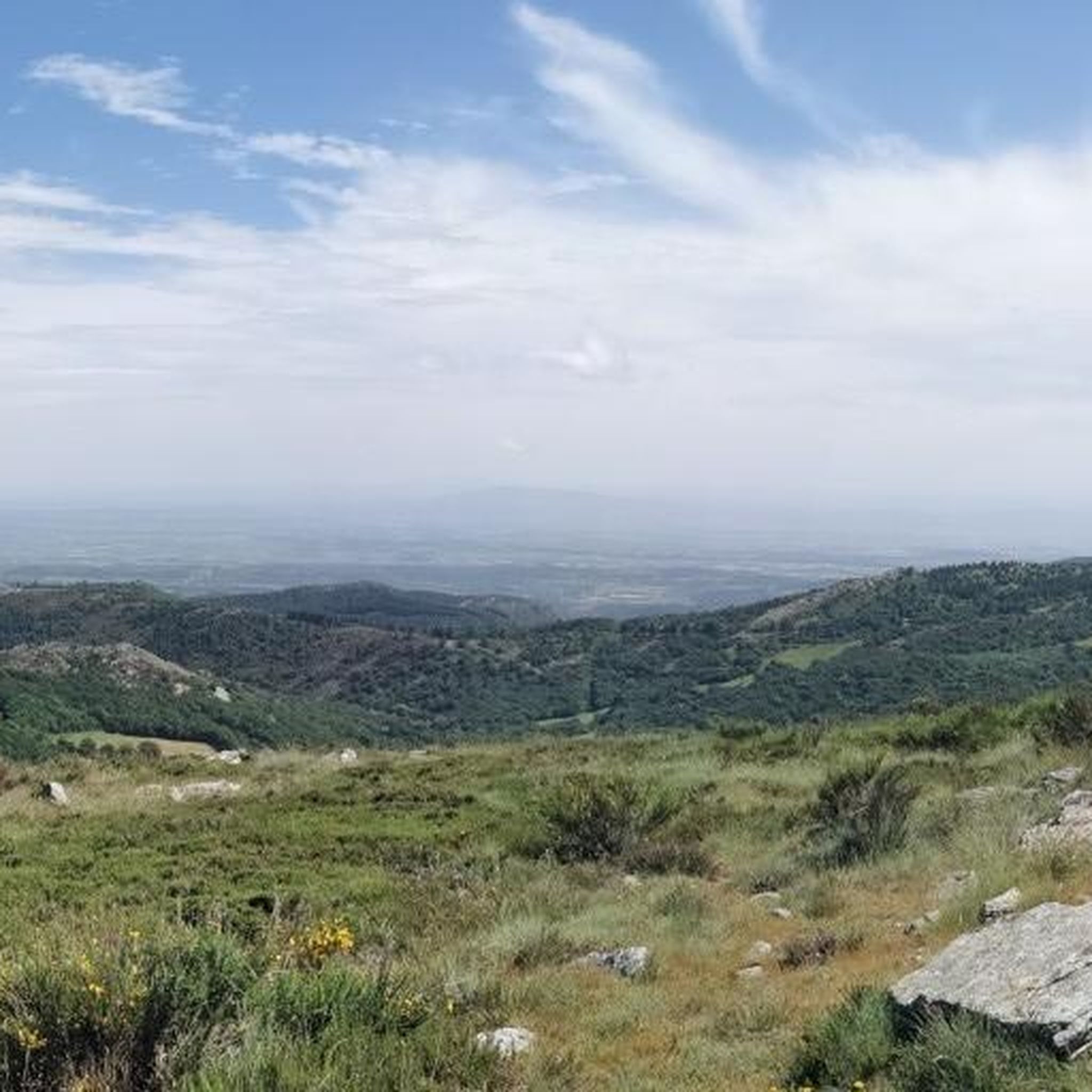
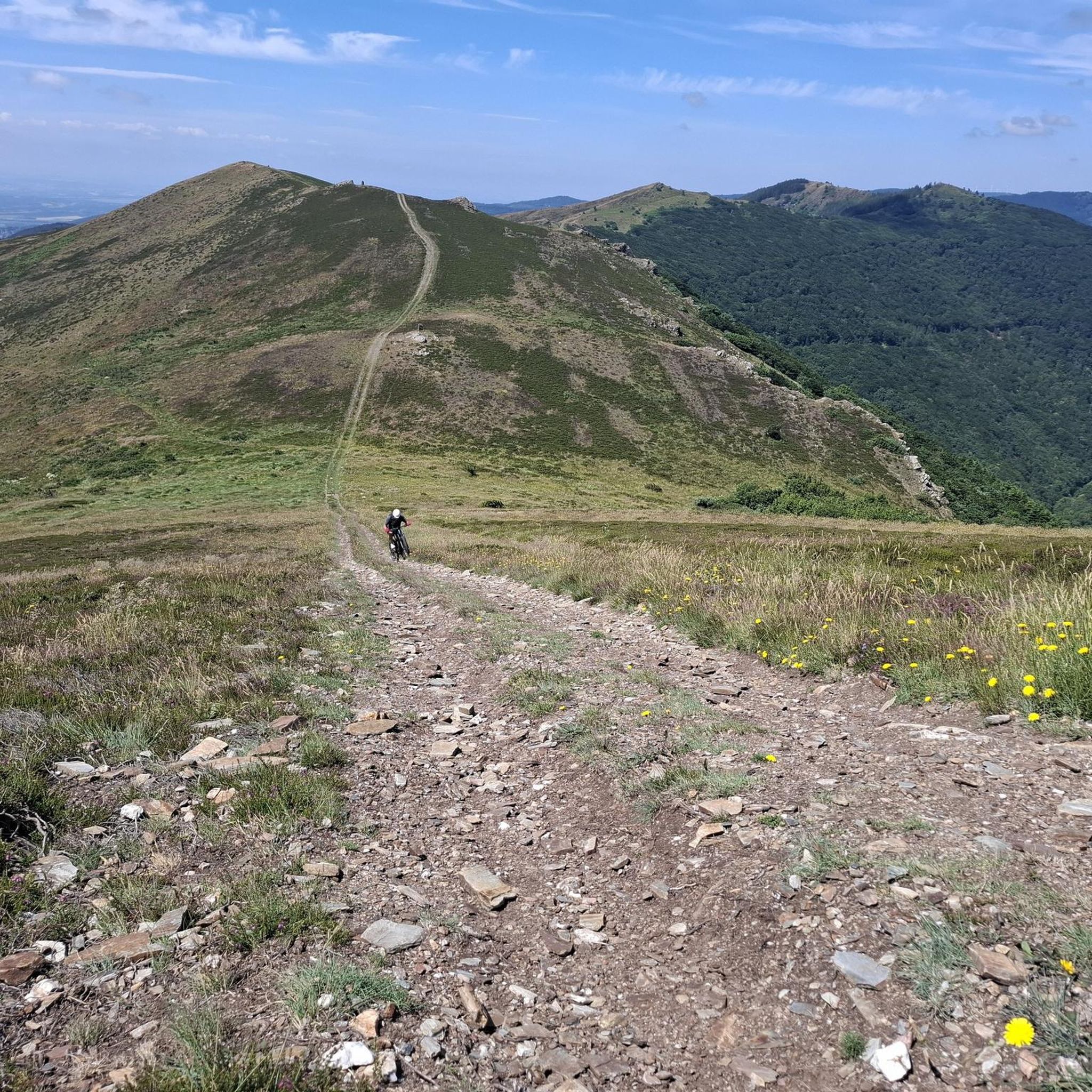
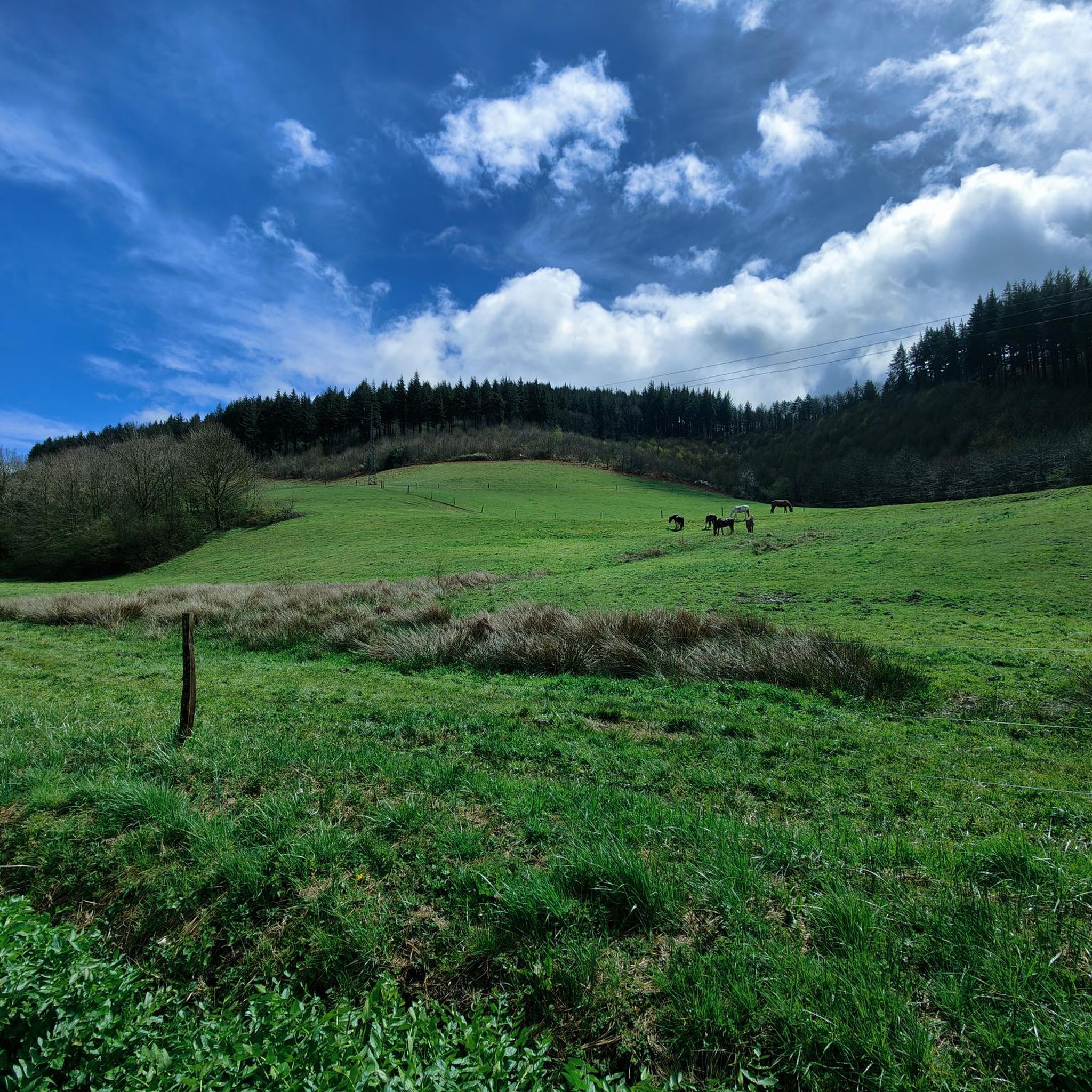
Gravel biking around Verreries-De-Moussans offers diverse terrain within the Haut-Languedoc Regional Nature Park. The region features a mix of forest paths, stony tracks, and low-traffic roads, providing varied riding experiences. Situated on the eastern part of the Montagne Noire, the landscape includes varied elevations, from river valleys to forested hills. This combination of natural features makes the area suitable for gravel cycling.
Best gravel bike trails around Verreries-De-Moussans
- The most popular gravel bike trail is Voie Verte Passa Païs –…
Last updated: November 3, 2026
4.8
(4)
25
riders
Hard gravel ride. Very good fitness required. Mostly paved surfaces.
4.8
(9)
22
riders
44.0km
02:14
280m
280m
Moderate gravel ride. Good fitness required. Mostly paved surfaces.

5.0
(1)
6
riders
31.3km
01:41
260m
260m
Moderate gravel ride. Good fitness required. Mostly paved surfaces.
5
riders
36.3km
02:49
820m
820m
Hard gravel ride. Very good fitness required. Mostly paved surfaces.
7
riders
22.7km
01:13
180m
180m
Moderate gravel ride. Good fitness required. Mostly paved surfaces.
Get access to more routes and recommendations from other explorers.
Already have an account?
Our route recommendations are based on thousands of hikes, rides, and runs completed by other people on komoot.
Start today with a free account
Your next adventure awaits.

Tips from the Community

The former Saint-Pons Cathedral It is difficult to understand Saint-Pons-de-Thomières without stopping here. The building is the former abbey church of a Benedictine monastery founded in 936, around which the town developed. In 1318, the abbey became the seat of a new bishopric: the church then took on the status of a cathedral, which it retained until the Revolution. The Romanesque building, most of which dates back to the second half of the 12th century, still bears the traces of this turbulent history. Fortified in the Middle Ages, the cathedral was heavily damaged in 1567 during the Wars of Religion. Then, in the 18th century, its appearance was profoundly transformed: in 1716, the orientation of the choir was reversed and a new classical facade was built to the east. The medieval remains are particularly remarkable: the two crenellated towers on the north facade recall the defensive character of the building, while the former west facade preserves precious Romanesque reliefs depicting, in particular, the Last Supper, the Washing of the Feet, the Ascension and the Crucifixion. Inside, there are also marble decorations, choir stalls and an organ dating from 1772.
3
0
Clinging to a rocky outcrop almost encircled by the Jaur, Olargues is a remarkable fortified village whose medieval organization is still perfectly legible. At the summit, the former keep of the castle, transformed into a bell tower in the 17th century after the fortress was destroyed on Cardinal Richelieu's orders, still dominates the valley. Below, the Devil's Bridge, built in the 12th century, has spanned the Jaur for nearly nine centuries. Between the two, "calades" (cobbled alleyways) and old houses invite you to step back in time. It is easy to understand why Olargues is among the Most Beautiful Villages in France!
3
0
Nestled in the mountains of Haut-Languedoc, the Vézoles lake is a dam lake. Built in the mid-20th century for hydroelectric production, it retains the waters of the upper Agout valley in a narrow and largely wooded site, characteristic of the high plateaus of the massif. Located in a transition zone between the large Atlantic and Mediterranean watersheds, this body of water is set in a unique setting.
3
0
Located in the Jaur valley, in the heart of the Hauts cantons of the Hérault, Riols is a vast rural village typical of the Haut-Languedoc. The village is intimately linked to the history of the abbey of Saint-Pons-de-Thomières, founded in the 10th century, on which it long depended. From the Middle Ages onwards, Riols was part of a network of monastic possessions. Even today, the old center retains its valley setting, crossed by the Jaur, around which the main routes and activities developed. The Pont-Vieux and several structures on the river bear witness to this close relationship between the village and its watercourse.
3
0
The Vézoles lake dam, commissioned in 1956 for hydroelectric production, holds back the waters of the Bureau stream in the heart of the Haut-Languedoc region. The site is located in a high plateau area where waters are divided between the large Atlantic and Mediterranean watersheds, giving this relief a particular dimension. From the dam, the lake appears nestled in a forest setting, in a calm and wild atmosphere, typical of the massif's mid-mountain regions.
3
0

One of the many tunnels that punctuate the PassaPaïs greenway, allowing easy crossing of the territory by bicycle.
0
0

Here there is a steep ascent and a steep descent, because the path no longer follows the railway line, up to 10%
0
0
Frequently Asked Questions
How many gravel bike trails are available around Verreries-De-Moussans?
There are over a dozen gravel bike trails available around Verreries-De-Moussans, offering a variety of experiences within the Haut-Languedoc Regional Nature Park. These routes are highly rated by the komoot community, with an average score of 4.8 stars.
What kind of terrain can I expect on gravel bike trails near Verreries-De-Moussans?
The region offers a diverse mix of terrain perfect for gravel biking. You'll encounter forest paths, stony tracks, and small, low-traffic roads winding through varied scenery. This blend provides challenging ascents, exhilarating descents, and long-distance rides across changing elevations, often within dense beech and oak forests.
What are the general difficulty levels of gravel bike trails in this area?
The gravel bike trails around Verreries-De-Moussans cater to various skill levels. You'll find a good selection of moderate routes, with the majority being more difficult, offering a challenge for experienced riders. There are no easy routes listed directly from Verreries-De-Moussans, but the nearby Voie Verte Passa Païs offers sections suitable for all abilities.
Are there any challenging gravel routes for experienced riders?
Yes, experienced riders will find several challenging routes. For instance, the Olargues Railway Bridge – Voie Verte Passa Paiis loop from Saint-Pons-de-Thomières is a difficult 52.2 km path featuring forest tracks and quiet roads. Another demanding option is the Voie Verte Passa Païs – Labastide Tunnel loop from Rouairoux, covering 47 km with significant elevation changes.
Can I find moderate gravel bike trails around Verreries-De-Moussans?
Absolutely. For a moderate challenge, consider the Mazamet Footbridge – Route des Usines loop from Lacabarède, which is 43.9 km long. Another moderate option is the Fenille Tunnel – Fenille Tunnel loop from Courniou, a 22.8 km trail through forested areas.
What is the typical length of gravel bike trails in the Verreries-De-Moussans area?
The gravel bike trails in this area vary in length, generally ranging from around 20 km to over 70 km. For example, the Fenille Tunnel – Fenille Tunnel loop from Courniou is 22.8 km, while the Voie Verte Passa Païs – Labastide Tunnel loop from Sauveterre extends to 72.2 km.
When is the best time of year for gravel biking around Verreries-De-Moussans?
Given the region's Mediterranean climate, spring and autumn generally offer the most pleasant weather for gravel biking. These seasons provide comfortable temperatures and beautiful scenery, making them ideal for exploring the diverse landscapes of the Haut-Languedoc Regional Nature Park.
Are there family-friendly gravel biking options near Verreries-De-Moussans?
While many routes are more challenging, the nearby "Voie Verte Passa Païs" is an excellent option for families. This greenway, built on an old railway line, offers 75 km of maintained and secure cycling paths, suitable for all ages and abilities. You can find sections of it incorporated into routes like the Voie Verte Passa Païs – Labastide Tunnel loop from Sauveterre.
What interesting natural features can I see along gravel bike routes?
The region is rich in natural beauty. You can explore the dramatic Cesse Gorges at Fauzan or the Brian Gorges, which offer impressive geological formations. The Natural Tunnel of Minerve is another unique highlight worth seeing.
Are there any historical or cultural attractions near the gravel trails?
Yes, the area boasts significant historical sites. The picturesque medieval village of Minerve, with its Cathar connections, is situated amidst the gorges of the Cesse and Brian. You can also find historical references like the Château de Moussans and the Église Saint-Thomas des Verreries within the local area.
What do other gravel bikers enjoy the most about gravel biking in Verreries-De-Moussans?
The area is highly rated by the komoot community, with an average score of 4.8 stars. Reviewers often praise the diverse terrain, which combines forest paths and quiet roads, and the stunning natural beauty of the Haut-Languedoc Regional Nature Park, offering a true sense of adventure.
Are there any circular gravel bike routes available?
Yes, many of the gravel bike trails in the Verreries-De-Moussans area are designed as loops. Examples include the Voie Verte Passa Païs – Labastide Tunnel loop from Sauveterre and the Fenille Tunnel – Fenille Tunnel loop from Courniou, allowing you to start and finish at the same point.
Most popular routes around Verreries-De-Moussans
Most popular attractions around Verreries-De-Moussans

Get inspired with the komoot mobile app


Explore more
Browse the best Gravel rides in other regions.
