The best gravel rides around Ternay
4.5
(2)
68
riders
5
rides
Gravel biking around Ternay offers diverse terrain situated at the confluence of the Rhône valley and the Giers, with proximity to the Pilat mountains. The region features a mix of natural beauty and varied landscapes, including sloped vineyards, orchards, and rugged areas. This geography provides environments suitable for gravel biking, with routes often combining paved and unpaved surfaces. The area's green spaces and river environments further contribute to the varied riding experience.
Best gravel bike trails around Ternay
- The most…
Last updated: November 3, 2026
4.0
(1)
26
riders
97.2km
06:31
970m
970m
Hard gravel ride. Very good fitness required. Mostly paved surfaces.
5.0
(1)
10
riders
Hard gravel ride. Very good fitness required. Mostly paved surfaces.

7
riders
59.0km
04:08
590m
590m
Hard gravel ride. Very good fitness required. Mostly paved surfaces.
9
riders
Hard gravel ride. Very good fitness required. Mostly paved surfaces.
5
riders
124km
07:35
850m
850m
Hard gravel ride. Very good fitness required. Mostly paved surfaces.
Our route recommendations are based on thousands of hikes, rides, and runs completed by other people on komoot.
Start today with a free account
Your next adventure awaits.

Tips from the Community

The old Clécé train station marks a stop on the old railway line converted into a greenway. The disused building, with its simple lines and exposed timbers, is a perfect resting spot for a break.
1
0

The Church of Saint-Généroux is a site well worth a visit during a hike. It dates back to the 10th century and is considered one of the oldest churches in France, as it features pre-Romanesque architecture found nowhere else. The church is located on the banks of the Thouet River. You can also admire the Romanesque bridge (13th century).
0
0

The contemporary art center of national interest, La Chapelle Jeanne d’Arc de Thouars, is today a leading venue for contemporary art in the western region. Along with the Château d’Oiron and the Syndicat Mixte de la Vallée du Thouet, which runs a program of public commissions for contemporary works, the art center's work is carried out in partnership across the entire territory of the Pays Thouarsais community of communes and, more broadly, in the northern part of the Nouvelle-Aquitaine region. Within the region, the art center is a recognized player in the Astre plastic and visual arts network. Developing an artistic project that takes into account its geographical location and its architectural envelope, a neo-Gothic chapel, the art center maintains a privileged relationship with the heritage of Thouars. Guest artists, hosted for residencies or exhibitions, appropriate the chapel space by creating an original work designed for the venue. They also bring their perspective to the city, urban planning, landscape, and rural areas of the Thouars region and the Thouet Valley. Since 1993, nearly a hundred artists have been invited for residencies or exhibition projects. In recent years, the art center has paid particular attention to emerging artists from art schools, particularly those from the regional Le Grand Huit network. In addition to its programming, the art center also engages in outreach activities in the form of off-site exhibitions, workshops, and events (meetings, lectures, and workshops). A mobile device, La Mar(g)elle, was created in 2015 by the artist Marie-Ange Guilleminot to offer interventions in partner locations, particularly within schools and structures in the social and medical sectors. For its educational action, the art center benefits from the action of the municipal art school of Thouars, to which it is connected within the visual arts department of the City of Thouars.
0
0

The Royal Abbey of Fontevraud is one of the largest monastic communities in Europe dating back to the Middle Ages. It is a place with a rich history, located in the heart of the Loire Valley and listed as a UNESCO World Heritage Site. The abbey is a unique cultural site! An abbey with a royal destination, a formidable prison is today a place of creation (museum of modern art).
3
0
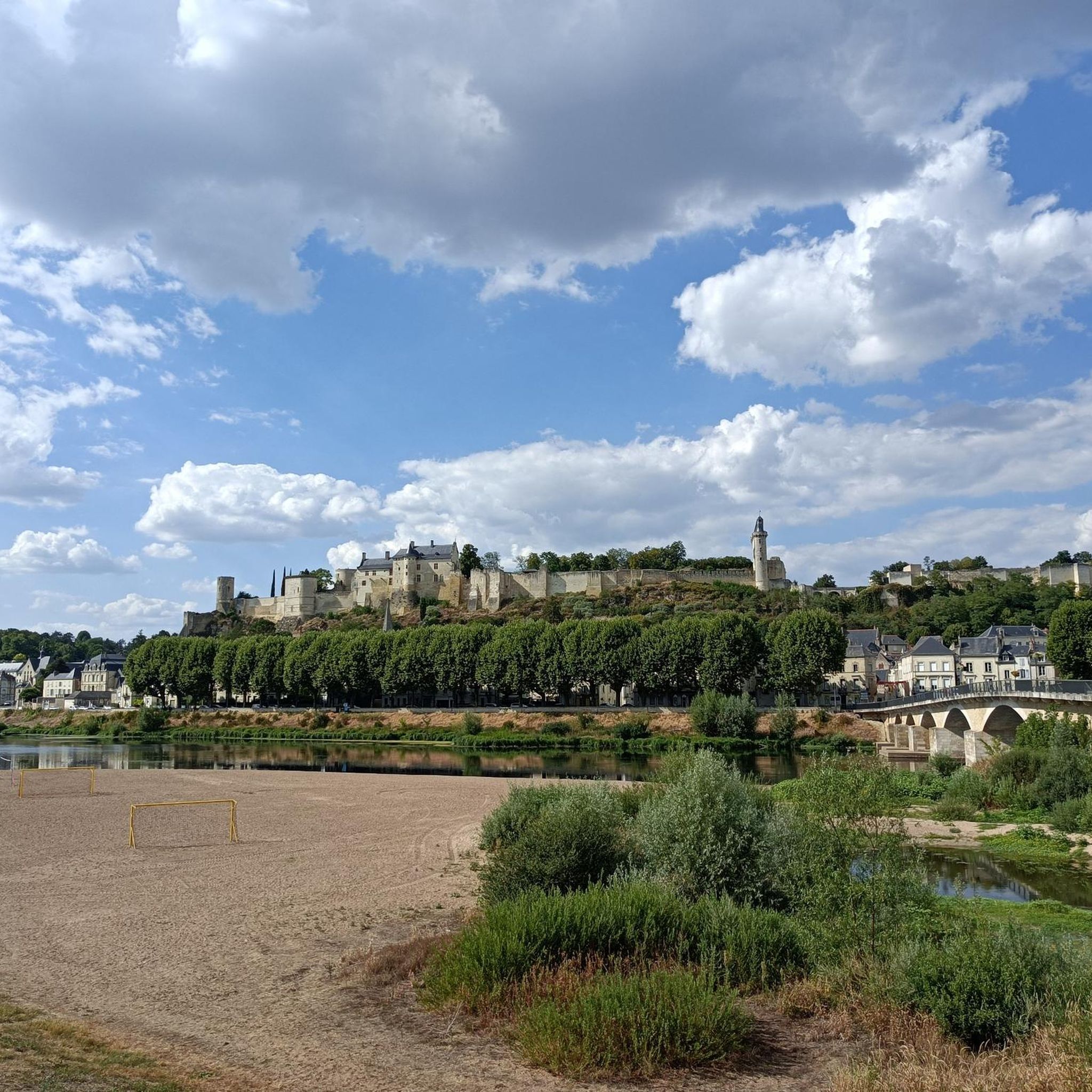
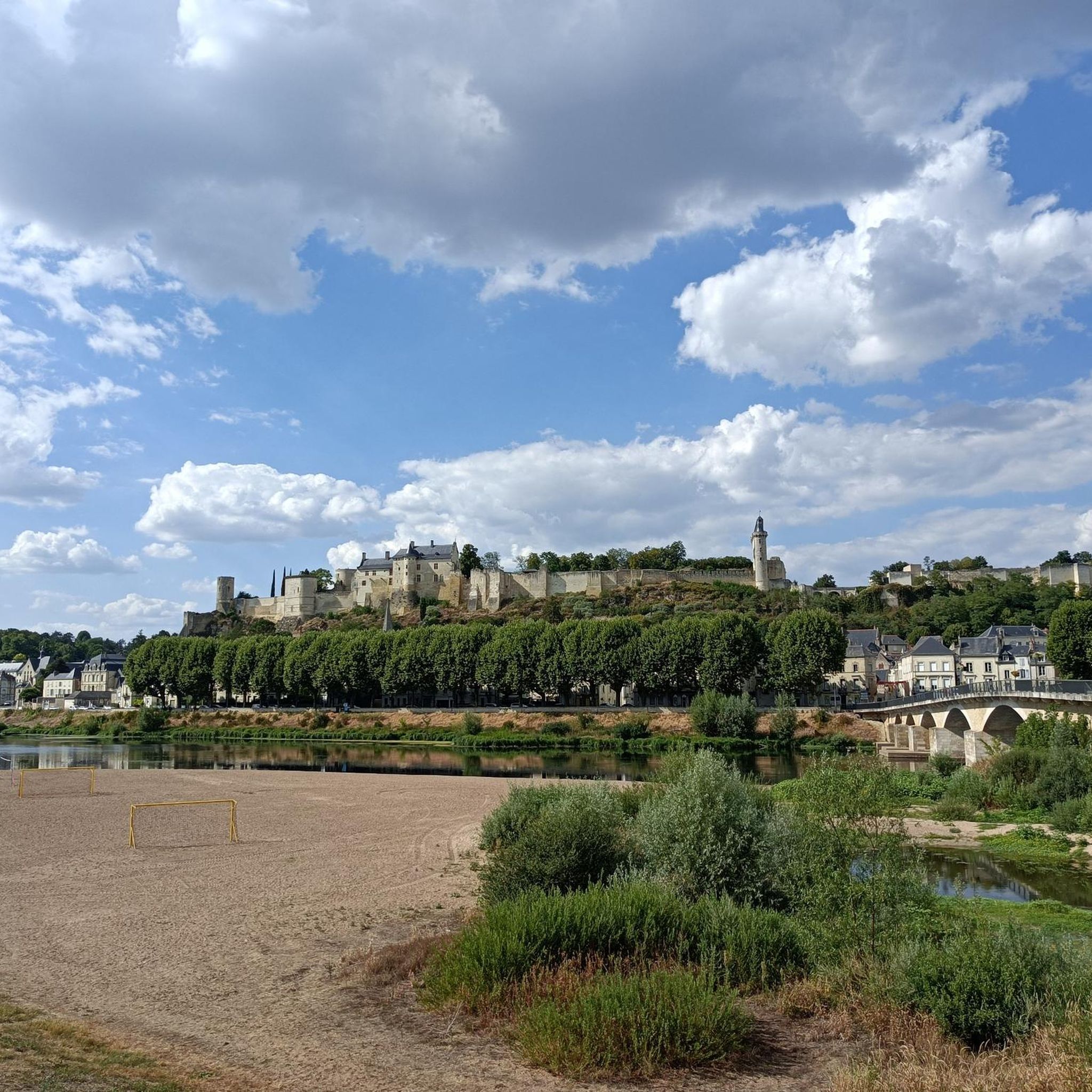
History in brief Antiquity: the site is strategically located on a promontory and has been inhabited for 3,000 years. It was not fortified until the end of the Roman Empire. Middle Ages: in 1154, the new King of England, Henry II Plantagenet, became ruler of an empire stretching from Scotland to the Pyrenees and made Chinon his continental capital. He had a large palace built next to the fortress, which has now disappeared. In 1189, abandoned by his sons, Richard the Lionheart and John Lackland, and fleeing from the King of France, he eventually died there. Philippe Auguste had the defensive Tour du Coudray built there after the siege of 1205. Renaissance: in 1454, the fortress became the main residence of Queen Marie d'Anjou, who lived there without her husband. She spent lavishly on decorating the house to her taste. From the 16th century onwards, the fortress was gradually abandoned and fell into disrepair. Despite the dangerous nature of the terrain, it became a public promenade in 1824 and was listed as a monument in 1840. The restoration of the estate began in 1854 thanks to the efforts of the writer Prosper Mérimée. Source: https://loirelovers.fr/en/visit-royal-fort-chinon/
6
0
Tough calf biter. Here you know why there are gears on your bike.
0
0
Come in the right season and admire the rolling landscape where sunflowers show their best side.
5
1
Fontevraud-l'Abbaye is located in the natural region of the Loire Valley, listed as a "living cultural landscape" by UNESCO. As its name suggests, the history and present of the municipality are closely linked to the Abbey of Notre-Dame, founded in 1099. The abbey presents the originality of being part of a mixed order, but led by abbesses until the Revolution. was the necropolis of the Plantagenet dynasty. The recumbent figures of Richard the Lionheart, Henry II and Eleanor of Aquitaine are still preserved there. The vast abbey complex was transformed by Napoleon I into a penal colony and then into a "central house". This extraordinary prison closed its doors in 1963. While the abbey church and the various monastic sites were rehabilitated, the entire old abbey has since housed a prestigious cultural centre with, among other things, a renowned art museum, welcoming meetings and artists in residence. Art, history and heritage are highlighted throughout the year.
4
0
Frequently Asked Questions
What kind of terrain can I expect on gravel bike trails around Ternay?
Gravel biking around Ternay offers a diverse mix of terrain. You'll find routes combining paved and unpaved surfaces, traversing sloped vineyards, orchards, and more rugged areas. The region's location at the confluence of the Rhône valley and the Giers, with proximity to the Pilat mountains, ensures varied landscapes and natural features.
Are there any beginner-friendly gravel routes in Ternay?
While many routes around Ternay are rated as 'difficult', there are also 'moderate' options available. For example, the Montreuil-Bellay Castle – Brézé Castle loop from Saint-Léger-de-Montbrillais is a moderate 48.4 km (30.1 miles) route, offering a less challenging experience compared to the longer, more demanding trails.
What are some notable landmarks or natural features I might see along the gravel routes?
The region around Ternay is rich in historical sites and natural beauty. While cycling, you might encounter impressive castles such as La Mothe-Chandeniers Castle or Château d'Oiron. The routes also offer panoramic views of the Rhône Valley and pass through green spaces like the Parc du Grand Clos, which features trails and a pond.
Are there any circular gravel bike routes available?
Yes, many of the gravel bike routes around Ternay are designed as loops, allowing you to start and finish at the same point. An example is the challenging Chinon Fortress – Fontevraud Royal Abbey loop from Loudun, which covers 99.0 km (61.5 miles) with significant elevation gain.
What is the best season for gravel biking in Ternay?
Ternay's climate makes it suitable for gravel biking across multiple seasons. Spring and autumn generally offer pleasant temperatures and vibrant scenery, ideal for longer rides. Summer can be warm, but early mornings or late afternoons are often comfortable. Winter riding is possible, though conditions may vary, so checking local weather forecasts is always recommended.
Are there any family-friendly gravel biking options near Ternay?
While many listed routes are quite long and challenging, the region's green spaces, such as the Parc du Grand Clos with its 6 kilometers of trails, can offer gentler, more family-friendly cycling opportunities away from the main gravel routes. For dedicated gravel trails, consider the 'moderate' difficulty routes if your family has some biking experience.
Where can I find parking for gravel bike trails in Ternay?
Specific parking information for individual trailheads is best found on the detailed route pages. However, Ternay, being a commune, generally offers public parking options within the town and near its green spaces like the Parc du Grand Clos, which could serve as starting points for rides. Always check local signage for parking regulations.
What do other gravel bikers enjoy most about gravel biking in Ternay?
The gravel biking experience around Ternay is highly rated by the komoot community, with an average score of 4.5 stars. Riders often praise the blend of natural features, including river valleys and vineyards, and the access to the Pilat mountains, which provides a varied and engaging riding experience.
Can I access gravel trails using public transport in Ternay?
Ternay is situated between Lyon and Vienne, and while local public transport options exist, direct access to specific gravel trailheads via public transport might be limited. It's advisable to check local bus schedules or regional train connections to nearby towns and plan your route accordingly, potentially starting your ride from a central location in Ternay.
Are there any cafes or places to stop for refreshments along the gravel routes?
The routes around Ternay often pass through or near charming villages and towns. While specific cafes on every trail are not guaranteed, planning your ride to include stops in these settlements, such as Loudun or Saint-Léger-de-Montbrillais, will provide opportunities for refreshments and local amenities. It's always a good idea to carry sufficient water and snacks.
What is the longest gravel bike route available around Ternay?
The longest gravel bike route listed is the Château de Saumur – View of Saumur loop from Berrie. This challenging trail spans 132.6 km (82.4 miles) and typically takes around 9 hours and 10 minutes to complete, offering extensive riding through varied landscapes.
Are there any permits required for cycling on gravel trails in the Ternay area?
Generally, no specific permits are required for cycling on public gravel trails in the Ternay area. However, if your route takes you through private land or specific protected areas, it's always best to check local regulations. For areas like the Pilat Regional Nature Park, general access for cycling is usually permitted on designated trails.
Most popular attractions around Ternay

Get inspired with the komoot mobile app


Explore more
Browse the best Gravel rides in other regions.
