Attractions and Places To See in Meuse - Top 20
Attractions and places to see in Meuse, a department in northeastern France, offer a diverse range of experiences. The region is characterized by its significant historical sites, particularly those related to World War I, alongside tranquil natural landscapes. Meuse features extensive forests, picturesque towns, and the serene Meuse River, providing varied opportunities for exploration. Over 30% of the region is covered in forest, with additional meadows, valleys, and orchards.
Best attractions and places to see in Meuse
- The most popular attractions is Douaumont Ossuary, a man-made monument that holds the remains of over 130,000 unknown French and German soldiers. This impressive memorial is recognized as a UNESCO World Heritage Site.
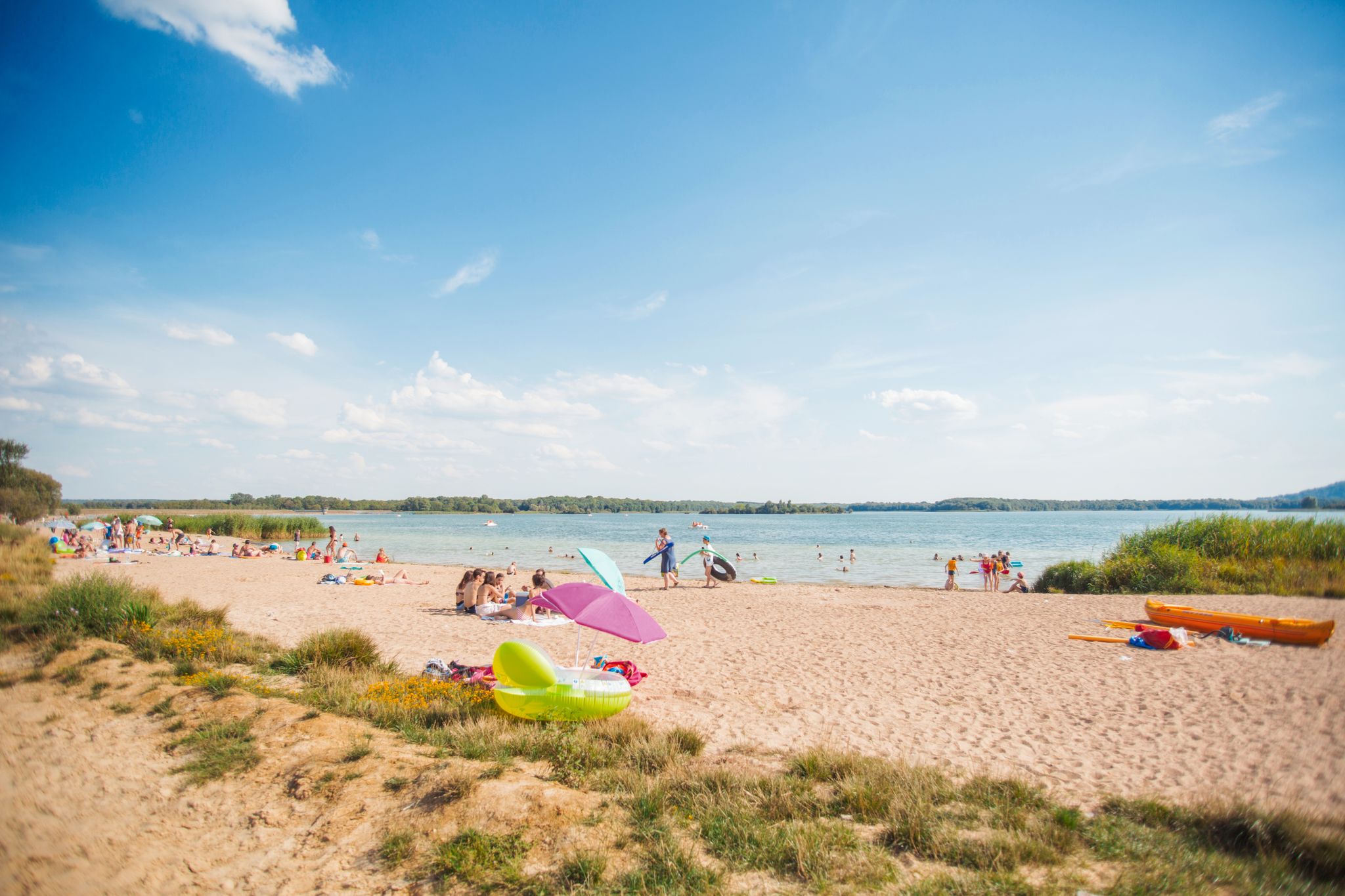
- Another must-see spot is Lake Madine, a lake that serves as an ideal leisure area for family activities. Visitors can engage in swimming, sailing, paddleboarding, cycling, and explore lakeside trails.
- Visitors also love Montsec American Memorial, an impressive man-made monument erected by the United States. It honors American troops from World War I and offers panoramic views of the former battlefield.
- Meuse is known for its top rated historical sites, natural landscapes, and cultural points of interest. The region provides a variety of attractions to see and explore, from poignant war memorials to serene lakes and charming villages.
- The attractions in Meuse are appreciated by the komoot community, with over 290 upvotes and more than 410 photos shared.
Last updated: July 6, 2026
Douaumont Ossuary
Highlight • Monument
Let us never forget this horror!
Translated by Google •
Tip by

Lake Madine
Highlight • Lake
Translated by Google •
Tip by

Sign up now to discover places like this
Get recommendations on the best single tracks, peaks, & plenty of other exciting outdoor places.
Sign up for free
Butte de Montsec
Highlight • Monument
Translated by Google •
Tip by

Monument to the Dead and the Children of Verdun
Highlight • Other
Translated by Google •
Tip by

Verdun Memorial
Highlight • Historical Site
Translated by Google •
Tip by
Monument to Victory and the Soldiers of Verdun
Highlight • Other
Translated by Google •
Tip by

Verdun War Memorial
Highlight • Monument
Source: cirkwi.com/fr/point-interet/1163654-monument-aux-enfants-de-verdun-morts-pour-la-france
Translated by Google •
Tip by

Basilica of Our Lady of Avioth
Highlight • Religious Site
Translated by Google •
Tip by

Fort de Vaux
Highlight • Historical Site
The car park is ideal for walks (for example to the Vaux pond). If you keep your eyes peeled, you can discover many other testimonies and memorials from the Battle of Verdun on the forest trails. The paths and trails should not be left, as there is a serious danger of encountering duds or live ammunition (even grenades)! We discovered e.g. even at the edge of the main gravel path, the remains of a stalk grenade.
More information and excellent photographic documentation: verdunbilder.de
Translated by Google •
Tip by

Bell Tower of the Douaumont Ossuary
Highlight • Monument
Translated by Google •
Tip by
Sign up for free to discover even more attractions in Meuse.
Sign up for free
Already have an account?
Start today with a free account
Your next adventure awaits.
Login or Signup
Popular around Meuse
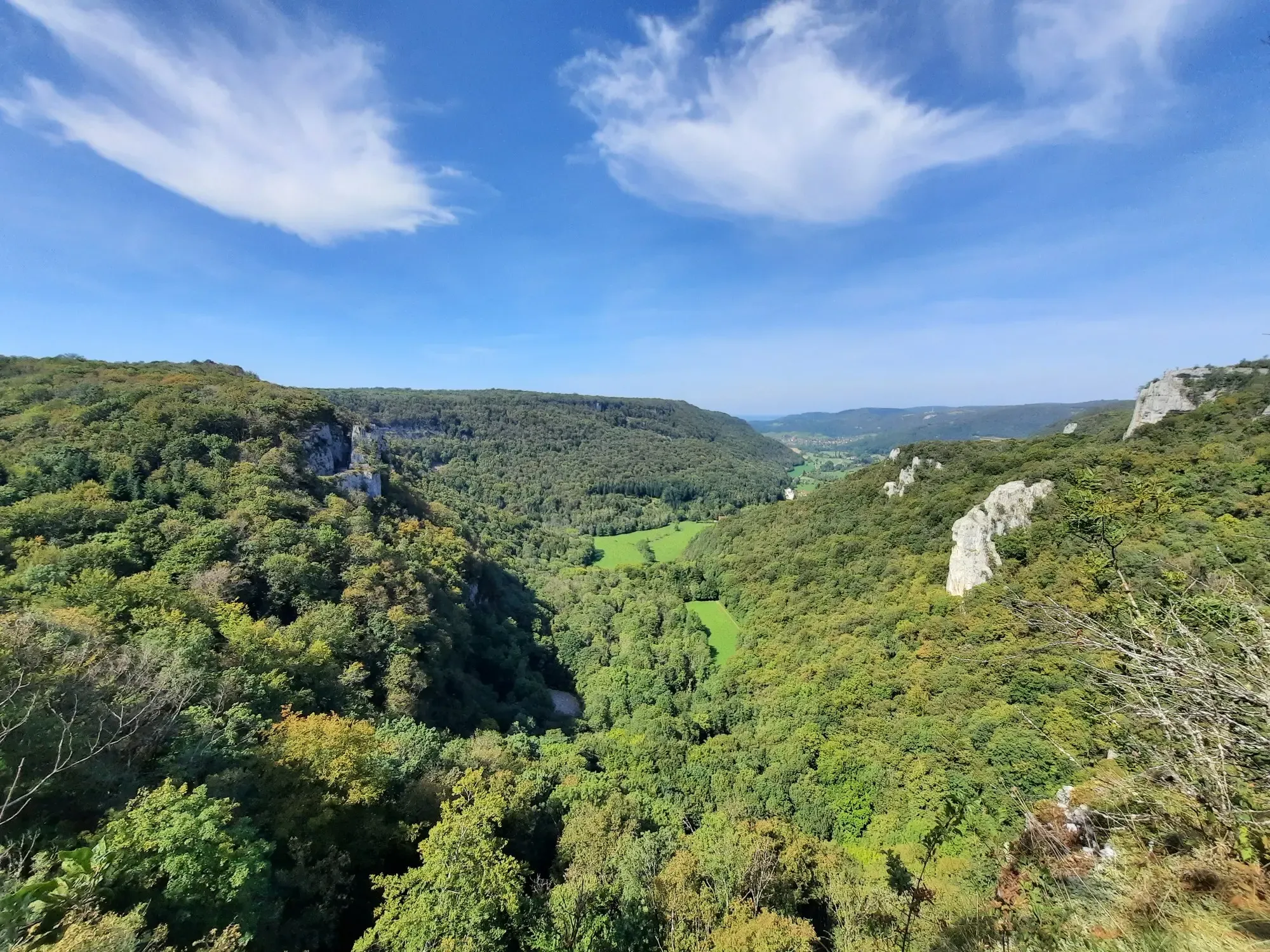
The Ardennes Trail (GR 14) – From Paris to the Belgian border
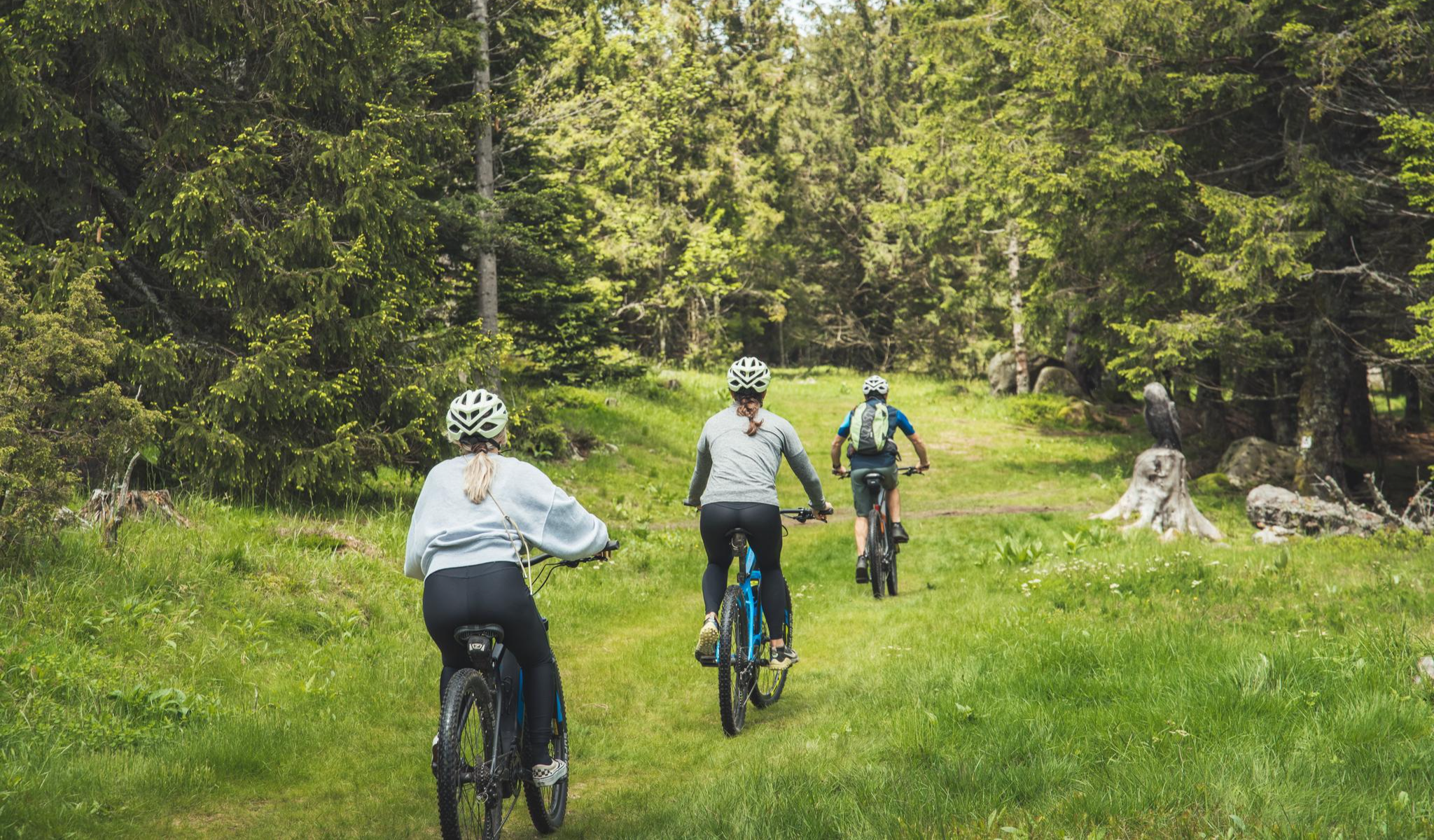
MTB and gravel in the Grand Est – the joy of the low mountains
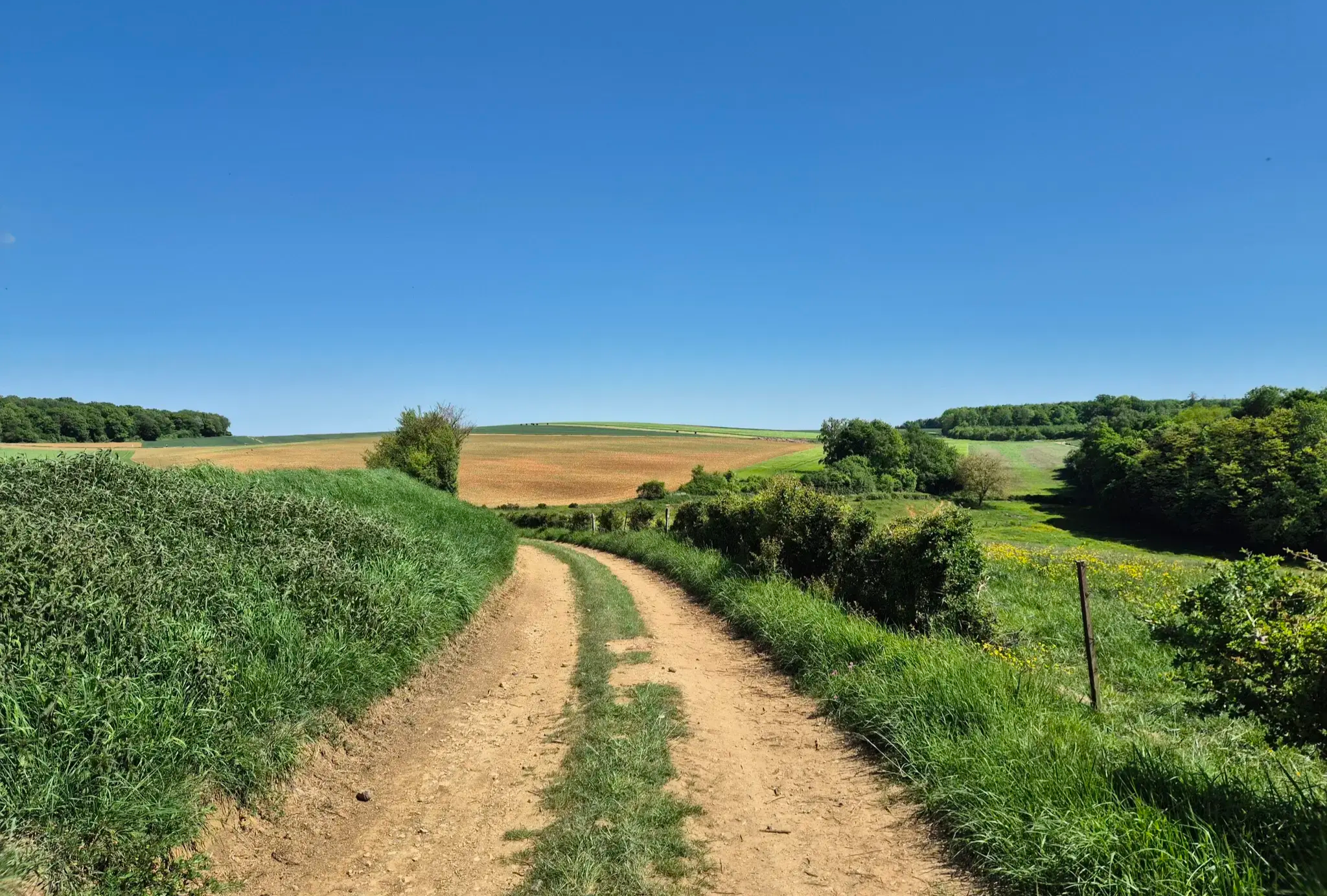
Une randonnée aux airs de Provence — La Transgaumaise
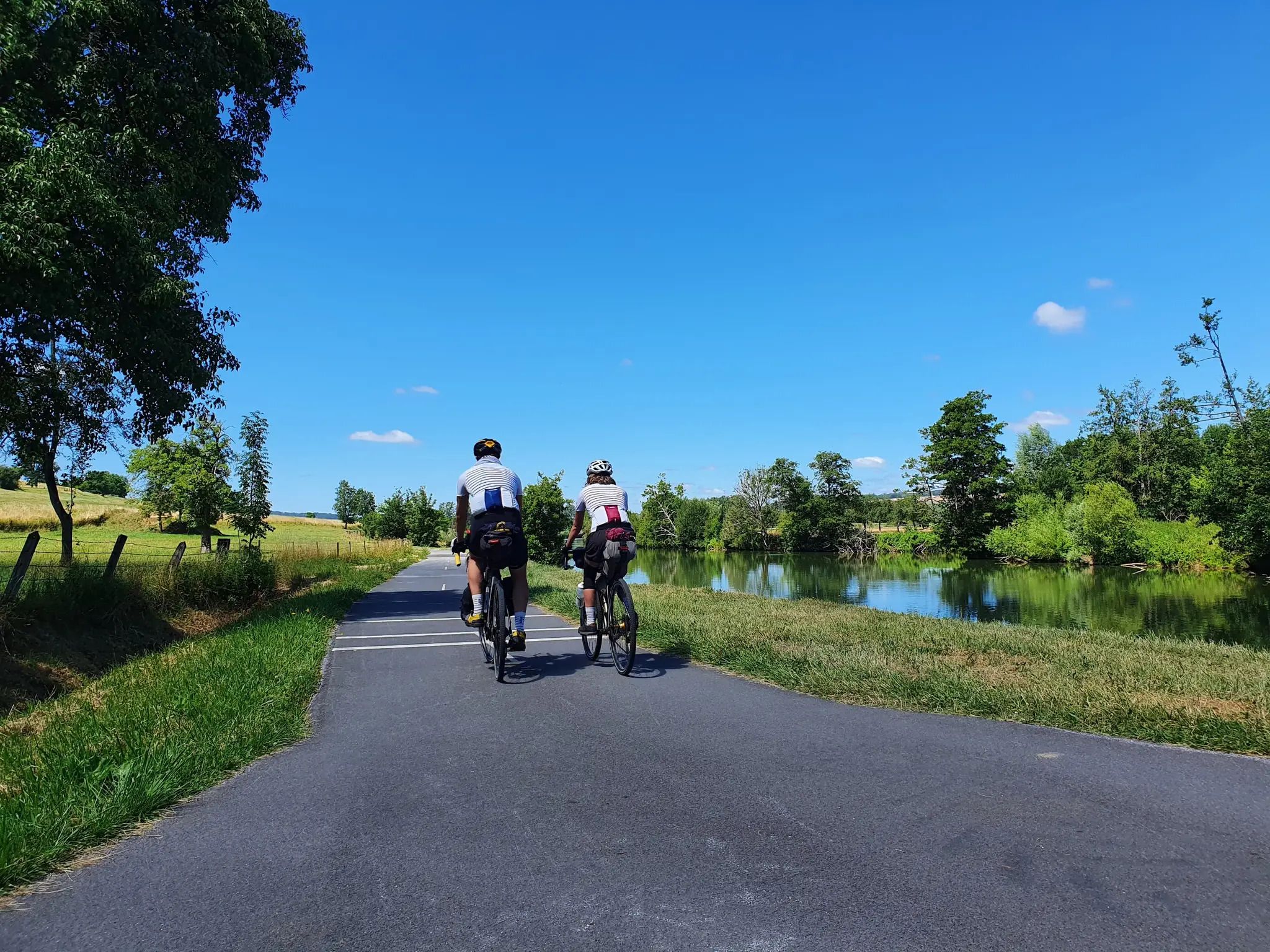
A river, three countries, countless experiences – Meuse Cycle Route
Walking in fresh air or alongside water in the Grand Est
Transcontinental Race No9 2023
Along the Meuse River – an adventure on EuroVelo 19
A river getaway – along the Marne-Rhine Canal
In the footsteps of the First World War — EuroVelo 19
A cycling adventure from Paris to Prague – Pan-European Cycle Route
Other adventures in Meuse


Tips from the Community

An observation tower from which, apart from the cemetery, you can see the battlefield (now overgrown with trees) of Verdun.
3
0

On the hill of Montsec in France stands this impressive memorial, erected by the United States in honor of the American troops who broke through the German St. Mihiel salient in September 1918. The monument, a classical colonnade with a bronze relief map in the center, offers a panoramic view of the former battlefield. It symbolizes the cooperation between the French and American armies and commemorates the more than 550,000 American soldiers who took part in this first major, independently led American offensive operation of World War I.
10
0

The simple yet poignant structure of the "MONUMENT AUX MORTS," perched high on the hill, can be seen from afar. At the same time, the location offers visitors a sweeping view of the landscape around Montsec, including the Lac de Madine. But this panorama is only a side effect. The memorial was not erected for edifying purposes; rather, it has the dual function of keeping the memory of the victims of war and tyranny alive, and thus also serves as a constant reminder to maintain peace. The architecture of the complex, with its wide staircase and the rectangular columns forming a circle at the top, may well evoke memories of buildings from classical antiquity, but it dates back to the 20th century.
3
1

Built in the 14th century, the Avioth Basilica is distinguished by its rich Gothic-style decorations. It is also called the Cathedral of the Fields because of its natural setting.
0
0
Lac de Madine is an artificial lake of almost 10 km², created in the 1970s as a water reservoir for the city of Metz. It is located in the heart of the Lorraine Regional Nature Park and is part of the Natura 2000 network for its ecological value. The lake has two islands, 250 hectares of forest and 42 km of shoreline. In addition to its role in the drinking water supply, it is an important recreational area with two main sites: Nonsard-Lamarche and Heudicourt-sous-les-Côtes. Visitors will find marinas, beaches, cycle and walking routes, restaurants and nature reserves.
8
0
The Ossuary of Douaumont is an impressive memorial that holds the remains of more than 130,000 unknown French and German soldiers who died during the Battle of Verdun (1916). The bones are visible through small windows in the base – a confronting reminder of the horrors of war. In front of the ossuary is the Nécropole nationale de Douaumont, the largest French military cemetery of the First World War, with 16,142 graves, including a Muslim and Jewish plot. The complex was recognized as a UNESCO World Heritage Site in 2023.
8
0
The Mémorial de Verdun, located near the ruined village of Fleury-devant-Douaumont, is a leading museum and commemoration site for the Battle of Verdun (1916). The museum displays more than 2,000 objects and uses authentic objects, photographs and audiovisual installations to show how French and German soldiers experienced this battle – in the exact same place where they fought.
8
3
Inaugurated in 1928, this war memorial in Verdun honours the city’s inhabitants who died for France in both world wars. It was built on the remains of a military butcher’s shop, on the crescent of the Chaussée, a 17th-century fortification. The sculpture depicts five soldiers – a cavalier, an engineer, an infantryman (poilu), an artilleryman and a territorial – forming a symbolic wall under the motto of Verdun: “On ne passe pas”.
8
0
Frequently Asked Questions
What historical sites related to World War I can I visit in Meuse?
Meuse is deeply marked by World War I, particularly the Battle of Verdun. Key sites include the powerful Verdun Memorial, the solemn Douaumont Ossuary which holds the remains of over 130,000 unknown soldiers, and strategic points like Fort de Vaux. You can also visit the Montsec American Memorial, offering panoramic views of the former battlefield, and the preserved destroyed villages like Fleury-devant-Douaumont.
What natural attractions and outdoor activities does Meuse offer?
Meuse boasts diverse natural landscapes. The department's largest lake, Lake Madine, is a hub for swimming, sailing, paddleboarding, and cycling. The Meuse River features the scenic Voie Verte (Trans-Ardennes greenway) for walking and cycling. The Meuse Heights and extensive forests, including the Argonne, are ideal for hiking. A significant portion of the Lorraine Regional Nature Park also lies within Meuse, protecting local flora and fauna.
Are there family-friendly attractions in Meuse?
Yes, Meuse offers several family-friendly options. Lake Madine is an ideal leisure area for families, offering various water sports and lakeside trails. Many historical sites, such as the Verdun Memorial and the Citadel of Montmédy, are also suitable for families, providing educational experiences in an engaging setting.
Where can I find charming towns and cultural sites in Meuse?
The departmental capital, Bar-le-Duc, features a beautifully preserved Renaissance upper town with elegant facades and the Musée Barrois. Saint-Mihiel is known for its Benedictine abbey and Renaissance sculptures by Ligier Richier. Hattonchâtel, perched on a ridge, is considered one of Meuse's prettiest villages with a restored château. Vaucouleurs is notable as the starting point for Joan of Arc's journey and hosts a museum dedicated to her.
What are the best hiking opportunities in Meuse?
Meuse offers numerous hiking trails, especially through its extensive forests and along the Meuse River. You can explore the forested ridges of the Meuse Heights or enjoy trails through vineyards and orchards. For specific routes, consider the Tour of Lake Madine Trail or the Verdun Battlefield Memorials Loop. For easier walks, there are options like the Botanical trail loop from Génicourt-sur-Meuse.
Are there cycling routes available in Meuse?
Yes, Meuse is excellent for cycling. The Voie Verte de la Meuse (Trans-Ardennes greenway) follows the Meuse River, offering peaceful routes through scenic countryside. You can also cycle around Lake Madine. For more extensive rides, explore routes like La Meuse à vélo: de Vaucouleurs à Verdun or the Verdun Battlefield Loop.
What are some unique cultural or architectural highlights in Meuse?
Beyond the war memorials, Meuse features unique cultural and architectural gems. The Basilica of Our Lady of Avioth is a stunning Gothic building often called the 'Cathedral of the Fields' due to its grandeur in a small village. The Citadel of Montmédy, a work by Vauban, is another significant historical landmark with impressive fortifications.
What local delicacies or culinary specialties should I try in Meuse?
Meuse offers delightful regional culinary specialties. Be sure to try the unique red currant jam (confiture de groseilles) from Bar-le-Duc, the famous madeleines from Commercy, and the traditional Verdun dragées (sugar-coated almonds).
What do visitors enjoy most about the attractions in Meuse?
Visitors frequently appreciate the profound historical significance of the World War I sites, finding them deeply moving and thought-provoking. The serene natural beauty of places like Lake Madine and the extensive forests are also highly praised for their tranquility and outdoor activity opportunities. Many highlight the impressive views from memorials like the Montsec American Memorial and the overall sense of history and peace found in the region.
Are there any hidden gems or less-known charming villages to explore?
Beyond the main towns, Meuse is home to numerous charming villages with exceptional heritage. Hattonchâtel, with its restored château and flower-filled lanes, is particularly picturesque. Other notable villages include Avioth, known for its Gothic basilica, Beaulieu-en-Argonne, nestled in a forest, and Marville, which boasts medieval and Renaissance heritage.
What is the best time of year to visit Meuse for outdoor activities and sightseeing?
The spring and summer months (April to September) are generally ideal for visiting Meuse. During this period, the weather is pleasant for outdoor activities like hiking and cycling, and the natural landscapes are at their most vibrant. Historical sites and museums are typically open with extended hours, allowing for comprehensive sightseeing.
Can I find easy walking trails suitable for all fitness levels?
Yes, Meuse provides easy walking trails suitable for various fitness levels. Many paths along the Meuse River, such as sections of the Voie Verte, are relatively flat and accessible. You can also find easy loops like the Citadel Moat and Pré l'Évêque Park Loop or the Citadelle de Montmédy loop, which offer gentle strolls through historical areas or natural settings.
Most popular routes in Meuse
Most popular attractions in Meuse

Get inspired with the komoot mobile app


Explore more
Still not found the Highlight you’re looking for? See guides of the top attractions in other regions:
