Top 14 Natural Monuments around Chevreuse
Natural monuments around Chevreuse are found within the Haute Vallée de Chevreuse Regional Natural Park, a protected area known for its diverse natural landscapes. This region southwest of Paris features a blend of forests, valleys, rivers, and unique geological formations. The park is dedicated to preserving its natural and cultural richness, supporting abundant plant and animal life across its varied terrain. It offers numerous opportunities for exploring natural features close to an urban center.
Best natural monuments around Chevreuse
- The…
Last updated: June 26, 2026
Ponds of Parc des Côtes Montbron
Highlight • Lake
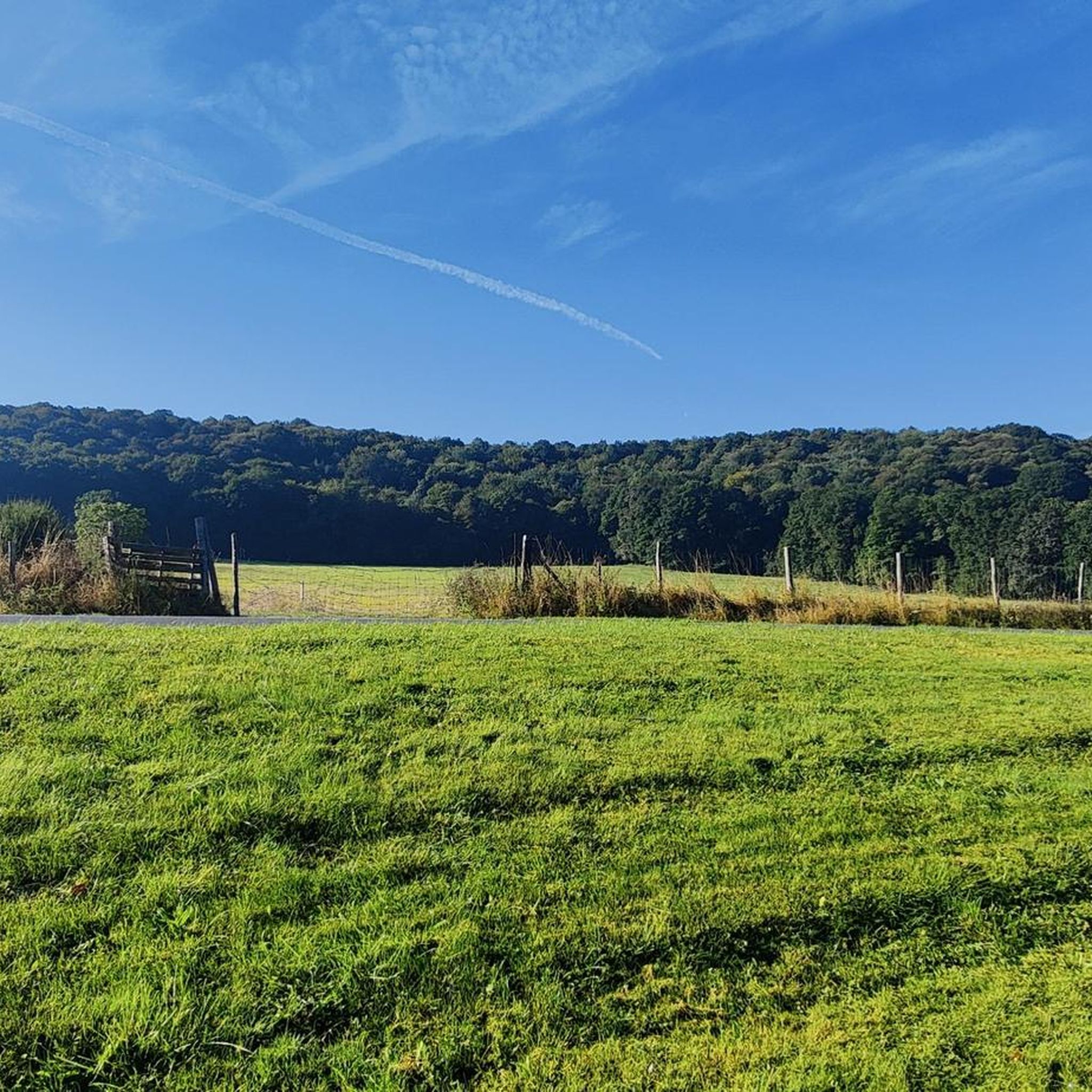
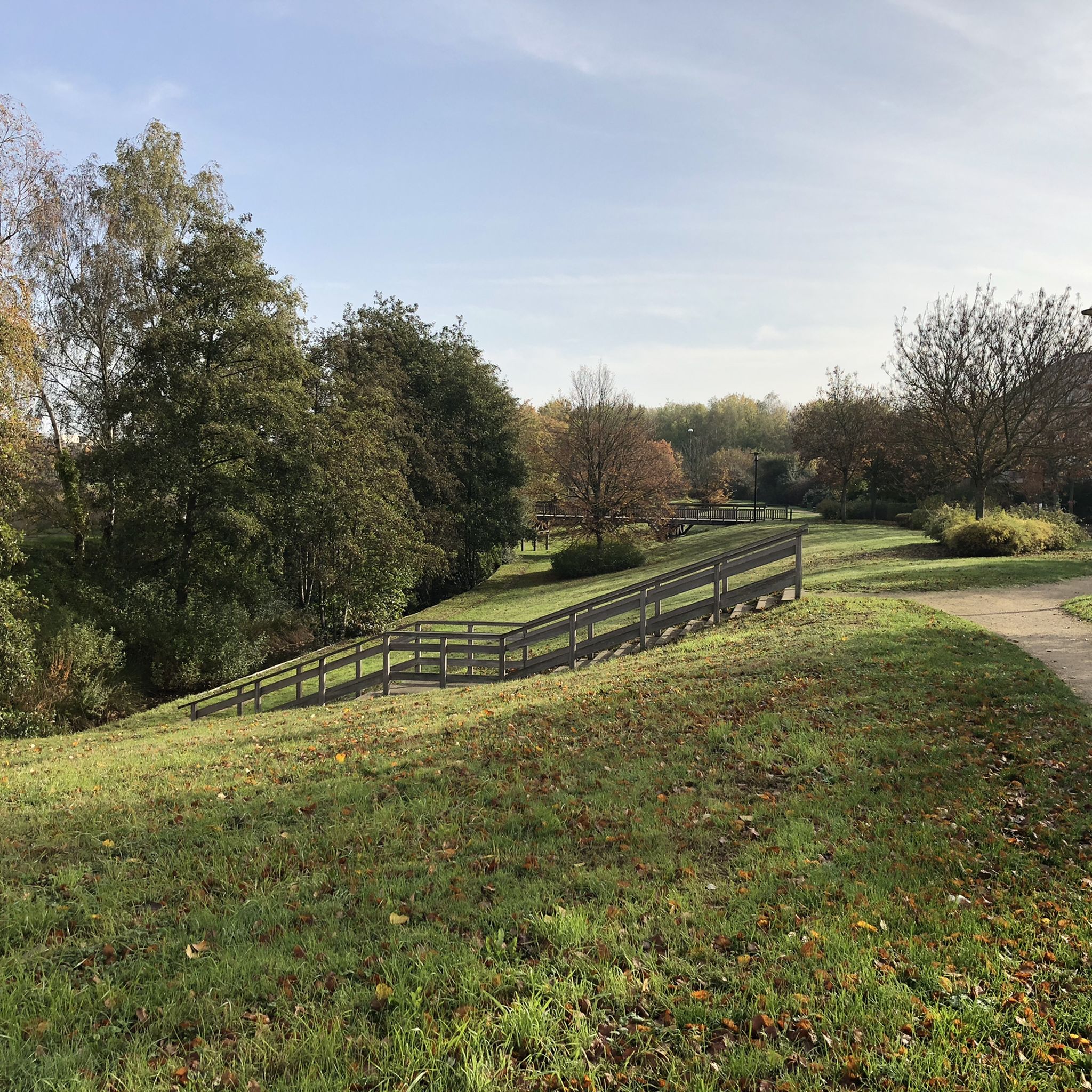
Located in the town of Jouy-en-Josas, the Parc des Côtes Montbron, acquired by the Department for sensitive natural areas, has been …
Translated by Google •
Tip by

La Troche Quarry
Highlight • Climb
This is an old sandstone quarry, traces …
Translated by Google •
Tip by

Sign up now to discover places like this
Get recommendations on the best single tracks, peaks, & plenty of other exciting outdoor places.
Sign up for free
Vaux‑en‑Cernay Lake
Highlight • Lake
ideal for a picnic
Translated by Google •
Tip by
Rock Formations Near Maincourt-sur-Yvette
Highlight • Natural Monument
Translated by Google •
Tip by

The Oak of Petit Launay
Highlight • Natural Monument
The organizers of the Universal Exhibition …
Translated by Google •
Tip by

Sign up for free to discover even more natural monuments around Chevreuse.
Sign up for free
Already have an account?
Start today with a free account
Your next adventure awaits.
Login or Signup

Tips from the Community

The turtle head welcomes you at the end of the hike with its two big, friendly eyes!
0
0

Viltain Farm then the singletrack further west is a little paradise. Landslide (04/2025) on the way back
0
0

Near Maincourt-sur-Yvette, this wood has beautiful rock formations climbing up the first slopes of the Chevreuse valley, just a few meters from the river.
0
0

A lovely passage towards the abbey and waterfalls of Vaux-en-Cernay.
0
0

In the morning, the rocks show blue reflections.
0
0

It is a beautiful place that is quite cool even in the heat because it runs along the Yvette and several ponds, but it concentrates a lot of people on Sundays on a fairly narrow path. In high season, prefer Saturday for this course
0
0

The “Petit Launay” oak (the aulnoye), remarkable for its size and the distribution of its branches, seems to date back to the 15th century. The organizers of the Universal Exhibition of 1900 in Paris wanted to transport it to the capital, which attests to the interest that this Tree already presented. Mr Grisier, mayor of Bures and owner of “Petit Launay” fortunately declined this offer. This estate, a former stronghold from the 14th century, has been better known, since 1810, under the name of "The Virgin". A statuette is still visible on the surrounding wall of the property. It is crossed by the Vaularon, a tributary of the Yvette, hence the humidity conducive to the growth of alders. This tree has been classified in the list of “venerable trees in France”.
0
0

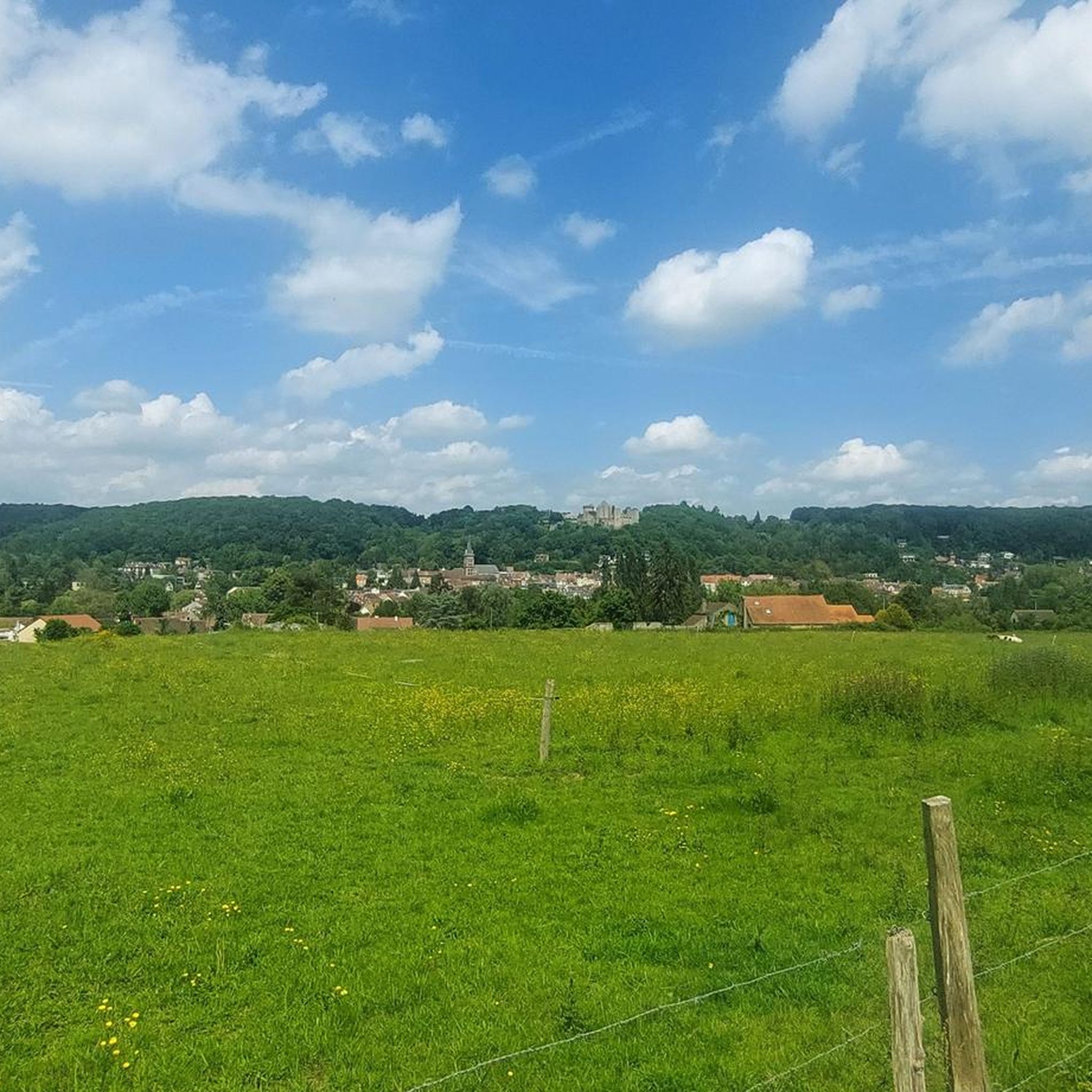
Pretty water point in a bucolic area near Vaux-en-Cernay. Perfect for recharging your batteries and forgetting the Parisian frenzy for an afternoon!
0
1
Frequently Asked Questions
What types of natural features can I expect to see in the Chevreuse region?
The Haute Vallée de Chevreuse Regional Natural Park, where Chevreuse is located, offers a diverse range of natural features. You'll find vast forests like the Rambouillet Forest, picturesque valleys carved by rivers such as the Yvette, and unique geological formations like the Rock Formations Near Maincourt-sur-Yvette. The area also features wetlands, ponds, and even waterfalls, such as The waterfall at the Petit Moulin in Vaux-de-Cernay.
Are there family-friendly natural monuments in the Chevreuse area?
Yes, several natural monuments around Chevreuse are suitable for families. The Ponds of Parc des Côtes Montbron offer a tranquil setting with meadows and woods, ideal for leisurely walks. The area around The waterfall at the Petit Moulin in Vaux-de-Cernay is also considered family-friendly, as is The Oak of Petit Launay, a remarkable ancient tree.
When is the best time to visit the natural monuments around Chevreuse?
The natural monuments around Chevreuse can be enjoyed year-round. Summer offers shade in the forests and refreshing environments in wetlands like the Maincourt Reedbed. Autumn is particularly vibrant with foliage in the Rambouillet Forest. Some areas, like the Rock Formations Near Maincourt-sur-Yvette, are noted for being cool even on warm days due to their proximity to the Yvette River and ponds.
Can I spot wildlife in the natural monuments of Chevreuse?
Yes, the Haute Vallée de Chevreuse Regional Natural Park is known for its abundant plant and animal life. In the vast Rambouillet Forest, you might spot wild boar and deer. The diverse landscapes, including forests, valleys, and wetlands like the Maincourt Reedbed, provide habitats for various species, offering opportunities for wildlife observation.
Are there popular hiking trails near the natural monuments?
Absolutely. The region is crisscrossed with numerous hiking trails. For example, you can find routes that take you through the Rambouillet Forest or along the Yvette River. The area around the Abbaye des Vaux de Cernay also features a large network of paths. You can explore various hiking options in the region by visiting the Hiking around Chevreuse guide.
Can I go cycling near these natural monuments?
Yes, the Chevreuse region is excellent for cycling. The Rambouillet Forest offers numerous trails for both long country rides and mountain biking. The Yvette Riverbanks also provide charming paths for leisurely cycling. For more detailed routes, check out the Cycling around Chevreuse guide or the Gravel biking around Chevreuse guide.
What are the typical difficulty levels for walks around Chevreuse's natural monuments?
Walks around Chevreuse's natural monuments vary in difficulty. Many paths, especially those along the Yvette River or in areas like the Ponds of Parc des Côtes Montbron, are generally easy and suitable for leisurely strolls. However, some trails, particularly those involving the rocky chaos of the Rochers d'Angennes within the Rambouillet Forest or certain sections near the Rock Formations Near Maincourt-sur-Yvette, can be intermediate or more challenging.
Are there any historical or cultural sites integrated with the natural monuments?
Yes, the region blends natural beauty with rich history. For instance, the Rambouillet Forest was historically a hunting ground for French kings. The La Troche Quarry, while a natural formation, also has a documented history dating back to 1720 and was a significant source of sandstone. The entire Haute Vallée de Chevreuse Regional Natural Park is considered an open-air heritage museum, preserving both natural and cultural richness.
What do visitors enjoy most about the natural monuments in Chevreuse?
Visitors frequently appreciate the tranquil and picturesque settings, often highlighting the refreshing environment found along rivers and ponds, even on hot days. The blend of natural beauty with historical elements, such as ancient trees like The Oak of Petit Launay, also adds to the appeal. Many enjoy the diverse landscapes for hiking, cycling, and simply enjoying nature close to an urban center.
Is public transport available to reach some of the natural sites?
Yes, some natural sites are accessible by public transport. For example, the Vaux de Cernay (Cernay Springs and Waterfalls) are easily reached via the Baladobus shuttle from Saint-Rémy-lès-Chevreuse train station. The Ponds of Parc des Côtes Montbron are also accessible by public transport via the Petit Jouy station (RER line C).
Are there any unique geological formations to explore?
The region features distinctive geological formations. The Rock Formations Near Maincourt-sur-Yvette are a prime example, with beautiful rock structures climbing the slopes of the Chevreuse valley. Within the Rambouillet Forest, the Rochers d'Angennes stand out as a rocky chaos, offering a unique landscape for hikers.
Can I find viewpoints offering scenic vistas of the Chevreuse Valley?
Yes, the varied terrain of the Haute Vallée de Chevreuse Regional Natural Park includes wooded hillsides and elevated areas that provide scenic viewpoints. While specific named viewpoints are not detailed for every monument, the general landscape of alternating valleys and plateaus means many trails offer charming vistas of the valley and its natural features.
Most popular routes around Chevreuse
Most popular attractions around Chevreuse

Get inspired with the komoot mobile app


Explore more
Extend your search for the best caves by checking out these guides of the top ones around Chevreuse:
