Attractions and Places To See in Ardennes - Top 20
Best attractions and places to see in Ardennes include a diverse range of historical landmarks, natural features, and cultural sites across Belgium, France, and Luxembourg. The region is characterized by extensive forests, rolling hills, and winding rivers like the Meuse and Semois. Visitors can explore ancient castles, picturesque towns, and striking rock formations. The Ardennes offers a blend of historical depth and natural beauty for exploration.
Best attractions and places to see in Ardennes
- The most popular attractions is Roche Bayart, a natural monument that forms a promontory for admiring the bends of the Meuse River and the village of Monthermé. This striking rock formation is linked to the legend of the Four Sons of Aymon and offers panoramic views of the Meuse Valley.
- Another must-see spot is Place Ducale, Charleville-Mézières, a historical site. Built in the 17th century, this square resembles the Place des Vosges in Paris and serves as a central hub for the city, surrounded by pavilions and arcades.
- Visitors also love Trans-Ardennes Greenway, a cycle way that links historical sites. This route provides a pleasant experience along the Meuse River, away from traffic.
- Ardennes is known for its castles, natural viewpoints, and extensive cycling paths. The region offers a variety of attractions to see and explore, from historical fortifications to scenic river valleys.
- The attractions in Ardennes are appreciated by the komoot community, with more than 200 upvotes and over 70 photos shared by visitors.
Last updated: July 6, 2026
Seven O'Clock Rock
Highlight • Other
Translated by Google •
Tip by

Place Ducale, Charleville-Mézières
Highlight • Historical Site
Translated by Google •
Tip by

Sign up now to discover places like this
Get recommendations on the best single tracks, peaks, & plenty of other exciting outdoor places.
Sign up for free
Givet
Highlight • Settlement
Translated by Google •
Tip by

Roche Bayart
Highlight • Natural Monument
Translated by Google •
Tip by
Monument to the Four Sons of Aymon
Highlight • Other
Translated by Google •
Tip by
Voie verte Trans-Ardennes between Montcy-Notre-Dame and Nouzonville
Highlight (Segment) • Other
Translated by Google •
Tip by

View of Fort de Charlemont
Highlight • Other
Translated by Google •
Tip by

Upper Castle of Sedan
Highlight • Castle
Translated by Google •
Tip by

Trans-Ardennes Greenway
Highlight (Segment) • Cycleway
Translated by Google •
Tip by
Panoramic view of Monthermé
Highlight • Viewpoint
Translated by Google •
Tip by

Sign up for free to discover even more attractions in Ardennes.
Sign up for free
Already have an account?
Start today with a free account
Your next adventure awaits.
Login or Signup
Popular around Ardennes
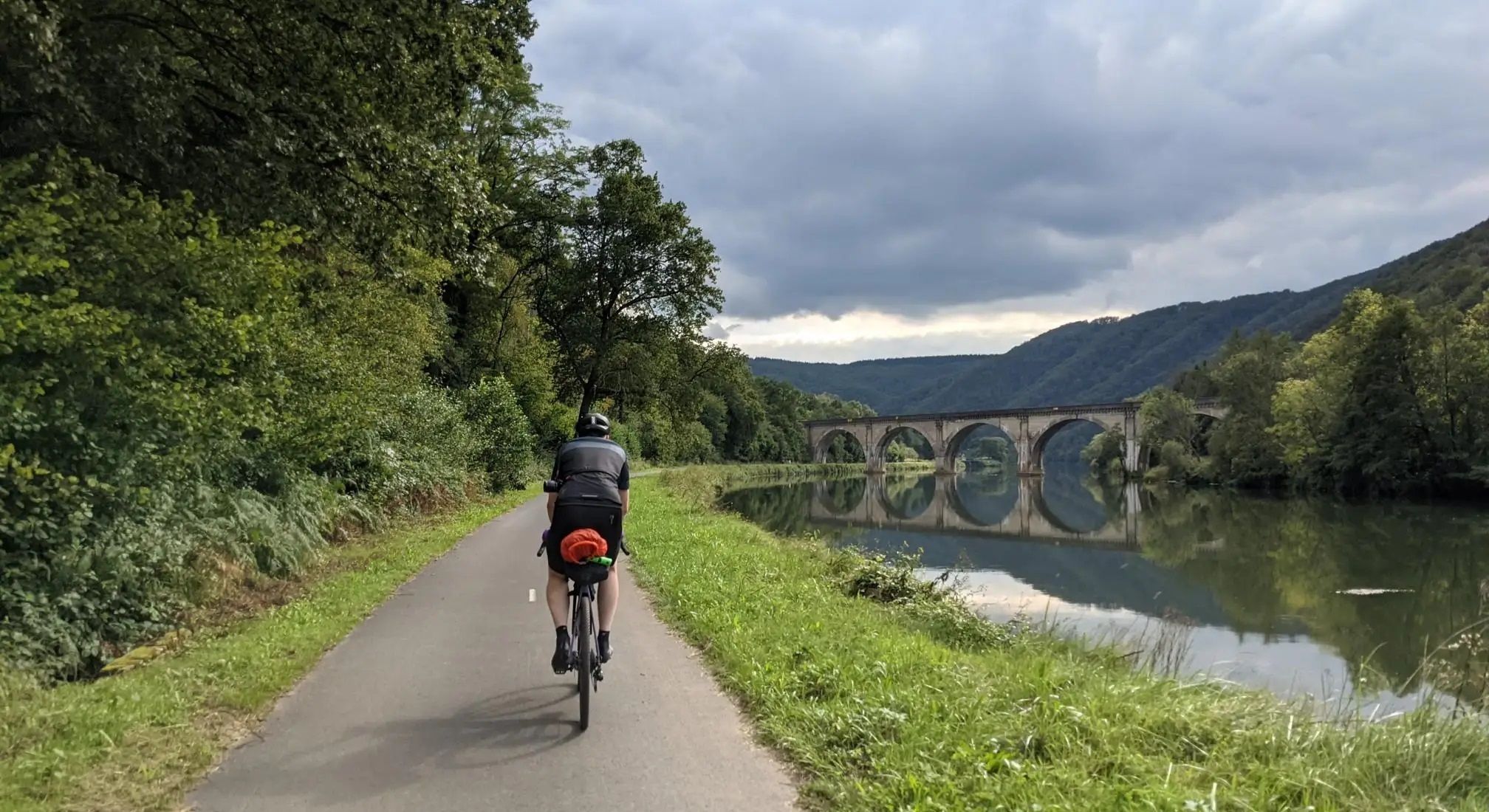
Aachen to Reims – Ardennes, Meuse and Champagne
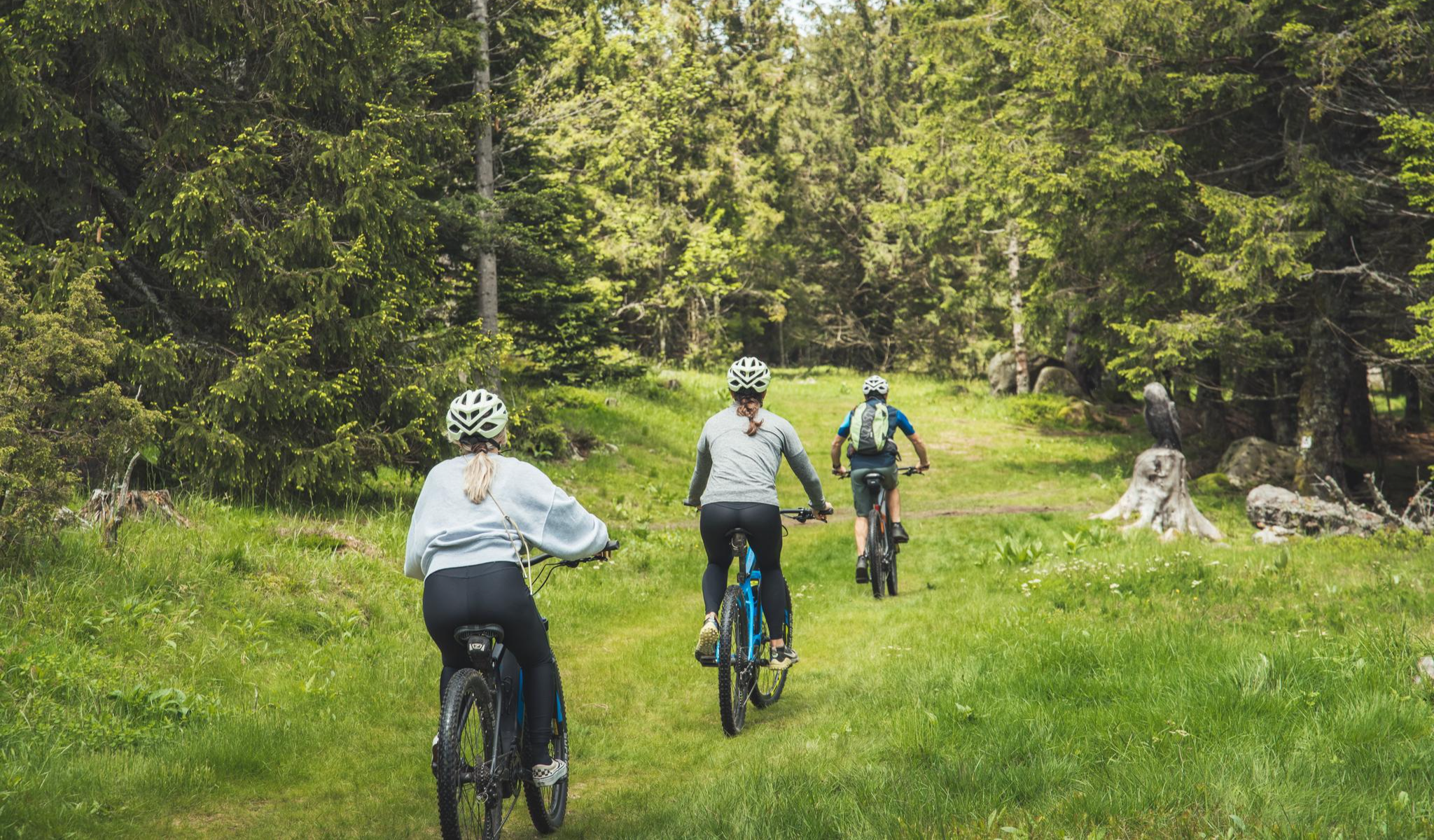
MTB and gravel in the Grand Est – the joy of the low mountains
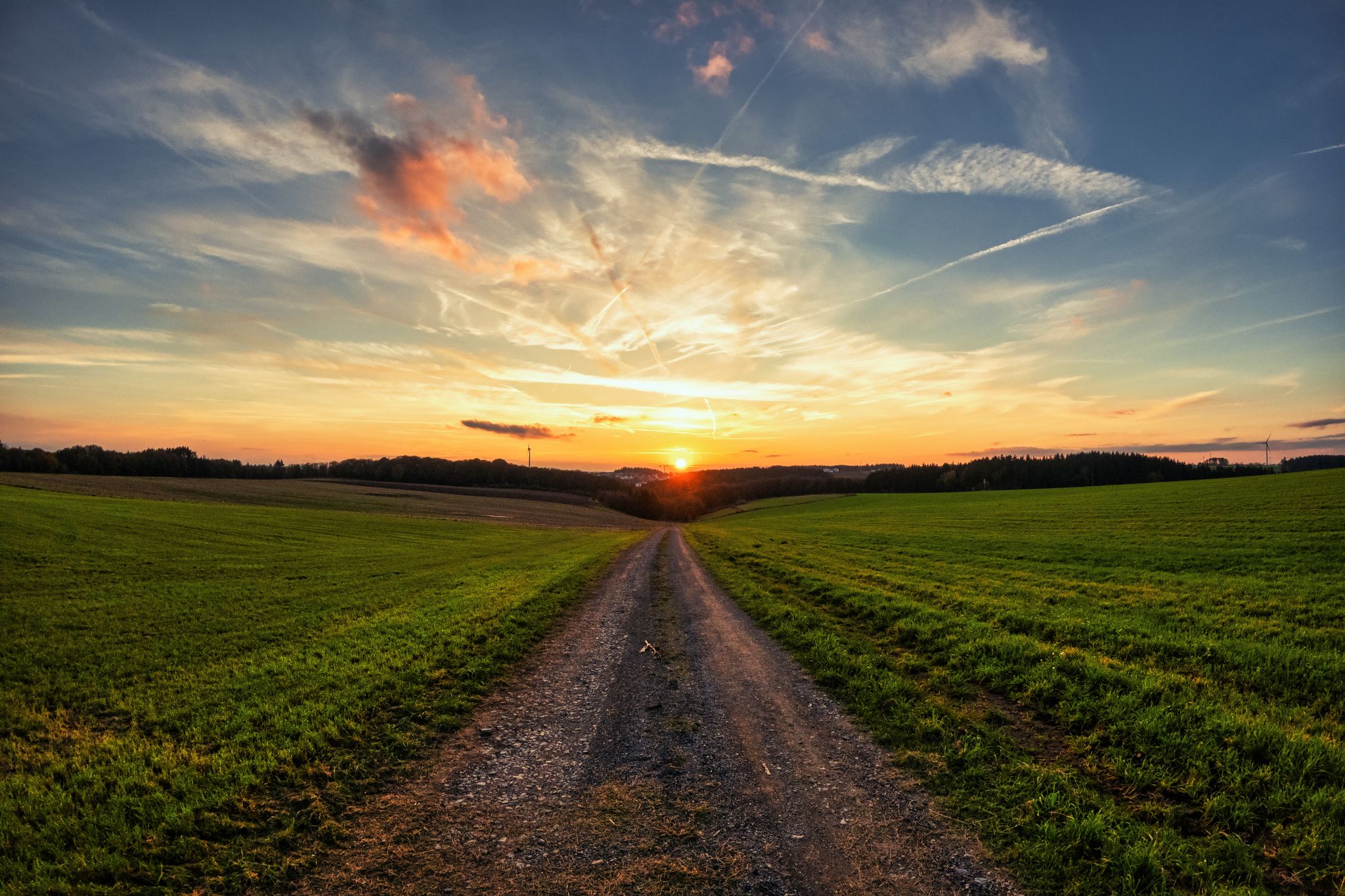
Hardennes Gravel Tour by Resist & Ride - 700 kilometers of unpaved adventure

Trail running in the Grand Est – the region's most beautiful hilly trails
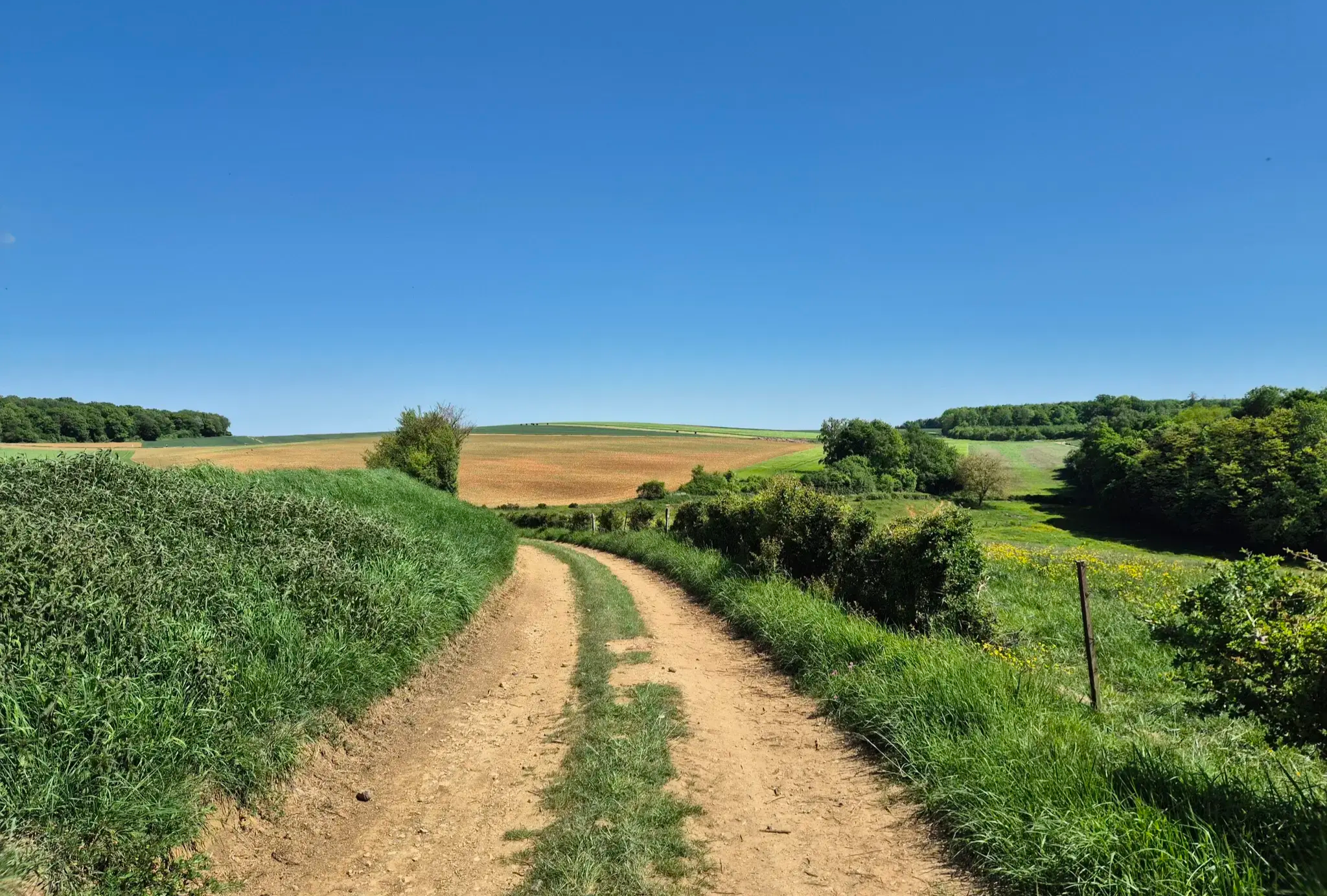
Une randonnée aux airs de Provence — La Transgaumaise
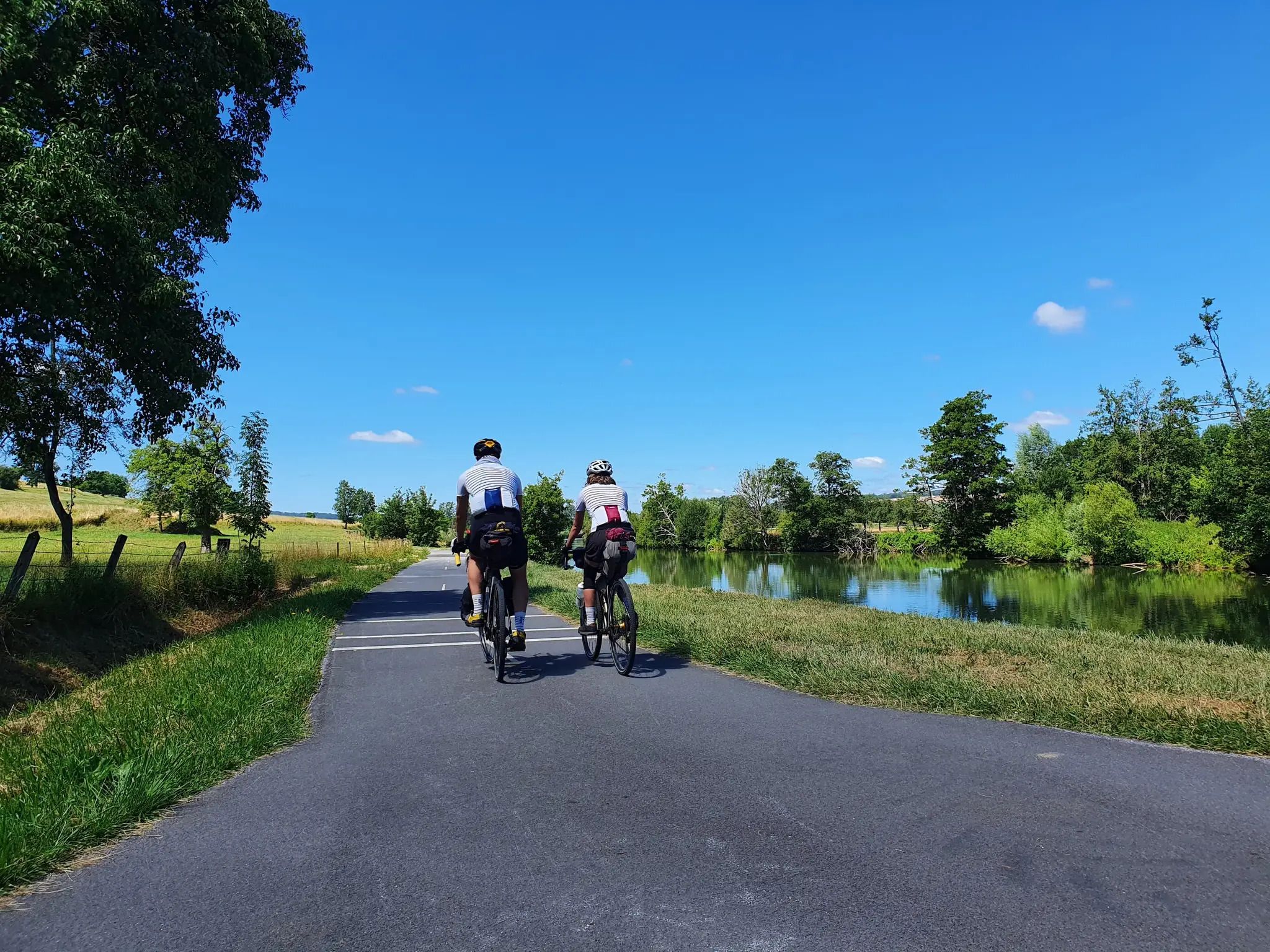
A river, three countries, countless experiences – Meuse Cycle Route

The Grand Est without a car – cycling from station to station
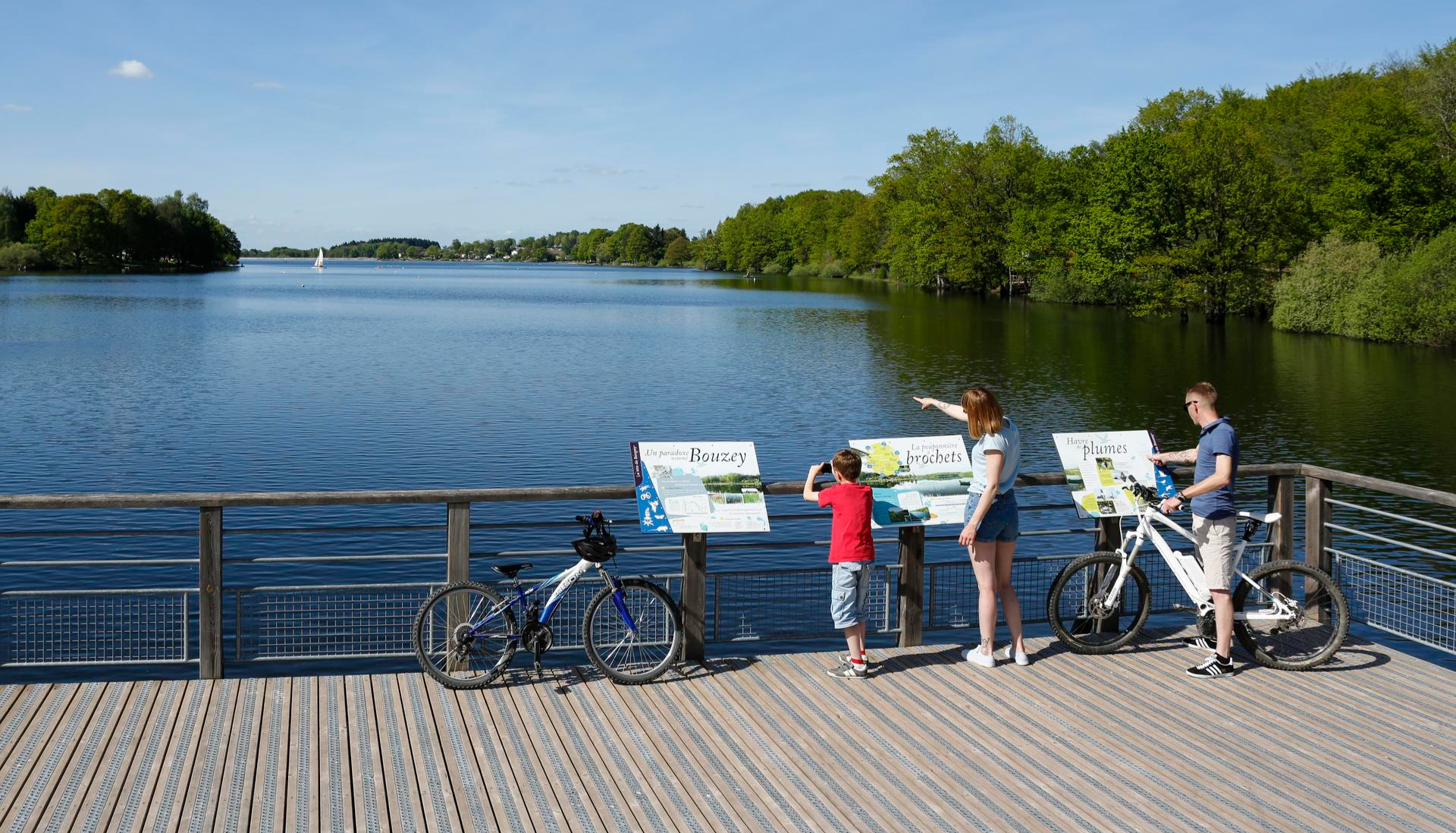
Family getaways – cycling in the Grand Est
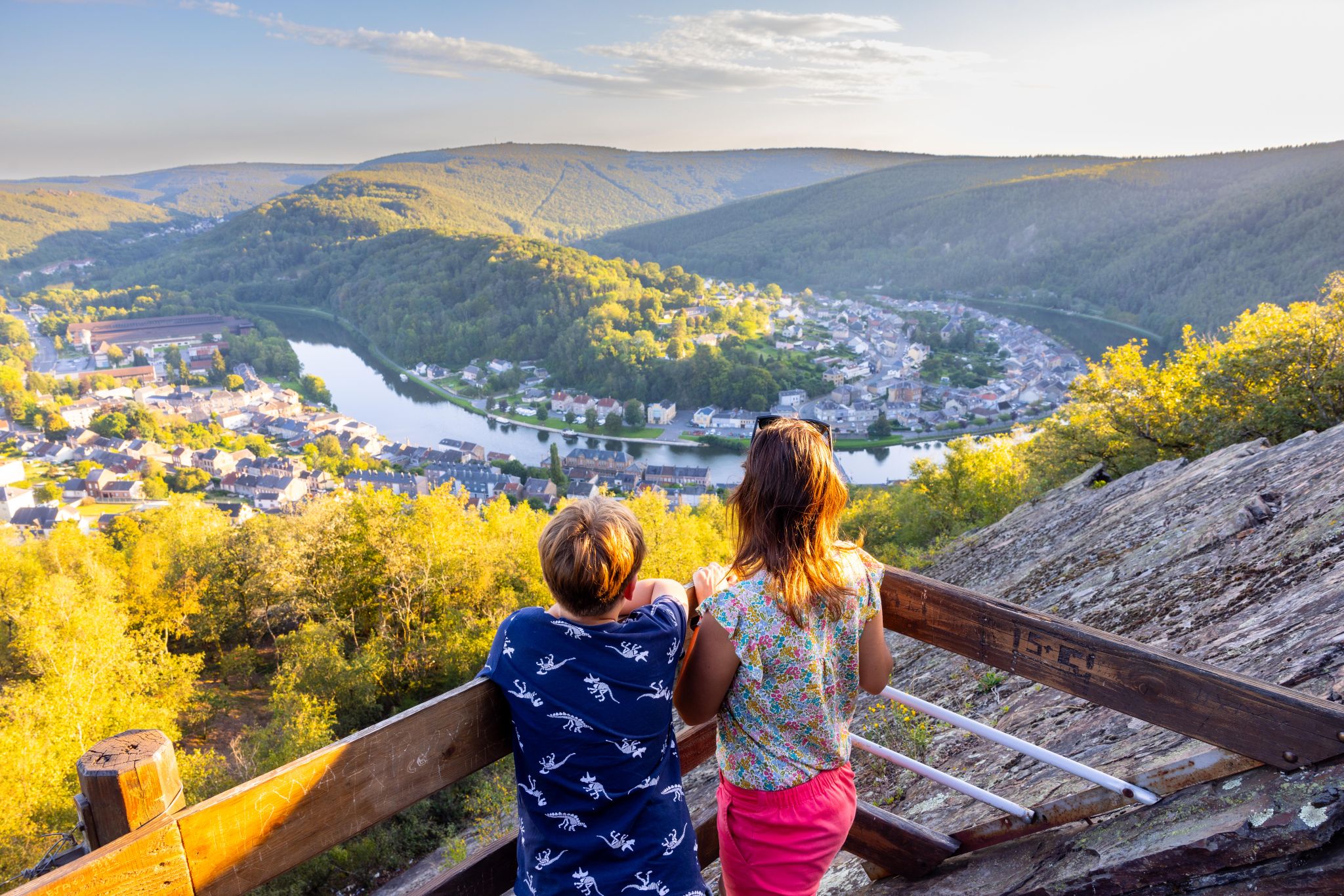
French Ardennes: over 1,000 km of trails in the heart of nature
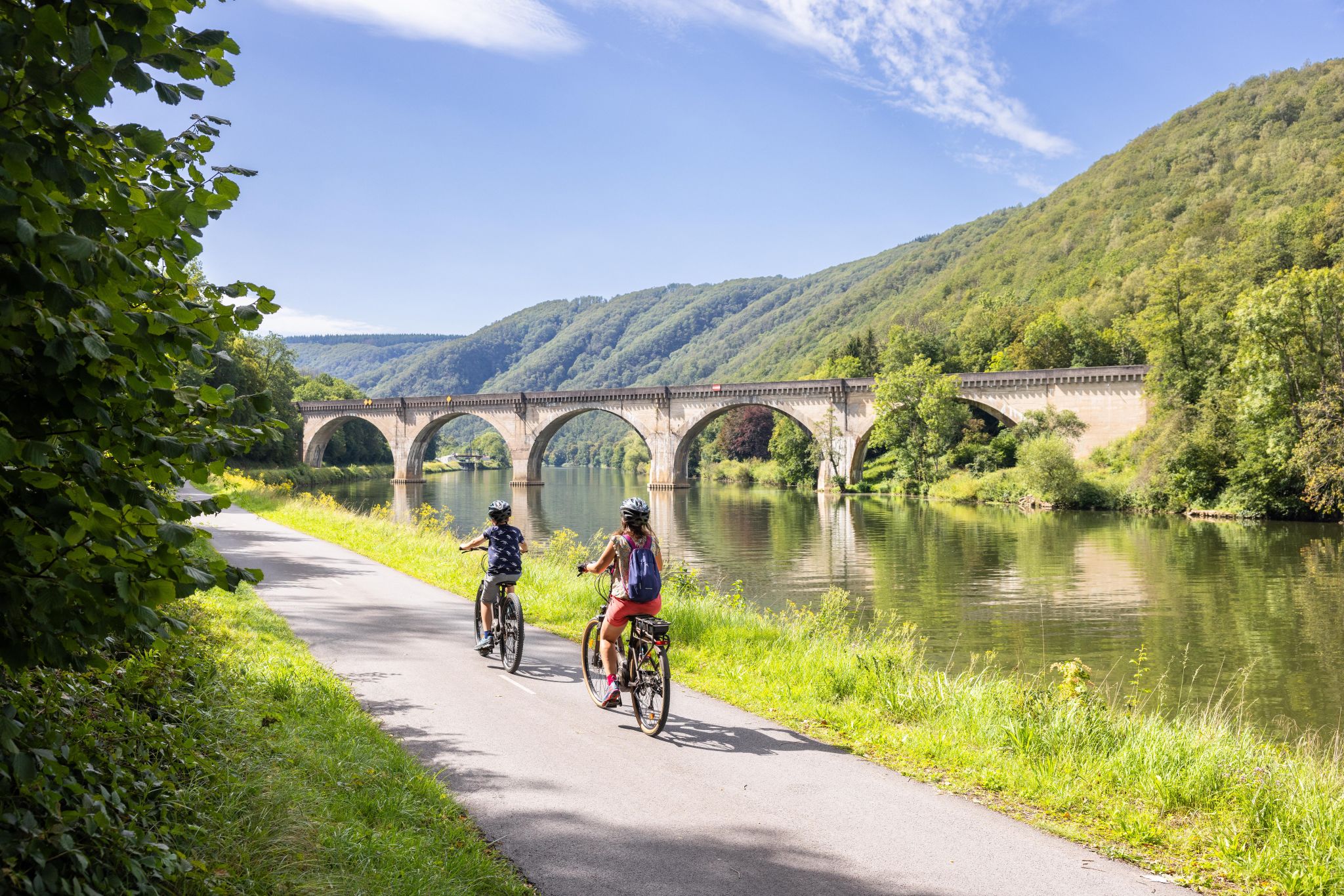
The French Ardennes – more than 270 km of trails through nature
Other adventures in Ardennes


Tips from the Community


The section of the cycle path along the Meuse in the narrow valley of the Ardennes is beautiful.
0
0

The panoramic view of Monthermé, along the Sentier des 4 Fils Aymon, offers one of the most impressive views of the Meuse Valley in the French Ardennes. From this elevated vantage point, a picturesque scene unfolds of wooded hills, winding river tributaries, and the charming town of Monthermé nestled in a loop of the Meuse River. The view is a highlight of the hiking trail dedicated to the legendary four brothers and their horse, Bayard, and combines nature experiences with epic folklore. Thanks to well-maintained paths and informative signs, the panorama serves as both a visual and cultural highlight.
11
0
The Roche Bayart is a striking rock formation in the French Ardennes, closely linked to the legend of the Four Sons of Aymon. According to the medieval story, the magical horse Bayard, carrying the four brothers on his back, leaped over the rock, creating a cleft in the stone with a single hoofstroke. The rock is located near the monument to the Four Sons of Aymon and, together with the surrounding peaks, forms a symbolic tribute to these heroes of Carolingian epic. The area is accessible via a hiking trail that leads visitors past the rocks and through the forest, offering panoramic views of the Meuse Valley.
10
2
The legend of the Quatre Fils Aymon is deeply intertwined with the landscape and identity of Bogny-sur-Meuse, where four rocks rise majestically from the Ardennes forest—each symbolizing one of the four brothers: Renaud, Allard, Guichard, and Richard. According to the medieval chanson de geste, the story originates in the 15th century and revolves around the rebellion of Duke Aymon's four sons against Emperor Charlemagne. The conflict begins when Renaud kills Charlemagne's nephew during a game of chess. The brothers flee on their magical horse, Bayard, which can carry the four of them at once, and seek refuge in the Ardennes forests, where they build the castle Montessor—later known as Château-Regnault, a name that lives on in Bogny today. In Bogny-sur-Meuse, this legend is tangible: on the hilltop stands a monument depicting the four brothers and their horse, Bayard, overlooking the Meuse valley. The rock formations and surrounding path provide a living backdrop to this age-old story, which is still told and celebrated today.
11
1

The construction of Fort Charlemont began in 1555 by order of Emperor Charles V. It dominates Givet and the Meuse valley. The fort and its defences have been modified several times. Between around 1600 and 1675, the Spanish expanded the fort. In 1678, it was conquered by the French army of King Louis XIV. The town fell to France in 1697. Vauban was commissioned to expand the complex and improve the works. In 1874, several forts on the border were modified based on the ideas of Séré de Rivières, including this fort. The bastions were rebuilt and an underground staircase with several hundred steps was dug into the rock. The staircase connects the fort to a railway tunnel. In this way, the fort could be supplied with ammunition, soldiers and equipment, all out of sight of the enemy and invulnerable to enemy artillery fire. In 2009, the French army transferred the fort to the municipality of Givet.
1
0

This section is part of the Trans-Ardennes, a cycle route that is fully signposted in both directions and which links beautiful historical sites in the Netherlands, Belgium and France.
2
0

Situated on the Meuse and crossed by the Houille river, Givet is a French city in the heart of the Ardennes with a remarkable geographical location and a rich urban and historical heritage. Givet is the perfect combination of history and modernity.
2
0
Frequently Asked Questions
What are some of the most impressive natural viewpoints in the Ardennes?
The Ardennes offers several stunning natural viewpoints. Don't miss Roche Bayart, a striking rock formation linked to the legend of the Four Sons of Aymon, offering panoramic views of the Meuse Valley. Another must-see is the Seven O'Clock Rock near Monthermé, which provides a beautiful vista of the Meuse bends. Additionally, Le Hérou features spectacular rock formations along the Ourthe River, providing one of the region's most beautiful viewpoints.
Which historical sites and castles should I visit in the Ardennes?
The Ardennes is rich in history and castles. Explore the formidable Upper Castle of Sedan, the largest fortified castle in Europe. The medieval Château de Bouillon, overlooking the Semois River, offers tours and falconry displays. You can also visit the ruins of La Roche-en-Ardenne Castle or the towering Citadelle de Dinant, which provides panoramic views over the Meuse River.
Are there good cycling opportunities in the Ardennes?
Absolutely! The Ardennes is excellent for cycling. The Trans-Ardennes Greenway is a popular cycle path that links historical sites along the Meuse River, offering a pleasant, traffic-free experience. For more routes, you can find various options, including moderate to difficult road cycling tours, in the Road Cycling Routes in Ardennes guide.
What are some family-friendly attractions in the Ardennes?
Families will enjoy the Ardennes. The Place Ducale in Charleville-Mézières is a central hub with cafes and a vibrant atmosphere. The Trans-Ardennes Greenway is also suitable for family bike rides. For a natural adventure, the Caves of Han-sur-Lesse are a major attraction, offering an exciting underground experience. The Coo Waterfalls also provide a fun natural setting for a family outing.
Where can I experience the cultural heritage of the Ardennes?
To immerse yourself in the cultural heritage, visit the Place Ducale in Charleville-Mézières, a 17th-century square resembling Paris's Place des Vosges. The Arthur Rimbaud Museum in Charleville-Mézières is dedicated to the famous French poet. For a unique spiritual experience, the Radhadesh Domain near Durbuy offers insights into Indian spirituality. Don't forget to explore the charming, historic towns like Durbuy, known as the 'smallest city in the world'.
Are there any significant war history sites in the Ardennes?
Yes, the Ardennes played a crucial role in World War II. The Bastogne War Museum and the nearby Mardasson Memorial are essential sites for understanding the Battle of the Bulge. Other war-related museums include the Musée de la Bataille des Ardennes in La Roche-en-Ardenne and the 101st Airborne Museum, offering deep insights into the region's wartime past.
What kind of natural parks or forests can I explore?
The Ardennes is renowned for its vast natural landscapes. The Ardennes Forest itself covers a rugged region with broadleaf and fir forests, ideal for hiking and cycling. You can also explore the Ardennes Regional Nature Park and the Natural Park of the Two Ourthes, both offering diverse wildlife and stunning natural beauty.
What are some unique towns or villages to visit?
Beyond the larger cities, the Ardennes boasts several unique towns and villages. Dinant is an iconic city on the Meuse, famous as the birthplace of Adolphe Sax. Durbuy claims to be the smallest city in the world, with charming stone buildings. Rocroi is notable as one of only two entirely preserved 16th-century fortified towns in Europe, characterized by its star-shaped layout.
Are there hiking trails suitable for beginners in the Ardennes?
Yes, the Ardennes offers easy hiking trails perfect for beginners. For example, you can find routes like 'Roche à Sept Heures – Monthermé' or 'Mont Olympe Loop' which are classified as easy. More options are available in the Easy hikes in Ardennes guide, providing distances and difficulty grades.
What are some notable abbeys or religious sites in the region?
The Ardennes is home to significant abbeys. Orval Abbey is a prominent site known for its brewery and Trappist beer. Maredsous Abbey is another Benedictine abbey featuring impressive architecture and peaceful gardens. The Collegiate Church of Our Lady in Dinant, with its distinctive onion-shaped tower, is also a noteworthy religious landmark.
What outdoor activities are popular along the rivers in the Ardennes?
The rivers of the Ardennes, such as the Meuse, Semois, and Ourthe, are perfect for various outdoor activities. Kayaking, canoeing, and fishing are very popular. The scenic valleys, particularly the Semois Valley, offer beautiful settings for these water-based adventures, often combined with hiking or cycling along the riverbanks.
Are there any attractions that are wheelchair accessible?
Yes, some attractions in the Ardennes are designed to be wheelchair accessible. For instance, the Place Ducale in Charleville-Mézières and the Charleville-Mézières Town Hall are noted for their accessibility, allowing a wider range of visitors to enjoy these historical and urban sites.
Most popular routes in Ardennes
Most popular attractions in Ardennes

Get inspired with the komoot mobile app


Explore more
Still not found the Highlight you’re looking for? See guides of the top attractions in other regions:
