Attractions and Places To See in Vendée - Top 20
Best attractions and places to see in Vendée include a diverse array of historical landmarks, cultural sites, and natural landscapes along France's Atlantic coast. The region features a long coastline with beaches, extensive marshlands like the Marais Poitevin, and significant forests. Vendée offers a range of experiences from exploring ancient castles to cycling through natural reserves.
Best attractions and places to see in Vendée
- The most popular attractions is Cycle route through the Marais d'Olonne, a cycle_way that offers a pleasant circuit through marshes, forest, and to the beach. This route is appreciated for its natural beauty and birdwatching opportunities.
- Another must-see spot is Bicycle path - Pays-de-Monts national forest, a family-friendly cycle path. Visitors can expect a great cycling route through pine trees and near the sea, extending over nearly 2,277 hectares.
- Visitors also love Salines on the Île de Noirmoutier, an area of salt marshes. These salt marshes cover a large part of the island, shaped by humans over centuries for natural salt harvesting.
- Vendée is known for its extensive cycle routes, natural marshlands, and historical sites. The region offers a variety of attractions, from coastal beaches and lighthouses to castles and forests, providing diverse exploration opportunities.
- The attractions in Vendée are appreciated by the komoot community, with more than 727 upvotes and 109 photos shared by visitors.
Last updated: August 29, 2026
Cycle route through the Marais d'Olonne
Highlight (Segment) • Cycleway
Translated by Google •
Tip by

Marais Neuf
Highlight • Other
Translated by Google •
Tip by

Sign up now to discover places like this
Get recommendations on the best single tracks, peaks, & plenty of other exciting outdoor places.
Sign up for free
Bicycle path - Pays-de-Monts national forest
Highlight • Cycleway
Translated by Google •
Tip by

Grosse Terre lighthouse
Highlight • Viewpoint
Translated by Google •
Tip by
Plage des Dames
Highlight • Beach
Translated by Google •
Tip by

Noirmoutier Castle
Highlight • Castle
Please note: dogs are not allowed inside.
Translated by Google •
Tip by

Jard-sur-Mer Marshes
Highlight • Natural
Translated by Google •
Tip by

Marais d'Olonne
Highlight • Viewpoint
A variety of nature observations are possible. Please avoid unnecessary noise and do not drive on closed paths! Please do not leave the track!
Respect the nature!
Translated by Google •
Tip by

Salines on the Île de Noirmoutier
Highlight • Other
Translated by Google •
Tip by

André Bénéteau Footbridge
Highlight • Bridge
Translated by Google •
Tip by

Sign up for free to discover even more attractions in Vendée.
Sign up for free
Already have an account?
Start today with a free account
Your next adventure awaits.
Login or Signup
Popular around Vendée
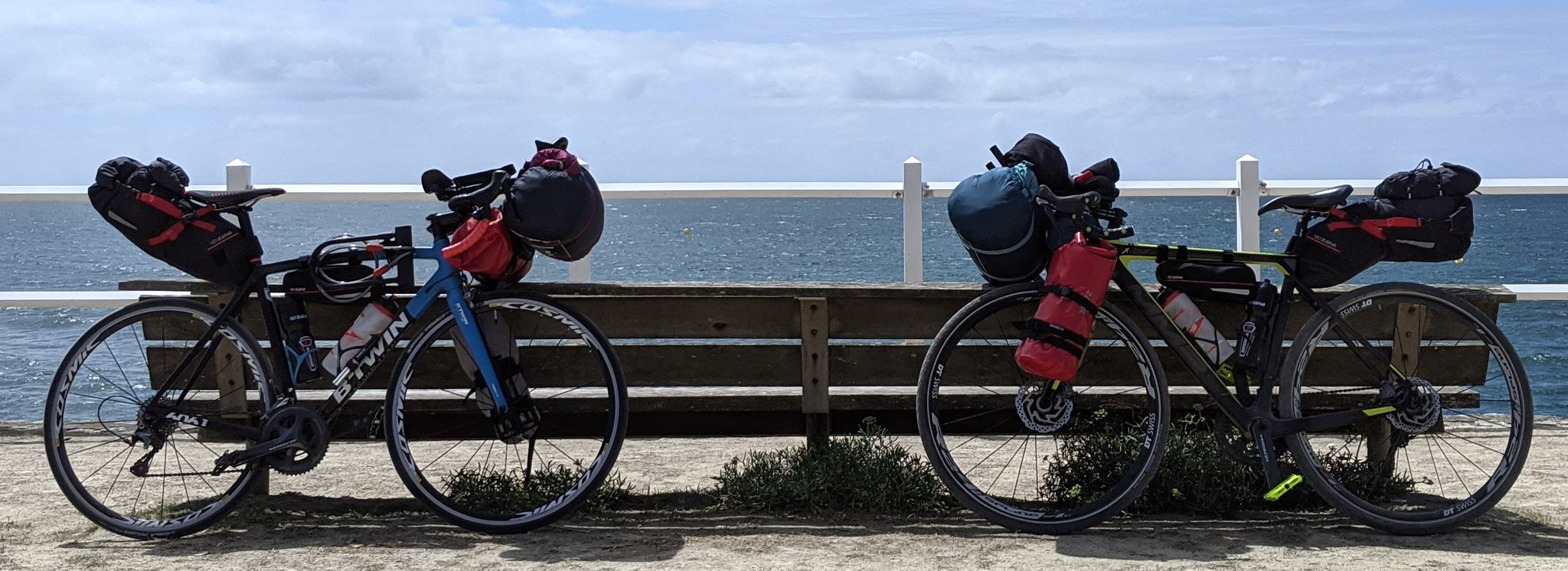
La Vélodyssée — From north to south via the ocean
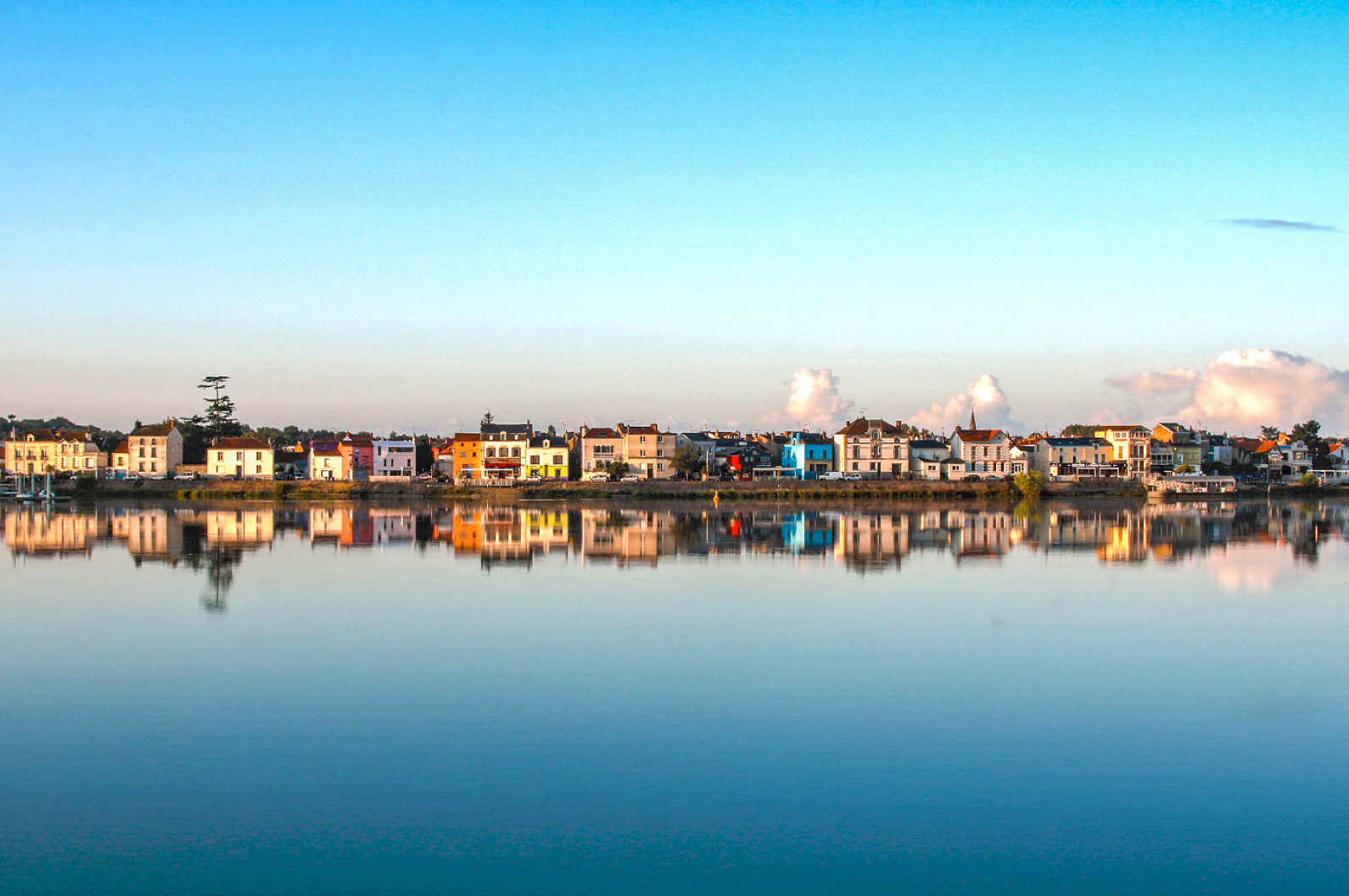
La Vélidéale - From the Limousin to the Atlantic
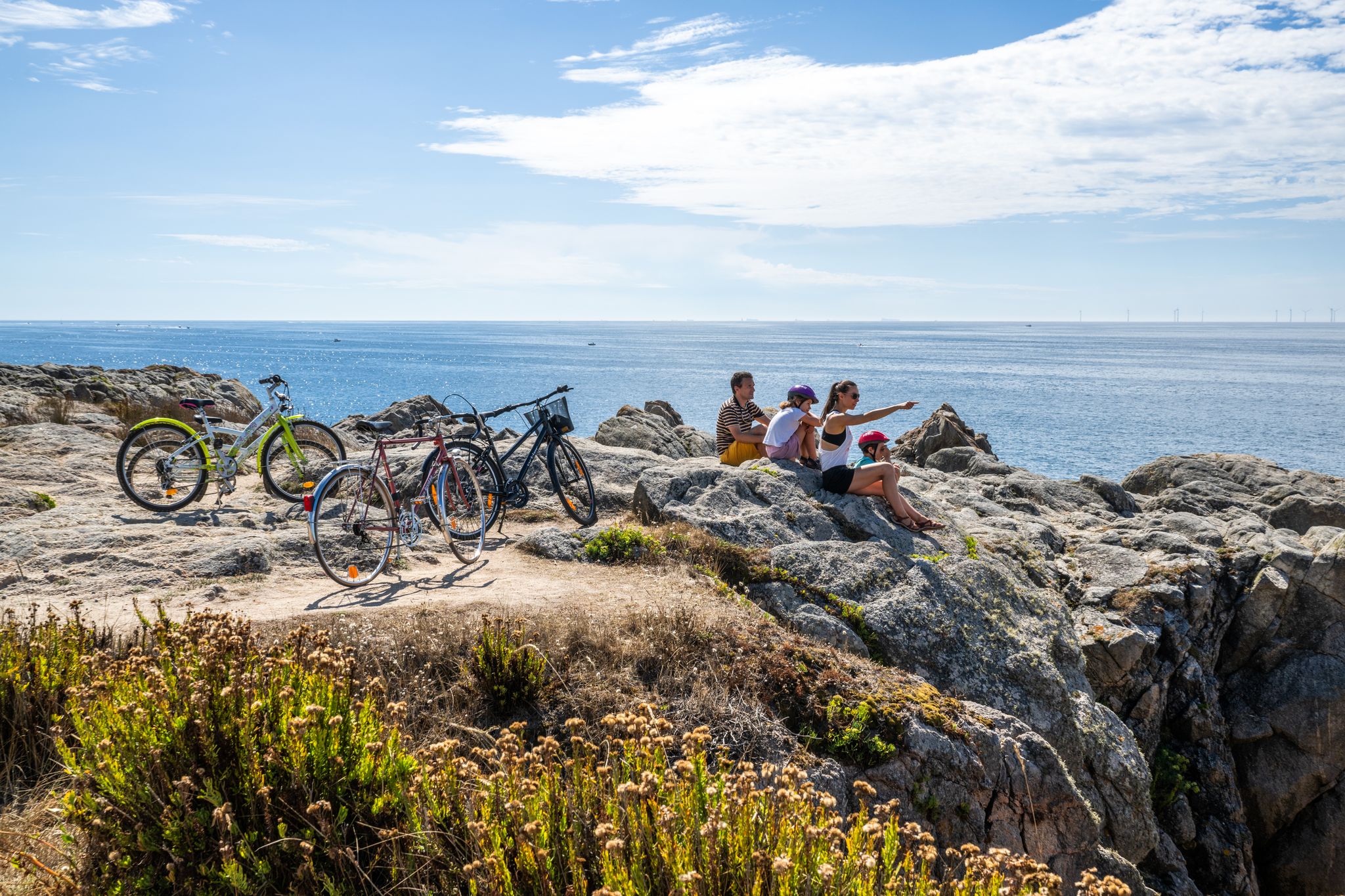
French Atlantic coast – 9 bike Tours from La Baule to Saint-Jean-de-Luz
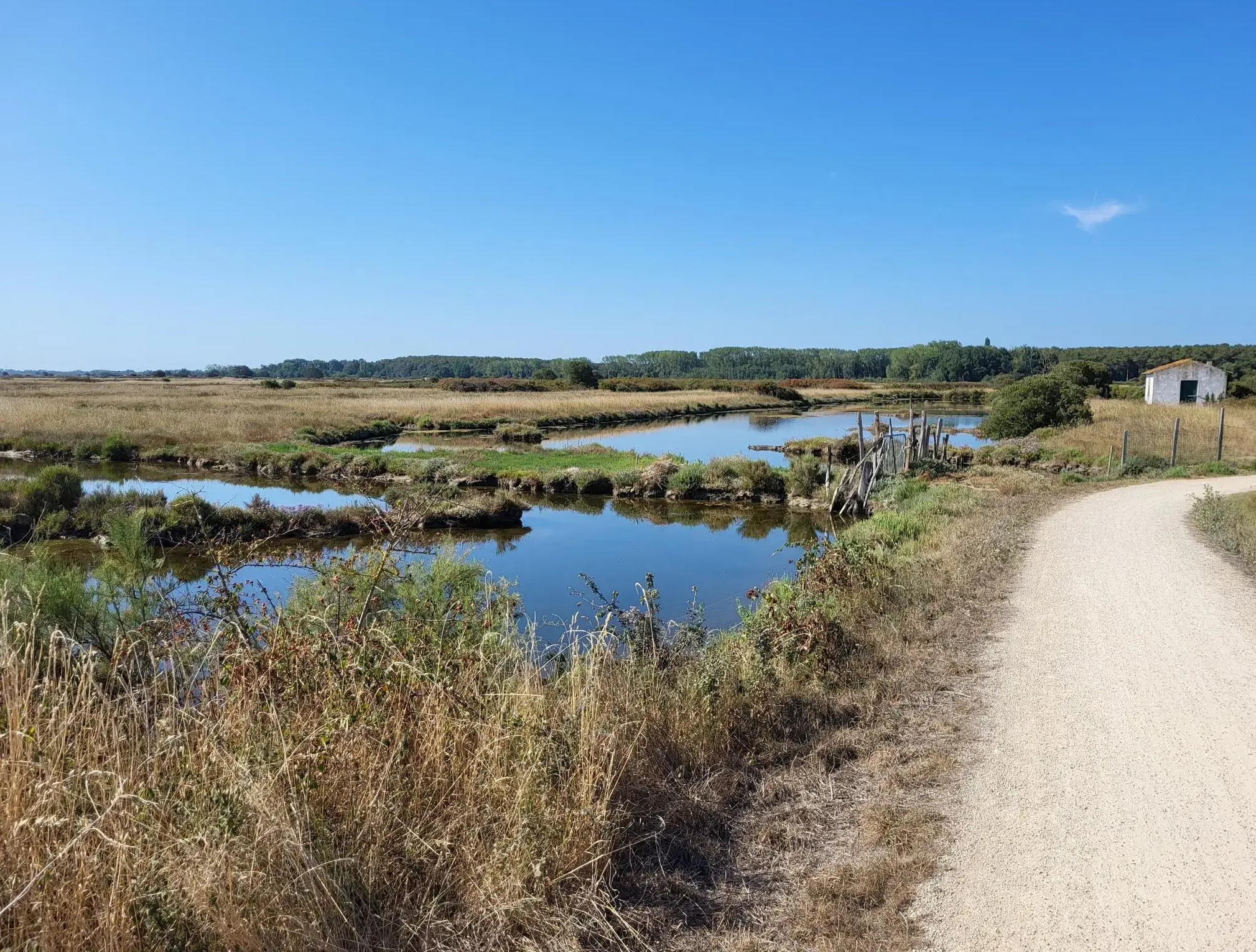
Coast, marshes and hedges — Vendée Vélo Tour
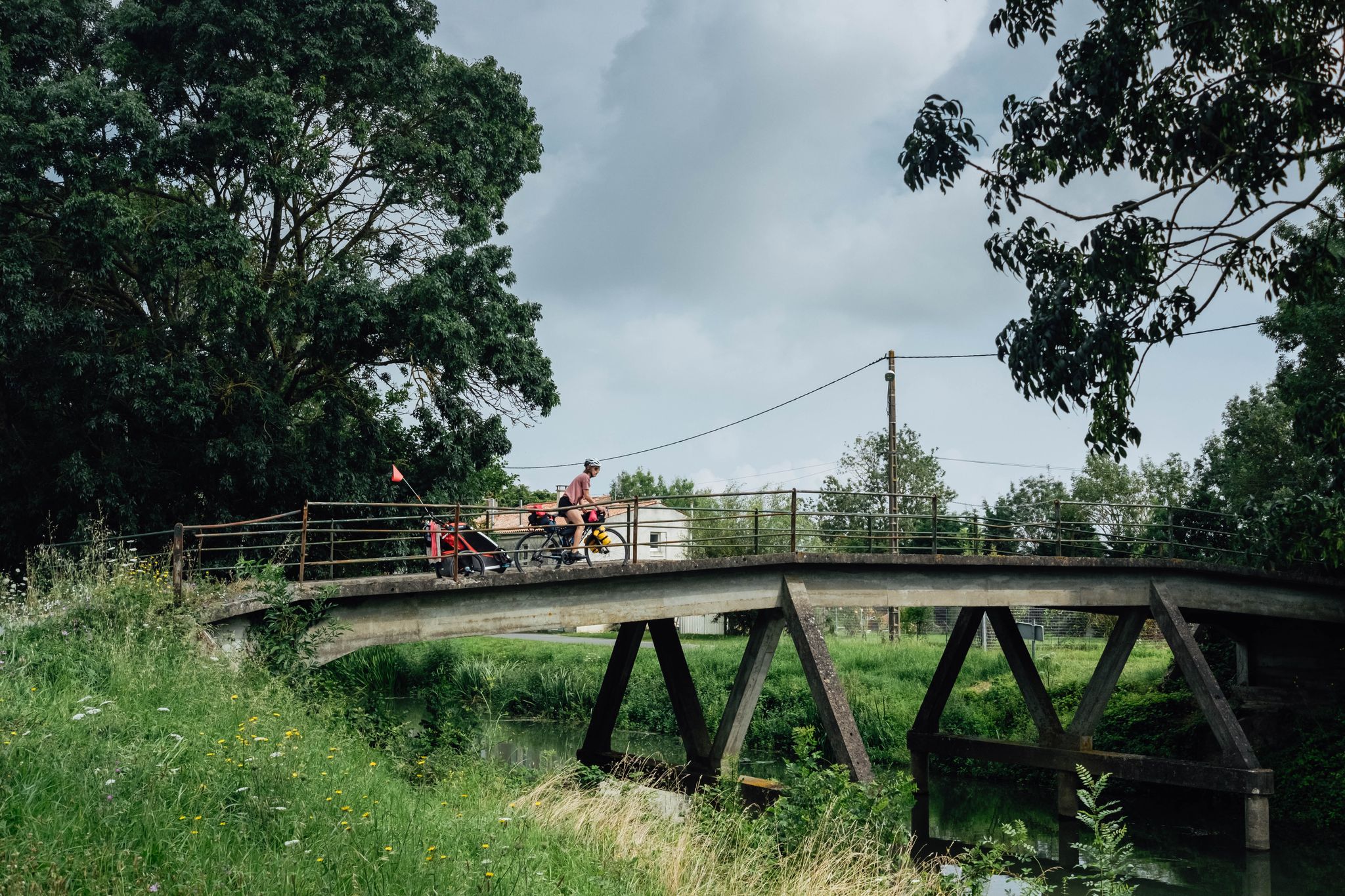
Our first family bike adventure in Western France
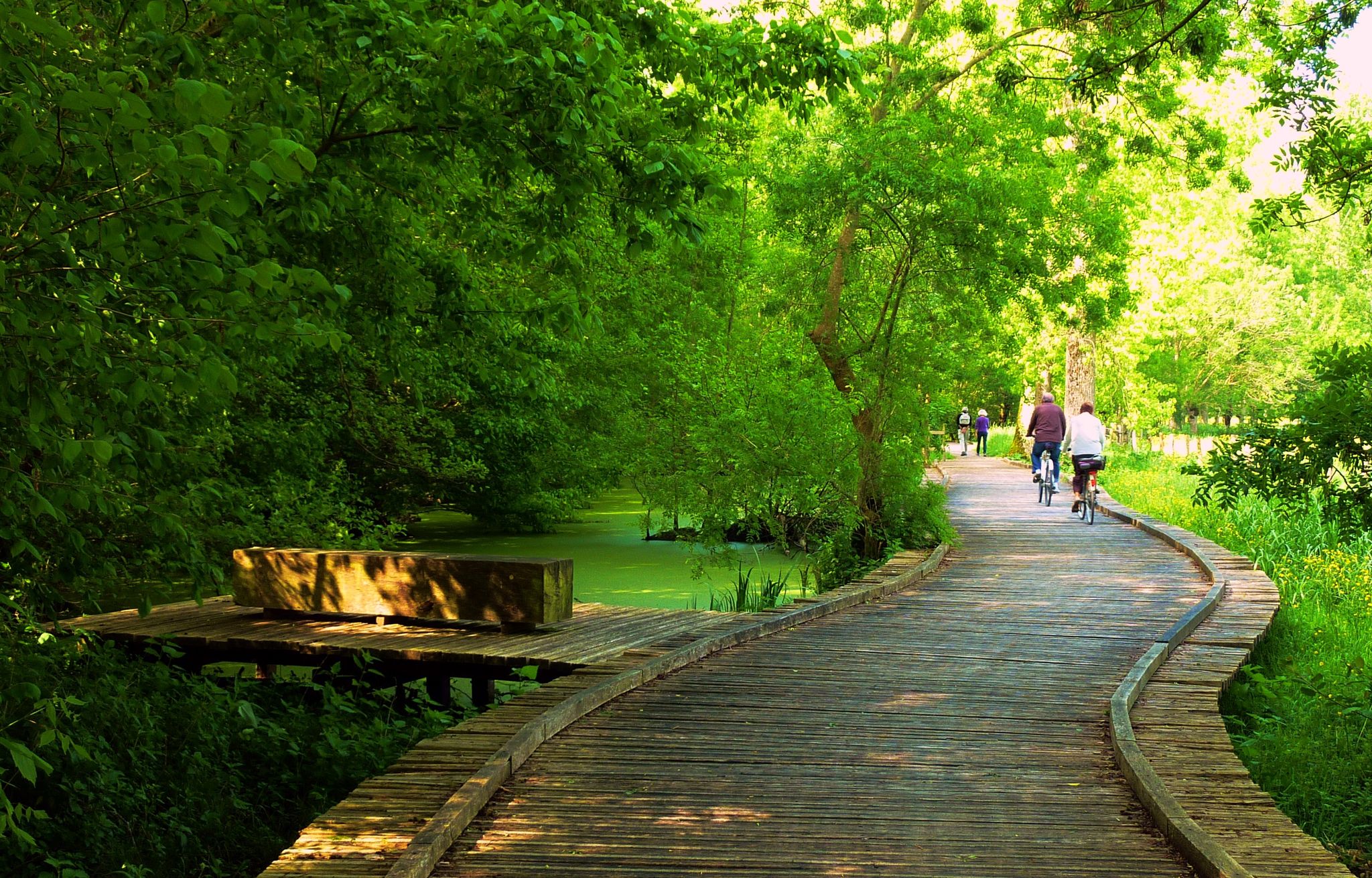
Between Fontenay-le-Comte, Parthenay and Niort – Poitou on the water
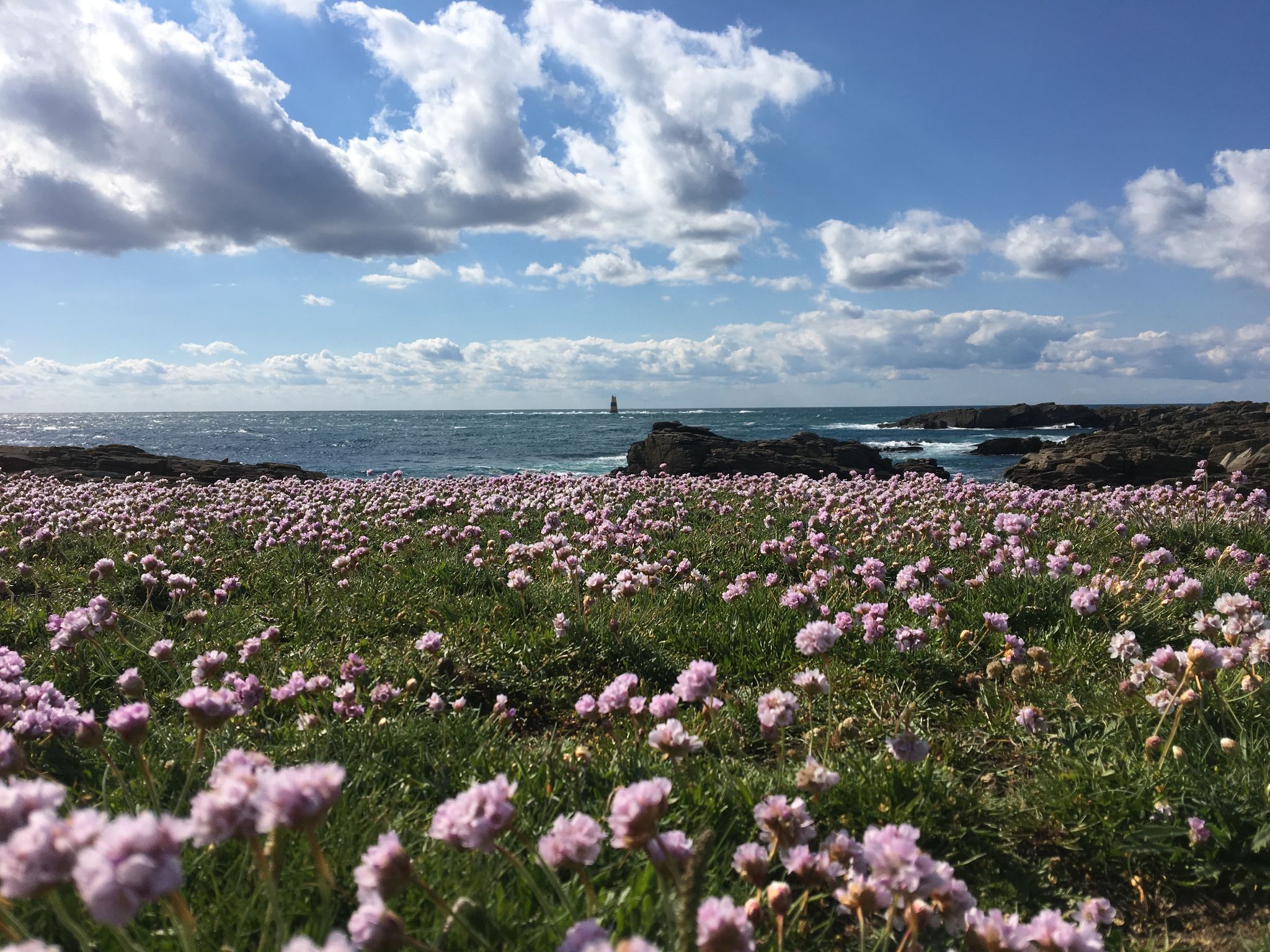
An island adventure – Tour of Île d'Yeu (GR 80)
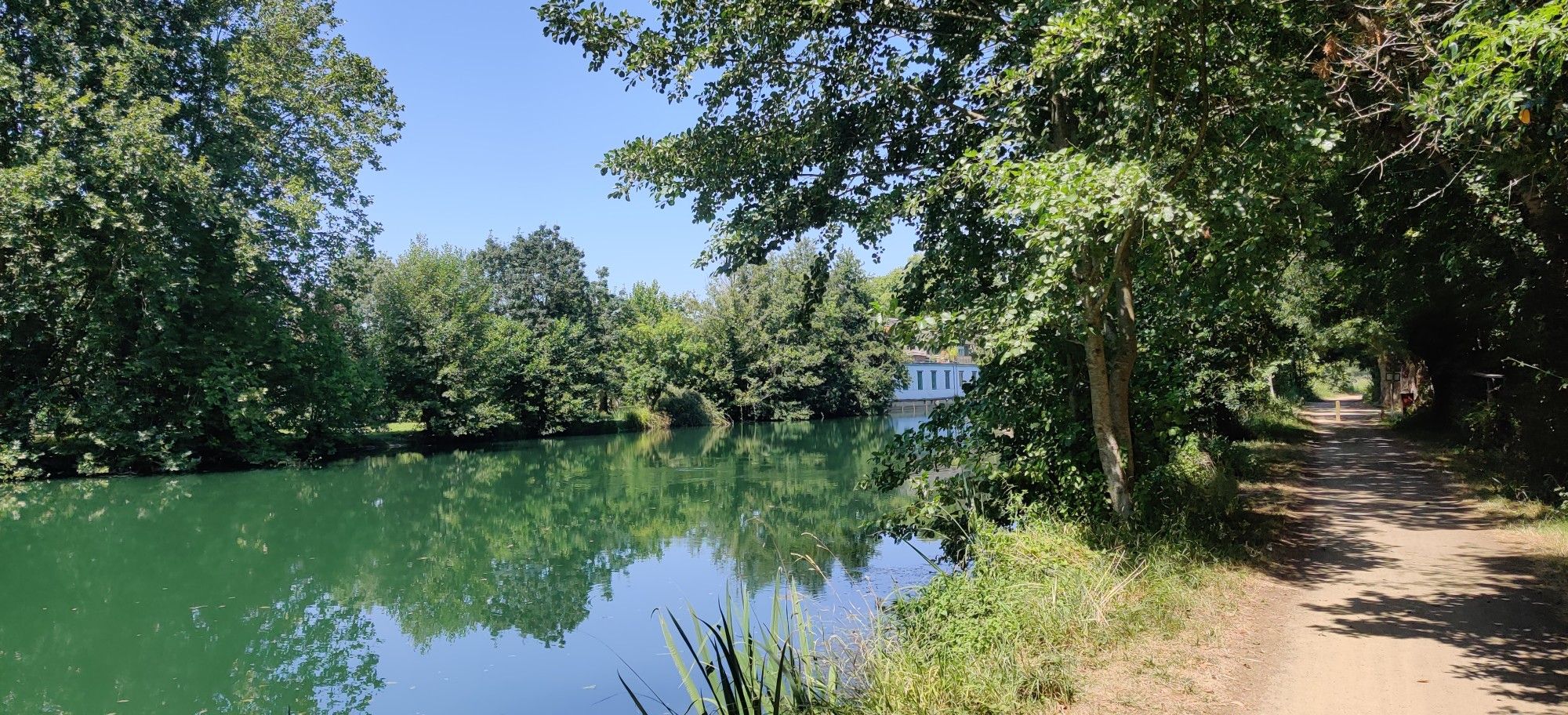
From Ouistreham to La Rochelle — riding the Vélo Francette
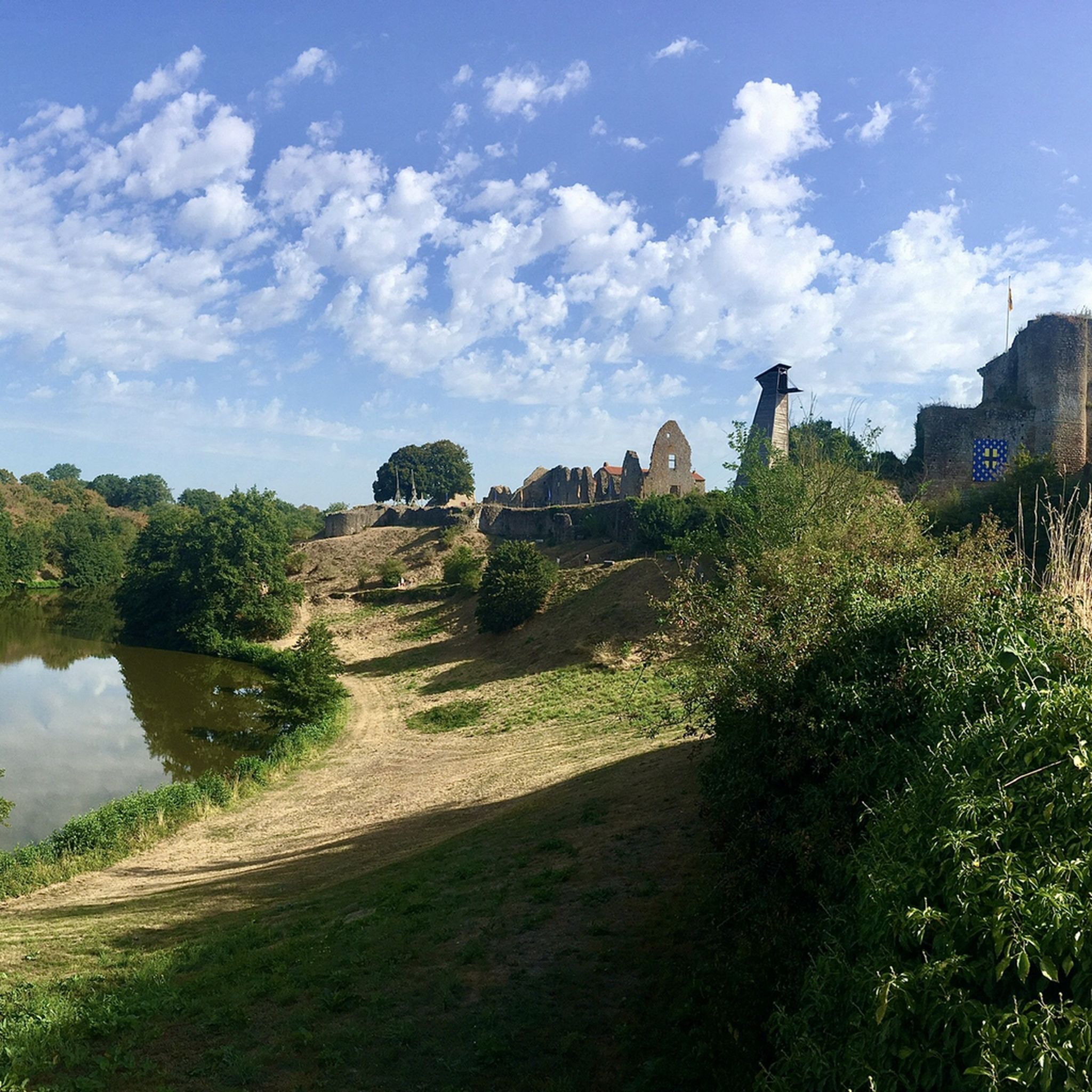
Hiking in Vendée
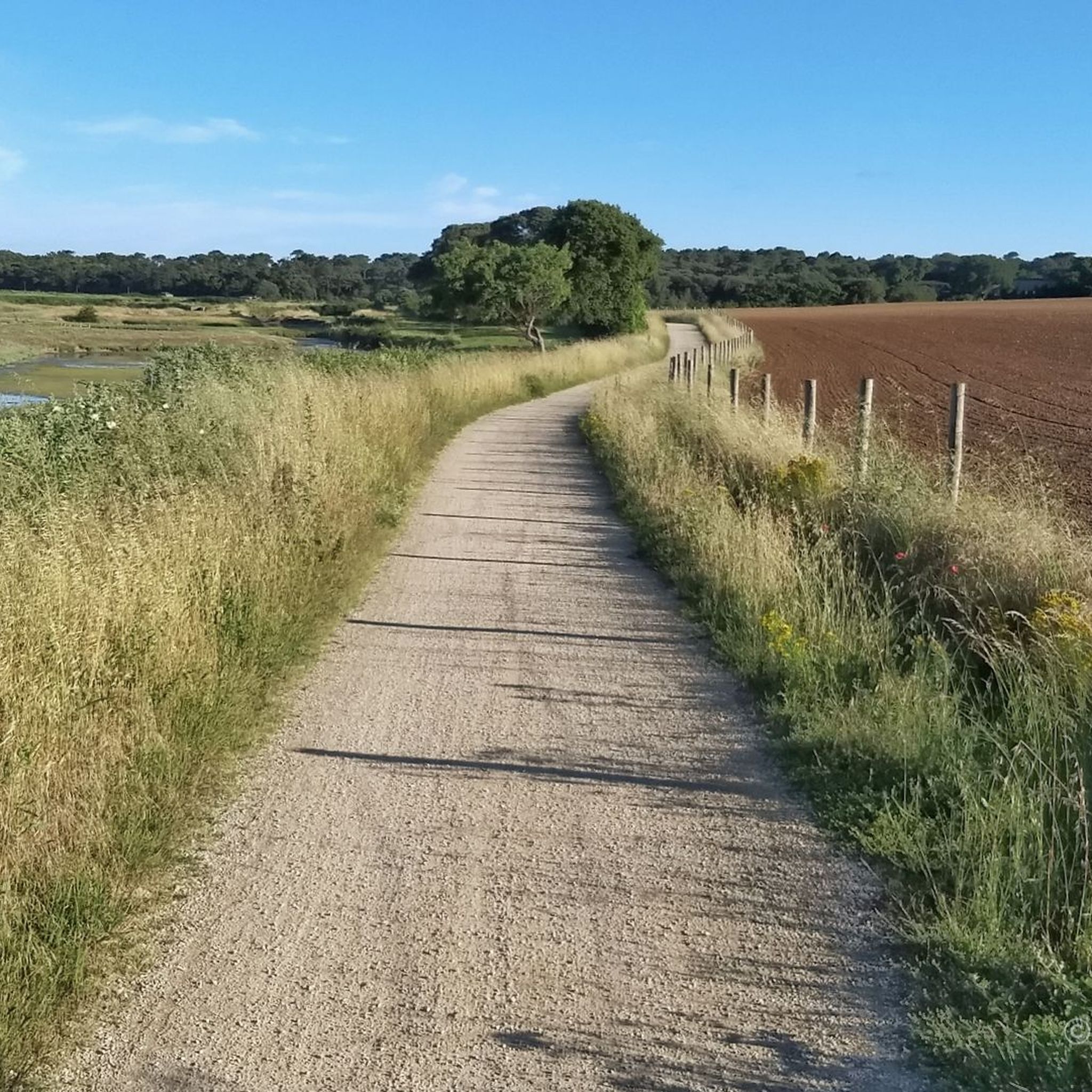
Cycling in Vendée
Other adventures in Vendée


Tips from the Community

The Paracou–Goélia route is particularly captivating due to the extraordinary diversity of its landscapes. Within a few kilometers, it alternates between the lively waters of the canal, shaded forest paths, the wild coastline of Paracou, the maritime atmosphere of La Chaume and Port Olona, then the vast horizons of the marshes and the charm of L’Île-d’Olonne. Numerous bridges and changes of scenery continually punctuate the walk: between the sea, ports, bodies of water, light gravel paths, and small country roads, the eye is constantly drawn to something new.
1
0
The Paracou–Goélia route is particularly captivating due to the extraordinary diversity of its landscapes. In just a few kilometers, it alternates between the lively waters of the canal, shaded forest passages, the wild coastline of Paracou, the maritime atmosphere of La Chaume and Port Olona, then the vast horizons of the marshes and the charm of L’Île-d’Olonne. Numerous bridges and changes of scenery continually punctuate the walk: between the sea, ports, bodies of water, light gravel paths, and small country roads, the eye is constantly drawn to something new.
0
0

The Château de Noirmoutier is a castle on the Île de Noirmoutier in the Vendée département of France. It dominates the town of Noirmoutier-en-l'Île with its almost 20-metre-high (66 ft) keep. The castle is very well preserved and a fine example of 12th-century medieval architecture. The first traces of the castle appeared in 830 with the construction of a castrum by the abbot Hilbold, from the monastery of Saint-Philbert. It served to defend the monks and the island's population from the Vikings. The castle was rebuilt in stone in the 12th century by the feudal power who was trying to stabilise the region, notably by preventing Norman pillaging. The island at that time was under the control of the barons of La Garnache. The keep was built by Pierre IV of La Garnache, then an enclosure equipped with towers was built around the lower courtyard. In the 16th century, the castle was held by the La Trémoille family, then viscounts of Thouars. The castle resisted numerous attacks: the English in 1342 and 1360, and again in 1386 under the command of the Earl of Arundel the Spanish in 1524 and 1588 but in 1674, it was taken by the Dutch troops of Admiral Cornelis Tromp. The castle was sold in 1720 to Louis IV Henri de Bourbon-Condé, who resold it in 1767 to Louis XV. During the French Revolution, the castle was used as a military prison. During the 19th century, it was used as a barracks. In 1871, during the Paris Commune, insurgents were imprisoned there. The castle was used to intern German nationals during the First World War. In 1690, a house was built within the castle grounds by the governor of the island and the castle. Today, the keep houses the Noirmoutier Museum. The keep at the centre of the castle is solid and rectangular. Built of rubble, it has three floors, with the lords' residence at the top. The keep has numerous murder holes and defensive turrets at the corners. The rectangular fortification consists of two towers, a single gate and two watch turrets in the four corners. At the beginning of the 18th century, the towers were reconstructed and the keep adapted for artillery. Property of the commune, the Château de Noirmoutier is listed as a monument historique by the French Ministry of Culture. https://en.wikipedia.org/wiki/Ch%C3%A2teau_de_Noirmoutier
0
0
La Passerelle André Bénéteau (Saint-Gilles-Croix-de-Vie) Since 2011, the "André Bénéteau" cycle-pedestrian footbridge runs alongside the Concorde bridge in Saint-Gilles-Croix-de-Vie. It is built a few meters upstream, on the piers of the old railway bridge destroyed in 1981. https://photos-de-vendee.blogspot.com/2014/09/la-passerelle-andre-beneteau-saint.html
0
0

Very pleasant trail, very rolling, shaded by a forest of different types of wood
0
0

Beautiful beach and good restaurant.
0
0

Rather than going around the marshes, why not take a walk right in the middle.
1
0

very well maintained, safe and relaxing.
1
0
Frequently Asked Questions
What are the best natural attractions to explore in Vendée?
Vendée offers a wealth of natural beauty. You can explore the unique Salines on the Île de Noirmoutier, a landscape shaped by centuries of salt harvesting. The Marais Poitevin, often called "Green Venice," provides a labyrinth of canals perfect for boat trips. The Forêt de Mervent-Vouvant is the largest forest in Vendée, ideal for hiking and mountain biking. Don't miss the stunning coastal views from the Grosse Terre lighthouse.
Are there any historical landmarks or cultural sites worth visiting in Vendée?
Absolutely. Vendée is rich in history. The medieval Noirmoutier Castle is a notable example of the region's fortified structures. You can also visit the impressive Puy du Fou, a historical theme park renowned for its spectacular shows. Other significant sites include the ancient seaside fortress of Talmont Castle, the Abbaye Saint-Pierre de Maillezais, and the beautifully restored 18th-century manor house, Logis de la Chabotterie.
What family-friendly activities are available in Vendée?
Vendée is very family-friendly. The Bicycle path - Pays-de-Monts national forest offers a pleasant cycling route through pine trees. Children will enjoy the immersive experiences at Puy du Fou. The Plage des Dames is a great beach for families, and O'Gliss Park near La Tranche-sur-Mer provides a large water park experience with slides and wave pools. Exploring the Jard-sur-Mer Marshes is also a fun and educational outing.
What are the best places for cycling in Vendée?
Vendée is a cyclist's paradise with extensive routes. The Cycle route through the Marais d'Olonne offers a pleasant circuit through marshes, forest, and to the beach. Another excellent option is the Bicycle path - Pays-de-Monts national forest. For more challenging rides, you can explore the many road cycling routes, such as those around the Port of Sables or the Passage du Gois, which you can find in our Road Cycling Routes in Vendée guide.
Where can I find good hiking trails in Vendée?
Vendée offers diverse hiking opportunities. The Forêt de Mervent-Vouvant provides extensive trails amidst oak and pine trees. The Île d'Yeu is a paradise for hikers with 72 kilometers of signposted footpaths. You can also find easy hikes, such as the 'La pointe du Payré et la plage de la Mine' loop from Jard-sur-Mer, detailed in our Easy hikes in Vendée guide.
What unique experiences does Vendée offer?
For a truly unique experience, drive across the Passage du Gois, a 4.5 km submersible road connecting Noirmoutier to the mainland, accessible only at low tide. Explore the picturesque medieval village of Vouvant, recognized as a "Petite Cité de Caractère." You can also visit the Musée de la Bourrine du Bois Juquaud to see traditional Vendée marsh houses, or take a traditional wooden boat (yole) through the Marais Poitevin.
What are the best viewpoints in Vendée?
Vendée boasts several fantastic viewpoints. The Kulmino in Notre-Dame-de-Monts offers panoramic views from 70 meters high, overlooking the marsh, forest, dunes, and islands. The Grosse Terre lighthouse provides excellent coastal vistas. On Île d'Yeu, the Pointe des Corbeaux offers stunning "end-of-the-world" views, and the Estacade of Saint Jean de Monts is the longest pier in Vendée, perfect for Atlantic coast panoramas.
When is the best time to visit Vendée?
Vendée, known as the "Côte de Lumière," enjoys a mild climate and abundant sunshine. The summer months (June to August) are ideal for enjoying the beaches and watersports. For hiking and cycling, spring (April-May) and early autumn (September-October) offer pleasant temperatures and fewer crowds. September, in particular, often has good weather for outdoor activities and beach visits.
Where can I experience the marshlands of Vendée?
The marshlands are a defining feature of Vendée. The Marais Poitevin, or "Green Venice," in Southern Vendée, is a must-see, offering boat trips through its intricate canals. The Marais Neuf is a magnificent marsh with rich animal life, perfect for a peaceful walk or cycle. The Marais Breton Vendéen in the north also provides a unique experience of unspoilt nature, ideal for yole boat trips and birdwatching.
What coastal attractions are there besides beaches?
Beyond its 140 km of beaches, Vendée's coast offers much to explore. The Island of Noirmoutier, known as "the island of mimosas," features beautiful beaches, salt marshes, and a historic château. The vibrant town of Les Sables-d'Olonne is famous for its La Chaume covered market and the atypical Île Penotte district. You can also visit the Grosse Terre lighthouse for stunning views.
Are there opportunities for birdwatching in Vendée?
Yes, Vendée is an excellent destination for birdwatching. The Cycle route through the Marais d'Olonne is appreciated for its birdwatching opportunities. La Pointe de L'Aiguillon, part of the Baie de L'Aiguillon national nature reserve, is a remarkable spot for observing migratory birds. The Cité des Oiseaux is an important ornithological center, home to thousands of birds across hundreds of species.
What are some lesser-known attractions or 'hidden gems' in Vendée?
Beyond the main highlights, consider visiting the Mélusine Tower in Vouvant, a vestige of a 13th-century fortified castle in a picturesque medieval village. The Musée Charles Milcendeau offers a glimpse into local art and culture. The Yon River Valley combines legends with beautiful hiking trails and heritage sites like the restored Moulin de Rambourg. The "Remarkable Gardens" throughout Vendée, such as the Jardin du Bâtiment in Thiré, also offer tranquil beauty.
Most popular routes in Vendée
Most popular attractions in Vendée

Get inspired with the komoot mobile app


Explore more
Still not found the Highlight you’re looking for? See guides of the top attractions in other regions:
