Top 20 Castles in Gironde
Best castles in Gironde are situated within a diverse landscape of vineyards, forests, and river estuaries in southwestern France. The region, known for its rich history and cultural heritage, offers a variety of historical sites. Exploring a château gironde provides insight into centuries of architectural evolution and regional significance. This area presents numerous opportunities to discover historical landmarks and cultural heritage.
Best castles in Gironde
- The most popular castles is Citadel of Blaye, a historical site that features a well-preserved 17th-century fortification. This site is part of the UNESCO World Heritage "Verrou Vauban" and includes bars, restaurants, and shops.
- Another must-see spot is Budos Castle, a castle featuring incredible ruins from the 14th century. Visitors can access these ruins by road or by paths along the river, offering a unique perspective on a chateau medieval gironde.
- Visitors also love Château de Villandraut, a well-preserved 12th-century medieval castle. Its construction was completed in 1312, making it one of the oldest accessible castles in Gironde.
- Gironde is known for fortified citadels, medieval castles, and grand châteaux. The region offers a variety of historical sites to see and explore, from ancient ruins to well-preserved structures.
- The castles in Gironde are appreciated by the komoot community, with 91 upvotes and 36 photos shared by visitors.
Last updated: July 7, 2026
Château Angélus
Highlight • Historical Site
Translated by Google •
Tip by

Citadel of Blaye
Highlight • Historical Site
Translated by Google •
Tip by

Sign up now to discover places like this
Get recommendations on the best single tracks, peaks, & plenty of other exciting outdoor places.
Sign up for free
Château de Villandraut
Highlight • Castle
If you want to visit it, all the info here:
chateaudevillandraut.fr/visites-animations/visites-guid%C3%A9es-visites-libres
Translated by Google •
Tip by

Budos Castle
Highlight • Castle
Translated by Google •
Tip by

Château Pontet d'Eyrans
Highlight • Castle
Translated by Google •
Tip by

Château du Hâ, Palais Justice & École nationale magistrature
Highlight • Castle
Translated by Google •
Tip by
Rudel Castle
Highlight • Castle
Le site occupé par l'actuel château semble avoir été fortifié dès la plus haute antiquité. Dès le ive siècle, un castrum est mentionné par le poète Ausone. Quelques siècles plus tard, le roi d'Aquitaine Caribert II fait bâtir une première forteresse, laquelle est prise en 994 par les comtes d'Angoulême, les Rudel. Jaufré Rudel, parfois qualifié dans les textes anciens de « Prince de Blaye », reste l'une des figures emblématiques de ce château. Né vers 1113, ce célèbre troubadour s'illustre par l'écriture de poèmes célébrant l'amour courtois. L'une de ses œuvres les plus connues demeure « l'amor de luenh », poème en occitan dédié, selon la tradition, à une princesse orientale. Parti en croisade, il meurt vers 1162 aux portes de Jérusalem.
Dans la seconde moitié du xiie siècle, la seigneurie de Blaye échoit à Geoffroy II puis à son fils Geoffroy III qui meurt en 1245. Le château est alors confié à des seigneurs anglo-gascons qui administrent la place jusqu'à ce que l'Aquitaine devienne définitivement française.
Le château est assiégé durant les guerres de religion par les armées calvinistes. Il est consolidé sous le règne du roi Louis XIII avant d'être incorporé à la citadelle voulue par son successeur. En 1685, Louis XIV ordonne à Sébastien Le Prestre de Vauban de superviser les travaux d'une vaste citadelle de 38 hectares destinée à être « le verrou de Bordeaux ». Si une partie de la ville médiévale est détruite afin d'édifier la nouvelle forteresse, le château est conservé afin de servir de logis aux gouverneurs militaires de la place. Alors qu'en 1814, les Anglais s'apprêtent à mettre le siège devant la ville, les autorités militaires décident d'araser aux deux tiers les murs de l'ancien château. Une fois la paix revenue, celui-ci n'est plus entretenu et tombe en ruine durant plusieurs décennies. Dans les années 1950, plusieurs pièces du château sont mises à l'abri, notamment une porte en bois de chêne ornée des armes de France datée du xviie siècle, actuellement visible au musée archéologique, de même que le produit de fouilles réalisées ultérieurement aux environs du château. En 2005, une subvention est accordée par le conseil général afin de préserver les ruines. Partie intégrante de la citadelle, les ruines font partie du périmètre classé monument historique le 11 mai 2009, et inscrit en juillet 2008 sur la liste du patrimoine mondial de l'Unesco au titre du Réseau des sites majeurs de Vauban.
Le château des Rudel est un exemple atypique d'architecture castrale en région Aquitaine. Conçu sur un plan triangulaire, il se compose d'une cour centrale autour de laquelle s'articulent trois corps de bâtiments, eux-mêmes protégés par des courtines et six tours circulaires. Une porte équipée d'un pont-levis ouvre sur une barbacane, remaniée ultérieurement. Malgré l'état de délabrement du bâtiment, la structure originelle reste perceptible. C'est ainsi que se retrouvent encore les six tours médiévales : celles-ci sont la tour des Rondes (au nord), la tour de Diane (au sud-ouest), la tour de la porte (à l'ouest), la tour des archives (au sud), la tour de la Cloche (au nord-est) et le donjon. Parmi les bâtiments disparus, les textes anciens mentionnent une chapelle Saint-Nicolas. Des vestiges de celle-ci sont retrouvés lors de fouilles archéologiques en 1959, et sont exposés au musée archéologique. fr.wikipedia.org/wiki/Ch%C3%A2teau_des_Rudel
Tip by
Citadelle Castle
Highlight • Castle
The Citadel of Bourg museum presents an impressive network of underground passages as well as a collection of horse-drawn carriages. Open daily between June and September.
Translated by Google •
Tip by
Château du Dragon
Highlight • Castle
Translated by Google •
Tip by

Château de Monbadon
Highlight • Castle
Translated by Google •
Tip by

Sign up for free to discover even more castles in Gironde.
Sign up for free
Already have an account?
Start today with a free account
Your next adventure awaits.
Login or Signup
Popular around Gironde
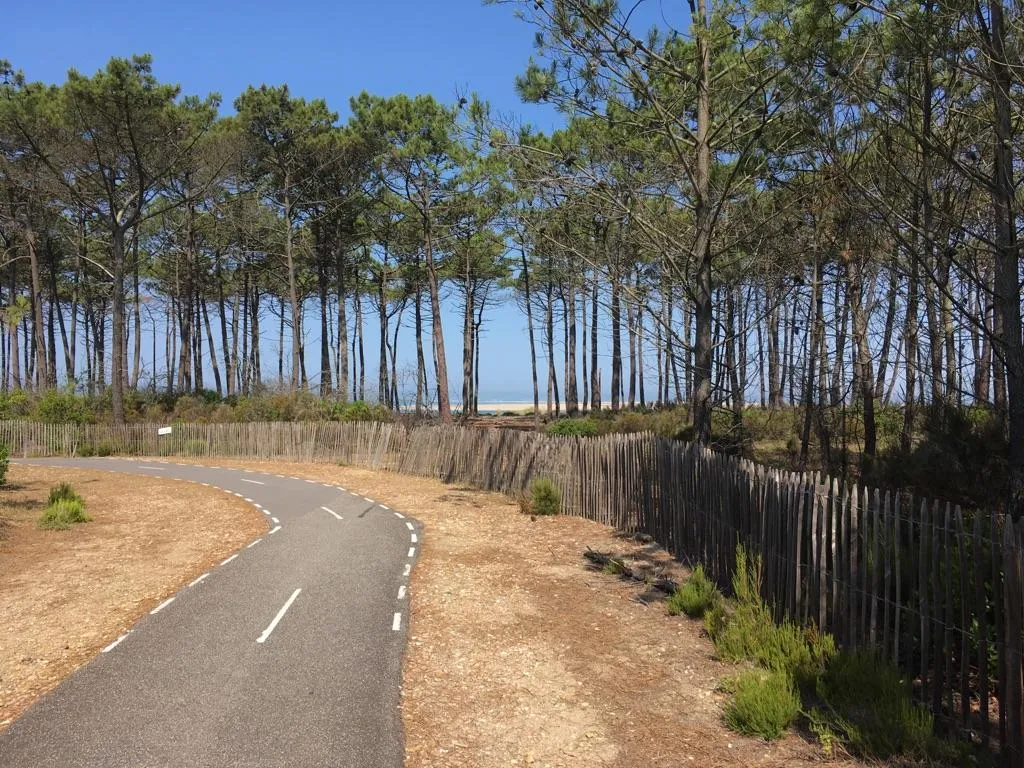
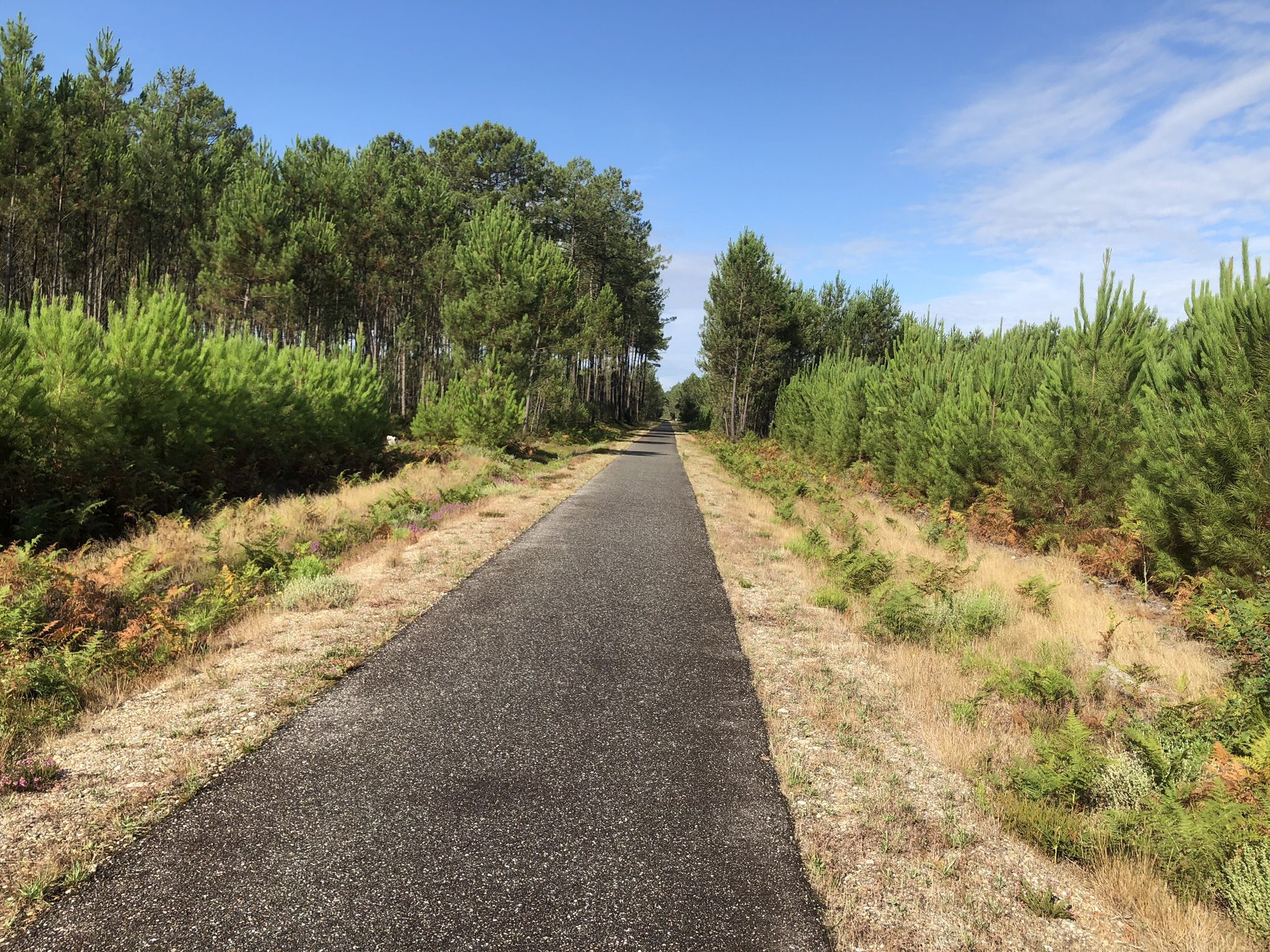
Tour des Landes by bike – From forest to ocean
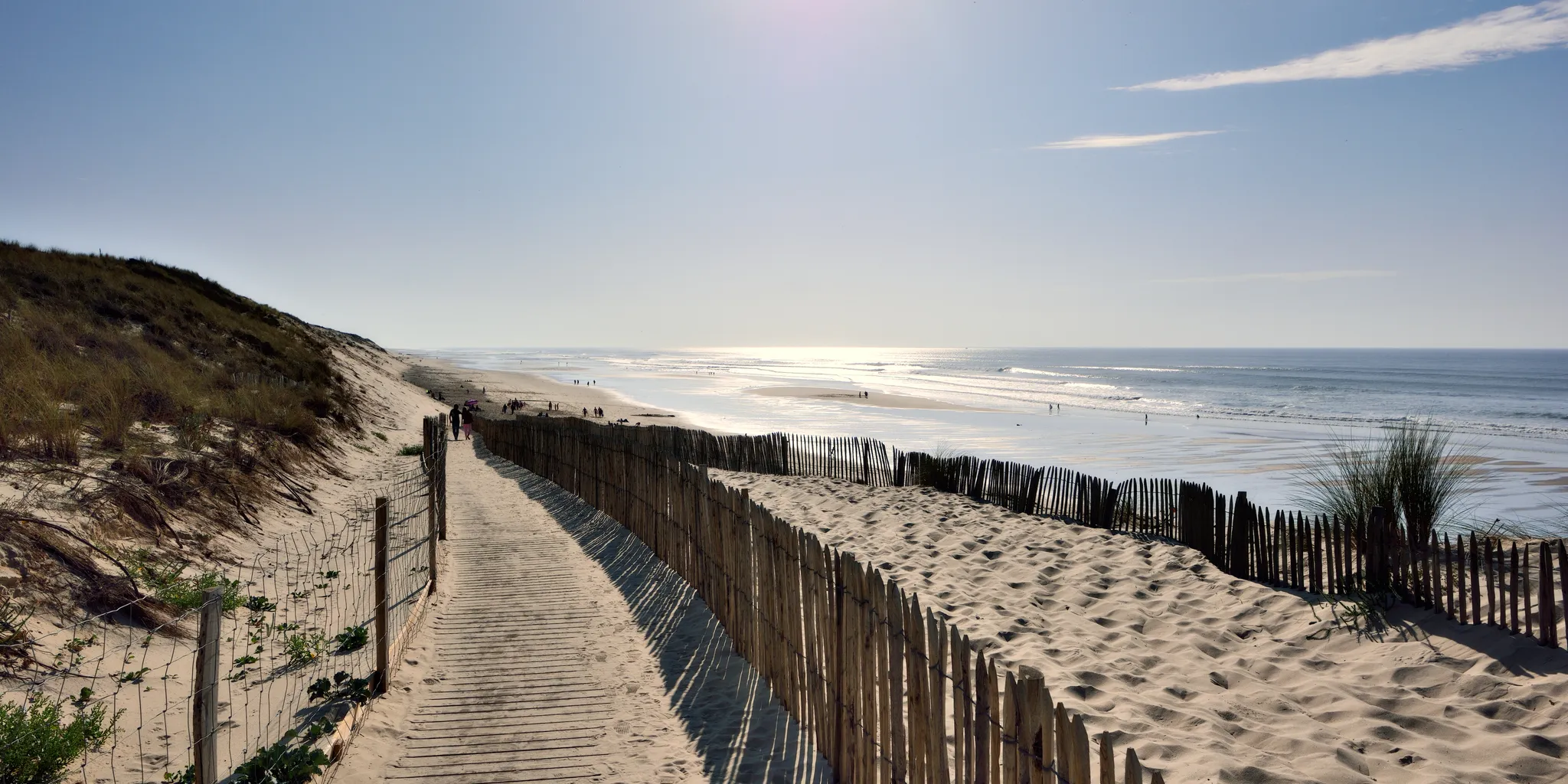
GR 8 from Hourtin to Arcachon – Beaches, dunes and forest
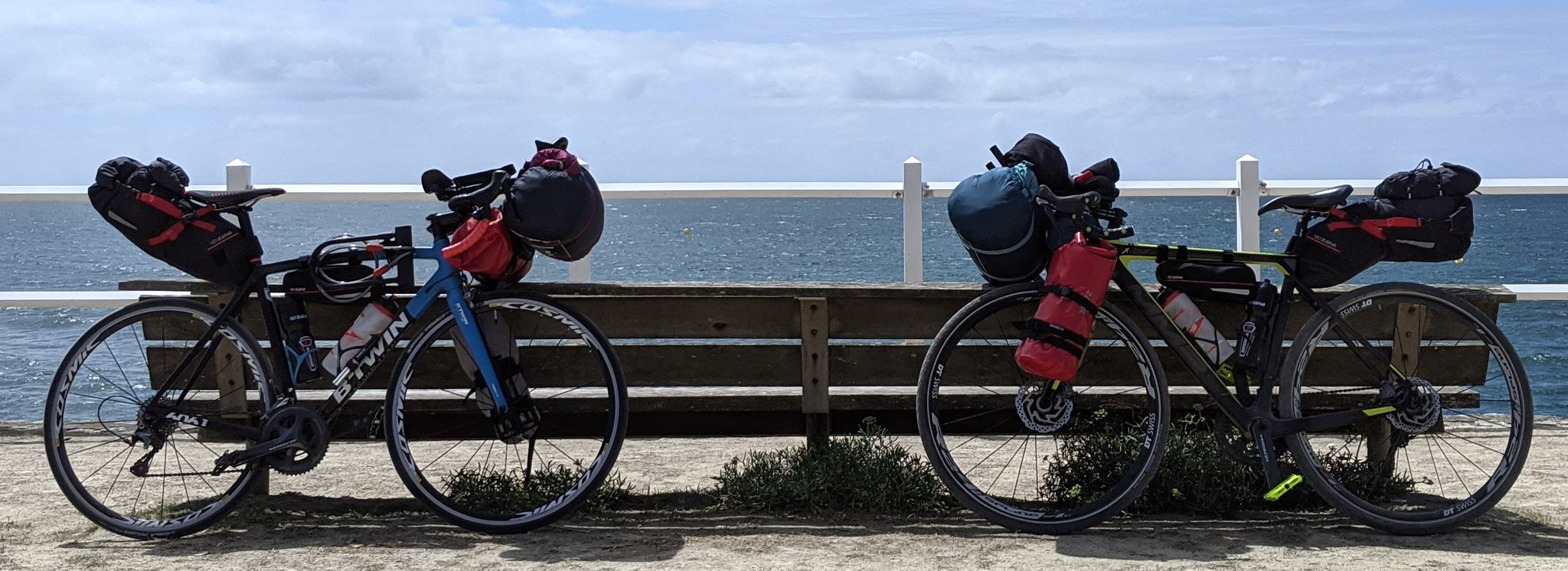
La Vélodyssée — From north to south via the ocean
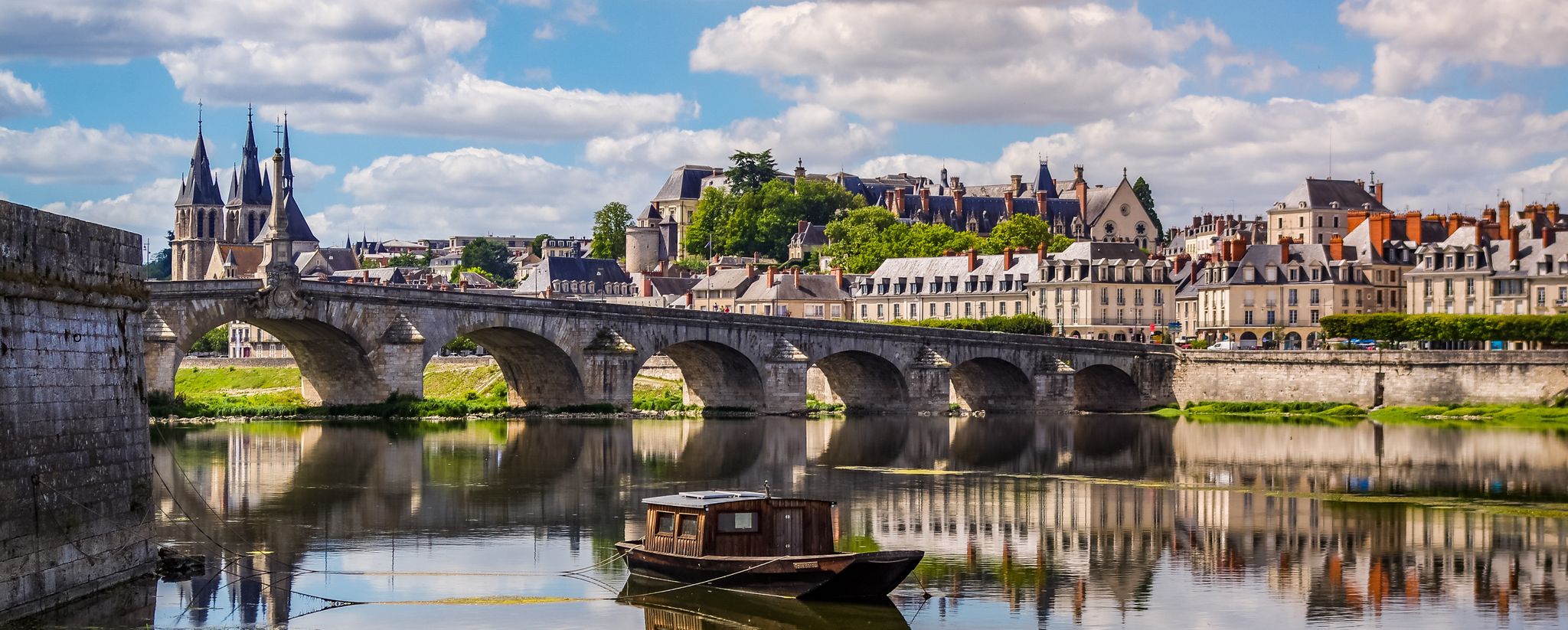
EuroVelo 3 – A cycling pilgrimage from Norway to France
Europe’s Seasonal Birding Hotspots
From the Alps to the Atlantic — GR 6
French Atlantic coast – 9 bike Tours from La Baule to Saint-Jean-de-Luz
A cycling epic across France — La Scandibérique
Cycling in the Bordeaux hinterland – Entre-deux-Mers to Landes
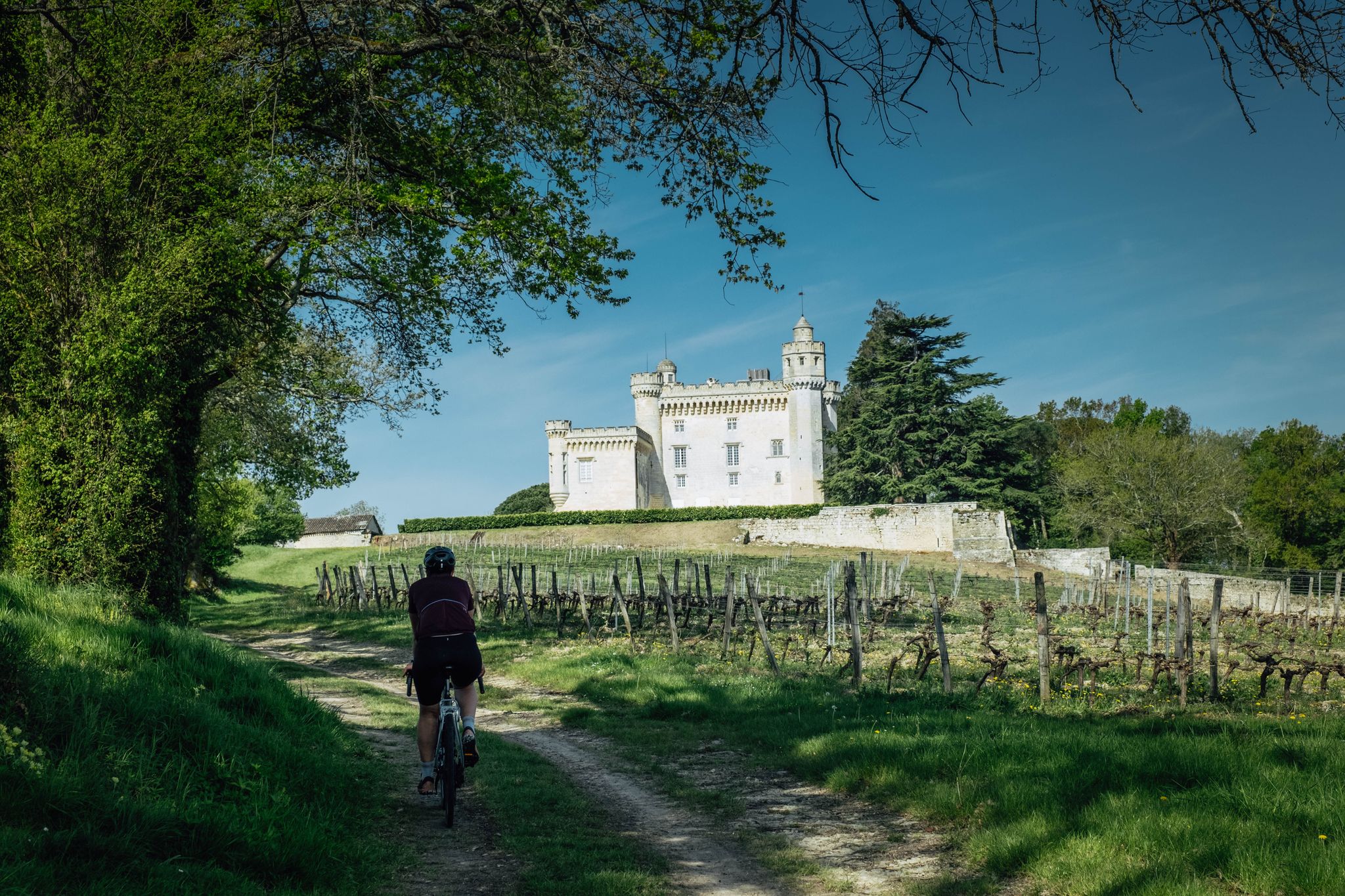
Exploring the Gironde – 10 gravel rides by train from Bordeaux
Other adventures in Gironde


Tips from the Community

Budos Castle is the work of Raymond Guilhem de Budos, nephew of Pope Clement V. Largely supported by his uncle, he rebuilt the old family castle in 1306, adopting the architectural features of the neighboring Château de Villandraut, as evidenced by the following document from King Edward I, written from Wynten on March 9, 1306, to the Seneschal of Gascony[4]: "The Knight of Budos, nephew of Clement V, Sovereign Pontiff, has begged us to allow him to crenellate his house in Budos, to surround it with walls, towers, moats, and finally to fortify it. Out of respect for the Sovereign Pontiff, and because a fortress of this nature will protect not only our possessions in this part of Guienne, but also the subjects of the Pope's nephew, we grant the aforementioned Raymond permission to fortify his castle and we grant it to him, his heirs, and successors in perpetuity, and we undertake not to disturb him in any way in this possession." In 1422-23, the King of England took possession of the castle and placed Pons, Lord of Castillon, in charge. Around 1433, Henry VI granted the lands and the castle to the Duke of Gloucester. In 1446-47, Budos was given to Gaston IV of Foix-Béarn, Count of Foix, following the death of the Earl of Gloucester. After the conquest of Guyenne, the Budos family, which had supported the cause of France, regained possession of its lordships in Guyenne. Purchased from the Budos family by Raymond de La Roque in 1571, Budos Castle suffered a severe assault in 1652 during the Fronde Wars. Lasserre ransacked, pillaged, and burned its archives. The Budos lordship remained in the La Roque family until the Revolution, which nearly destroyed it. It was sold as national property and used as a quarry to build dikes on the Ciron. In 1841, the Gironde Historical Monuments Commission was informed of this by Léo Drouyn. In 1860, it became the property of Léon de Brivazac, son of Delphine Catherine de La Roque de Budos (born at the castle in 1789). Five descendants (including Savary de Beauregard) entrusted it to the Adichats association, which brings together young people to enhance and preserve what can be preserved. The castle was registered as a historic monument in 1988
0
0

The castle has variable opening hours. In August, we found the gates closed. It only opens at 2:30 PM.
0
0

In the 16th century, the Bourg citadel, the stronghold of Bordeaux, was elevated to the rank of impregnable citadel thanks to the work of the Duke of Épernon, whose vaulted passage remains a vestige that you can discover during guided tours. You'll also visit the basement, where the former stone quarries were used to build impressive 70-meter-long reinforced concrete oil tanks, used during World War II. The Bourg Citadel Museum is located near the castle, which features 18th-century neoclassical architecture. You'll be amazed by its collection of horse-drawn carriages, which you'll learn about during guided tours.
1
0

Superb property of great classified growths.
1
1

Château Angélus, located in the heart of the prestigious Saint-Émilion vineyard, is a renowned wine estate that combines tradition and modernity. Surrounded by perfectly maintained vines, this iconic château offers a sumptuous setting where you can discover the art of winemaking for its Grands Crus Classés. The view of the vineyard from the château is simply magnificent, with its rows of vines stretching as far as the eye can see. Wine lovers will appreciate the guided tours and tastings.
2
0
Château Angélus, located in the heart of the prestigious Saint-Émilion vineyard, is one of the most famous Grands Crus Classés of Bordeaux. Nestled in the middle of perfectly maintained vines, a visit to the château allows you to discover the wine history of the region, its impressive cellars and its ultra-modern winery. Wine lovers will appreciate tastings of the refined vintages.
1
0

Superb ruined castle in the middle of paths and tall grass. Vegetation has taken over the castle and you can see trees growing on the roof. It takes its name from the plot where it was built. But its origin remains mysterious! All the more reason to let yourself be haunted by this building.
1
0

Worth seeing and imposing castle ruins.
5
1
Frequently Asked Questions
Which castles in Gironde are particularly family-friendly?
Several castles in Gironde offer a welcoming experience for families. The Citadel of Blaye is a great option, featuring bars, restaurants, and shops within its historical walls, providing entertainment for all ages. Château de Villandraut, a well-preserved medieval castle, also welcomes families, often with guided tours and cultural events. Additionally, Château Pontet d'Eyrans is categorized as family-friendly.
What are the best castles in Gironde for history enthusiasts?
Gironde is rich in historical castles. The Citadel of Blaye is a must-see, being a UNESCO World Heritage site with well-preserved 17th-century fortifications designed by Vauban. For medieval history, Budos Castle offers incredible 14th-century ruins with a fascinating past involving Pope Clement V and English kings. Château de Villandraut, completed in 1312, is another excellent example of military Gothic architecture.
Are there any castles in Gironde that are less crowded?
To avoid larger crowds, consider visiting some of the region's lesser-known gems. Château de Monbadon is well-hidden by relief and vegetation, offering a straight-from-medieval-dreams sight. Château de la Benauge, though private, can be admired from all around and is often open during Heritage Days, providing a beautiful view amidst vineyards. These offer a more tranquil experience compared to the more popular sites.
What is the best time of year to visit castles in Gironde?
The ideal time to visit castles in Gironde is typically during spring (April to June) and early autumn (September to October). During these months, the weather is pleasant for exploring, and the landscapes are beautiful, especially with the vineyards. Summer (July and August) offers longer opening hours and more events, but also larger crowds. Some castles may have limited opening hours or be closed during winter, so it's always best to check individual castle websites.
What outdoor activities can I do near the castles in Gironde?
The Gironde region offers a variety of outdoor activities near its castles. You can find numerous cycling routes, such as the 'Pointe du Cap-Ferret - loop in the Arcachon basin' or 'The Lion and the pond of Lacanau - loop in the Regional Natural Park Médoc'. For hiking, explore trails like 'Bordeaux: Two Bridges Trail' or 'Blue and Green Lakes Loop'. Mountain biking enthusiasts can enjoy routes like 'Tour of Lac de Lacanau'. You can find more details on these activities in the Cycling in Gironde, Hiking in Gironde, and MTB Trails in Gironde guides.
Are there cafes or restaurants near Gironde castles?
Yes, some castles offer amenities or are located near dining options. The Citadel of Blaye is home to several bars, restaurants, and shops within its walls. Near Château de Monbadon, there is a café at its foot. For other castles, you'll often find local eateries in the nearby towns or villages, offering regional cuisine.
What should I wear when visiting castles in Gironde?
When visiting castles in Gironde, it's advisable to wear comfortable walking shoes, as many sites involve walking on uneven terrain, stairs, or through extensive grounds. Layers of clothing are also recommended, as temperatures can vary, especially when exploring both indoor and outdoor areas. A hat and sunscreen are useful during sunny months, and a light rain jacket can be handy for unexpected showers.
How long does it typically take to tour a castle in Gironde?
The duration of a castle visit in Gironde can vary greatly depending on the size of the castle and your level of interest. For smaller sites or ruins like Budos Castle, an hour or two might suffice. Larger, well-preserved castles with extensive grounds or museums, such as the Citadel of Blaye or Château de Villandraut, could easily take half a day or more to fully explore, especially if you participate in guided tours or special events.
Are there any castles in Gironde with notable viewpoints?
Yes, several castles offer excellent viewpoints. The Citadel of Blaye, being a fortification, provides strategic views over the Gironde estuary. Château de Monbadon is situated in a way that offers a great sight when approaching, and its location often provides scenic views of the surrounding landscape. Additionally, climbing to admire Château de la Benauge from a distance rewards visitors with beautiful views of the Entre-Deux-Mers landscapes.
Can I visit Gironde castles using public transportation?
While major towns in Gironde are accessible by public transport, many of the region's castles are located in more rural areas, making direct public transportation challenging. It is generally recommended to have a car for flexibility when visiting multiple castles. For specific castles, it's best to check their official websites or local tourism offices for the most up-to-date information on public transport links, which may include regional buses or trains to nearby towns followed by a taxi or a longer walk.
What do visitors enjoy most about the castles in Gironde?
Visitors to Gironde's castles frequently appreciate the rich history and architectural beauty. The well-preserved 17th-century fortifications of the Citadel of Blaye and the incredible 14th-century ruins of Budos Castle are often highlighted. Many also enjoy the unique settings, such as castles nestled amidst vineyards or offering scenic views. The opportunity to step back in time and explore centuries of regional significance is a major draw.
Are there any medieval castles to visit in Gironde?
Yes, Gironde is home to several impressive medieval castles. Château de Villandraut is a prime example, a well-preserved 12th-century castle completed in 1312, showcasing military Gothic architecture. The ruins of Budos Castle also date back to the 14th century, offering a glimpse into medieval life and conflicts. These sites provide a deep dive into the region's medieval past.
Most popular routes in Gironde
Most popular attractions in Gironde

Get inspired with the komoot mobile app


Didn’t find what you were looking for?
Explore Gironde’s best castles region by region:
Explore more
Looking for the best castles somewhere else? Discover other guides in Gironde:
