Top 13 Caves in Haute-Savoie
Best caves in Haute-Savoie are found within a region characterized by its alpine landscape, deep valleys, and limestone massifs. This geology contributes to the formation of numerous underground sites, ranging from natural grottoes to historical tunnels. The area's natural features provide diverse opportunities for exploring subterranean environments. Haute-Savoie offers a variety of caves, appealing to different interests from geological study to historical exploration.
Best caves in Haute-Savoie
- The most popular caves is Orjobet Cave, a cave known for its geological formations and historical exploration. It offers a walk-through experience, showcasing typical limestone erosion.
- Another must-see spot is Our Lady of the Lake Cave, a historical tunnel cave. Visitors can expect a well-lit former railway tunnel now used as a cycle path, offering views of the lake.
- Visitors also love Millstone quarries at Vachat, a former millstone extraction site. This location features multiple cave-like structures resulting from historical quarrying activities.
- Haute-Savoie is known for natural grottoes, historical tunnels, and man-made cave sites. The region provides a variety of underground environments to see and explore.
- The caves in Haute-Savoie are appreciated by the komoot community. The guide features 14 highlights, with more than 80 photos and over 150 upvotes from users.
Last updated: July 15, 2026
Orjobet Cave
Highlight • Cave
Translated by Google •
Tip by

The Trou de la Tine
Highlight • Cave
Translated by Google •
Tip by
Sign up now to discover places like this
Get recommendations on the best single tracks, peaks, & plenty of other exciting outdoor places.
Sign up for free
Our Lady of the Lake Cave
Highlight • Cave
Translated by Google •
Tip by

Lévaud Marian Grotto
Highlight • Religious Site
It was in fact in this town in the Pyrenees that the young Bernadette SOUBIRO reported in 1858 several apparitions of the Virgin Mary.
Sallanches having been spared by the bombings, the priest kept his promise. Thus on June 14, 1944, this oratory was blessed by Mgr Auguste CE BRON, Bishop of Annecy, in the presence of several thousand people.
The inhabitants had dedicated this place for a long time to the mother of Christ. it was already the setting for pilgrimages to the Black Madonna.
Walker in search of soothing nature or pilgrim in search of meditation, respond to the invitation of the Spirit of these places, far from the hustle and bustle of the Modern world, respect the cleanliness and silence of this setting and let yourself be won over by the Pal
Translated by Google •
Tip by

Farinet Cave
Highlight • Cave
Translated by Google •
Tip by

Millstone quarries at Vachat
Highlight • Cave
Translated by Google •
Tip by

Resistance shelter 1944
Highlight • Cave
A little history, even during a mountain bike outing, doesn't hurt!
Translated by Google •
Tip by

Farinet Grotto Waterfall
Highlight • Waterfall
Translated by Google •
Tip by

Grotte de Sévrier
Highlight • Cave
Translated by Google •
Tip by

Saint-Ruph Waterfall
Highlight • Waterfall
For the truly daring, there's also the option of ziplining over the gorge.
Translated by Google •
Tip by

Sign up for free to discover even more caves in Haute-Savoie.
Sign up for free
Already have an account?
Start today with a free account
Your next adventure awaits.
Login or Signup
Popular around Haute-Savoie
Walker's Haute Route – The ultimate alpine adventure
MaxiRace - The complete tour of Lake Annecy
Haute Route Alps 2025 — Assaulting the Alps
Transalps MTB – Chamonix to the Mediterranean Sea
L'Omomarto – The evil genius and the exploit
Europe Trail (GR 5) – Hike from Landry to Thonon-les-Bains
Ultra-Trail du Mont-Blanc – following the footsteps of legends

Road to Lisbon – bikepacking the Alps, Pyrenees and Picos de Europa
Naples to North Cape — Two friends, one purpose and many scoops of ice-cream
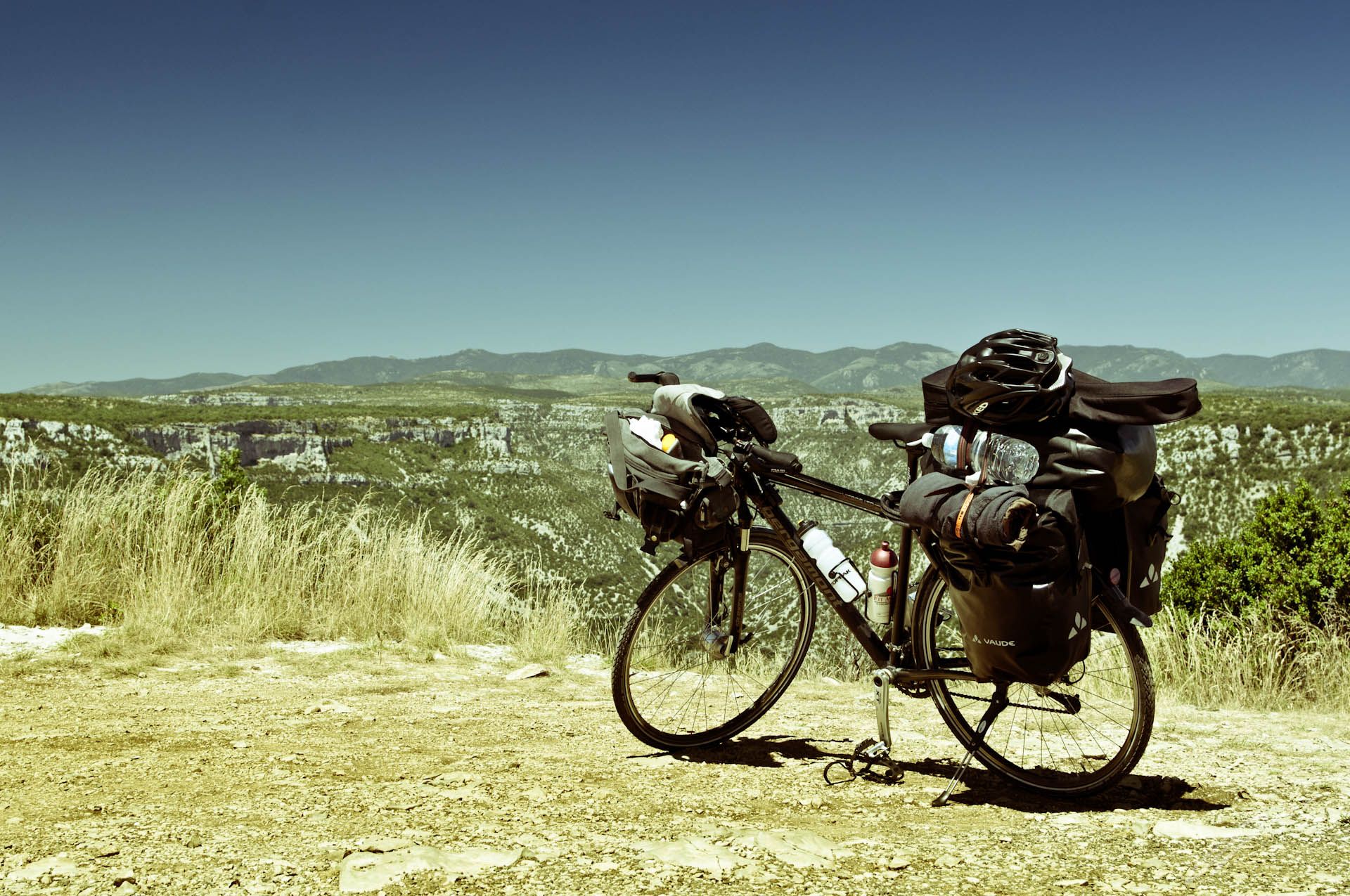
Follow the sun – riding from Germany to the south of France
Other adventures in Haute-Savoie


Tips from the Community


Le Trou de la Tine (Trou of the Tine Cave) was formed by erosion on the flank of Mont Salève. It is a deep, sunken hole shaped like an open-topped barrel ("Tine" is an old dialect term for barrel, "trou" means hole). The cave's ceiling has collapsed due to erosion, revealing a natural "barrel" with a side opening. One can walk into the "barrel" through this side opening.
0
0


You can access the Farinet cave by passing behind the waterfall refreshment bar; the route is clear and protected. Then, let yourself be guided by the explanations of the place to discover its history.
0
0

The waterfall costs €6, and if you want to go into the cave, it costs €10. The waterfall is stunning and definitely worth the visit. For the truly daring, there's also the option of ziplining over the gorge.
1
0

Between the impressive waterfall, if you go to the end of the footbridge, you're guaranteed a shower. The Farinet cave, a historic site in the valley, where he made counterfeit money for the poorest, he was nicknamed the Robin Hood.
0
0

Here lived free from May 12 to August 19, 1944 the maquisards of the secret army of the Megevant group, called "PAN PAN". A little history, even during a mountain bike outing, doesn't hurt!
0
0

Grotto with angel and view of the lake.
0
1
Frequently Asked Questions
Are there family-friendly caves to visit in Haute-Savoie?
Yes, Haute-Savoie offers several options suitable for families. The Lévaud Marian Grotto and Grotte de Sévrier are both categorized as family-friendly. Additionally, the Our Lady of the Lake Cave, a former railway tunnel now a well-lit cycle path, provides an accessible and enjoyable experience for all ages.
What kind of unique geological features can I expect to see in Haute-Savoie's caves?
Haute-Savoie's limestone geology has created diverse features. For instance, the Orjobet Cave is known for its typical limestone erosion and geological formations. The Trou de la Tine is a unique cave where erosion has created a barrel-like shape with a collapsed ceiling.
Are there any historical cave sites in Haute-Savoie?
Yes, Haute-Savoie features several caves with historical significance. The Our Lady of the Lake Cave is a historical railway tunnel. The Millstone quarries at Vachat are former extraction sites with cave-like structures from historical quarrying. You can also find the Resistance shelter 1944, which served as a refuge during World War II.
What is the difficulty level for exploring caves in Haute-Savoie?
The difficulty varies. Some sites like Orjobet Cave offer a walk-through experience, while others like The Trou de la Tine and Grotte de Barmafi are categorized as challenging, requiring more experience or specific equipment. Always check the specific highlight details for difficulty ratings.
What should I wear for caving or exploring grottoes in Haute-Savoie?
For most cave explorations, it's advisable to wear sturdy, closed-toe shoes with good grip, as surfaces can be uneven and wet. Layers of clothing are recommended, as cave temperatures are often cooler than outside, even in summer. For more challenging caves, appropriate caving gear like helmets and headlamps may be necessary.
What outdoor activities can I do near the caves in Haute-Savoie?
Haute-Savoie offers a wide range of outdoor activities. You can find numerous hiking trails, from easy walks to more challenging routes. The region is also popular for road cycling and running trails, often with scenic views of the alpine landscape and lakes.
Are there any caves in Haute-Savoie that are particularly good for photography?
Many caves in Haute-Savoie offer unique photographic opportunities due to their geological formations and natural light. The Orjobet Cave, with its distinct limestone erosion, and the Trou de la Tine, with its unusual open-top structure, are often appreciated by photographers. The well-lit Our Lady of the Lake Cave also provides interesting perspectives, especially with views of the lake.
What is the best season to visit the caves in Haute-Savoie?
Most natural caves in Haute-Savoie can be visited year-round, though access to some may be affected by snow or ice in winter, especially those at higher altitudes or with challenging approaches. Spring and autumn offer pleasant temperatures for exploring, while summer provides longer daylight hours. Always check local conditions and opening times for specific sites before your visit.
Are there any caves in Haute-Savoie that are considered natural monuments?
Yes, several caves in Haute-Savoie are recognized as natural monuments. The Orjobet Cave and The Trou de la Tine are notable examples. These sites are valued for their geological significance and natural beauty.
Can I find any waterfalls associated with caves in Haute-Savoie?
Yes, the region's geology sometimes combines caves with impressive water features. The Saint-Ruph Waterfall is an example where a waterfall is closely associated with a cave environment, offering a scenic spot for visitors.
What do visitors enjoy most about the caves in Haute-Savoie?
Visitors often appreciate the unique blend of natural beauty and historical significance. Many enjoy the geological formations, the cool atmosphere inside, and the sense of discovery. The transformation of sites like the Our Lady of the Lake Cave into a scenic cycle path is also highly praised for its accessibility and views.
Most popular routes in Haute-Savoie
Most popular attractions in Haute-Savoie

Get inspired with the komoot mobile app


Explore more
Extend your search for the best caves by checking out these guides of the top ones in Haute-Savoie:
