Top 20 Mountain Passes in Haute-Savoie
Best mountain passes in Haute-Savoie are found within the French Alps, a region characterized by its mountainous terrain and alpine valleys. This department offers a diverse landscape of high-altitude passes, connecting various valleys and providing access to natural features. The passes serve as crucial routes through the Aravis and Chablais massifs, often featuring dramatic views and varied ecosystems. The region is known for its challenging cycling routes, scenic viewpoints, and intermediate hiking trails.
Best mountain passes in Haute-Savoie
- The most…
Last updated: July 10, 2026
Col de la Forclaz
Highlight • Mountain Pass
Translated by Google •
Tip by

Leschaux Pass
Highlight • Mountain Pass
Translated by Google •
Tip by
Sign up now to discover places like this
Get recommendations on the best single tracks, peaks, & plenty of other exciting outdoor places.
Sign up for free
Croisette Pass
Highlight • Mountain Pass
For cyclists, it is also the crossing point for the four possible climbs of Mont Salève. An untimed road …
Translated by Google •
Tip by

Voza Pass
Highlight • Mountain Pass
If you're lucky, you might see the …
Translated by Google •
Tip by
Col de Balme
Highlight • Mountain Pass
Translated by Google •
Tip by
Tricot Pass
Highlight • Mountain Pass
Translated by Google •
Tip by

Col du Semnoz summit
Highlight • Summit
Translated by Google •
Tip by

Col du Bonhomme
Highlight • Mountain Pass
Translated by Google •
Tip by
Brévent Pass
Highlight • Mountain Pass
Translated by Google •
Tip by
Montets Pass
Highlight • Mountain Pass
Translated by Google •
Tip by
Sign up for free to discover even more mountain passes in Haute-Savoie.
Sign up for free
Already have an account?
Start today with a free account
Your next adventure awaits.
Login or Signup
Popular around Haute-Savoie
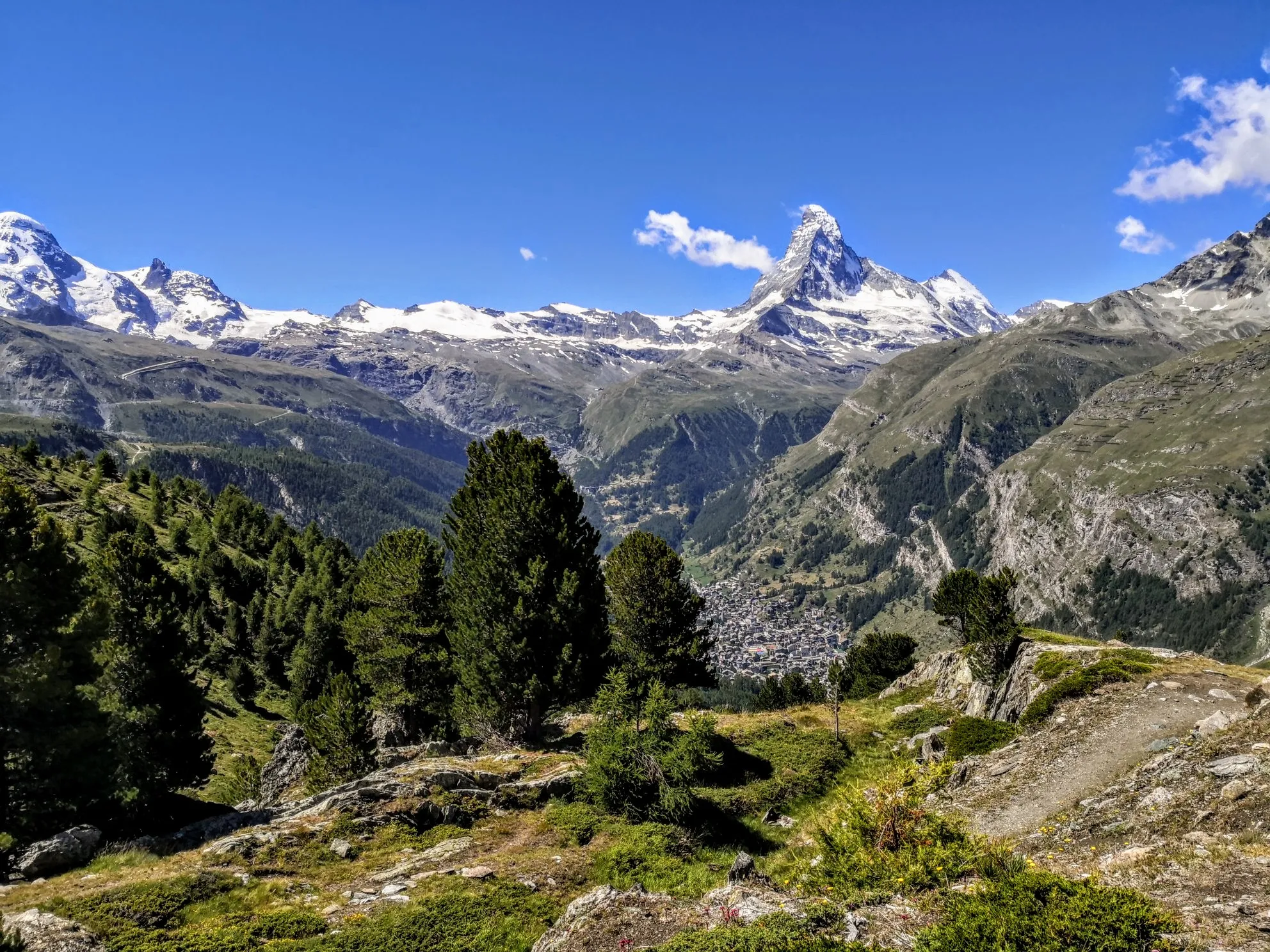
Walker's Haute Route – The ultimate alpine adventure
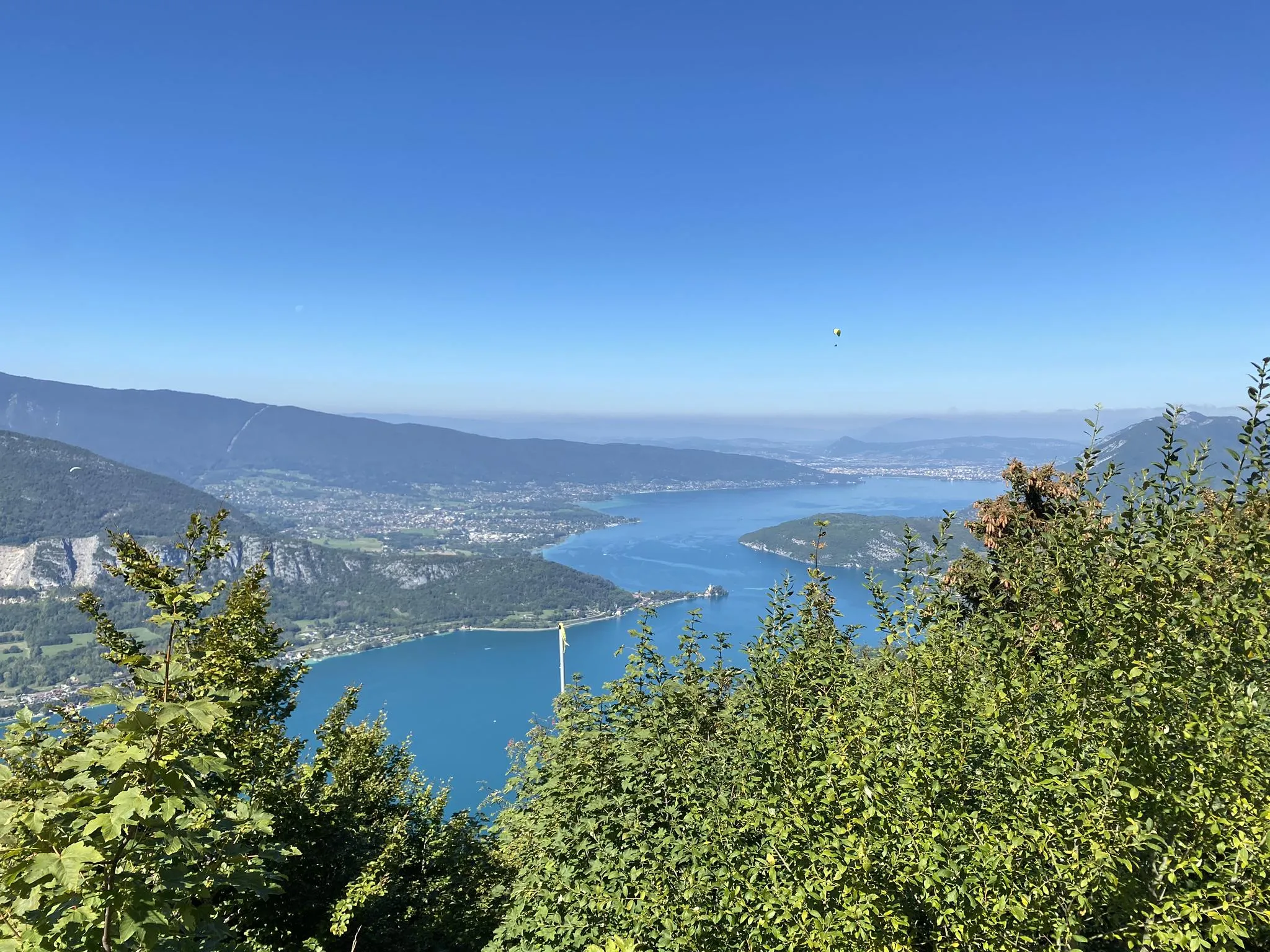
MaxiRace - The complete tour of Lake Annecy
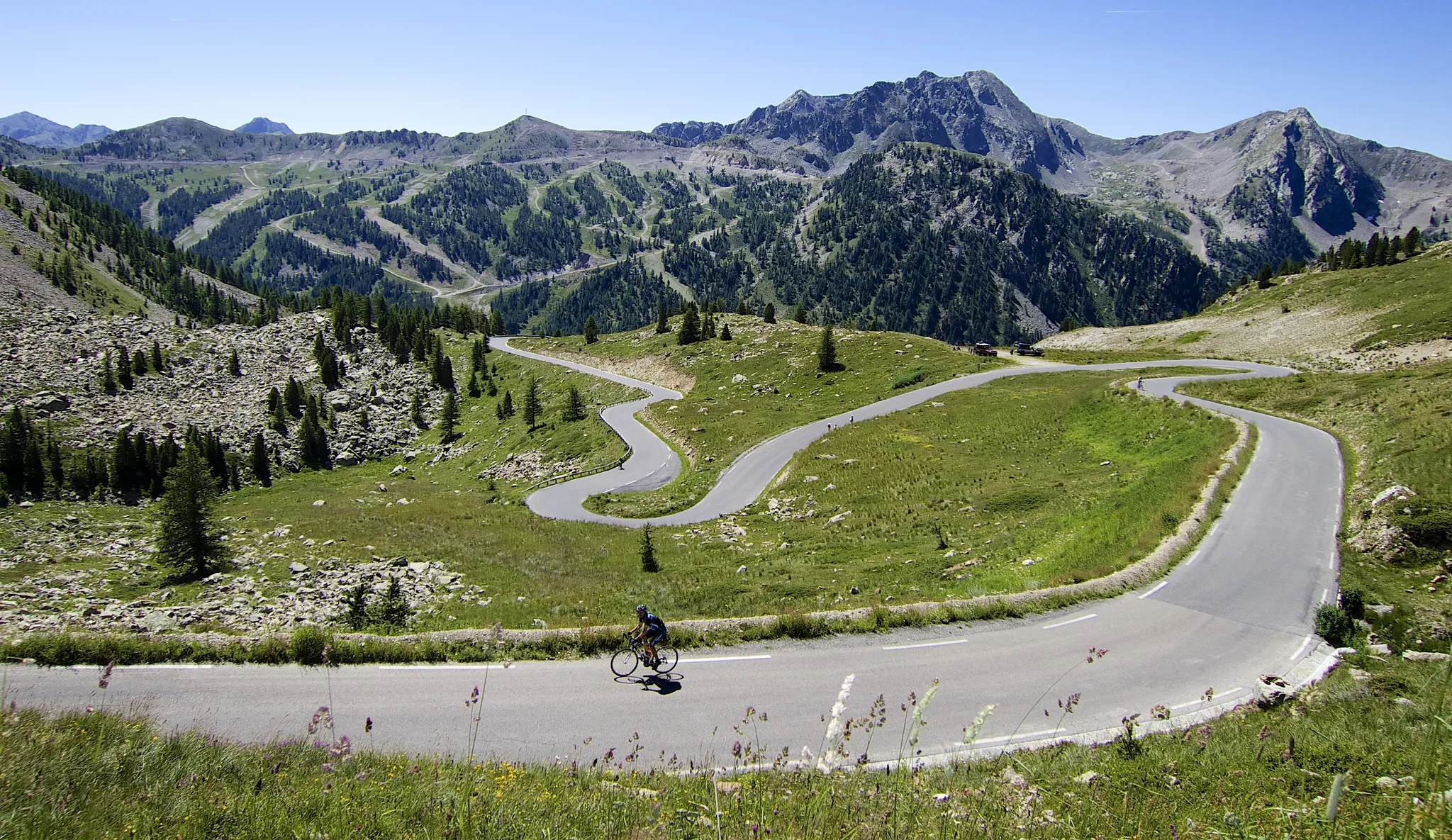
Haute Route Alps 2025 — Assaulting the Alps
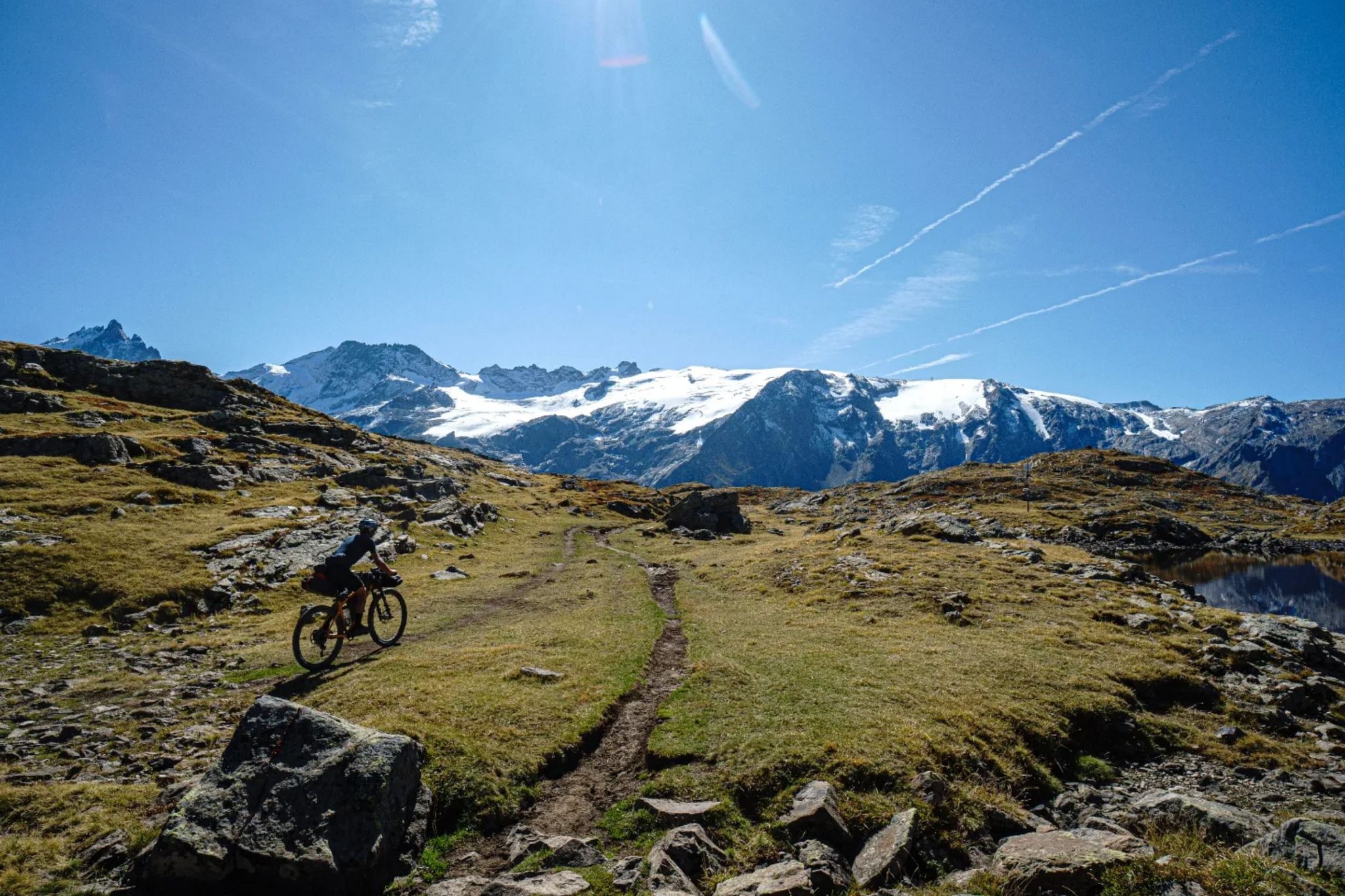
Transalps MTB – Chamonix to the Mediterranean Sea
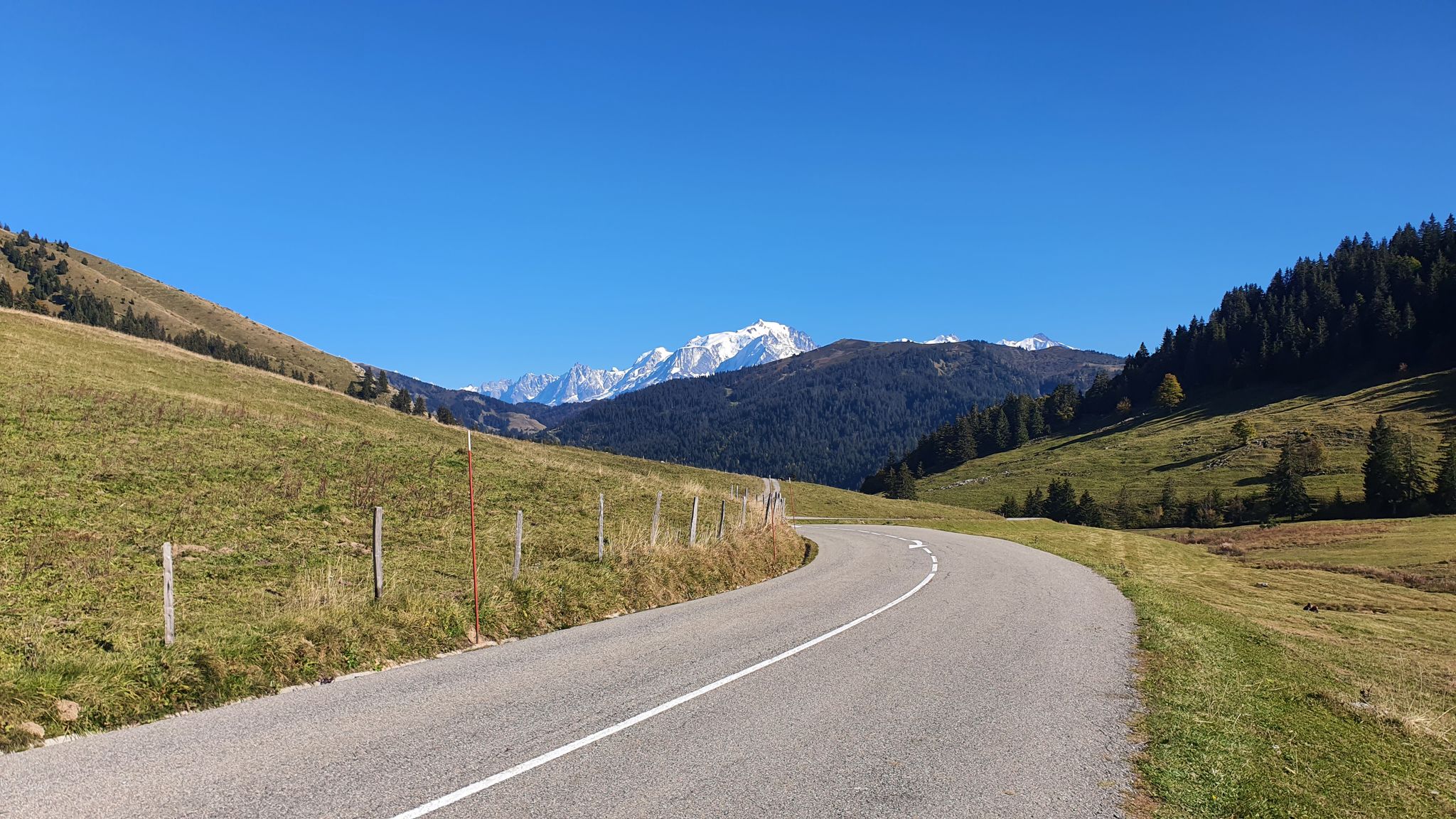
L'Omomarto – The evil genius and the exploit
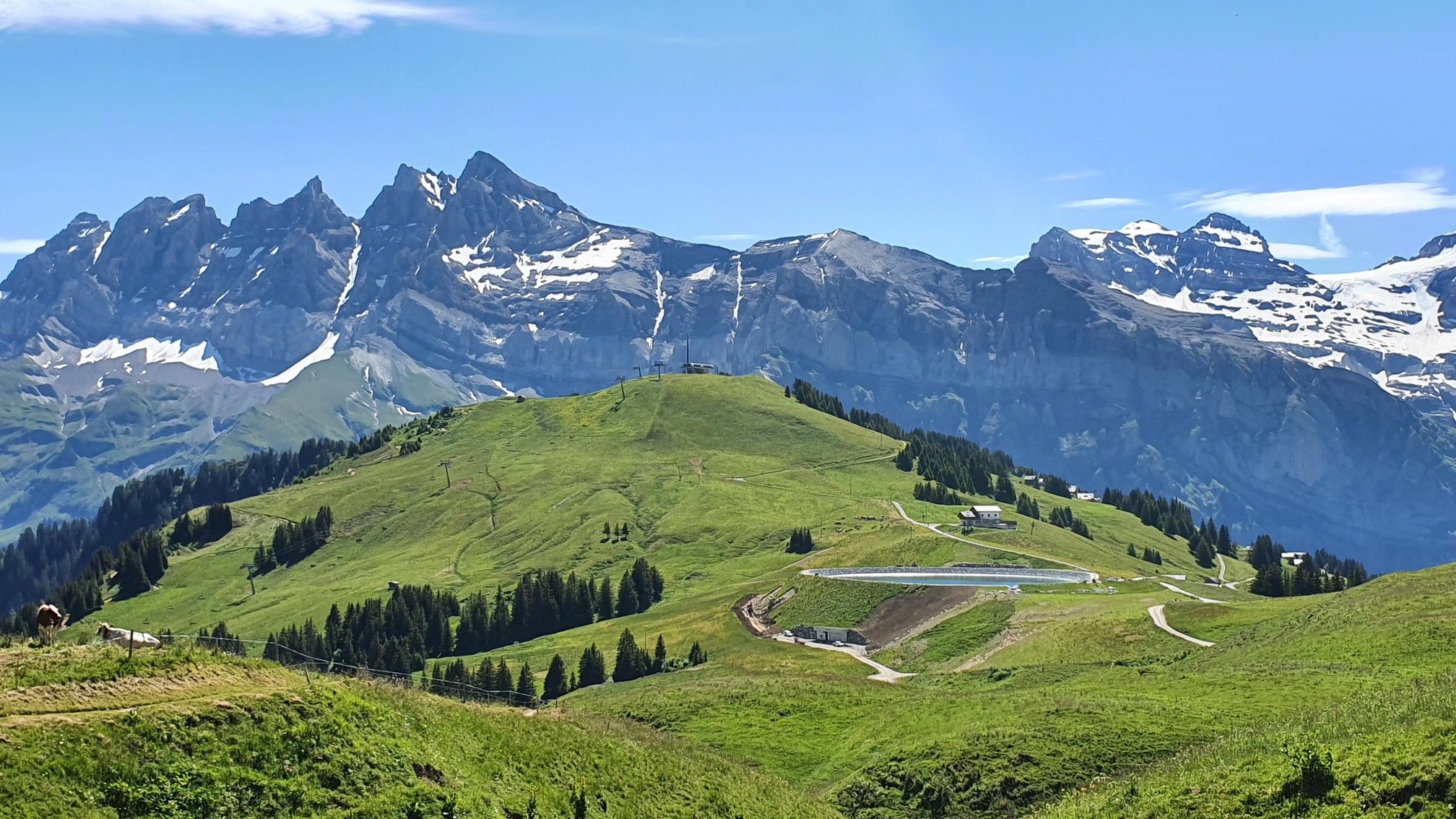
Europe Trail (GR 5) – Hike from Landry to Thonon-les-Bains
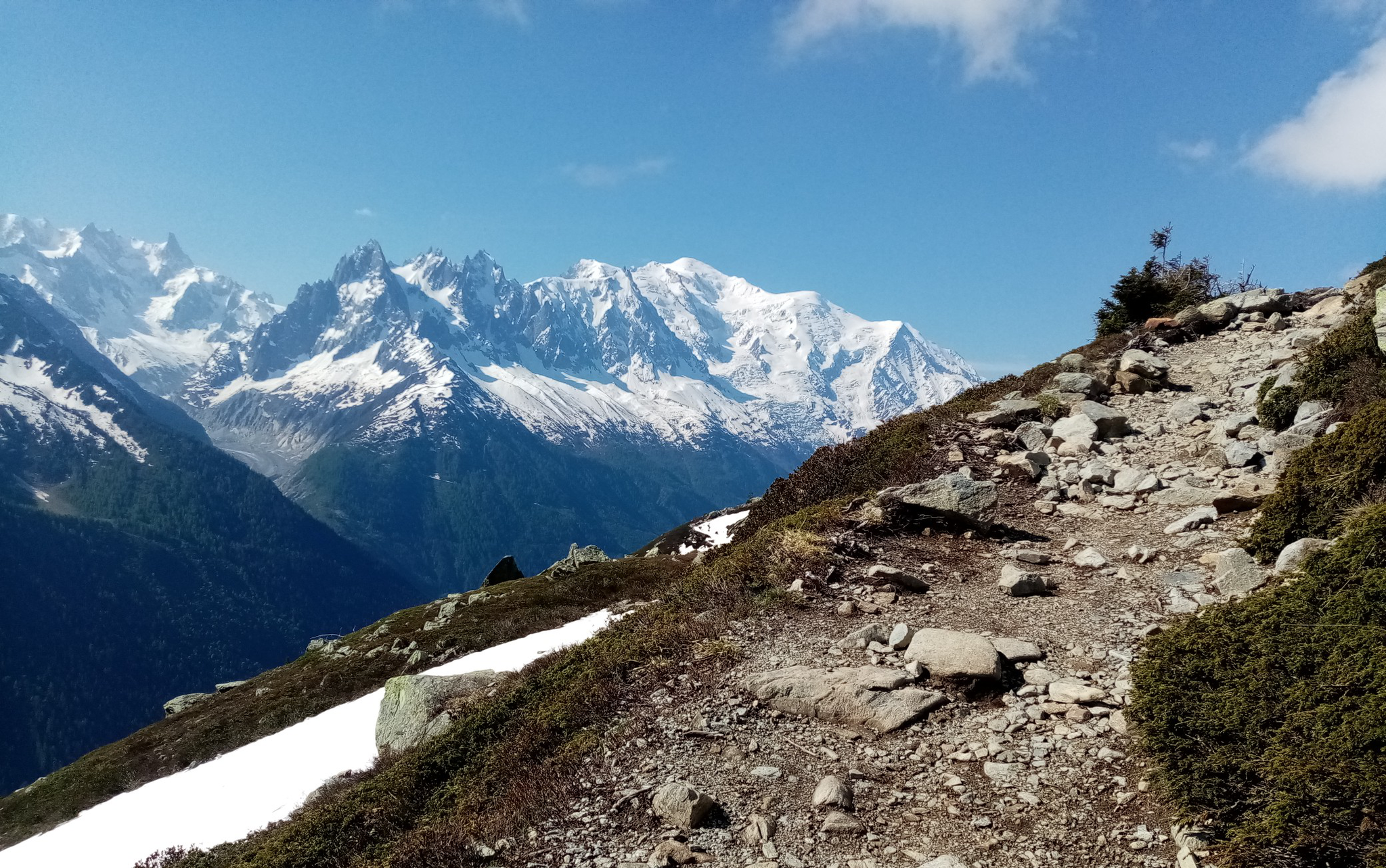
Ultra-Trail du Mont-Blanc – following the footsteps of legends
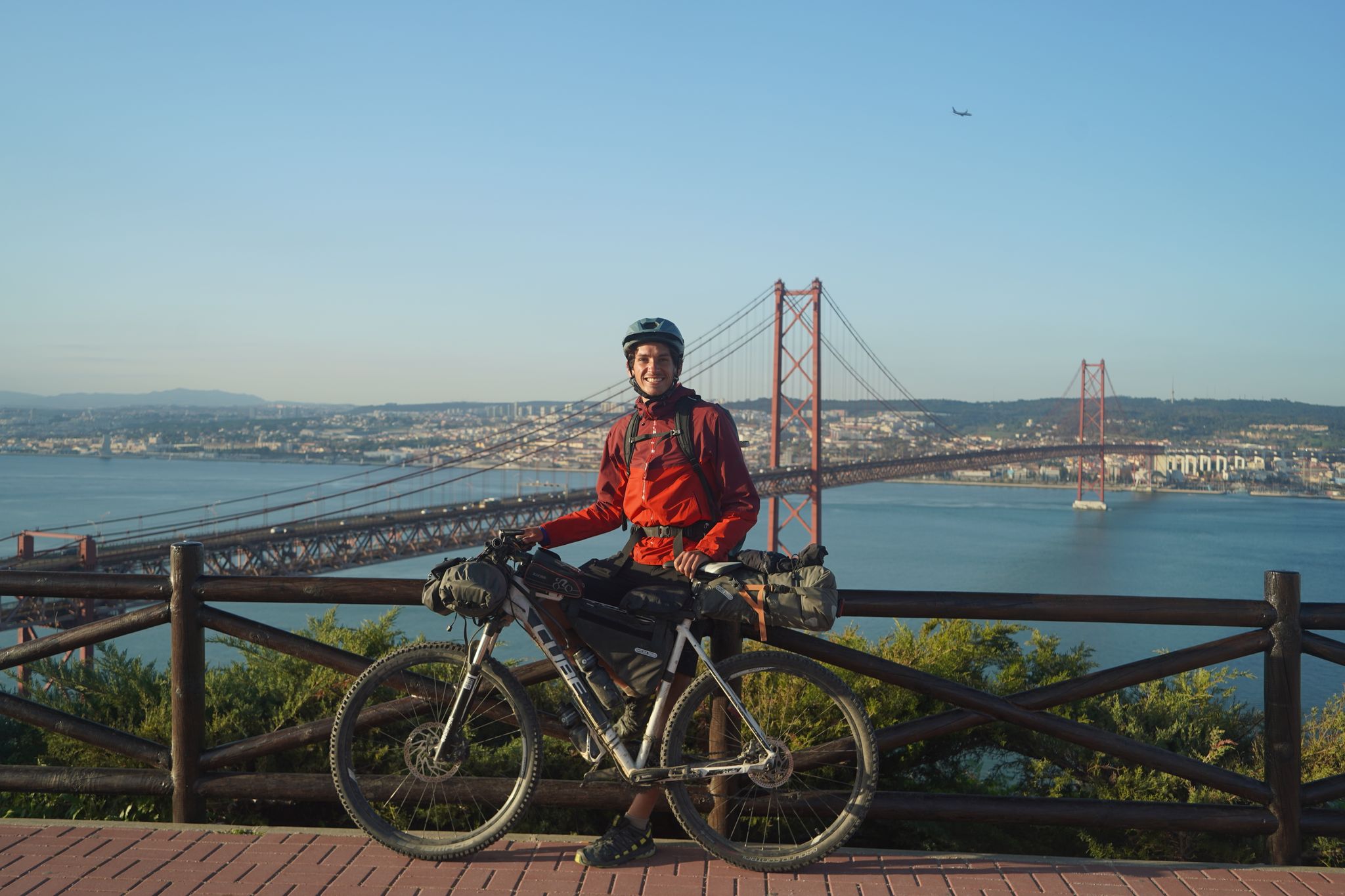
Road to Lisbon – bikepacking the Alps, Pyrenees and Picos de Europa
Naples to North Cape — Two friends, one purpose and many scoops of ice-cream
Follow the sun – riding from Germany to the south of France
Other adventures in Haute-Savoie


Tips from the Community

Small pass, quiet ascent via the D10. At the pass with a fountain.
2
0

The section from La Muraz to Cruseille, passing through Le Sappey, and then the climb from Cruseille to La Croisette are really nice. Beautiful road, few cars and gentle slope!
0
0

Located at an altitude of 1,150 meters, the Col de la Forclaz offers a superb view overlooking Lake Annecy and the surrounding peaks. An incredible spot!
1
0

The snack bar at Col de Voza has a lovely terrace in the summer. Delicious ice cream, a BBQ, and even live music. A very relaxed atmosphere.
2
0


Col de Croissette. What a beautiful tour. A long climb with percentages up to 18% brings you to the plateau of the mountain. There with rolling roads and paths towards the west to enter the descent and via the North back to Geneva.
0
0

The Col du Semnoz, climbed by bike, offers a sporty and panoramic experience in the heart of the Alps. Starting from Annecy, the climb takes you through dense forests, green meadows and breathtaking alpine landscapes. As you climb, breathtaking views of Lake Annecy, Mont Blanc and the surrounding massifs are revealed.
1
1

The climb via Collonges sous Salève is the hardest. With slopes averaging 10-11%. Easier on the La Muraz side. The climbs are well shaded. Good surface. Lots of cars on weekends.
1
0
Frequently Asked Questions
What are some of the most scenic mountain passes in Haute-Savoie?
Haute-Savoie is home to many passes offering spectacular views. For a breathtaking panorama of Lake Annecy, visit Col de la Forclaz. If you're seeking views of Mont Blanc and the Chamonix Valley, Col de Balme is an excellent choice. The Col des Aravis also provides dramatic vistas of the Mont Blanc massif and surrounding peaks.
Are there mountain passes suitable for beginner cyclists in Haute-Savoie?
Yes, Leschaux Pass is particularly noted for cyclists, offering a gentle 12 km slope from Sévrier. It's an ideal warm-up for more challenging climbs or a great route for those new to mountain cycling. You can find more road cycling routes in the region by checking out the Road Cycling Routes in Haute-Savoie guide.
Which mountain passes offer challenging climbs for experienced cyclists?
For experienced cyclists seeking a challenge, the Col de Joux Plane is renowned for its difficulty, especially from the Samoëns side, with steep gradients and numerous hairpin bends. The Col de la Ramaz also offers a challenging but steady ascent, often featured in the Tour de France, with sections marked with names of cycling legends.
What kind of hiking opportunities are available near Haute-Savoie's mountain passes?
Many mountain passes in Haute-Savoie serve as excellent starting points for hikes. For example, the Col des Montets is a major gateway to trails within the Aiguilles Rouges natural reserve, offering options from short botanical walks to longer treks to Lac Blanc. The area around Col des Aravis is also popular for walks and hiking, with paths leading to scenic viewpoints. Explore more options in the Running Trails in Haute-Savoie guide or the Waterfall Hikes in Haute-Savoie guide.
Are there any historical or cultural landmarks at these passes?
Yes, some passes have notable historical elements. The Col de Balme features a refuge built in 1840, offering a glimpse into the region's past. At the Col des Aravis, you'll find the charming Chapelle Sainte-Anne, originally built around 1650 and rebuilt around 1765, adding a cultural touch to the stunning landscape.
What is the best time of year to visit the mountain passes in Haute-Savoie?
The best time to visit the mountain passes for cycling and hiking is generally from late spring to early autumn (May to October), when the weather is milder and the passes are free of snow. Some passes, like Col des Montets, are generally open in winter but may require snow chains in extreme conditions, making summer and early autumn ideal for most activities.
Are there facilities or amenities available at the mountain passes?
Some passes offer facilities for visitors. For instance, Leschaux Pass has a bar/restaurant. At Col de la Forclaz, you can find a restaurant serving local specialties. The Col de Balme also hosts a refuge that provides half-board accommodation. The Col des Aravis has restaurants at its summit, serving Savoyard specialties.
Can I find family-friendly options among the mountain passes?
While many passes offer challenging terrain, some areas around them can be family-friendly. For example, the Col des Aravis area is popular for camping and offers opportunities for walks. The Col des Montets has a large information center about local flora and fauna, and a short botanical loop walk, which can be suitable for families.
What kind of wildlife or natural features can I expect to see?
The mountain passes of Haute-Savoie are rich in natural beauty. From the Col des Montets, you can explore the Aiguilles Rouges natural reserve, known for its diverse flora and fauna. The region is characterized by alpine valleys, impressive rock faces, and mountain pastures where you might hear the charming bells of grazing cows, especially around the Col des Aravis.
Is it possible to access these passes during winter?
Winter access varies by pass. While some major routes like the Col des Montets are generally open, they may require snow chains during extreme weather conditions. Many higher-altitude passes can be closed or difficult to access due to heavy snowfall. It's always advisable to check local road conditions before planning a winter visit.
What do visitors enjoy most about the mountain passes in Haute-Savoie?
Visitors consistently praise the incredible panoramic views, especially of Lake Annecy from Col de la Forclaz, and Mont Blanc from Col de Balme. Cyclists appreciate the challenging climbs and well-maintained roads, while hikers enjoy the diverse trails and natural beauty. The unique blend of stunning scenery, outdoor activities, and local charm makes these passes highly appealing.
Are there any less crowded mountain passes for a more tranquil experience?
While some passes are very popular, exploring the numerous smaller passes or visiting during off-peak times can offer a more tranquil experience. For instance, while Leschaux Pass is essential for cyclists, it offers a long, linear route that can feel less crowded than some of the more famous Tour de France climbs. Researching specific routes and their popularity can help you find quieter spots.
Most popular routes in Haute-Savoie
Most popular attractions in Haute-Savoie

Get inspired with the komoot mobile app


Explore more
See even more epic mountain passes by checking out these guides in Haute-Savoie:
