Attractions and Places To See in Indre-et-Loire - Top 20
Best attractions and places to see in Indre-et-Loire are found in the heart of the Loire Valley, a region known for its historical châteaux and diverse landscapes. This area features the Loire River, which offers a backdrop for various activities, and is often referred to as the "Garden of France" due to its numerous gardens. Indre-et-Loire provides a blend of cultural sites, historical architecture, and natural beauty for visitors to explore.
Best attractions and places to see in Indre-et-Loire
- The…
Last updated: July 14, 2026
Château de Chenonceau
Highlight • Castle
Translated by Google •
Tip by

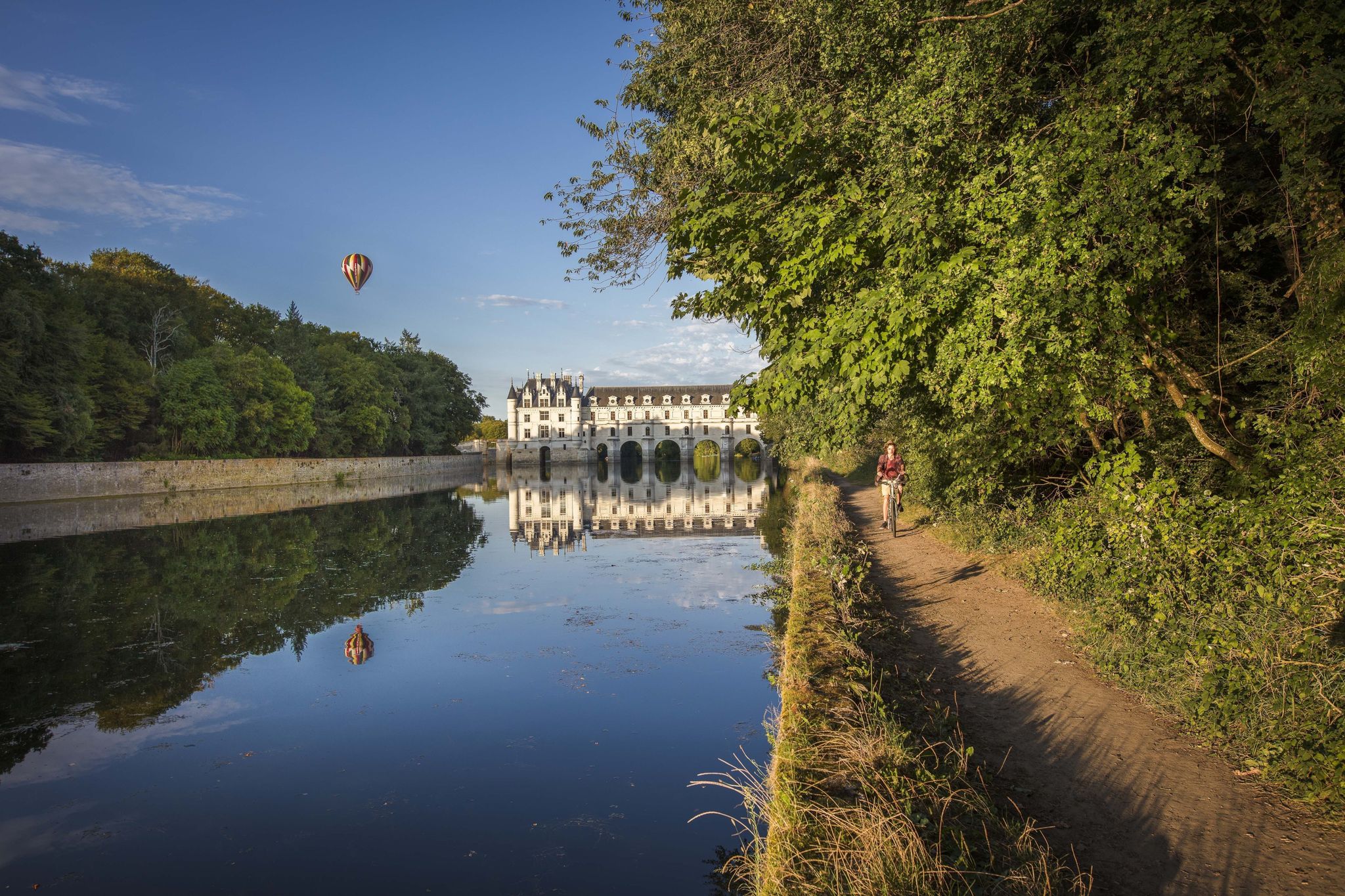
View of Chenonceau Castle from the cycle path
Highlight • Castle
Translated by Google •
Tip by

Sign up now to discover places like this
Get recommendations on the best single tracks, peaks, & plenty of other exciting outdoor places.
Sign up for free
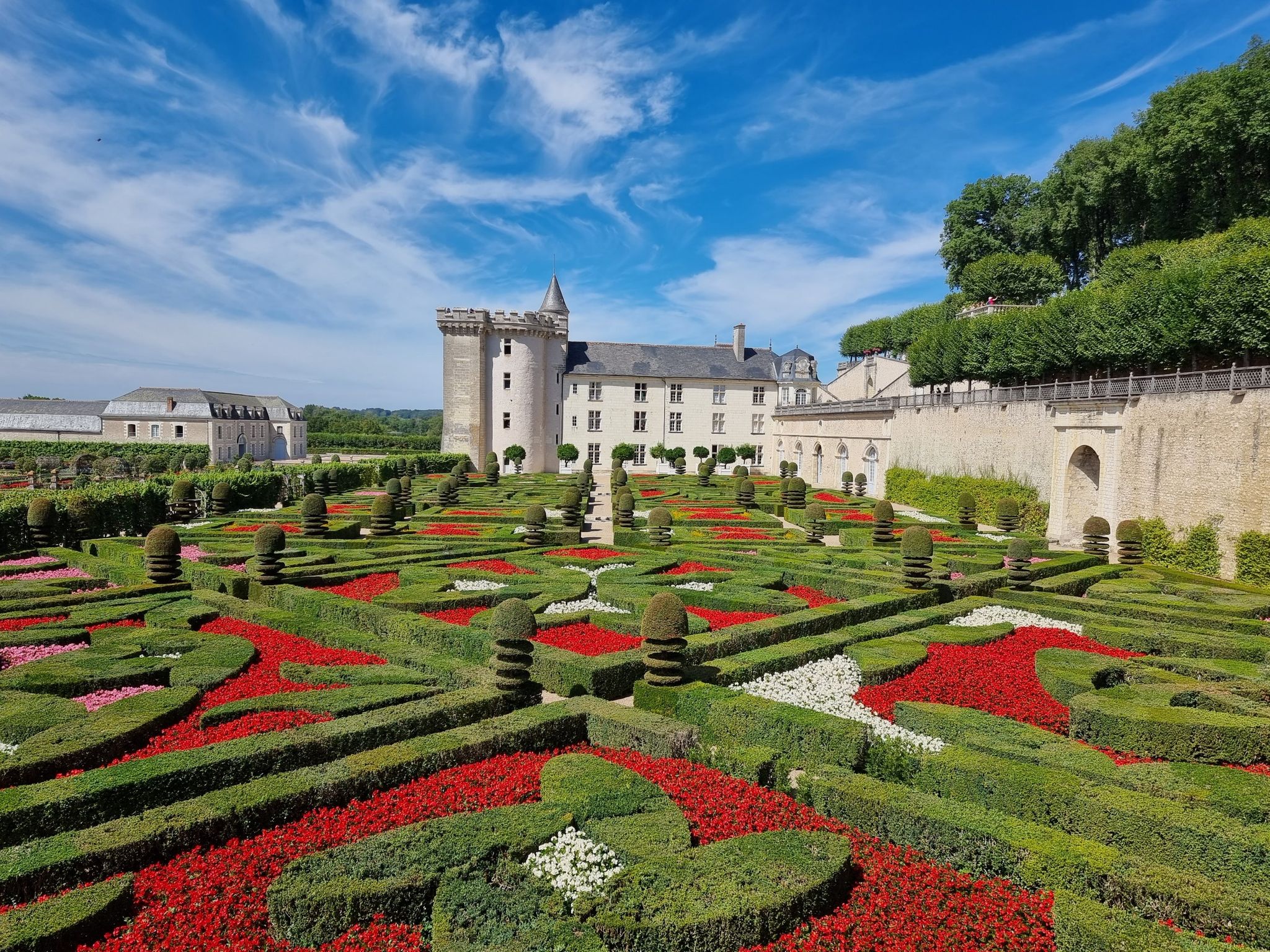
Gardens of the Château de Villandry
Highlight • Castle
Translated by Google •
Tip by

Château d'Amboise and the Stone Bridge
Highlight • Castle
Ideal starting point for cycling loops with a …
Translated by Google •
Tip by

Ussé Castle
Highlight • Castle
Accompanied by French gardens, …
Translated by Google •
Tip by
Le Clos Lucé – Leonardo da Vinci
Highlight • Castle
Translated by Google •
Tip by
Pont du Maréchal Leclerc
Highlight • Other
From the bridge, the view of the royal castle is …
Translated by Google •
Tip by

Langeais Bridge
Highlight • Bridge
Translated by Google •
Tip by

Amboise Forest Crossing
Highlight (Segment) • Forest
Translated by Google •
Tip by
Château de Langeais
Highlight • Castle
Translated by Google •
Tip by

Sign up for free to discover even more attractions in Indre-et-Loire.
Sign up for free
Already have an account?
Start today with a free account
Your next adventure awaits.
Login or Signup
Popular around Indre-et-Loire
GR3 from the ocean to its source – The Loire, a wild European river
From one Châteaux to another – a long hike in the Loire Valley
From one castle to another – the Loire to the Cher Valley

Around the World in 80 Days
EuroVelo 3 – A cycling pilgrimage from Norway to France
La Loire à vélo – Between nature and castles
GR 46 — The Truant School
The most beautiful cycling routes in the Loire Valley
The Loire Valley – escape to the great outdoors
Between Tours and its rivers – Loire walks outside the city
Other adventures in Indre-et-Loire


Tips from the Community

Beautiful little castle where Leonardo da Vinci lived. Some of his artworks and inventions can be admired. Worthwhile.
0
0

This impressive suspension bridge spans the Loire between La Chapelle-aux-Naux and Langeais and was originally completed in 1849. The bridge has been repaired and rebuilt many times and has a two-lane road over the Loire. On the Langeais side, a walk along the banks of the Loire, on both sides of the bridge, is highly recommended. The Langeais bridge is a stubborn bridge. It has been rebuilt five times! The story begins in 1848, the year in which King Louis Philippe authorised the construction of a "wire bridge", as it was then called (bridge 1). But wires are excellent lightning conductors! And 10 years after its opening in 1859, the bridge collapsed into the Loire after a heavy storm, its deck and suspension elements. Two years later in 1861, the bridge was repaired and operational again as a toll bridge (bridge 2). But shortly afterwards, in 1870, war broke out and the advance of the Prussian enemy had to be slowed down. Boom! Bridge was blown up (bridge 3) The fourth was completed in 1914, but then came the... car! They were heavy, they came and went! The bridge therefore had to be extensively rebuilt to bear the weight of modernity. This happened in the 1930s, and the opportunity was taken to decorate the bridge with its very special Gothic pillars, which reflected the Gothic style of the castle; the two form a mirror image. Bridge 4 was built! All is well, all is well... but then it is June 1940. And this time it is the Germans who have to be stopped. To stop the invader, the bridge was blown up again. After first using a ferry and then a temporary footbridge, the inhabitants waited until 1949 for a bridge over the Loire (bridge 5). The bridge of Langeais is the only bridge between Tours and Port Boulet. It is now a rather imposing bridge with a turbulent history.
2
0
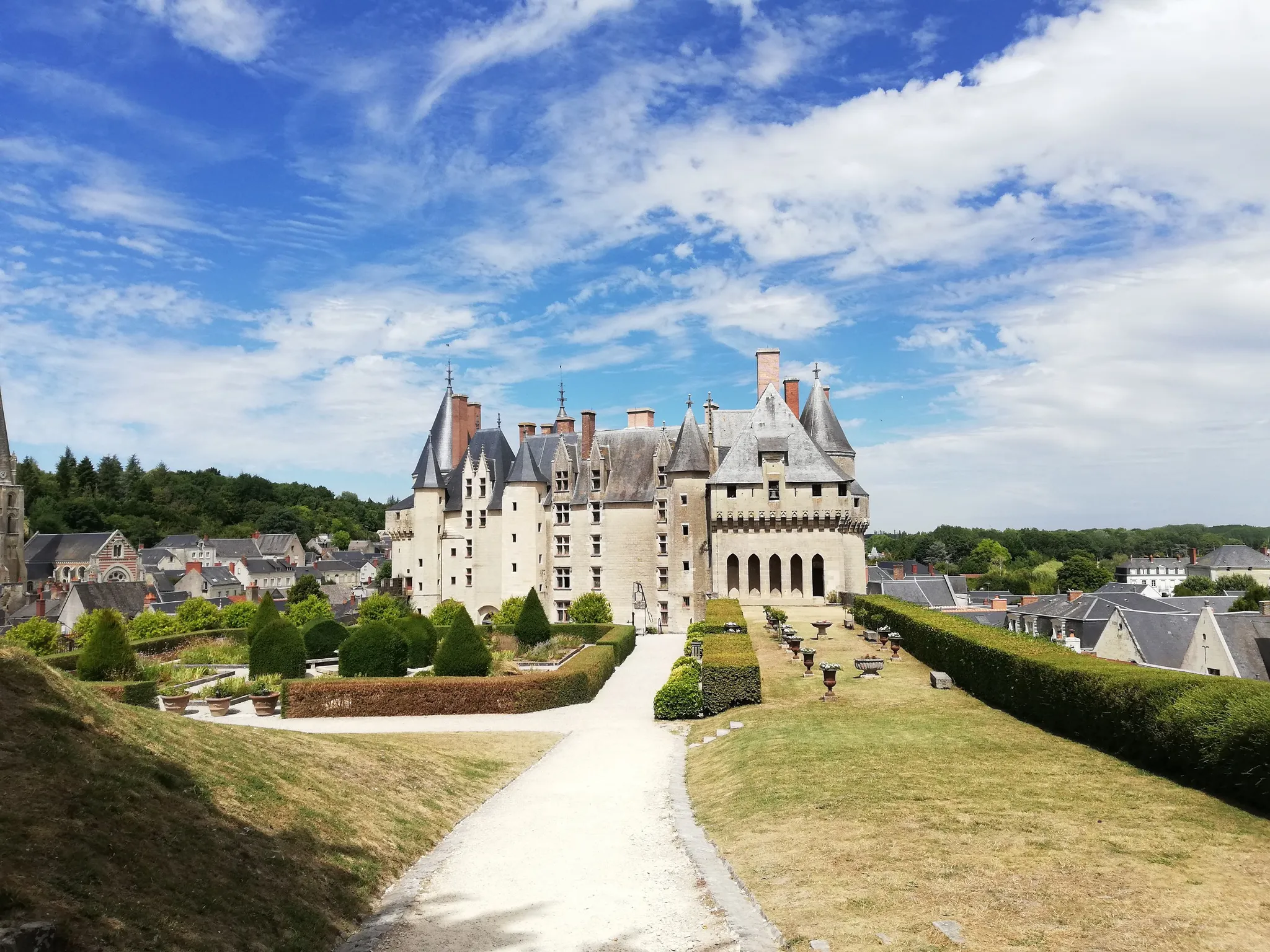
The Château de Langeais , a former royal estate and property of the Institut de France, is one of the major sites in the Loire Valley . Near Tours , in the heart of the Loire Valley , it offers a guided tour of fifteen rooms, decorated with richly carved medieval furniture . You will discover a collection of tapestries and the reconstruction of the royal wedding of Anne of Brittany, told by Stéphane Bern . Langeais, a Renaissance Loire castle, will surprise you with its park planted with cedars and sequoias and its playful elements. More information on https://chateau-de-langeais.com/
2
0
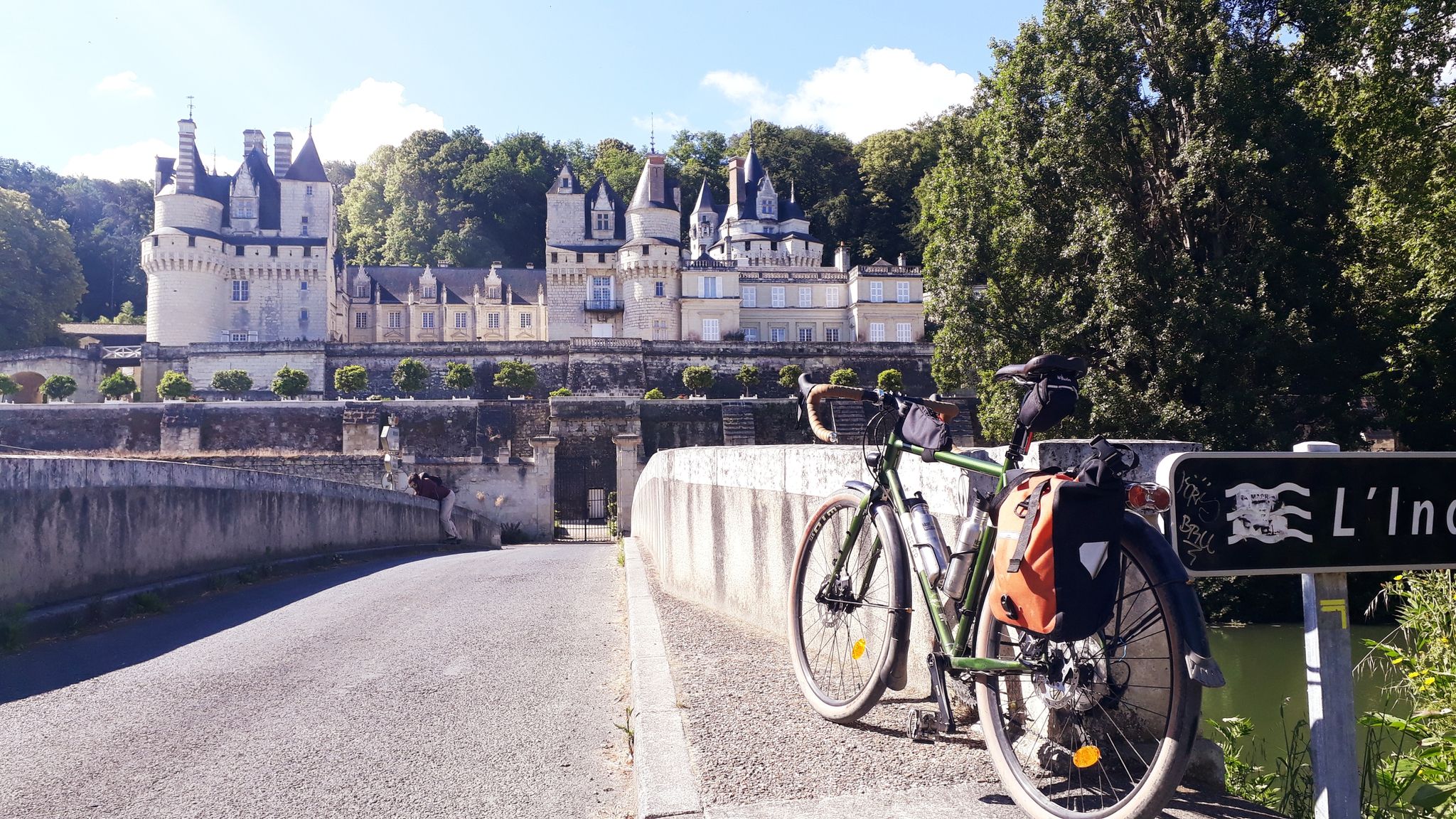
Here you are in front of the 'Sleeping Beauty Castle'. Once upon a time there was a castle with a magical aura, overlooking the Indre and the Loire… so beautiful that it inspired Charles Perrault to write his Sleeping Beauty. Young and old, immerse yourself in castle life and the scenes from this fairy tale come to life before your eyes. Follow in the footsteps of Vauban, Perrault, Chateaubriand, Le Nôtre and the Blacas family, who still live in this illustrious castle in the Loire Valley.
5
0
Once upon a time, there was a castle with a magical aura, overlooking the Indre and the Loire… so beautiful that it inspired Charles Perrault to write Sleeping Beauty. Young and old, immerse yourself in castle life and the scenes from this fairy tale come to life before your eyes. Follow in the footsteps of Vauban, Perrault, Chateaubriand, Le Nôtre and the Blacas family, who still live in this illustrious castle in the Loire Valley. PREPARE YOUR VISIT: 2025 From 15 February to 31 March: 10am – 6pm. From 1 April to 30 September: 10am – 7pm. From 1 October to 11 November: 10am – 6pm. Prices: Adult (+ 16 years): € 14.50 Child from 8 to 16 years: € 7.50 Child (under 8 years): Free
5
0

Peaceful crossing. I recommend it!!!
1
0

Very beautiful hike to be avoided after heavy rain, many flooded passages
1
0

At first glance, it may seem surprising that a park here in the French Loire Valley was named after the Italian polymath LEONARDO da VINCI (1452 to 1519). But you have to know that he spent the last years of his life in the neighboring castle Le Clos Lucé at the invitation of the French king and died there on May 2, 1519. His grave is believed to be in the Hubertus Chapel - see https://www.komoot.com/de-de/highlight/958658 - but it is not certain whether his remains are actually there.
2
2
Frequently Asked Questions
What are some of the most iconic châteaux to visit in Indre-et-Loire?
Indre-et-Loire is home to many magnificent châteaux. Among the most iconic are Château de Chenonceau, known for its unique architecture spanning the Cher River, and Ussé Castle, often called the 'Sleeping Beauty Castle'. The Gardens of the Château de Villandry are also a must-see, famous for their extraordinary Renaissance design.
Beyond châteaux, what unique cultural experiences can I find in Indre-et-Loire?
The region offers diverse cultural experiences. You can explore the final residence of Leonardo da Vinci at Château du Clos Lucé in Amboise, or visit the magnificent Gothic Cathédrale Saint-Gatien in Tours. Don't miss the opportunity to discover the Loire Valley's renowned wine regions, such as Vouvray and Chinon, for tours and tastings.
What natural attractions and outdoor activities are available in Indre-et-Loire?
Known as the 'Garden of France,' Indre-et-Loire boasts beautiful natural landscapes. The Loire River itself is a major attraction, offering scenic cruises and extensive cycling routes like the 'Loire à Vélo'. You can also explore the diverse flora and fauna of the Regional Natural Park Loire-Anjou-Touraine, or enjoy hiking and cycling on numerous trails throughout the region. For example, you can find many routes in the Hiking in Indre-et-Loire guide.
Are there family-friendly attractions in Indre-et-Loire?
Yes, many attractions in Indre-et-Loire are suitable for families. Châteaux like Château de Chenonceau, Ussé Castle (the 'Sleeping Beauty Castle'), and Château de Villandry with its gardens are popular choices. The Château du Clos Lucé, with its replicas of Leonardo da Vinci's inventions, also captivates younger visitors. Additionally, many outdoor activities along the Loire River are great for families.
What is the best time of year to visit Indre-et-Loire?
The spring (April to June) and autumn (September to October) months are generally considered the best times to visit Indre-et-Loire. During these periods, the weather is pleasant for exploring châteaux and gardens, and for outdoor activities like cycling and hiking. The gardens, especially at Villandry, are particularly vibrant in spring and summer. While some châteaux are open year-round, checking specific opening hours is always recommended.
Can I bring my dog to attractions in Indre-et-Loire?
While many outdoor areas and natural parks are dog-friendly, policies vary for specific attractions, especially châteaux and their formal gardens. It's advisable to check the individual attraction's website for their specific pet policy before your visit. Some châteaux may allow dogs in their park areas but not inside the buildings.
Are there any wheelchair-accessible attractions in Indre-et-Loire?
Accessibility varies across the region's historic sites. While some older châteaux may have limited accessibility due to their historical architecture, many have made efforts to accommodate visitors with mobility needs, particularly in their grounds and ground floor areas. For example, the Langeais Bridge is noted as wheelchair accessible. It is recommended to contact specific attractions directly for detailed information on their accessibility features.
What kind of hiking trails can I find in Indre-et-Loire?
Indre-et-Loire offers a variety of hiking trails suitable for different skill levels, allowing you to explore the region's heritage and natural beauty. You can find easy loops like 'The Isle of Gold and Amboise loop' or more moderate trails such as 'On the Banks of the Cher at Chenonceaux Trail'. For a comprehensive list of routes, refer to the Hiking in Indre-et-Loire guide.
Are there cycling routes available to explore the châteaux?
Absolutely! Indre-et-Loire is a fantastic region for cycling, especially with the 'Loire à Vélo' route, which covers approximately 200 km within the area and connects many of the famous châteaux. This allows you to cycle between sites like Chenonceau and Amboise, enjoying picturesque views of the Loire River and the surrounding countryside. You can find various cycling routes, including mountain biking options, in the MTB Trails in Indre-et-Loire guide.
What are some lesser-known or 'hidden gems' to visit in Indre-et-Loire?
For those looking beyond the most famous sites, consider visiting the L'Islette Castle, a charming and less crowded château with a romantic history. The Pagode de Chanteloup offers distinctive architecture and panoramic views. Additionally, exploring the local markets in towns like Amboise, Azay-le-Rideau, or Chinon provides an authentic glimpse into regional life and local produce.
Can I visit Indre-et-Loire attractions during the winter months?
Many of the major châteaux and attractions in Indre-et-Loire remain open during the winter, though some may have reduced hours or close for specific holidays. For instance, the Gardens of the Château de Villandry are open year-round. It's always best to check the official websites of individual attractions for their precise winter opening schedules and any special events.
What are the best places to experience the Loire River?
The Loire River, as Europe's last great wild river, offers numerous ways to experience its beauty. You can take a leisurely river cruise from various points, cycle along the dedicated 'Loire à Vélo' paths that hug its banks, or simply enjoy the views from bridges like the Langeais Bridge or the Stone Bridge near Château d'Amboise. The river provides a stunning backdrop for outdoor activities and photography.
Most popular routes in Indre-et-Loire
Most popular attractions in Indre-et-Loire

Get inspired with the komoot mobile app


Didn’t find what you were looking for?
Are you keen on exploring more awesome places nearby? Browse our guides:
Explore more
Still not found the Highlight you’re looking for? See guides of the top attractions in other regions:
