Top 11 Castles in Haute-Garonne
Castles in Haute-Garonne offer a glimpse into the region's rich history and diverse architectural heritage. This department in southwestern France features a variety of historic sites, from medieval fortresses to 18th-century châteaux. The landscape combines rolling hills and river valleys, providing scenic backdrops for these notable landmarks. Visitors can explore centuries of history through these structures, many of which are set amidst natural surroundings.
Best castles in Haute-Garonne
- The most popular castles is Climb to the Château de Bonrepos-Riquet,…
Last updated: April 25, 2026
Montesquieu-Lauragais Village
Highlight • Settlement
The village was born from a feudal castle dating back probably to the beginning of the 10th century. A very old document reveals that in 1162, the …
Translated by Google •
Tip by

Château de Palaminy
Highlight • Castle
Translated by Google •
Tip by

Sign up now to discover places like this
Get recommendations on the best single tracks, peaks, & plenty of other exciting outdoor places.
Sign up for free
Climb to the Château de Bonrepos-Riquet
Highlight (Segment) • Climb
Translated by Google •
Tip by

Brax Castle
Highlight • Castle
Translated by Google •
Tip by

View of the Château de Saint-Béat
Highlight • Castle
Translated by Google •
Tip by

Château des Verrières
Highlight • Castle
Translated by Google •
Tip by

Trail Near the Château de Mondouzil Towards Mons
Highlight (Segment) • Trail
Translated by Google •
Tip by

View of Domaine de Ribonnet and Its Château
Highlight • Viewpoint
Translated by Google •
Tip by

Château and Church of Couladère
Highlight • Castle
Translated by Google •
Tip by

View of the Gers and the Pyrenean Foothills
Highlight • Viewpoint
Translated by Google •
Tip by
Sign up for free to discover even more castles in Haute-Garonne.
Sign up for free
Already have an account?
Start today with a free account
Your next adventure awaits.
Login or Signup
Popular around Haute-Garonne
GR 10 – Explore the Ariège Pyrenees crossing the Pyrenees
GR 10 – Central Pyrenees crossing the Pyrenees
Between myths and legends – emblematic passes of the Pyrenees
Panoramic Pyrenees – 15 hikers' peaks of over 3,000 metres
Coast to coast across the Pyrenees on your road bike
In the heart of the massif – the best hikes in the Central Pyrenees
From the Atlantic to the Mediterranean – Route des Cols in the Pyrénées
On the way to Compostela – Via Tolosana (Arles Way)
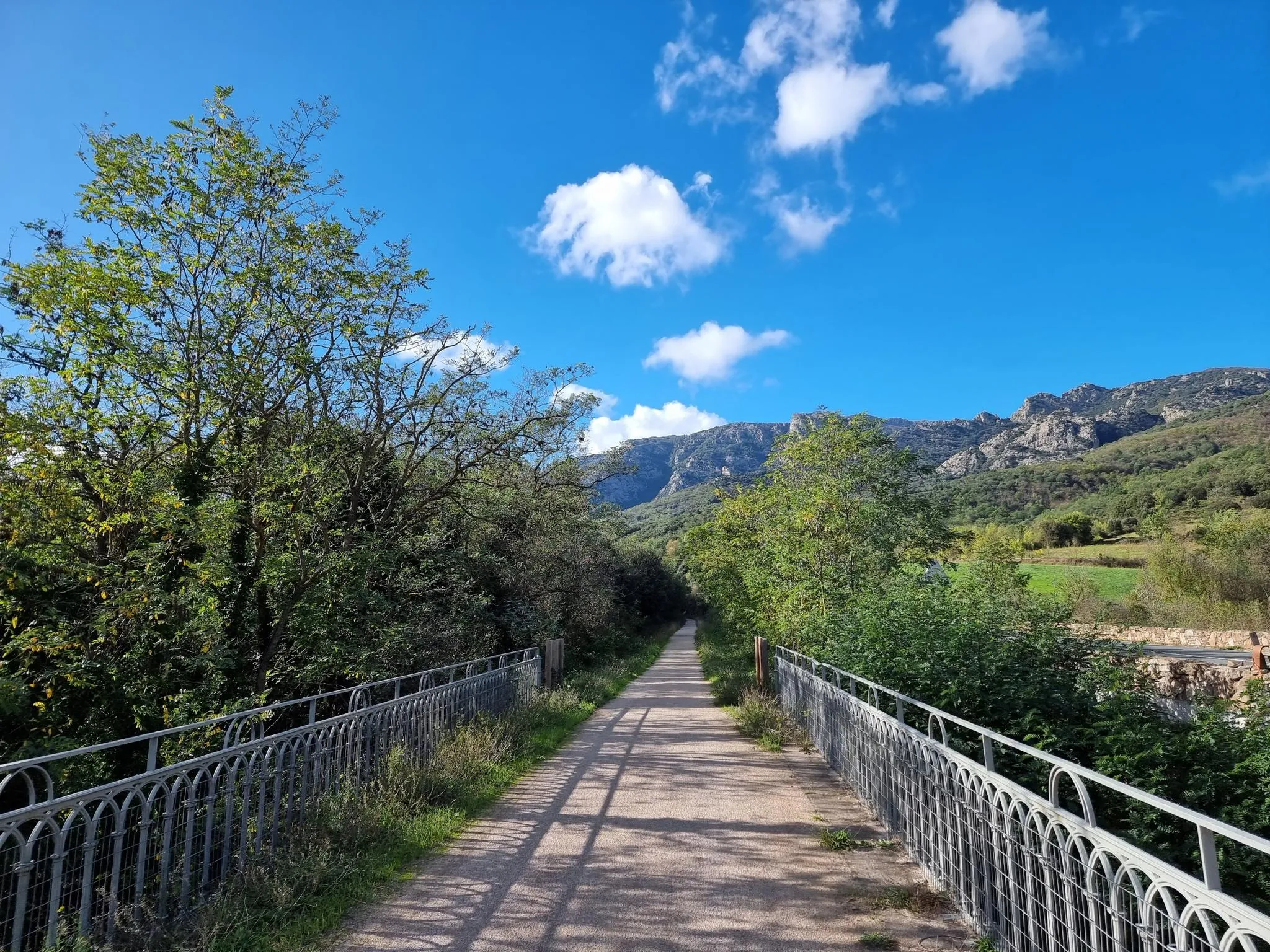
Under the sun of the Midi — La Véloccitanie
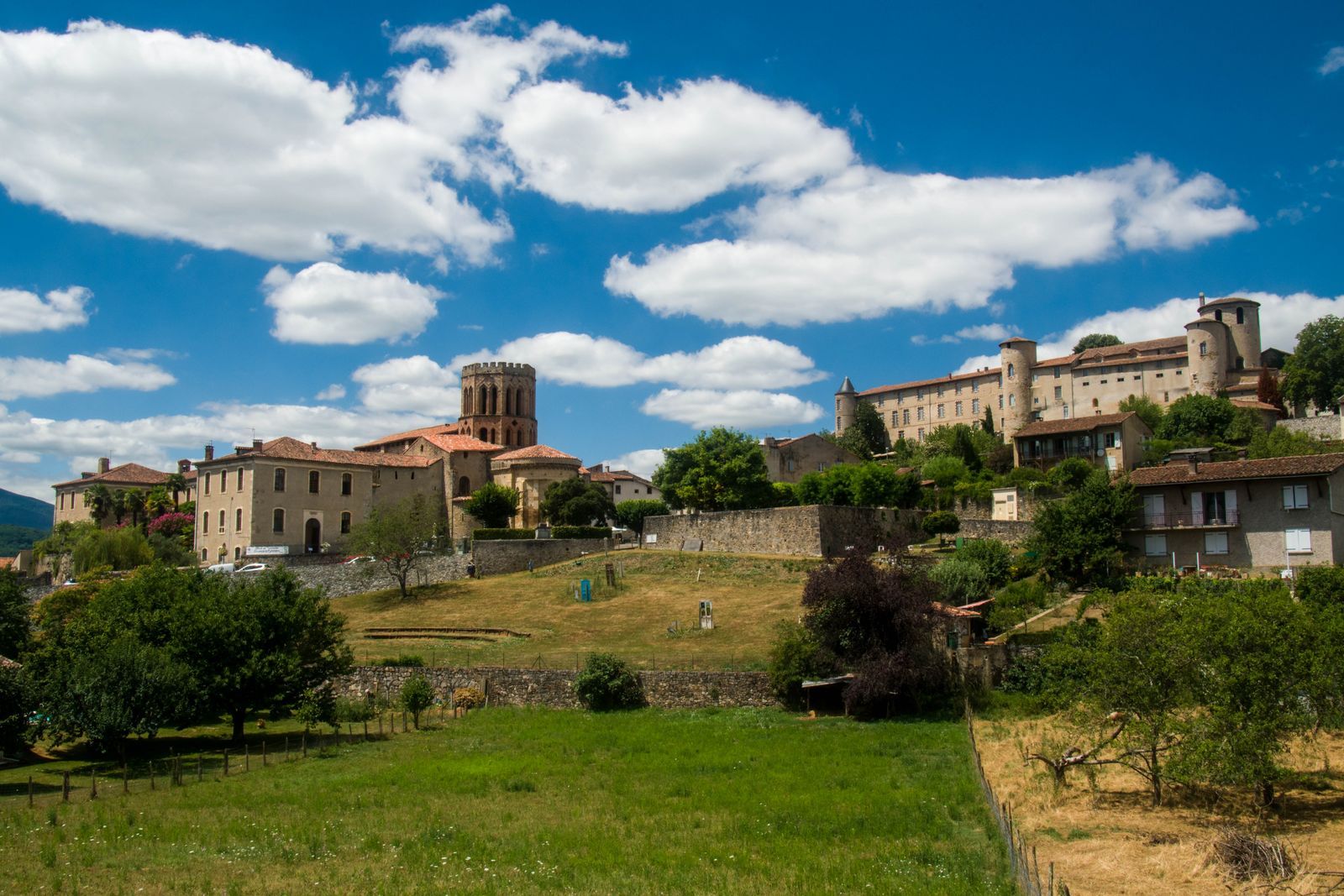
Tour of the Portes du Couserans by MTB – a Pyrenean odyssey
Other adventures in Haute-Garonne


Tips from the Community


The Chalets district is said to take its name from the chalets and wooden houses rented by the soldiers and artillerymen of the Compans barracks, in order to shelter their clandestine love affairs. At the end of the Belle Époque, beautiful residences were built there, in beautiful stone. The most beautiful is undoubtedly the Château des Verrières, owned by the glass painter and manufacturer Louis-Victor Gesta, a vestige of one of the most important stained glass manufacturers of the 19th century. This castle is definitely worth a visit, it is little known to the people of Toulouse and tourists.
0
0

Very pretty castle on the edge of the village, possibility to see it along the road, on the castle square where there are shops and on organized tours. Built in 1352, it underwent many modifications and renovations until the 20th century.
0
1

Beautiful old village, worth a visit
0
0

Saint Béat is a very typical French village. The village maintains its architectural style throughout, and it is deeply rooted in the landscape. You can find bars and a few other shops.
0
0

Built in the 12th century by local lords, the fort was enlarged by King Henry IV. It notably features a large keep, as well as a chapel built in the mid-19th century following a plague epidemic. Robert Pujol, who was responsible for its restoration, explains: "Tourists often have the idea of a very vast castle. However, in the Middle Ages, they were very small because they were clinging to eagles' nests." Throughout its history, the castle did not have to fend off invasions, even though it was the scene of regular battles. Its status as a royal town conferred many privileges on Saint-Béat. Two markets were held every month at the foot of the castle, and no taxes were levied there, which suggests that Saint-Béat could be considered the Andorra of this medieval era... It is technically possible to climb to the castle by bicycle via a steep path closed to vehicles by a chain. The road is certainly a little bumpy, but it is doable, and the breathtaking view of the city and the gap formed by the Garonne in the mountain is a just reward.
0
0
It is technically possible to go up to the Château de Saint Béat via a steep path, with a somewhat chaotic surface and closed to vehicles by a chain (be careful on the descent! ...). From there, you can enjoy a breathtaking view of the city and the passage in the mountain carved out by the Garonne. Built in the 12th century by local lords, the fort was enlarged by King Henry IV. It notably presents an important keep, as well as a chapel built in the mid-19th century following a plague epidemic. Robert Pujol, who is behind its restoration, explains: “Tourists most often have the idea of a very vast castle. However, in the Middle Ages, they were very small because they hung on eagles' nests. » The castle has not, in its history, had to repel any invasions, even if it was the scene of regular battles. The status of a royal city conferred many privileges on Saint-Béat. Two markets took place every month at the foot of the castle, and no taxes were levied there, which invites us to consider Saint-Béat as the Andorra of this medieval era...
0
0

Here we find a pretty little well-preserved private castle. It is located next to the village church. A photo is essential!
0
0
Frequently Asked Questions
What types of castles can I expect to find in Haute-Garonne?
Haute-Garonne features a diverse range of castles, from medieval fortresses like the 13th-century Château d'Aurignac and Château des Confluences, to elegant Renaissance châteaux such as Château de Palaminy and Château de Laréole, and even 18th-century estates like Château de Merville. Many showcase the region's characteristic pink brick architecture.
Are there family-friendly castles to visit in Haute-Garonne?
Yes, several castles offer enjoyable experiences for families. The Château de Merville is particularly known for its interactive and fun 6-kilometer boxwood maze, Europe's largest. Château de Palaminy is also noted as a family-friendly highlight. Additionally, trails near castles like the Trail Near the Château de Mondouzil Towards Mons are often suitable for families.
Which castles offer unique historical insights into the region?
For deep historical insights, the Château de Saint-Géry, dating back to the 13th century, has a significant Cathar connection, having served as a stronghold during the Albigensian Crusade. The Domaine de Bonrepos-Riquet is crucial for understanding the engineering marvel of the Canal du Midi, as its park contains the test basins used by its creator, Pierre-Paul Riquet. Montesquieu-Lauragais Village, with its feudal castle origins, also has a rich history, including its role in Catharism and the pastel trade.
Can I find castles with impressive gardens or natural features?
Absolutely. The Château de Merville is renowned for its magnificent 18th-century gardens, including the largest boxwood maze in Europe. The Domaine de Bonrepos-Riquet features a park with a rock cave and an icehouse. Many castles are set amidst scenic landscapes, offering beautiful natural surroundings.
Are there opportunities for hiking or cycling near the castles in Haute-Garonne?
Yes, the region offers various outdoor activities. You can find numerous trails and routes near castles. For example, the Climb to the Château de Bonrepos-Riquet is a popular route for cyclists. For hikers, there are easy hikes like the Tour of Lac de Thésauque, and more challenging options in the Road Cycling Routes in Haute-Garonne guide, many of which pass by historical sites.
What are some lesser-known or hidden gem castles in Haute-Garonne?
While some castles are widely known, others offer a more secluded experience. The Château de Saint-Géry, less than an hour from Toulouse, is considered a hidden gem with its blend of medieval and Renaissance architecture. Other older castles like Château de Brax (1352) and Château de Launac (1124) also offer a glimpse into the region's past away from the main tourist routes.
When is the best time of year to visit the castles in Haute-Garonne?
The best time to visit is generally during the spring and summer months (April to September) when the weather is pleasant for exploring gardens and outdoor areas. Many castles, like Château de Laréole, also host cultural events and guided tours primarily during the summer. Autumn can also be beautiful with changing foliage, offering a different scenic experience.
Are there castles in Haute-Garonne that are easily accessible or have good parking facilities?
Many castles, especially those closer to Toulouse like Château de Merville, are generally accessible by car and offer parking facilities. For specific details on public transport or accessibility for visitors with mobility needs, it's advisable to check the individual castle's official website. For example, you can find more information about Château de Merville on Visit Occitanie.
What kind of cultural events or exhibitions can I find at these castles?
Château de Laréole is known for being a cultural hub, hosting contemporary art exhibitions and a bookstore specializing in the Renaissance and the Toulouse region. It also holds a music festival during the summer. Other castles may host various events, so checking their individual schedules is recommended.
Where can I find viewpoints offering scenic vistas of castles or the surrounding landscape?
Several spots provide excellent views. The View of Domaine de Ribonnet and Its Château offers scenic vistas, often with good hikes for families. The View of the Gers and the Pyrenean Foothills provides a beautiful perspective, with the nearby Château de Saint Espan visible. Additionally, the View of the Château de Saint-Béat is another notable viewpoint.
What do visitors particularly enjoy about the castles in Haute-Garonne?
Visitors appreciate the blend of history, architecture, and natural beauty. Highlights like the Climb to the Château de Bonrepos-Riquet are enjoyed for the rewarding views after a challenging ascent. The charm of private estates like Château de Palaminy, with its small porch entrance, also receives positive feedback. The opportunity for good hikes and scenic views, as seen at the Domaine de Ribonnet, is also a common highlight.
Most popular routes in Haute-Garonne
Most popular attractions in Haute-Garonne

Get inspired with the komoot mobile app


Explore more
Looking for the best castles somewhere else? Discover other guides in Haute-Garonne:
